Subject
Rosa
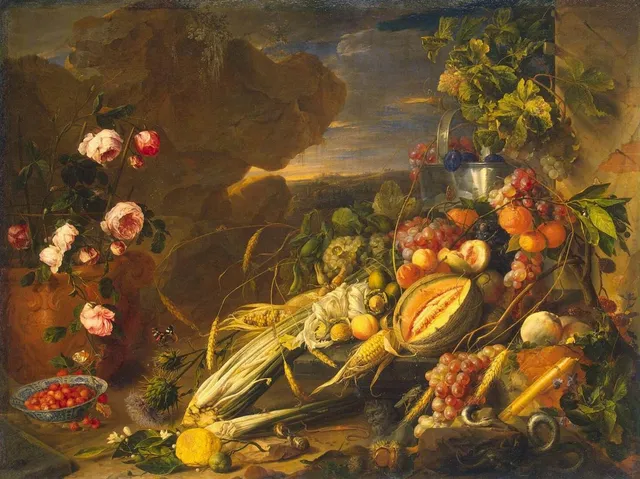
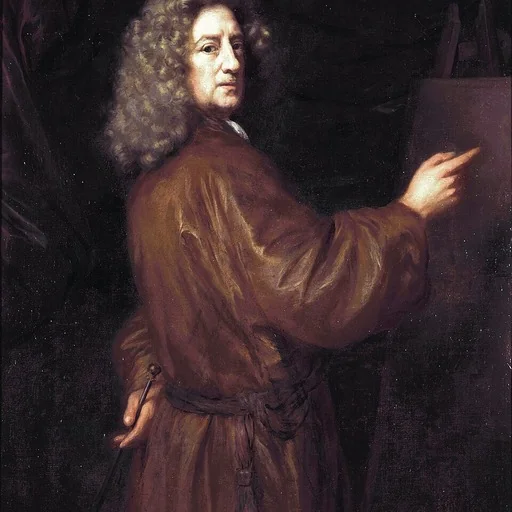
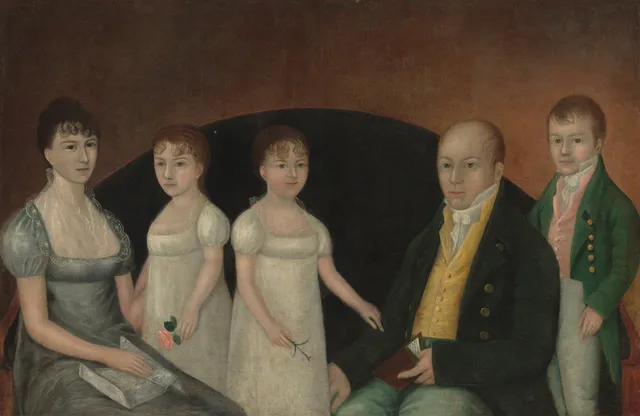
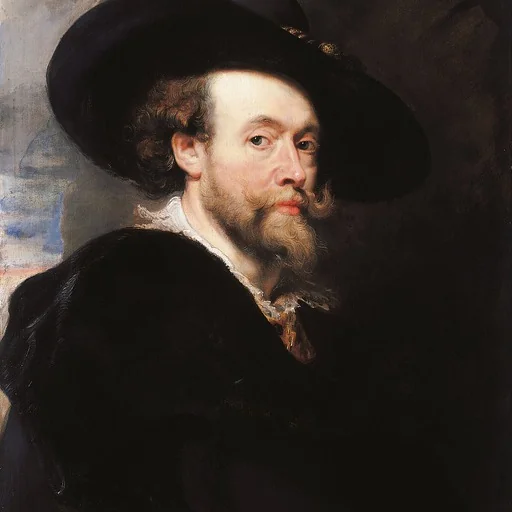
Rosa is a subject in art. The gallery holds 60 works in this subject in art, including works by Nicolaes Maes, Joshua Johnson and Peter Paul Rubens.
Few flowers carry as dense a freight of meaning in Western art as the rose. The bloom of the genus Rosa — a woody perennial of the family Rosaceae, with over three hundred species and tens of thousands of cultivars — entered the visual imagination first through antiquity, where the Greeks and Romans dedicated it to Aphrodite and Venus, goddesses of love and beauty. With the Christianisation of the Roman world that erotic charge was sublimated into sacred meaning. The fifth-century poet Coelius Sedulius hailed the Virgin Mary as the "rose among thorns," and by the high Middle Ages the rose had become Mary's defining attribute: red blooms evoked the blood of Christ and the martyrs, white blooms her purity and the Immaculate Conception. Fifteenth-century painters set the Madonna within walled rose gardens — the hortus conclusus — and Albrecht Dürer's Feast of the Rosary (1506) shows the Virgin distributing rose garlands to the faithful.
Alongside this devotional tradition ran a secular and heraldic one. In England the Tudor rose, combining the white rose of York and the red of Lancaster, was devised after 1485 by Henry VII to symbolise the union of the warring houses, becoming a national emblem still in use today.
The rose reached its fullest artistic flowering in the Dutch Golden Age, when flowers became worthy of paintings in their own right. Ambrosius Bosschaert was among the first to specialise in the stand-alone flower piece, arranging tightly observed roses and tulips in symmetrical bouquets. The genre matured with Jan Davidsz. de Heem's lush, opulent arrangements and culminated in Rachel Ruysch, one of the most celebrated painters of her age, whose asymmetrical compositions teem with insects and dewdrops. Beneath their beauty lay a vanitas message: petals drop and beauty fades, a reminder of mortality.
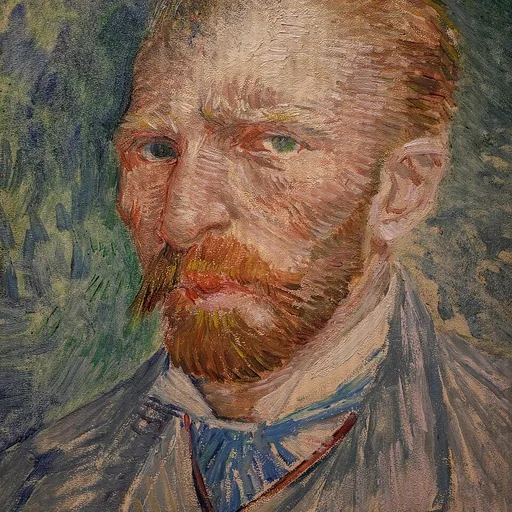
The rose's botanical and emotional registers persisted into the modern era. Pierre-Joseph Redouté, painter to Empress Joséphine, immortalised the roses of her garden at Malmaison in Les Roses (1817–1824), some 180 stipple-engraved plates uniting science and art. Decades later Vincent van Gogh, on the eve of leaving the asylum at Saint-Rémy in May 1890, painted his luminous Roses — its once-pink blooms now faded to white — among a valedictory group of still lifes that turned the humble flower into a meditation on life and renewal.
Key artists

Overview
Rosa, the genus of woody perennial flowering plants in the family Rosaceae, encompasses over three hundred species and tens of thousands of cultivars. Native primarily to Asia, with smaller populations in Europe, North America, and Northwest Africa, the plants range from trailing and erect shrubs to climbers reaching up to seven meters in height. The flowers are typically large and showy, varying in color from white through pinks, reds, oranges, and yellows. Because species within the genus hybridize easily, they have been widely cultivated for their beauty and fragrance, leading to a vast array of garden roses. This botanical versatility and visual appeal have established the rose as a recurring subject in visual art, where it appears across a wide variety of media and periods.
Iconography & meaning
The rose has carried profound cultural significance across many societies, earning the designation as the queen of flowers since Greek antiquity. Its visual attributes, including the striking color of its petals and the sharp prickles along its stems, have lent themselves to varied symbolic interpretations. The plant's prominent flower, usually featuring five petals, and its subsequent fruit, the rose hip, have anchored its iconographic meaning in both the natural and cultural worlds. The extraction of rose oil from the petals further cemented the flower's association with luxury, perfume, and sensory pleasure, reinforcing its status as a symbol of beauty and value in artistic representation.
Across movements & periods
The artistic treatment of the rose has shifted alongside its botanical evolution and cultural history. In the Netherlands, the cultivation of roses is documented from the second half of the sixteenth century, and by the seventeenth century, they were grown in the formal palace gardens of the House of Orange, such as Palace Honselaarsdijk. Early herbals, like the 1608 edition of Rembert Dodoens's Cruydtboek, documented ten distinct types of roses, a number expanded by botanists like Mathias de Lobel and Carolus Clusius. A major shift occurred around 1800 with the introduction of Rosa chinensis from China, which offered a longer blooming period than previously known species. This led to new hybrids and expanded the visual vocabulary of the rose in art, ultimately resulting in the diverse array of tea hybrids, climbing roses, and dwarf variants by the end of the nineteenth century.
Legacy
The rose's later cultural afterlife is defined by its continuous horticultural development and its sustained presence in ornamental gardens. Following the establishment of Empress Josephine de Beauharnais's famous rose garden at the Chateau de Malmaison, which housed all known roses of the era, the eighteenth and nineteenth centuries saw the proliferation of specialized rosaria. These display gardens peaked in popularity before gradually declining after the 1940s due to high maintenance costs. Botanically, the flower's legacy is marked by its rapid evolutionary adaptation, driven by frequent intra and inter species hybridization and shifting environmental conditions. Today, the sheer volume of cultivated varieties, documented as early as an 1829 French catalog listing 2,562 distinct types, demonstrates the enduring human fascination with the genus.
Works
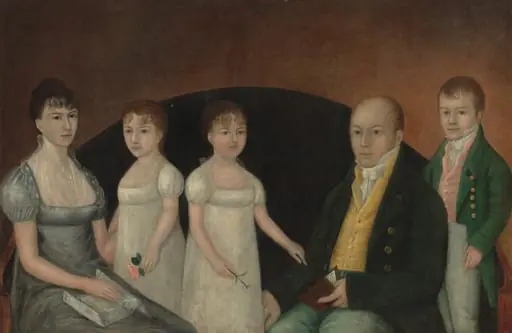 Family Group
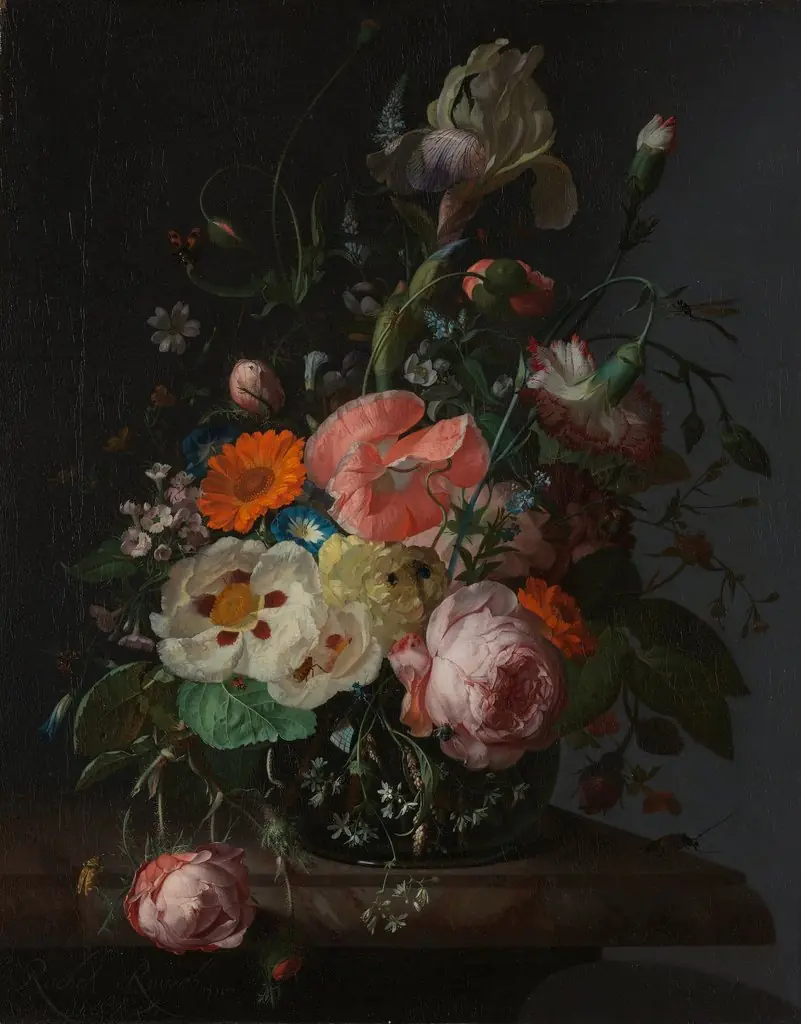 Still Life with Flowers on a Marble Slab
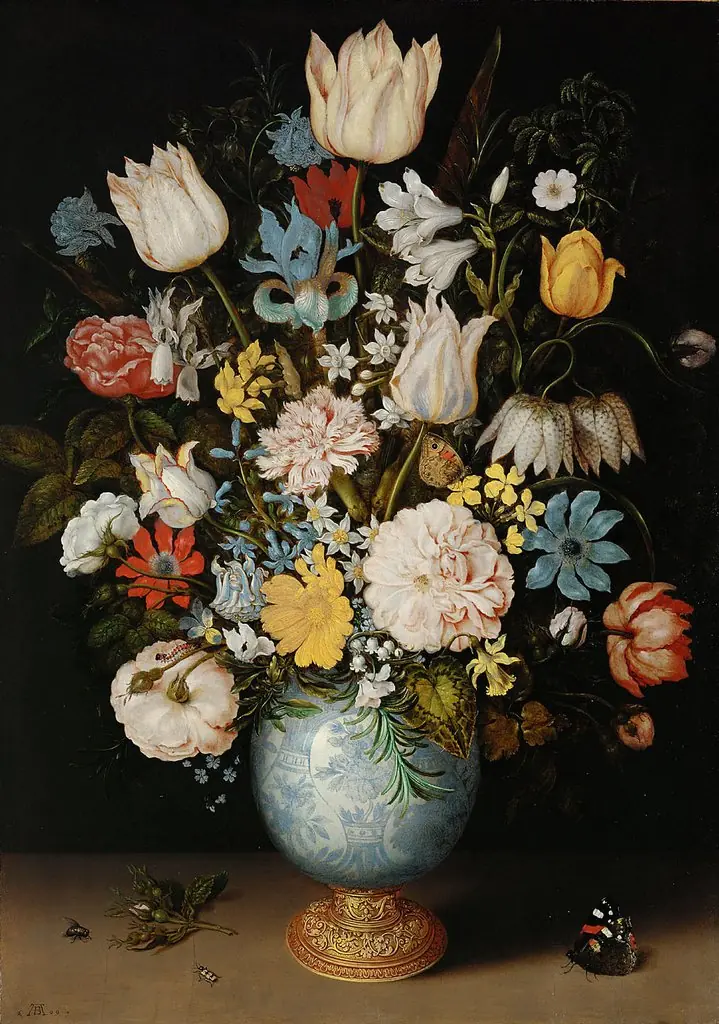 Flowers in a blue and white porcelain vase
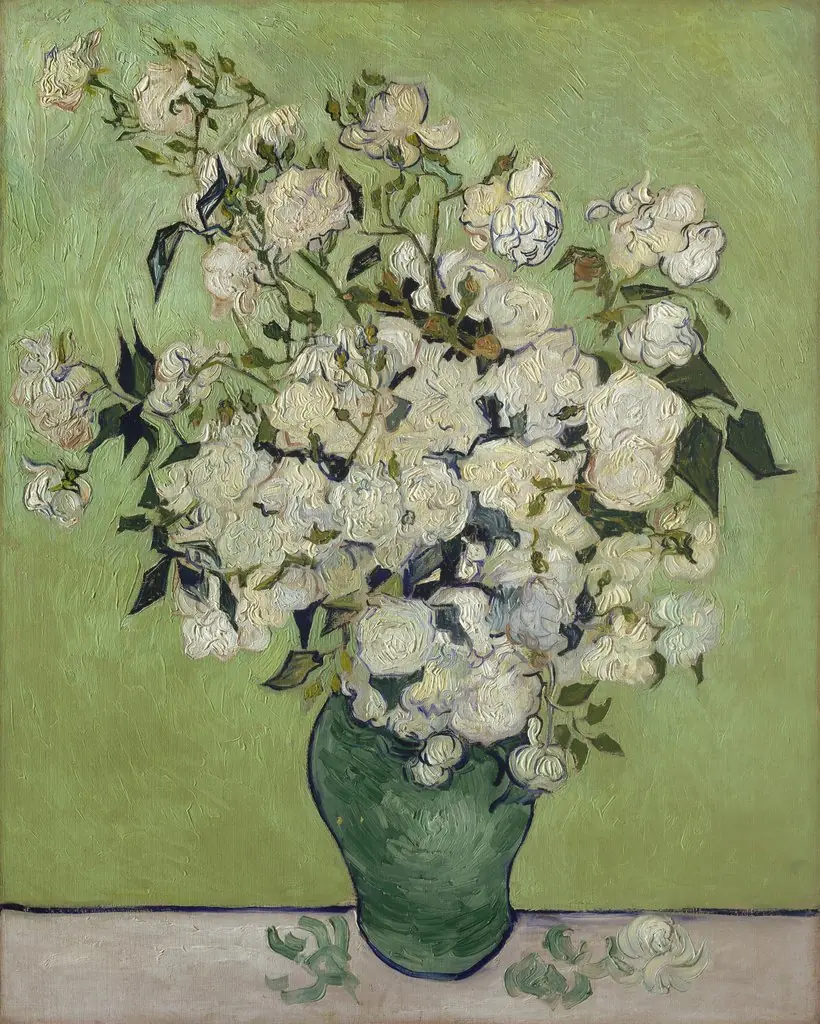 Roses
Roses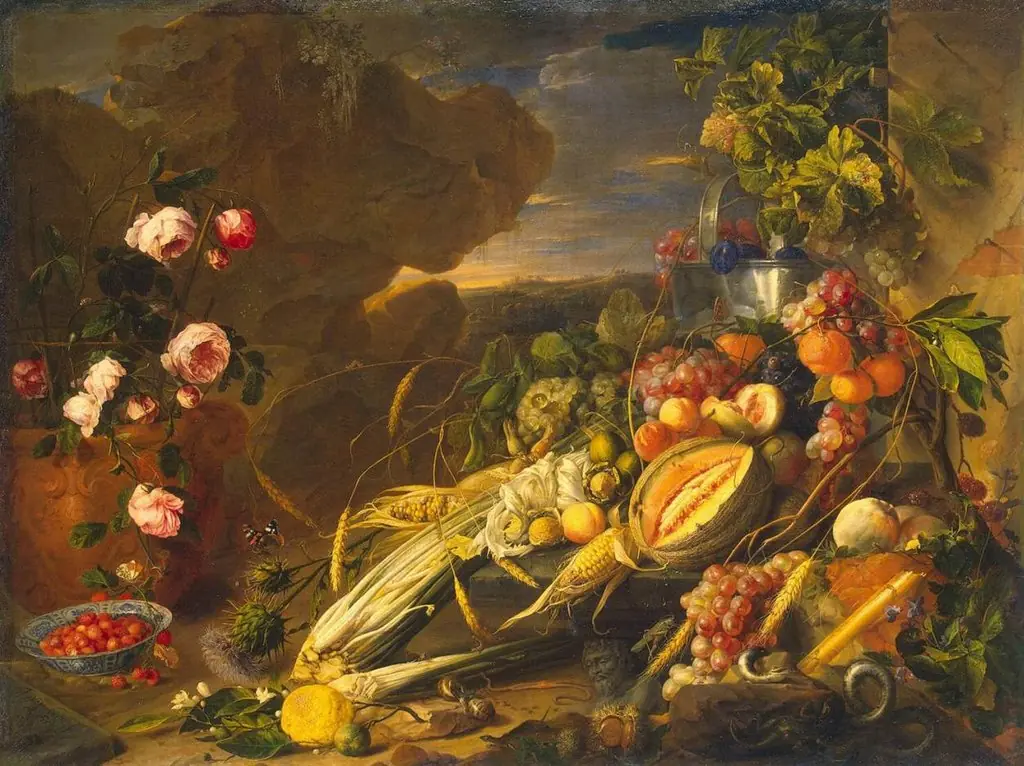 Fruit and a Vase of Flowers
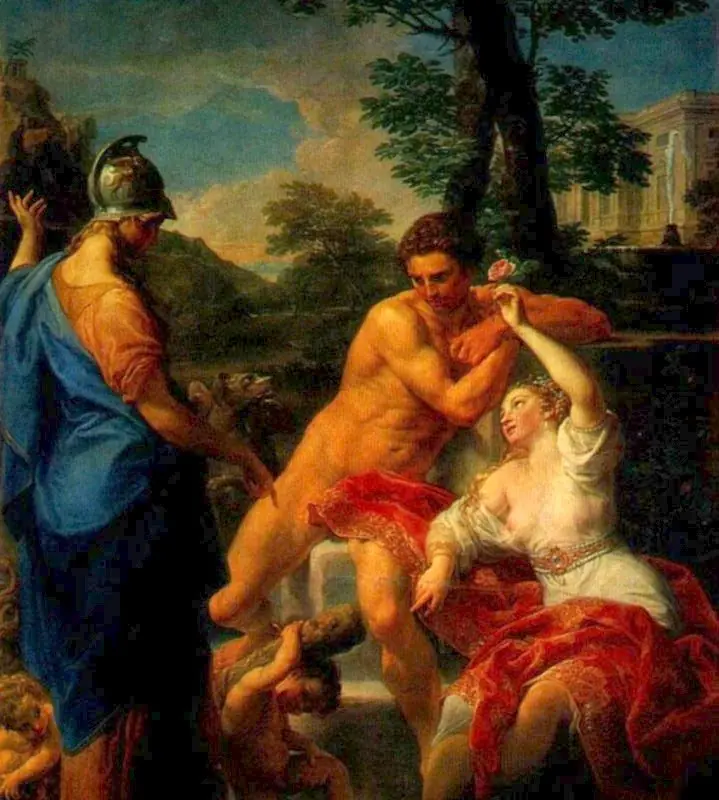 Hercules at the Crossroads
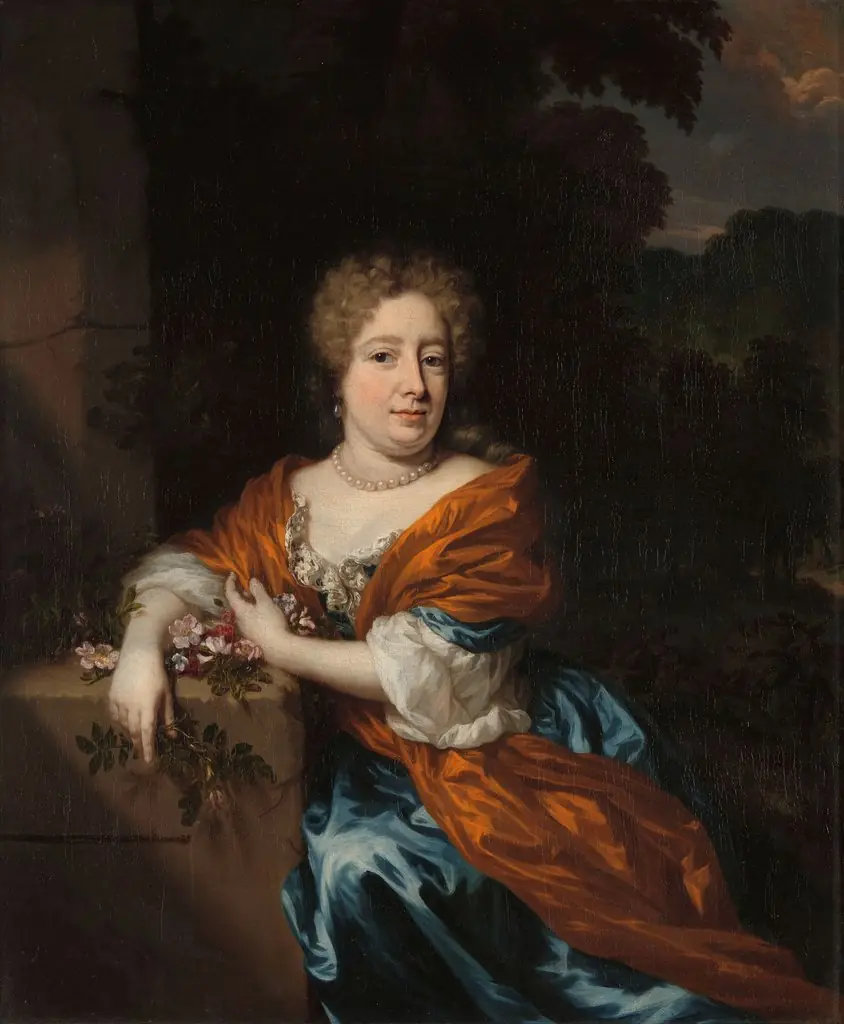 Portrait of Petronella Dunois
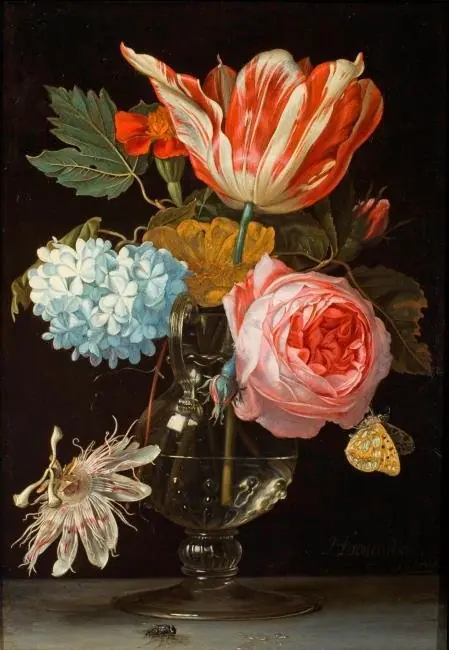 Flowers in a vase with a passion flower
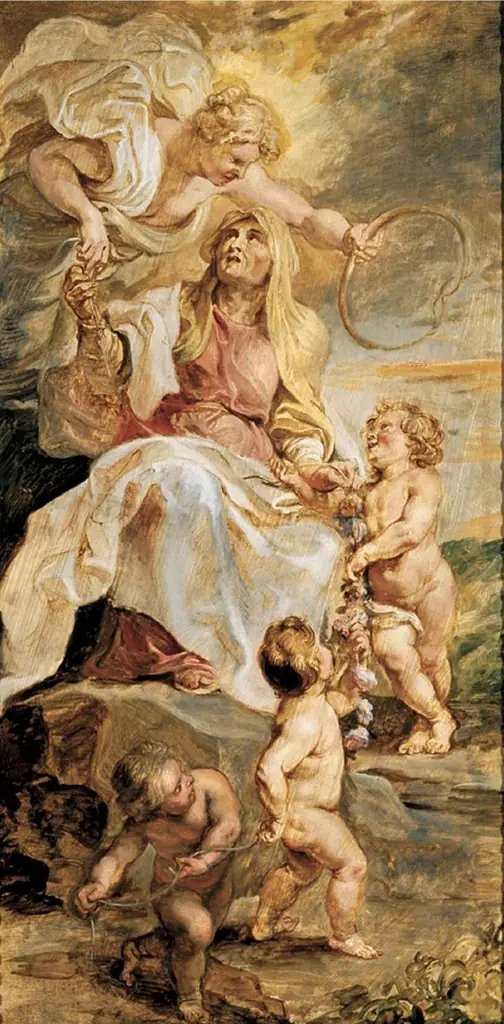 The Succession of the Popes
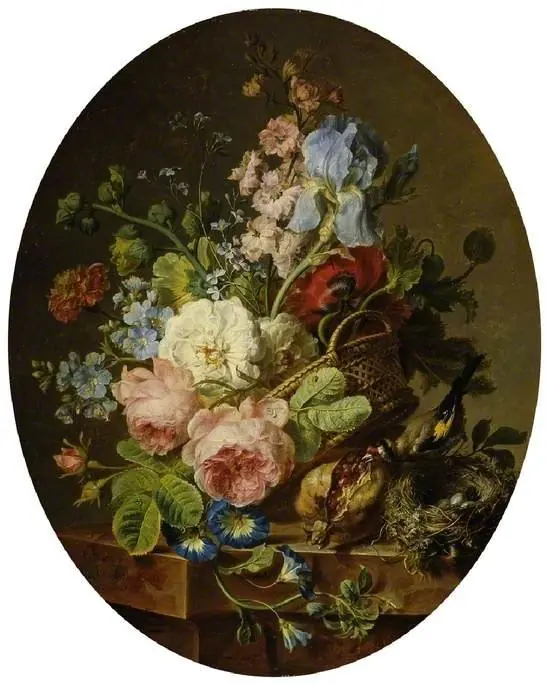 Open wicker basket of mixed flowers, including iris, roses, poppies, hollyhock, marygold, larkspur and convolulus on a marble ledge with an open pomegrante and a goldfinch with its nest
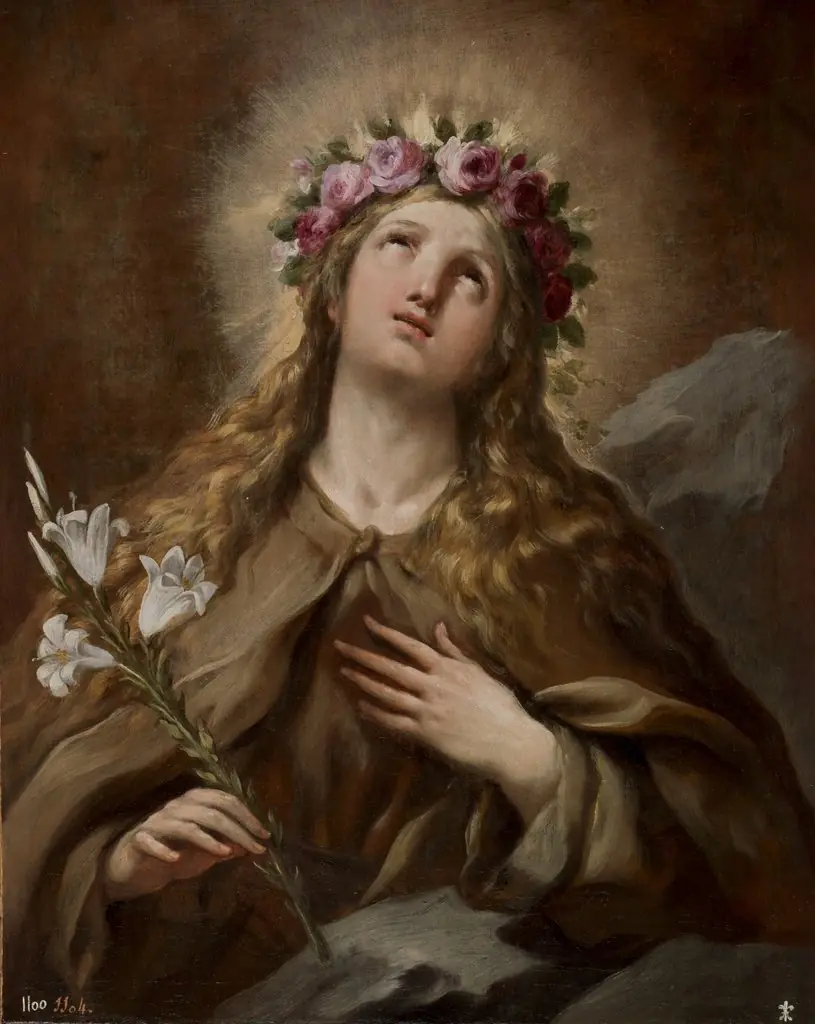 Saint Rosalia
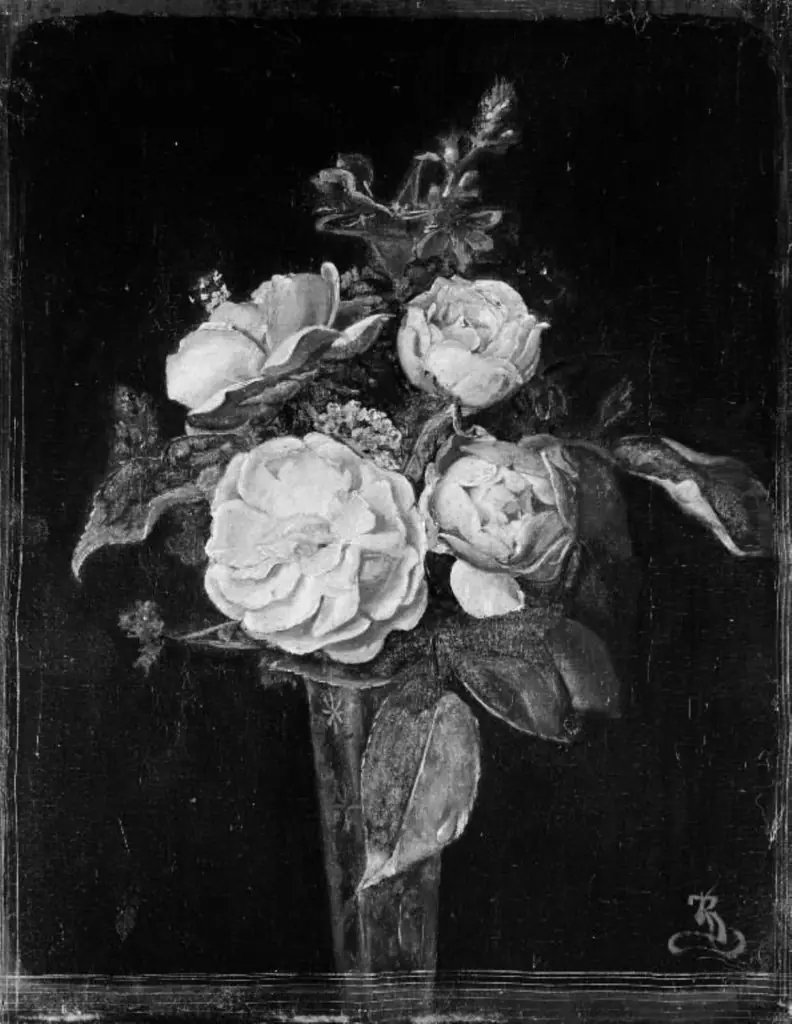 Roser og reseda i et blomsterglas
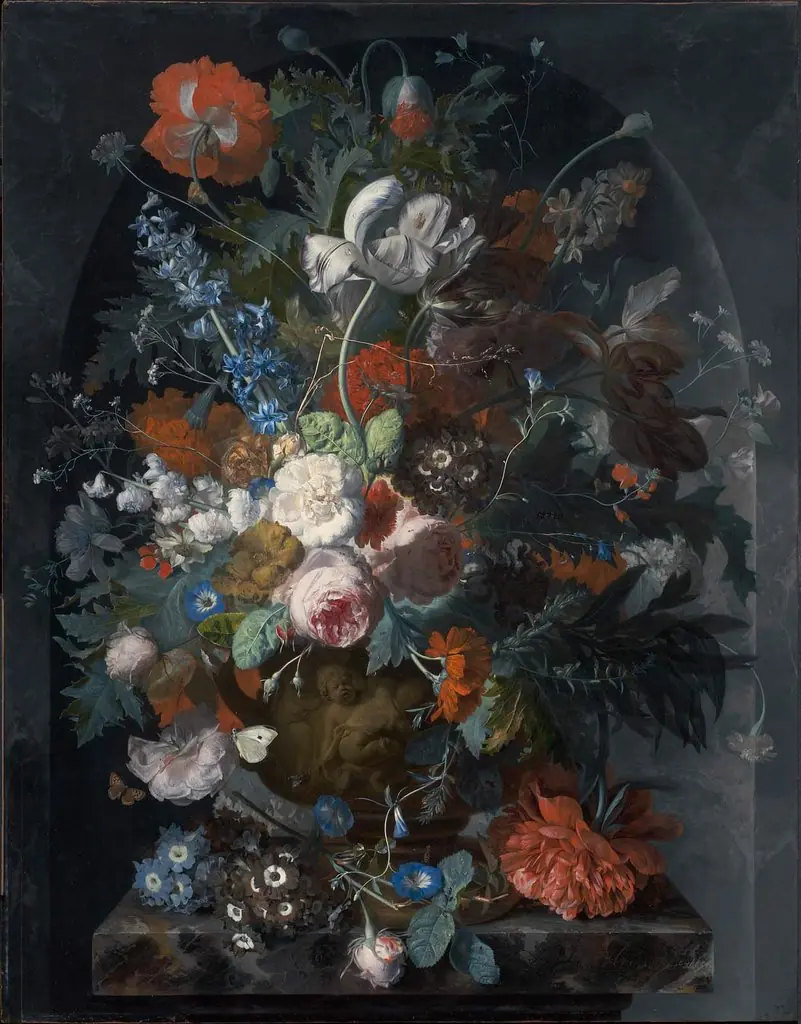 Vase of Flowers in a Niche
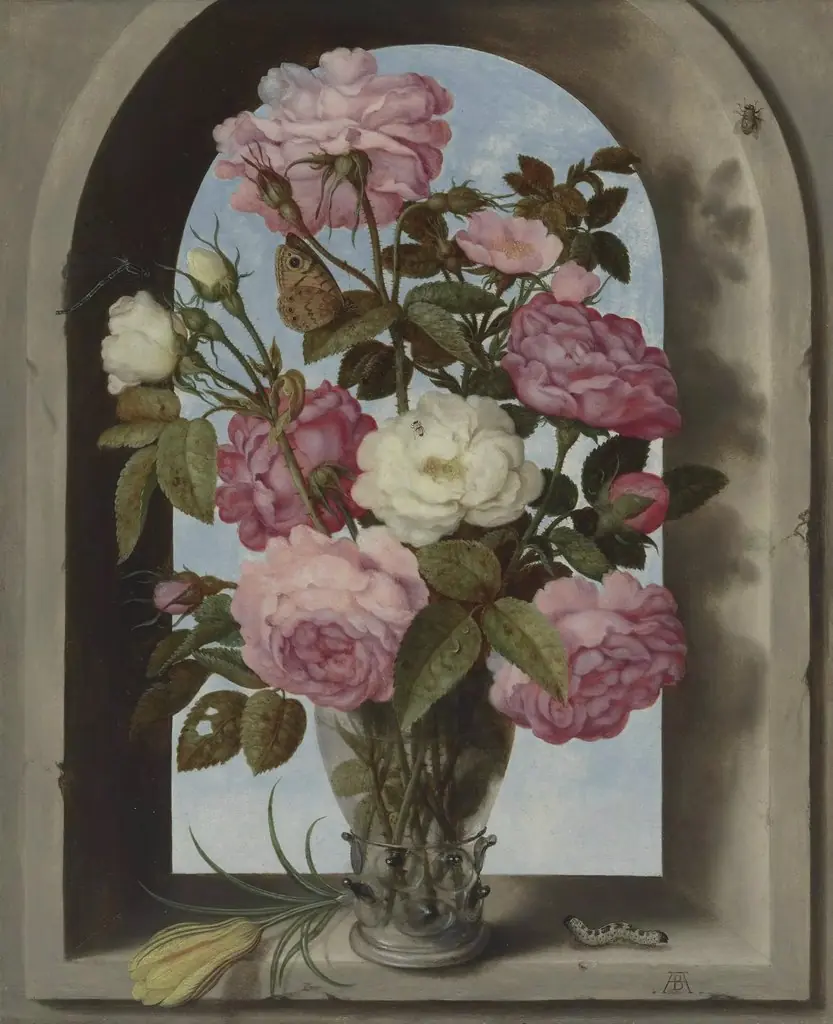 Still-life with Roses in a Glass Vase
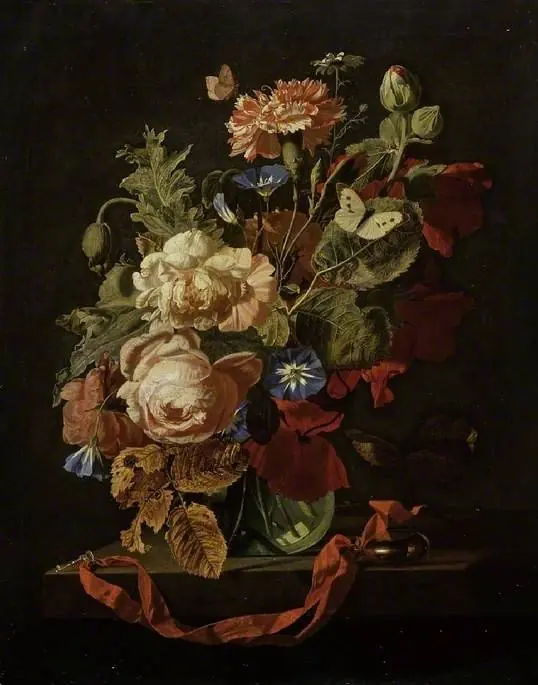 A Vase of Flowers
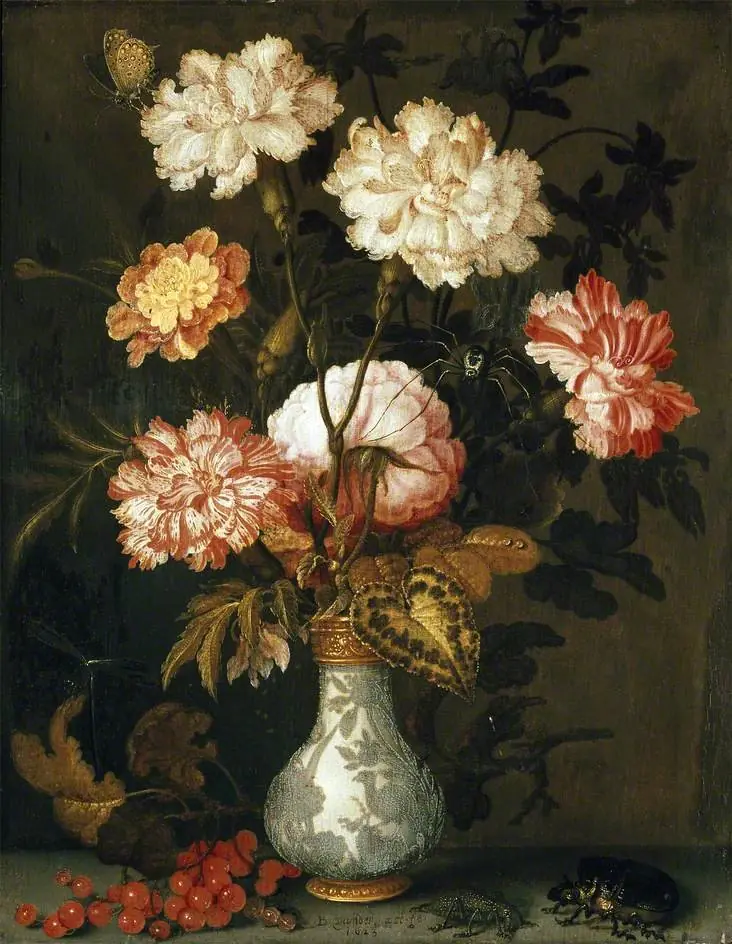 A Vase of Flowers
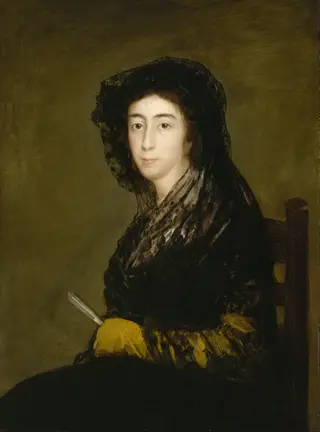 Dona Amalia Bonells de Costa
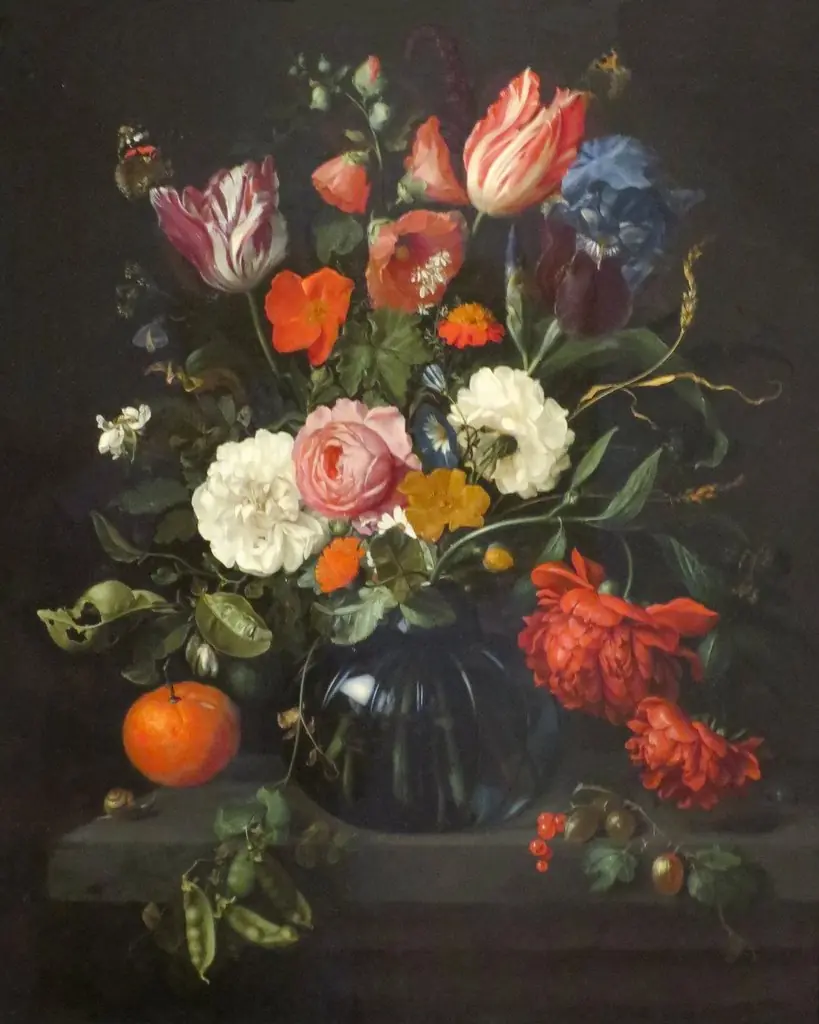 Vase of Flowers
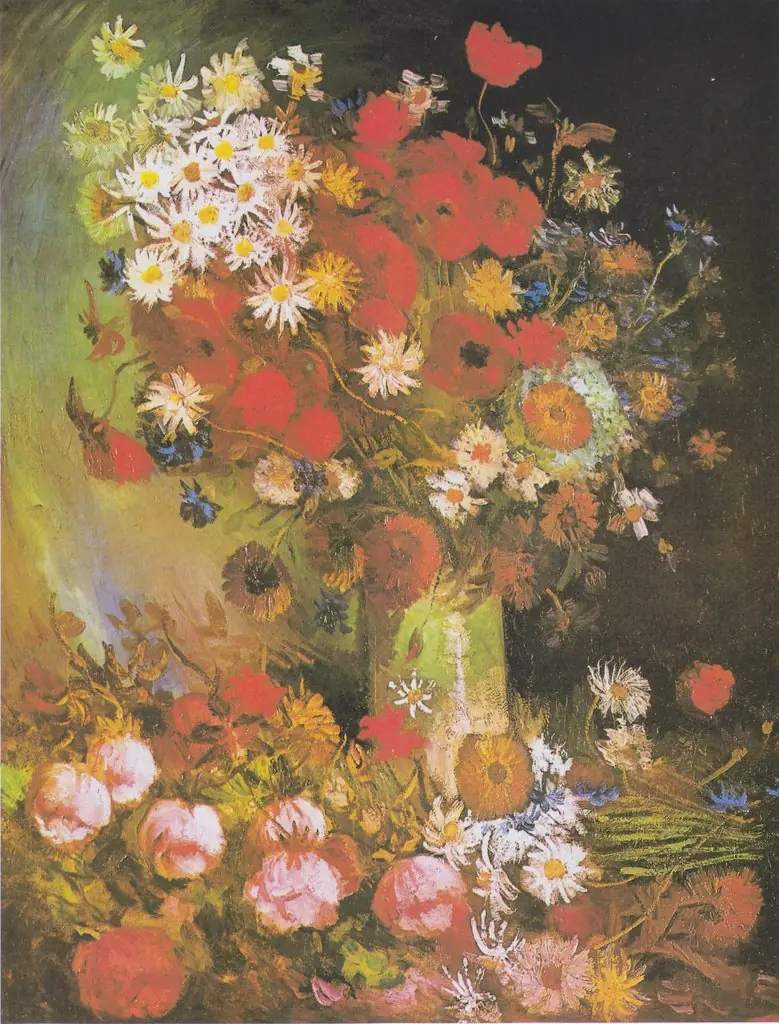 Still Life with Meadow Flowers and Roses
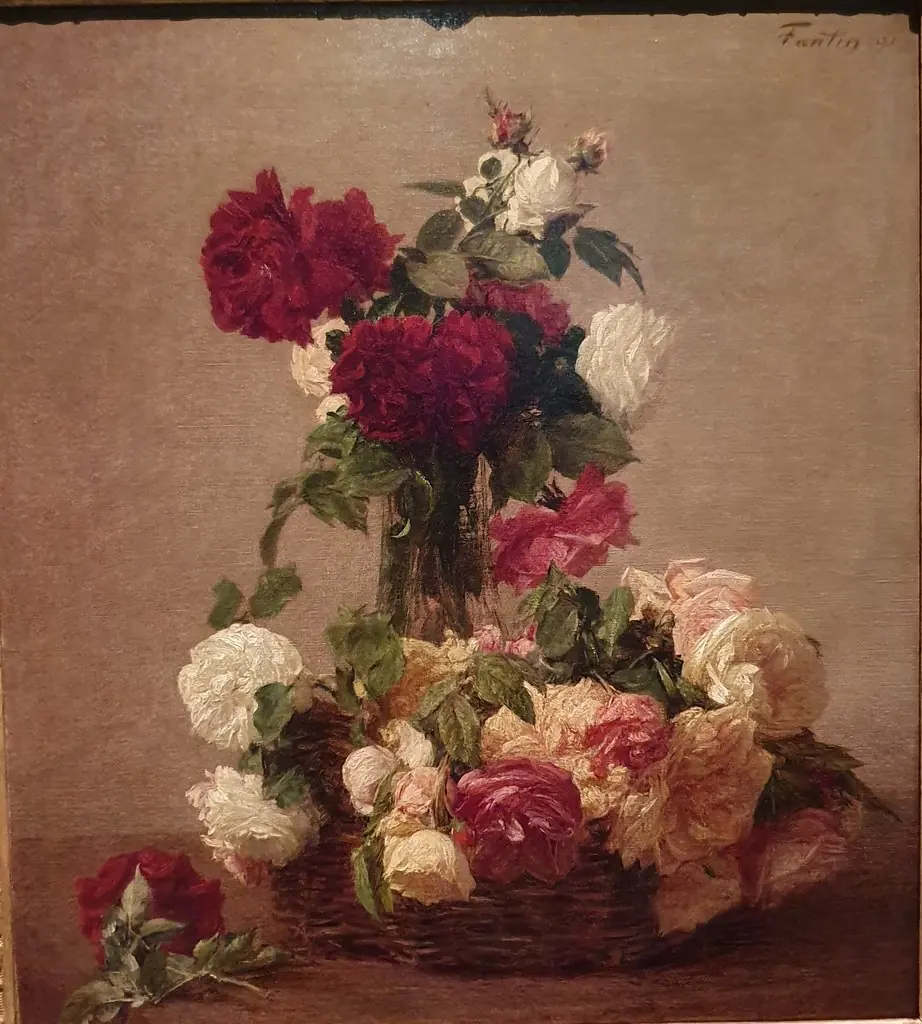 Cesto de Rosas
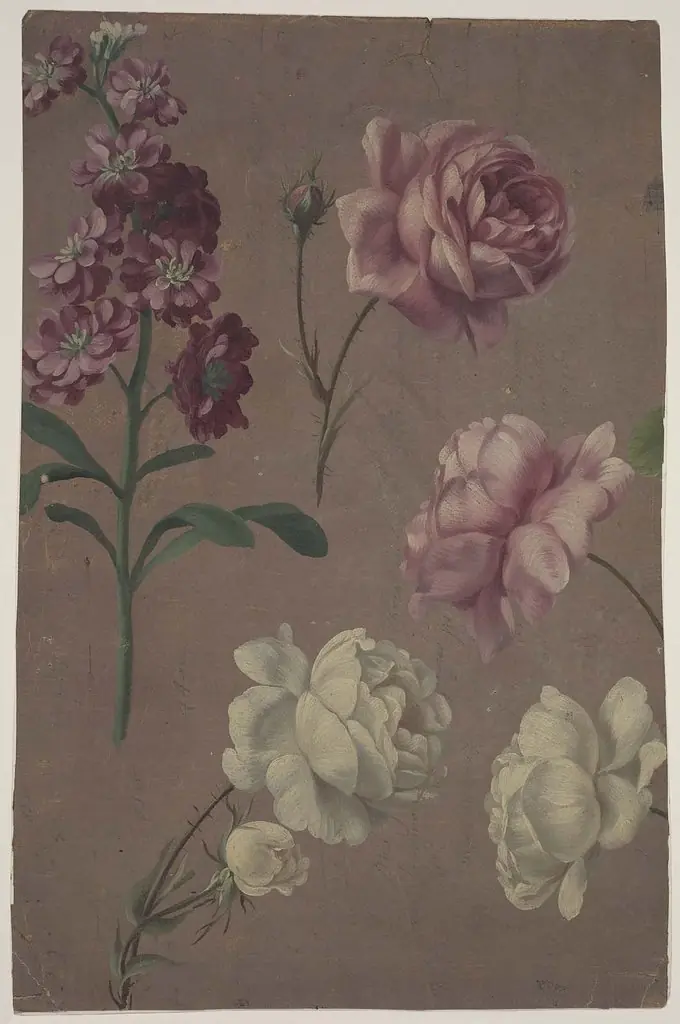 Studies of Roses and other Flowers
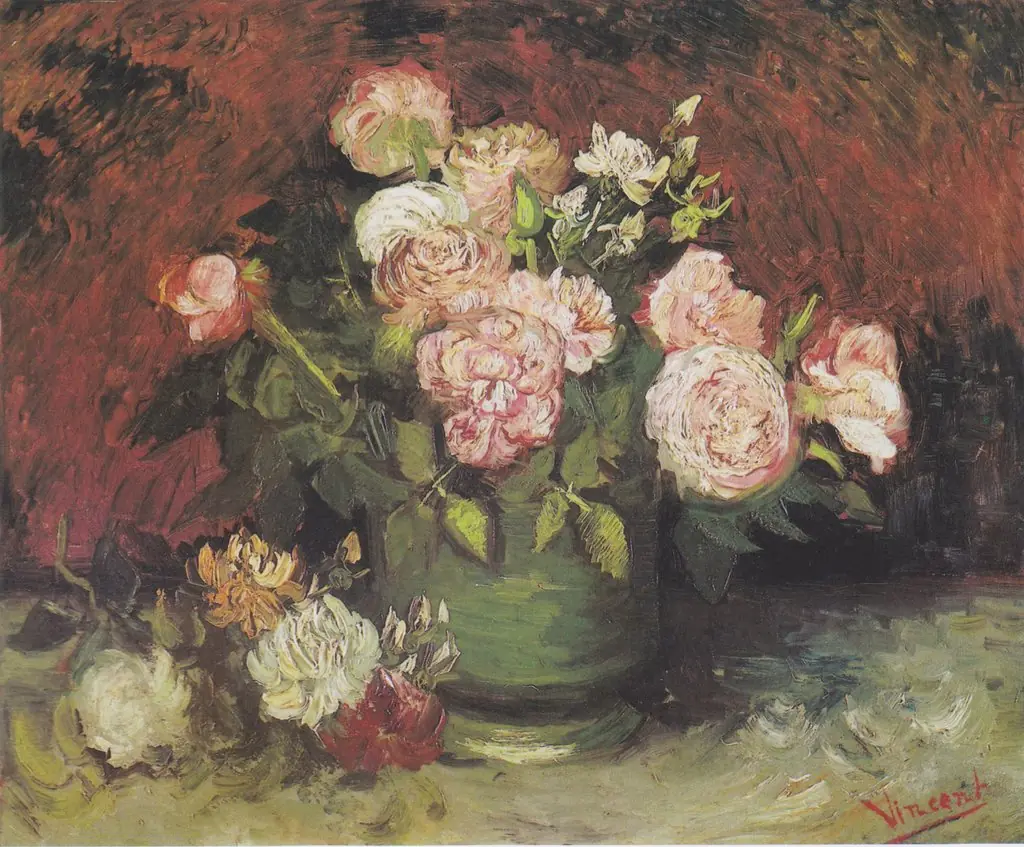 Bowl with Peonies and Roses
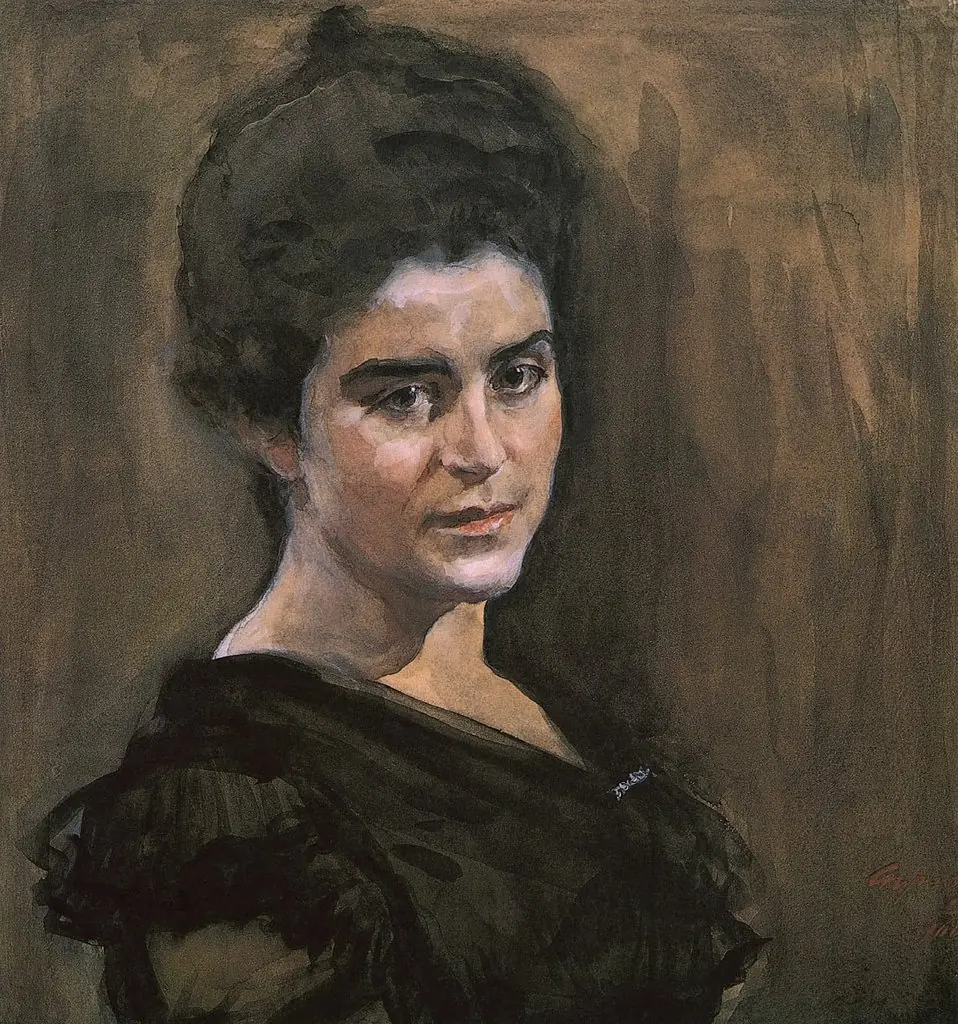 Portrait of Sophia Dragomirova-Lukomskaya
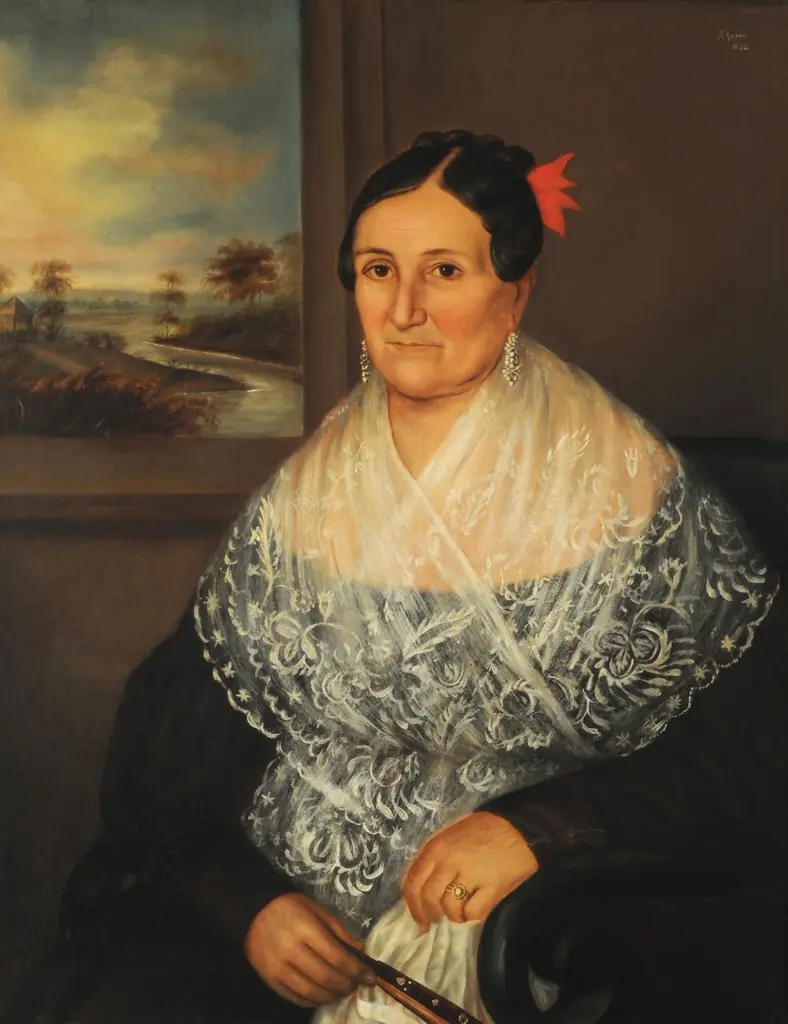 Portrait of María Josefa Ramona Herrera
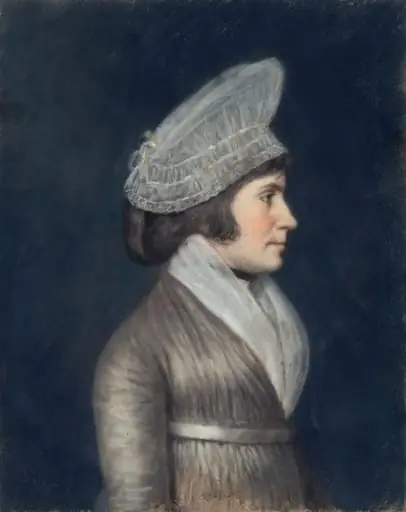 Mrs. John Bard
 Portretul unei tinere
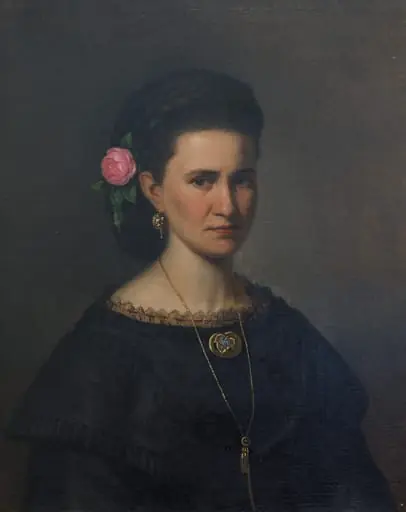 Portret de femeie
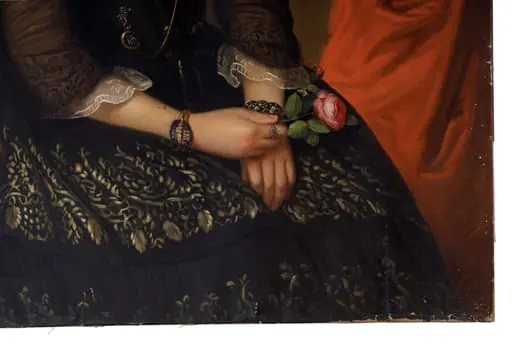 Portret de femeie
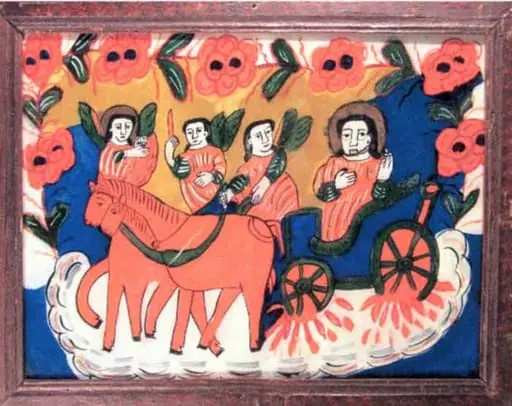 Sfântul Ilie
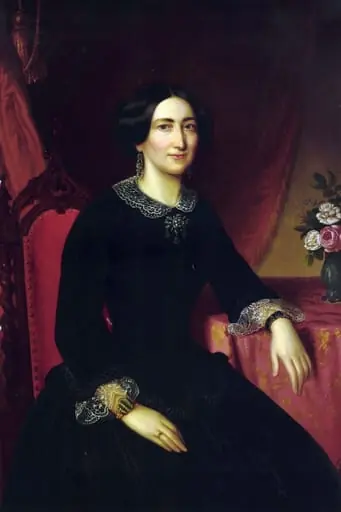 Portret de femeie
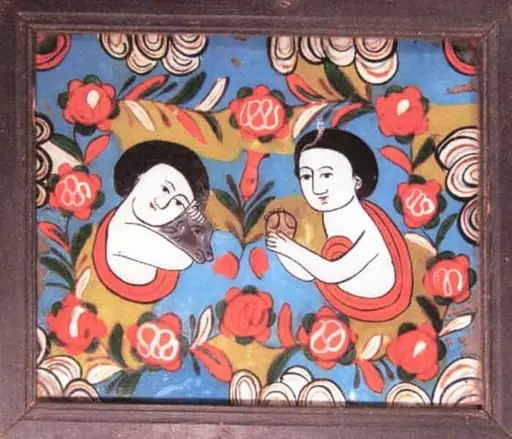 Iisus și Ioan, copii (Ioan cu mielul)
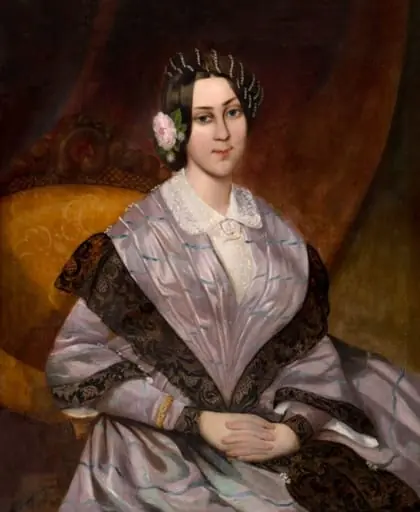 Eleganță (Portretul Mariei Bibescu)
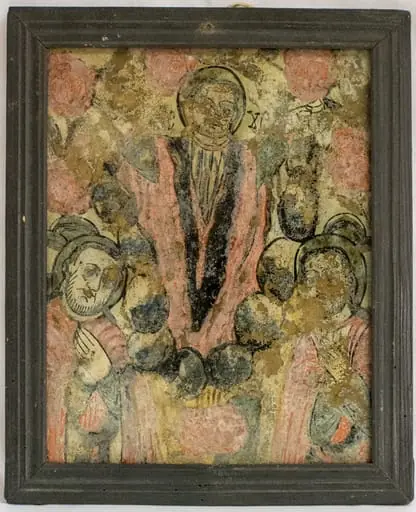 Icoana reprezintă Înălțarea lui Isus Hristos, care se prăznuiește la 40 de zile de la Paști(Învierea lui Isus). Isus Hristos, se ridică pe nori, cu brațele desfăcute. În colțurile de jos, apostolii Petru și Pavel(conform Erminiei), cu brațele la piept și capul ușor înclinat către centru. În spatele lor se disting capetele și aureolele celorlalti apostoli, deși canonic, la Înălțare ei nu primiseră încă Sfântul Duh și nu sunt reprezentați cu aureole.Chipurile sunt asemănătoare cu barbă scurtă și părul lung, negru.Veșmintele sunt aproape identice, roșu și verde. Câmpul alburiu, decorat cu o ghirlandă de trandafiri roșii(ruje). Icoana mai are caracteristicile specifice picturii niculene: stângăcia, simplitatea și primitivismul desenului; compoziția sumară,este mai încărcată totuși decât icoanele niculene din prima perioadă. Culorile sunt armonizate, nu foarte intense:alb, galben, roșu, verde, albastru, negru. Strat pictural exfoliat. Rama- culoare neagră.
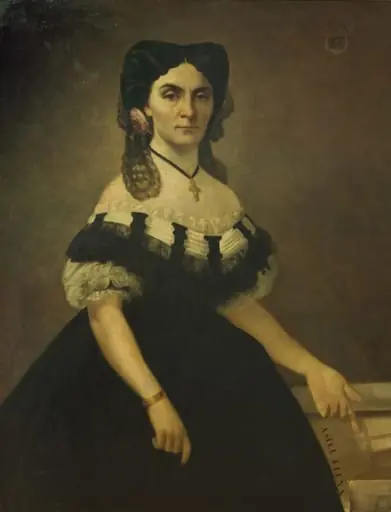 Portretul Elenei Cuza
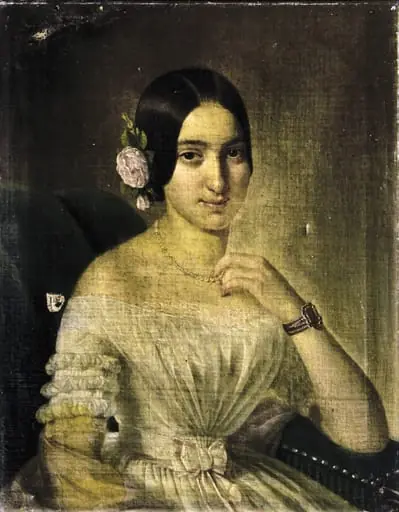 Portret de femeie
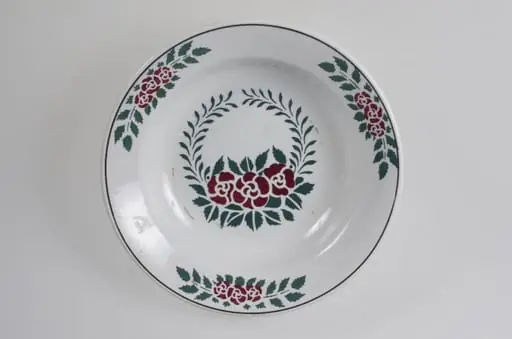 Vasul are formă tronconică, adâncită. Este decorat cu motive florale, vegetale și geometrice; are trei flori pe margine ce sunt delimitate de o linie; în centru este decorat cu un buchet format din trei trandafiri; pe fund are trei cercuri concentrice. Vasul este smălțuit interior-exterior. Cromatică: fond alb; motive: verde; roșu.
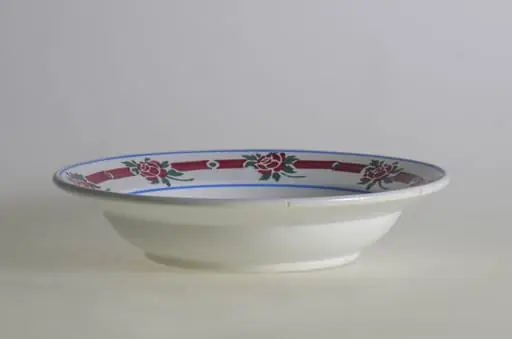 Vasul are formă tronconică; pe margine este decorat cu motive florale, despărțite de motive geometrice: linie, punct, care sunt încadrate de două cercuri concentrice; motive florale în centru (trandafiri); pe fund are trei cercuri concentrice. Cromatică: fond: alb; motive: roșu; verde; albastru. Vasul este smălțuit interior-exterior.
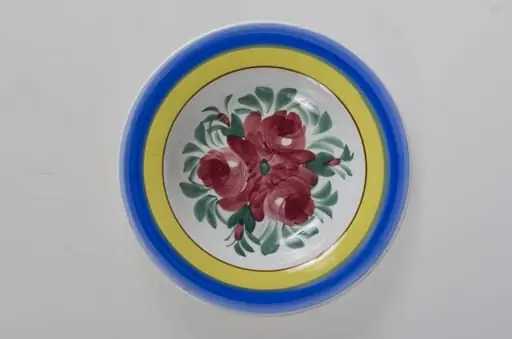 Farfurie de formă tronconică, adâncită; motive florale în centru (trandafiri); pe margine este decorat cu trei cercuri concentrice. Pe fund este o ștanță: o casă cu o pasăre pe acoperiș cu inscripție deasupra: ”MAGYAR” și dedesubt: ”1971” și un cuvânt indescifrabil. Pe fundul vasului sunt două incizii în care este introdus un șnur folosit la agățarea vasului pe perete. Vasul este smălțuit interior-exterior. Decor obținut prin pictare. Cromatică: fond: alb, motive: roșu; verde; albastru; galben.
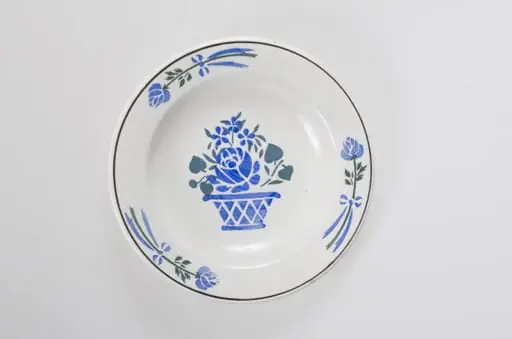 Vas tronconic și adânc realizat din porțelan. Pe fondul alb, central se află un coș albastru (realizat din motive geometrice: romuri și triunghiuri încadrate de două linii) cu un trandafir și trei floricele: pe marginimea farfuriei se observă trei secvențe cu trandafiri legate cu o fontiță. Marginea vasului este decorată cu un cerc. Cromatică: alb; motive: albastru; verde; negru.
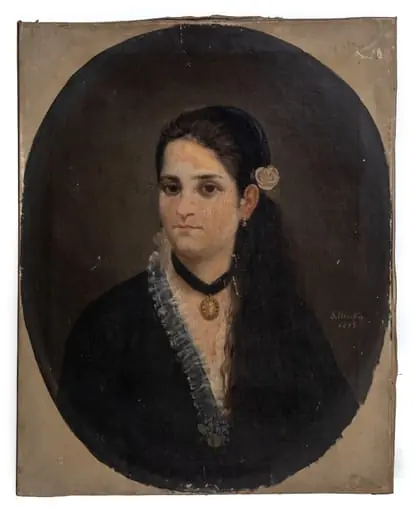 Portret de femeie
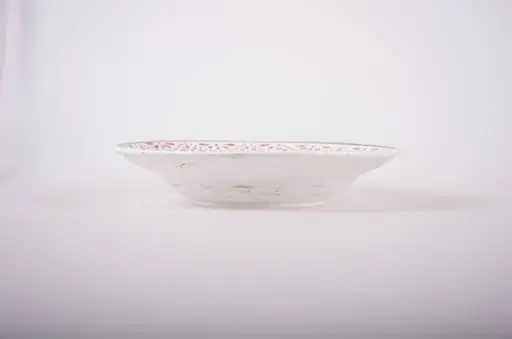 Farfurie de formă tronconică, adâncită; pe fund are găuri pentru agățare. Pe margine este decorat cu motive florale, despărțite de șiruri de puncte și încadrate de două cercuri concentrice; în centru are o cruce mare cu capete treflate încadrată de doi trandafiri (în lateral) și o floare la bază. Pe exterior are urme de pictură (probabil a fost așezată pe o altă farfurie proaspăt pictată). Cromatică: fond: alb; motive: roșu; verde; albastru; galben.
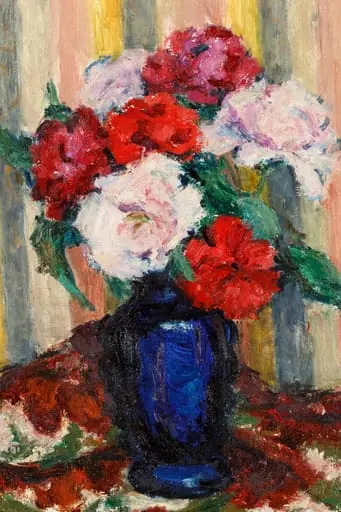 Trandafiri în vas albastru
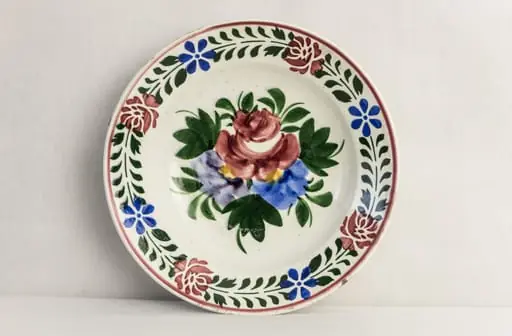 Vas de formă rotundă, smălțuit în interior și exterior, decorat pe suprafața interioară prin pictare manuală astfel: central, un motiv floral reprezentând buchetul cu flori; pe margine, motive florale dispuse circular (trandafiri și albăstrele). Pe fundul vasului este prezentă marca manufacturii din Hollóháza (inscripția Magyar. Gyártmányi 10 și casa cu corb). Cromatică: alb, albastru, verde, galben, roșu.
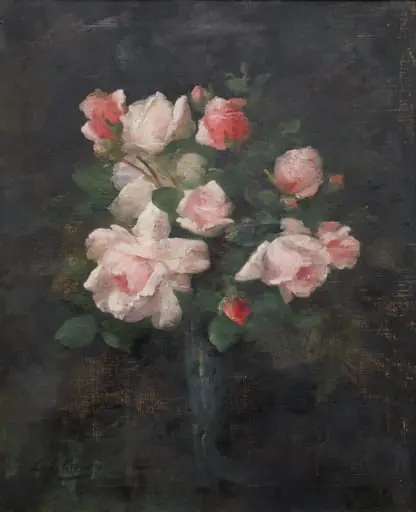 Trandafiri
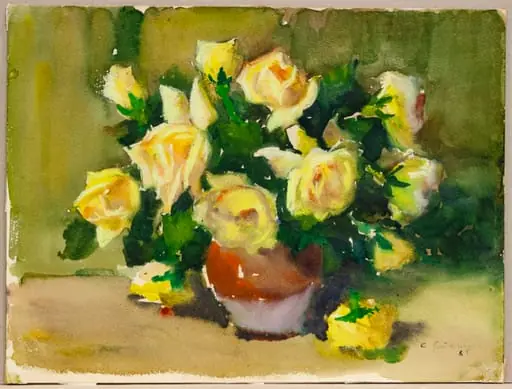 Trandafiri galbeni
 S 14 - Omagiul meu Sulinei (Mal de Dunăre cu trandafir și bărci)
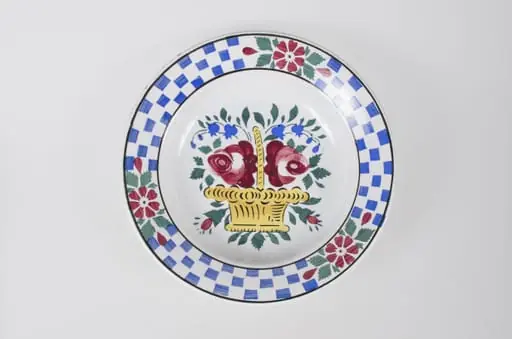 Vas de formă tronconică, adâncă. Pe fundul farfuriei se află un ornament format din: un coș de flori (trandafiri și clopoței). Pe marginea farfuriei între două cercuri concentrice apar trei flori despărțite de trei registre în formă de tablă de șah realizate din dreptunghiuri albastre. Cromatică: fond: alb; motive: galben; roșu; verde; albastru; negru.
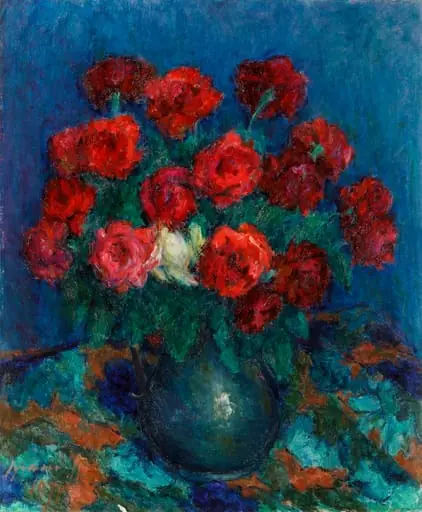 Vas cu trandafiri roșii
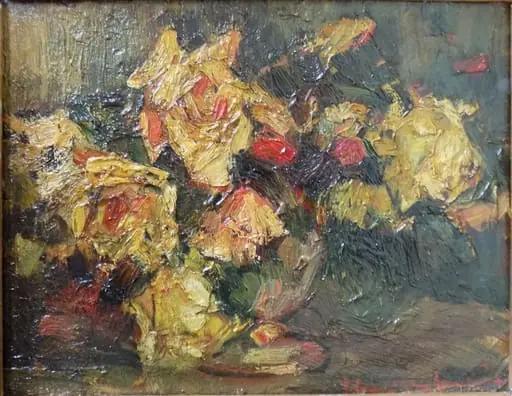 Trandafiri
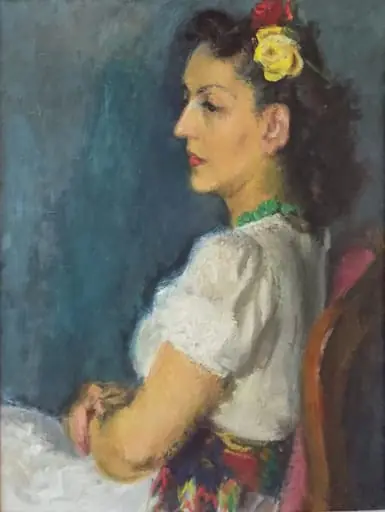 Portret femeie
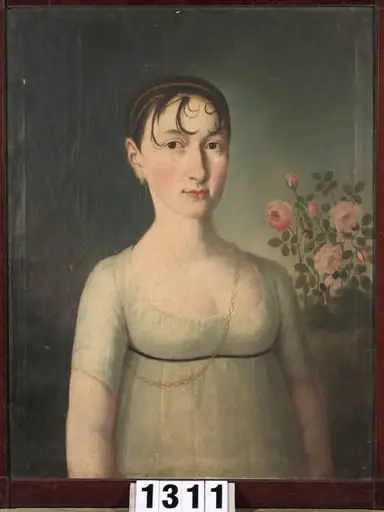 Therese Klein von Traussenburg, soția maiorului von Kokh
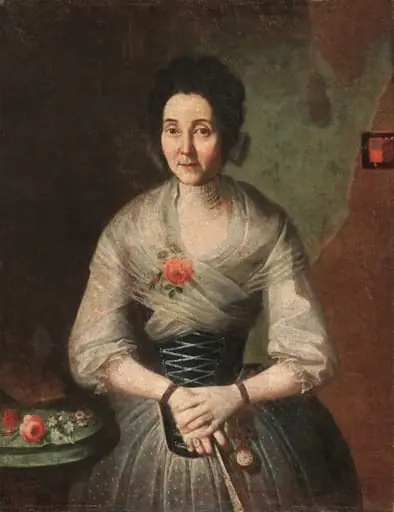 Soția medicului Pataki Samuel II (Szatmari Papp Sára) (În RI: Pataki Sámuelné Szatmari Papp Sára)
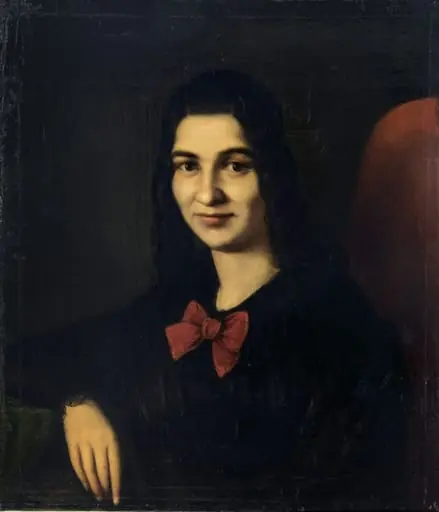 Portretul Elenei Negri
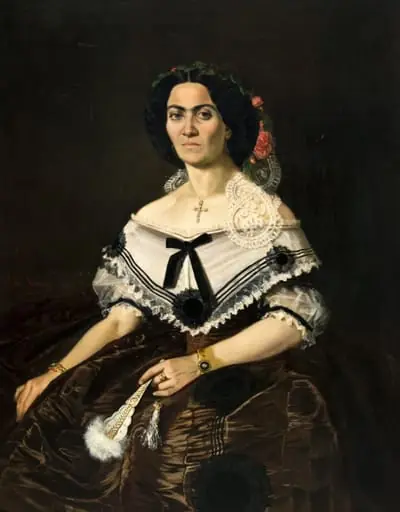 Portret de femeie
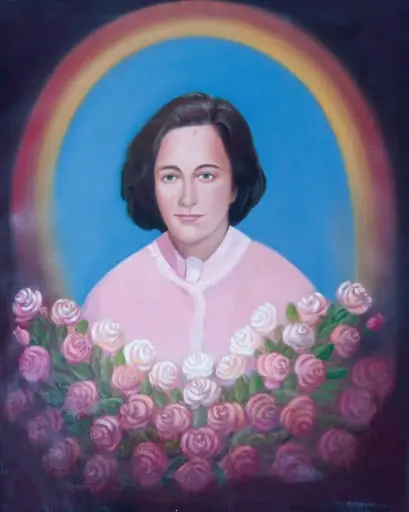 Tablou „Omagiu”, semnat N. Porumb și datat în partea dreaptă jos. Tabloul o reprezintă pe Elena Ceaușescu cu tricolorul în spate sub formă de curcubeu; în partea de jos a tabloului o ”mare” de trandafiri. Comandat de Comitetul Județean de Partid Sibiu și dăruit Elenei Ceaușescu cu ocazia zilie de naștere (ianuarie 1989).
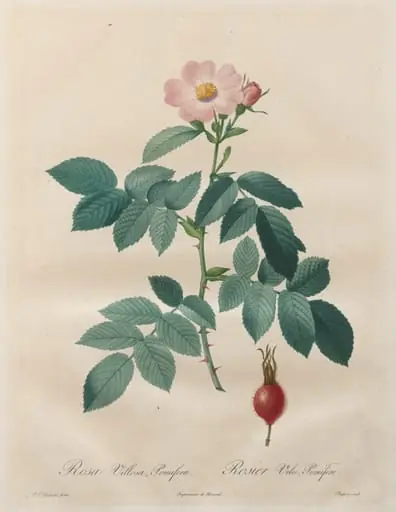 Les Roses: Rosa villosa, pomifera
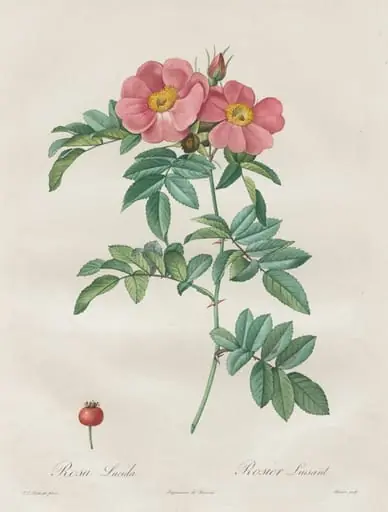 Les Roses: Rosa Lucida
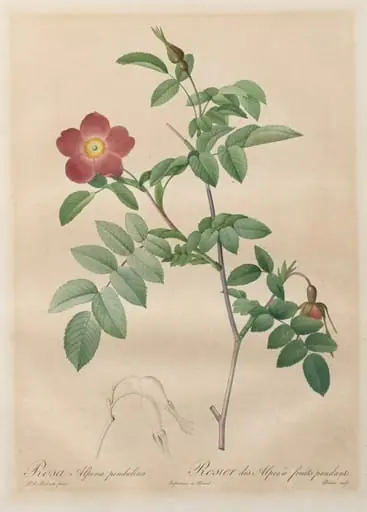 Les Roses: Rosa alpina pendulina
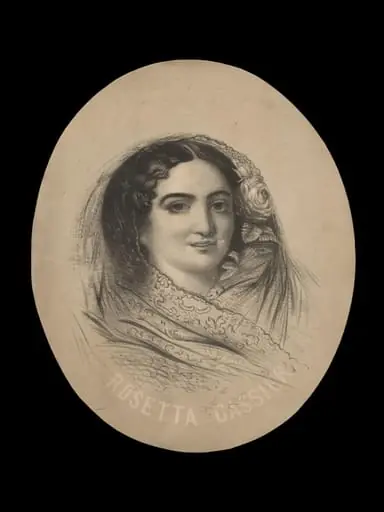 H Beard Print Collection
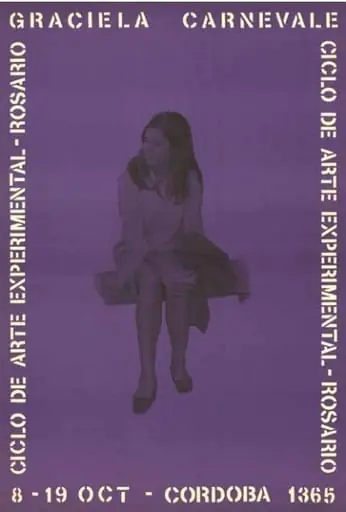 Untitled
Frequently asked questions
What is Rosa?
Rosa is a subject in art. A rose is either a woody perennial flowering plant of the genus Rosa (), in the family Rosaceae (), or the flower it bears.
How many Rosa works does Artifact World Gallery have?
Artifact World Gallery holds 60 public-domain Rosa works, all free to view and download.
Who are the key Rosa artists?
Key Rosa artists in the collection include Nicolaes Maes, Joshua Johnson and Peter Paul Rubens.
Where can I see Rosa works?
Rosa works in the collection are held by National Museum of Art of Romania, ASTRA National Museum Complex and Museum of Fine Arts Boston.