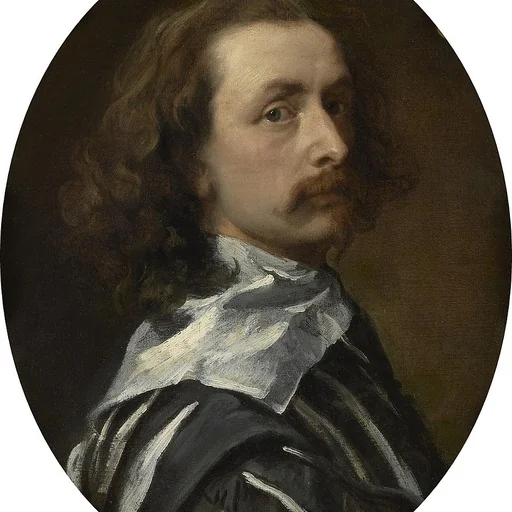
Subject
Moustach
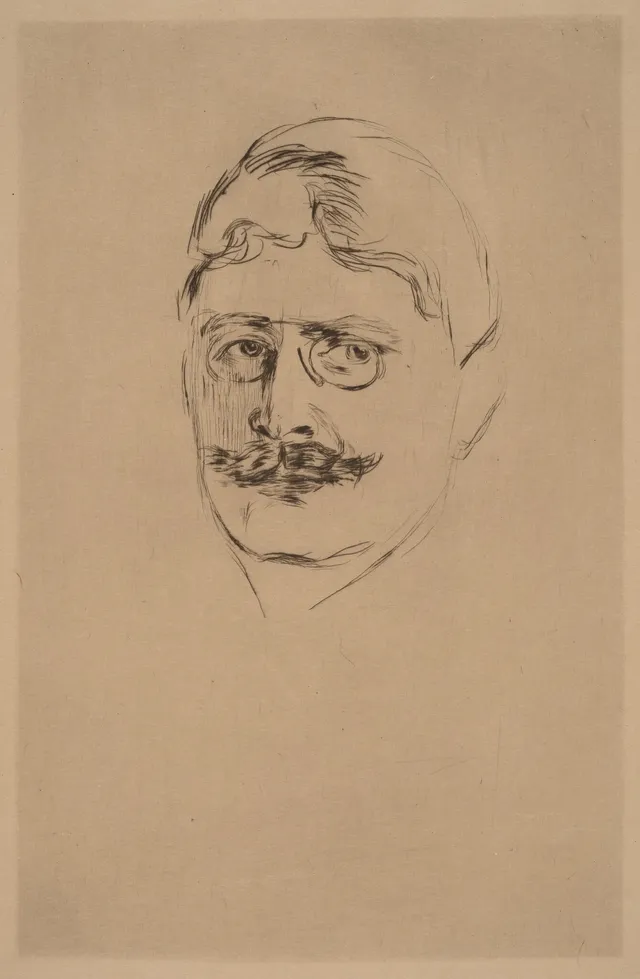
Moustach is a subject in art. The gallery holds 41 works in this subject in art, including works by Anthony van Dyck, Lucas Emil Vorsterman and William Marshall.
The moustached tamarin (Saguinus mystax) is a New World monkey and a species of tamarin. The moustached tamarin is named for the lack of coloring in the facial hair surrounding their mouth, appearing similar to a moustache.
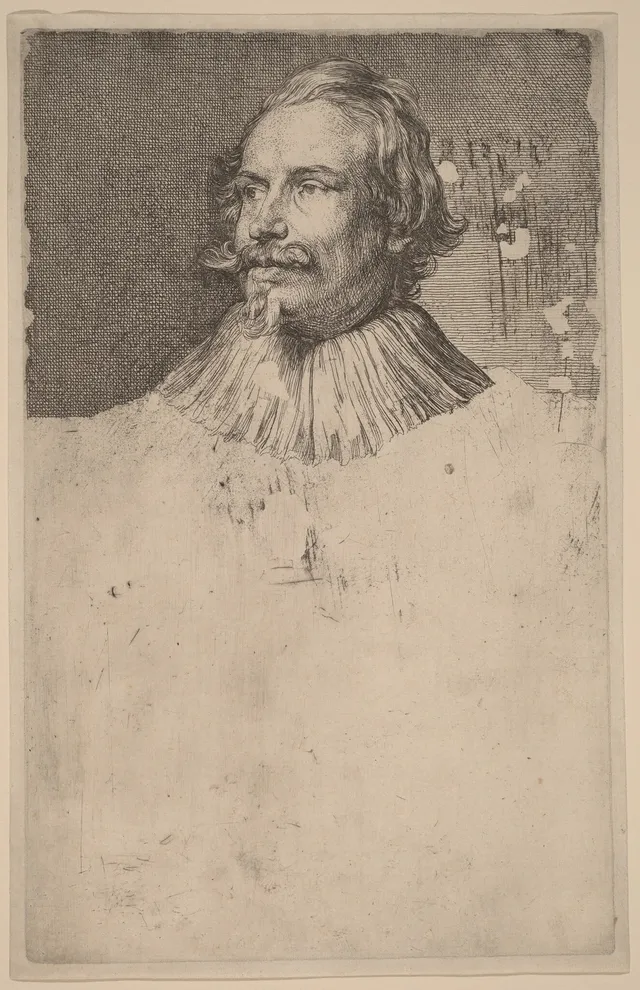
Key artists
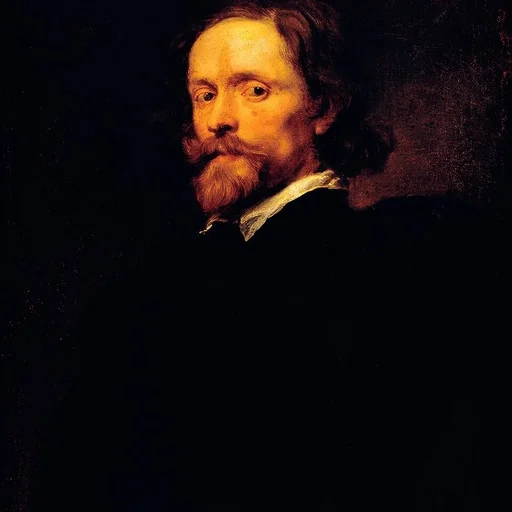
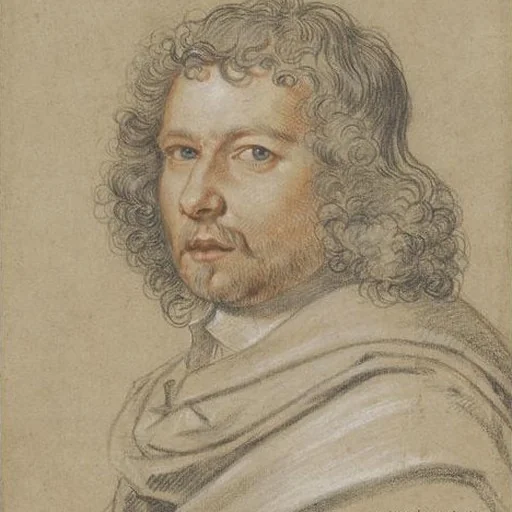
Overview
The moustache, as a motif in art, encompasses both the literal depiction of facial hair and its use as a transformative or satirical device. While the term most immediately evokes the moustached tamarin (Saguinus mystax), a New World monkey named for the white facial hair surrounding its mouth that resembles a human moustache, the motif has far broader currency in visual culture. The moustache functions as a signifier of identity, power, gender, and subversion, capable of conferring authority, eccentricity, or irony upon its bearer. In the collection under discussion, the subject appears across 45 works, ranging from portraits of historical figures to satirical interventions, demonstrating its persistent hold on the artistic imagination.
Iconography & meaning
The iconography of the moustache operates along several registers. As a natural feature, the moustached tamarin's white facial hair serves as a distinguishing taxonomic marker, a biological trait that gives the species its common name. In human representation, the moustache carries dense symbolic freight. It has signified masculinity, maturity, and social status, with different styles encoding class and cultural affiliations, from the imperial moustaches of European nobility to the rugged styles of American frontiersmen. The moustache also possesses a disruptive potential, most famously realized in Marcel Duchamp's L.H.O.O.Q. (1919), where the addition of a moustache and goatee to a reproduction of Leonardo da Vinci's Mona Lisa served as a Dadaist provocation, gendering the figure and undermining artistic reverence. Salvador Dalí transformed his own moustache into a personal trademark, describing its tips as antennae for receiving cosmic signals, thereby elevating facial hair to a medium of surrealist identity. Frida Kahlo's faint moustache, prominently featured in her self-portraits, complicated gendered expectations and became integral to her self-fashioning as an artist.
Across movements & periods
The treatment of the moustache has shifted dramatically across artistic movements and historical periods. In early modern European portraiture, as evidenced by works in the collection depicting figures such as Constantin Huygens and Abel Servien portraits from the seventeenth century, the moustache denoted masculine virtue and social standing within aristocratic and bourgeois circles. The nineteenth century saw the rise of distinctive national moustache styles, with the imperial, handlebar, and walrus forms becoming markers of military and political identity, as seen in portraits of figures like Theodore Roosevelt and Kaiser Wilhelm II. The early twentieth century brought radical recontextualization through Dada and Surrealism. Duchamp's L.H.O.O.Q. (1919) used the moustache as a weapon against artistic tradition, while Dalí's perpetually waxed and upturned moustache became inseparable from his public persona and artistic brand. The postwar period witnessed the moustache's migration into popular culture and celebrity iconography, from Burt Reynolds to Freddie Mercury, even as it retained capacity for subversion in works like Dalí's Self Portrait as Mona Lisa (1954), created with Philippe Halsman in direct homage to Duchamp.
Notable depictions
Among the most canonical artistic treatments of the moustache are Marcel Duchamp's L.H.O.O.Q. (1919), a pencil-on-reproduction work measuring 19.7 by 12.4 centimeters that defaced the Mona Lisa with a moustache and goatee, and Salvador Dalí's sustained self-mythologization through his own facial hair. Dalí's Soft Self-Portrait with Fried Bacon (1941) depicts the artist with his characteristic curled moustache, while his 1954 collaboration with Philippe Halsman, Self Portrait as Mona Lisa, explicitly referenced Duchamp's intervention. Frida Kahlo's Self-Portrait with Thorn Necklace and Hummingbird (1940) presents another landmark, with the artist's faint moustache and unibrow becoming symbols of her refusal to conform to feminine beauty standards. In the collection under discussion, notable depictions include portraits by Paul de Vos and of Constantin Huygens, as well as the title page to J.L. Guez's New Epistles, which suggest the motif's earlier life as a conventional marker of male identity before its modernist appropriation.
Legacy
The moustache's afterlife in visual culture extends from its function as a biological trait in primate taxonomy to its role as a mutable signifier in art and popular culture. The Moustache Museum, founded in Britain, testifies to the collecting impulse that treats facial hair as a subject worthy of archival preservation, while contemporary grooming guides enumerate styles from the chevron to the handlebar as matters of personal branding. The moustache's capacity for ironic reinvention persists in digital culture, where the layering paradigm described in discussions of L.H.O.O.Q. permits endless recombination without physical alteration of source images. The motif's endurance suggests that the moustache occupies a unique position at the intersection of nature and culture, body and sign, capable of conveying authenticity and artifice with equal force. Whether as the defining feature of a South American monkey or as Duchamp's weapon against artistic idolatry, the moustache remains a remarkably productive site for the negotiation of identity, gender, and meaning.
Works
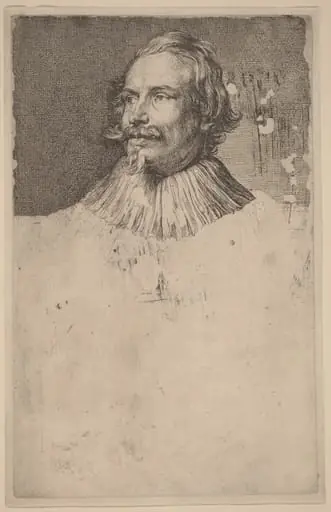 Paul de Vos
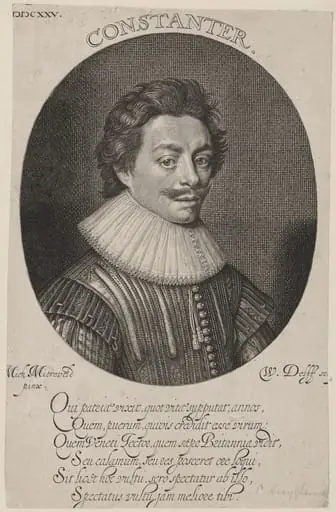 Constantin Huygens
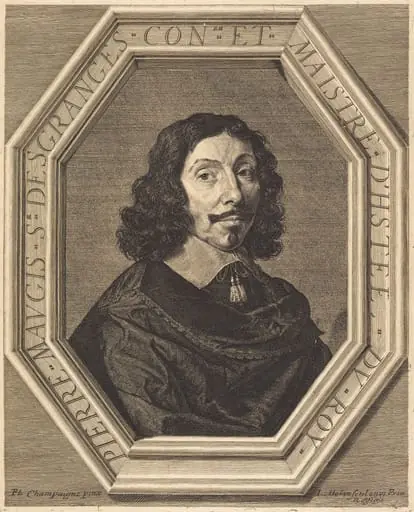 Pierre Maugis
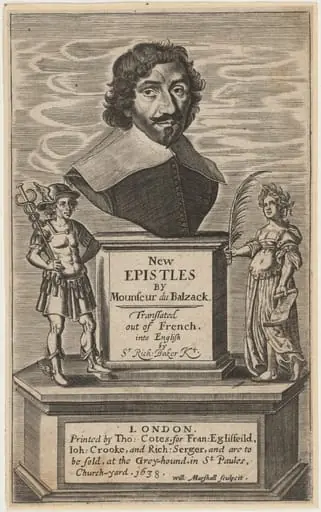 Title page to J.L. Guez, Sieur du Balzack, New Epistles
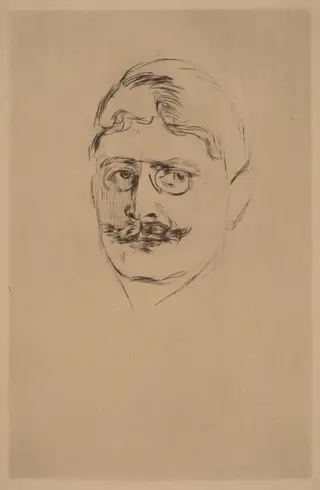 Knut Hamsun
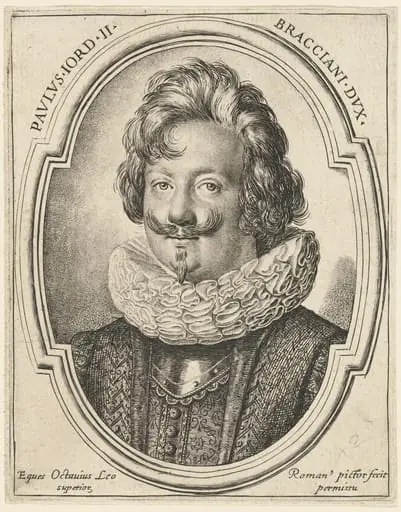 Paolo Giordano Orsini II
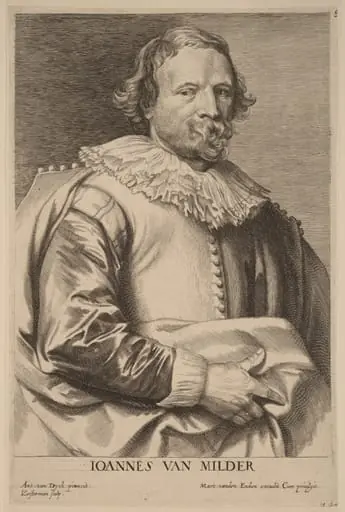 Jan van Mildert
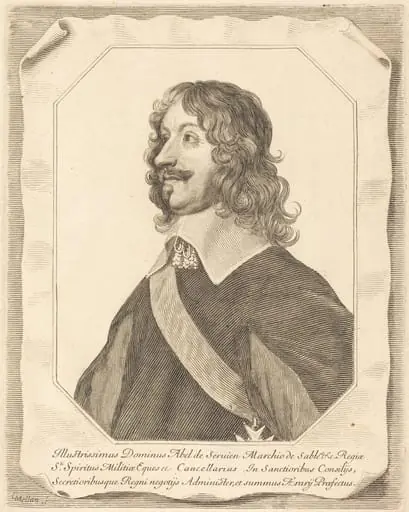 Abel Servien
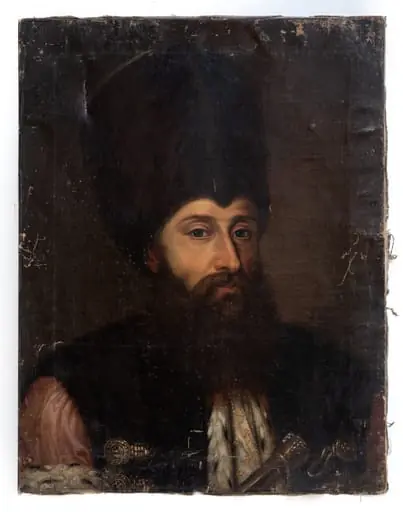 Alexandru Ipsilanti
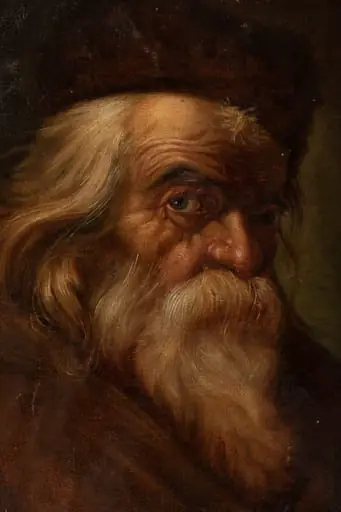 Un rus bătrân
 Bătrân cu turban
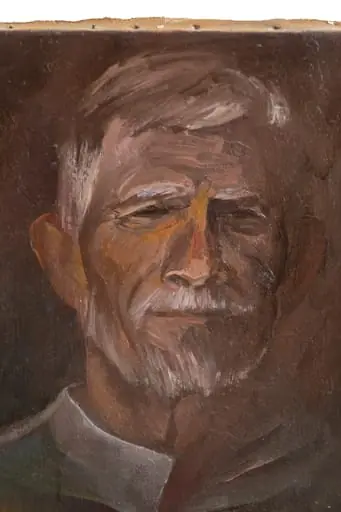 Portret de bătrân
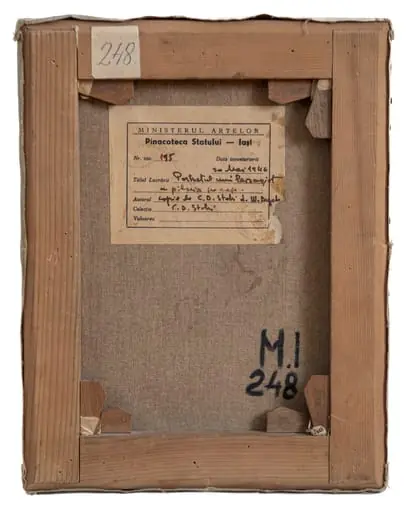 Portretul unui peisagist (copie după Van Dyck)
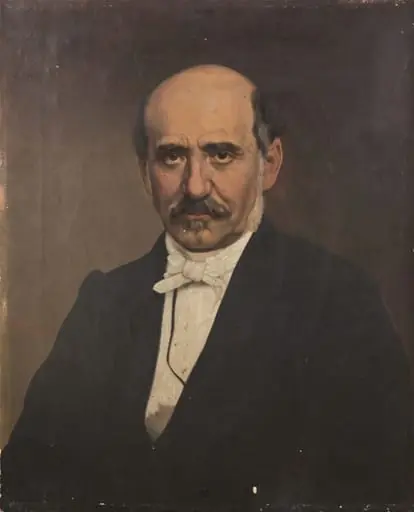 Portret lui Ștefan Ferechide?
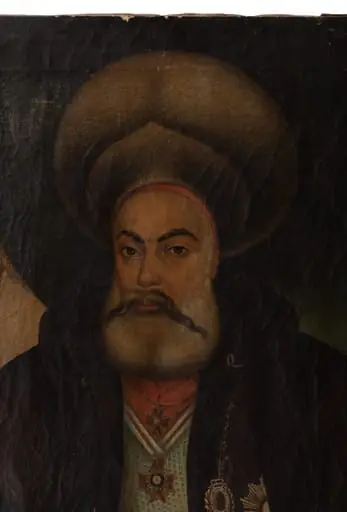 Logofătul Alecu Ghica
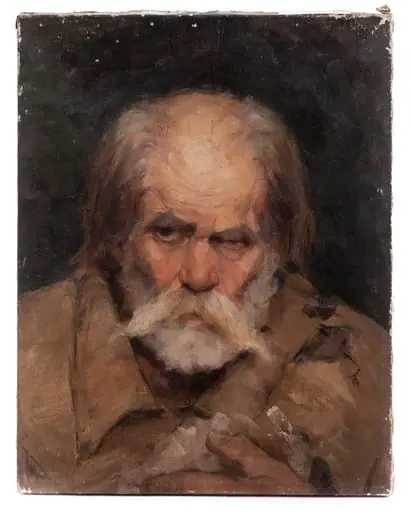 Portret de bătrân (Bătrân lemnar)
 Autoportret
 Portretul lui Constantin Luca
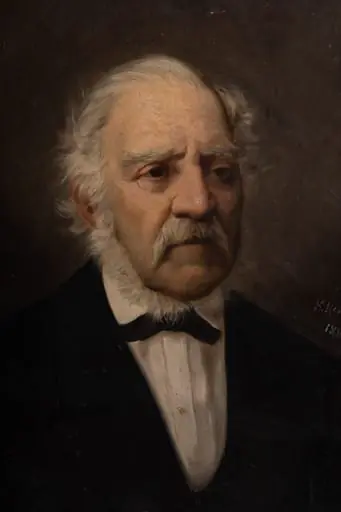 Portret de bărbat
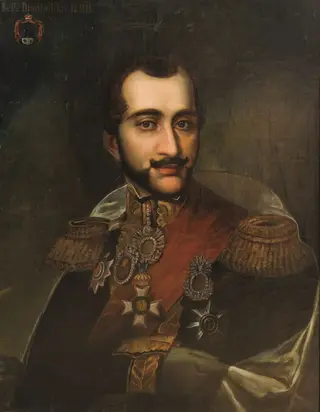 Portretul lui Alexandru Dimitrie Ghica
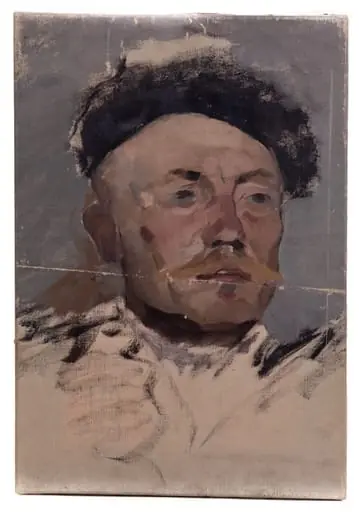 Studiu pentru "Execuția lui Horia"
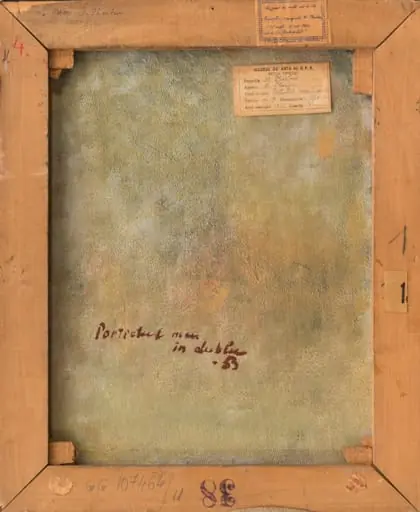 PORTRETUL MEU ÎN DUBLU
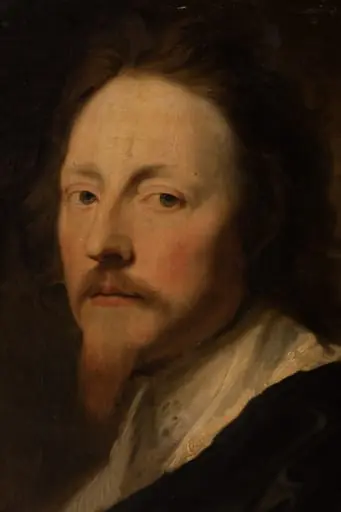 Henrich al IV-lea
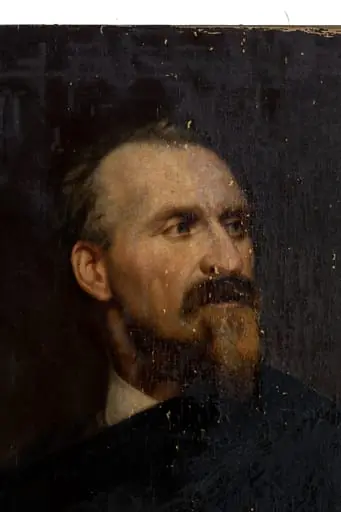 Portret de bărbat (Lepădatu Galați)
 Portret de bărbat (Eduard Lăzărescu)
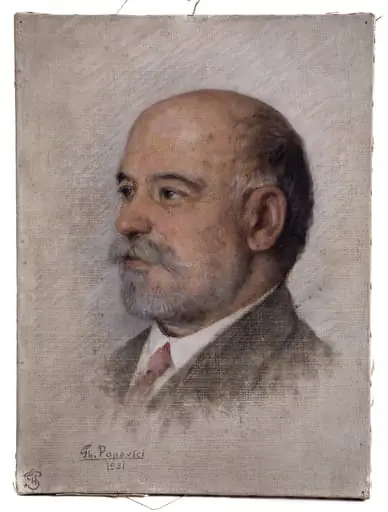 Portretul lui Panait Zosin
 Autoportret
 Bogătașul Ficher tatăl
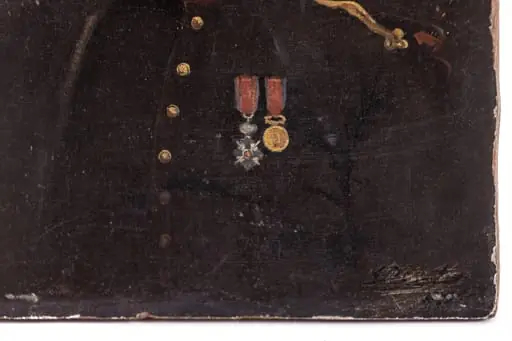 Portretul căpitanului Elefterescu
 Dinică Zătreanu - fiul
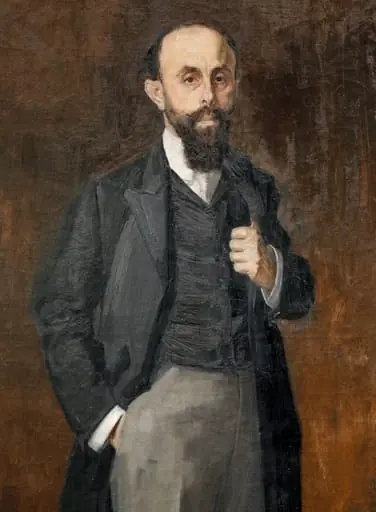 Portret
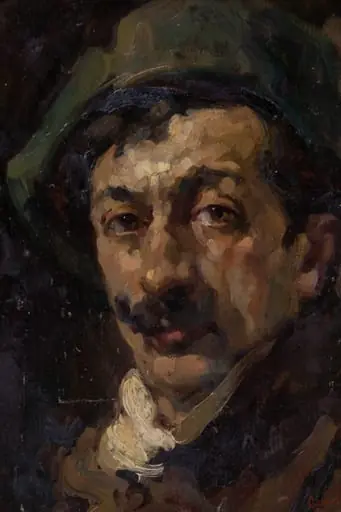 Cap de bărbat
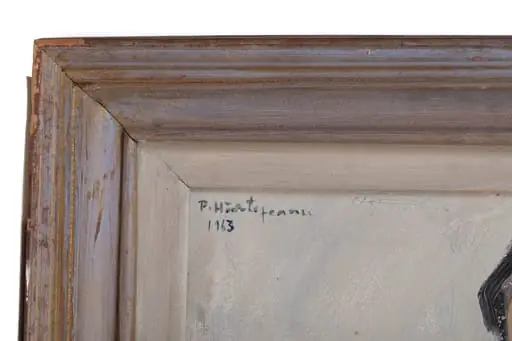 Portret de muncitor
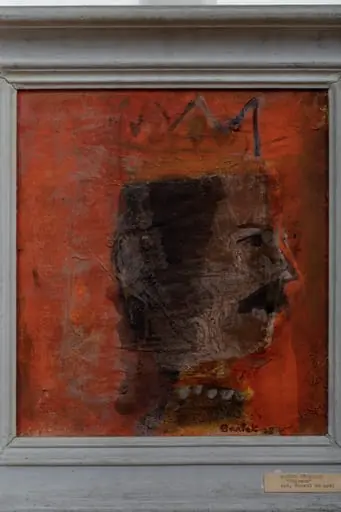 Voievod
 Portret în oglindă
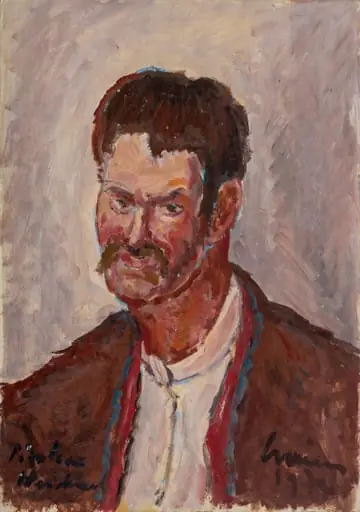 Pintea Haiducul
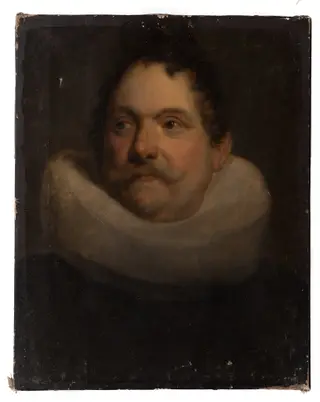 Ioan de Montfort
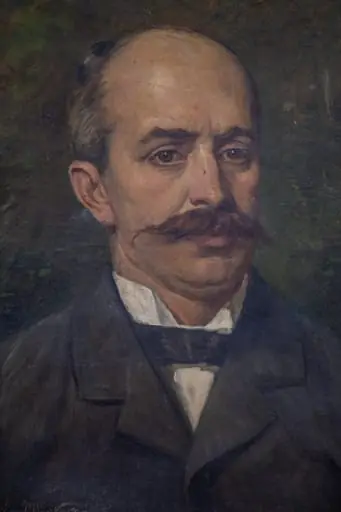 Portret de bărbat
 Portret de bărbat
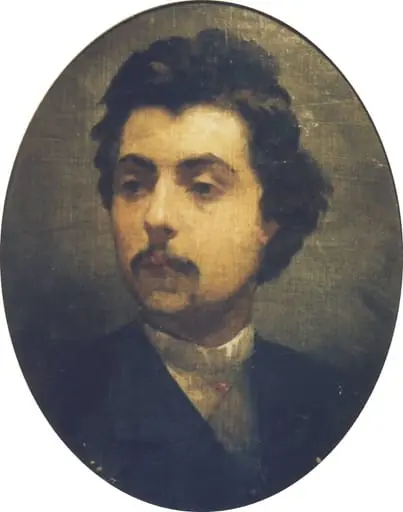 Portretul lui Filip Marin
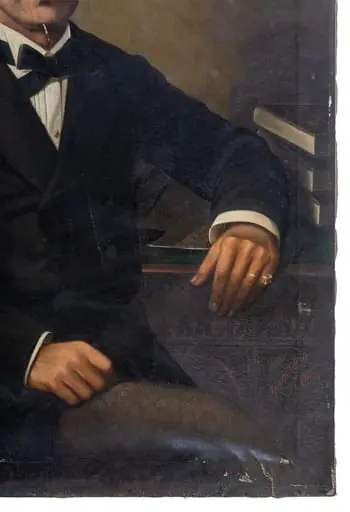 Portret de bărbat
Frequently asked questions
What is Moustach?
Moustach is a subject in art. The moustached tamarin (Saguinus mystax) is a New World monkey and a species of tamarin.
How many Moustach works does Artifact World Gallery have?
Artifact World Gallery holds 41 public-domain Moustach works, all free to view and download.
Who are the key Moustach artists?
Key Moustach artists in the collection include Anthony van Dyck, Lucas Emil Vorsterman and William Marshall.
Where can I see Moustach works?
Moustach works in the collection are held by Moldova National Museum Complex, National Gallery of Art and Bucharest Municipality Museum.