
Artist
Subject
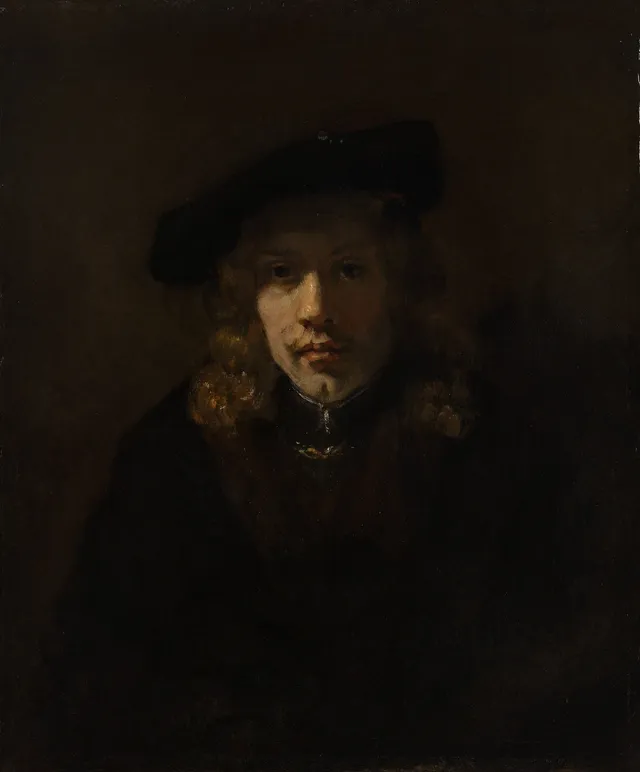
Beret is a subject in art. The gallery holds 26 works in this subject in art, including works by Rembrandt van Rijn, Peter Paul Rubens and Paul Gauguin.
A beret (UK: BERR-ay, US: bə-RAY; French: béret ; Basque: txapel ; Spanish: boina ) is a soft, round, flat-crowned cap made of hand-knitted wool, crocheted cotton, wool felt, or acrylic fibre. Mass production of berets began in the 19th century specifically in the Basque Country, where they were already common headwear among the indigenous population, before spreading to Southern France and the north of Spain; as such, the beret remains associated with these countries.
Artist
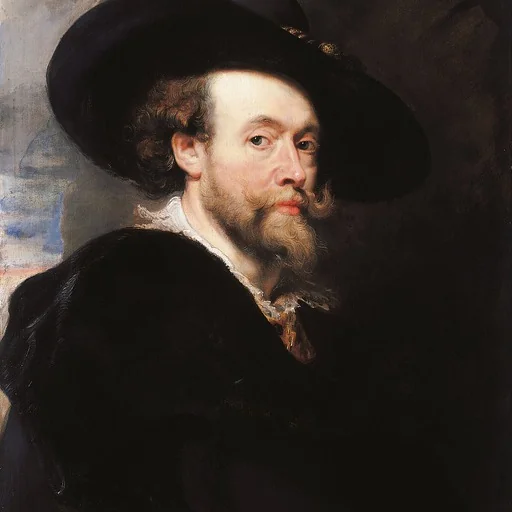
A beret is a soft, round, flat-crowned, visorless cap traditionally made of felted wool, crocheted cotton, or acrylic fibre. The term derives from the Bearnese gascon berret, itself rooted in the Late Latin birretum and the Celtic birros, meaning short, referring to a short hooded cloak. Archaeology and art history trace similar headwear to the Bronze Age across Northern Europe, ancient Crete, and Italy, where it was worn by Minoans, Etruscans, and Romans. While the mass production of berets began in the 19th century in the Basque Country and Bearn province, spreading across Southern France and Northern Spain, the cap has existed in various European forms since the Middle Ages. Its enduring recurrence in art stems from its distinct silhouette and its shifting social connotations, functioning over centuries as a marker of nobility, scholarly achievement, rural labor, military elite, and artistic identity.
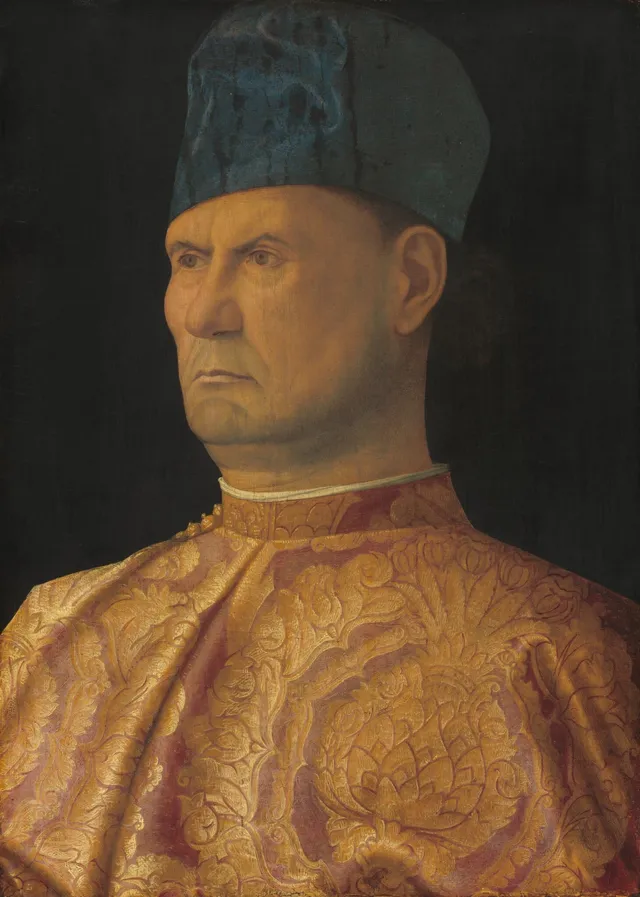
In art and material culture, the beret has carried diverse symbolic weight depending on its color, adornment, and context. During the early Renaissance in Italy, it was crafted from felt, velvet, or lined silk and signified the educated classes. Nobility distinguished their berets with embroidery, brooches, and pearl strings, while mercenaries like the Landsknechte adorned theirs with feathers. In ecclesiastical settings, the biretta evolved as a marker of Catholic clerical rank, with black for priests, purple for bishops, and red for cardinals. In the Pyrenees, beret color held strong regional and community symbolism, shifting from original ecru to brown, blue, red, or white. Red berets were adopted in Aragon and the Basque country, while black became the standard headgear of the working classes in Spain and France. By the 20th century, the black beret had transformed into a widespread symbol of the French populace in Anglo-Saxon cultures, while military variations used specific colors and cap badges to denote elite units.
The treatment of the beret in visual culture shifted dramatically across European periods. In the early Renaissance, it was reserved for the educated and noble elite. By the late 15th century, it spread to the bourgeoisie and peasant classes, and became a favored headpiece among Landsknechte alongside other hats and helmets. As new hat shapes emerged from Spain in the 16th century, the beret was slowly driven from mainstream fashion by 1600, surviving primarily as rural headwear, notably among Pyrenees shepherds. It experienced a brief political resurgence in Germany during the Wars of Liberation, when the freedom-thinking bourgeoisie adopted it as part of the Altdeutsche Tracht, a style referencing the era of Martin Luther. This provocative dress was partially banned by German princes after the Congress of Vienna. By the 1920s, the beret re-entered Western fashion as sportswear and a fashion statement for both men and women, promoted by Parisian couturiers in the 1930s and worn by film stars.
The 17th century Dutch artist Rembrandt is the most canonical figure associated with the beret, well known for wearing the cap and potentially inspiring its enduring association with artists. His self-portraits and historical scenes codified the beret as the quintessential artist's accessory. In the 20th century, the black military beret gained iconic visual status through Field Marshal Montgomery in the Second World War. In French cinema, Brigitte Bardot wore a beret in the film for the song Bonnie and Clyde, performed with Serge Gainsbourg, cementing the cap's role as a symbol of French cultural and fashion identity. Earlier film stars like Michele Morgan and Greta Garbo also adopted the beret, helping to establish it as a stylish feminine accessory rather than exclusively masculine headwear.
The beret's legacy extends far beyond its rural and artistic origins into global military, academic, and counter-cultural spheres. The French Chasseurs Alpins adopted it in 1889, and by 1924 the British Royal Tank Regiment adopted the black beret for its practicality in armored vehicles, a design influenced by a Basque beret acquired in Pamplona. Military berets are now worn worldwide, with colors strictly codified to denote specific units, a system that has occasionally caused controversy, such as when the United States Army standardized the black beret in 2001, prompting the Rangers to switch to a tan beret. In academia, the beret survives in graduation ceremonies, particularly the Anglo-American mortarboard and European academic dress. It remains the ceremonial headwear for traditional student associations in the Netherlands and Germany, and is worn by judges in German and Austrian high courts. Furthermore, it persists as a strong cultural identifier in the Basque Country and southwestern France, where it is worn at local festivities and awarded as a trophy in rural sports and cycling competitions.
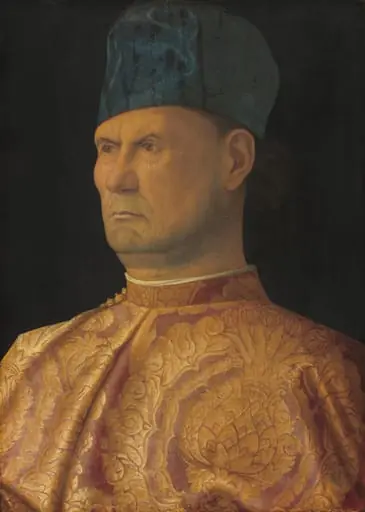 Giovanni Emo
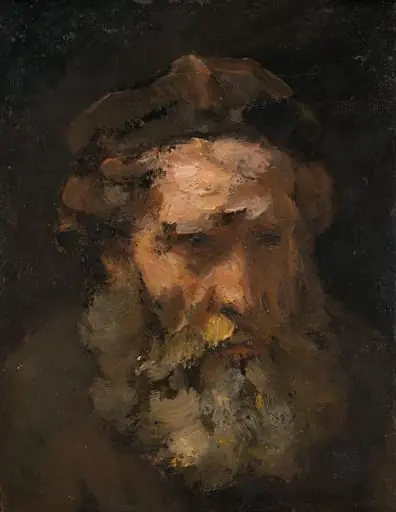 Head of Saint Matthew
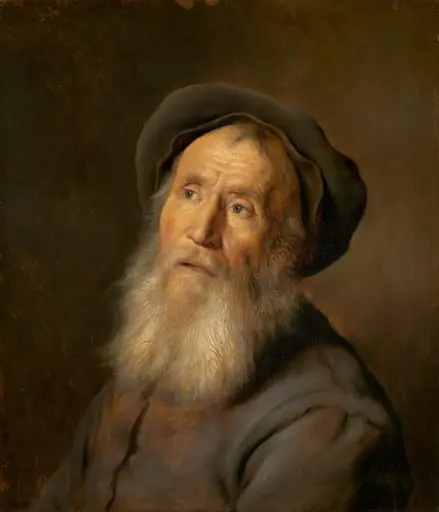 Bearded Man with a Beret
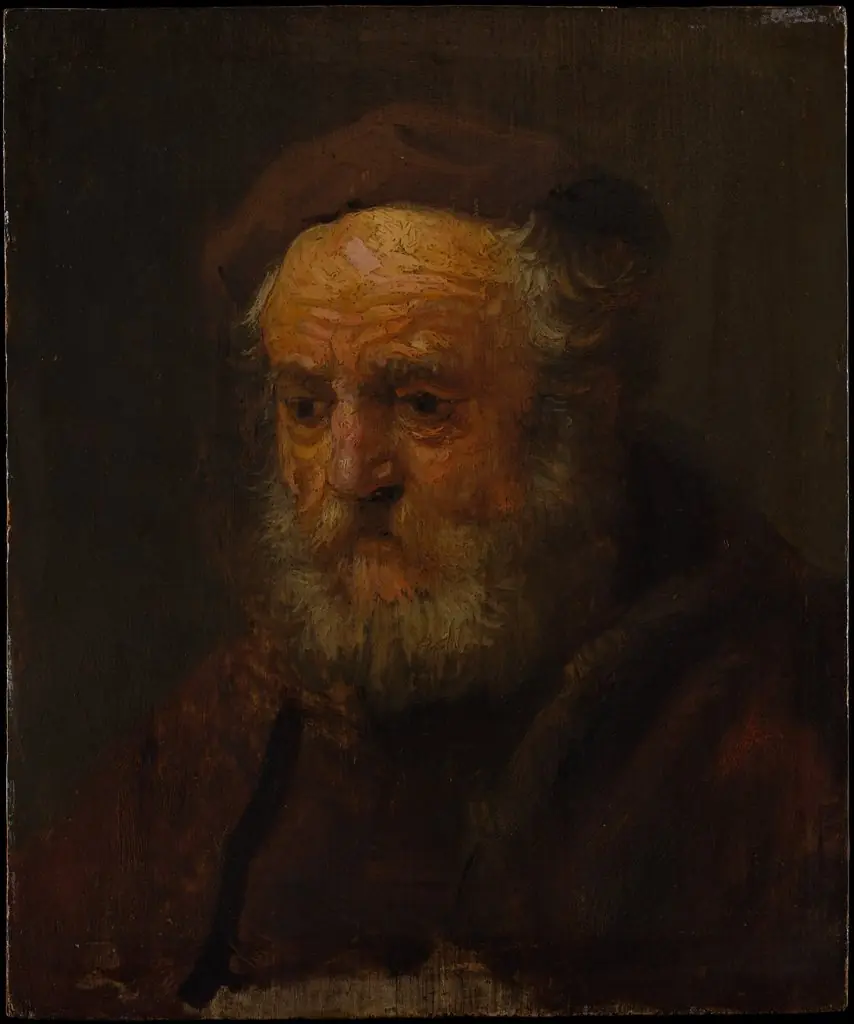 Study Head of an Old Man
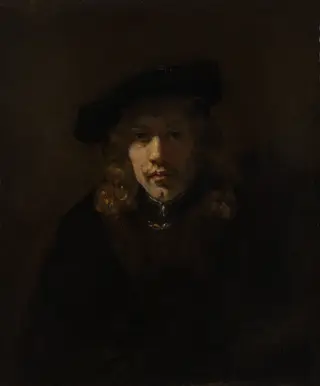 Man in a Beret
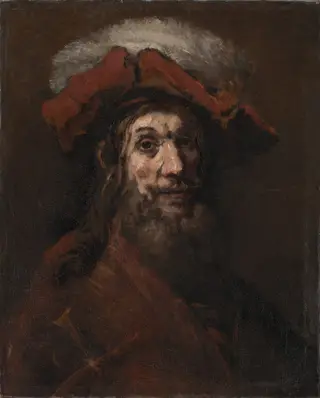 Man in plumed beret
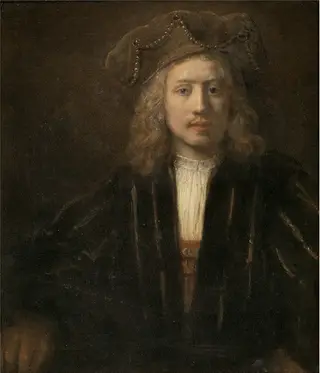 Young Man in a Pearl-trimmed Cap
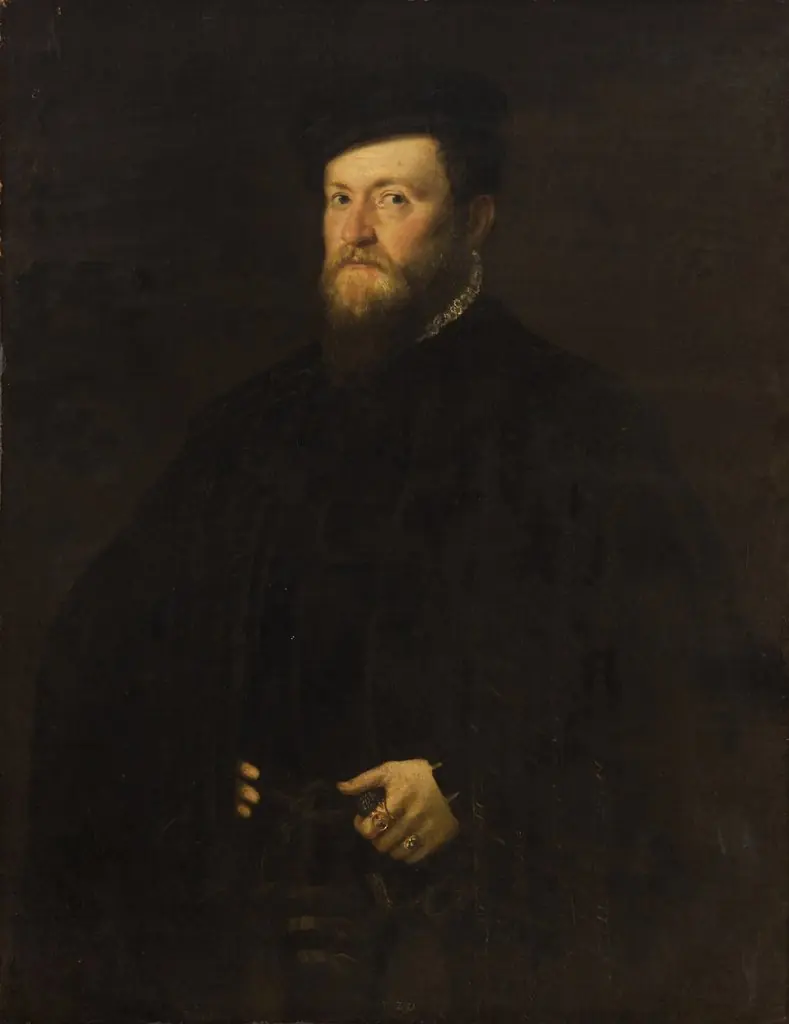 Portrait of a Man in a Cape
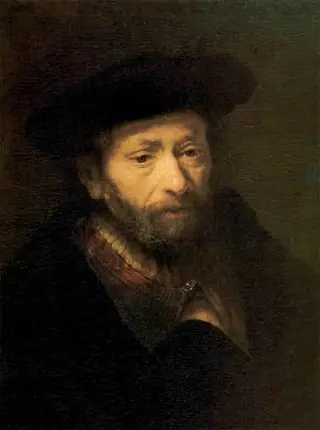 Portrait of a Bearded Old Man with a Hand in his Cloak
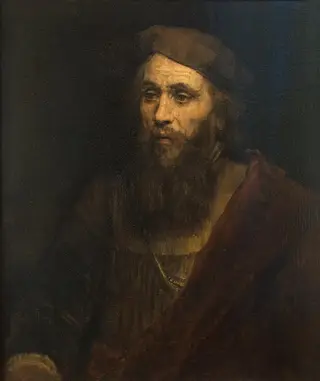 Half-length figure of a man with beard and beret
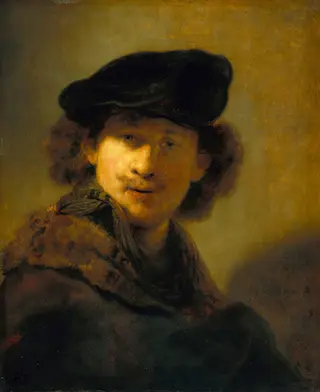 Self-portrait in a Velvet Beret
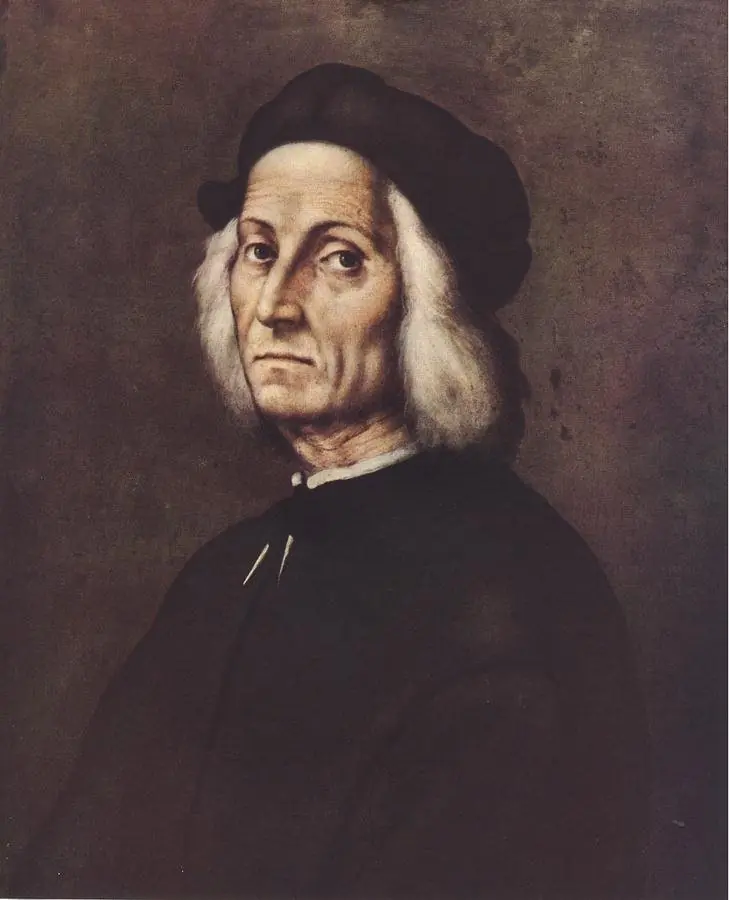 Portrait of an Old Man
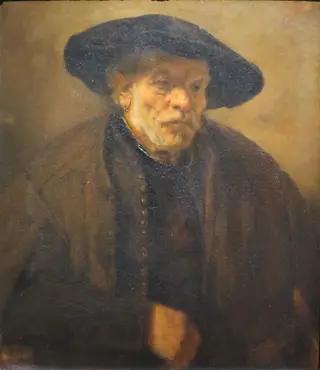 Portrait of an Old Man with Beret
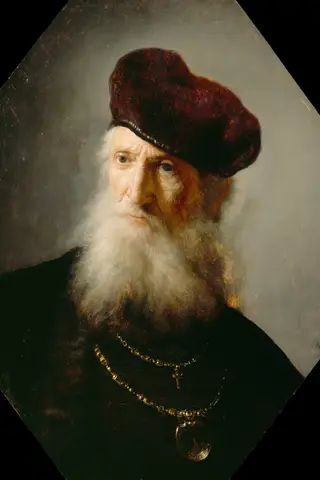 Head of a Bearded Old Man in High Beret
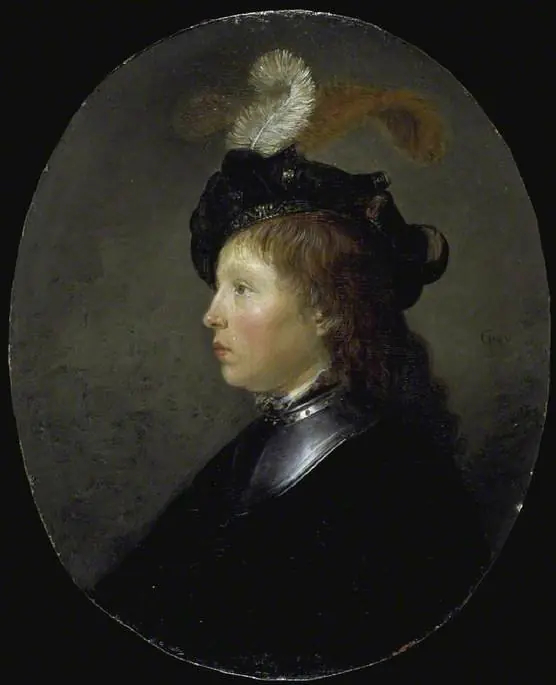 Portrait of a Boy
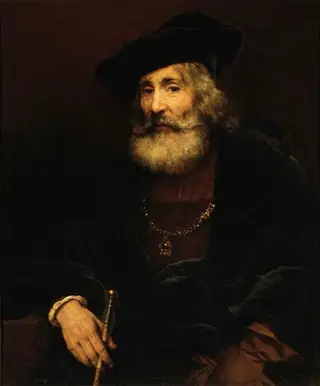 Seated old man with a cane in fanciful costume
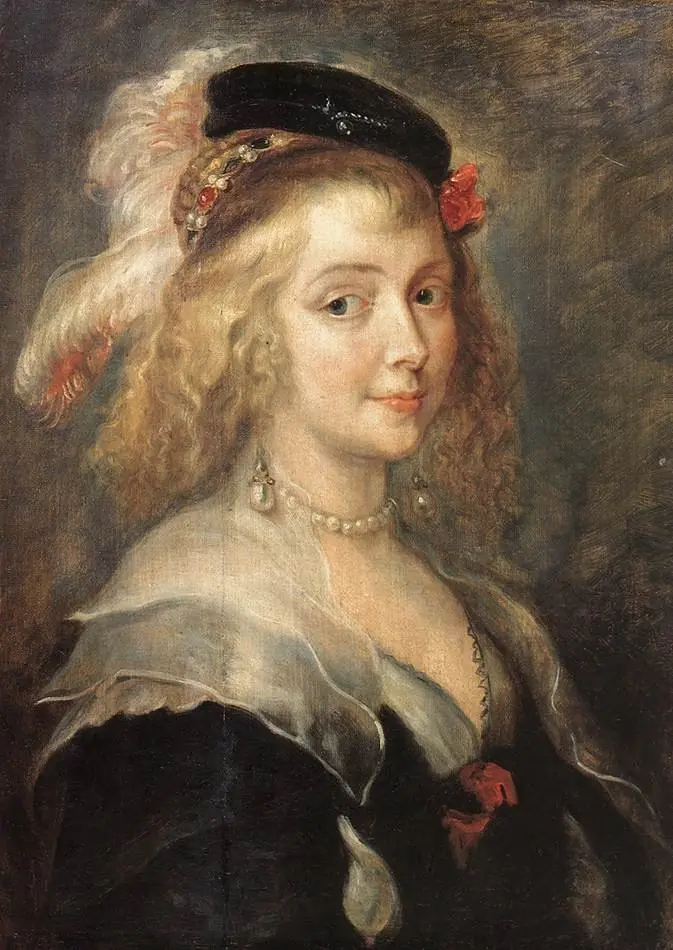 Portrait of Helena Fourment
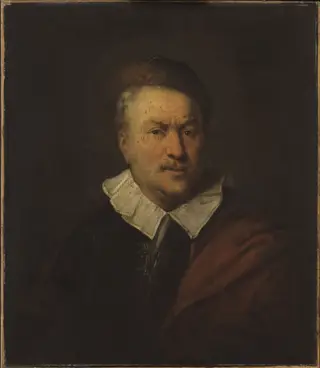 Portrait of a Gentleman
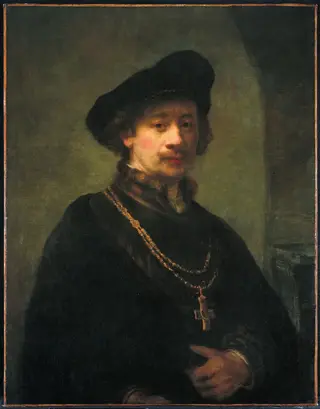 Self-portrait with beret, gold chain, and cross
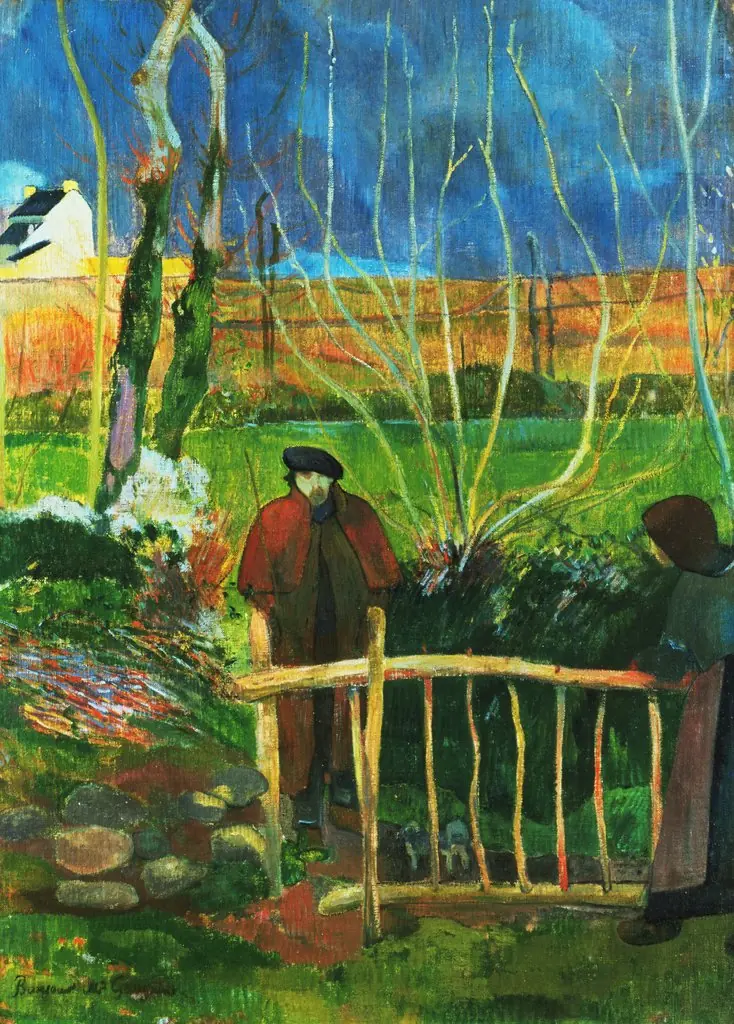 Bonjour Monsieur Gauguin
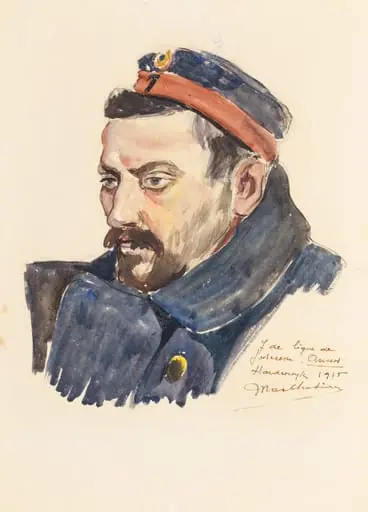 Soldat
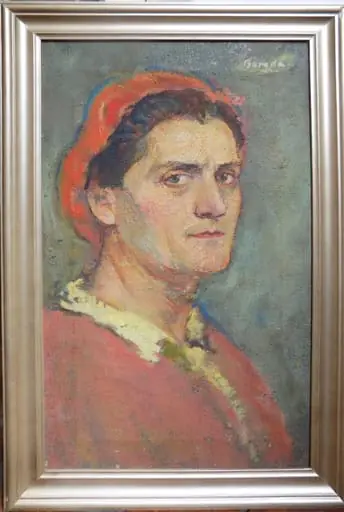 Autoportret
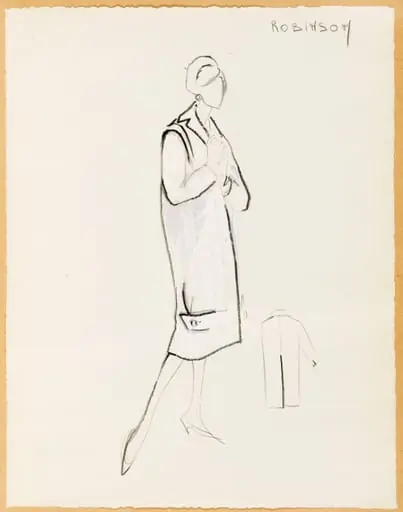 Robinson
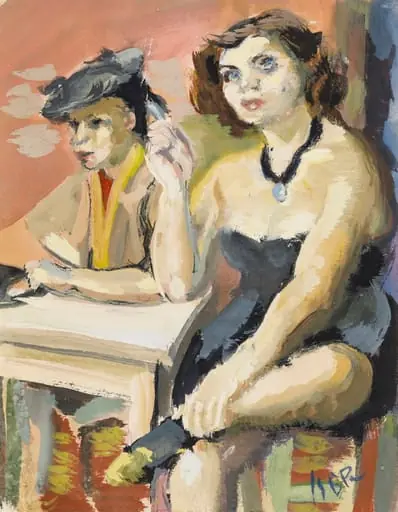 Interior cu două personaje
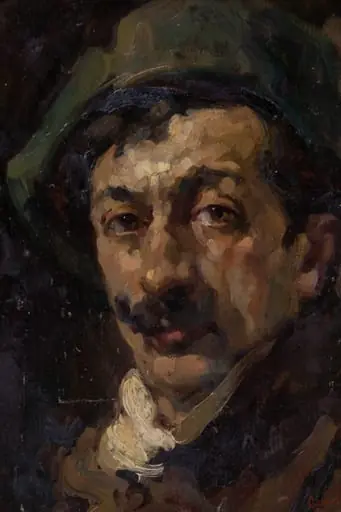 Cap de bărbat
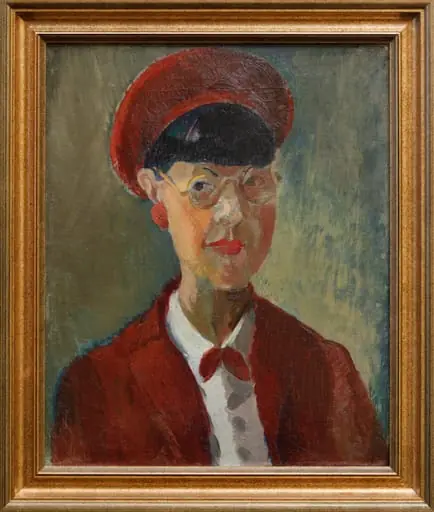 Autoportret cu beretă
Beret is a subject in art. A beret (UK: BERR-ay, US: bə-RAY; French: béret ; Basque: txapel ; Spanish: boina ) is a soft, round, flat-crowned cap made of hand-knitted wool, crocheted cotton, wool felt, or acrylic fibre.
Artifact World Gallery holds 26 public-domain Beret works, all free to view and download.
Key Beret artists in the collection include Rembrandt van Rijn, Peter Paul Rubens and Paul Gauguin.
Beret works in the collection are held by National Gallery of Art, Hermitage Museum and National Museum of Art of Romania.
Your cart is empty
Browse artworks →