Artist
Subject
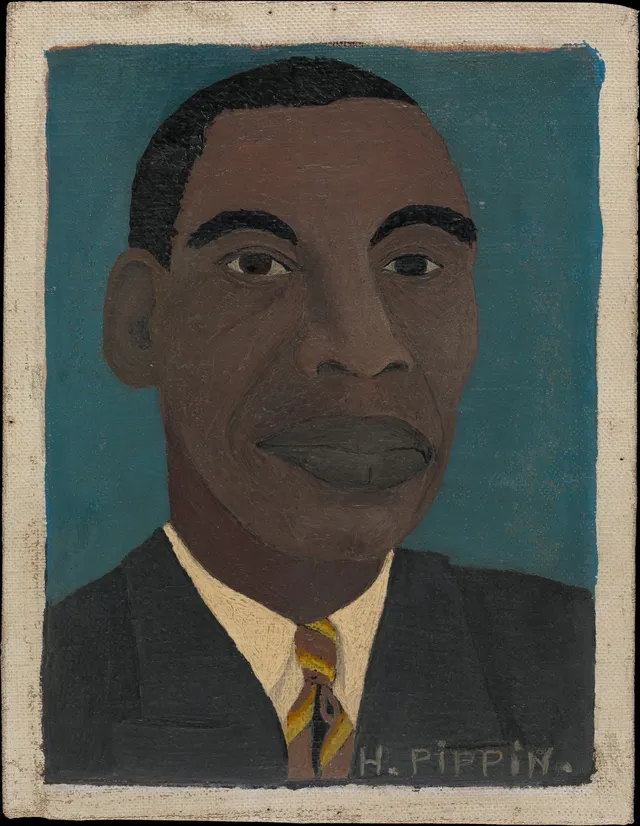
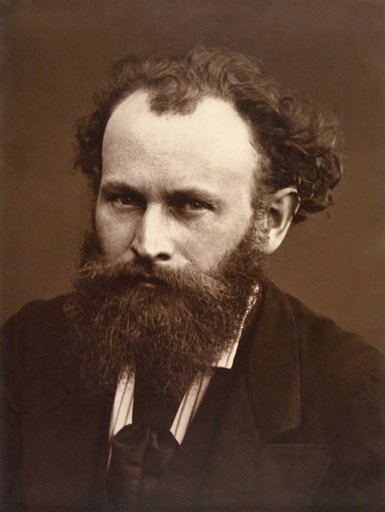
Necktie is a subject in art. The gallery holds 41 works in this subject in art, including works by Édouard Manet, Joseph Siffred Duplessis and Horace Pippin.
A necktie (American English) – also called a long tie or, more usually, simply a tie (Commonwealth English) – is a cloth article of formal neckwear or office attire worn for decorative or symbolic purposes, knotted at the throat, resting under a folded shirt collar, and usually draped down the chest. On rare occasions, neckties are worn above a winged shirt collar.
Artist


The necktie is a long cloth article of formal neckwear knotted at the throat, resting under a folded shirt collar, and draped down the chest. Though it serves no practical function, it has become one of the most persistent symbols of masculine dress, appearing in 46 works in this collection alone. Its trajectory from military accessory to aristocratic status marker, and later to standardized business attire, makes it a revealing index of social ritual across centuries of Western visual culture. The collection's examples range from portraits of Spanish intellectuals and French nobility to American self-portraits and clerical likenesses, demonstrating how a single sartorial detail could signal profession, class, and cultural aspiration.
The necktie carries layered significance that shifted with each historical transformation. Its origins trace to Croatian mercenaries in the Thirty Years' War, whose knotted neckerchiefs, called cravats from the French 'Croates,' were adopted by Parisian society after arousing interest among the populace. Louis XIV began wearing a lace cravat around 1646 at age seven, establishing it as a marker of French nobility. By the early nineteenth century, the immense skill required to tie elaborate cravats became a mark of elegance and wealth, as documented in the 1818 manual 'Neckclothitania,' the first publication to use 'tie' in association with neckwear. The necktie also acquired darker connotations: in American slang it became a term for a hangman's noose. In the collection, it functions variously as an emblem of the matador's ritual costume, the bourgeois respectability of a Parke Godwin, the ecclesiastical dignity of Rev. John Hughes, and the aristocratic bearing of Philippe of France, Duke of Orleans.
The treatment of the necktie evolved dramatically from the seventeenth to the twentieth centuries. The Baroque period saw its emergence as the lace cravat, requiring extensive arrangement and signaling courtly refinement. The eighteenth century introduced competing forms: the stock, a leather or muslin band that encouraged military bearing; the solitaire with its matching ribbons; and the resurgent cravat of the macaronis and incroyables, whose exaggerated forms provoked both emulation and satire. The Industrial Revolution demanded more practical neckwear, leading to the long tie's development as something easy to knot and durable enough for the workday. By the 1920s, the modern tie took shape when New York tailor Jesse Langsdorf cut the fabric on the bias in three sections, giving it elasticity and allowing patterns to run diagonally. The collection's works thus capture the necktie at successive stages: as aristocratic lace, as bourgeois standard, and as professional uniform.
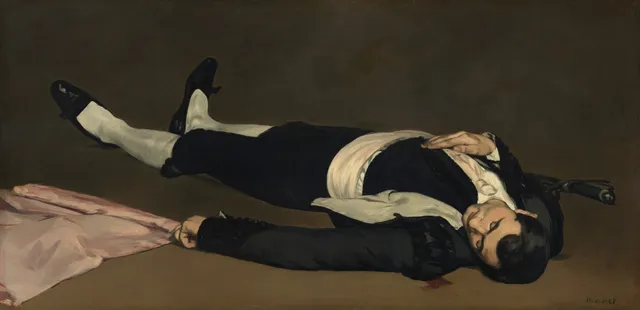
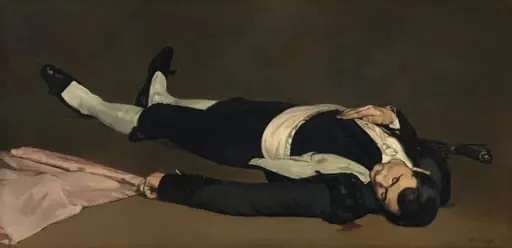 The Dead Toreador
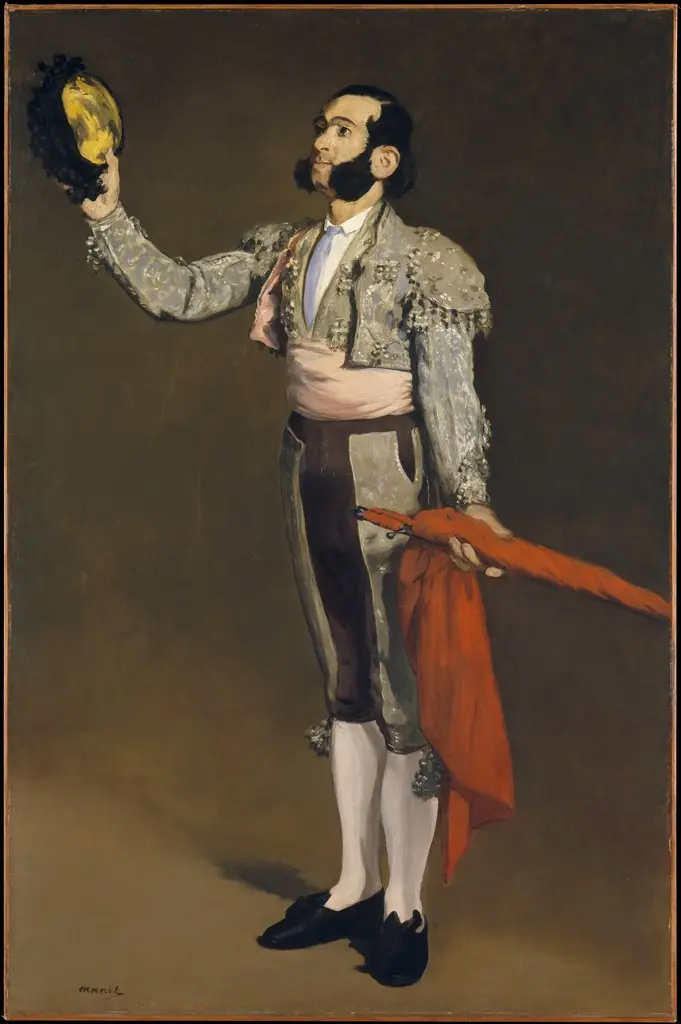 The Matador Saluting
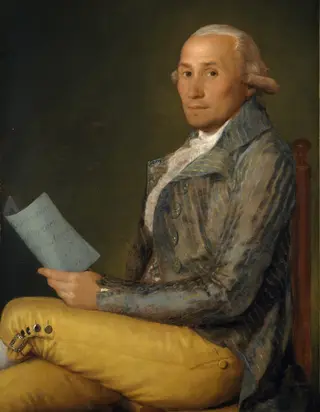 Portrait of Sebastián Martínez y Pérez
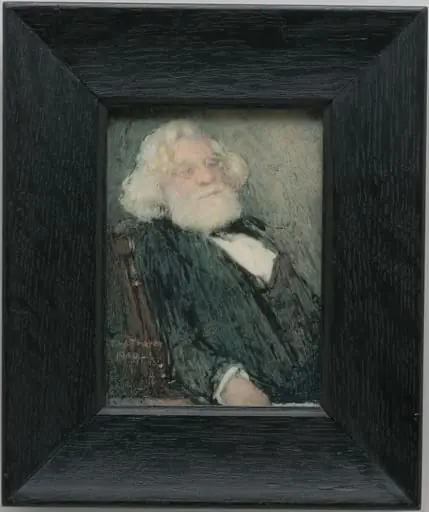 Parke Godwin
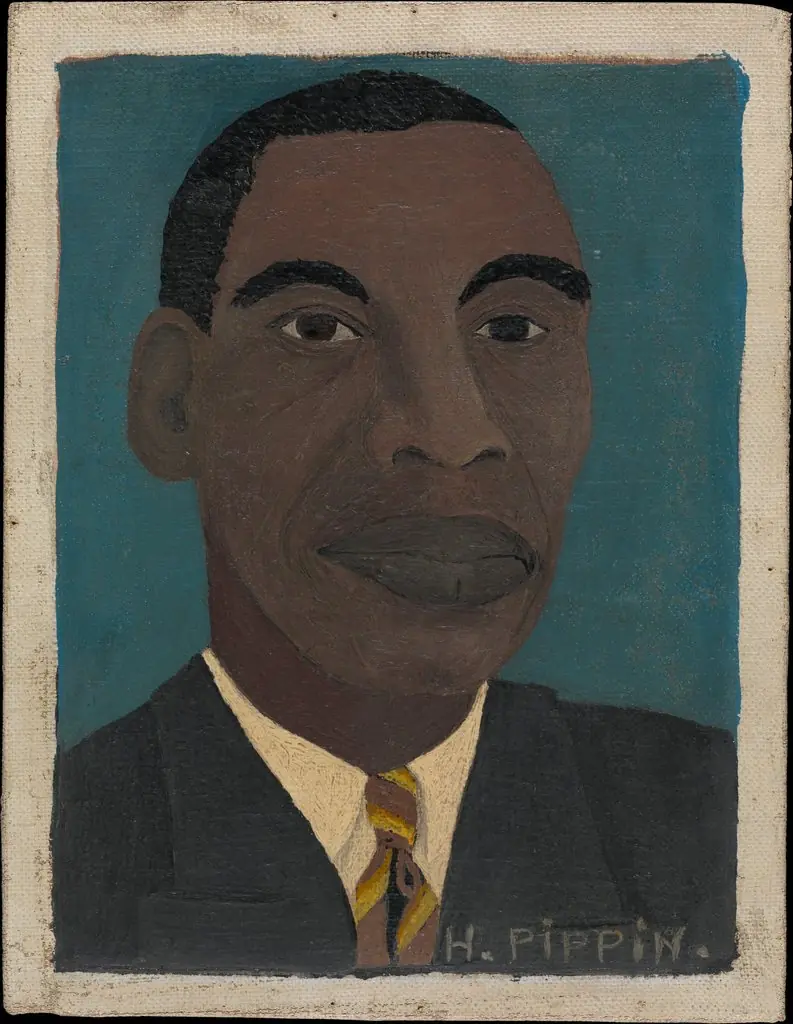 Self-Portrait
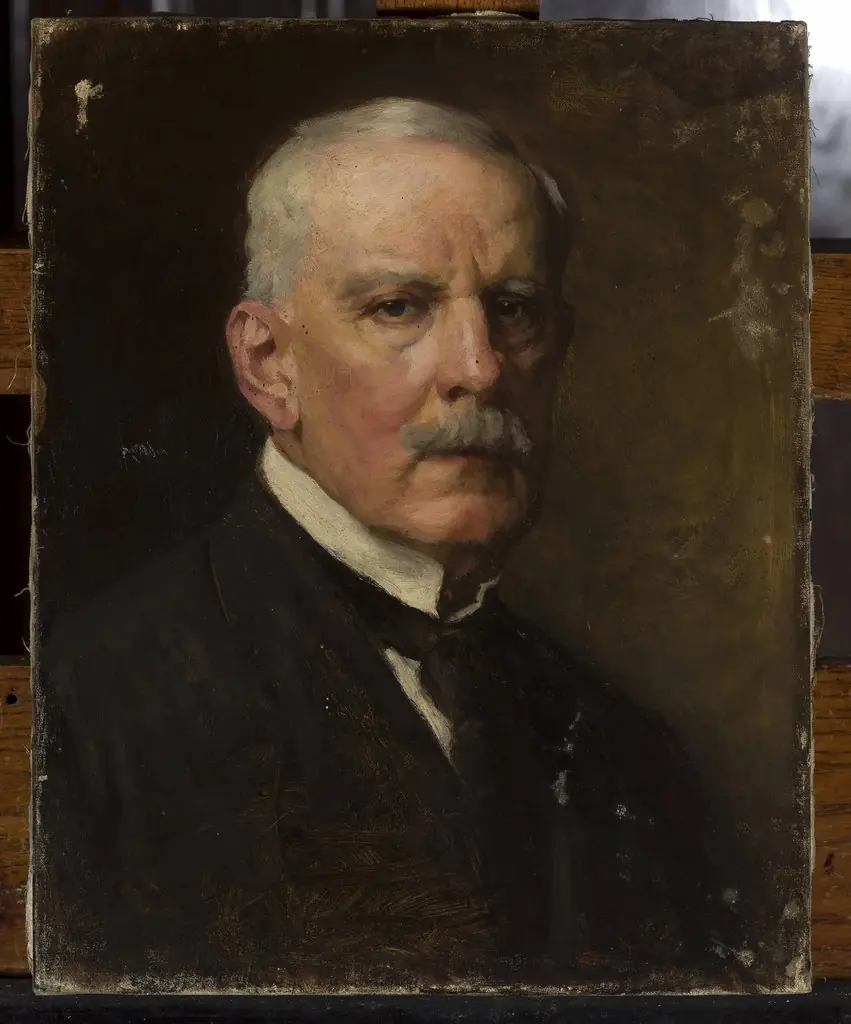 Portrait of an old man
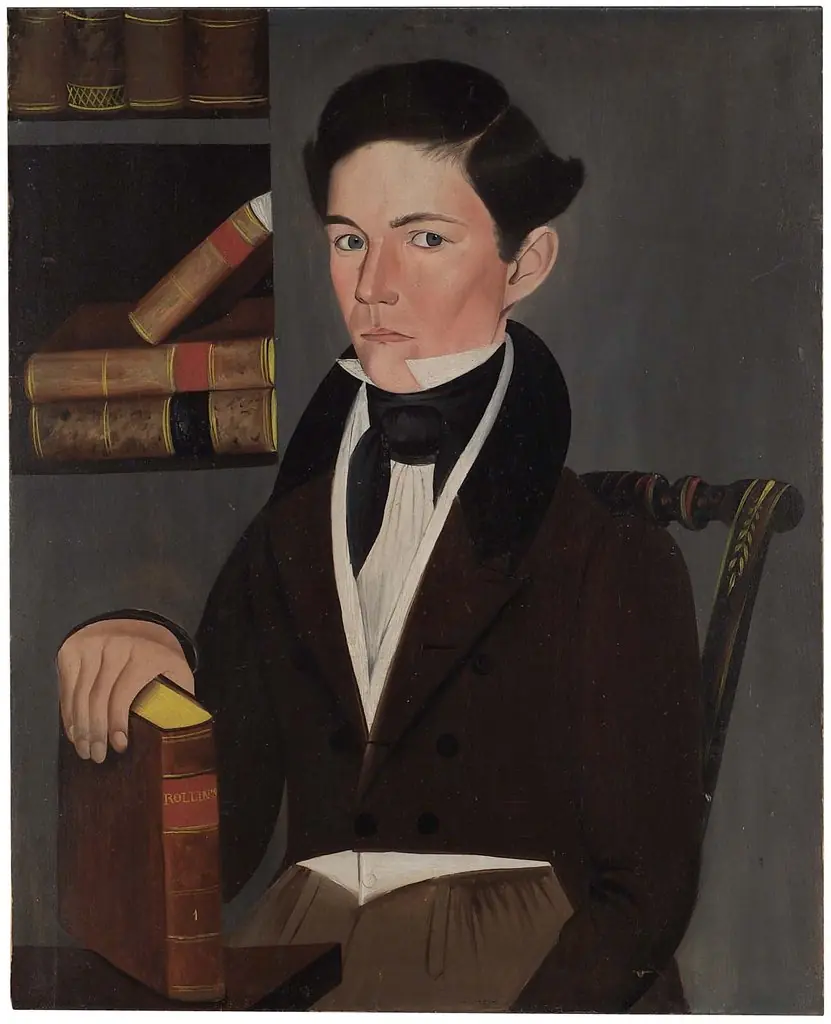 Portrait of a Man
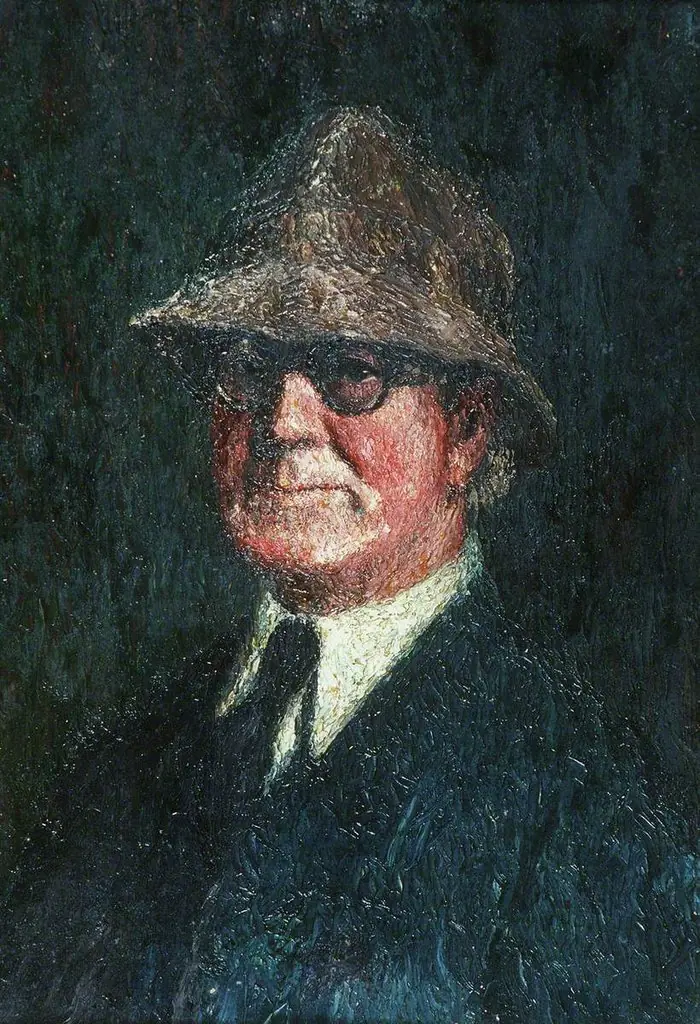 Self Portrait
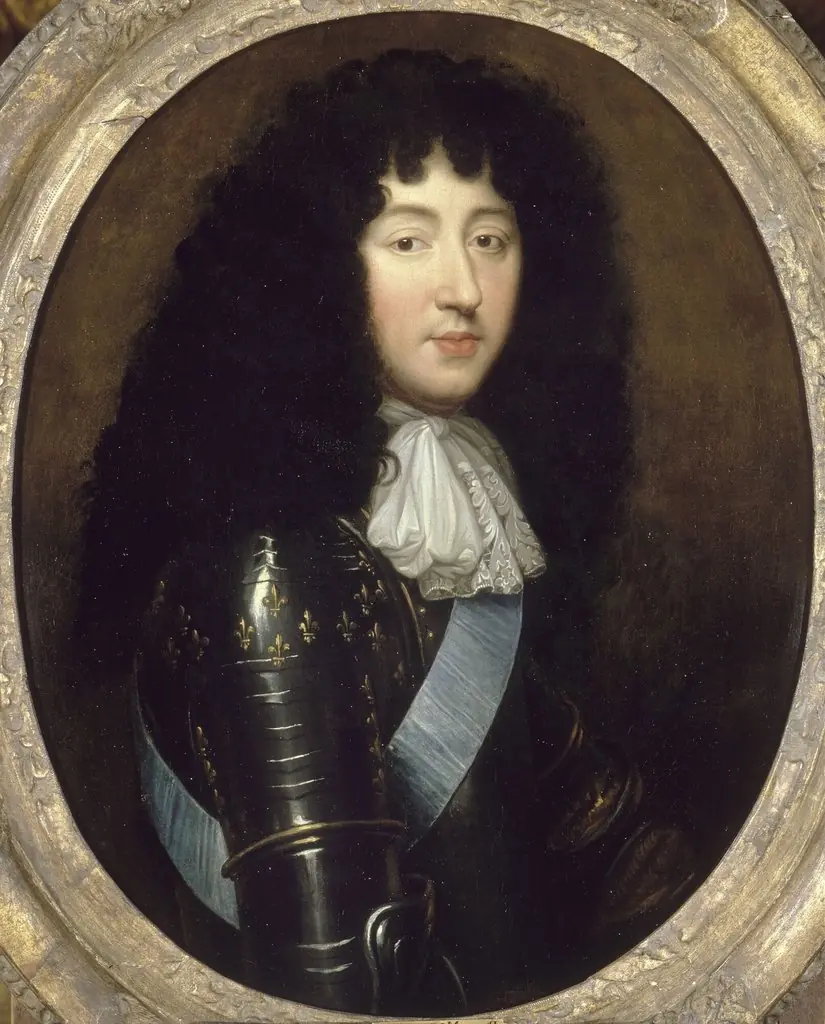 Philippe of France, Duke of Orleans
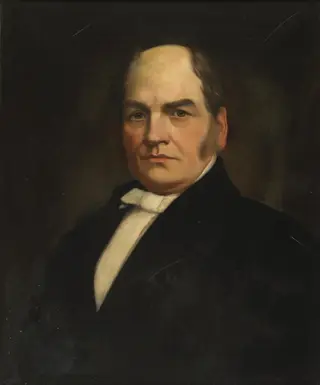 Rev. John Hughes
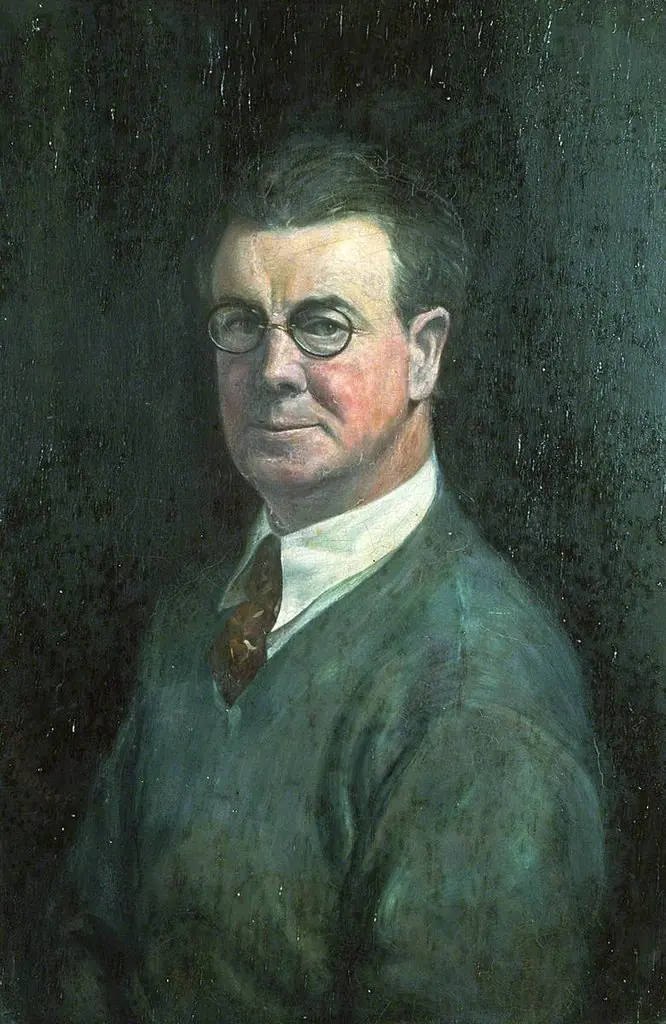 Self Portrait
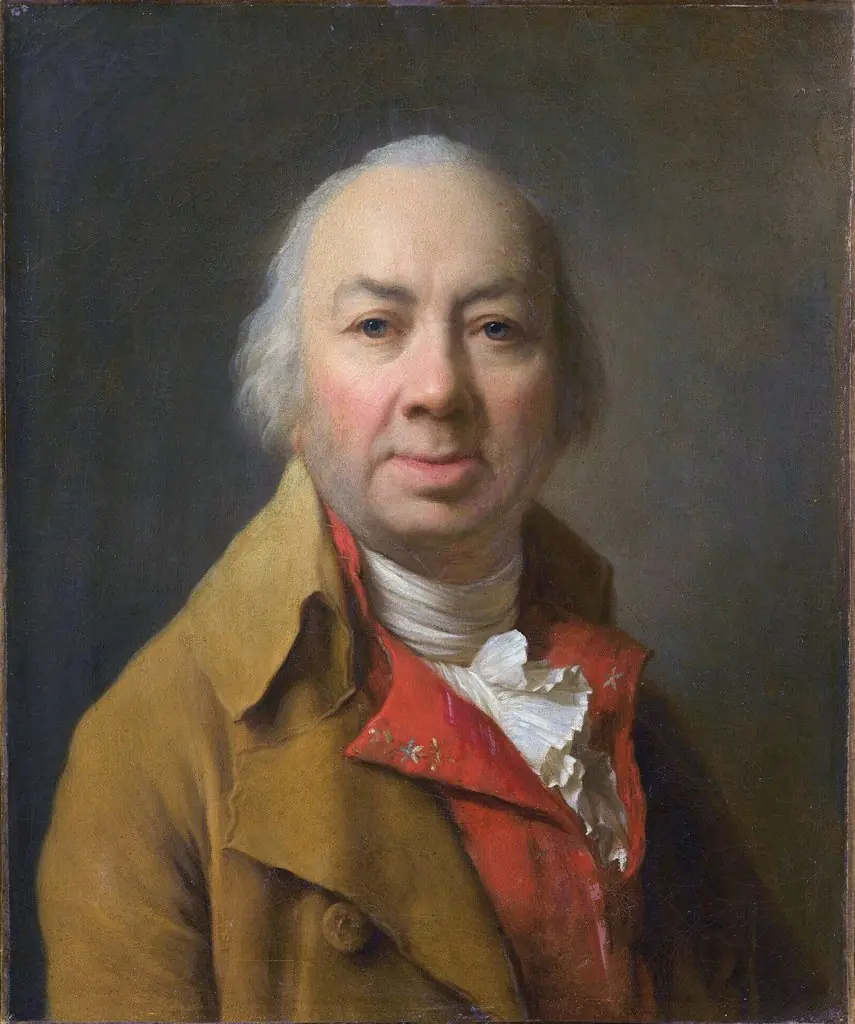 Self-Portrait
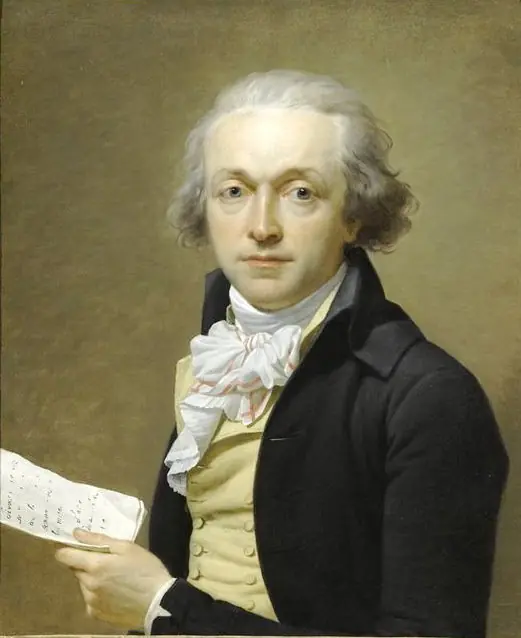 Joseph Delaunay
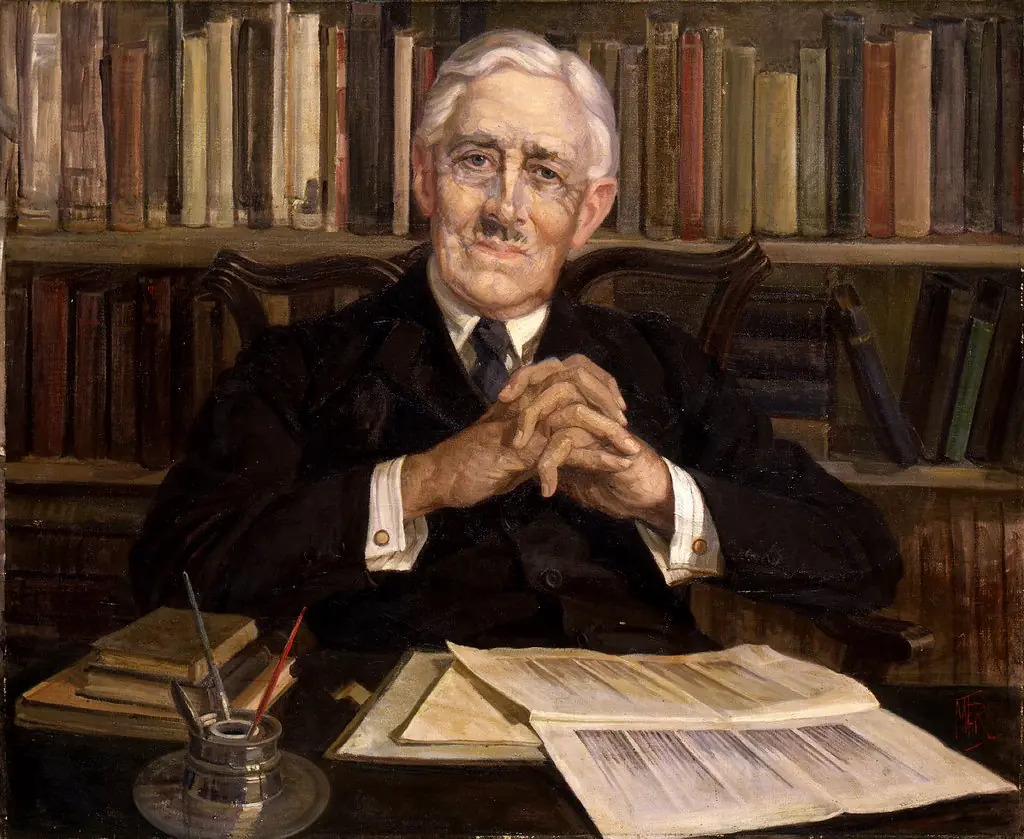 Sir Truby King, C.M.G.
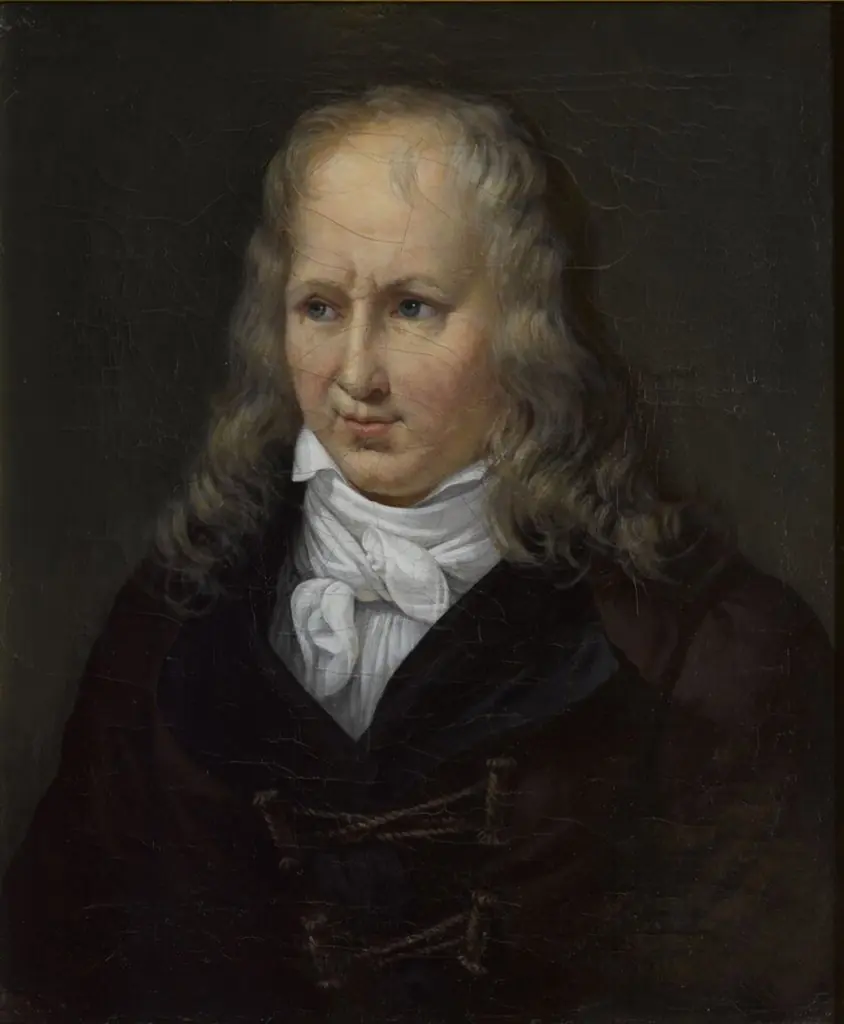 Bernardin de Saint-Pierre
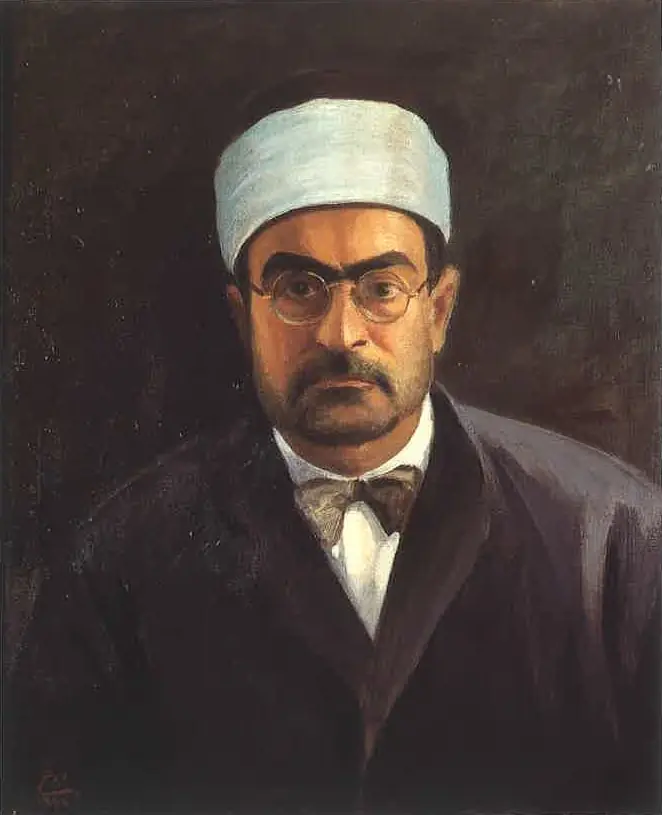 Portrait of Sheikh Mustafa Al-Ghalayini (1885 - 1944)
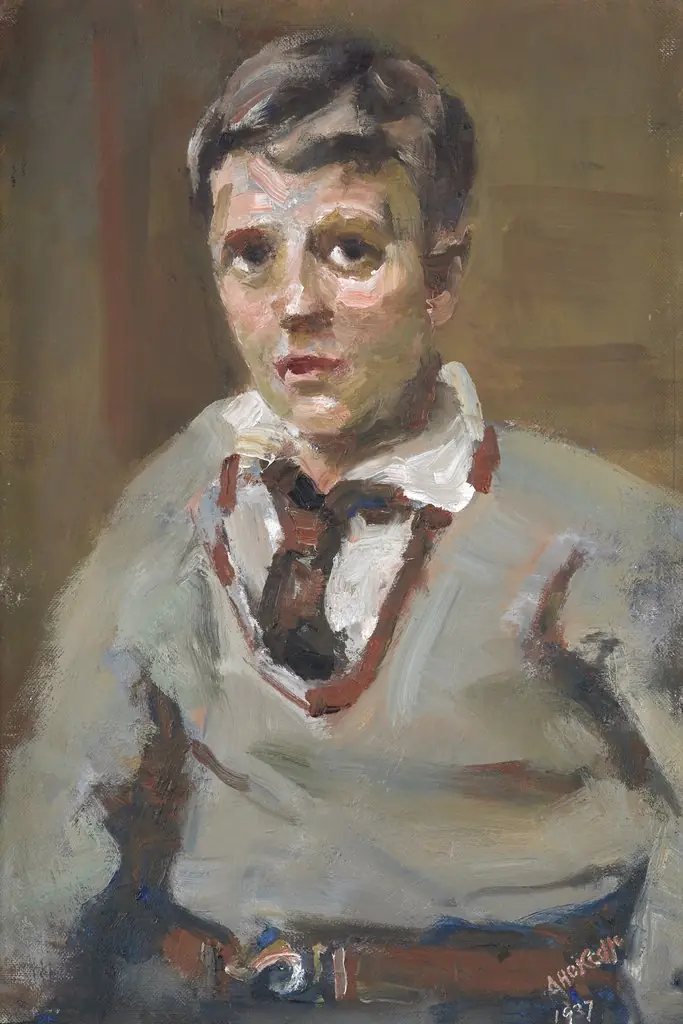 Charlie
![Untitled. [Portrait of a man]](https://artifactworldgallery.com/img/elizabeth-berry--untitled-portrait-of-a-man--b0a03ed2c8d53259-w320.webp) Untitled. [Portrait of a man]
Untitled. [Portrait of a man]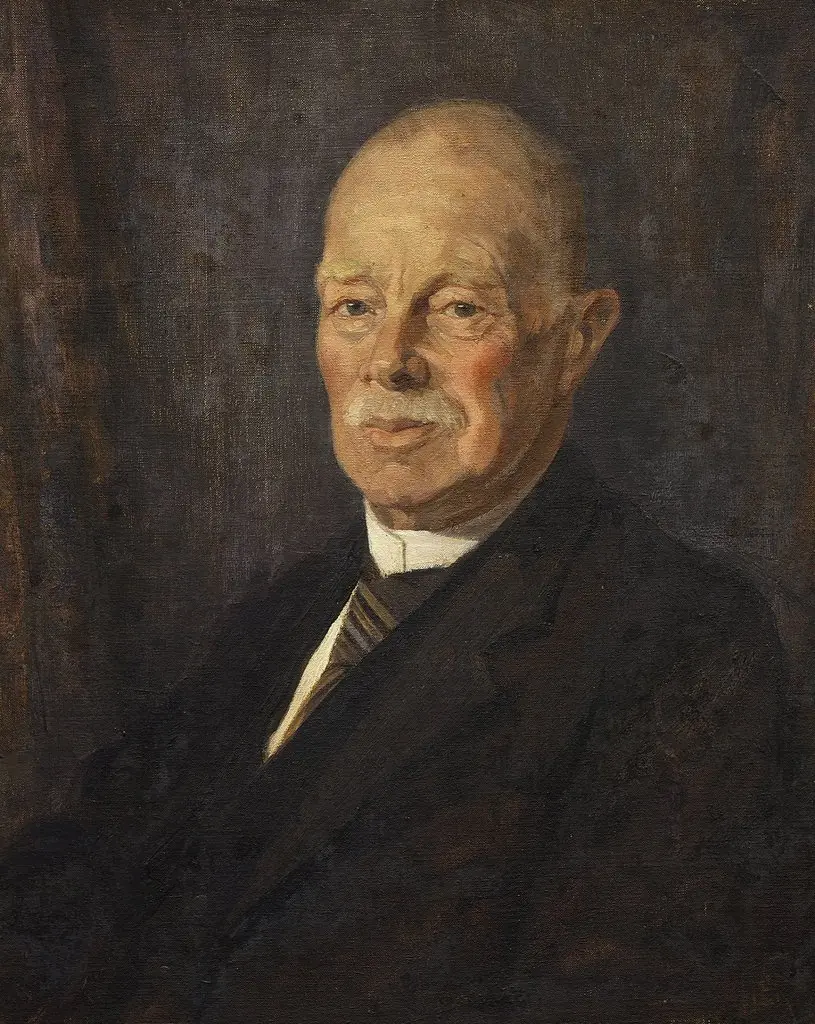 Portrait of George Vernon Hudson
 Portret de bărbat (Riconti)
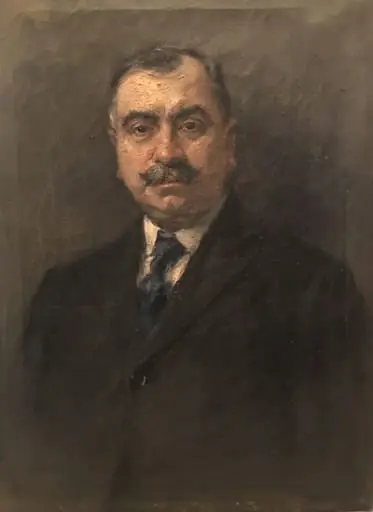 Portretul lui Constantin Chihodariu
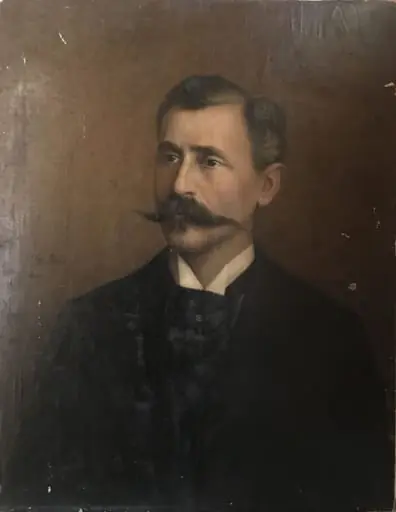 Portretul lui Spiru Haret
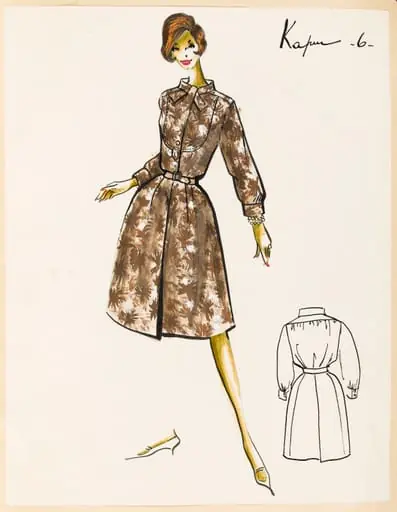 Kapur
Kapur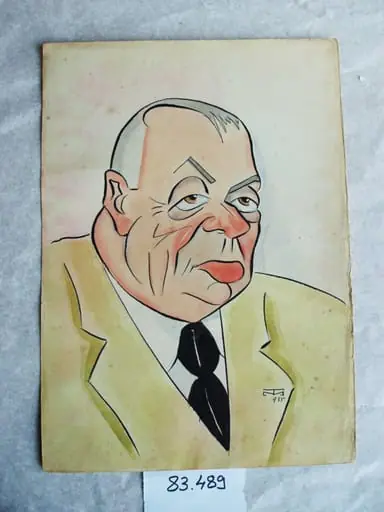 Nottara
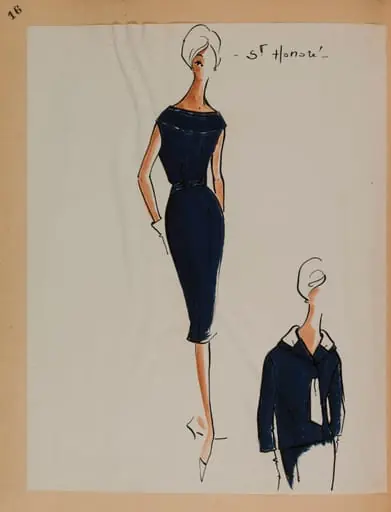 Saint Honoré
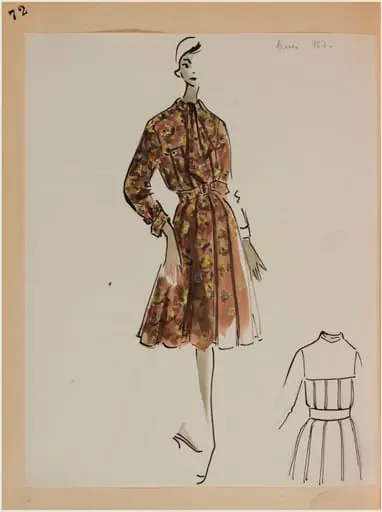 Ariane
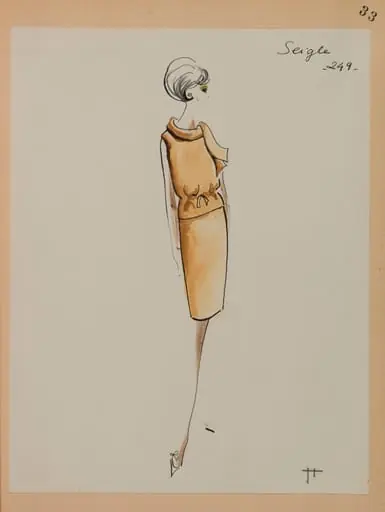 Seigle
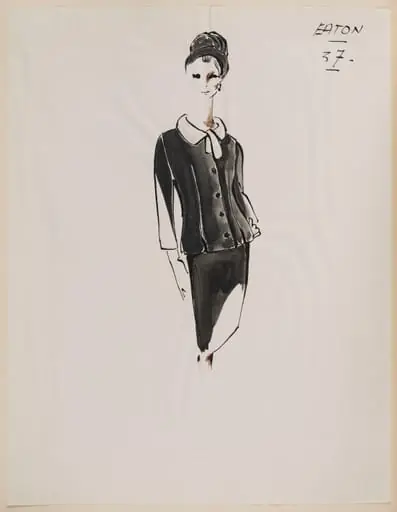 Eaton
Eaton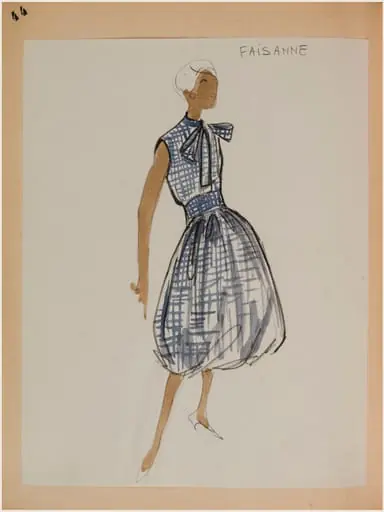 Faisanne
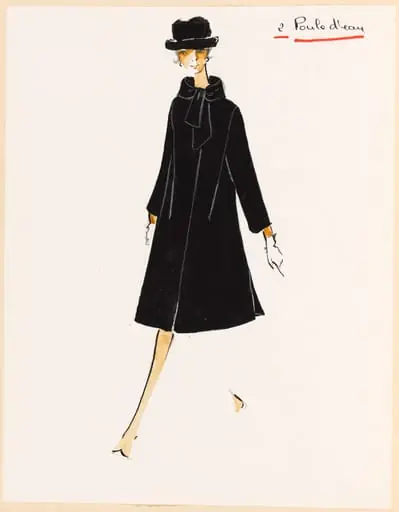 La poule d'eau
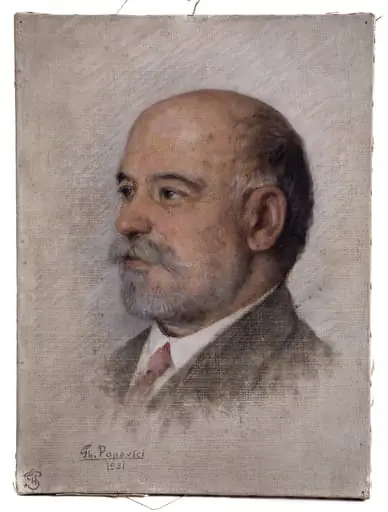 Portretul lui Panait Zosin
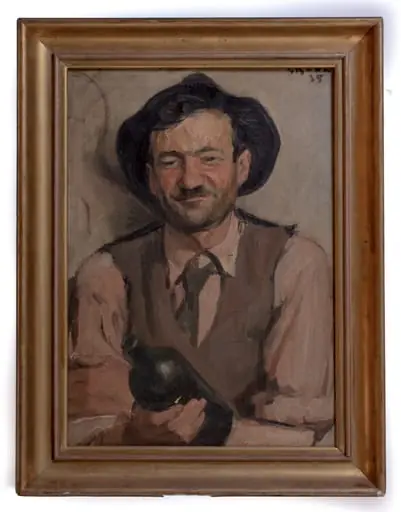 Băutorul
 Bogătașul Ficher tatăl
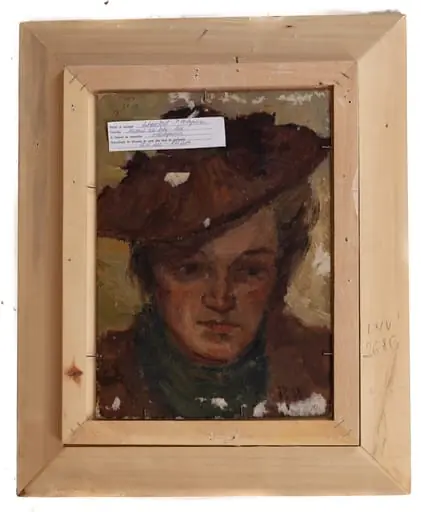 Autoportret
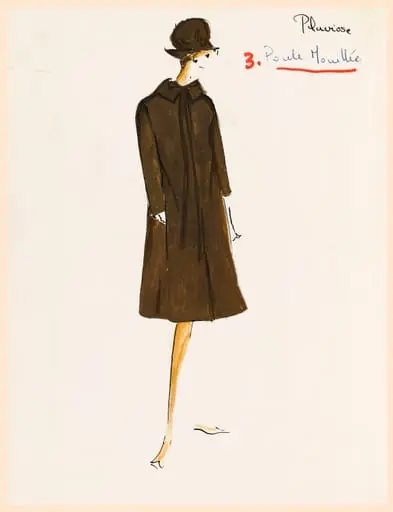 Pluviose - Poule mouillée
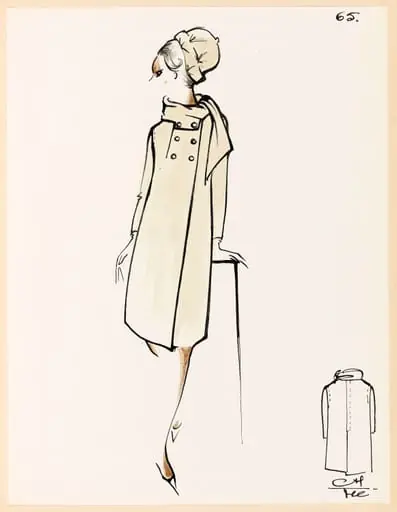 Manteau crème à col cravate et chapeau assorti
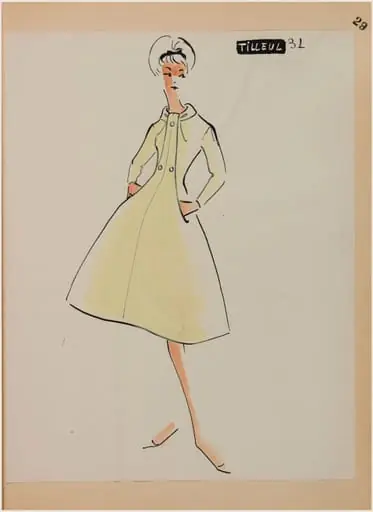 Tilleul
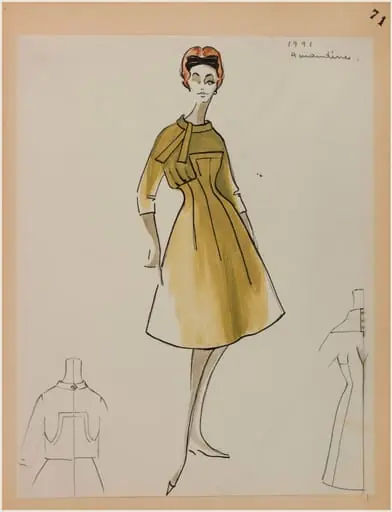 Amandine
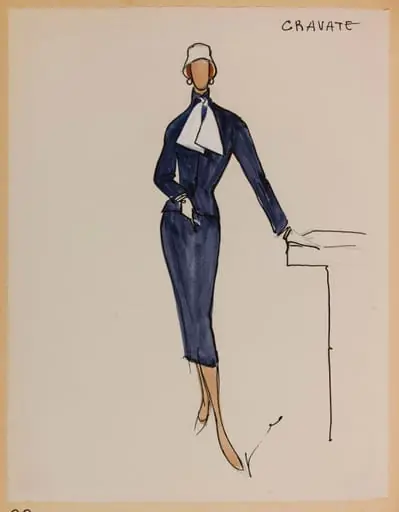 Cravate
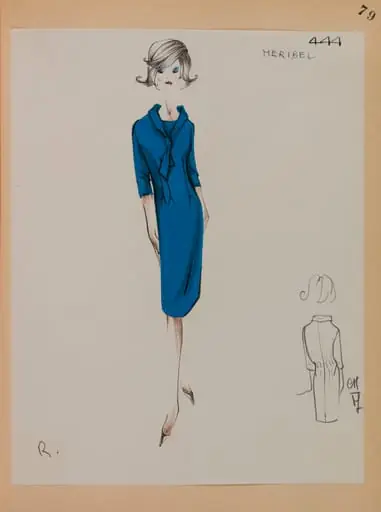 Méribel
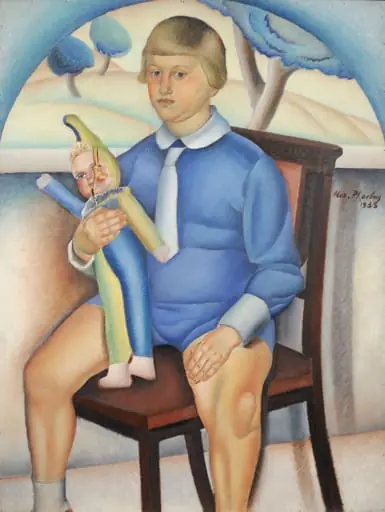 FIUL ARTISTULUI
Necktie is a subject in art. A necktie (American English) – also called a long tie or, more usually, simply a tie (Commonwealth English) – is a cloth article of formal neckwear or office attire worn for decorative or symbolic purposes, knotted at the throat, resting under a folded shirt collar, and usually…
Artifact World Gallery holds 41 public-domain Necktie works, all free to view and download.
Key Necktie artists in the collection include Édouard Manet, Joseph Siffred Duplessis and Horace Pippin.
Necktie works in the collection are held by Palais Galliera - Musée de la Mode de la Ville de Paris, Moldova National Museum Complex and Museum of New Zealand Te Papa Tongarewa.
Your cart is empty
Browse artworks →