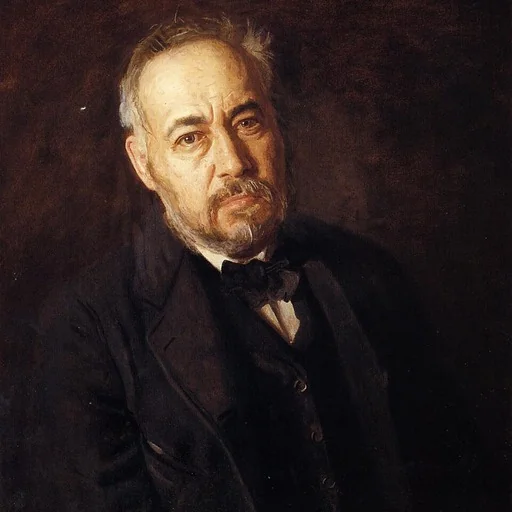
Subject
Playing
Playing is a subject in art. The gallery holds 42 works in this subject in art, including works by Thomas Eakins, Seymour Joseph Guy and George Bellows.
Play is a range of intrinsically motivated activities done for recreation. Play is commonly associated with children and juvenile-level activities, but may be engaged in at any life stage, and among other higher-functioning animals as well, most notably mammals and birds.
Key artists

Overview
Playing, as a subject in art, denotes the depiction of intrinsically motivated recreational activities undertaken for pleasure and enjoyment. While commonly associated with children and juvenile activities, play extends across all life stages and even appears among higher-functioning animals, particularly mammals and birds. In art, the motif of play encompasses a wide spectrum: from structured games with defined rules to spontaneous, free-form improvisation; from solitary imaginative acts to complex social interactions. The subject holds particular resonance because it captures moments outside ordinary life, what the Dutch historian Johan Huizinga characterized in his 1938 seminal work Homo Ludens as a free activity standing consciously outside material interest, absorbing the player intensely within its own boundaries of time and space. This quality of being simultaneously not serious and utterly absorbing gives play its enduring power as an artistic subject, allowing artists to explore themes of freedom, social order, learning, and the boundaries between reality and imagination.
Iconography & meaning
The iconography of play in art draws upon several interconnected symbolic registers. Children at play, perhaps the most common motif, carries associations with innocence, growth, and the rehearsal of adult roles. The philosopher Roger Caillois, in his 1958 work Man, Play and Games, identified key characteristics that inform artistic representation: play as free, separate, uncertain, unproductive, regulated, and fictive. These qualities translate visually into specific attributes, such as toys, games, playgrounds, and ritualized spaces. The symbolic substitution central to play, turning a stick into a sword or a cushion into a wheel, parallels the metaphorical operations of art itself. In philosophical tradition, play connects to broader human concerns. Aristotle linked play to joy and virtue, distinguishing it from necessary labor. Friedrich Schiller saw in play the manifestation of aesthetic freedom and the bridge to imagination. For Gregory Bateson, play functioned as metacommunication, a frame that signals this is not what it seems. In visual art, this often appears through compositional devices that separate the play space from the everyday world, creating what Huizinga termed the magic circle. The emotional range of play depiction varies enormously, from the relaxed and spontaneous to the compulsive and goal-oriented, allowing artists to comment on social structures, education, and the human condition through the seemingly simple act of play.
Across movements & periods
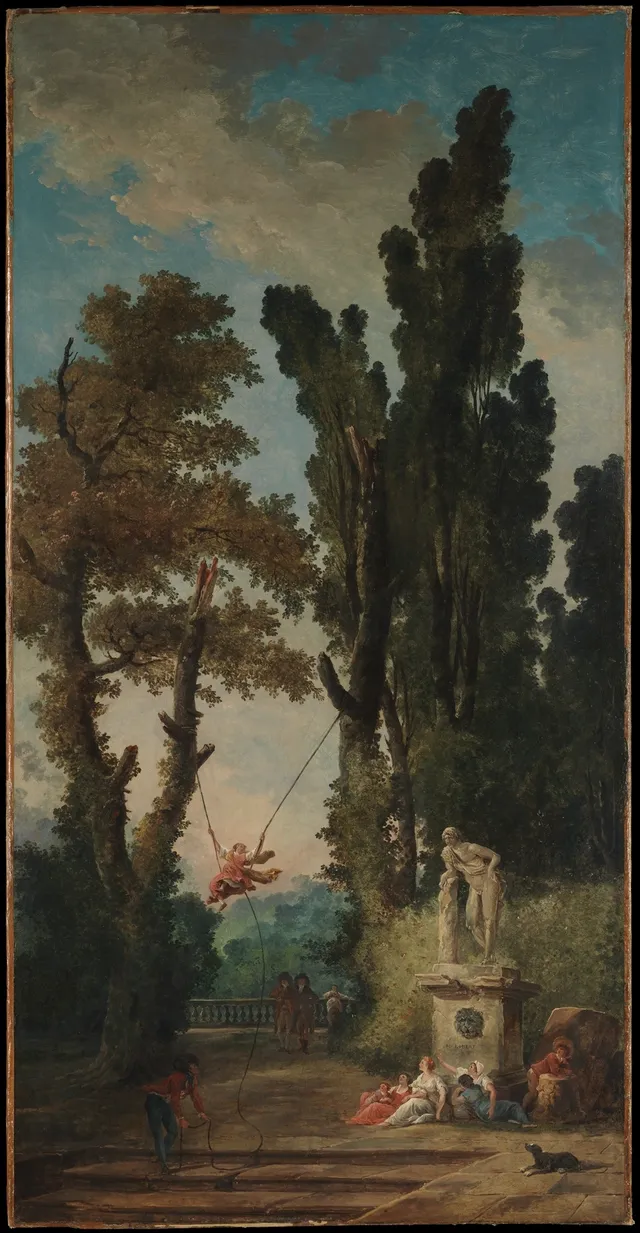
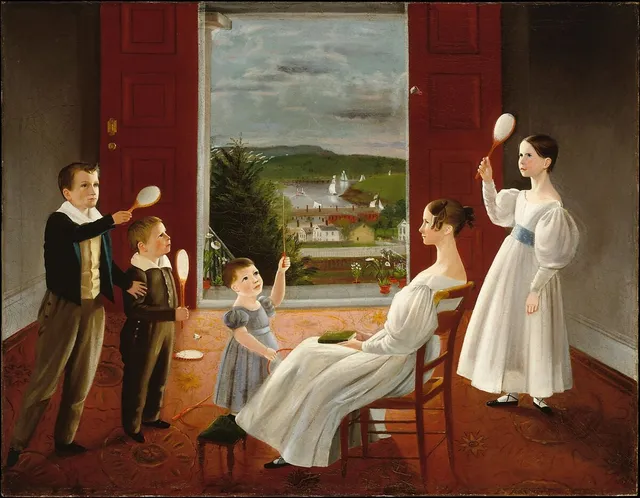
The treatment of play in art has shifted significantly across movements and periods, reflecting changing attitudes toward childhood, leisure, and social order. In earlier periods, play often carried allegorical or moral weight. The Golden Age motif, appearing in classical and Renaissance traditions, used play to evoke an irrecoverable state of innocence. Chinese court paintings such as the Yuan-Ming dynasty Children playing in the palace garden situated play within imperial and cosmological frameworks, where children in gardens symbolized fertility, prosperity, and cosmic harmony. The European eighteenth century saw new attention to play as a subject in its own right, with works like The Swing engaging themes of pleasure, risk, and social flirtation. The nineteenth century brought increased naturalism in depicting childhood play, as seen in The Children of Nathan Starr, while also using play scenes to document emerging bourgeois domesticity, evident in The Contest for the Bouquet. The twentieth century fragmented these approaches: modernist interest in primitive or authentic experience sometimes idealized play, while social realism used it to expose class conditions. Across these shifts, the basic tension in representing play persists: whether to celebrate its freedom or to reveal its social construction, whether to depict it as natural childhood behavior or as culturally specific performance.
Legacy
The subject of playing in art continues to resonate in contemporary culture, though its contexts have expanded dramatically. Museums, once temples of reverent observation, have increasingly embraced play as a strategy for engagement and survival. Forward-thinking institutions now blend education with entertainment, using gamification, augmented reality, and interactive exhibits to transform passive viewers into active participants. The Vienna Clock Museum's 2024 AR-driven escape room game A Shared Secret exemplifies this trend, allowing visitors to gain virtual X-ray vision into antique clocks. Similarly, the Hellenic Museum in Melbourne staged Mysterion: Descent Into Hades, a live-action role-playing event that immersed visitors in Greek mythology. Museums have also begun building virtual worlds in platforms like Minecraft, extending their reach beyond physical walls to global online audiences. This playful revolution in museum practice reflects deeper shifts: the influence of developmental psychology research on play's role in learning, the cultural authority of gaming communities, and generational expectations for interactive experience. The theoretical frameworks established by Huizinga, Caillois, and others continue to inform these innovations, even as digital technology enables new forms of the magic circle. The Strong National Museum of Play, with its collections-based approach to preserving play as both universal phenomenon and subjective experience, represents perhaps the fullest institutional expression of this legacy, demonstrating that the representation and facilitation of play remain vital to cultural institutions.
Works
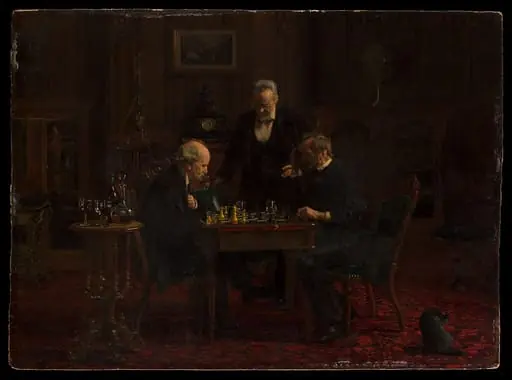 The Chess Players
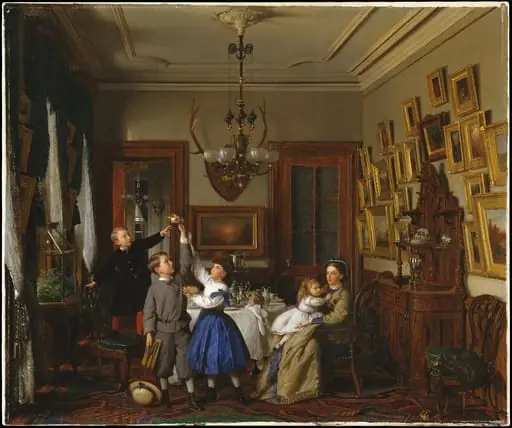 The Contest for the Bouquet: The Family of Robert Gordon in Their New York Dining-Room
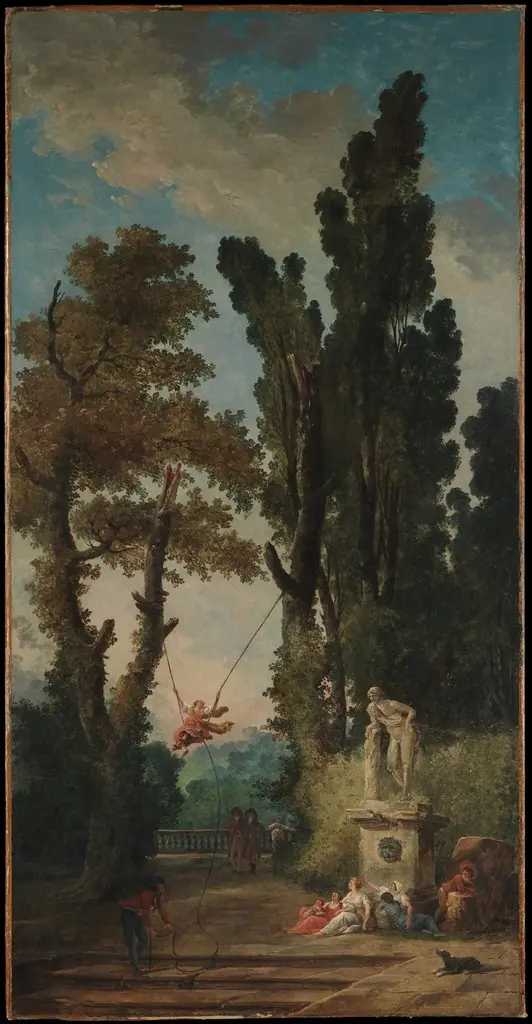 The Swing
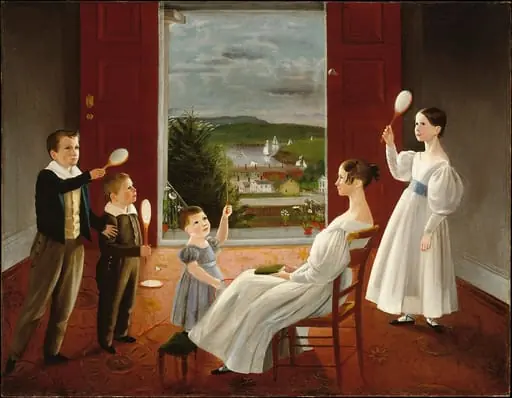 The Children of Nathan Starr
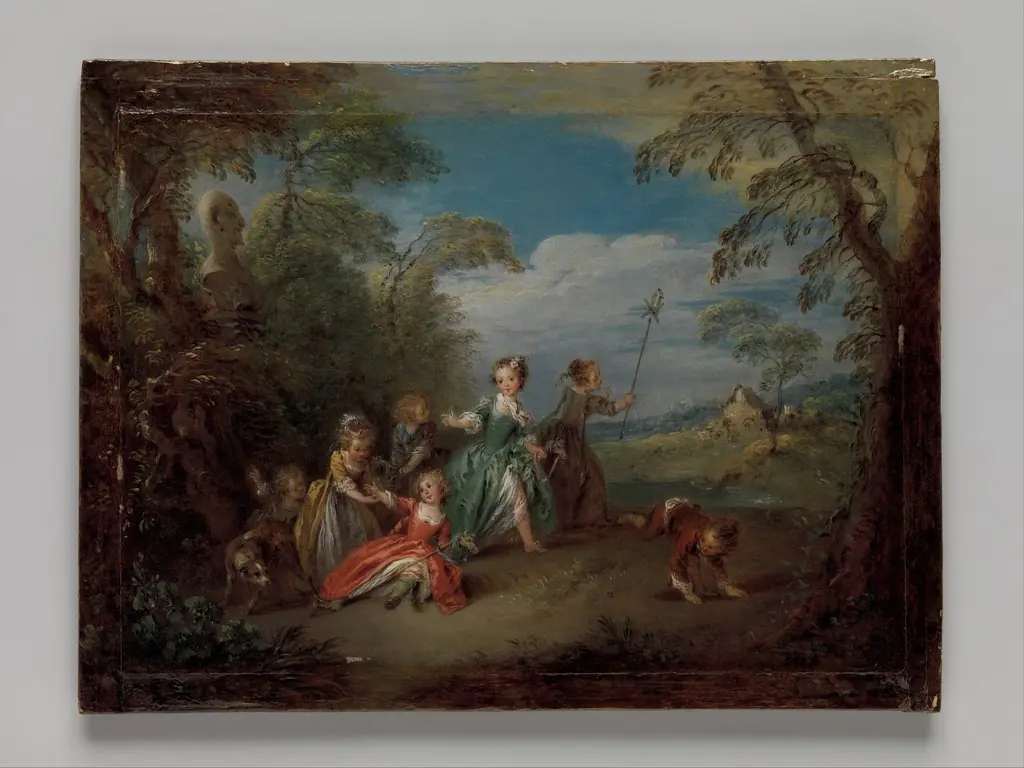 The Golden Age
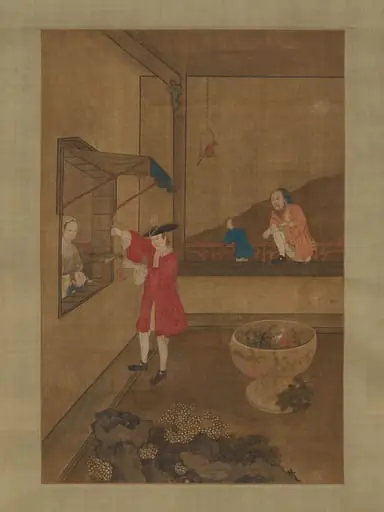 Untitled
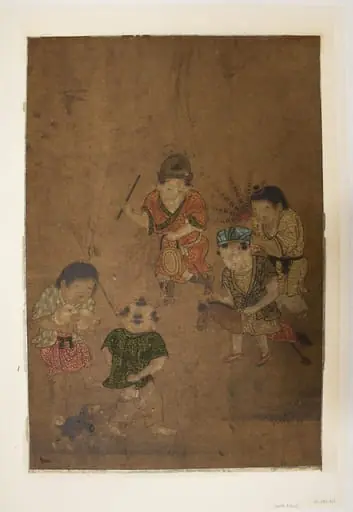
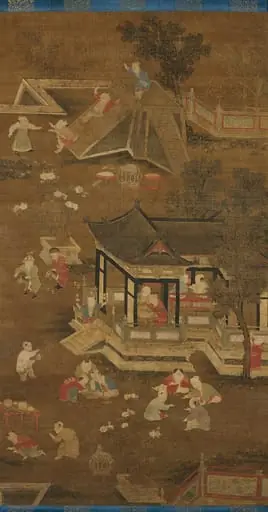 元末明初 佚名 絹本設色 嬰戯圖 軸|Children playing in the palace garden
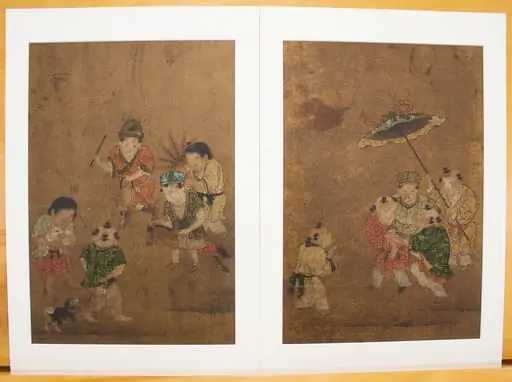 Untitled
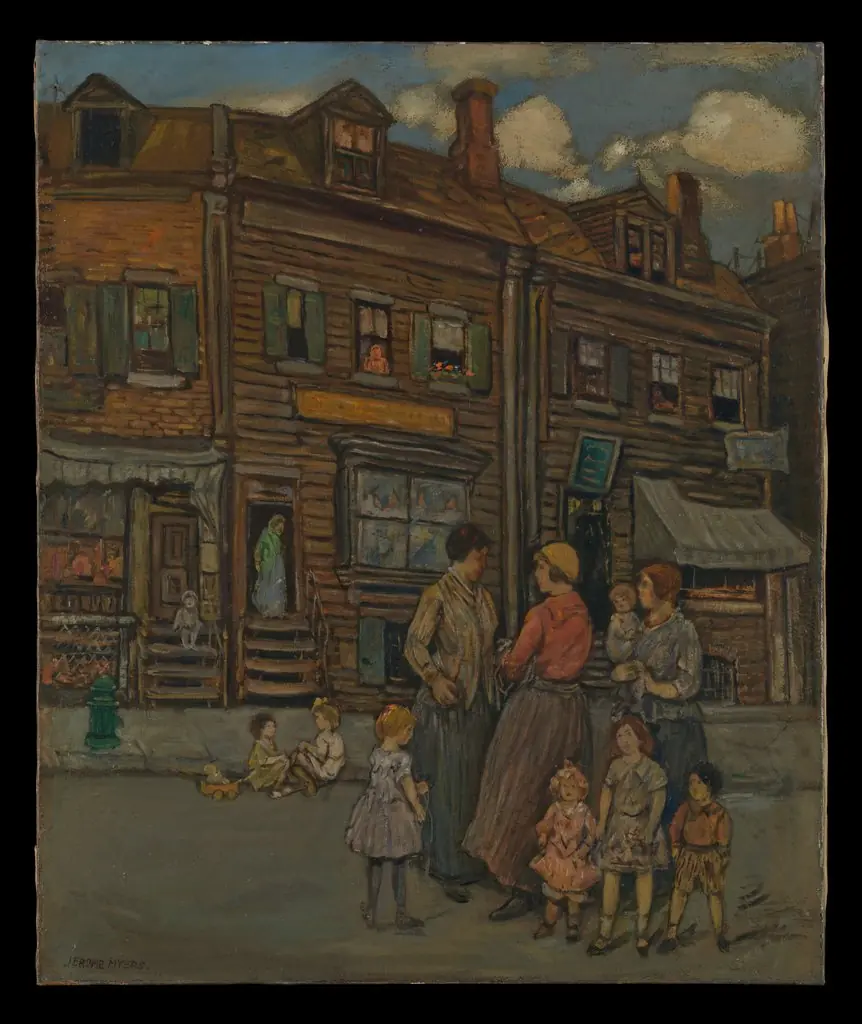 Street Group
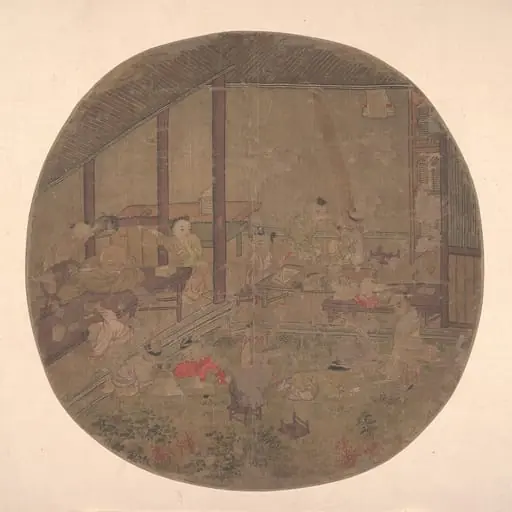 Untitled
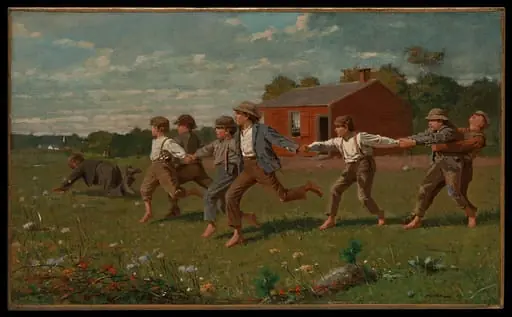 Snap the Whip
 Untitled
 Untitled
 Untitled
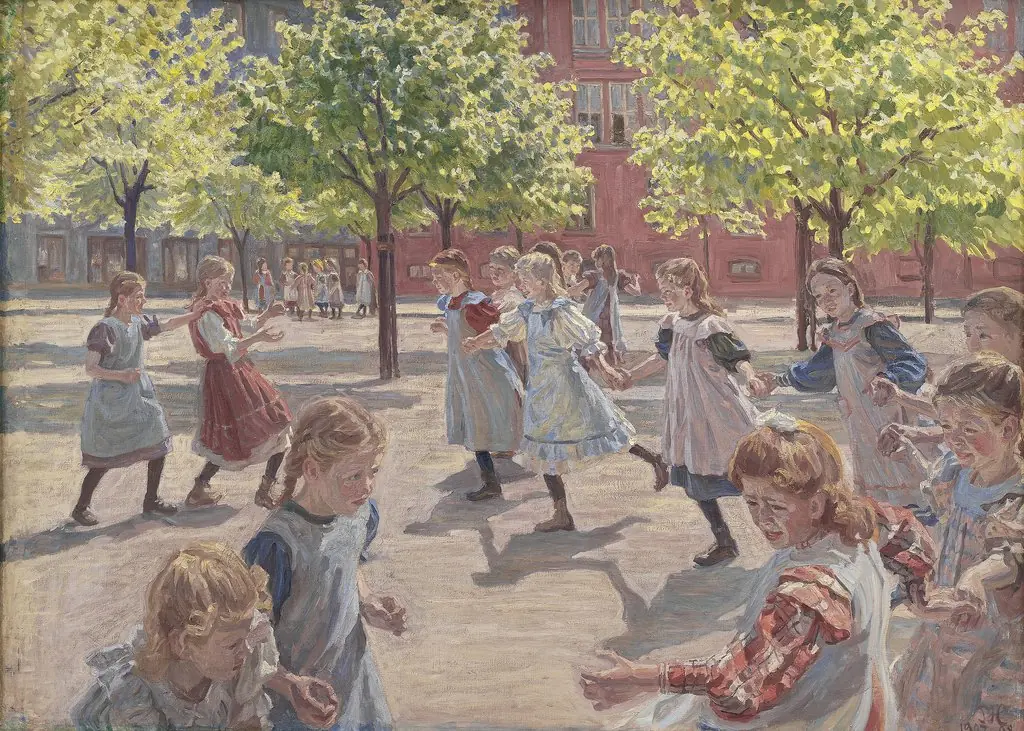 Playing Children, Enghave Square
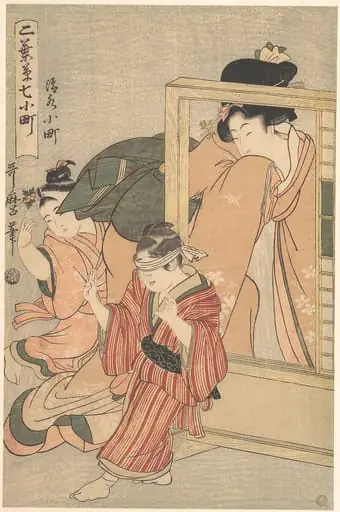 二葉草七小町 清水小町|Kiyomizu Komachi
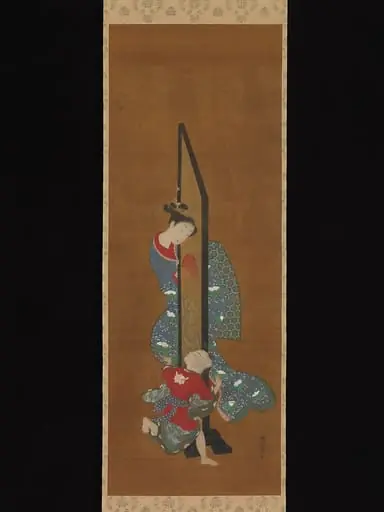
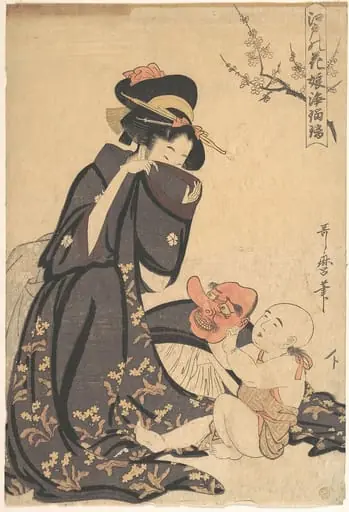 江戸の花 娘浄瑠璃|A Woman Playing with a Young Boy
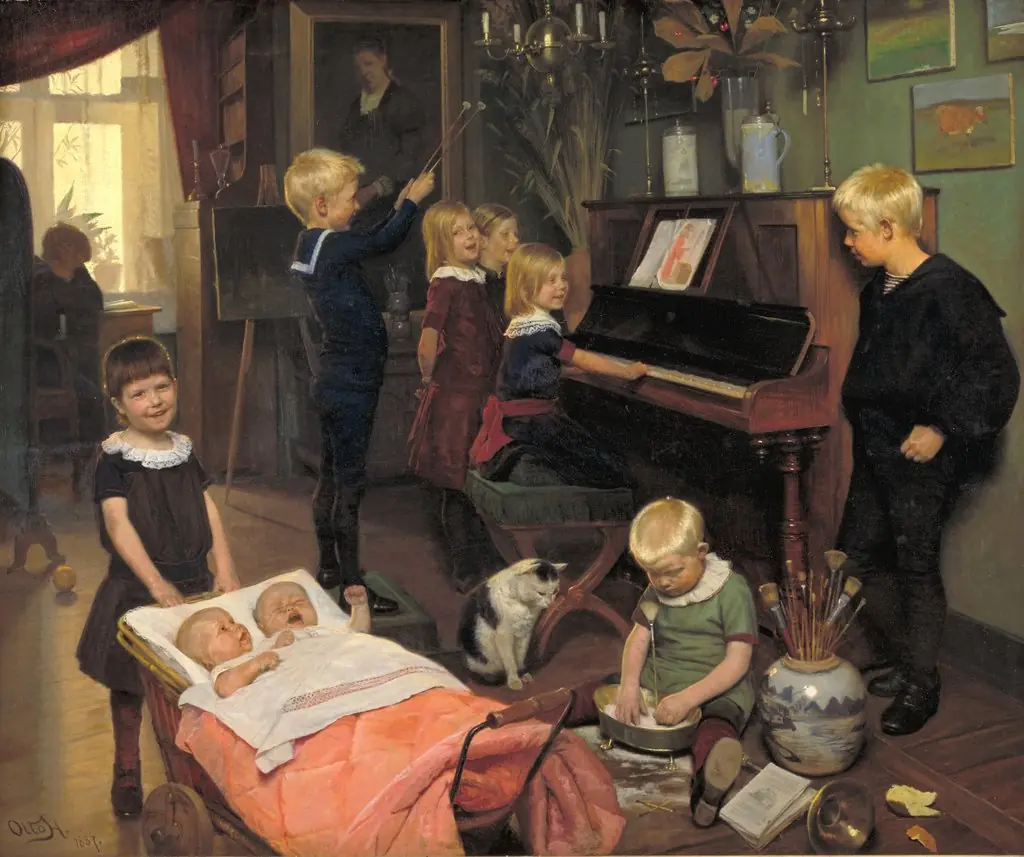 A Concert: The Artist's Children and their Playmates
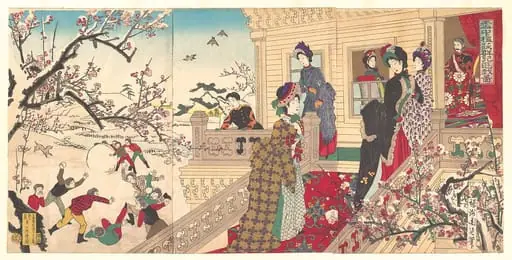 『雪中梅荘群児遊戯 図』|Children Playing in the Snow under Plum Trees in Bloom (Secchū baisō gunji yūgi zu)
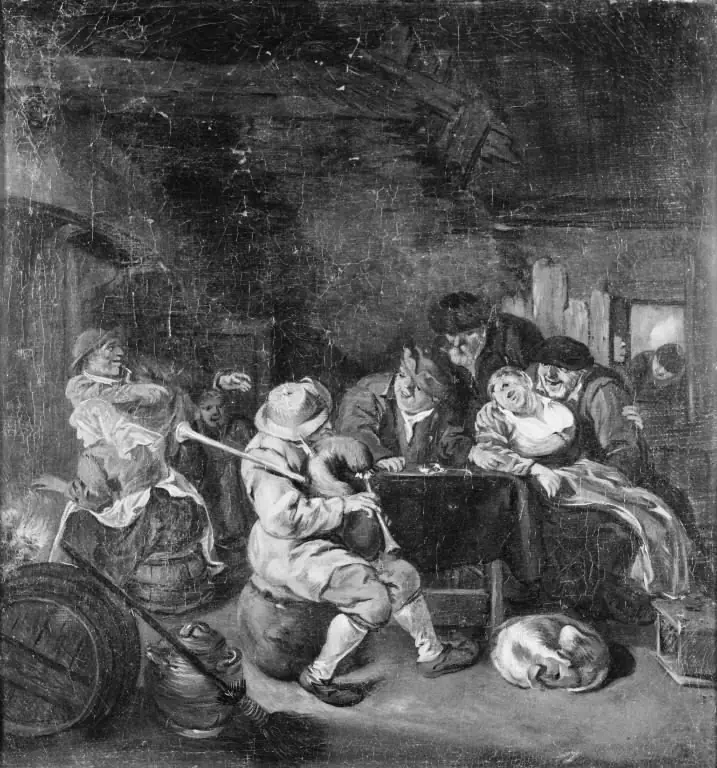 Bagpiper at an Inn
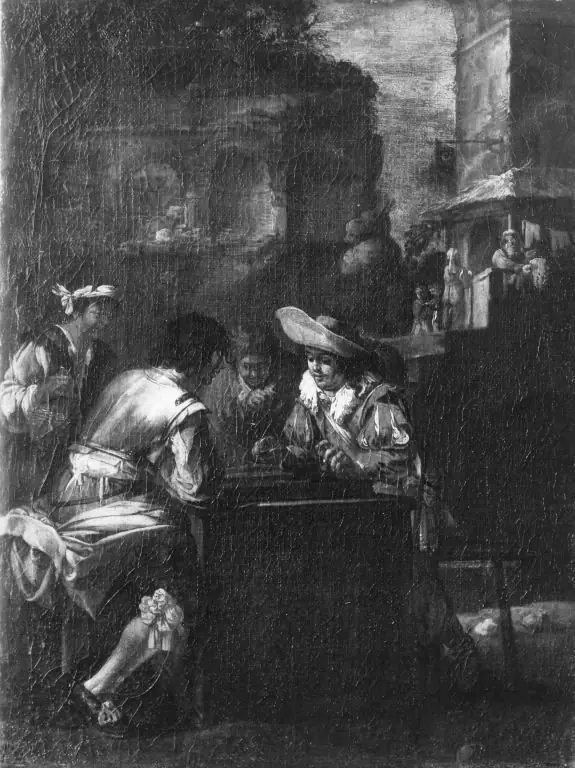 Damespielende Offiziere
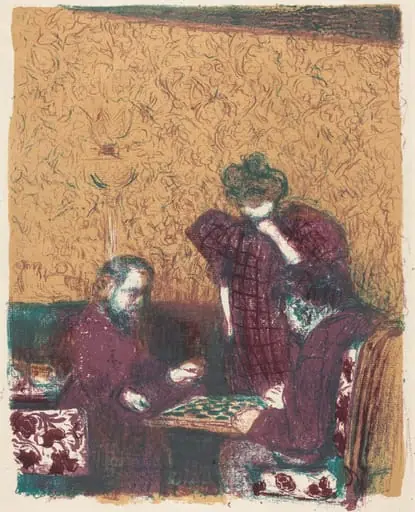 Game of Checkers (La partie de dames)
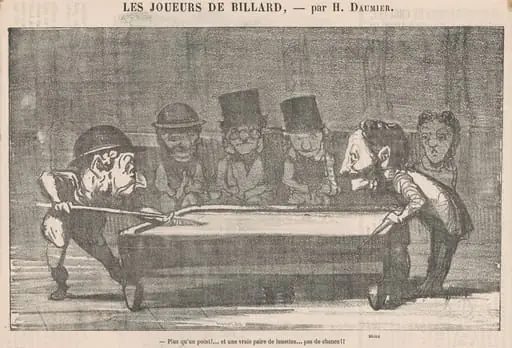 Plus qu'un point! ... Pas de chance!!
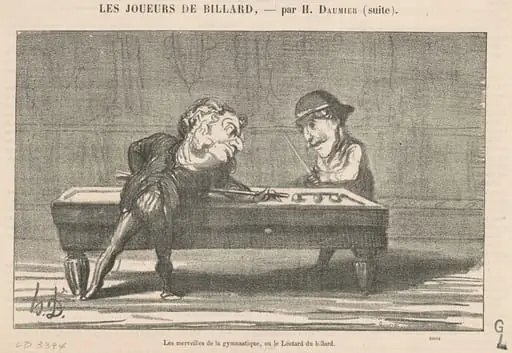 Les merveilles de la gymnastique ...
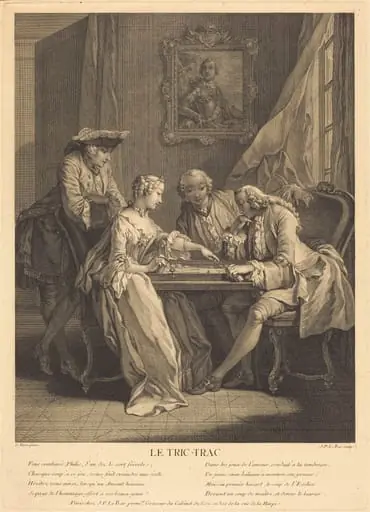 Le tric-trac
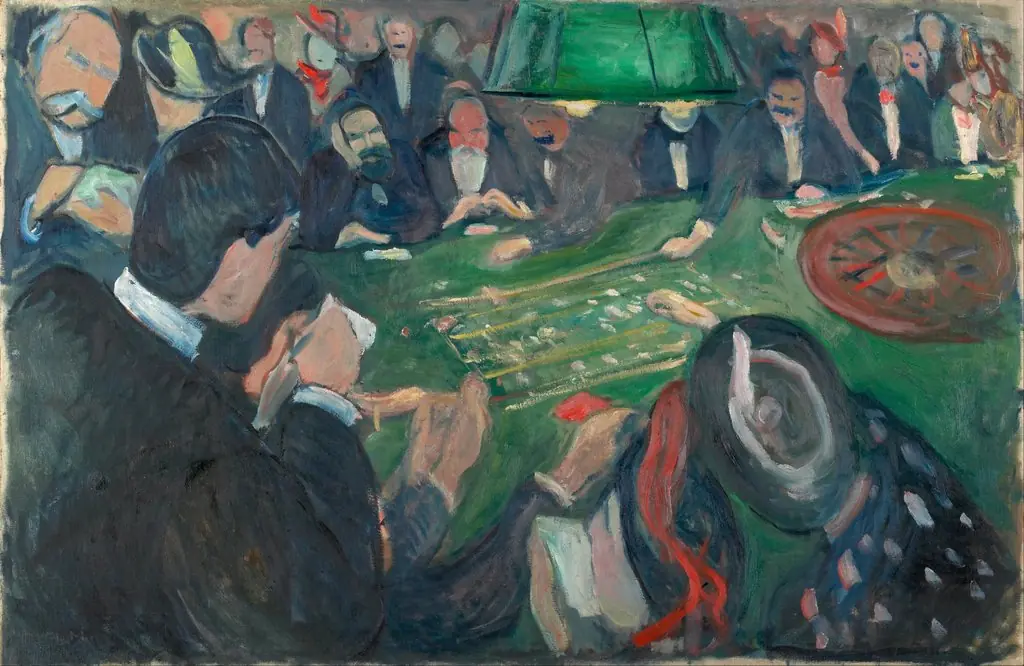 At the Roulette Table in Monte Carlo
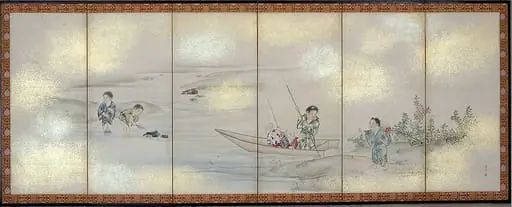 円山応震筆 子供遊び図屏風|Children Playing in Summer and Winter
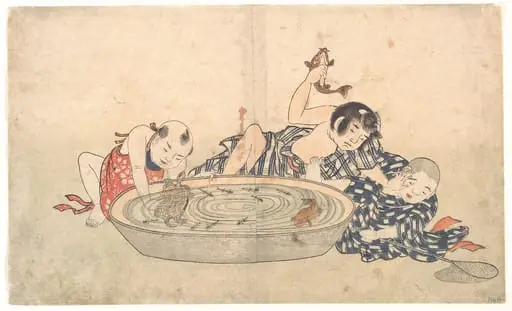 Untitled
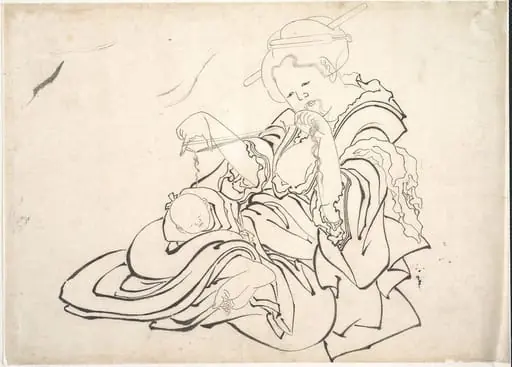 Untitled
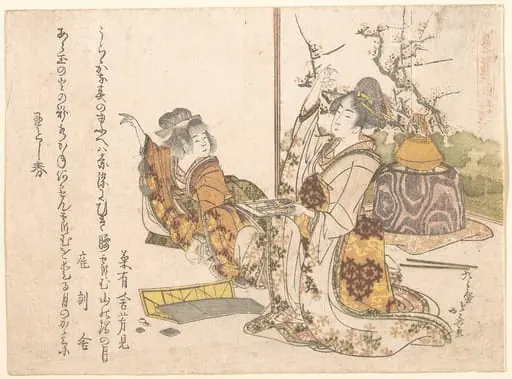 Untitled
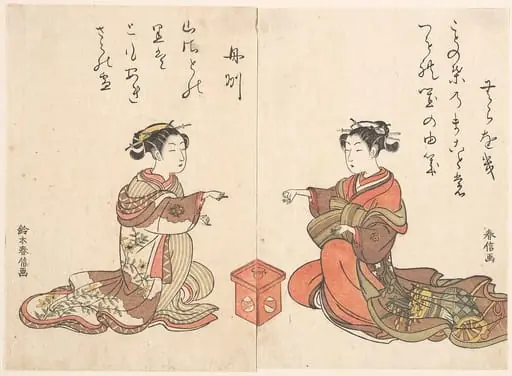 青楼美人合|Two Girls Play the Finger Game of Kitsume Ken
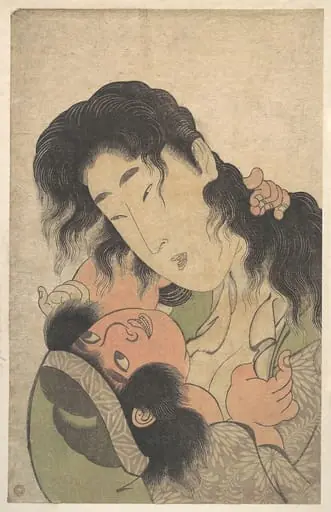 喜多川歌麿画 山姥と金太郎|Yamauba Playing with Kintarō
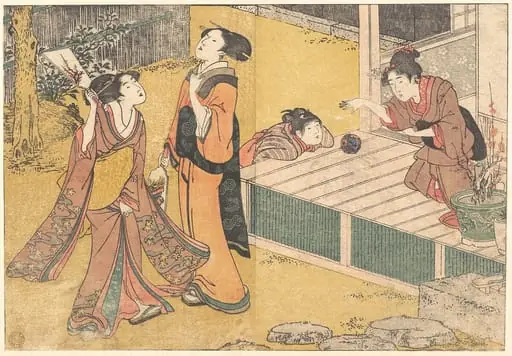 四季の花|New Year's Games, from the printed book Flowers of the Four Seasons (Shiki no hana)
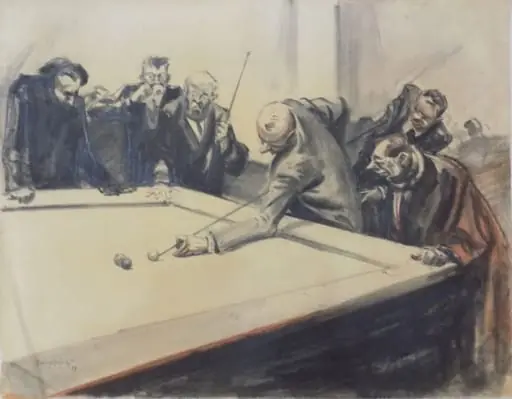 Carambolașul
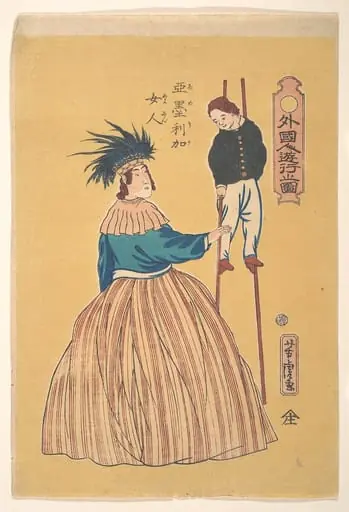 Amerika nyōjin|American Woman with Her Child on Stilts
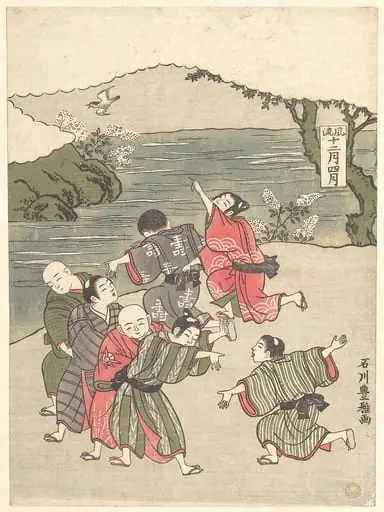 Shi Gatsu|The Fourth Month
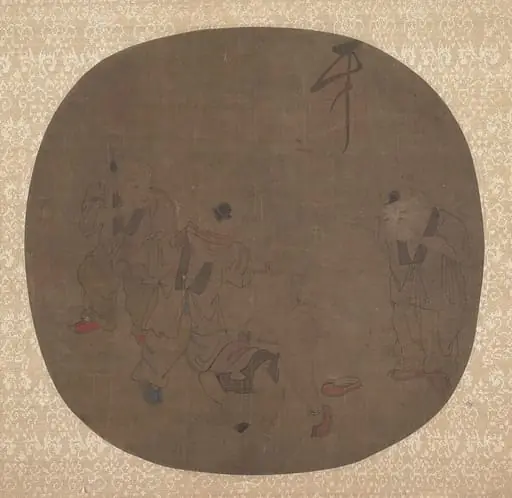
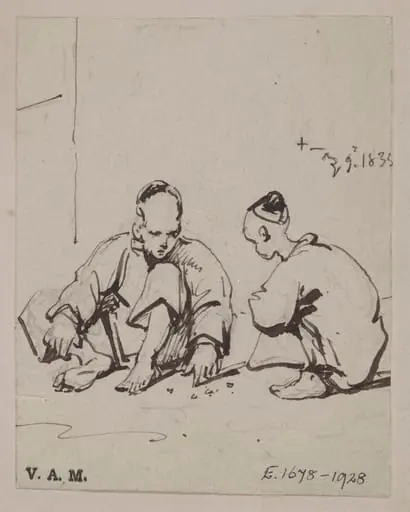 Two Chinese figures playing with pebbles on the ground
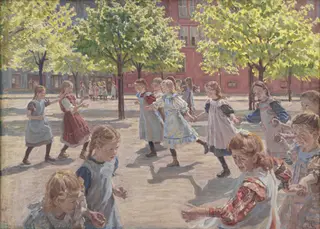 Playing Children, Enghave Square
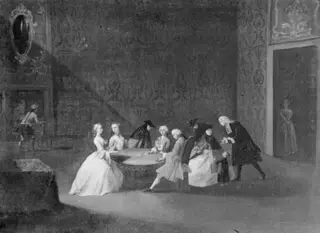 Card Players
 Untitled
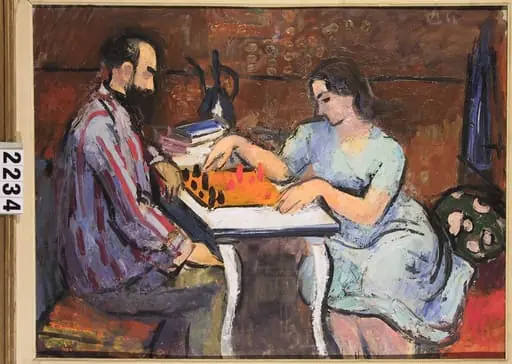 Șah în familie
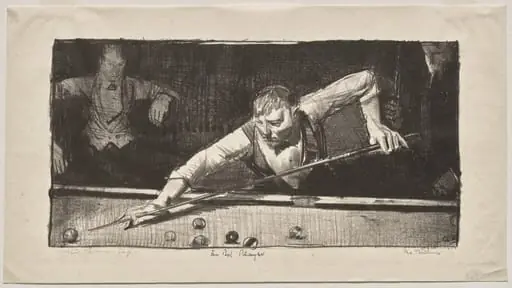 The Pool Player
Frequently asked questions
What is Playing?
Playing is a subject in art. Play is a range of intrinsically motivated activities done for recreation.
How many Playing works does Artifact World Gallery have?
Artifact World Gallery holds 42 public-domain Playing works, all free to view and download.
Who are the key Playing artists?
Key Playing artists in the collection include Thomas Eakins, Seymour Joseph Guy and George Bellows.
Where can I see Playing works?
Playing works in the collection are held by Metropolitan Museum of Art, Statens Museum for Kunst and National Gallery of Art.