
Subject
Animalia
Animalia is a subject in art. The gallery holds 55 works in this subject in art, including works by Edward Hicks, Kawanabe Kyōsai 河鍋暁斎 and Katsushika Hokusai.
Animals are among the oldest and most persistent subjects in art, predating settled civilization itself. The earliest known figurative images are almost exclusively bestiary: the Chauvet-Pont-d'Arc cave in southern France, painted roughly 36,000 years ago, carries more than 420 animal depictions—lions, mammoths, rhinoceroses, horses, and bison rendered with startling vitality. From these Paleolithic beginnings, animals served by turns as quarry, deity, symbol, and companion. Egyptian, Mesopotamian, and Greek art populated temples and tombs with sacred and heraldic beasts, while medieval European bestiaries paired meticulous illustration with moral and theological allegory, treating each creature as a vessel of meaning rather than a study from life.
The Renaissance shifted the animal from emblem toward observed fact. Working in Nuremberg, Albrecht Dürer was among the first European artists to treat animals as subjects worthy of sustained attention in their own right; his watercolours "Young Hare" (1502) and the woodcut "Rhinoceros" (1515)—the latter drawn from a written description without ever seeing the beast—remain touchstones of naturalistic precision and of art's collision with the new science of observation. Animals nonetheless remained subordinate within the academic hierarchy of genres, admitted chiefly as accessories to history painting, portraiture, or the hunt.
That status changed decisively in eighteenth-century Britain, when George Stubbs (1724–1806) elevated animal painting through anatomical rigour and sheer pictorial power. Having dissected horses to produce his landmark treatise "The Anatomy of the Horse" (1766), Stubbs painted "Whistlejacket" (c. 1762), a life-size rearing stallion isolated against a bare ground, dignifying the animal as a worthy protagonist. In nineteenth-century France, specialists known as animaliers made the genre their vocation; Rosa Bonheur's monumental "The Horse Fair" (1852–55), now at the Metropolitan Museum of Art, captured the muscular tumult of a Parisian market and made her one of the era's most celebrated painters.
The animal subject also flourished beyond Europe—in the gathered grieving beasts of Japanese Buddhist nirvana paintings (Nehan-zu) and in the visionary American folk art of Edward Hicks, whose "Peaceable Kingdom" series imagined predator and prey at rest. From cave wall to modern menagerie, animal imagery has continually mediated humanity's shifting relationship to the natural world, anchoring movements from realism to symbolism and surrealism.
Key artists



Overview
Animalia, the biological kingdom encompassing all multicellular, eukaryotic organisms, constitutes one of the most enduring and versatile subjects in visual art. Derived from the Latin anima, meaning breath or soul, the term was codified by Carl Linnaeus in 1758 as the taxonomic category that includes both humans and animals under a single biological classification. In art, animals appear across every medium and era, serving as symbols, companions, prey, spiritual intermediaries, and objects of scientific curiosity. The motif recurs because animals occupy a liminal position between the human and non-human worlds, making them ideal vehicles for exploring identity, power, mortality, and the natural order. Two major exhibitions in 2026, the Heidi Horten Collection's Animalia. Of Animals and Humans and the Al Thani Collection's presentation at the Hôtel de la Marine, demonstrate the continued centrality of animal representation in contemporary museum programming, each drawing on substantial holdings to examine how cultures have engaged with animal imagery across millennia.
Iconography & meaning
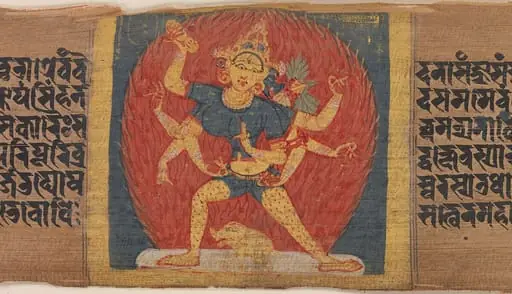
The iconography of animals in art operates on multiple registers simultaneously. Animals function as symbols of power, as seen in the lion's dual role as royal emblem and dangerous adversary. They serve as spiritual beings connected to divinities, exemplified by the Egyptian god Thoth in baboon form or the creatures populating Buddhist mandalas such as the Scroll of Deities of the Diamond World Mandala. The Heidi Horten Collection exhibition explicitly examines how humans project ambivalent roles onto animals, from the concept of "man's best friend" to the objectification and exploitation of creatures as resources. The Al Thani Collection exhibition at the Hôtel de la Marine structures its exploration around several thematic angles: animals as symbols of authority, as spiritual intermediaries, as domestic companions, as livestock essential for survival, as prey for hunting or fishing, and as dangerous beasts to be conquered. This exhibition also incorporates what it terms the "imaginary bestiary," including dragons, griffins, and the Nemean lion of Hercules, demonstrating that animal iconography extends beyond the natural world into the realm of myth and legend. The scientific dimension of animal representation appears in works created for observation and classification, reflecting the Enlightenment impulse to catalogue nature.
In the collection
The specific collection under discussion contains 92 works depicting Animalia, spanning diverse media, periods, and cultural origins. The holdings include The Old Oaken Bucket which Hung in the Well, multiple untitled works, the Japanese Buddhist painting 仏涅槃図 (Death of the Historical Buddha, Nehan-zu), the 金剛界曼荼羅諸尊図像 (Scroll of Deities of the Diamond World Mandala), and The Falls of Niagara. These examples indicate considerable range, from American genre painting to East Asian religious art to landscape painting. The Heidi Horten Collection's 2026 exhibition Animalia. Of Animals and Humans presents approximately 90 works from the 20th and 21st centuries, featuring artists such as Karel Appel, Marc Chagall, George Condo, Mark Dion, Damien Hirst, Gustav Klimt, Fernand Léger, Roy Lichtenstein, Franz Marc, Meret Oppenheim, Pablo Picasso, and Andy Warhol. The Al Thani Collection's exhibition at the Hôtel de la Marine assembles over 120 objects spanning four continents from the 3rd millennium BC to the 20th century AD, including a Laconian bronze votive horse from the Greek Geometric period (750-730 BC), a Warring States period tiger-form garment buckle (475-221 BC), a Fabergé jewelled snake-head cane handle (c. 1890), and a Senufo wooden bird sculpture (c. 1900).
Across movements & periods
The treatment of Animalia in art has shifted dramatically across movements and cultures, though certain continuities persist. Ancient Greek bronzes and Egyptian faience figures established conventions of animal representation that persisted for centuries. The Al Thani exhibition traces a trajectory from ancient Greece to modern times, incorporating Chinese, Ivorian, Russian, and Western European material, suggesting both shared motifs and culturally specific interpretations. In Japanese Buddhist art of the medieval and early modern periods, animals appeared within complex iconographic programs, as in the Death of the Historical Buddha and mandala scrolls, where they carried specific soteriological meanings. The European tradition saw particular intensity in animal representation during the Romantic period, when artists sought in nature an alternative to industrial modernity. The 20th century brought radical reconfigurations: Franz Marc's chromatic, spiritually charged animal paintings, Pablo Picasso's fractured bull forms, and the Surrealist reconstructions of Meret Oppenheim all challenged naturalistic representation. Contemporary artists in the Heidi Horten Collection exhibition, including Lena Henke, Lili Reynaud-Dewar, and Flaka Haliti, continue to interrogate the human-animal boundary as a site of political and ethical inquiry. The scientific study of animals, which intensified from the Enlightenment through the development of zoology and ethology, also shaped artistic representation, as natural history illustration attained status as a distinct genre.
Notable depictions
Several specific works and artists merit attention within this corpus. Roy Lichtenstein's Forest Scene (1980) and François-Xavier Lalanne's Singe Avisé (très grand) (2005/2008) anchor the Heidi Horten Collection's contemporary presentation, representing divergent approaches to animal subject matter, respectively Pop Art appropriation and surrealist sculptural fantasy. The Laconian bronze votive horse (750-730 BC) in the Al Thani Collection exemplifies early Greek geometric reduction of animal form to essential linear elements. The massive Warring States period tiger buckle (475-221 BC) demonstrates the integration of animal imagery with functional metalwork in ancient China. Gustav Klimt's inclusion in the Heidi Horten exhibition suggests the Viennese Secessionist's engagement with organic, often serpentine forms, while Franz Marc represents German Expressionism's most sustained commitment to animal subjects as vehicles for spiritual expression. The Senufo bird sculpture (c. 1900) illustrates African traditions of abstracted animal forms with cosmological significance. The 仏涅槃図 (Death of the Historical Buddha) in the base collection represents a canonical East Asian religious treatment where animals attend the central sacred event. Andy Warhol's graphic work, while not primarily focused on animals, appears in both the Animalia exhibition and a related cabinet exhibition on the shoe as fetish object, suggesting the breadth of the collection's Pop Art holdings.
Legacy
The legacy of Animalia as an artistic subject continues to expand in the 21st century, as contemporary institutions reconceptualize the human-animal relationship in light of environmental crisis, biotechnology, and evolving ethical frameworks. The Heidi Horten Collection's adoption of Animalia as a guiding principle for critical examination reflects a broader museological shift toward interrogating anthropocentrism. The exhibition's framing of animals as "fellow creatures and co-actors" rather than merely objects of representation represents a significant departure from traditional natural history display. The Al Thani Collection's presentation, with its chronological and geographical sweep, demonstrates that animal art constitutes a universal language across civilizations, even as specific meanings remain culturally contingent. The 2026 convergence of these major exhibitions in Vienna and Paris indicates sustained institutional investment in animal subjects. For scholars, the continued production of exhibition catalogues and critical frameworks around Animalia provides essential material for understanding how societies negotiate their relationship with non-human life. The scientific collections, such as the Natural History Museum's 29 million zoological specimens, maintain a parallel but increasingly intersecting legacy with artistic collections, as both confront questions of preservation, representation, and the construction of knowledge about the natural world.
Works
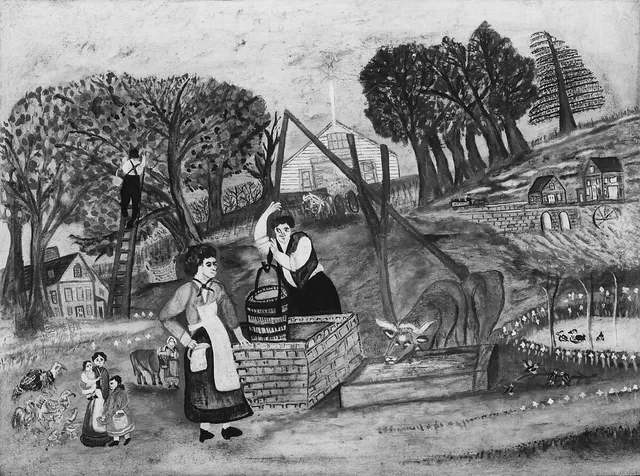
 The Old Oaken Bucket which Hung in the Well
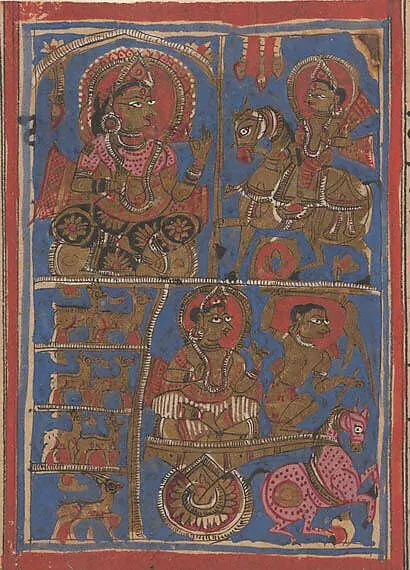
 Untitled
 仏涅槃図|Death of the Historical Buddha (Nehan-zu)
 金剛界曼荼羅諸尊図像|Scroll of Deities of the Diamond World Mandala
 Untitled
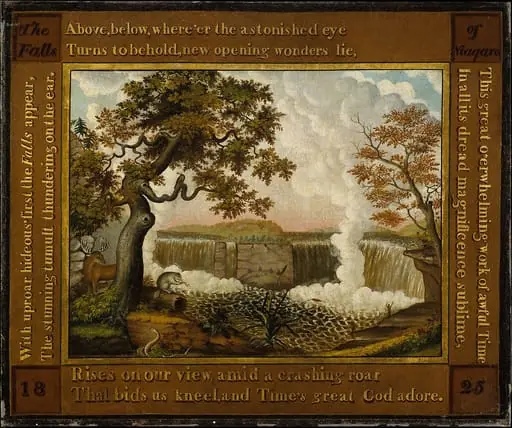 The Falls of Niagara
 Untitled
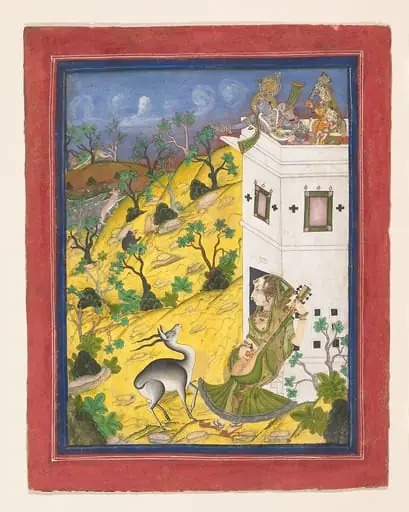 Untitled
 Untitled
 Untitled
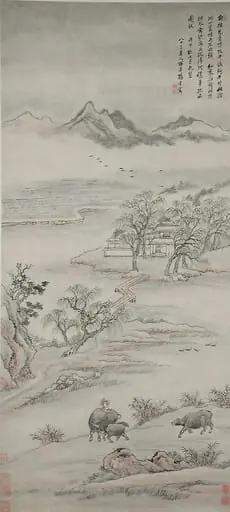 清 楊晉 滄洲牧牛圖 軸|Landscape with Figures
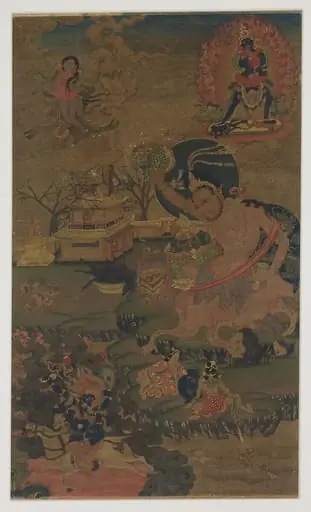 Untitled
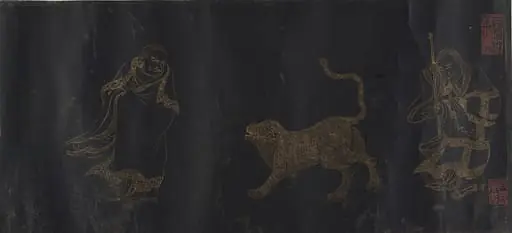 Untitled
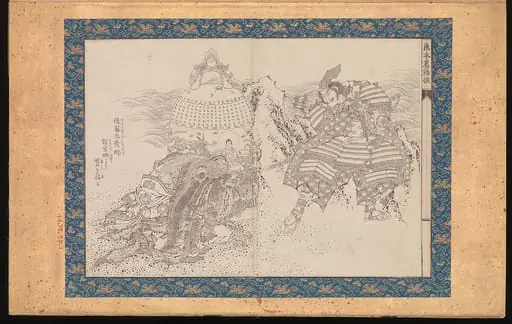 『画本葛飾振』|Picture Book in the Katsushika Style (Ehon Katsushika-buri)
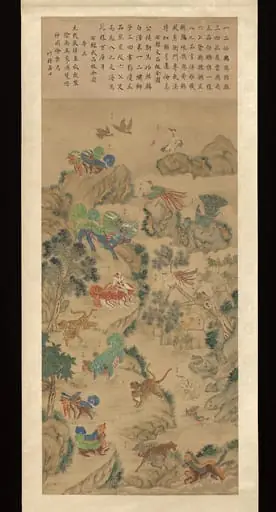 Untitled
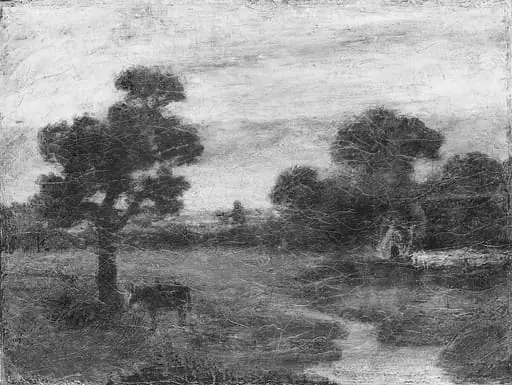 Pasture at Evening
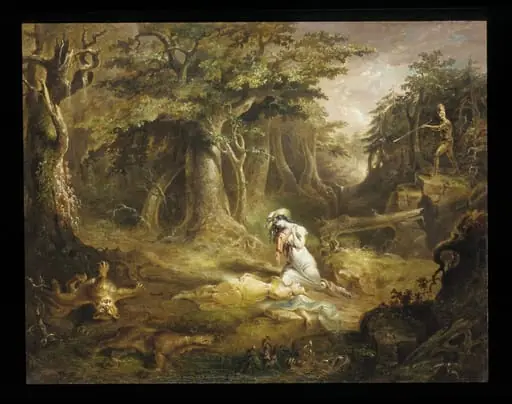 Leatherstocking's Rescue
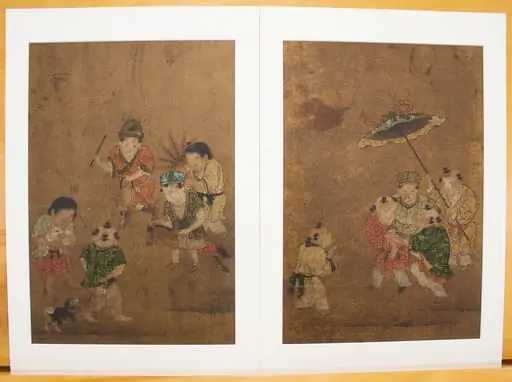 Untitled
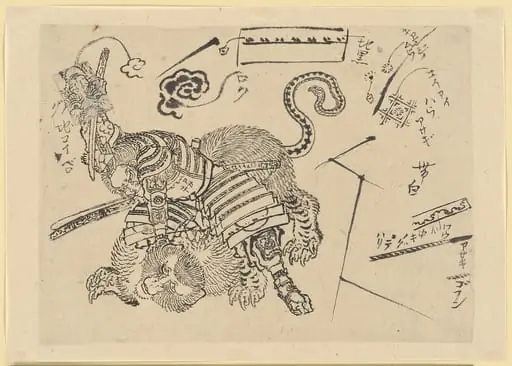 Untitled
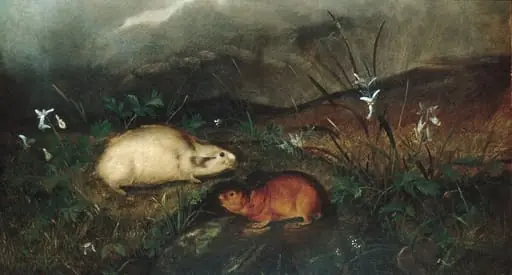 Hudson's Bay Lemming
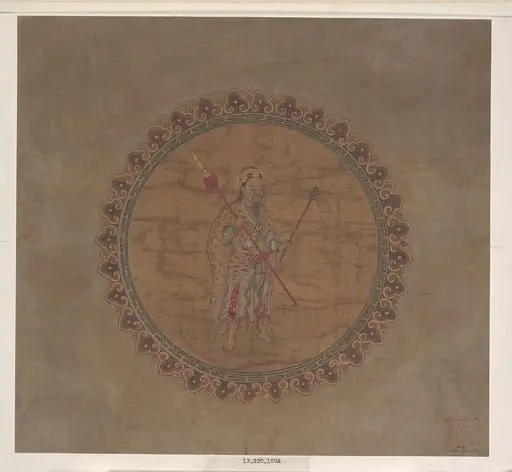 Untitled
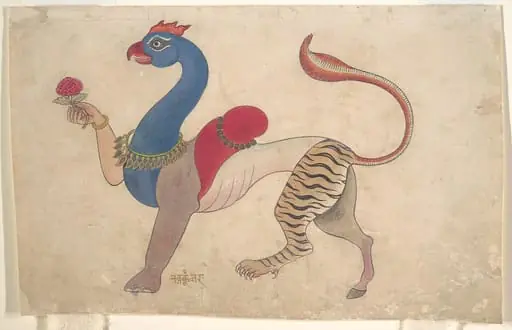 Untitled
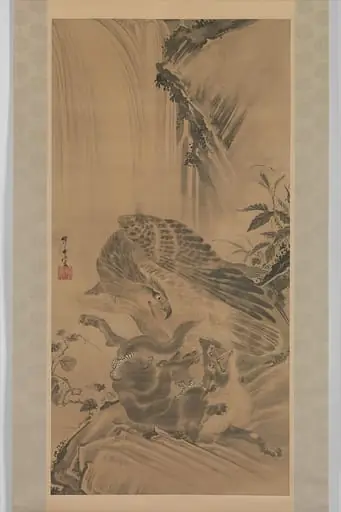 Untitled
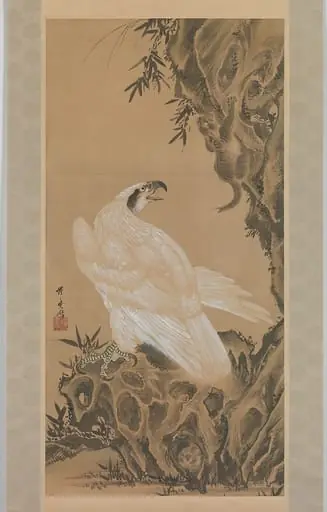 Untitled
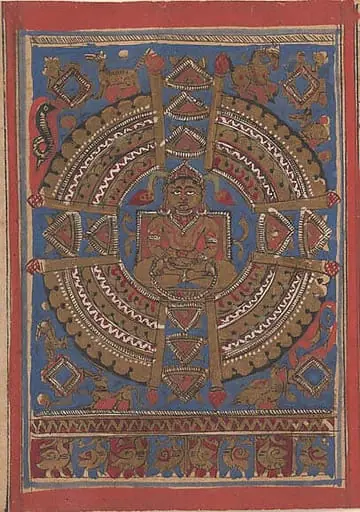 Untitled
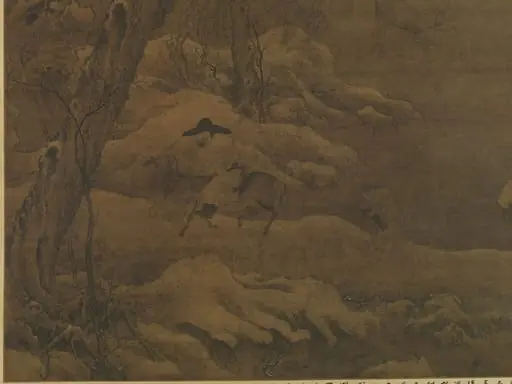 宋 佚名 倣李成 寒林策驢圖 軸|Travelers in a Wintry Forest
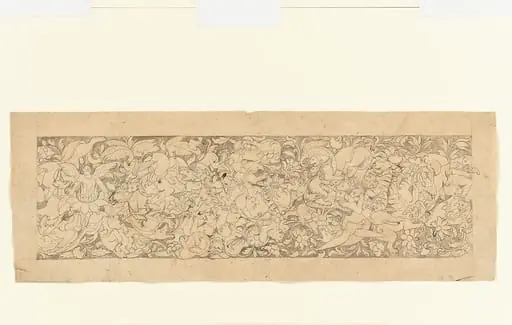 Untitled
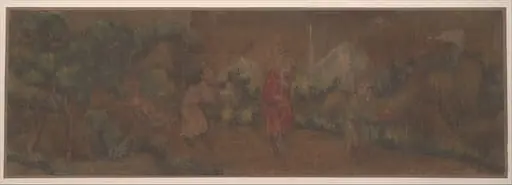 Untitled
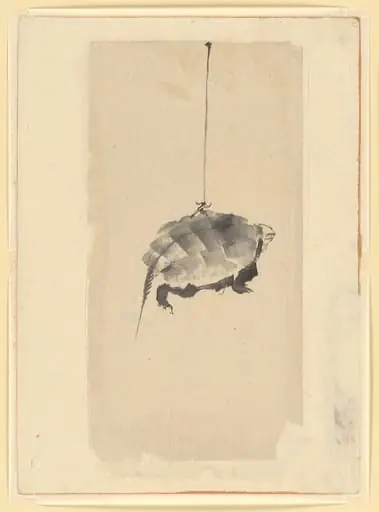 Untitled
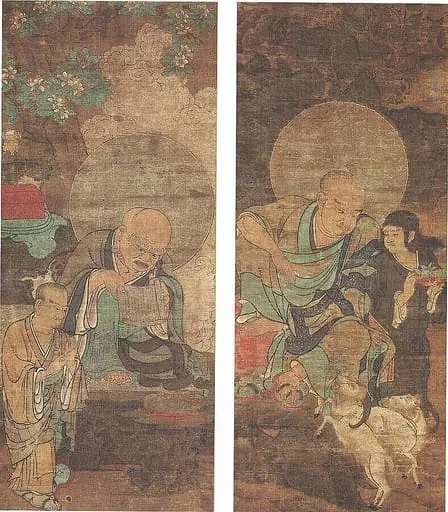 Untitled
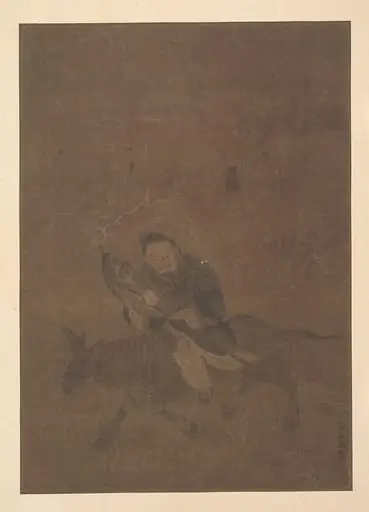 Untitled
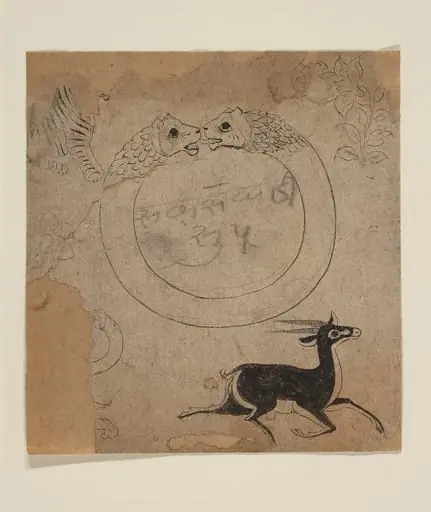 Untitled
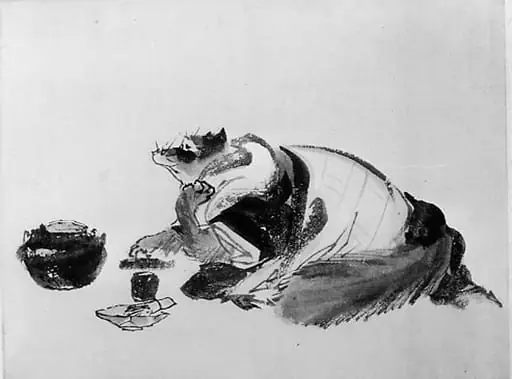 Untitled
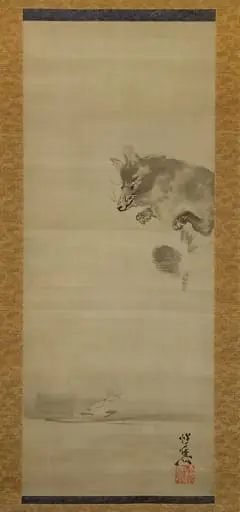 Untitled
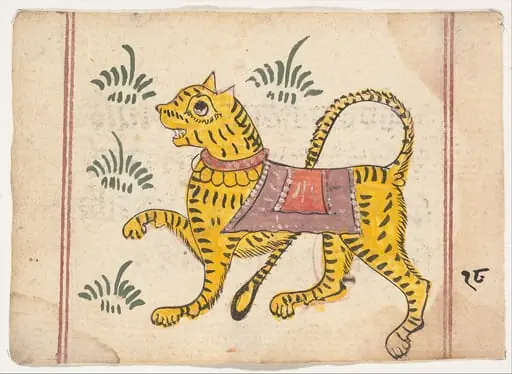 Untitled
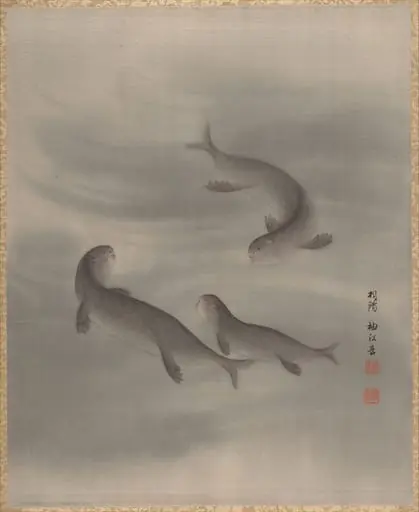 Untitled
 羅漢図|Rakan
 Untitled
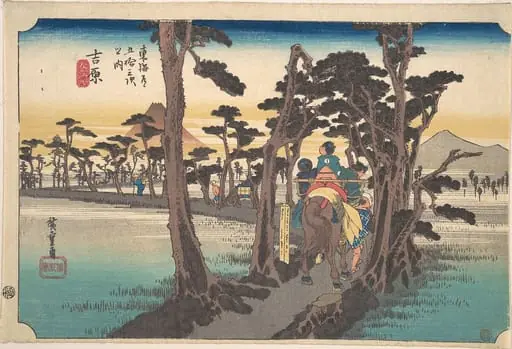 東海道五十三次之内 吉原 左富士|Yoshiwara, Hidari Fuji
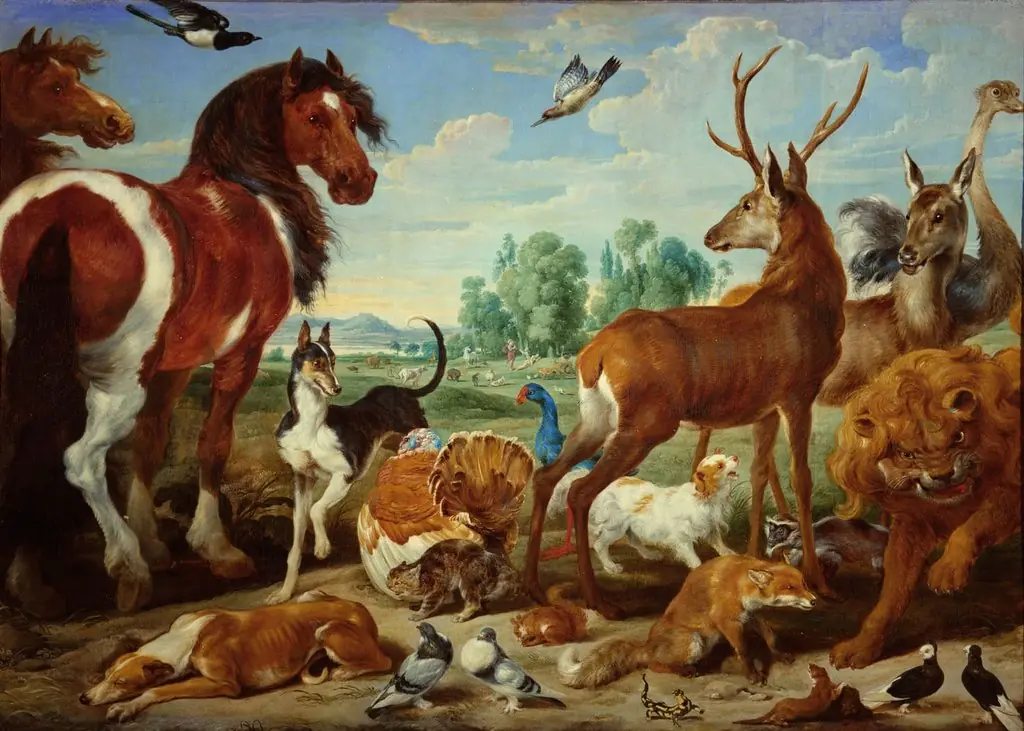 Paradise
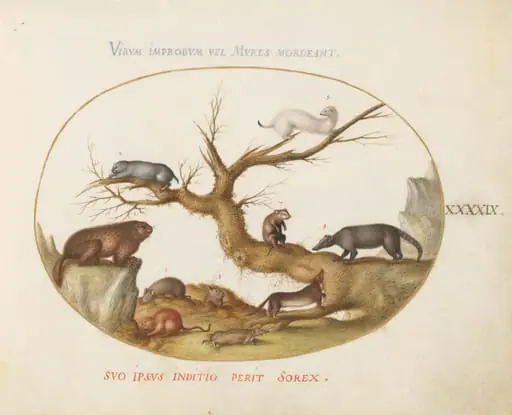 Plate 49: Marmot, Hamsters, Rat, Field Mouse, Shrew, and a Coatimundi
 Title Page
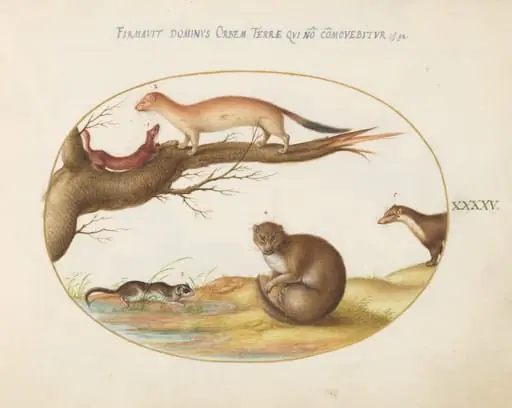 Plate 45: Weasels, a Ferret, and a "Nut Mouse"
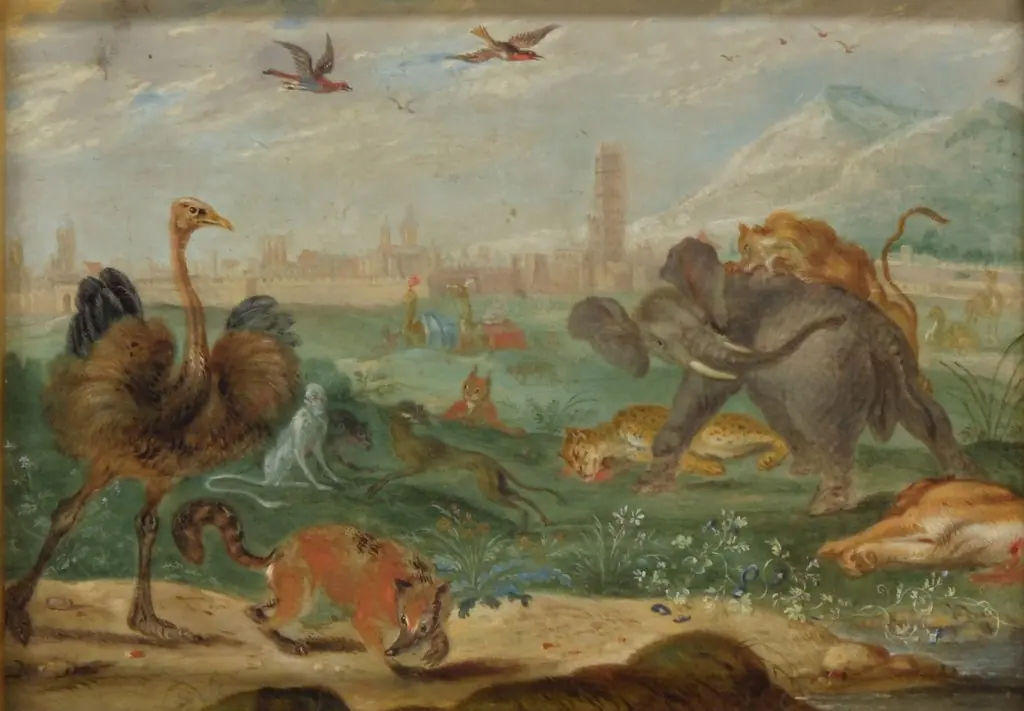 Ansichten aus den vier Weltteilen mit Szenen von Tieren: Marokko
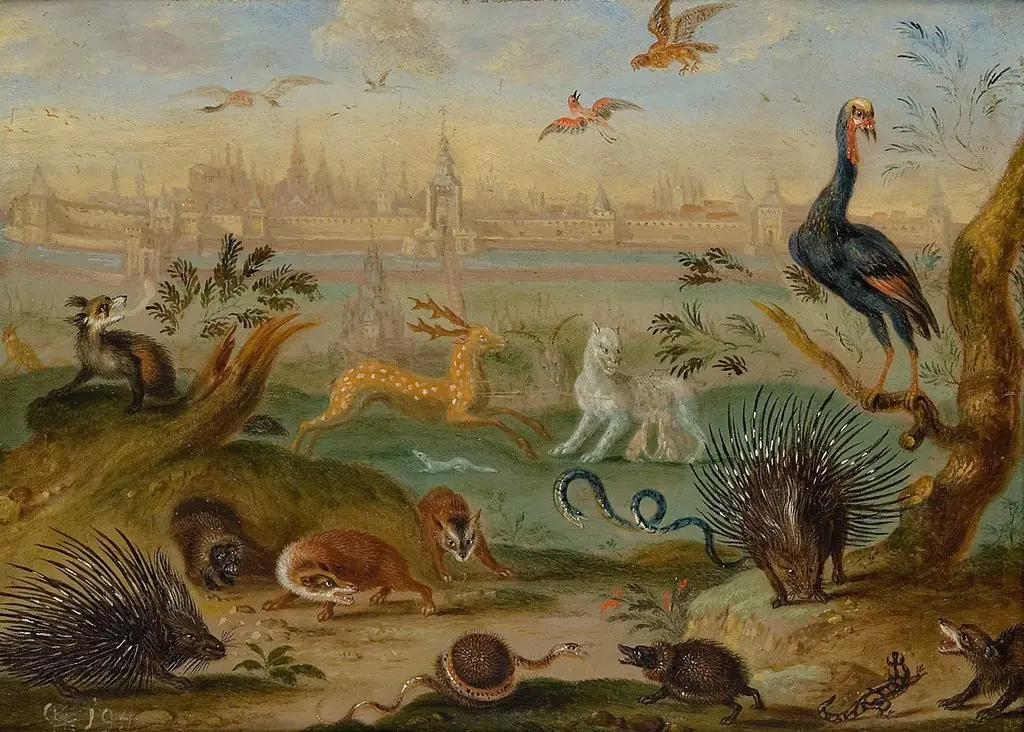 Ansichten aus den vier Weltteilen mit Szenen von Tieren: Moskau
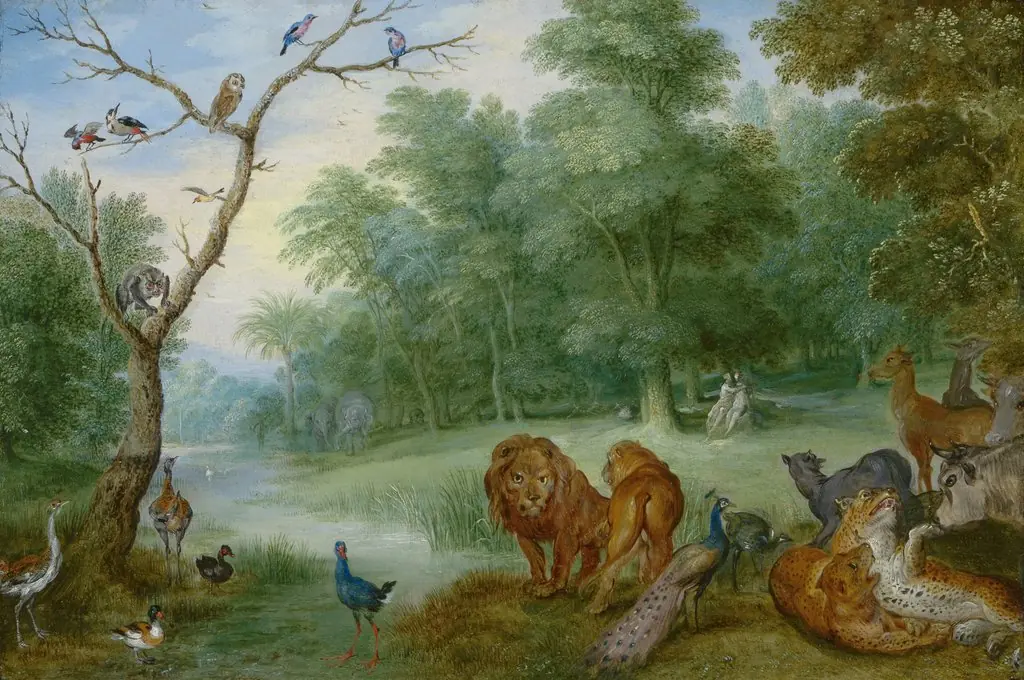 Paradise with the Fall of Adam and Eve
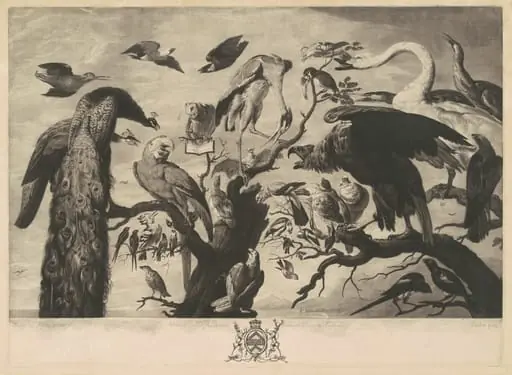 A Concert of Birds
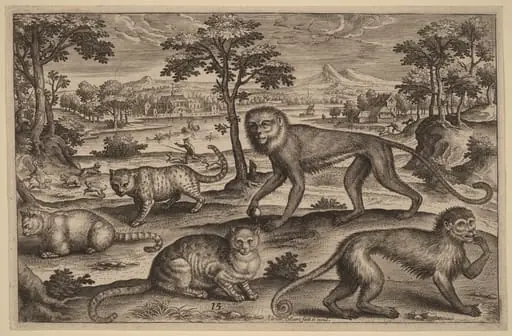 Three Cats and Two Monkeys
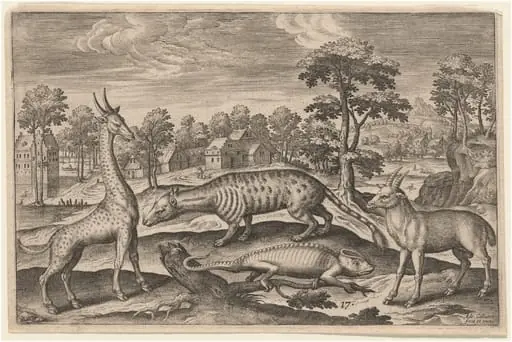 A Giraffe, a Chameleon, a Civet, and an Antelope
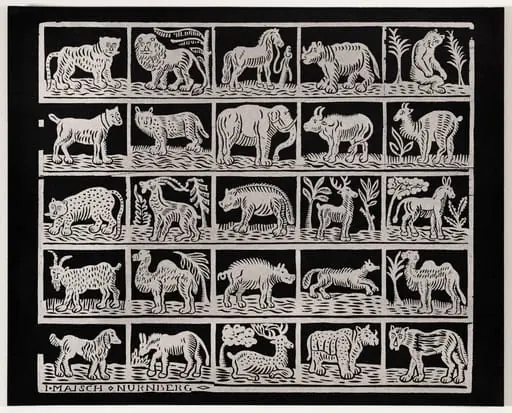 Endpaper with Animals
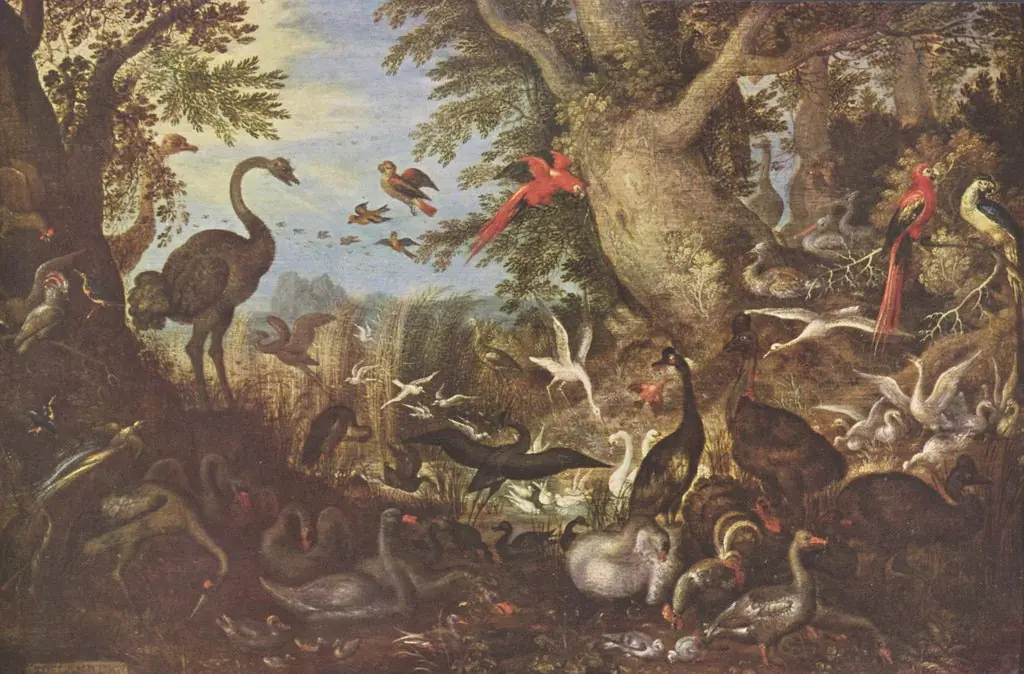 Birds in a landscape
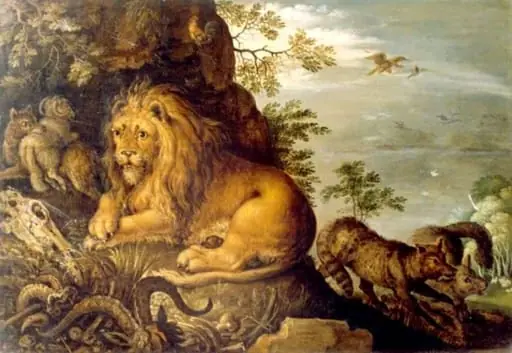 Leul în fața peșterii
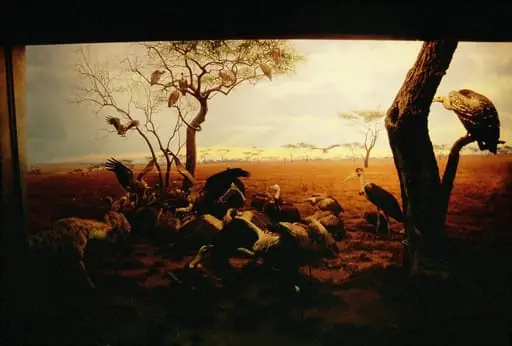 Άτιτλο
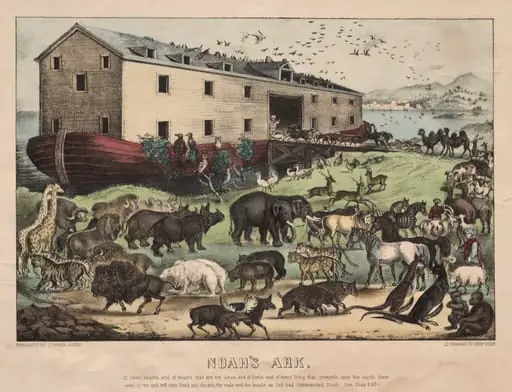 Noah's Ark
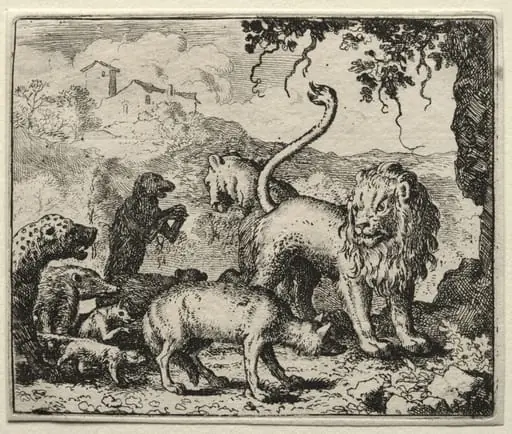 Reynard the Fox: First Complaint of the Wolf
Frequently asked questions
What is Animalia?
Animalia is a subject in art. Animals are multicellular, eukaryotic organisms belonging to the biological kingdom Animalia ().
How many Animalia works does Artifact World Gallery have?
Artifact World Gallery holds 55 public-domain Animalia works, all free to view and download.
Who are the key Animalia artists?
Key Animalia artists in the collection include Edward Hicks, Kawanabe Kyōsai 河鍋暁斎 and Katsushika Hokusai.
Where can I see Animalia works?
Animalia works in the collection are held by Metropolitan Museum of Art, National Gallery of Art and Kunsthistorisches Museum.