
Artist
Subject
Rio de Janeiro is a subject in art. The gallery holds 49 works in this subject in art, including works by Martin Johnson Heade, Nicolas-Antoine Taunay and Joseph Tully.
Rio de Janeiro, also known simply as Rio, is the capital of the state of Rio de Janeiro. It is the second-most-populous city in Brazil after São Paulo with a population of 13 million people following 2025, and the sixth-most-populous city in the Americas.
Artist
Artist
Rio de Janeiro is the capital of the state of Rio de Janeiro and the second most populous city in Brazil. Founded by the Portuguese on March 1, 1565, as São Sebastião do Rio de Janeiro, the city takes its name from Guanabara Bay, which early explorers like Gaspar de Lemos mistakenly identified as a river mouth when they arrived on January 1, 1502. The city served as the capital of the State of Brazil from 1763, and later became the seat of the Portuguese Royal Court in 1808, making it the only European capital located outside of Europe. It remained the capital of the Empire of Brazil and later republican Brazil until 1960, when the capital moved to Brasilia. Its dramatic geography, nestled between the Atlantic Ocean, Guanabara Bay, and the granite hills of the Serra do Mar, has made it a recurring subject in visual art, capturing the interplay of mountains, sea, and urban development.
In art, Rio de Janeiro is defined by its striking natural iconography, most notably the granite peaks that punctuate the cityscape. The 394 meter Sugarloaf Mountain, situated on a peninsula in Guanabara Bay, and the 704 meter Corcovado mountain topped by the statue of Christ the Redeemer, serve as the primary visual anchors for the city. Other significant geographic symbols include the Morro Dois Irmaos and the wide expanses of beaches like Copacabana and Ipanema. The city's visual identity also encompasses its diverse urban zones, from the historic central district to the industrial and residential neighborhoods spread among the hills. These elements symbolize the city's nickname, Cidade Maravilhosa, or the Marvelous City, reflecting a landscape where dense tropical nature and human settlement collide.
The artistic treatment of Rio de Janeiro has shifted alongside its historical and urban transformations. Early colonial depictions focused on strategic geography and the bay, emphasizing the settlement founded by Estacio de Sa to expel the French. As the city grew into a major port for the export of gold and sugar from Minas Gerais in the late 17th century, artistic attention expanded to its economic infrastructure. The arrival of the Portuguese Royal Court in 1808, which necessitated rapid urban development and the eviction of residents to house the nobility, shifted the focus toward neoclassical institutions like the Imperial Academy of Fine Arts. By the early 20th century, under Mayor Pereira Passos, the city underwent massive urban renewal, replacing older districts with boulevards and sanitation infrastructure, which pushed lower income residents to the surrounding hills, creating the favelas that would become a significant, if complex, subject in modern and contemporary portrayals of the city.
The visual legacy of Rio de Janeiro is deeply tied to its global perception as a cultural and geographical marvel. The city's landscape, a fusion of tropical forest, granite monoliths, and coastline, led to a portion of the city being designated a UNESCO World Heritage site in 2012 under the title Rio de Janeiro: Carioca Landscapes between the Mountains and the Sea. Its iconic imagery, from the Christ the Redeemer statue, named one of the New Seven Wonders of the World, to its globally recognized beaches, has cemented the city as a symbol of Brazil itself. The city's role as the host of the 2016 Summer Olympics and the 2014 FIFA World Cup final further reinforced its enduring presence on the world stage, sustaining its depiction as a city where dramatic natural scenery meets monumental urban ambition.
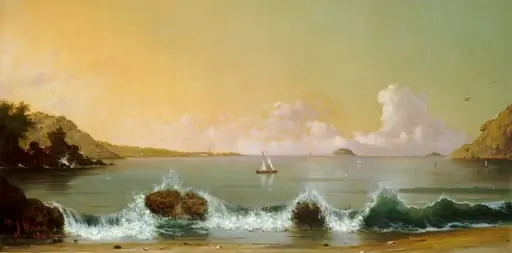 Rio de Janeiro Bay
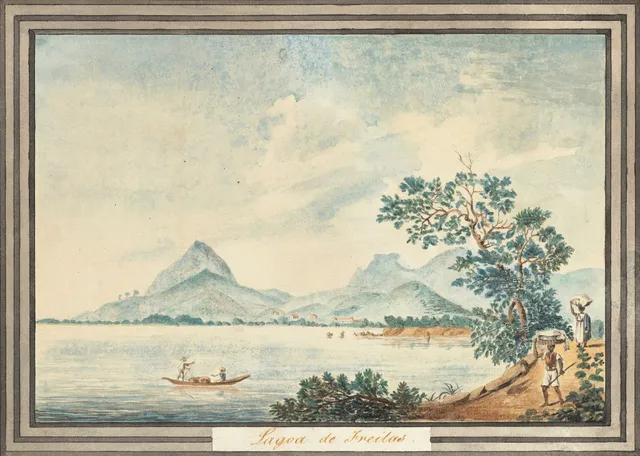
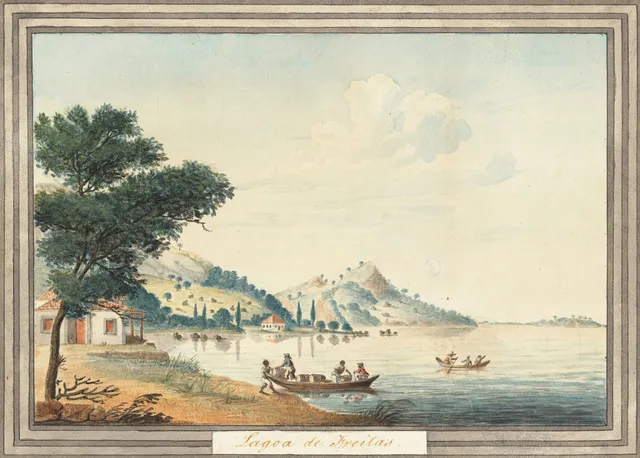
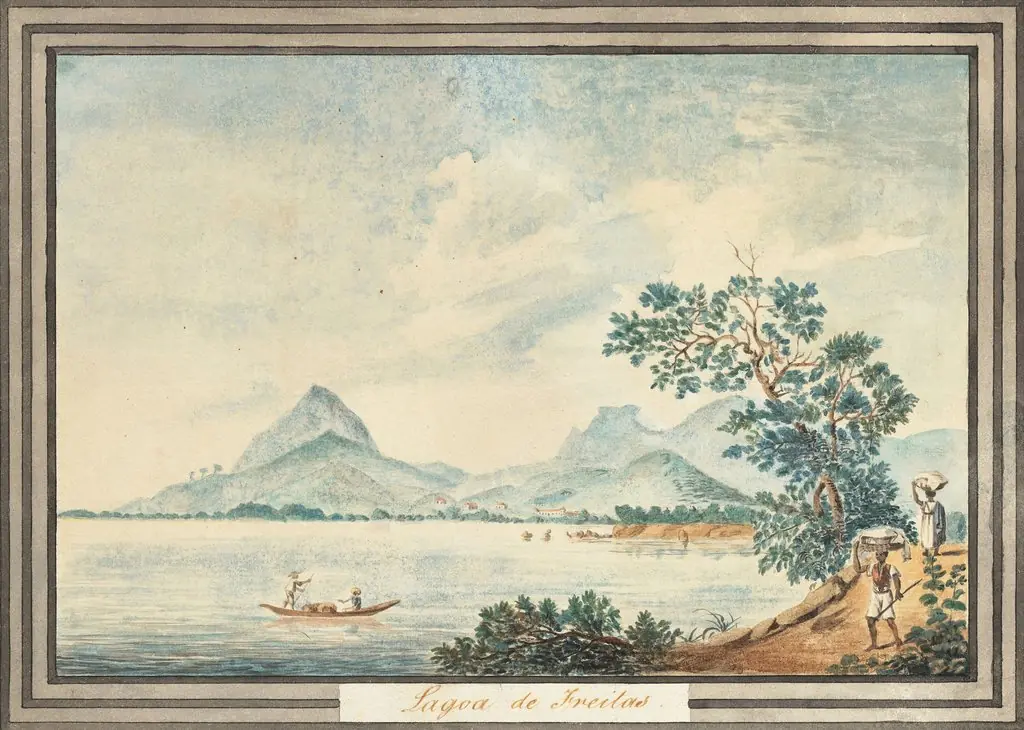 Lagoa de Freitas
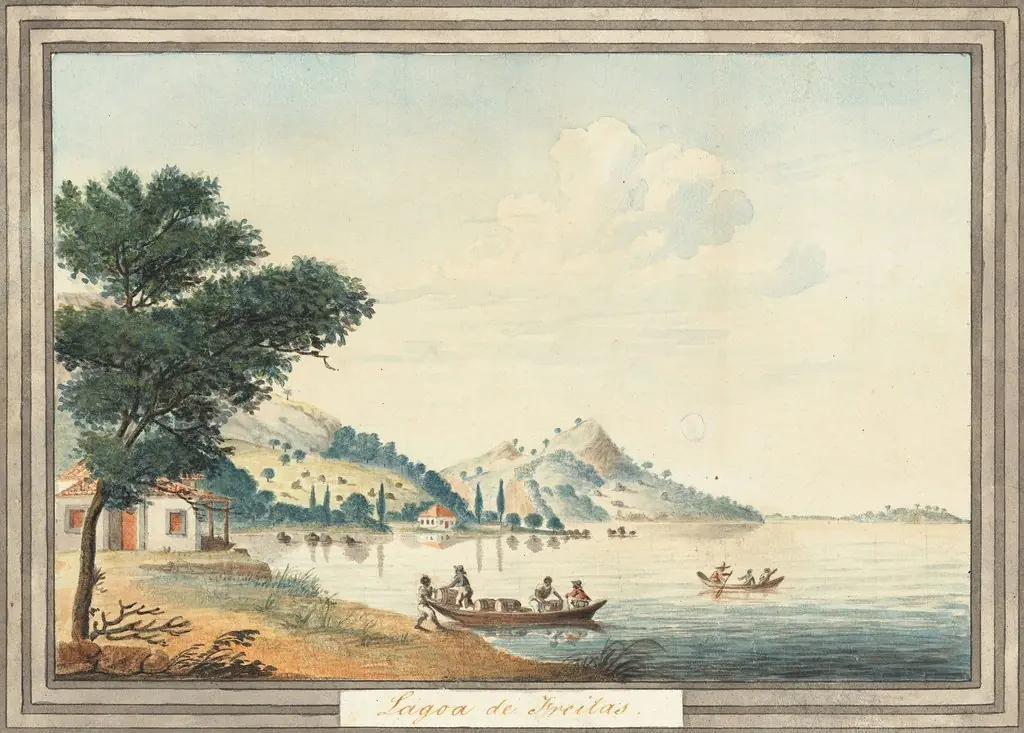 Lagoa de Freitas
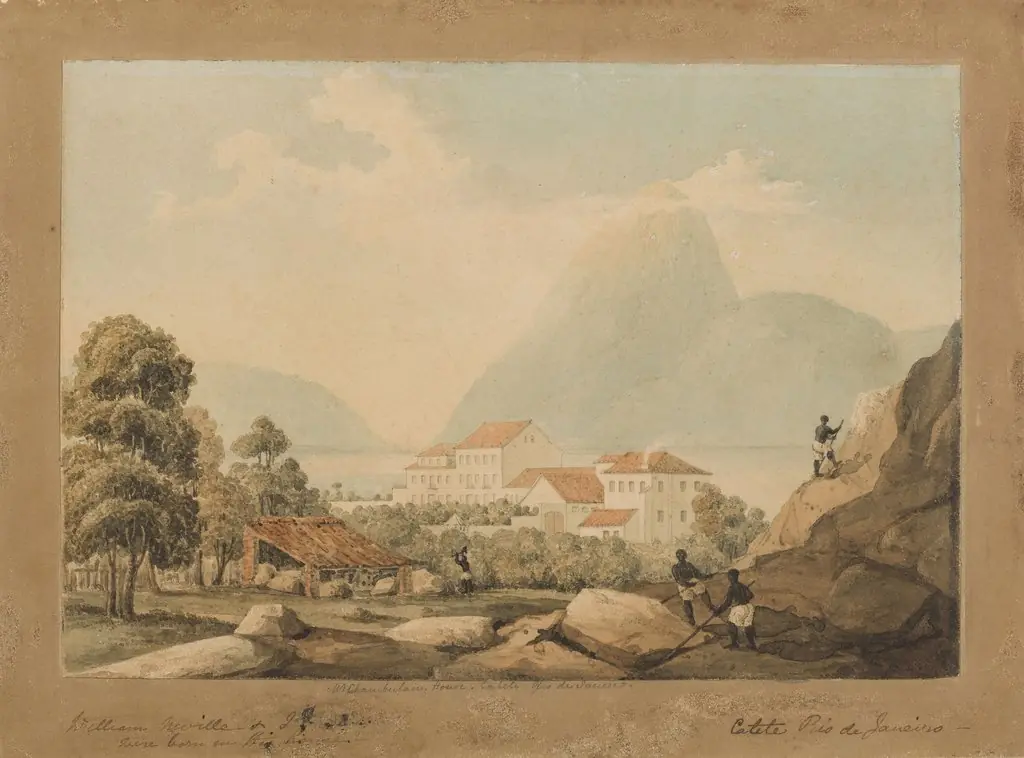 M. Chamberlains House. Catete. Rio de Janeiro
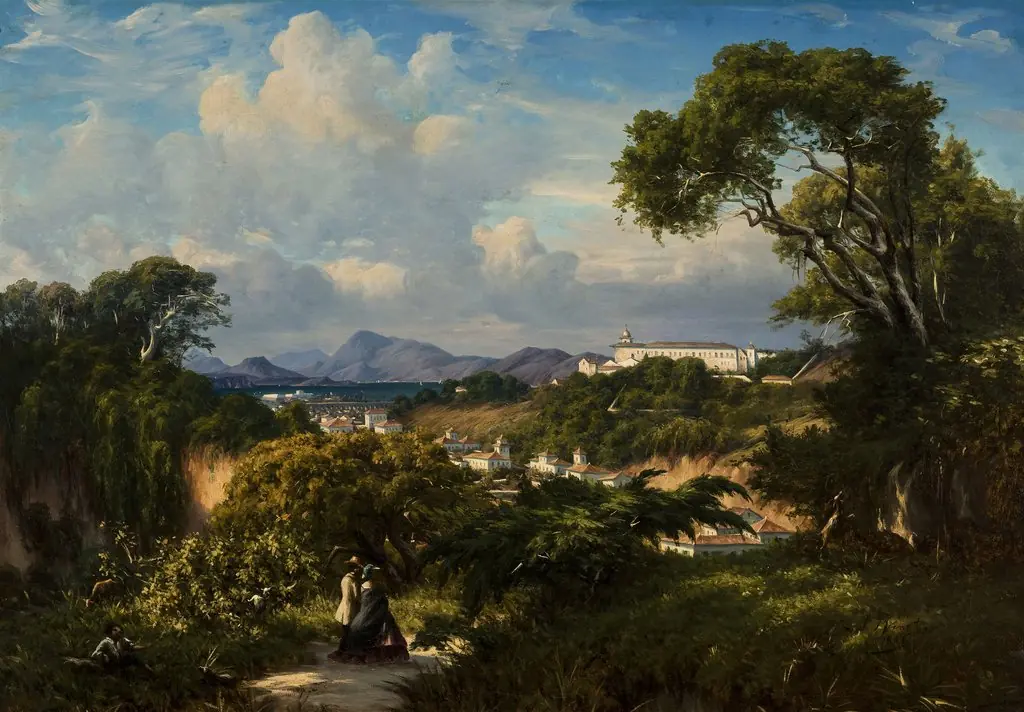 View of Santa Teresa Convent from the Heights of Paula Matos
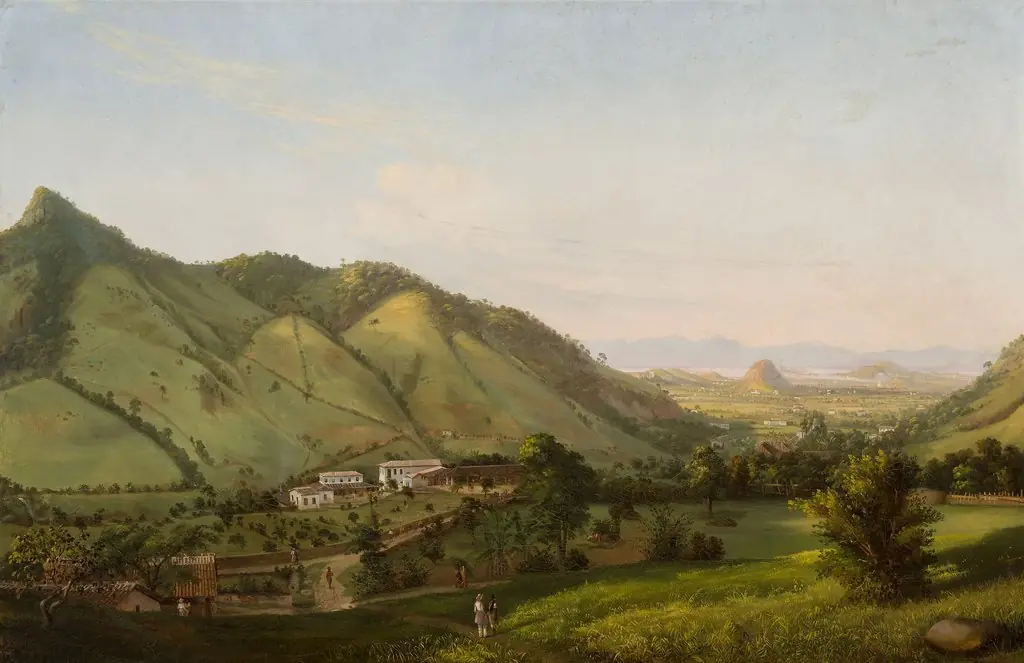 Meuron factory in Andaraí, Río de Janeiro
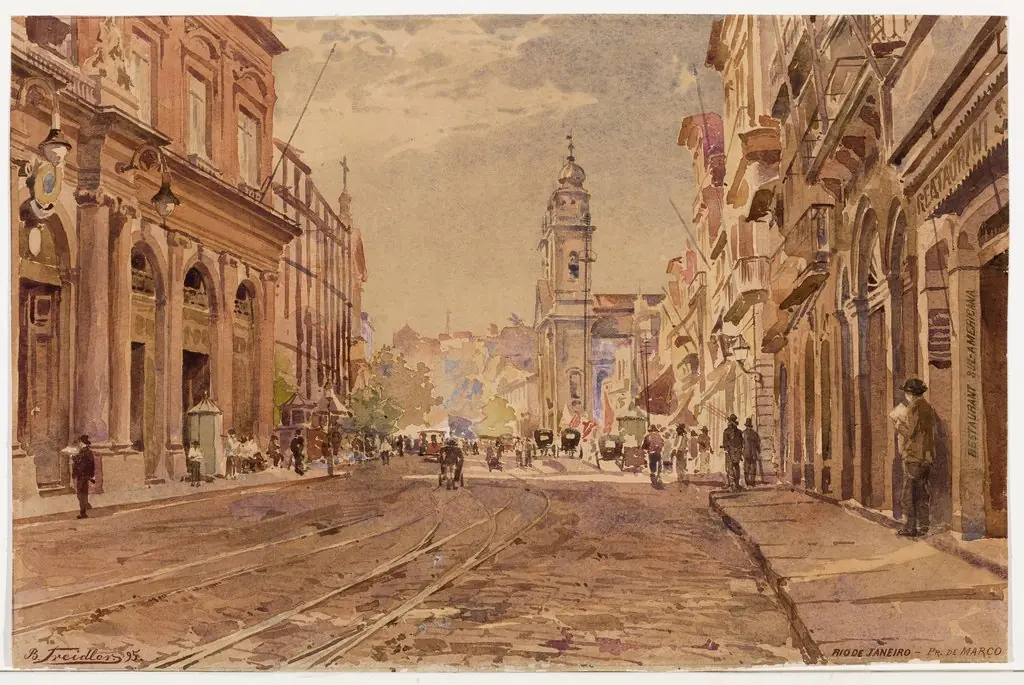 Rio de Janeiro - Pr. de Março
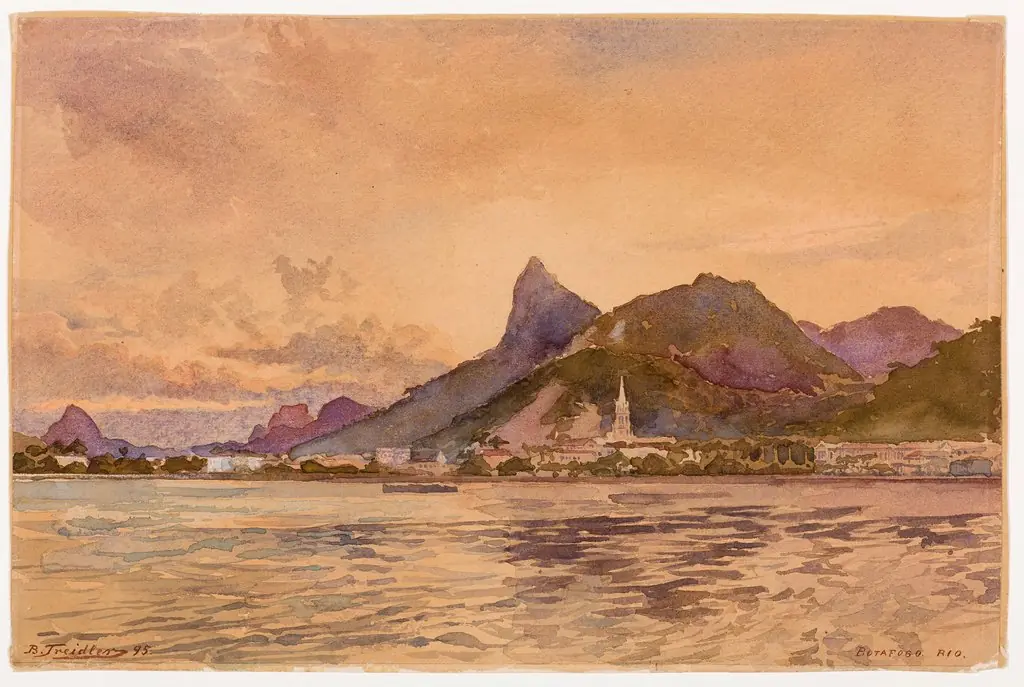 Botafogo. Rio
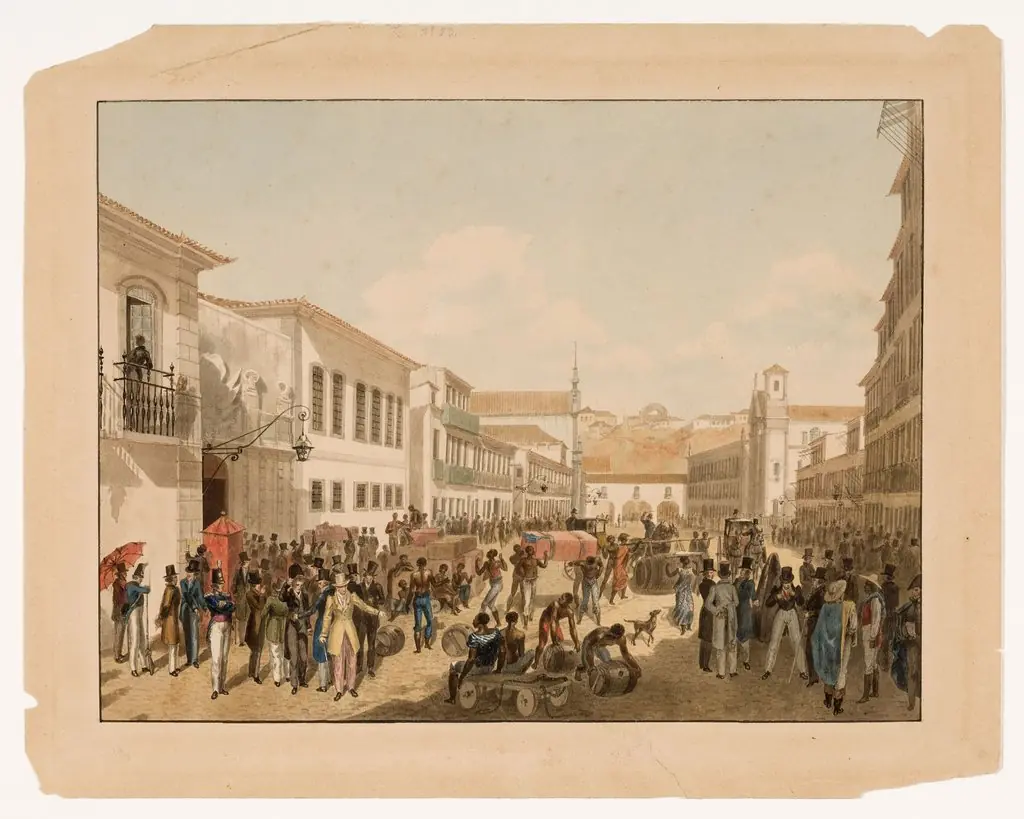 Rua Direita, Rio de Janeiro (atribuído)
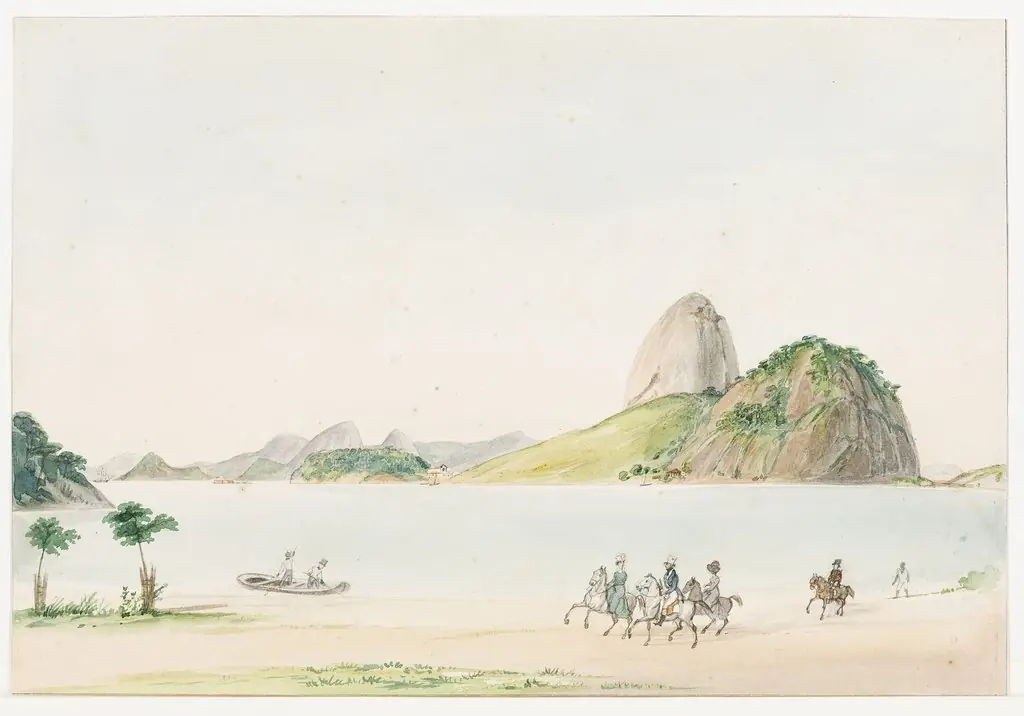 Praia de Botafogo com Pão de Açúcar (atribuído)
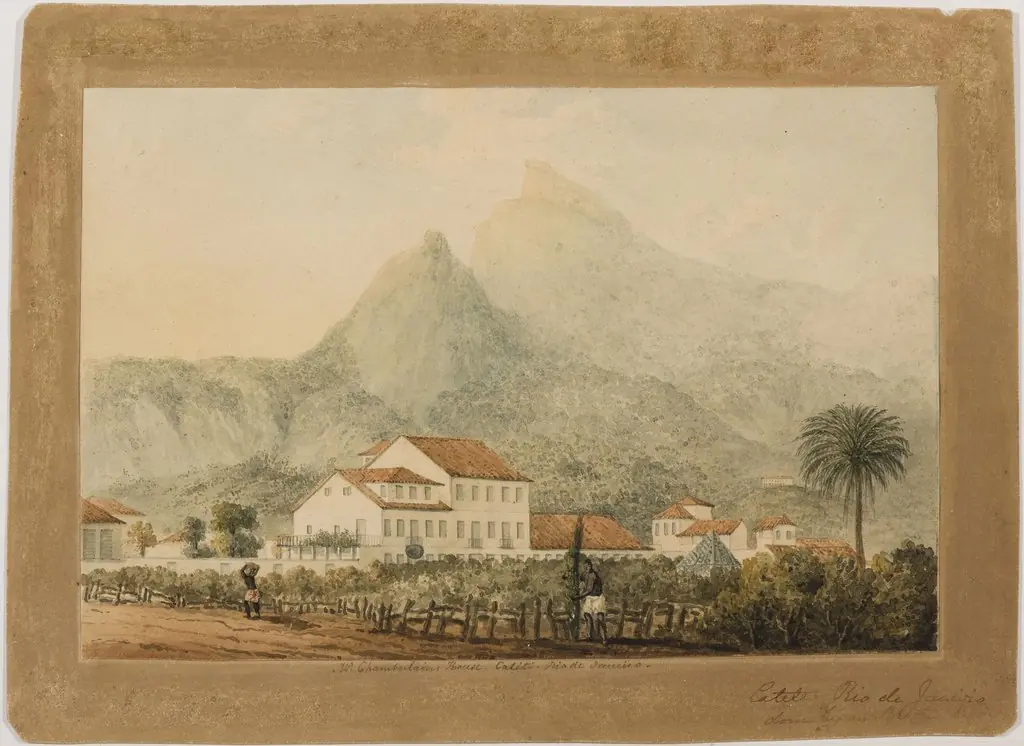 M. Chamberlains House. Catété - Rio de Janeiro
 Bresil. Vue de Rio de Janeiro
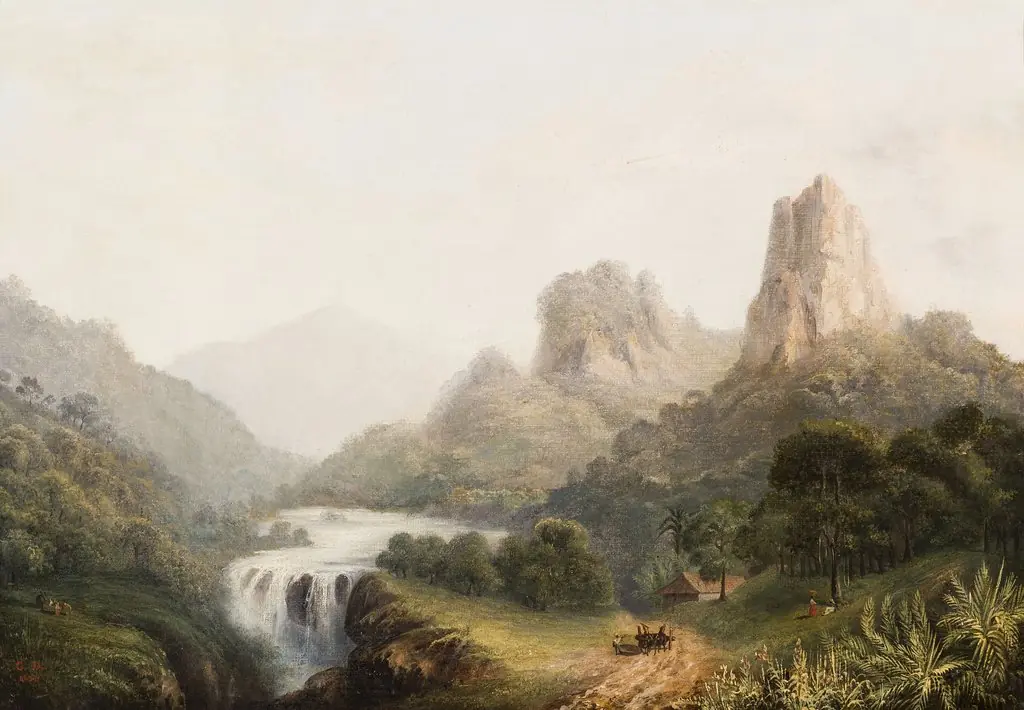 Arredores da Fazenda Mandioca, Rio de Janeiro (atribuído)
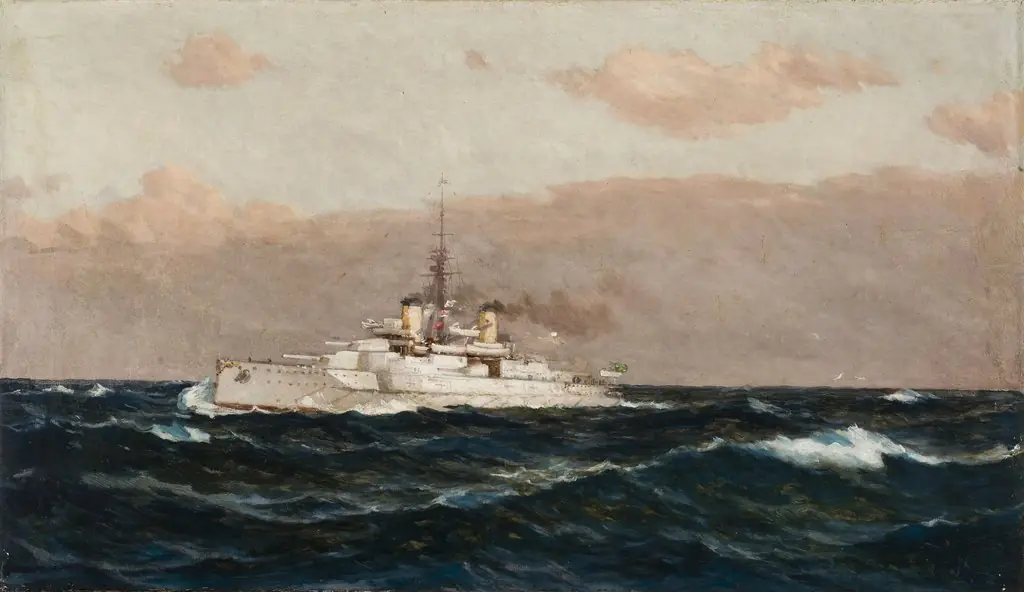 Couraçado São Paulo (atribuído)
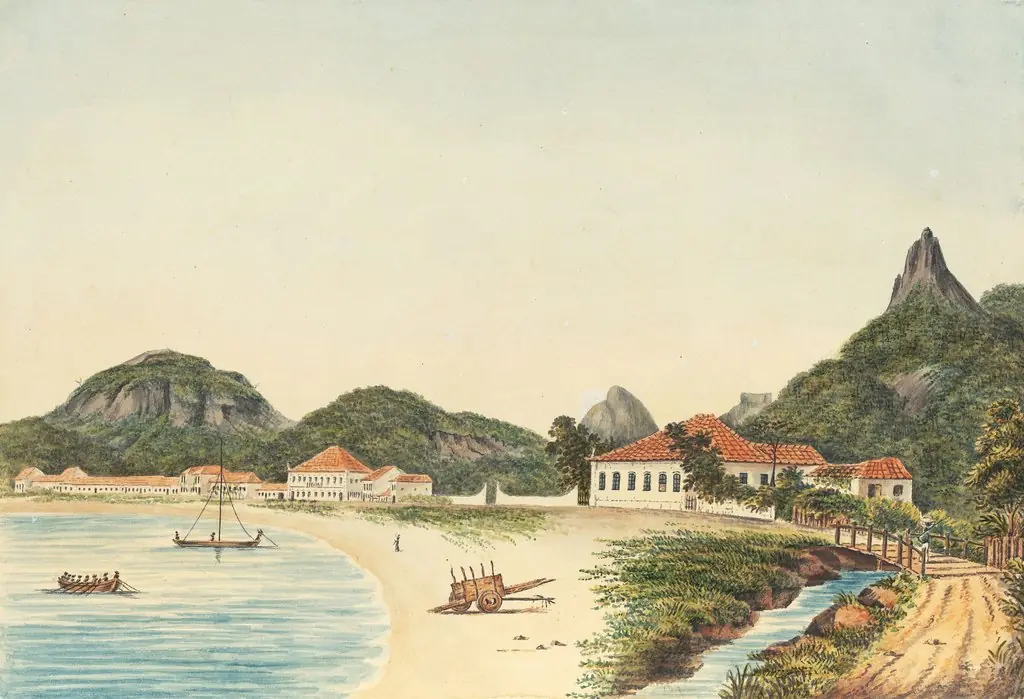 Praia de Botafogo com Dois Irmãos, Gávea e Corcovado ao fundo (atribuído)
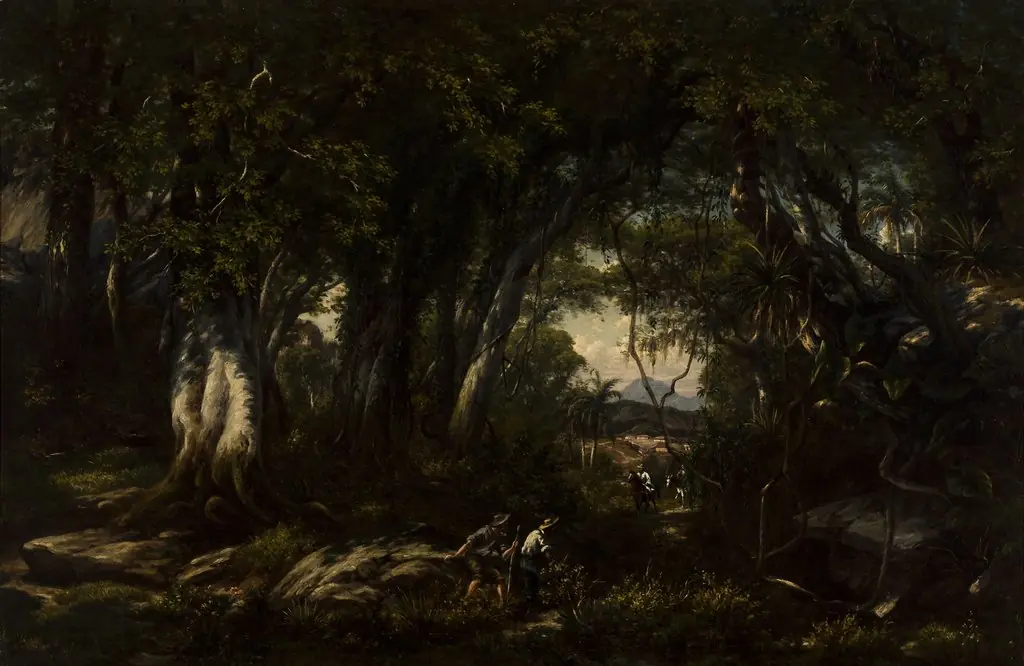 Cena na floresta da Tijuca (atribuído)
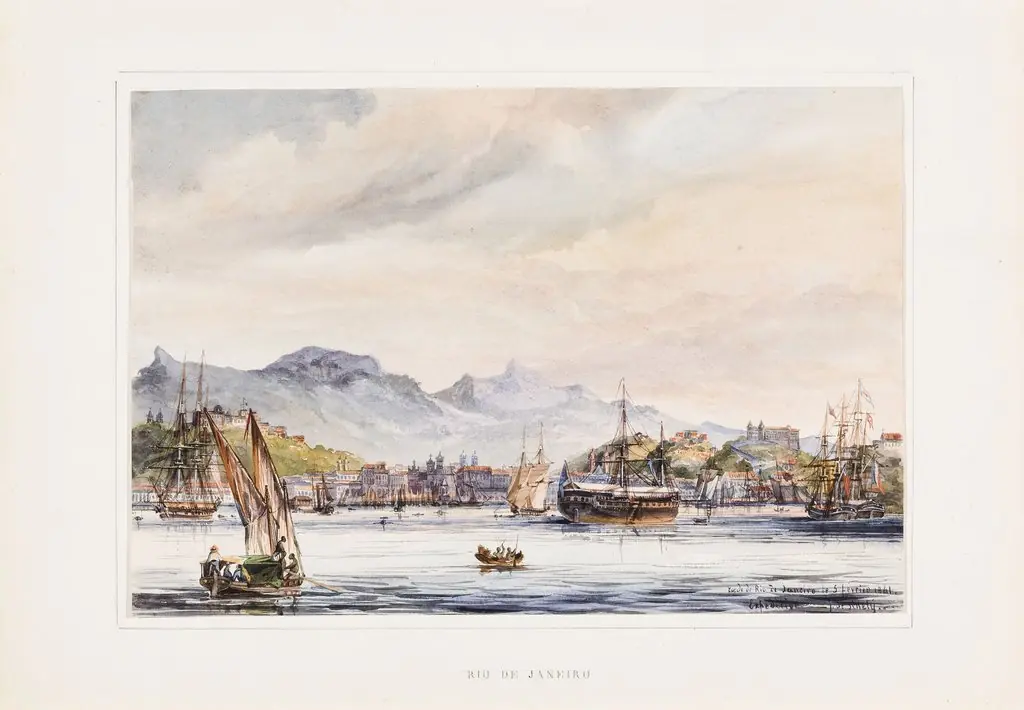 Rio de Janeiro
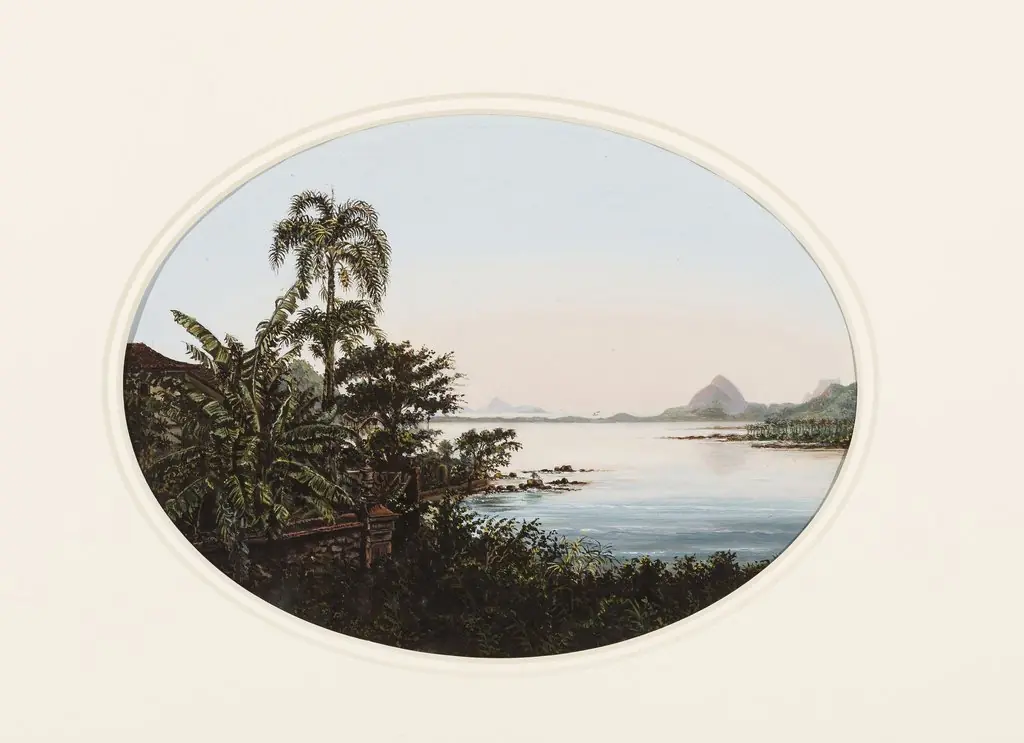 Lagoa Rodrigo de Freitas (Morro Dois Irmãos) (atribuído)
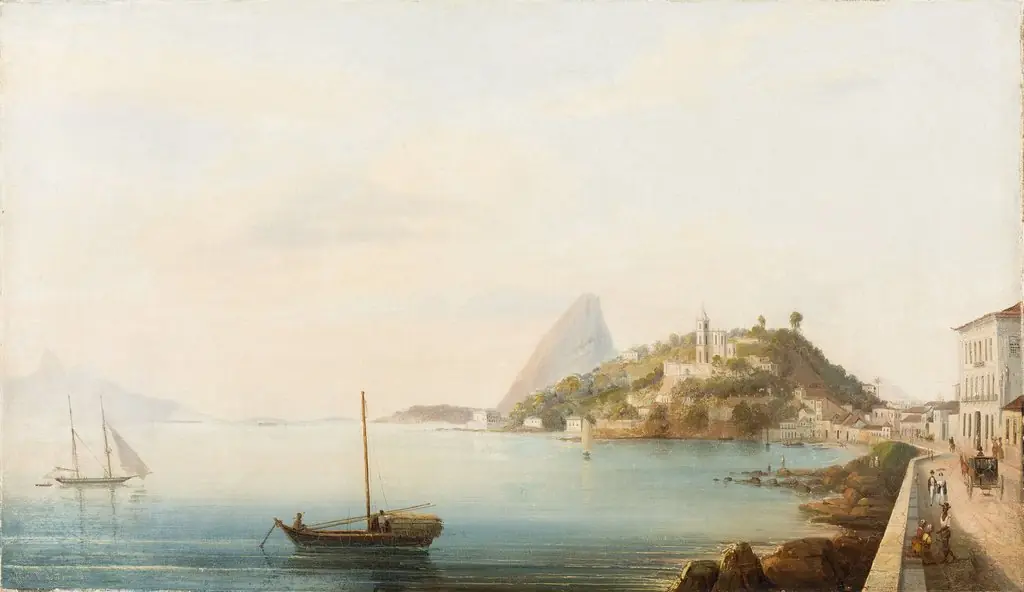 Outeiro da Glória (atribuído)
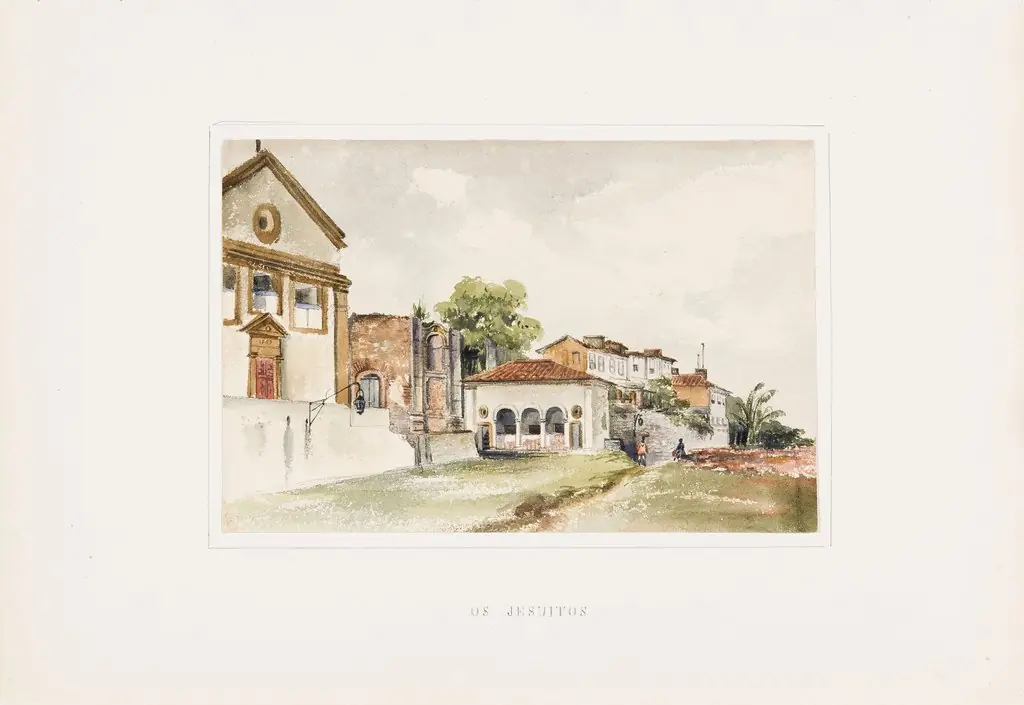 Os Jesuitos
 Panorama do Rio de Janeiro (atribuído)
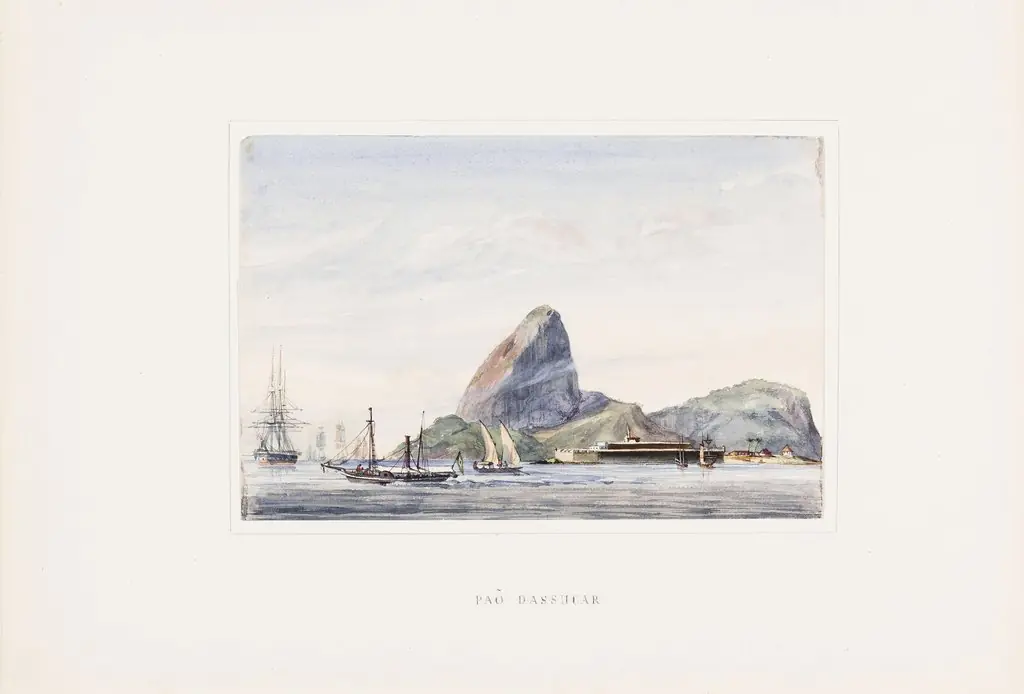 Paõ Dassucar
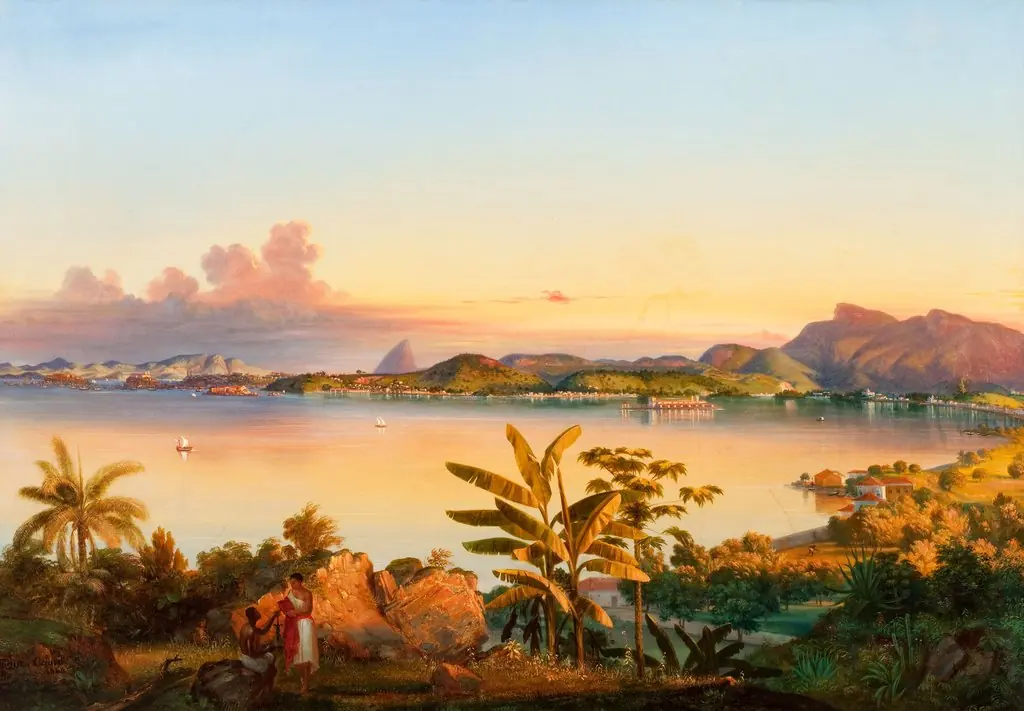 Rio de Janeiro
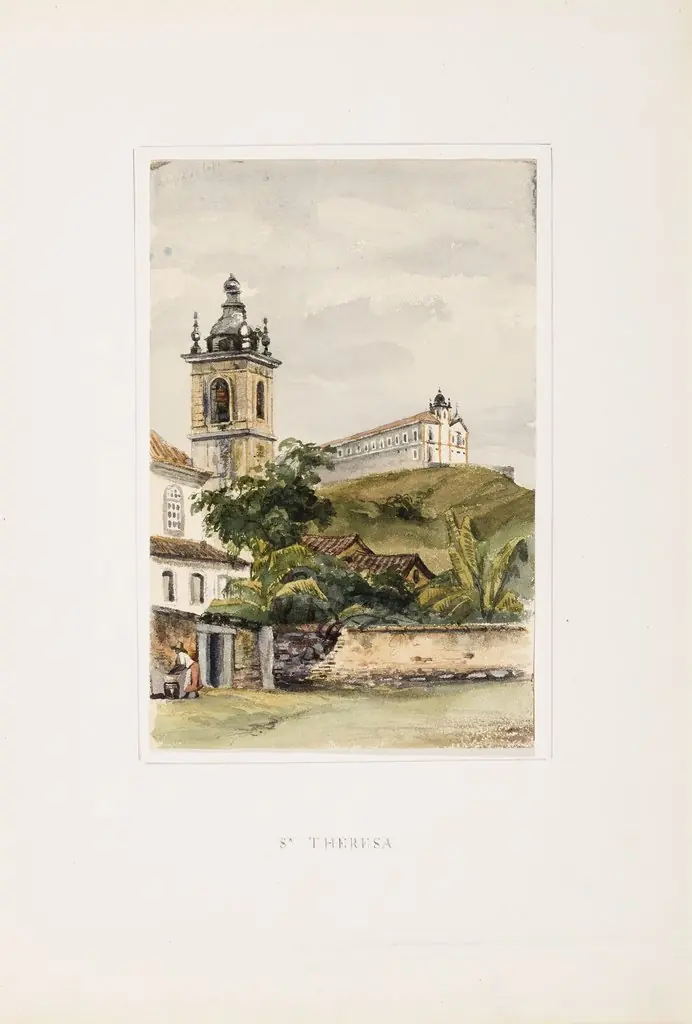 Sa Theresa
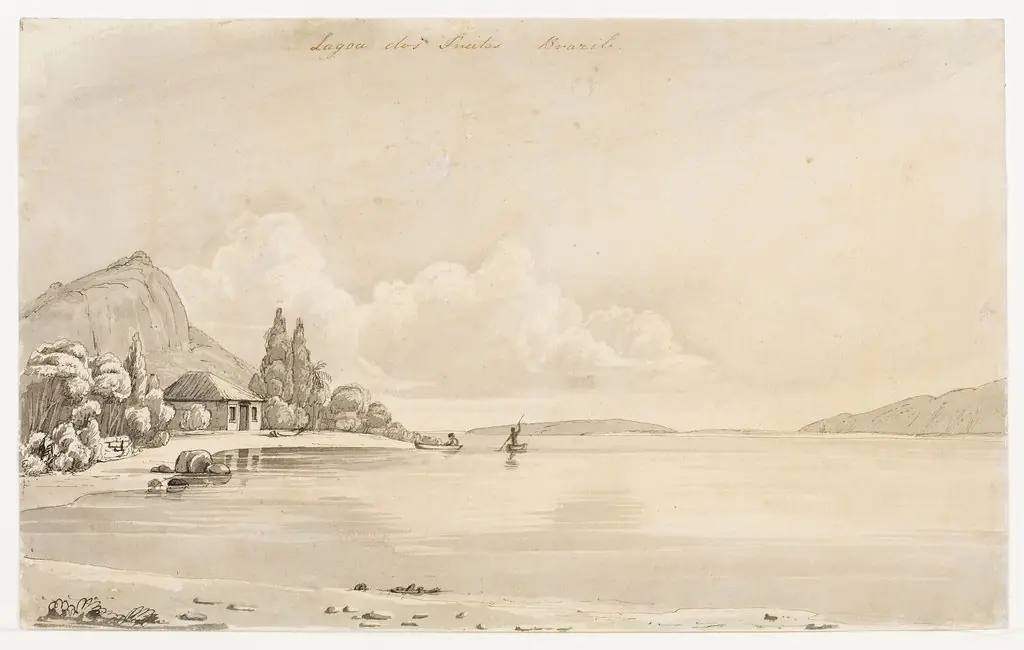 Lagoa dos Freitas. Brazil
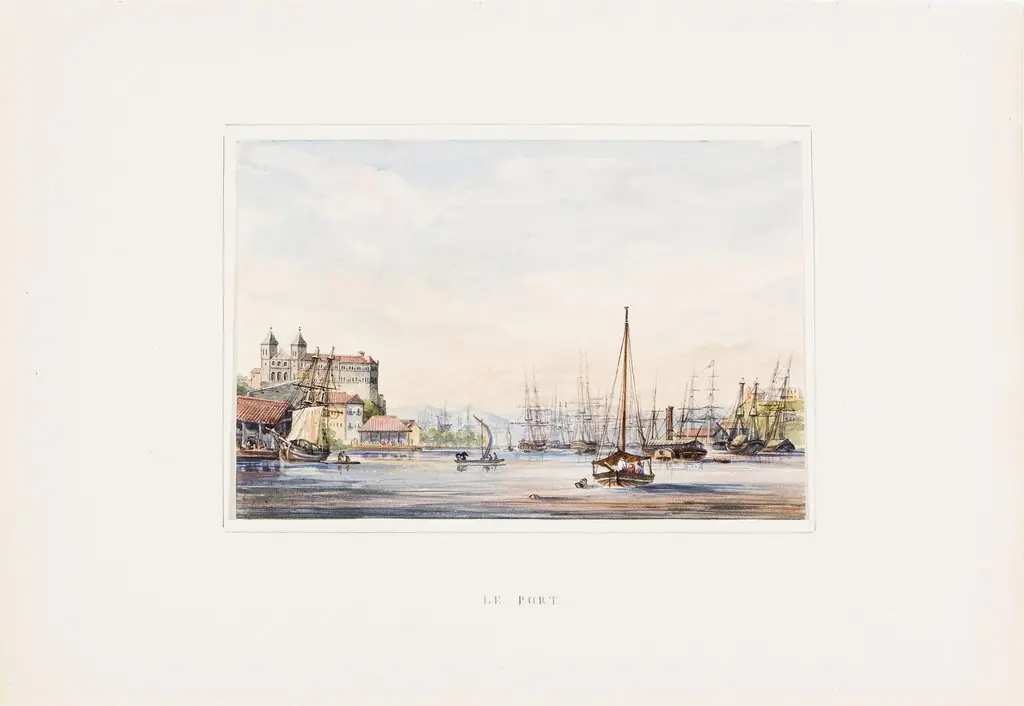 Le Port
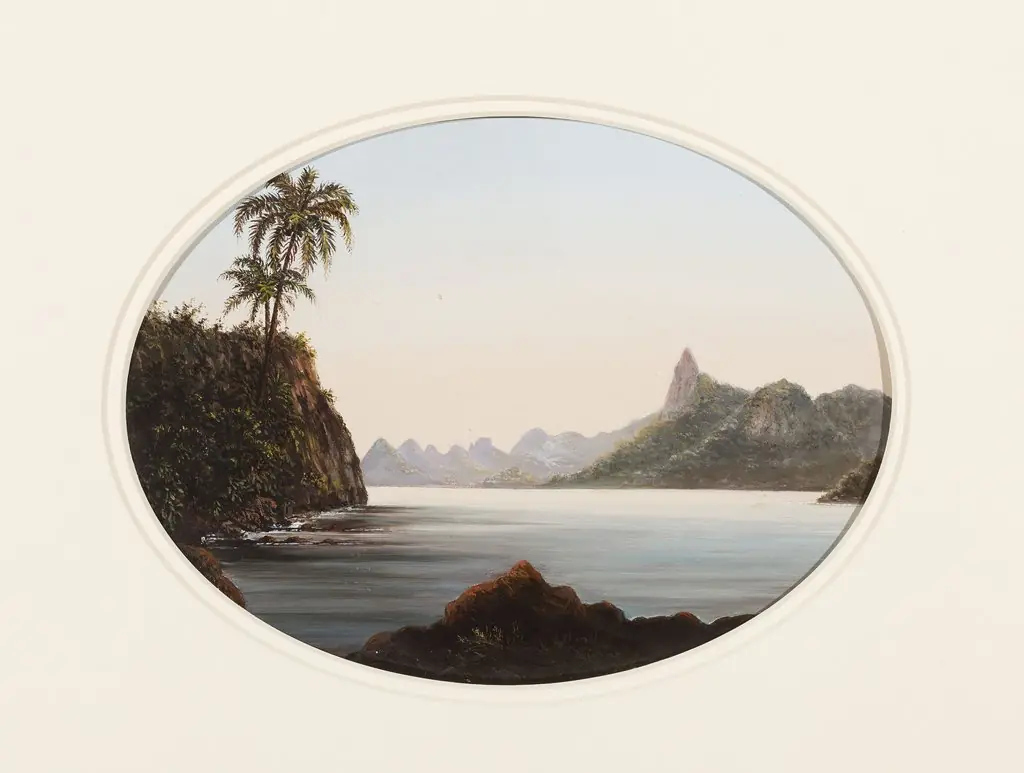 Lagoa Rodrigo de Freitas (Corcovado) (atribuído)
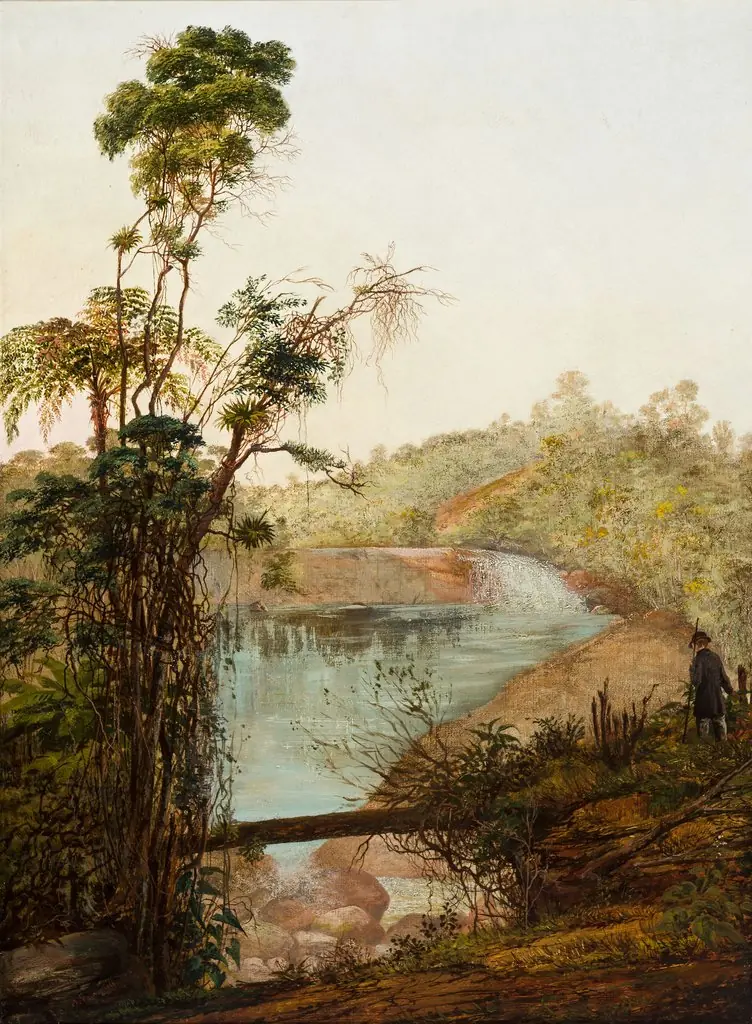 Cascata de Itamaraty em Petrópolis
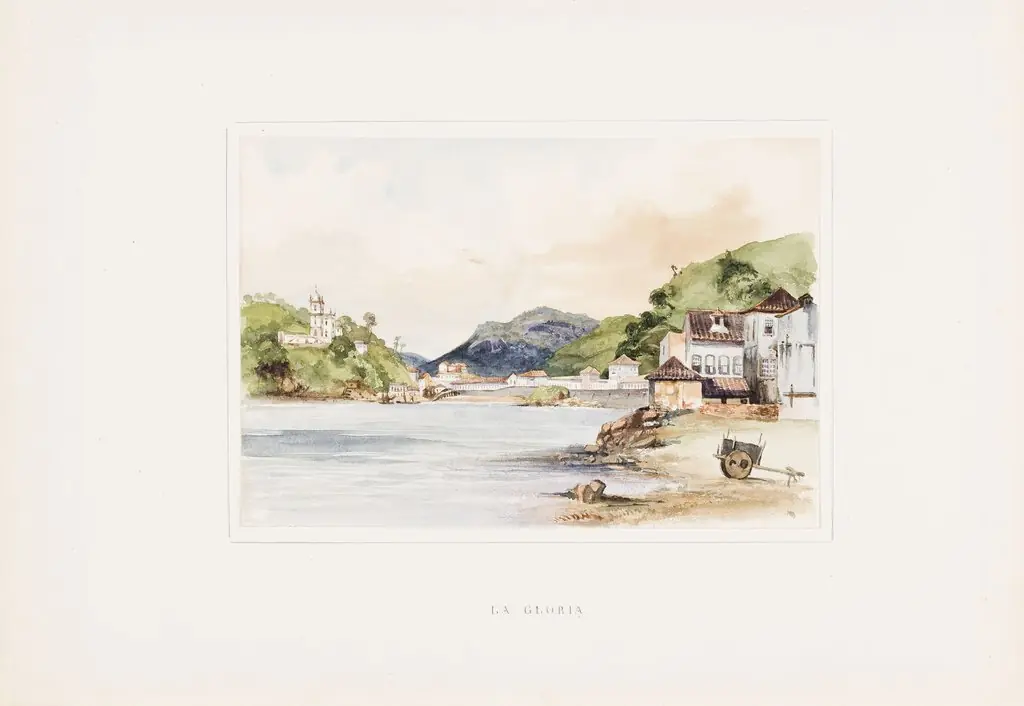 La Gloria
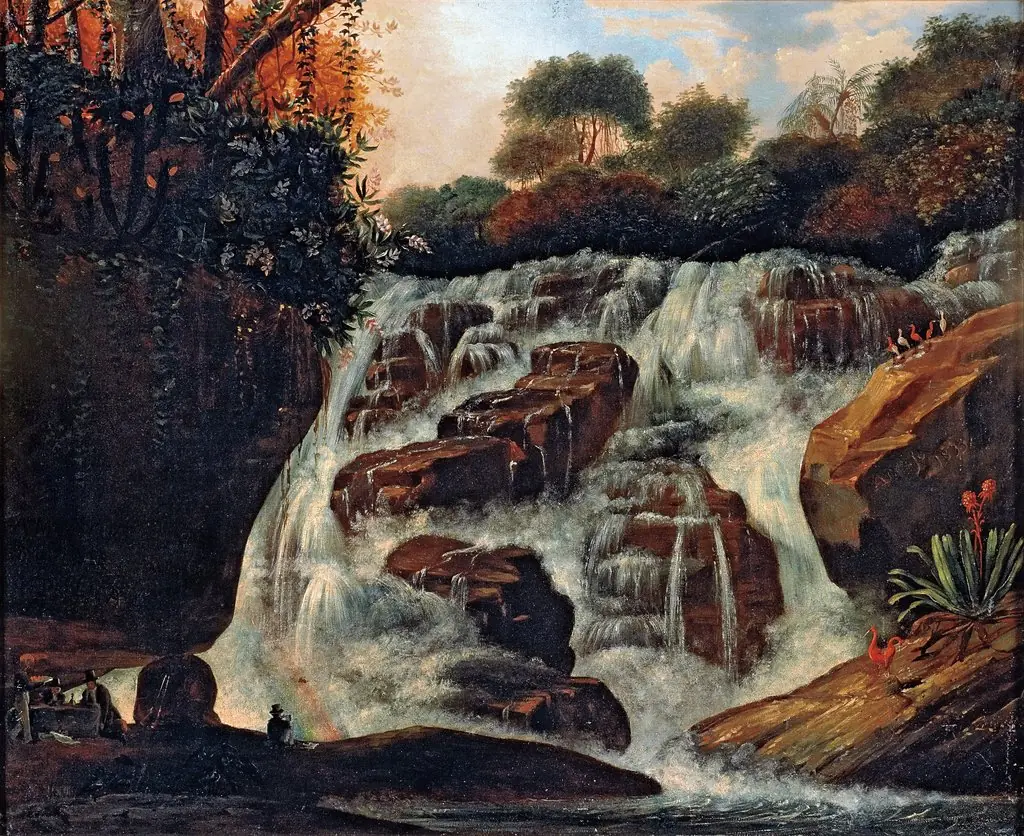 Great Tijuca Waterfall
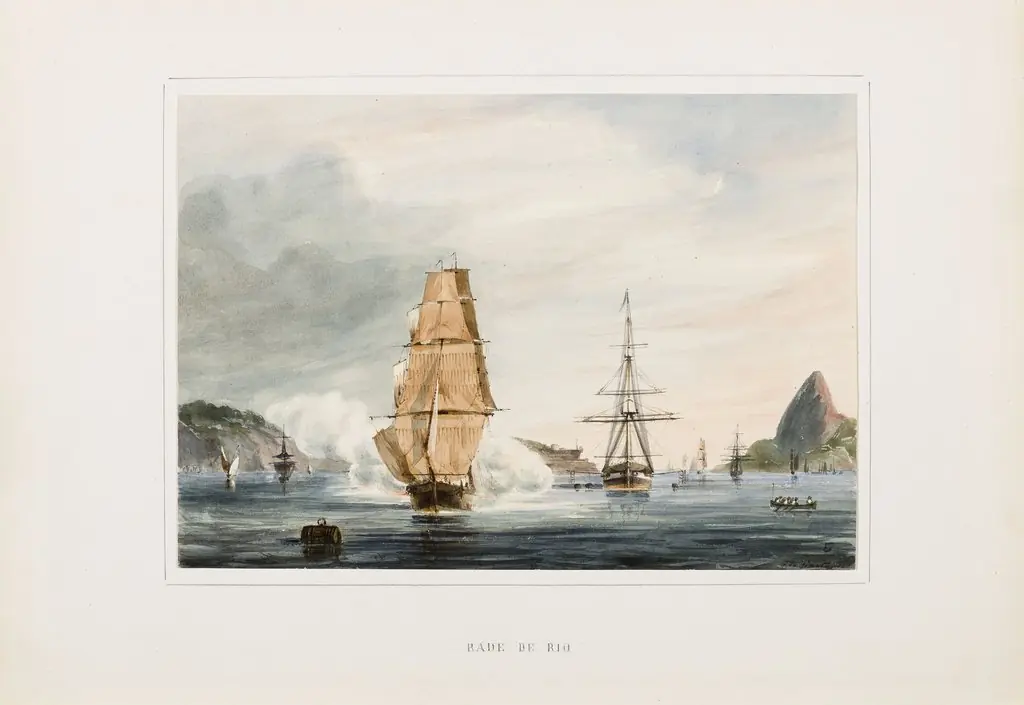 Rade de Rio
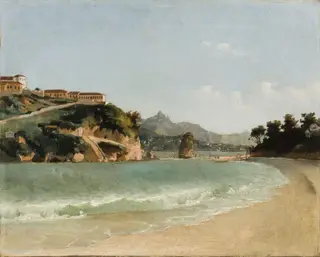 Praia da Boa Viagem, Niterói (atribuído)
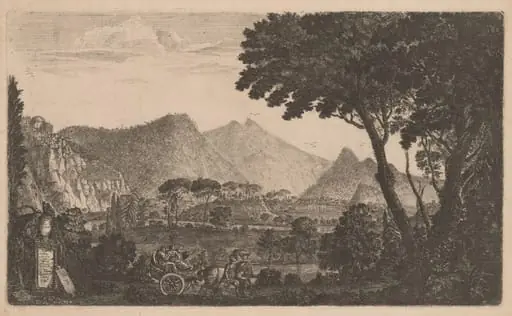 Horace's Sabine Villa
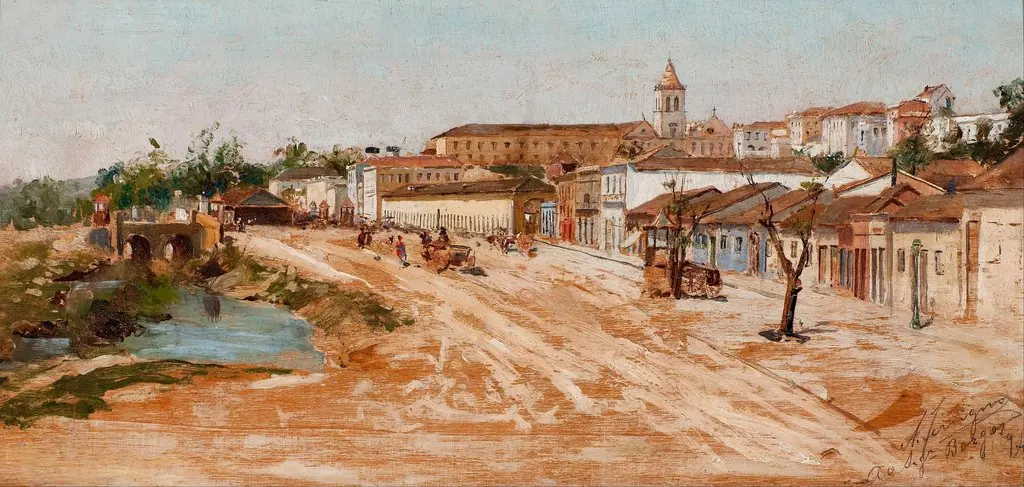 Rua 25 de março
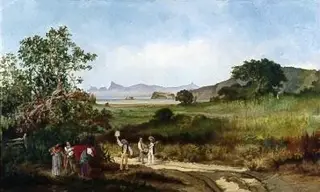 Flag of the Divine
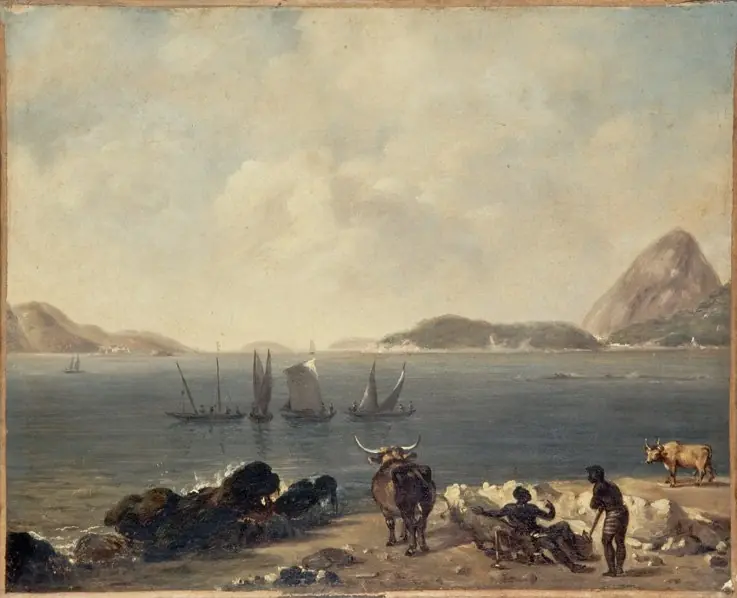 A ponta do calabouço
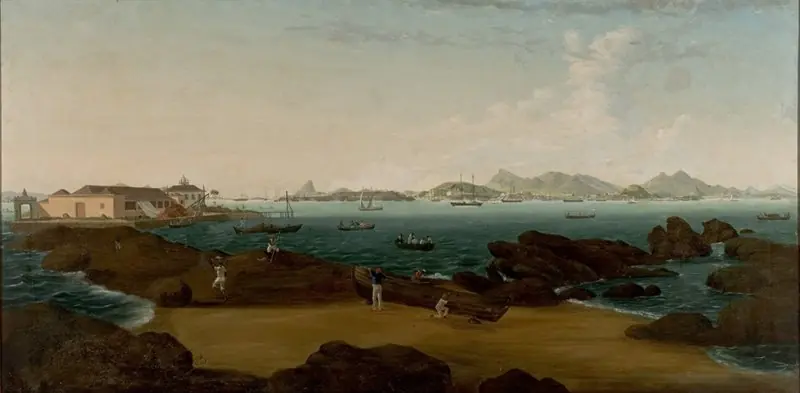 Ponta da Armação in Niterói
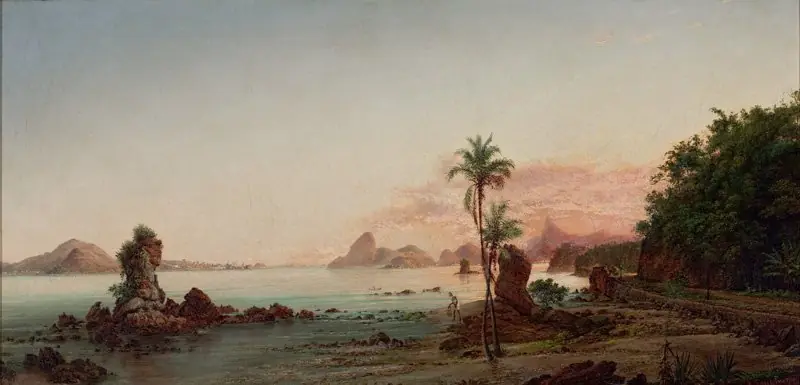 Retreat in Icaraí Beach
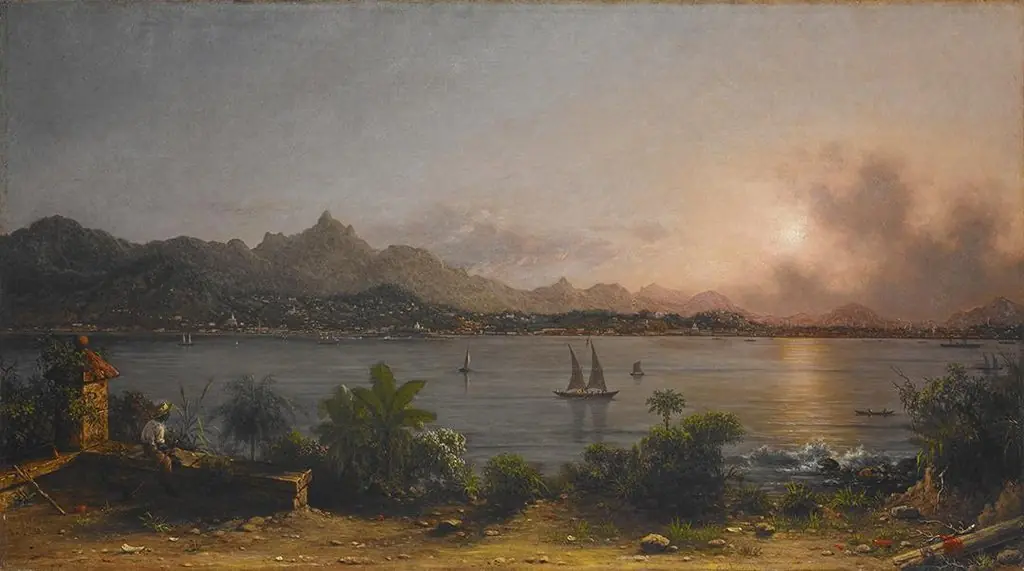 The Harbor at Rio de Janeiro
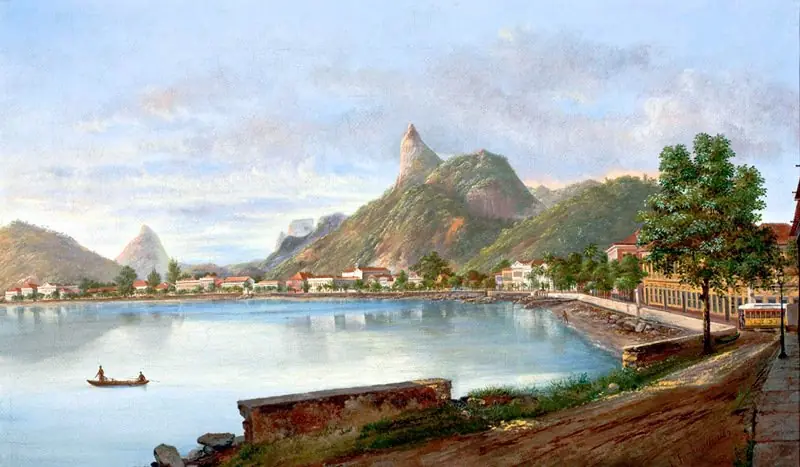 Botafogo Cove
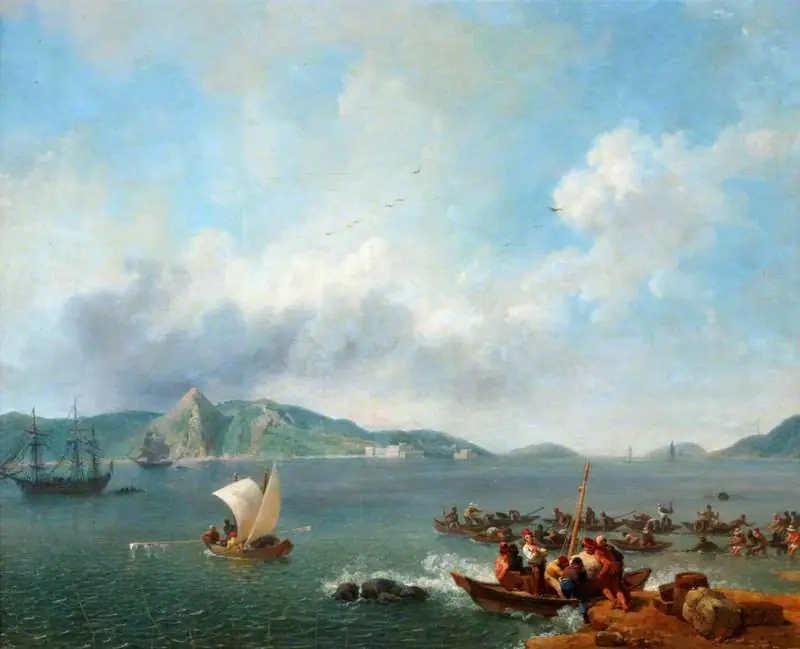 Coast Scene, Rio de Janeiro
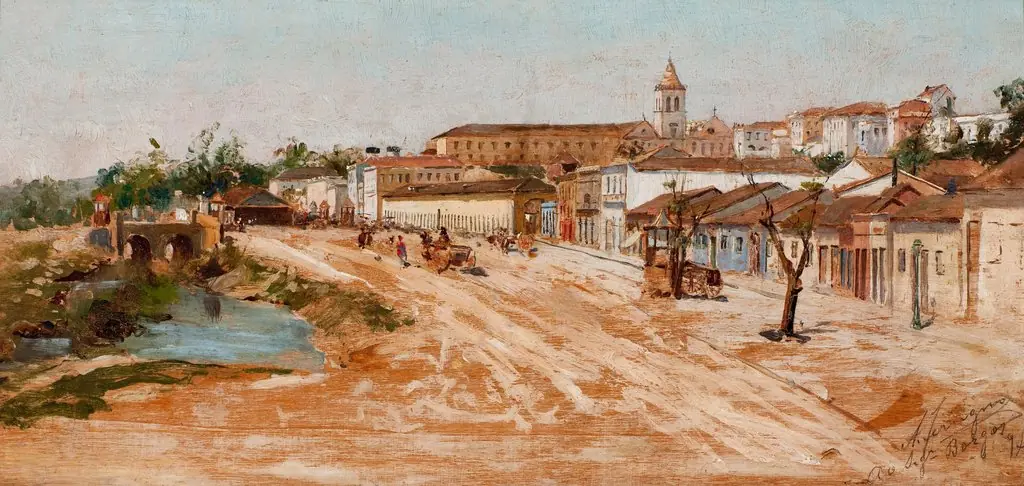 Rua 25 de março
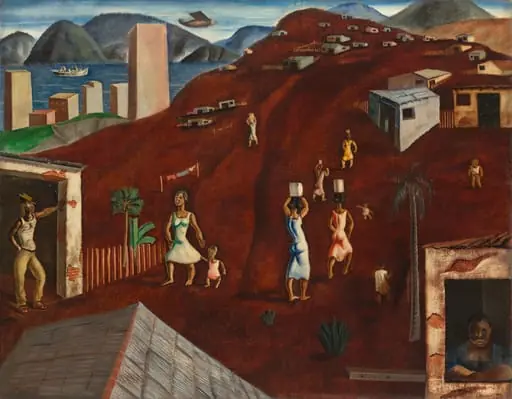 Untitled
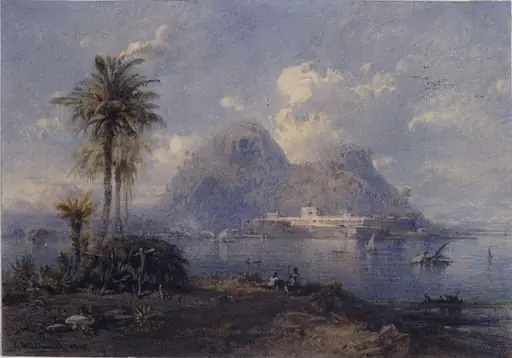 Santa Cruz, Rio de Janeiro
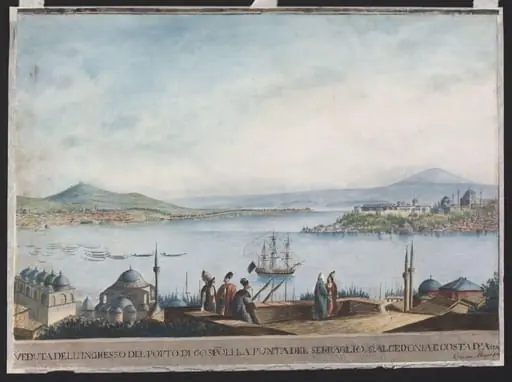 Entrance to the Port of Constantinople
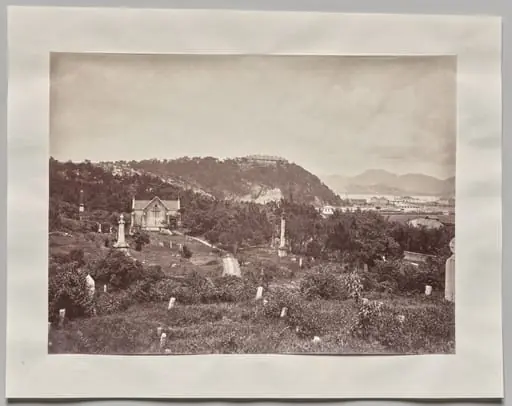 Untitled (Happy Valley Cemetery, Hong Kong)
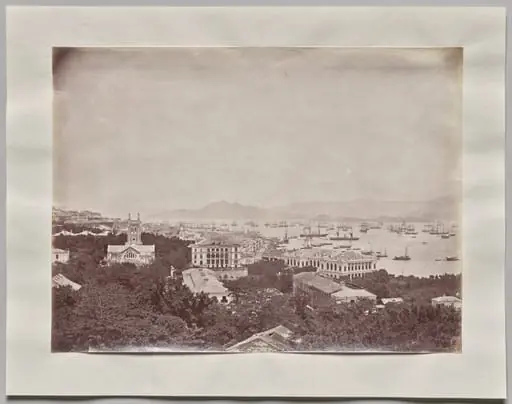 Untitled (General view of Hong Kong from the Scandal Point looking west)
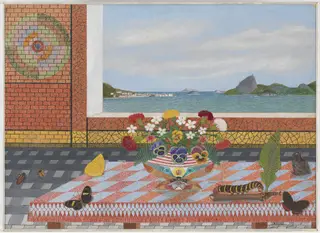 Untitled
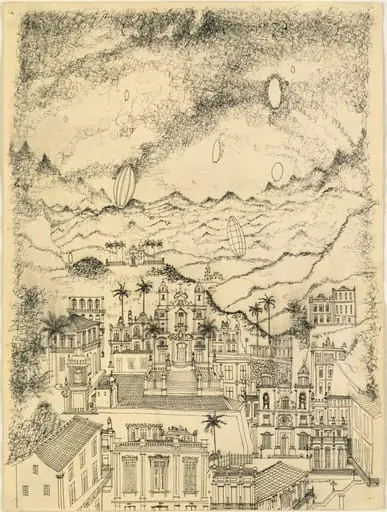 Untitled
Rio de Janeiro, also known simply as Rio, is the capital of the state of Rio de Janeiro.
Artifact World Gallery holds 49 public-domain Rio de Janeiro works, all free to view and download.
Key Rio de Janeiro artists in the collection include Martin Johnson Heade, Nicolas-Antoine Taunay and Joseph Tully.
Rio de Janeiro works in the collection are held by Pinacoteca de São Paulo, São Paulo Museum of Art and Victoria and Albert Museum.
Your cart is empty
Browse artworks →