Subject
Coast
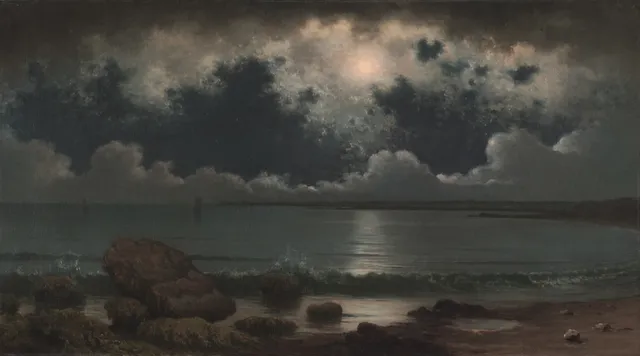
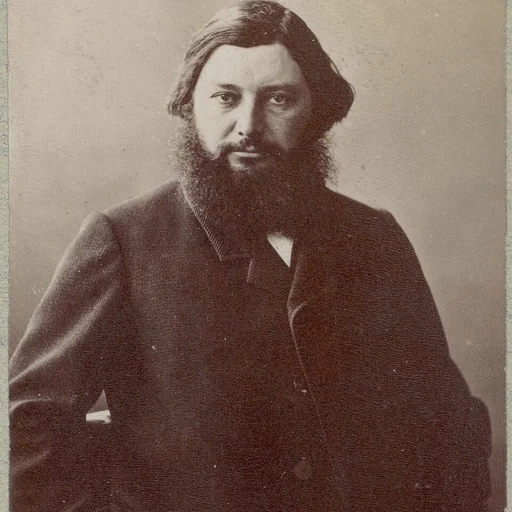
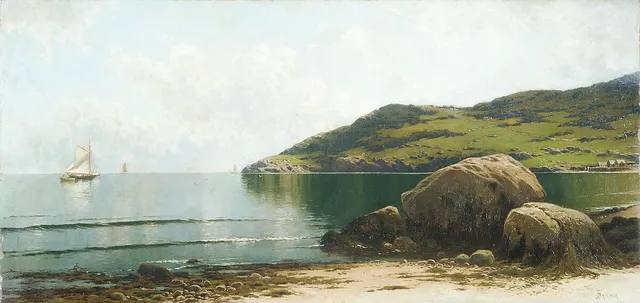
Coast is a subject in art. The gallery holds 54 works in this subject in art, including works by Gustave Courbet, Albert Bierstadt and Alfred Thompson Bricher.
A coast (also called the coastline, shoreline, or seashore) is the land next to the sea or the line that forms the boundary between the land and the ocean or a lake. Coasts are influenced by the topography of the surrounding landscape and by aquatic erosion, such as that caused by waves.
Key artists

Artist

Overview
A coast, also called the coastline, shoreline, or seashore, is the land next to the sea or the line that forms the boundary between the land and the ocean or a lake. Coasts are influenced by the topography of the surrounding landscape and by aquatic erosion, such as that caused by waves. The geological composition of rock and soil dictates the type of shore that is created. Earth has about 620,000 km of coastline. As a motif in art, the coast recurs because it represents a liminal zone of transformation and boundary, a place where land meets sea, stability meets flux, and human existence confronts natural forces beyond full control. The coast offers artists a stage for exploring themes of voyage and return, the sublime power of nature, and the fragility of human endeavor against elemental forces.
Iconography & meaning
The coast carries layered symbolism across cultures and periods. As a geographic and ecological threshold, it functions as an ecotone where terrestrial and marine ecosystems intermingle, supporting salt marshes, mangroves, seagrasses, and rocky shore habitats. This biological richness translates iconographically into images of abundance, fertility, and the meeting of worlds. The coast also embodies danger and salvation simultaneously: it is the site of shipwreck and rescue, of departure and homecoming. In religious art, coastal settings frame biblical narratives such as the miraculous catch of fish or Christ calming the storm, where the sea represents chaos and the coast represents the margin of safety or divine intervention. The coastline paradox, the mathematical impossibility of defining a coastline's exact length due to its fractal properties, lends the coast an philosophically an additional dimension of the unknowable and the infinitely complex. In secular contexts, the coast has signified national boundaries, economic opportunity through ports and fisheries, and more recently, environmental vulnerability to climate change, sea level rise, and coastal erosion.
Across movements & periods
The treatment of the coast has shifted markedly across art historical periods. In ancient Egypt, artists used hieroglyphs and frescoes to depict sea creatures and boats in tomb and temple decoration. Ancient Greek artists such as Apelles painted mythological sea scenes, including the birth of Venus emerging from sea foam, a composition that would inspire Botticelli centuries later. Roman artists like Gaius Fabius Pictor decorated villas with scenes of maritime life. During the Renaissance, Leonardo da Vinci created a bird's-eye view of the sea coast around 1515, employing an innovative aerial perspective that blended map, relief, and imaginative vision in ink on paper measuring 27.2 by 40 cm. This work demonstrated technical precision in portraying the interaction between land and sea. The Baroque period brought greater drama, with artists using tenebrism and bold contrasts; Rembrandt's The Storm on the Sea of Galilee (1633), his only known seascape, measured approximately 160 by 128 cm and inserted the artist himself among the disciples. The nineteenth century saw Romantic and atmospheric treatments, with J.M.W. Turner's The Slave Ship (1840) using the coast as a stage for moral commentary on the slave trade, while Winslow Homer captured the raw energy of fishermen battling waves in works like The Gulf Stream (1899) and The Herring Net (1885). Japanese ukiyo-e artist Katsushika Hokusai's The Great Wave off Kanagawa (1831), part of the Thirty-Six Views of Mount Fuji series, employed a double-printing process blending Prussian blue with traditional indigo to create visual dynamism that influenced Western art profoundly. In the twentieth and twenty-first centuries, contemporary artists have continued to reinterpret the coast: Cornish painters John Dyer, Joanne Short, and Ted Dyer emphasize color and place; Nina Brooke offers aerial seaside views; Antonia Showering creates haunting, muted ethereal waterscapes; and Fawn Rogers produces visceral, tactile explorations of coastal nature that verge on the erotic.
Notable depictions
Canonical depictions of the coast span cultures and centuries. Leonardo da Vinci's Bird's Eye View of the Sea Coast (c. 1515) stands as a cornerstone of coastal representation for its technical innovation. Katsushika Hokusai's The Great Wave off Kanagawa (1831) remains one of the most reproduced images in art history, its towering wave and distant Mount Fuji embodying both the terror and beauty of the coast. Rembrandt van Rijn's The Storm on the Sea of Galilee (1633) offers the sole seascape from a master otherwise devoted to portraiture and biblical narrative. J.M.W. Turner's The Slave Ship (1840) transforms the coast into a site of political witness. Winslow Homer's The Gulf Stream (1899) and The Herring Net (1885) document human struggle against oceanic power with acute attention to light and color. Caspar David Friedrich's The Monk by the Sea presents a stark, minimalist coast where the insignificance of man against nature becomes spiritual meditation. Theodore Gericault's The Raft of the Medusa (1819) uses the open sea and its margins as a stage for human suffering and social critique. Ivan Aivazovsky specialized in marine landscapes with dramatic skies and sunsets. Among contemporary practitioners, Nina Brooke, Antonia Showering, and Fawn Rogers have extended the tradition into aerial, atmospheric, and visceral registers respectively.
Legacy
The coast's legacy in art extends into institutional preservation, contemporary practice, and cultural memory. The U.S. Coast Guard maintains a Heritage Asset Collection of over 20,000 artifacts, models, and works of art managed by the Curatorial Services Program, with the bulk stored at the Exhibit Center in Forestville, Maryland and the Coast Guard Museum in New London, Connecticut. This collection includes paintings by Coast Guard artists such as Anton Otto Fisher and William Goadby Lawrence, whose works document maritime military history. The future National Coast Guard Museum, an 83,000-square-foot facility scheduled to open in New London in spring 2027, will feature more than 5,000 images and 600 artifacts, with an estimated 300,000 annual visitors. The museum's five major themes, Defenders of the Nation, Enforcers on the Seas, Lifesavers Around the Globe, Champions of Commerce, and Protectors of the Environment, reflect how the coast remains a zone of contested human purposes. Meanwhile, contemporary artists continue to find the coast urgent as environmental degradation, climate change, and coastal erosion threaten the very landscapes that inspired centuries of artistic production. The coast's afterlife in art thus intertwines with its ecological fragility, as artists and institutions alike grapple with representing a subject that is simultaneously eternal and imperiled.
Works
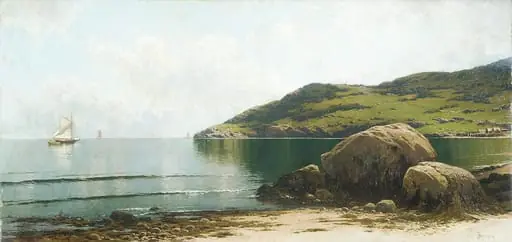 Marine Landscape
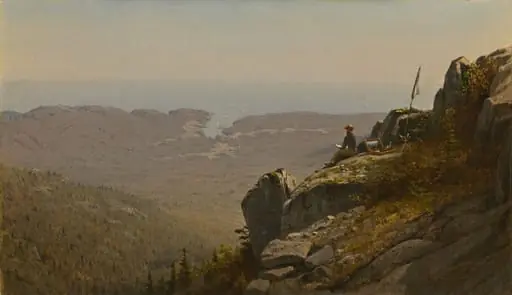 The Artist Sketching at Mount Desert, Maine
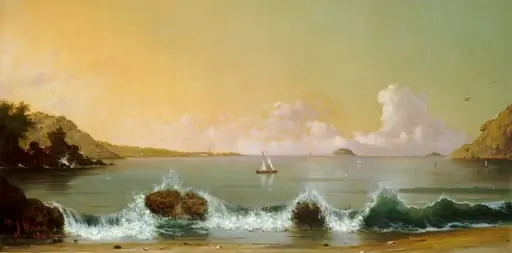 Rio de Janeiro Bay
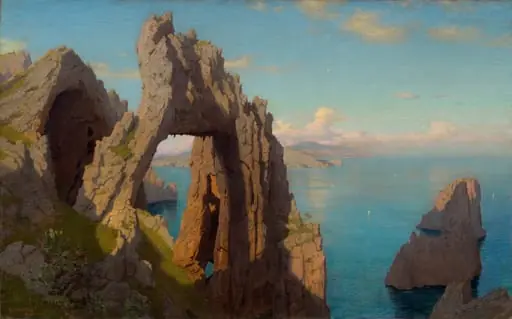 Natural Arch at Capri
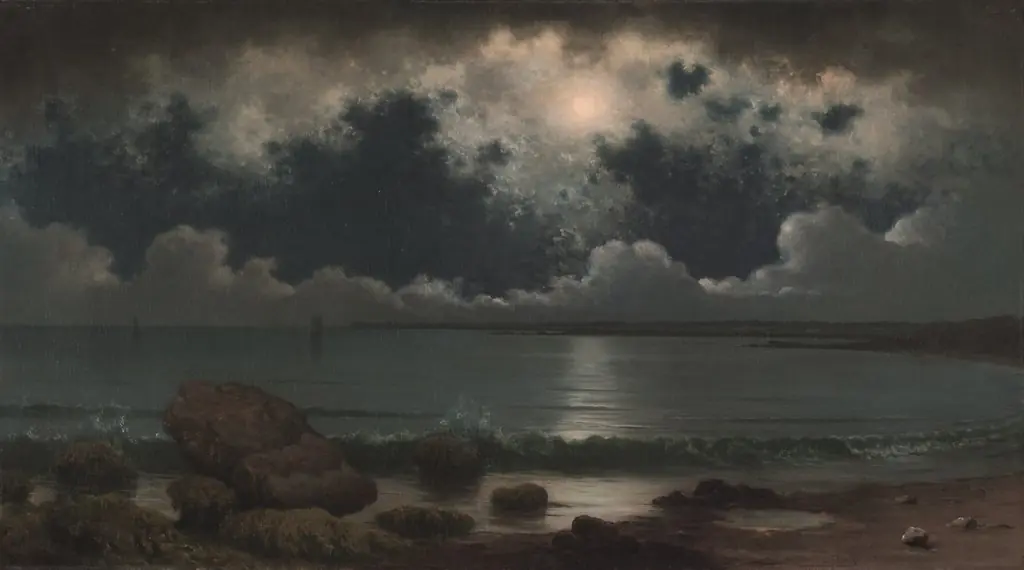 Point Judith, Rhode Island
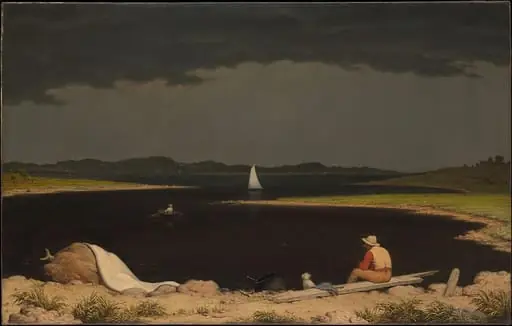 Approaching Thunder Storm
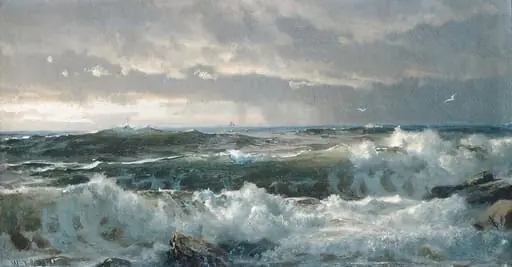 Surf on Rocks
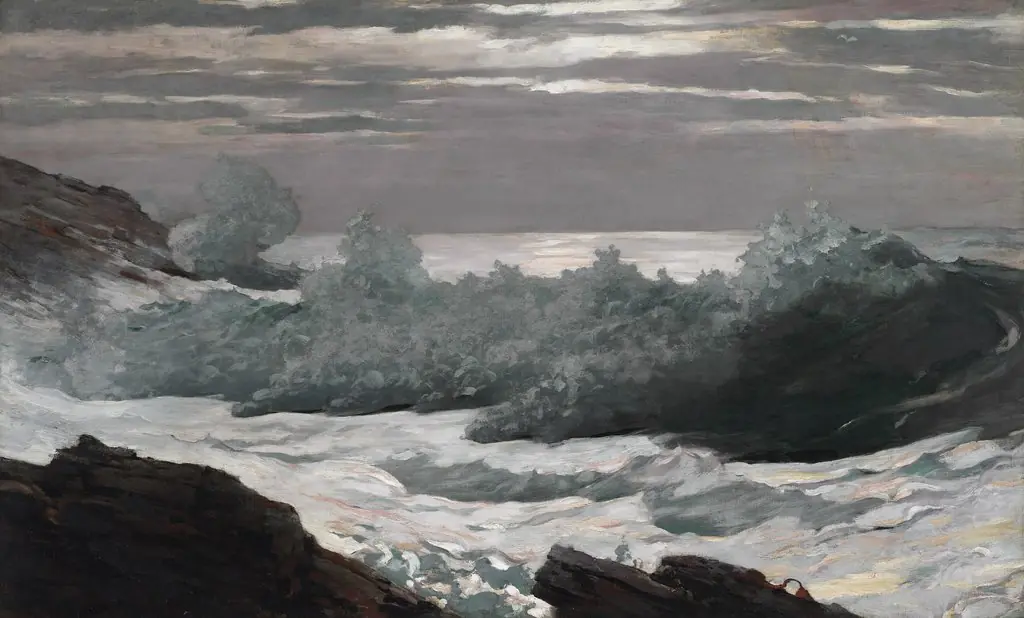 Early Morning After a Storm at Sea
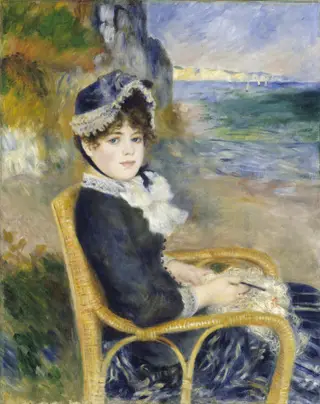 By the Seashore
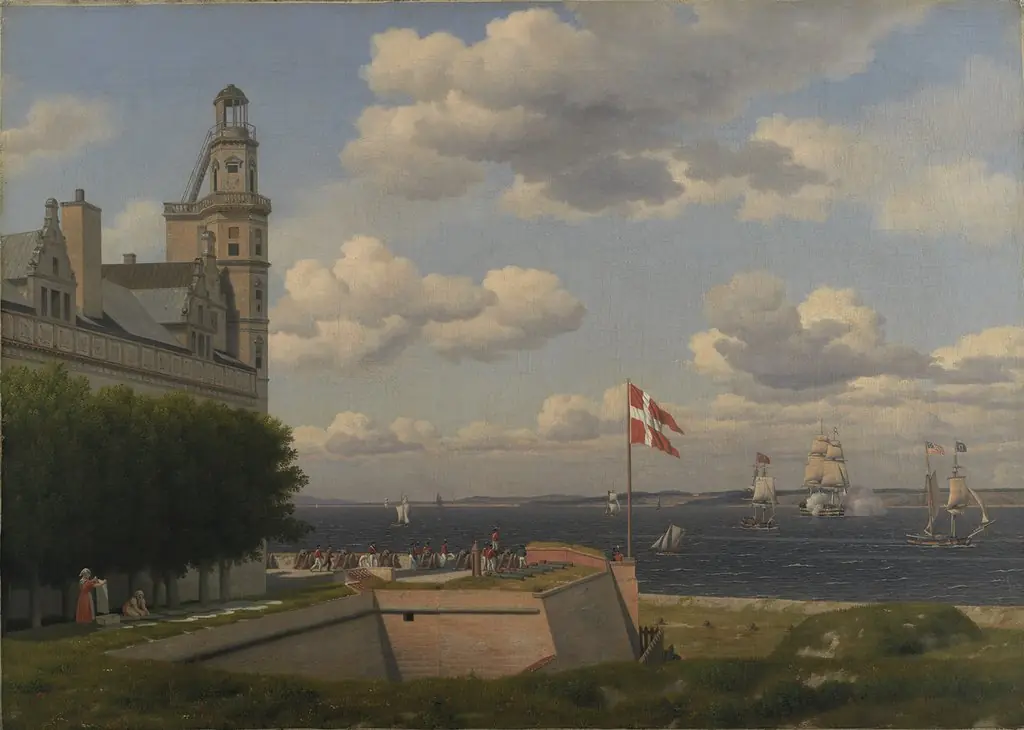 A View towards the Swedish Coast from the Ramparts of Kronborg Castle
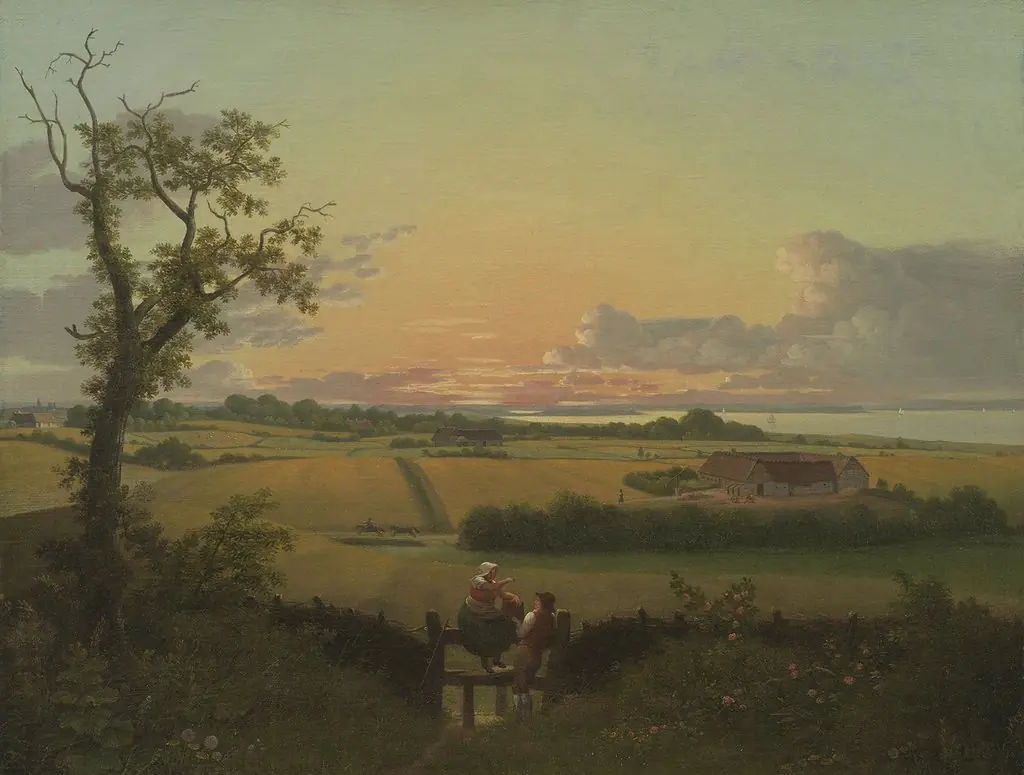 Landscape with a Stile. The Isle of Møn
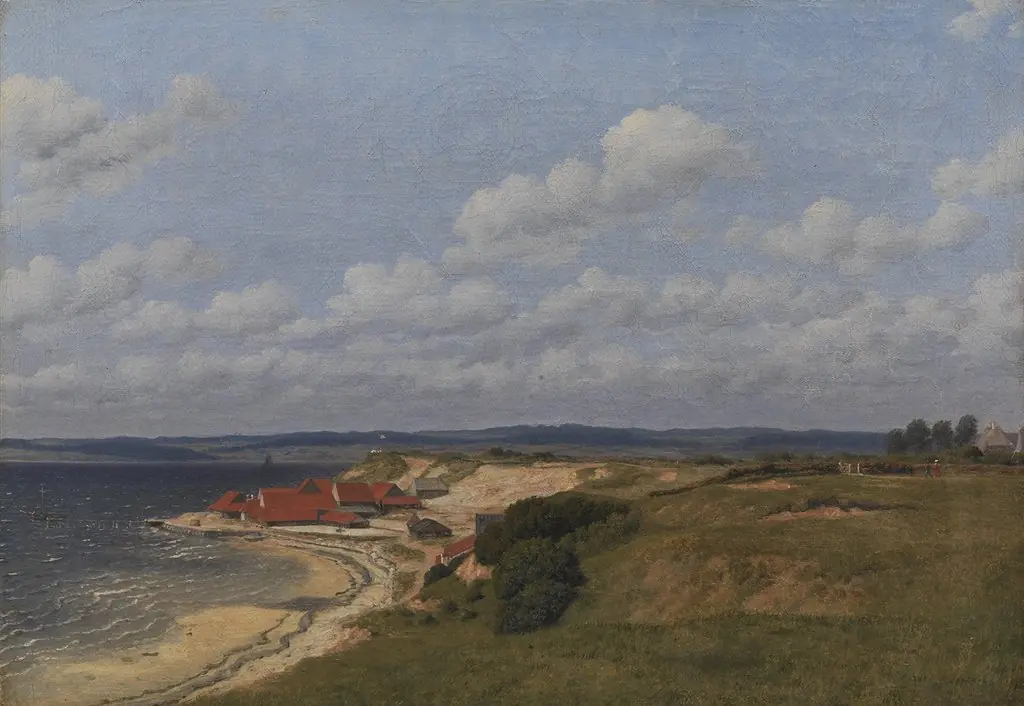 Renbjærg Tileworks by Flensburg Fiord
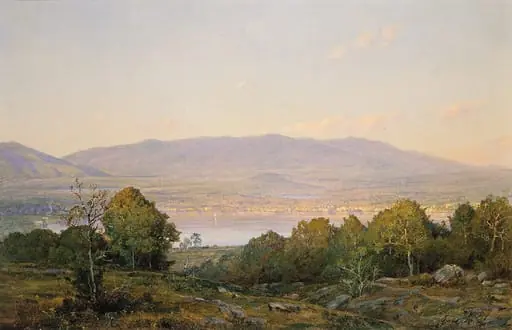 Sundown at Centre Harbor, New Hampshire
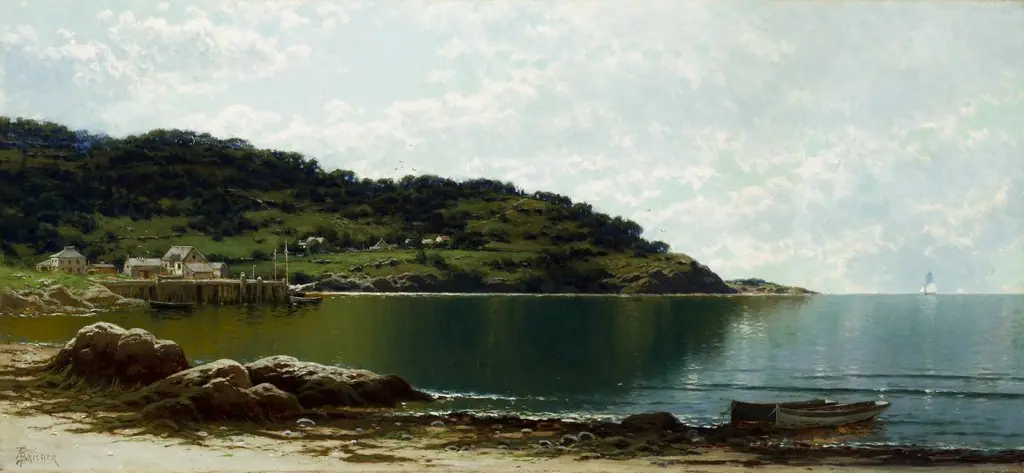 Along the Maine Coast
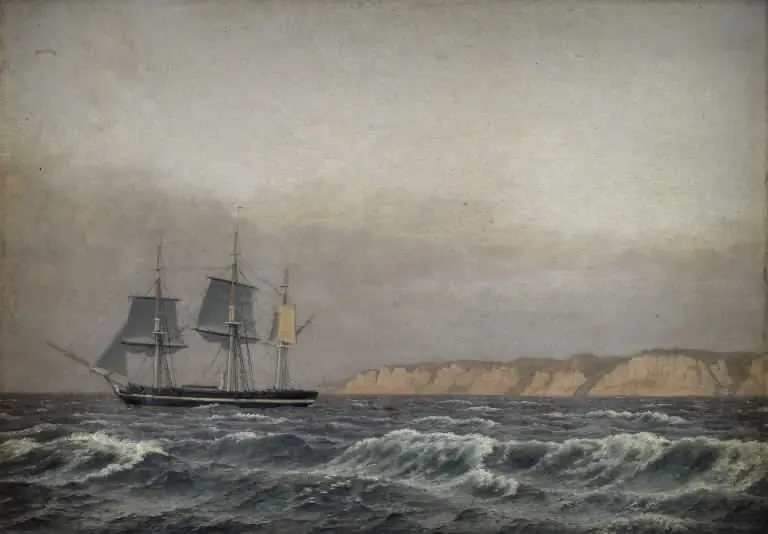 View of the Cliffs of Møn and a Corvette
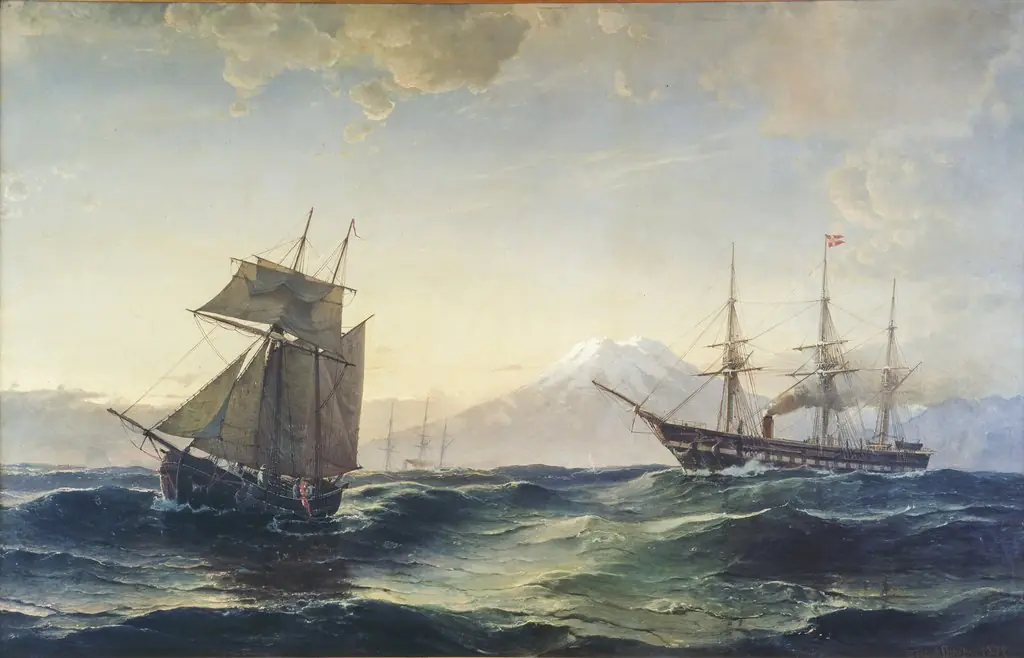 Ships off the Coast of Iceland
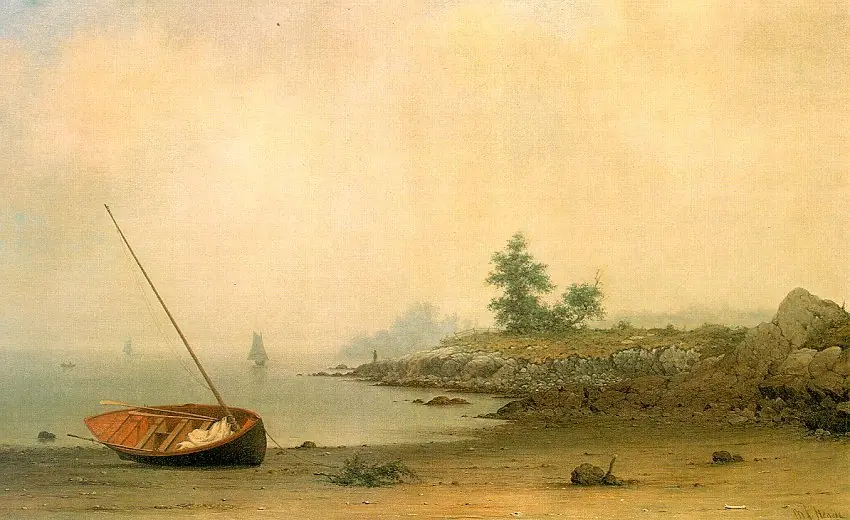 The Stranded Boat
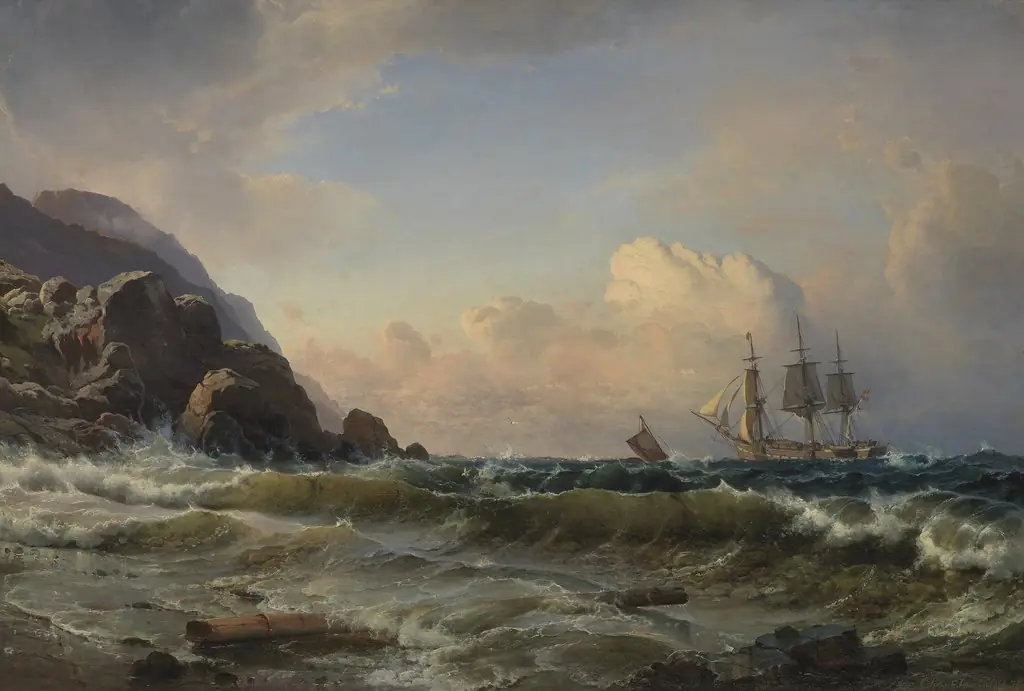 A Norwegian Coastline
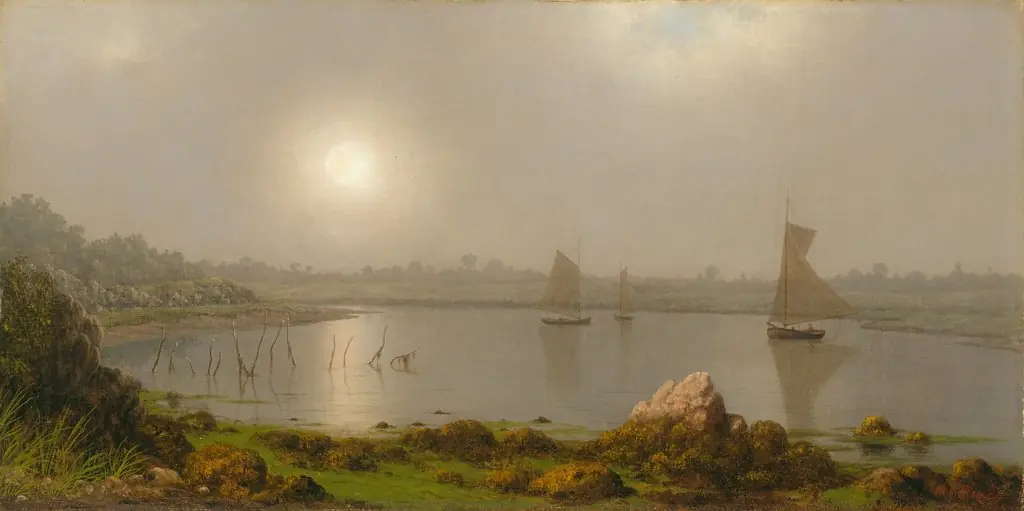 York Harbor, Coast of Maine
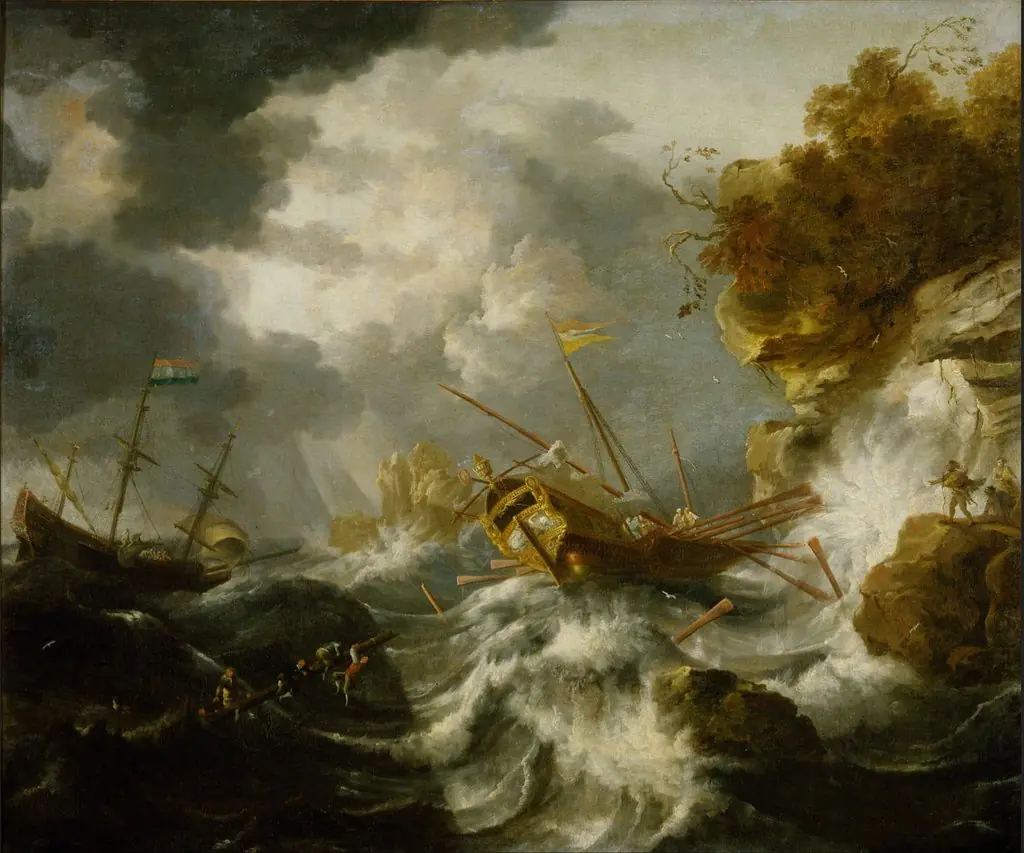 Ships in Trouble near the Coast
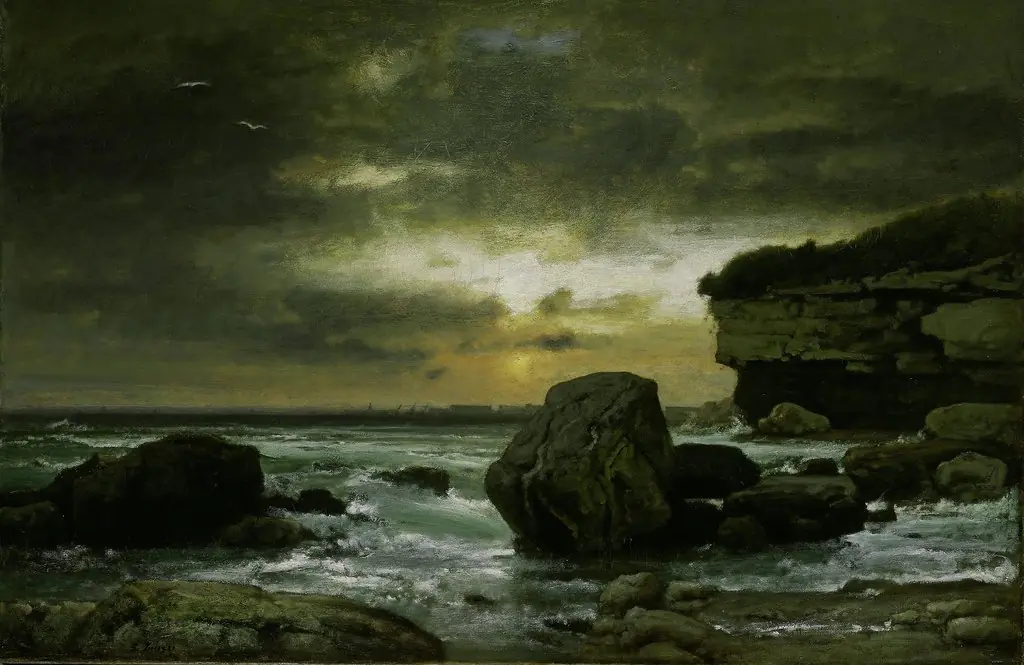 A Marine
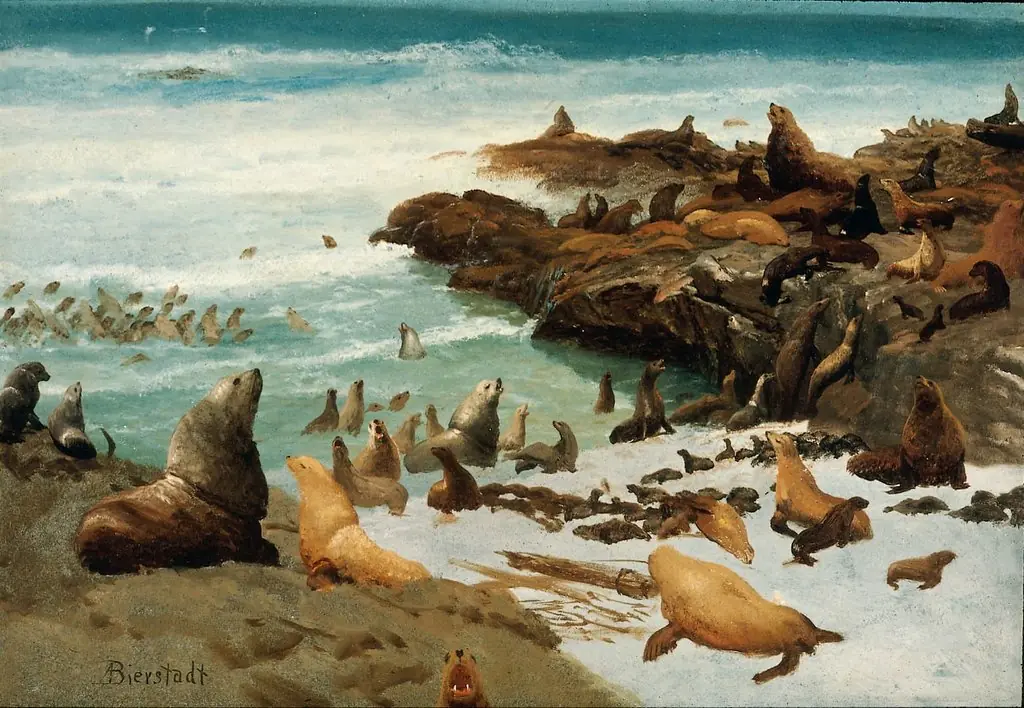 Seal Rocks, Farallons
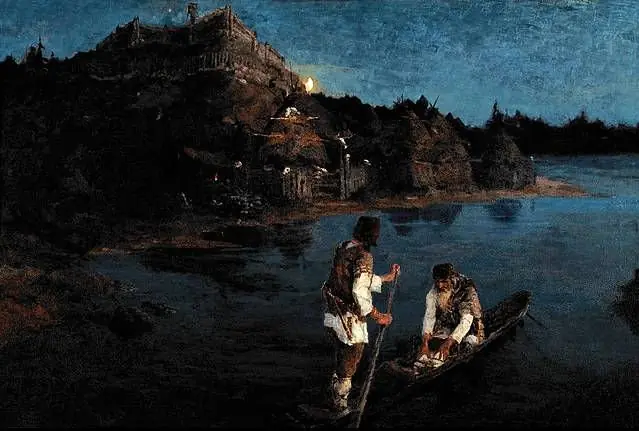 Messenger. Clan revolted against to clan.
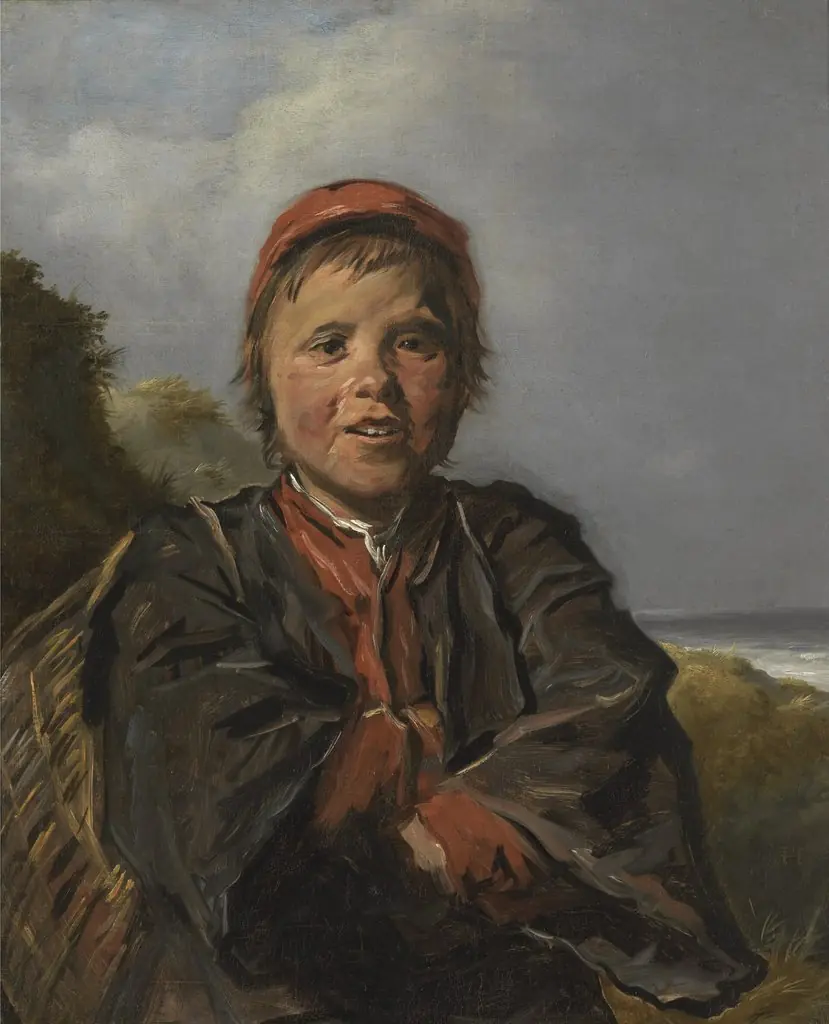 The Fisher Boy
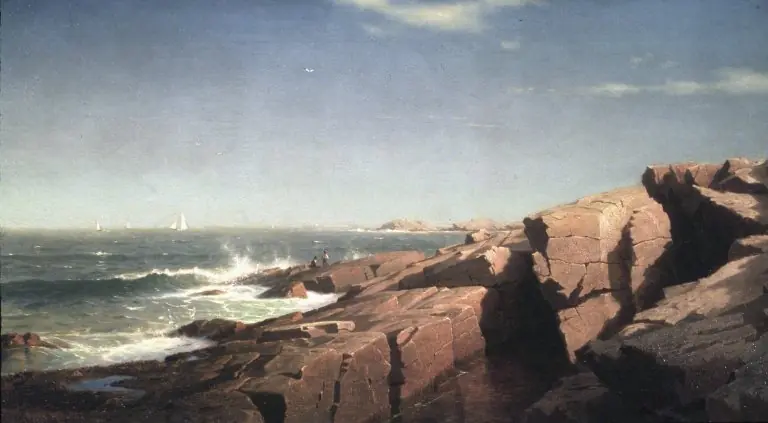 Rocks at Nahant
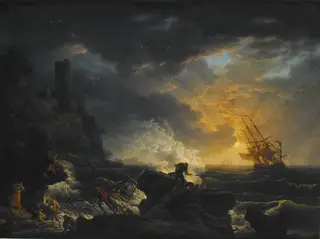 Shipwreck
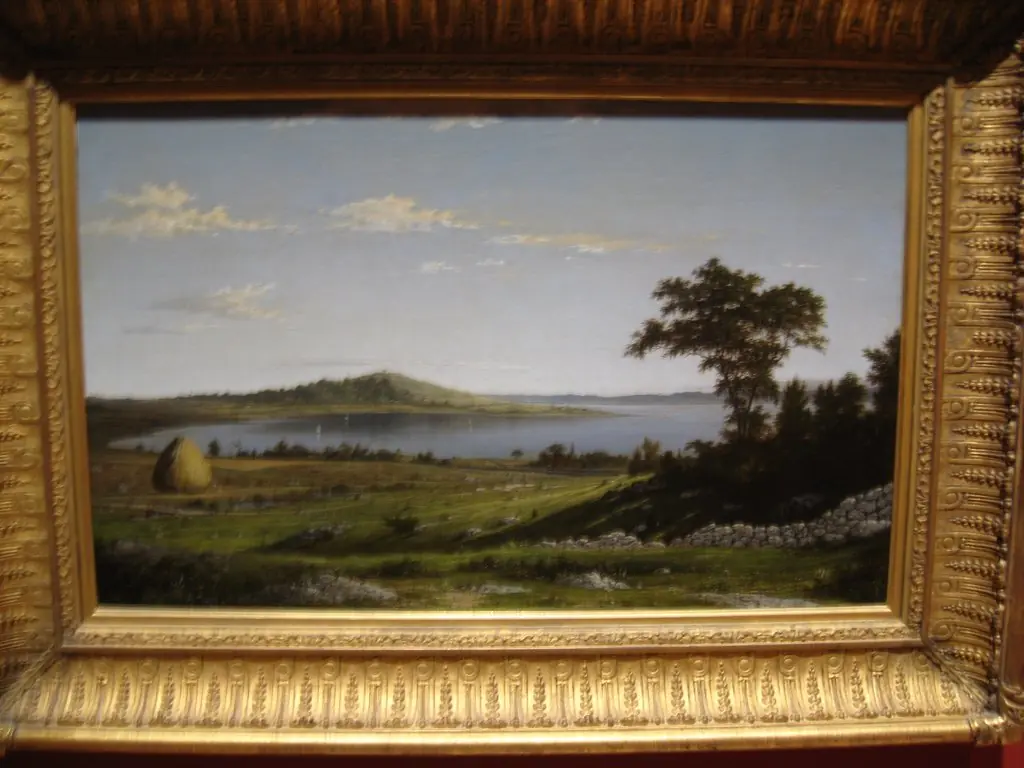 Rhode Island Shore
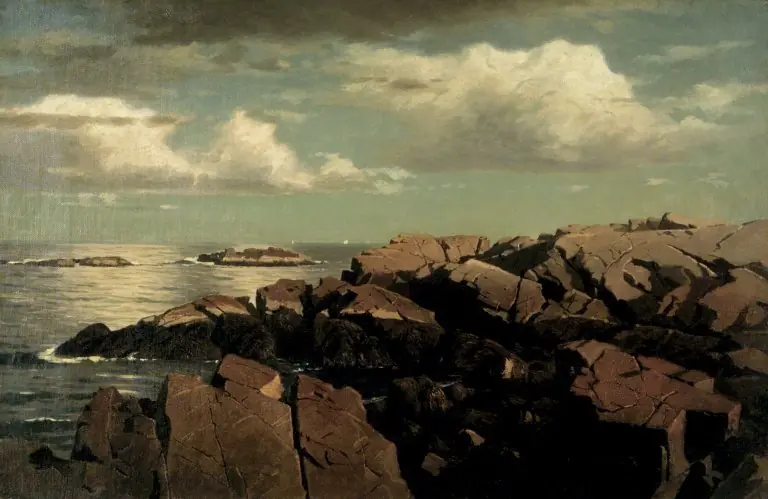 After a Shower, Nahant, Massachusetts
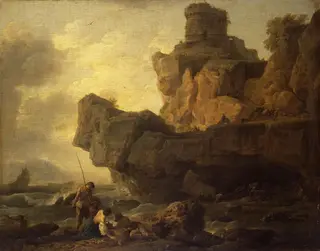 Rocks on a Seashore
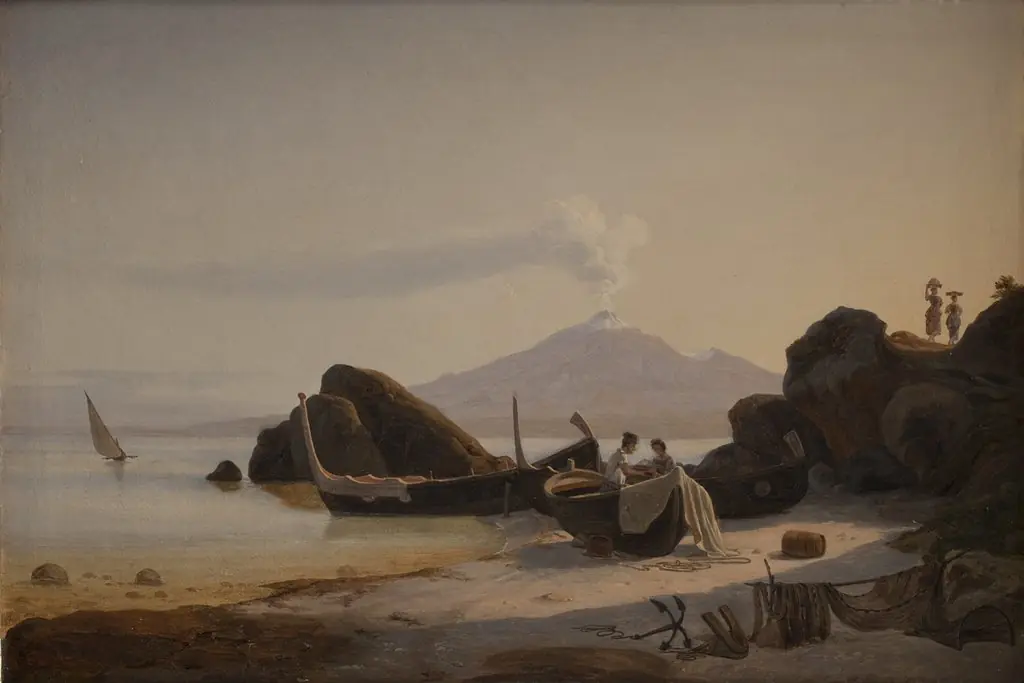 A Coast. Sicily
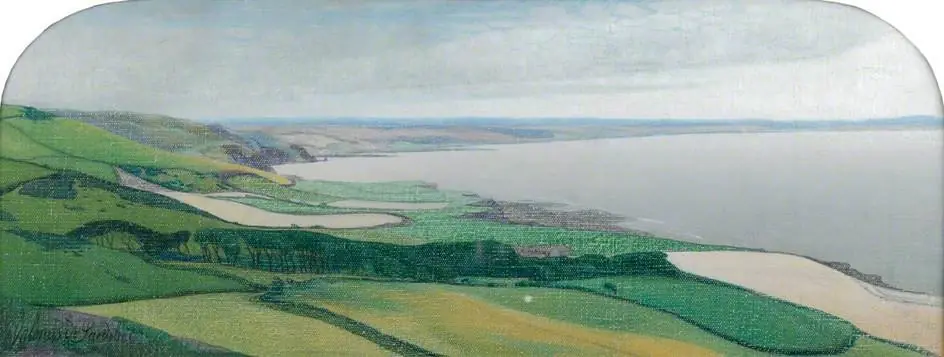 Coastal Landscape near Aberystwyth
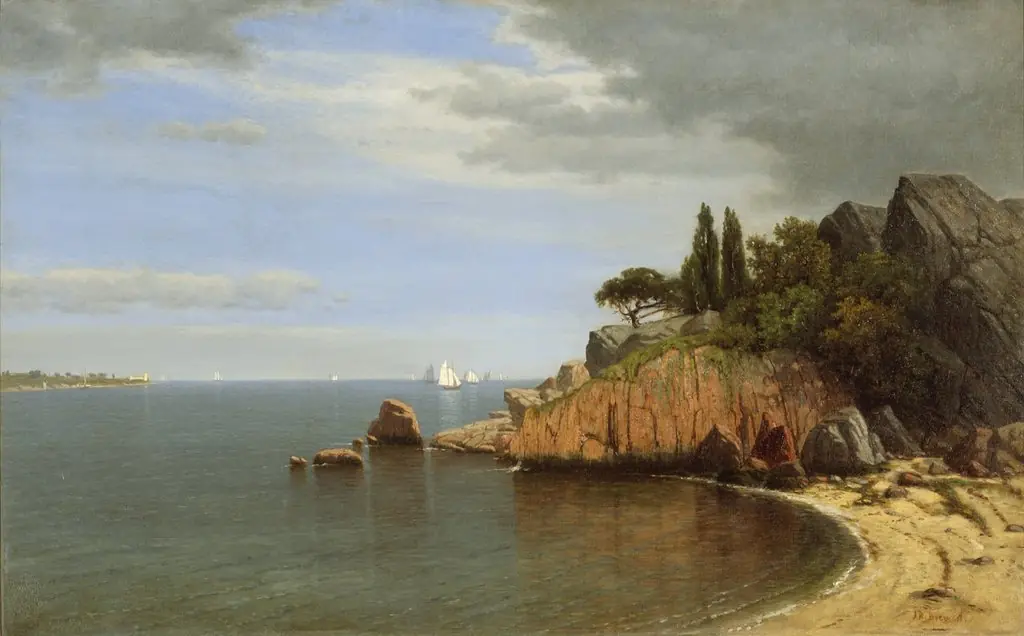 Inside Eastern Point, Gloucester Bay
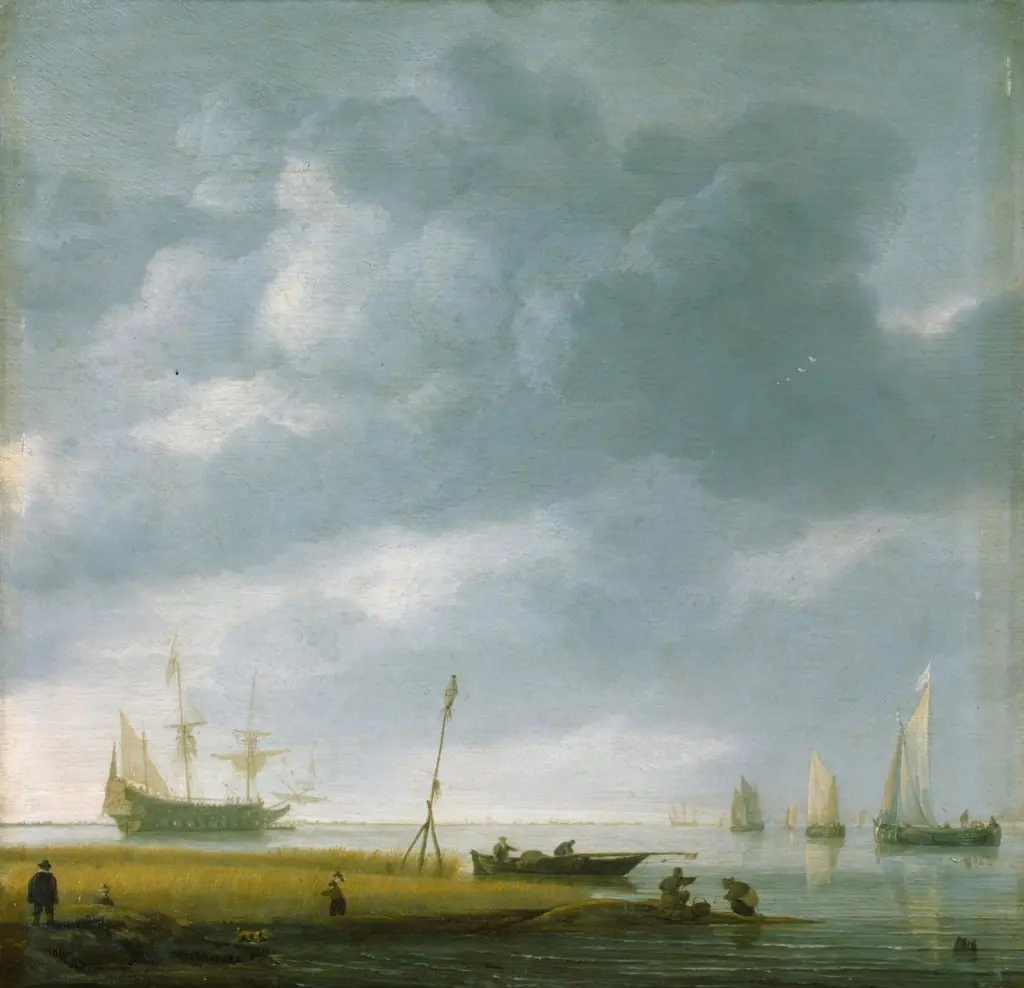 Seashore
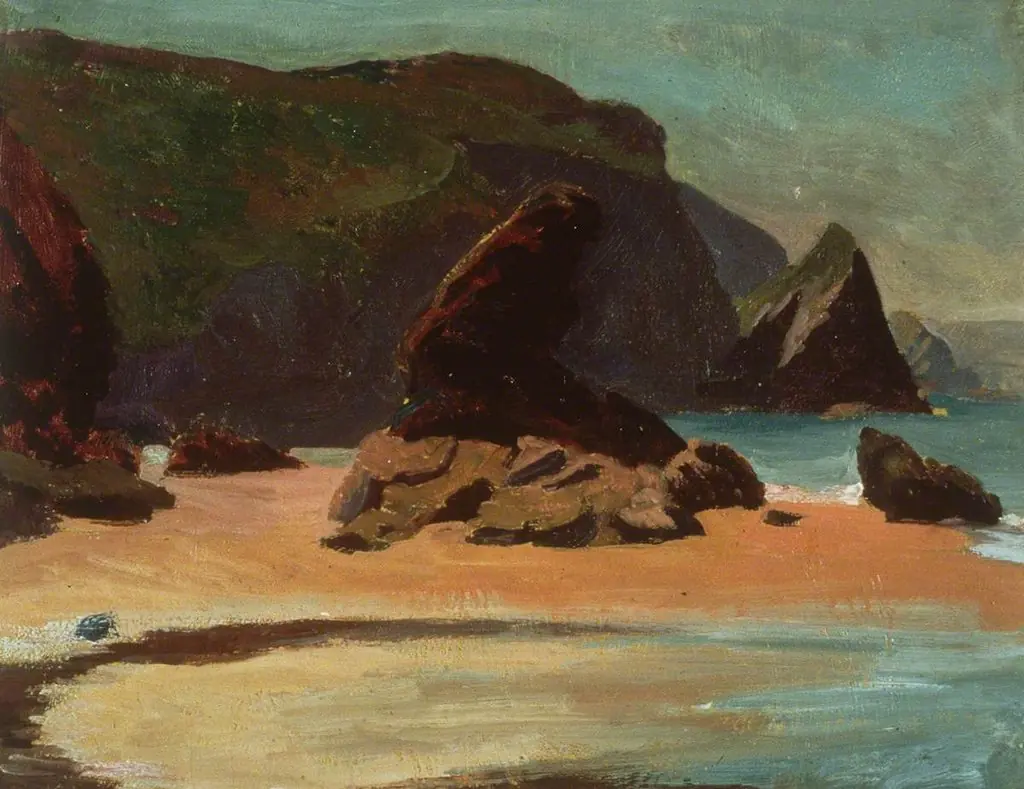 Llangrannog
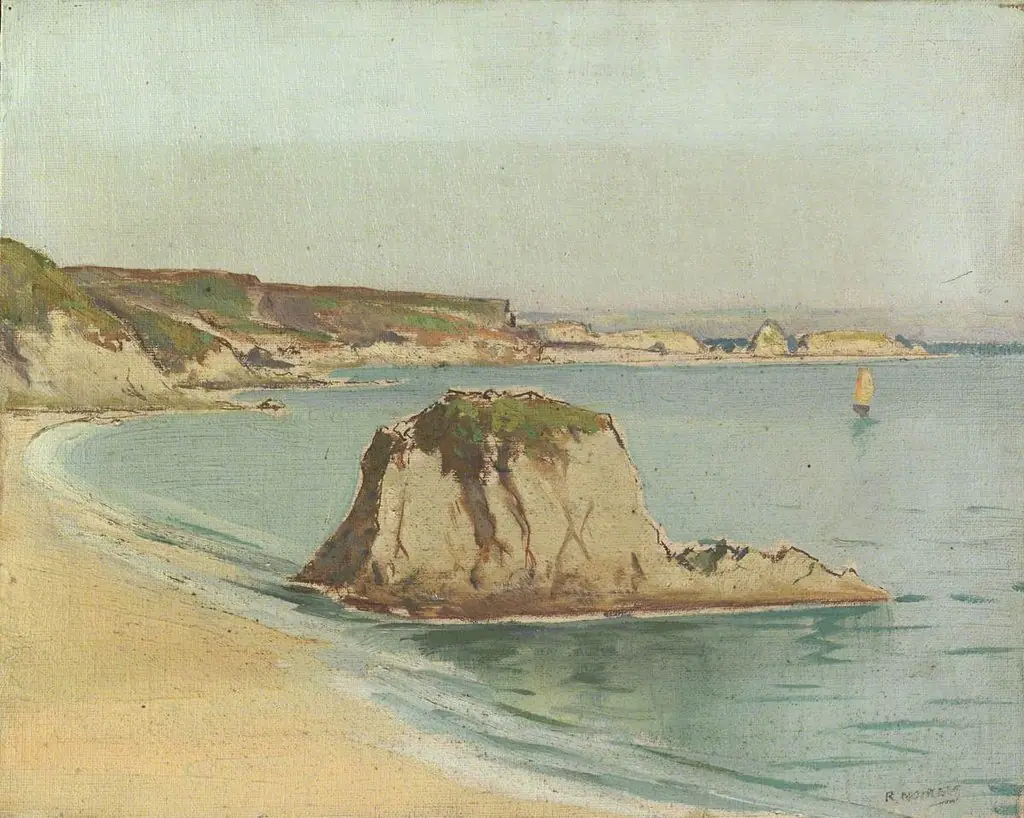 A View of Tenby Bay
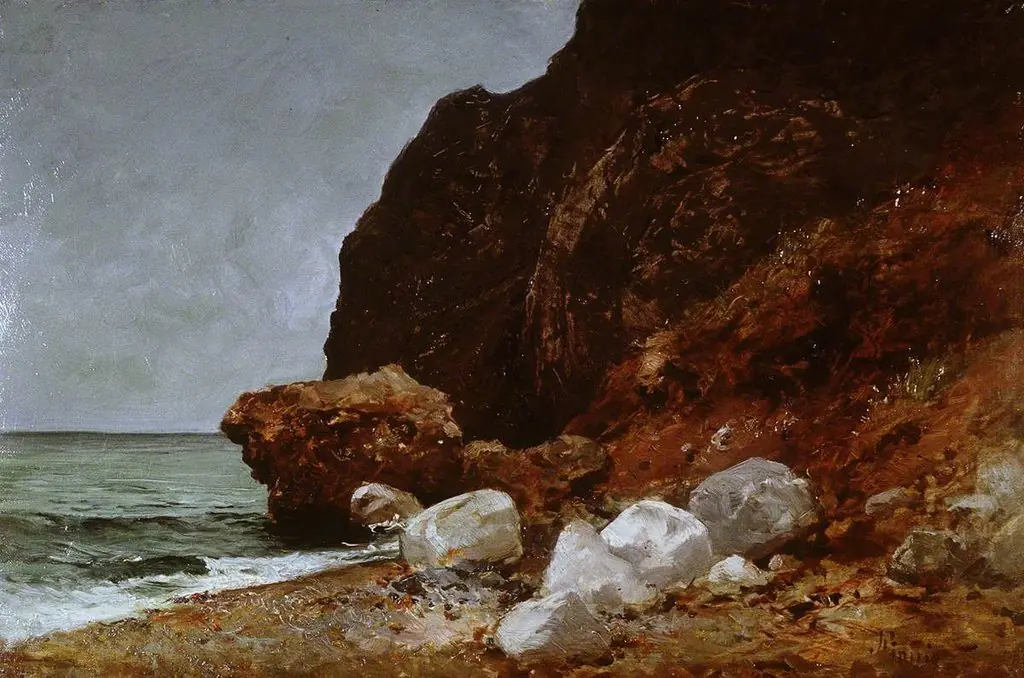 The Little Orme
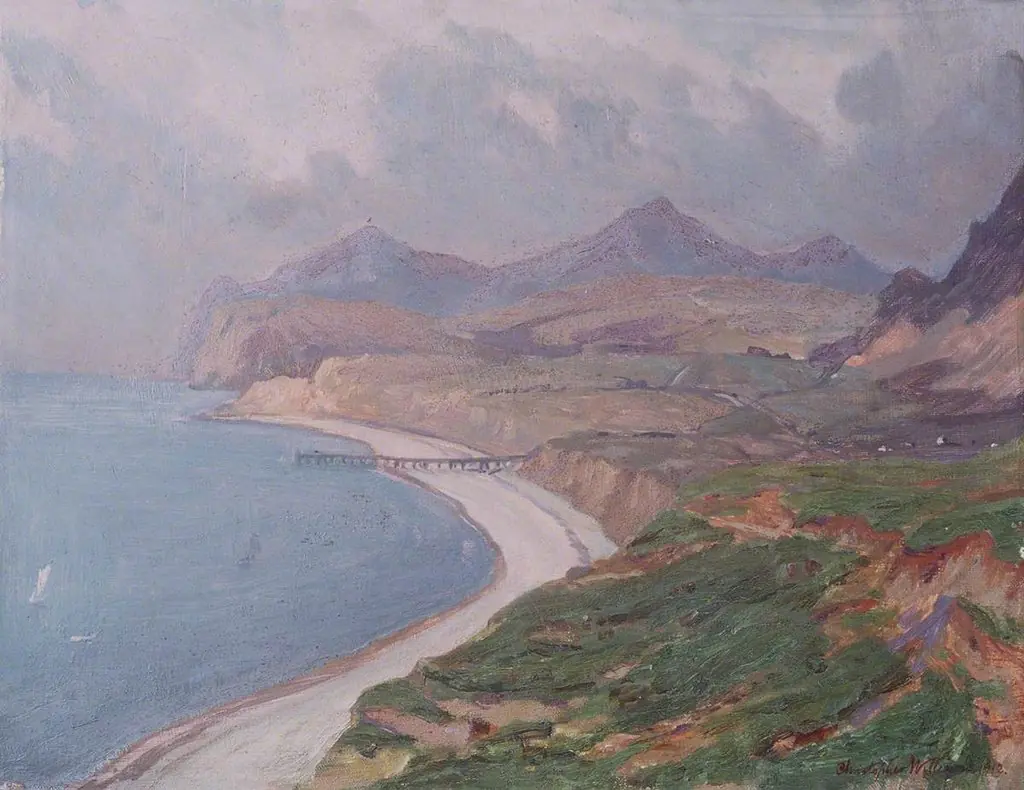 A Coastal View Porth y Nant, Lleyn
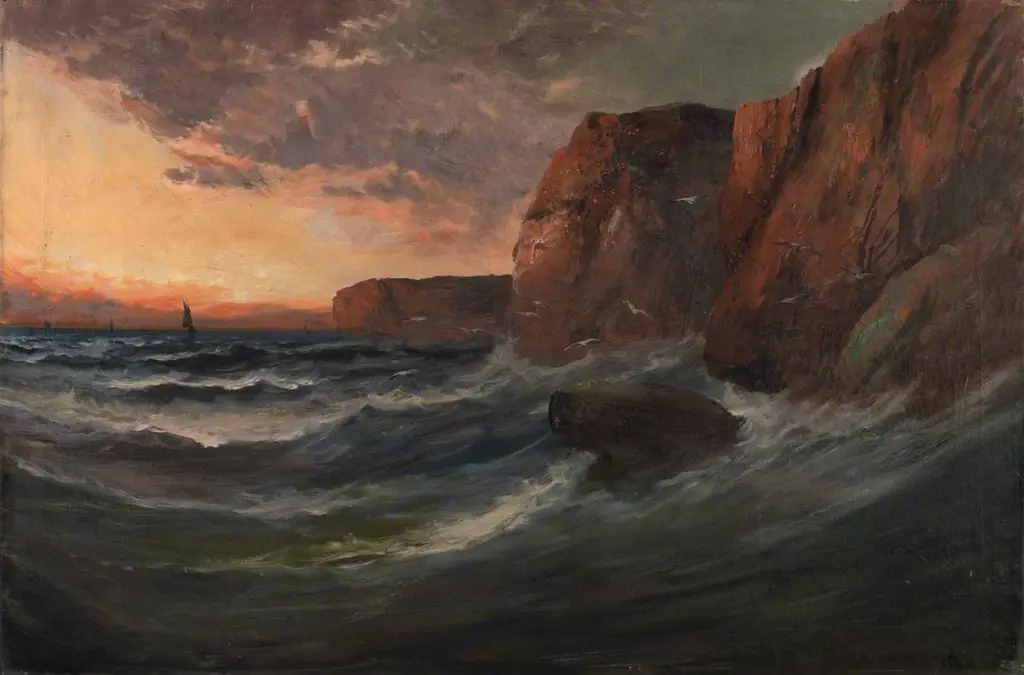 Seascape
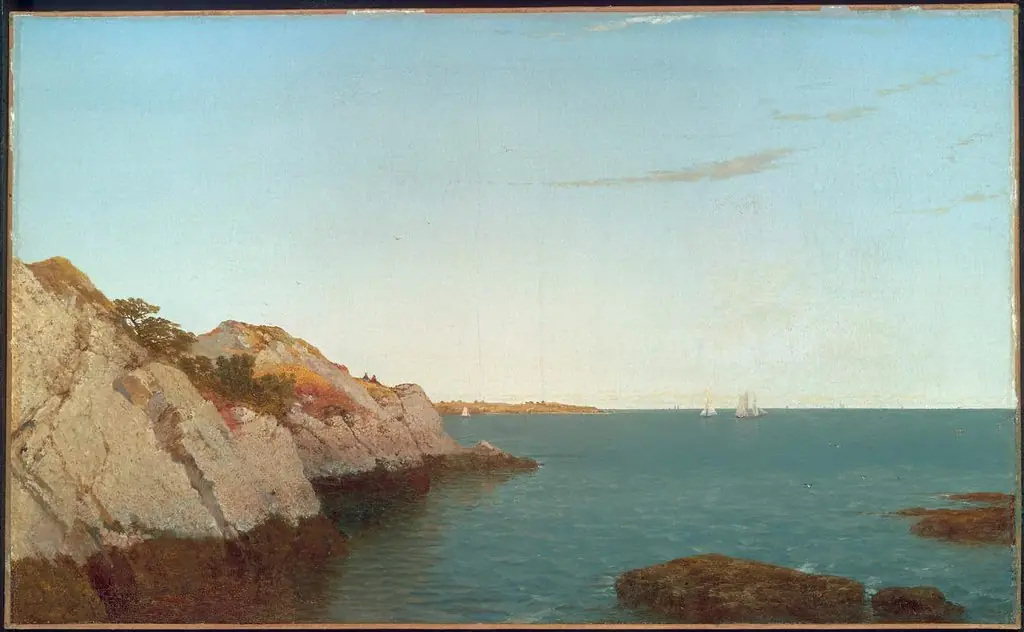 Smith's Point, Beverly, Massachusetts
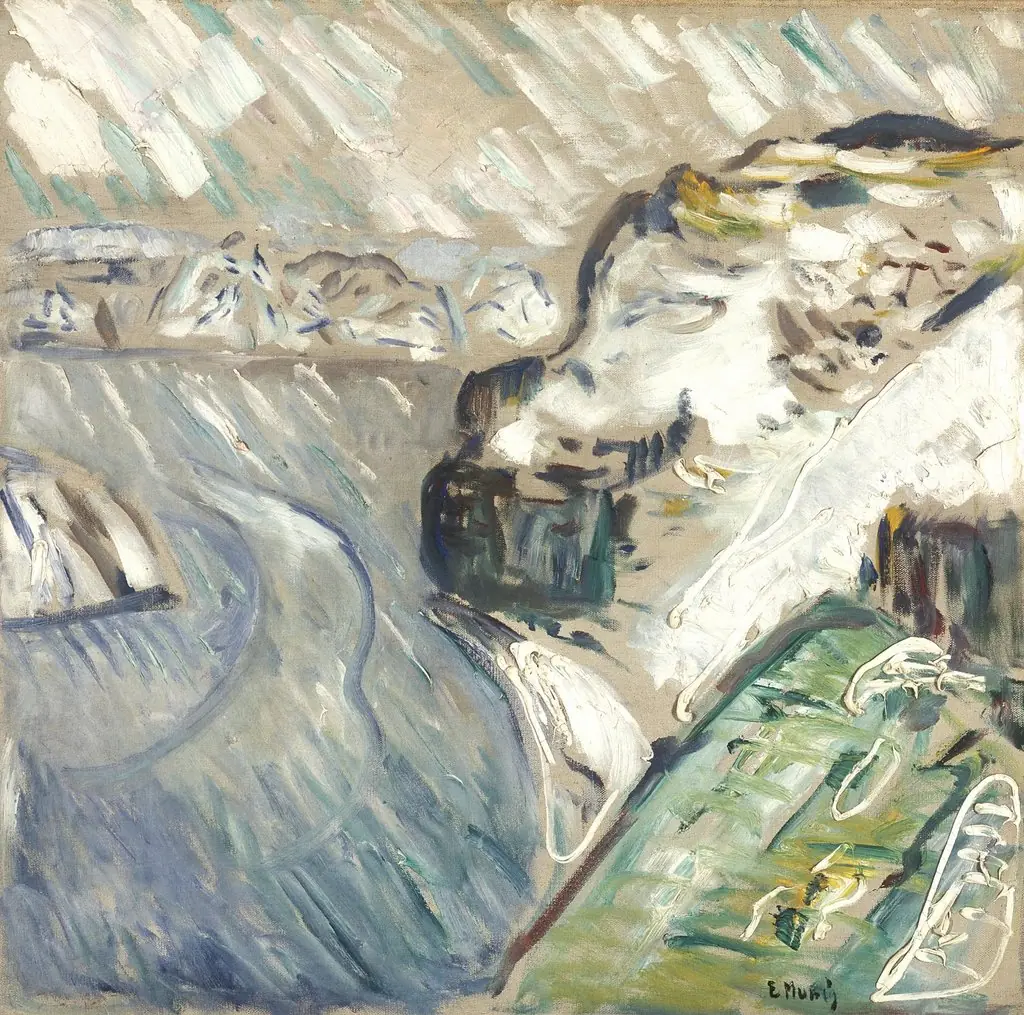 Snowstorm by the Sea
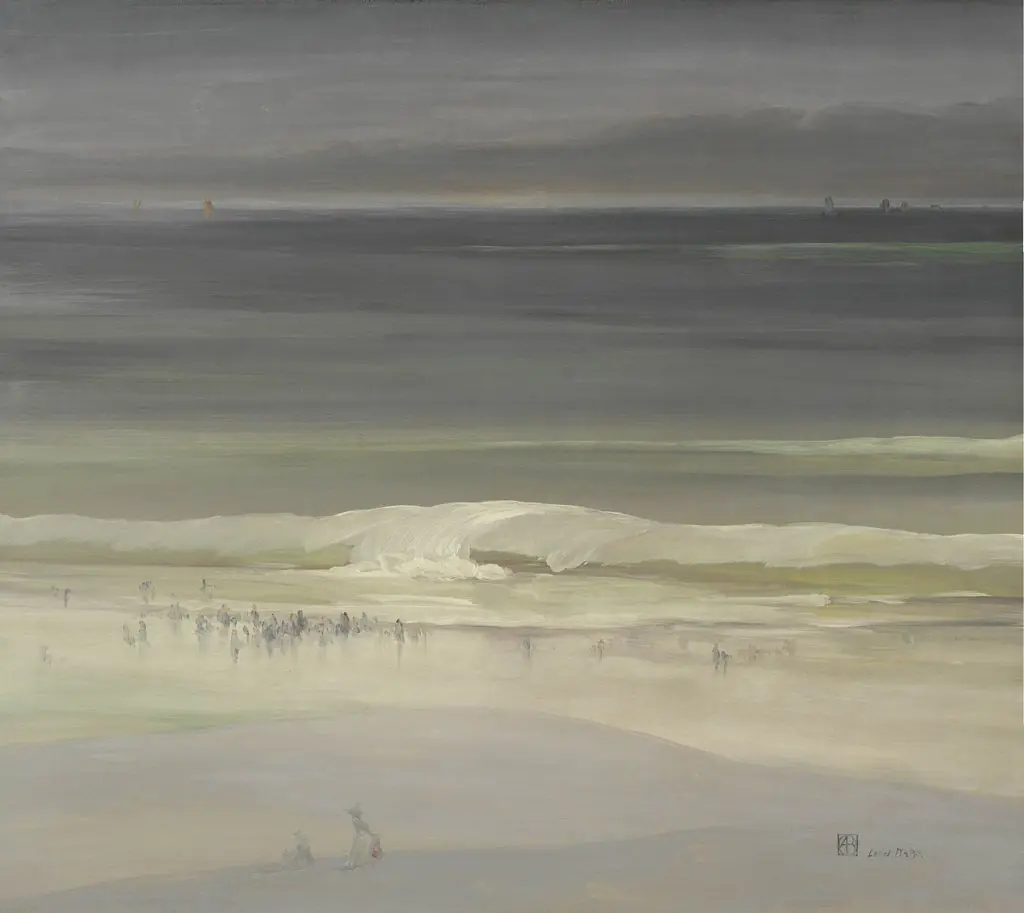 The Seashore
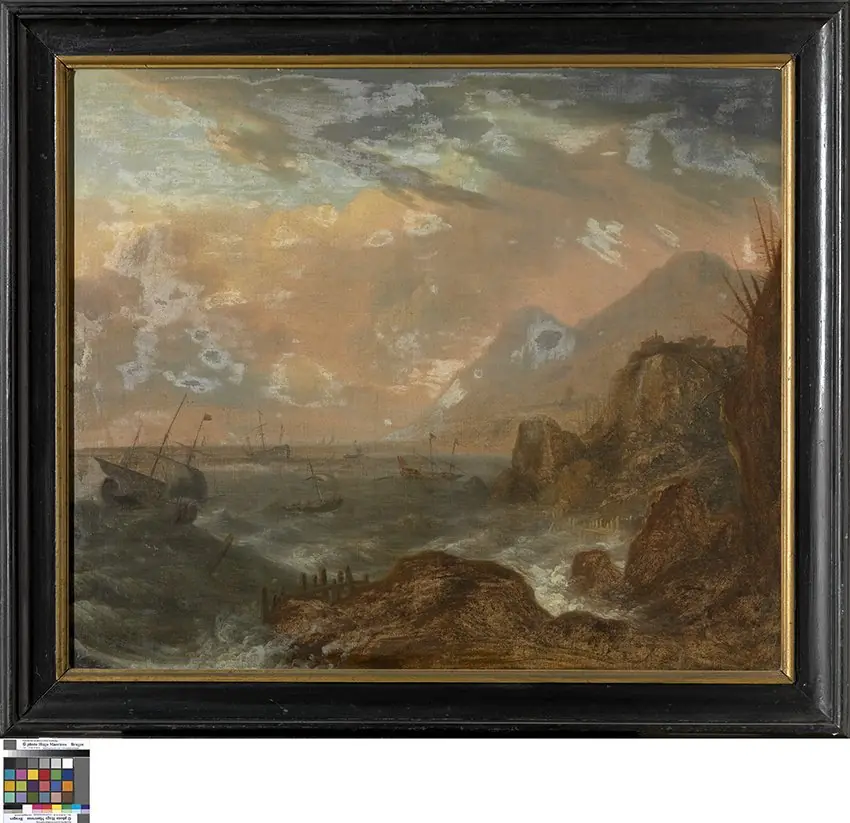 Kustlandschap bij storm
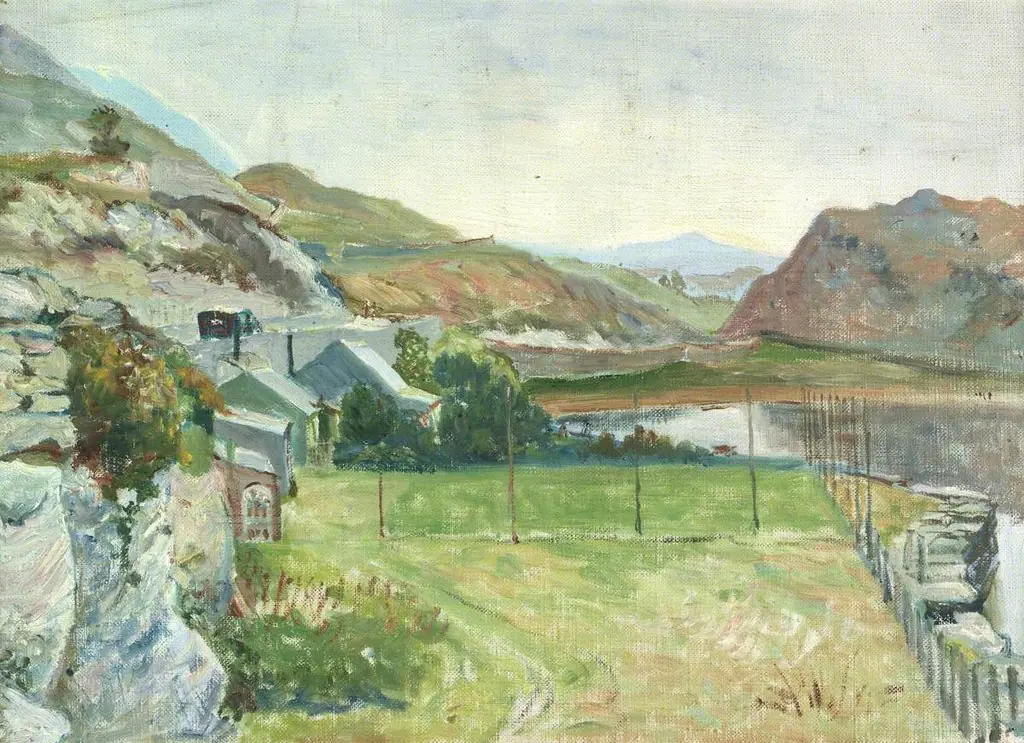 Cei Newydd, near Talsarnau
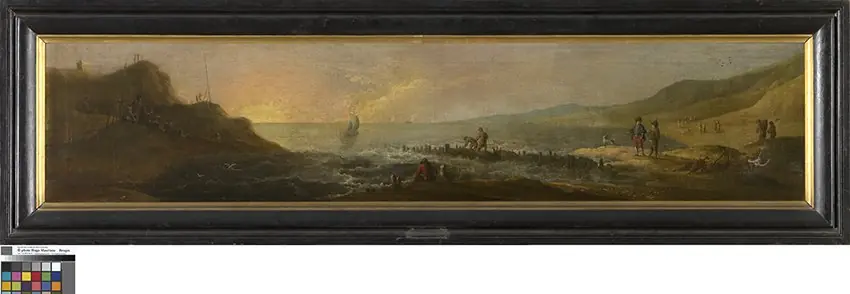 Kustlandschap
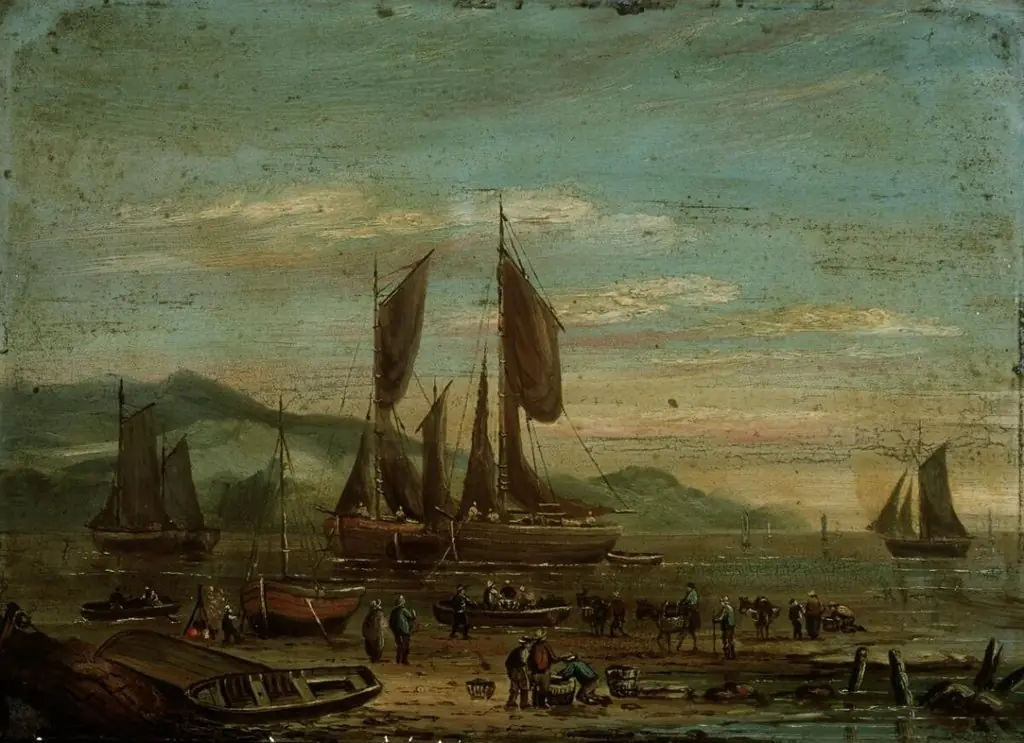 Coastal scene with shipping
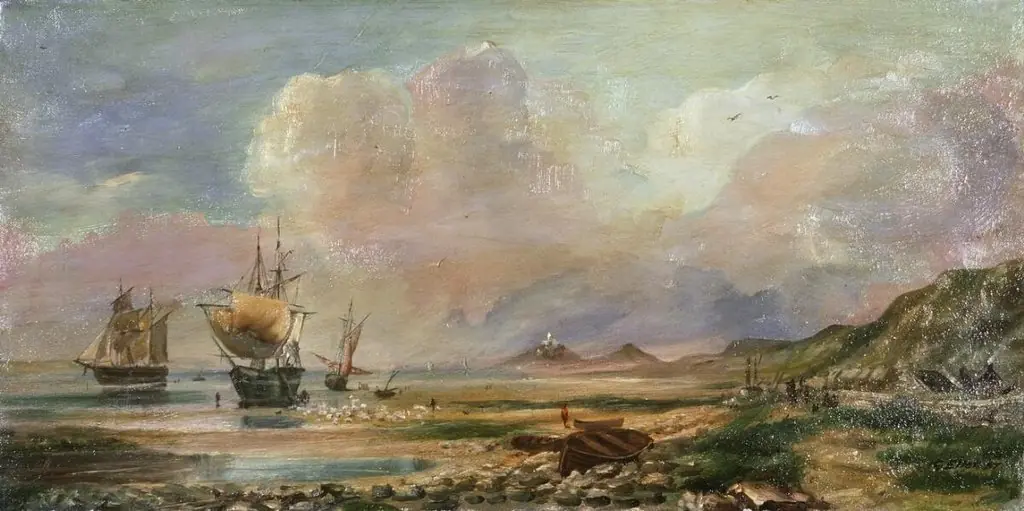 Coastal scene
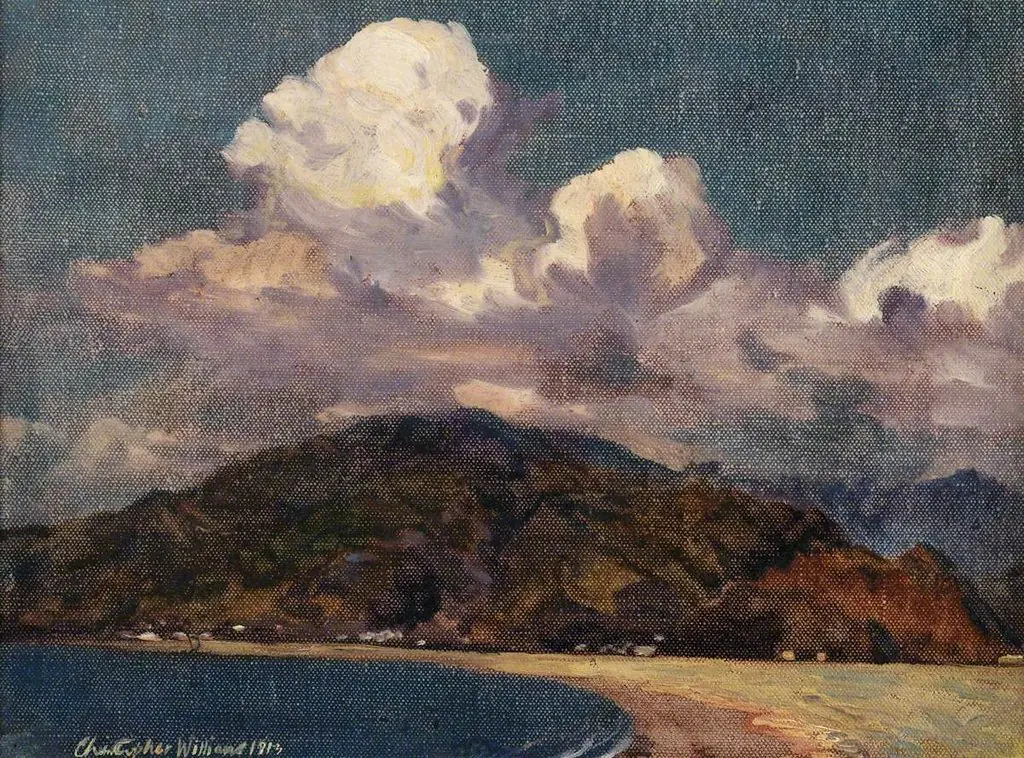 Coastal View
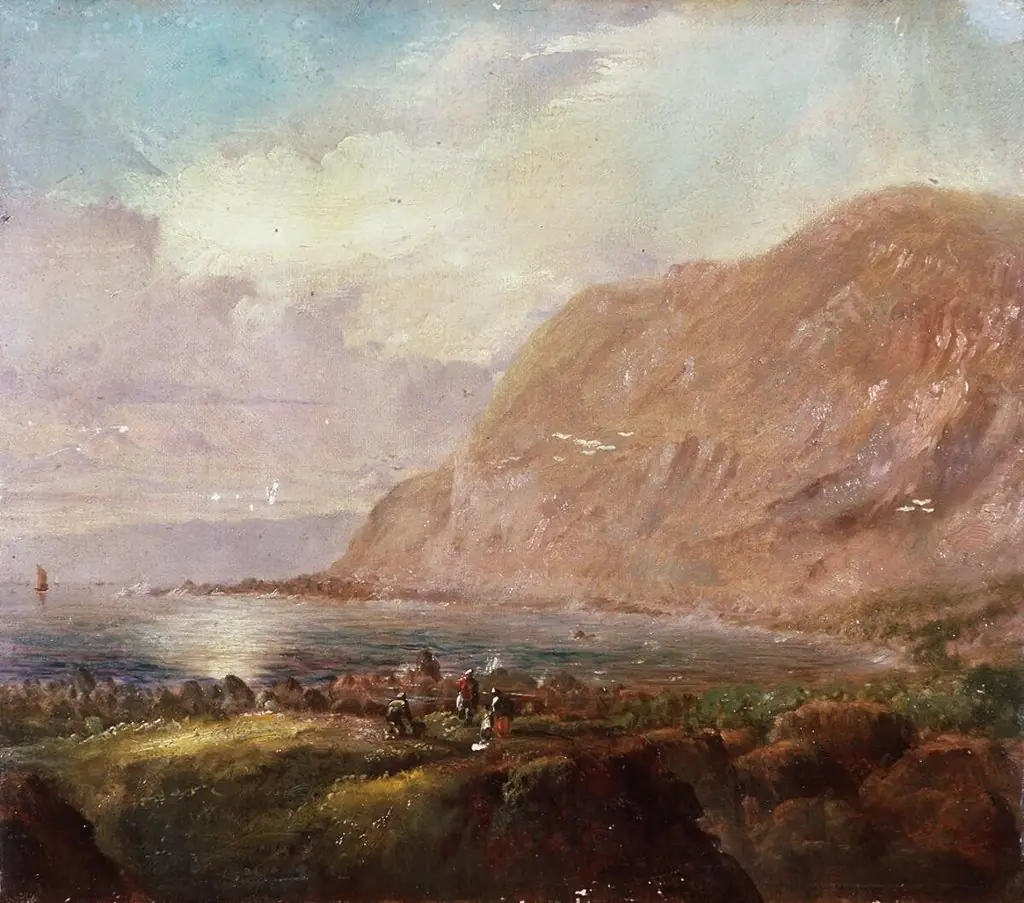 Shoreline with cliffs
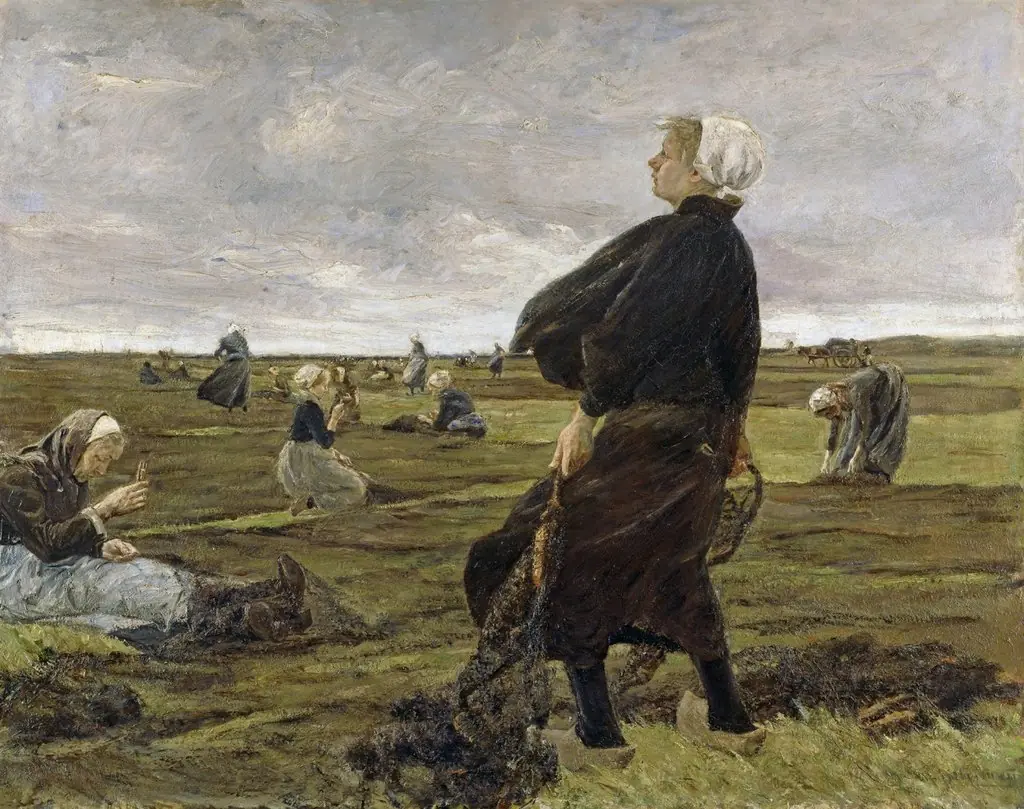 The Net Menders
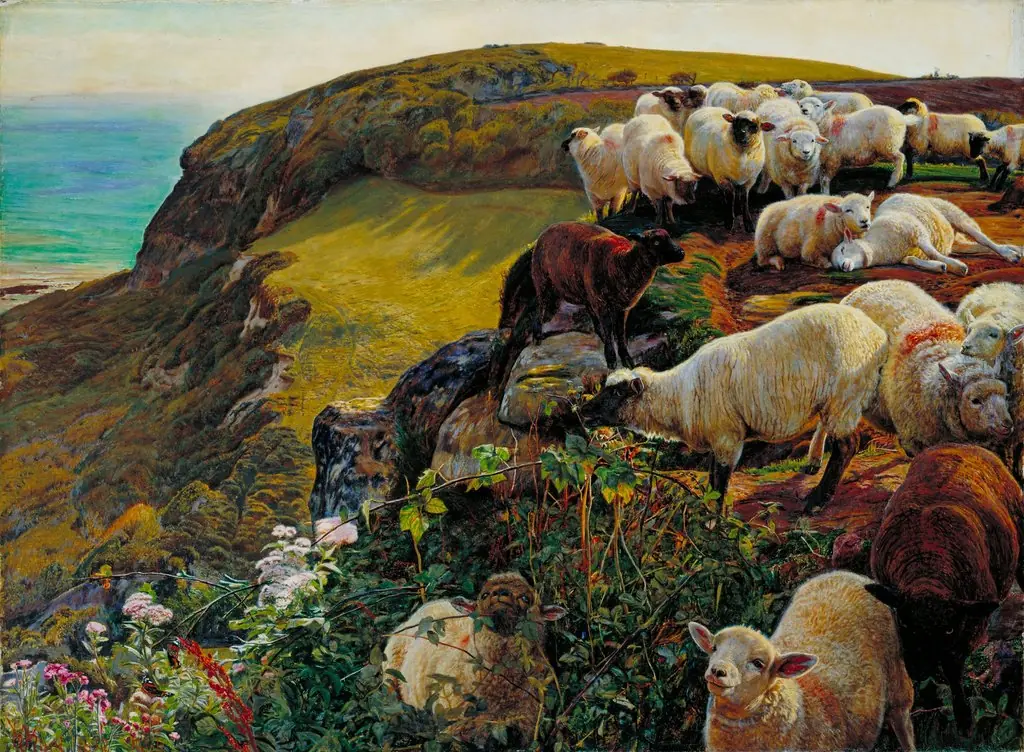 Our English Coasts
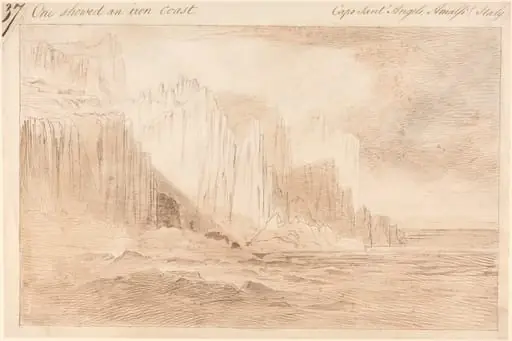 Capo Sant'Angelo, Amalfi
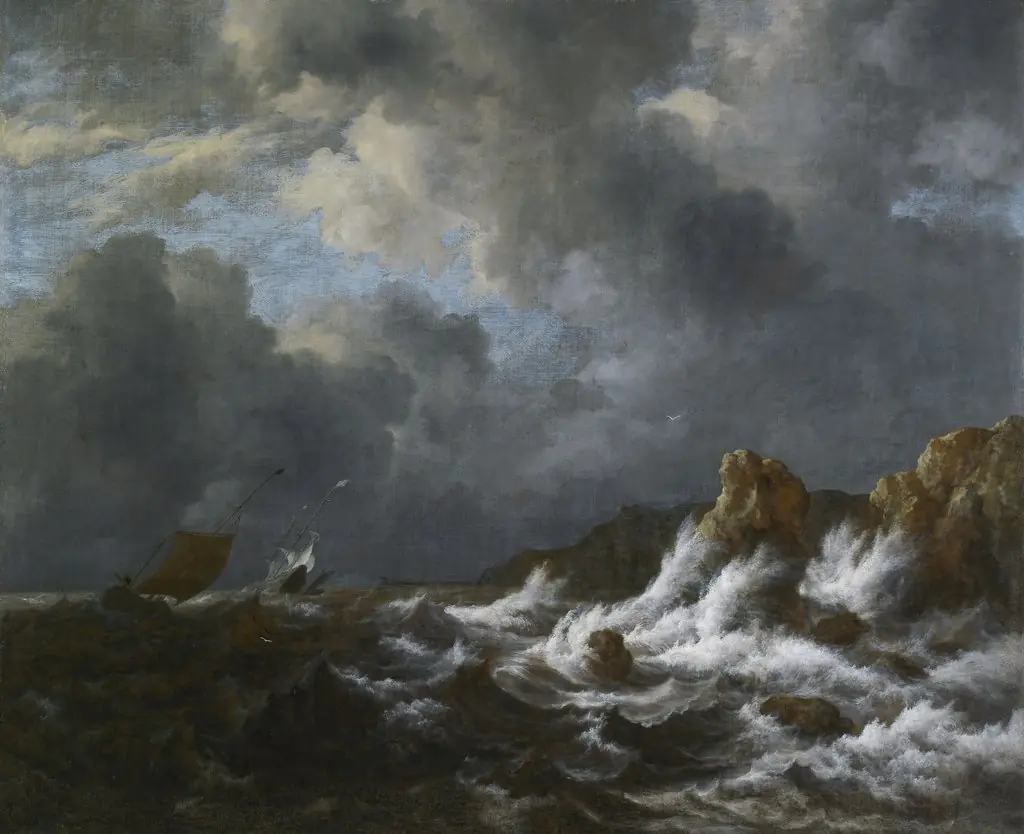 View from the Coast of Norway
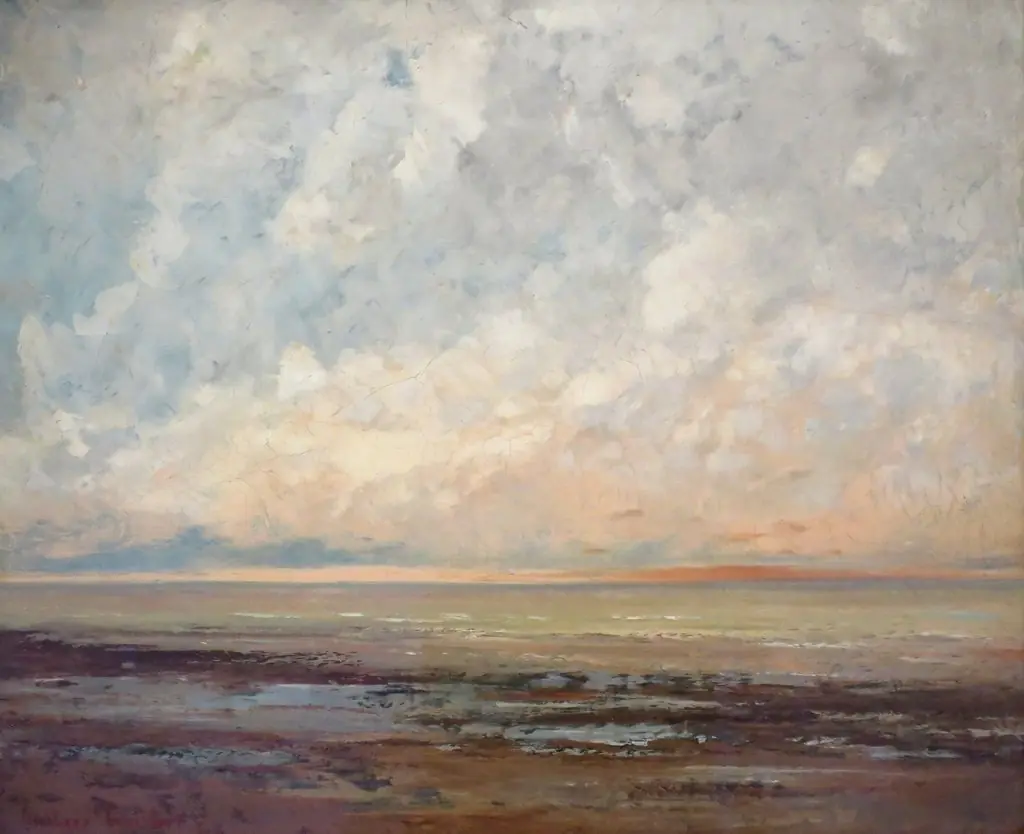 Marine
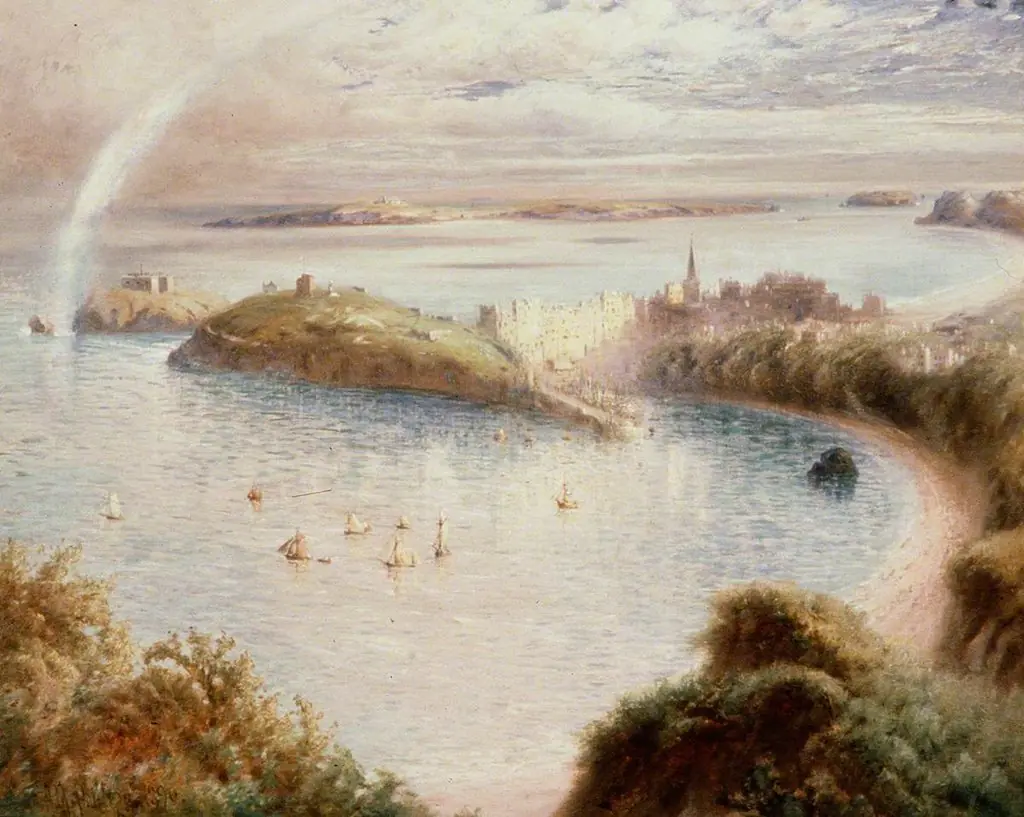 Tenby
Tenby
Frequently asked questions
What is Coast?
Coast is a subject in art. A coast (also called the coastline, shoreline, or seashore) is the land next to the sea or the line that forms the boundary between the land and the ocean or a lake.
How many Coast works does Artifact World Gallery have?
Artifact World Gallery holds 54 public-domain Coast works, all free to view and download.
Who are the key Coast artists?
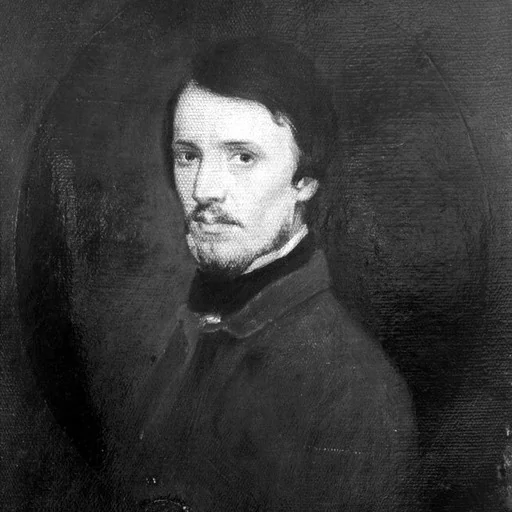
Key Coast artists in the collection include Gustave Courbet, Albert Bierstadt and Alfred Thompson Bricher.
Where can I see Coast works?
Coast works in the collection are held by National Library of Wales, Statens Museum for Kunst and Metropolitan Museum of Art.