Artwork
Driving Home
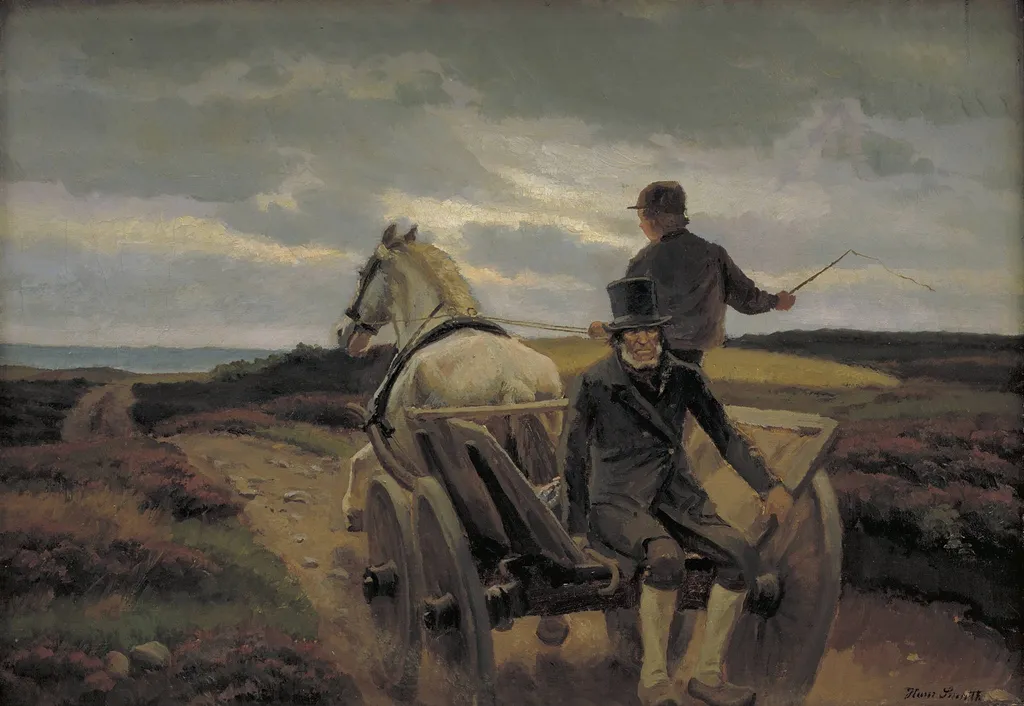
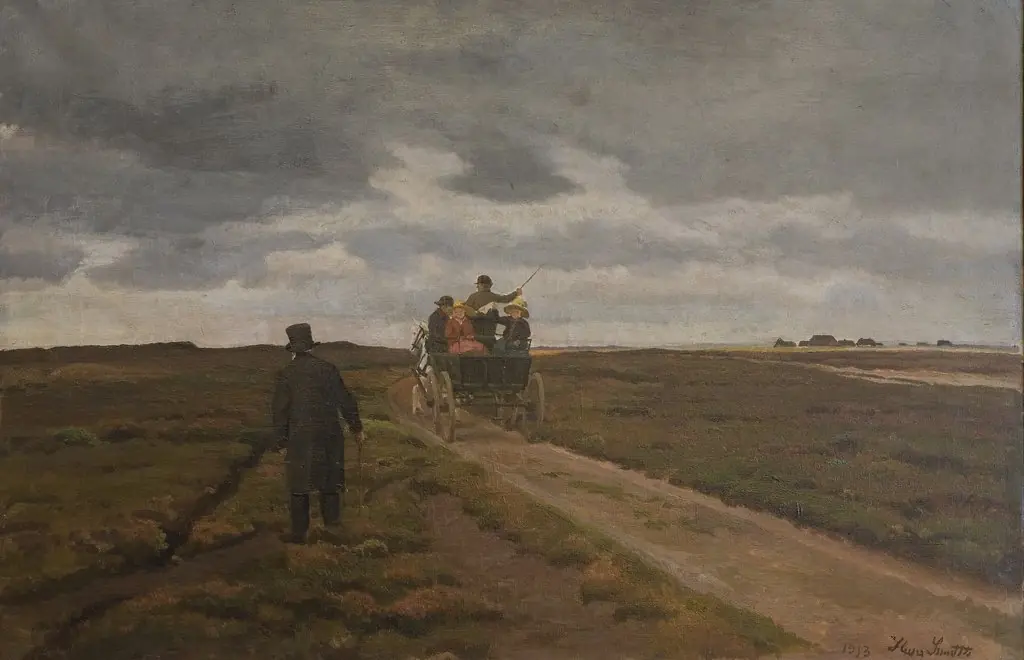
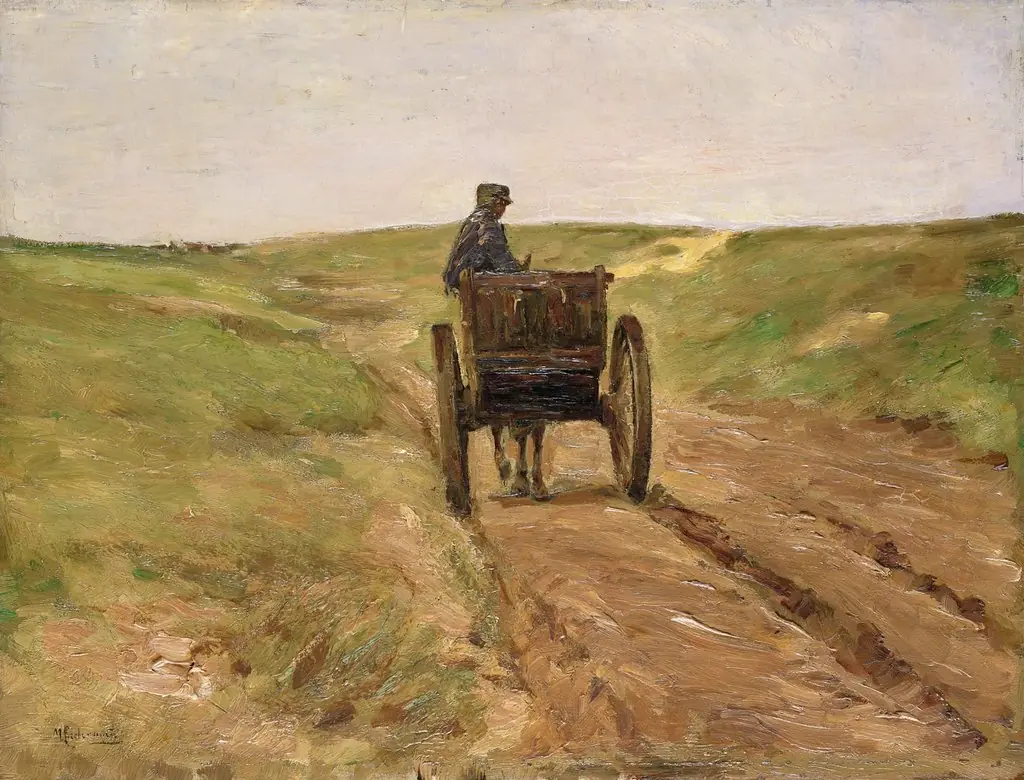
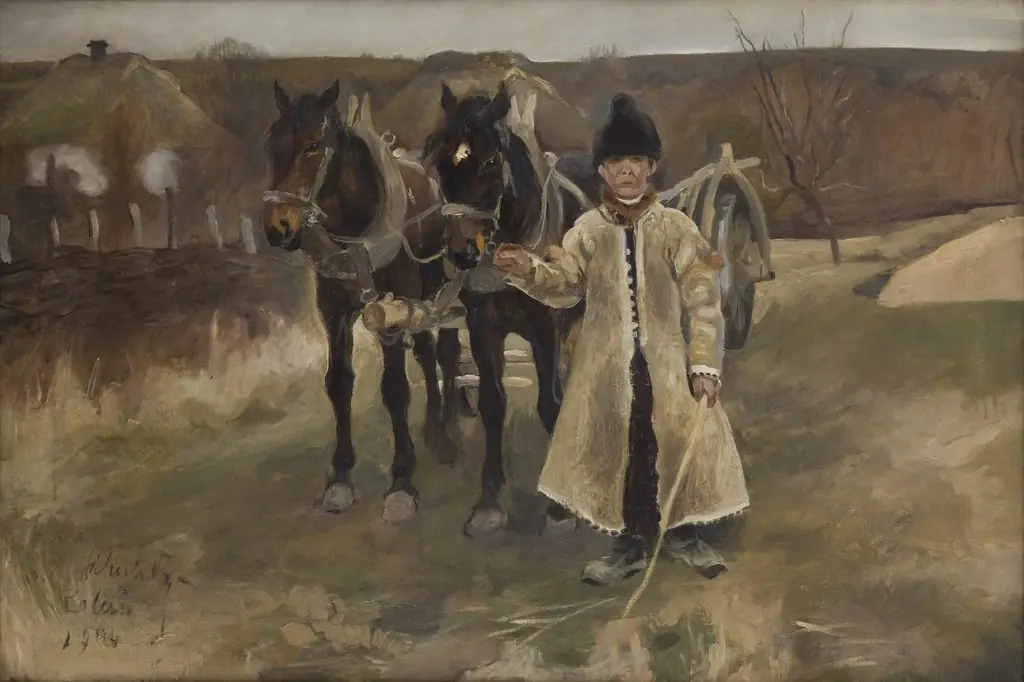
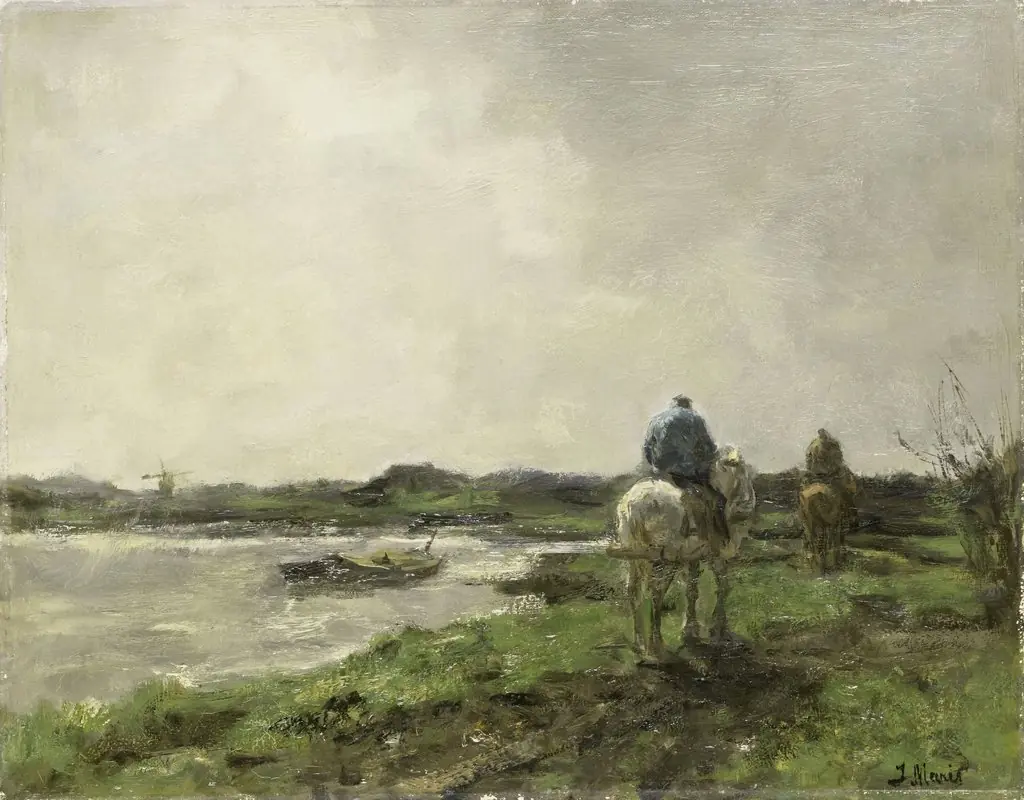
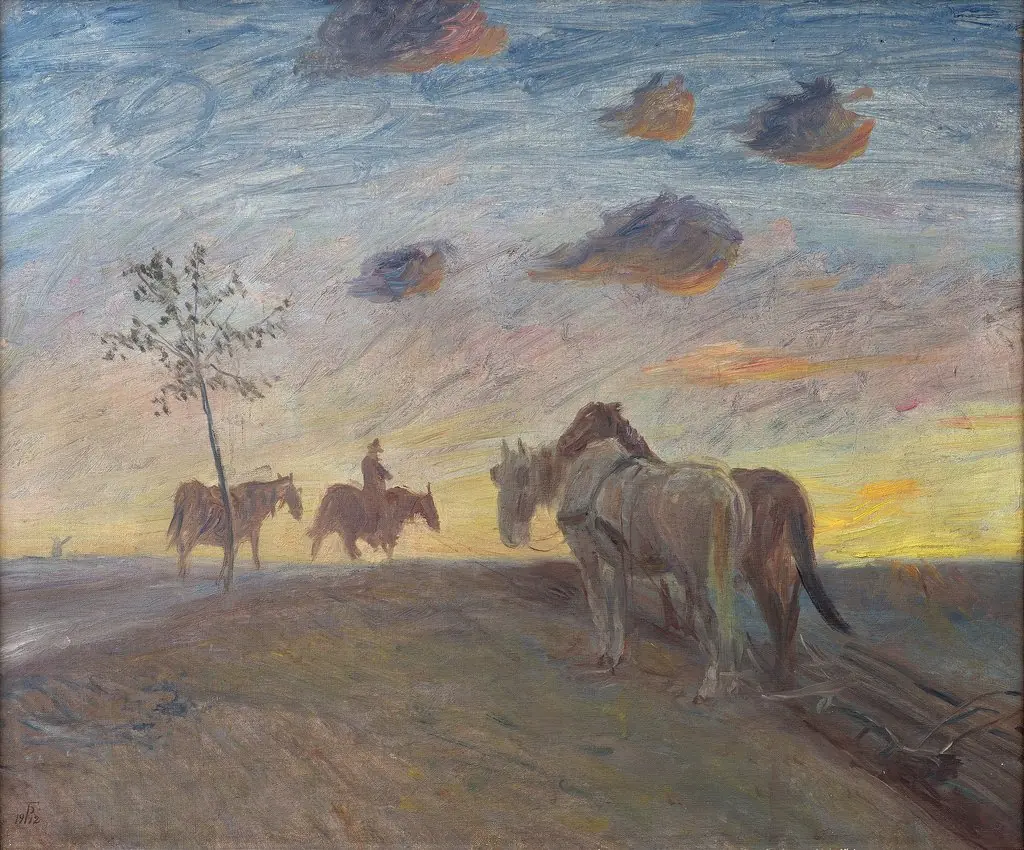
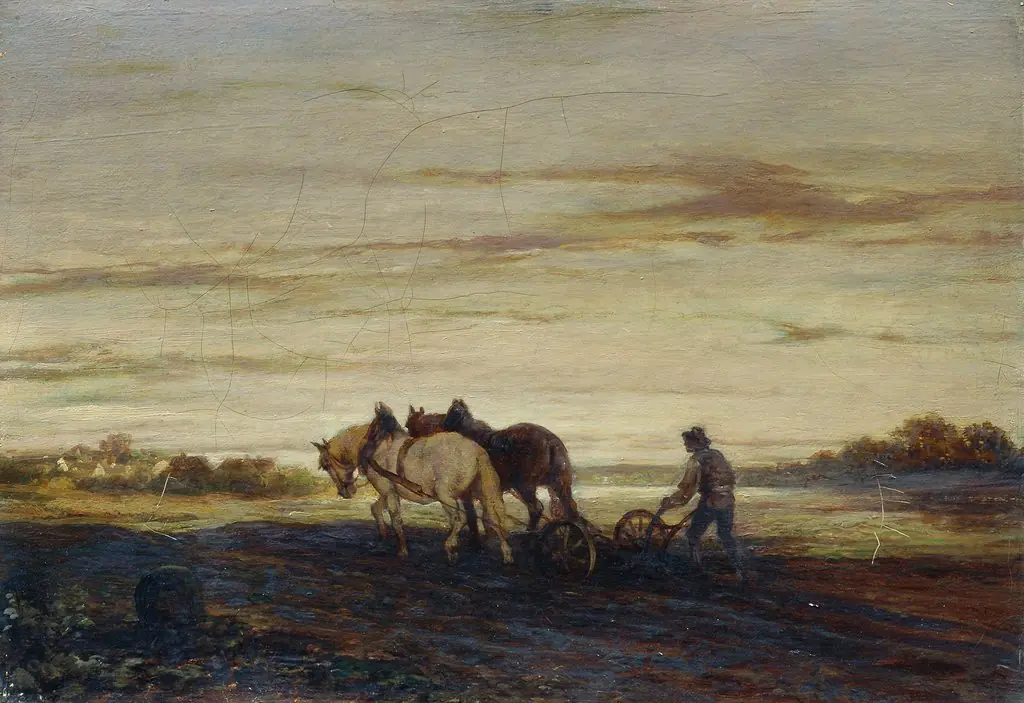
Driving Home is a photography by Unknown. It dates from 1850 and is held in the collection of the Statens Museum for Kunst.
About this work
Overview
The composition emphasizes stillness and movement in equal measure, with the horizon line drawing the eye toward a distant, hazy sky.
Created around 1850, Driving Home is a landscape-oriented painting by 1010_person, currently held in the Museum of Ethnography. It depicts a solitary figure guiding a two-horse wagon along a rural road, set against a quiet, open countryside. The composition emphasizes stillness and movement in equal measure, with the horizon line drawing the eye toward a distant, hazy sky. The work’s modest scale and unadorned subject reflect a focus on everyday rural life.
Subject & Meaning
The painting captures a moment of transition, returning home after a day’s labor. The lone rider, clutching a long staff, suggests a farmer or laborer navigating familiar terrain. The absence of other figures or structures underscores solitude and routine.
The scene carries no overt narrative, instead conveying the quiet rhythm of agricultural life, where movement is measured and purposeful, rooted in the land’s rhythms.
Technique & Style
The artist employed thick applications of paint, particularly in the grass and cloud formations, creating a tactile surface through impasto. This technique adds physical depth to the landscape, contrasting with the softer, blended tones of the sky. Brushwork varies between deliberate strokes for the wagon and looser, atmospheric marks for the horizon, suggesting a balance between observation and emotional resonance rather than precise realism.
History & Provenance
The painting entered the Museum of Ethnography’s collection in the late 19th century, likely acquired as part of a broader effort to document vernacular life. Its origins prior to institutional ownership remain undocumented. No exhibition records or contemporary reviews from the 1850s have been traced, suggesting it was not widely known during the artist’s lifetime, but valued later for its quiet representation of rural labor.
Context
In mid-19th century Europe, depictions of rural labor were gaining attention among artists and collectors, often tied to shifting social structures and industrialization. Driving Home aligns with this trend, offering a non-idealized view of agrarian existence. Unlike romanticized pastoral scenes, it avoids sentimentality, presenting instead a grounded, unembellished moment that reflects the everyday realities of countryside mobility.
Legacy
Though not widely reproduced or studied in major art historical texts, Driving Home remains a quiet reference in ethnographic collections for its unpretentious portrayal of rural transport. Its value lies in its authenticity, capturing a transient, ordinary moment with technical restraint and emotional neutrality. It contributes to broader understandings of how ordinary life was visually recorded outside academic traditions.
Artist & collection