Artwork
Hofkronometerfabrikant Stephen Emil Dahl
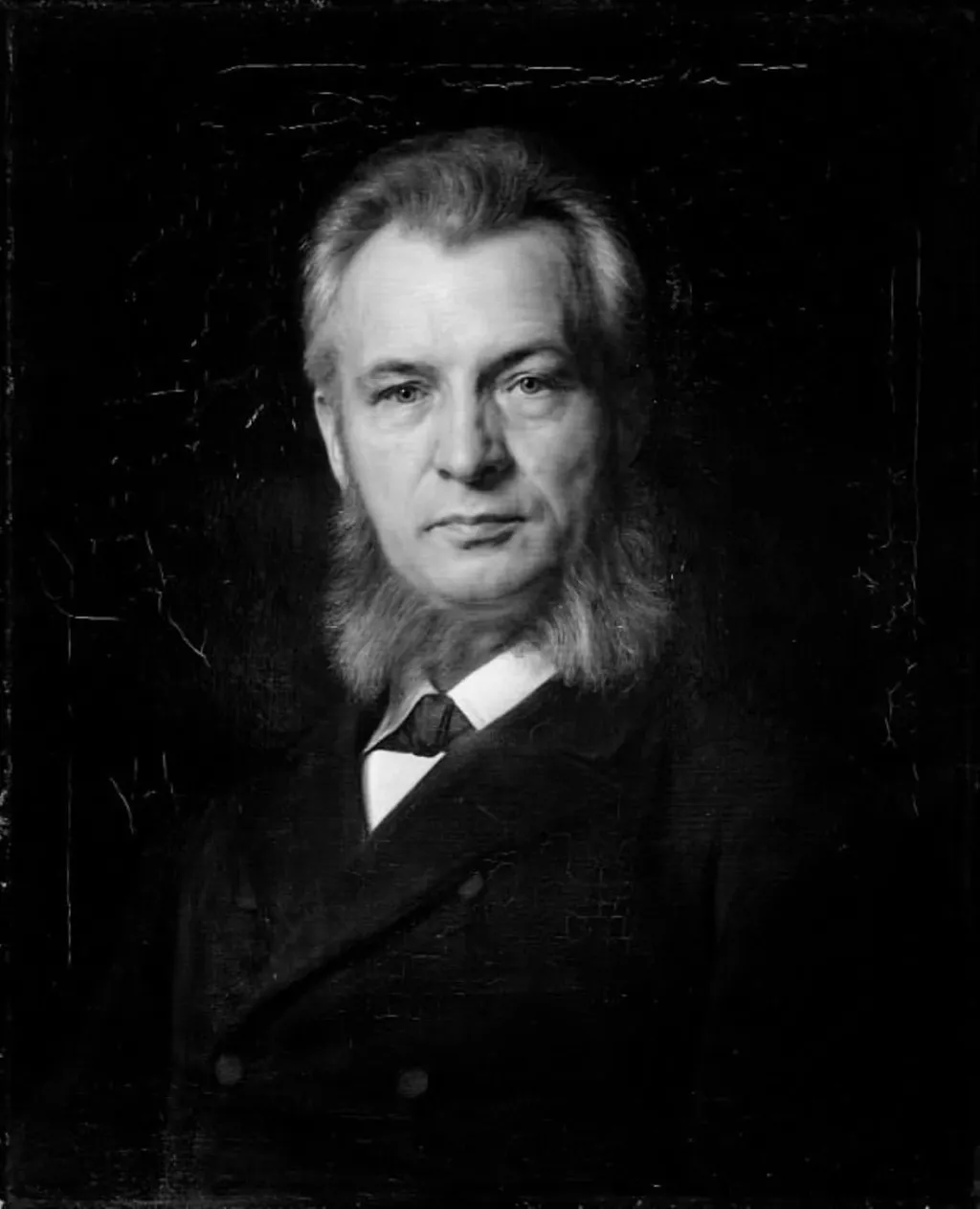
Hofkronometerfabrikant Stephen Emil Dahl is a photography by the Impressionist artist Unknown. It dates from 1887 and is held in the collection of the Statens Museum for Kunst.
About this work
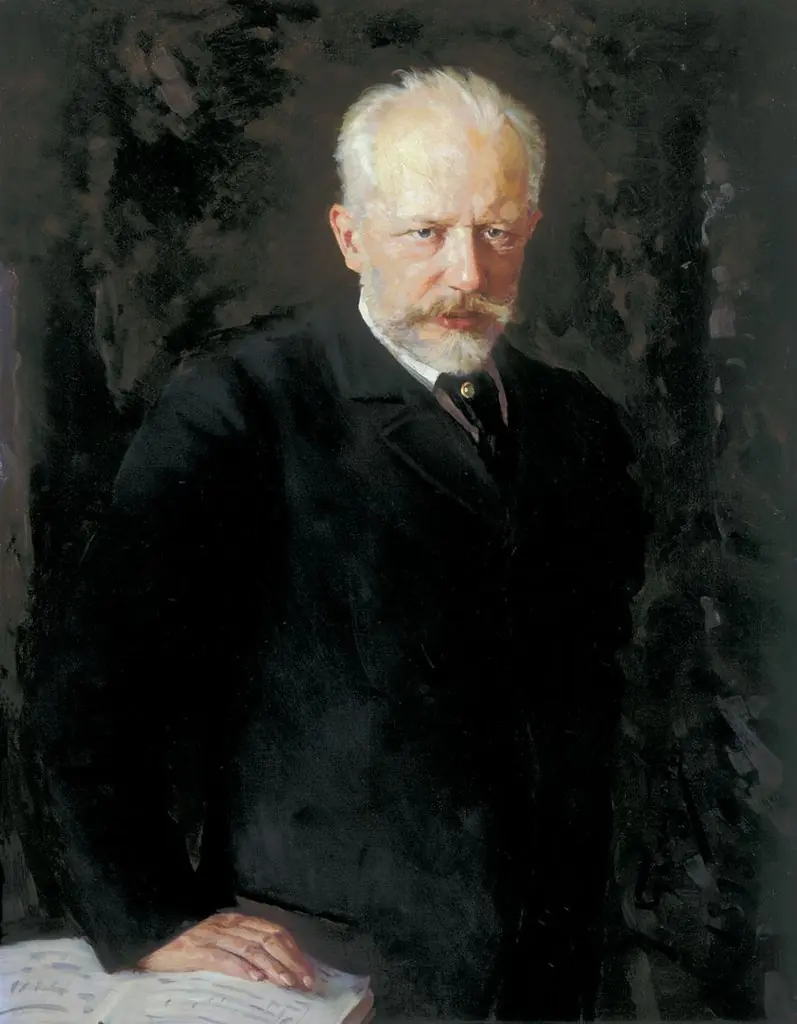
The painting depicts a man with short, light-colored hair and a beard, dressed in a dark suit with a white shirt and a dark tie.
The painting depicts a man with short, light-colored hair and a beard, dressed in a dark suit with a white shirt and a dark tie. The background is dark, with subtle scratches and marks visible on the surface of the image.
The man's attire and the style of the image suggest a formal portrait from the late 19th century. The dark background and the man's serious expression contribute to a sense of solemnity.
To learn more about the artist's use of chiaroscuro, a technique that uses strong contrasts between light and dark to create a sense of volume in depicted objects, explore the works of 1056_person.
Overview
Created in 1887, the work titled Hofkronometerfabrikant Stephen Emil Dahl is an image held by the Museum of Ethnography. It presents a single figure rendered in a restrained palette, set against a muted, darkened backdrop that emphasizes the sitter’s presence. The composition reflects the conventions of formal portraiture prevalent in the late nineteenth century.
Subject & Meaning
The portrait shows a man with light‑colored, short hair and a neatly trimmed beard, dressed in a dark suit, white shirt, and matching tie. His gaze is steady and his expression sober, conveying a sense of professional dignity appropriate to a clock‑maker of the period. The subdued setting reinforces the seriousness of his occupation.
Technique & Style
Executed with careful attention to light and shadow, the image employs chiaroscuro to model the figure’s features against the deep background. Subtle surface marks and faint scratches on the panel contribute texture, while the contrast between illuminated clothing and surrounding darkness creates a three‑dimensional effect typical of academic portraiture of the era.
History & Provenance
The piece was produced in 1887 and later entered the collection of the Museum of Ethnography, where it remains on display. Its acquisition reflects the institution’s interest in documenting industrial and craft professions through visual representation, preserving a visual record of a 19th‑century clock‑maker’s identity.
Artist & collection









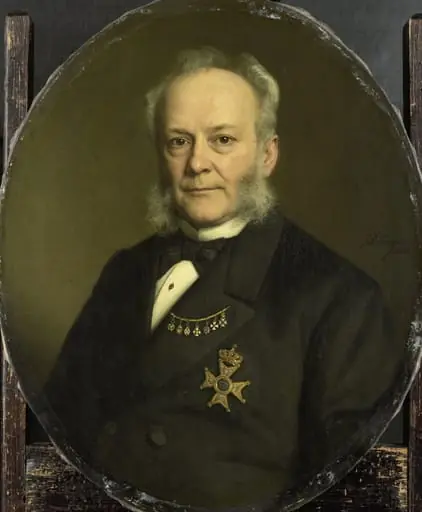
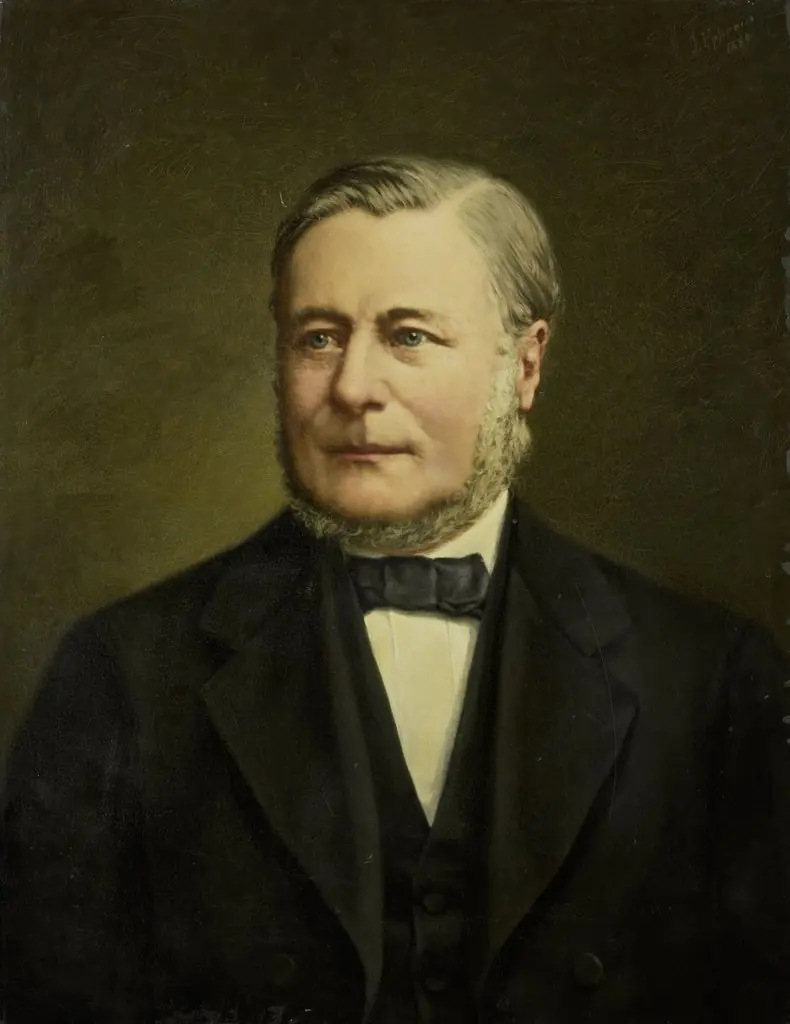 Portrait of Pieter Hendrik van Gelder (1822-1883)
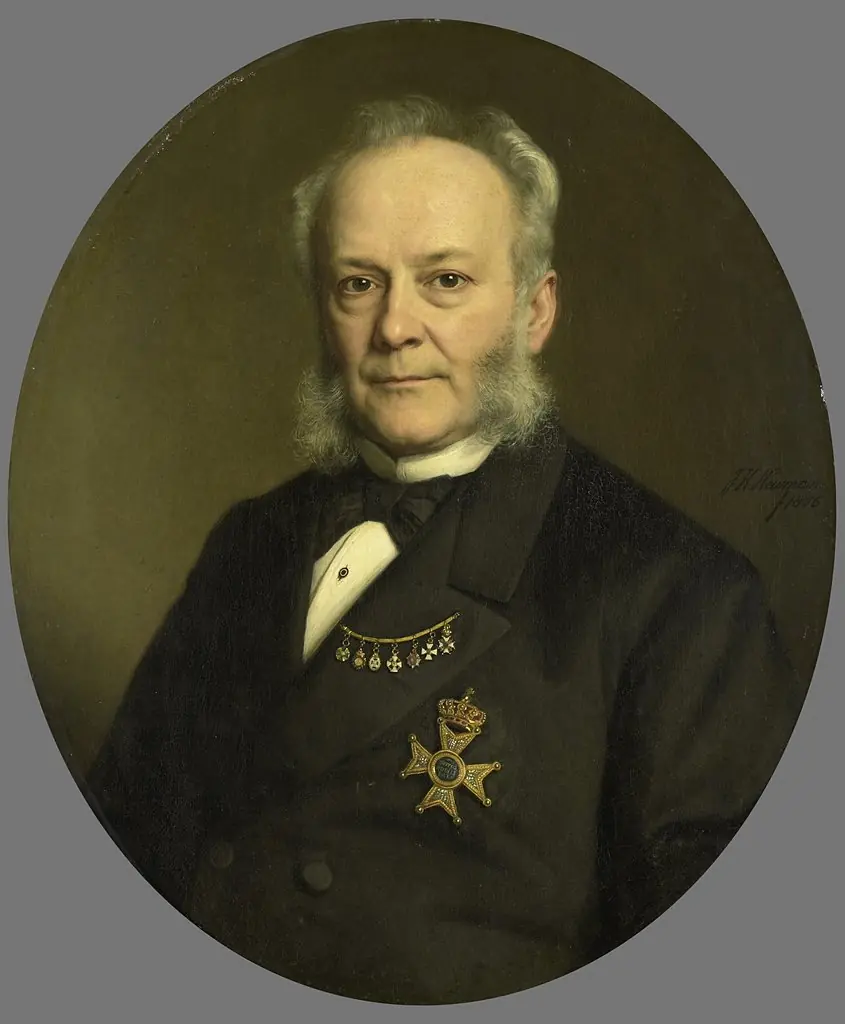 Pieter Mijer (1812-81). Gouverneur-generaal van Nederlands Oost Indië
 Untitled
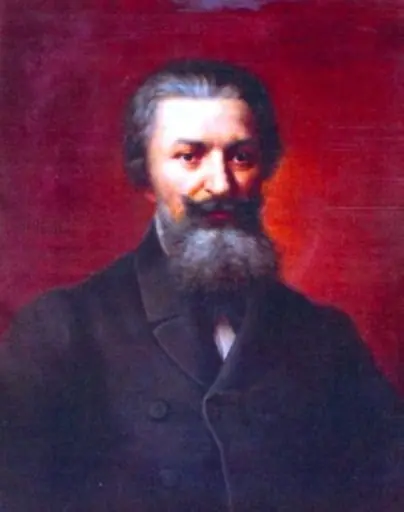 Costache Negri
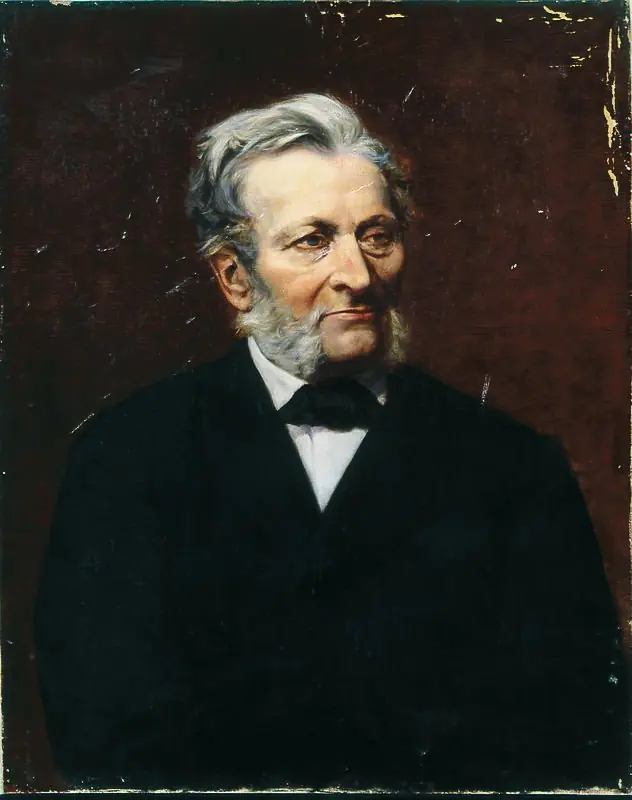 Portrait of Justynian Karnicki, president of Society of Fine Arts
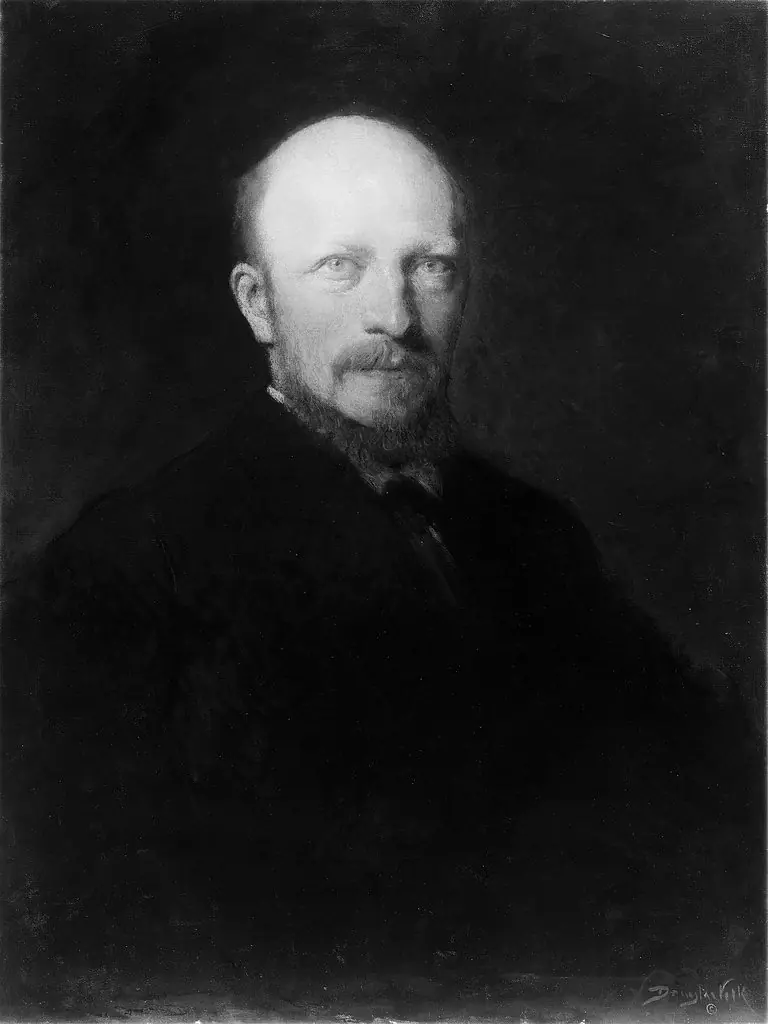 Felix Adler
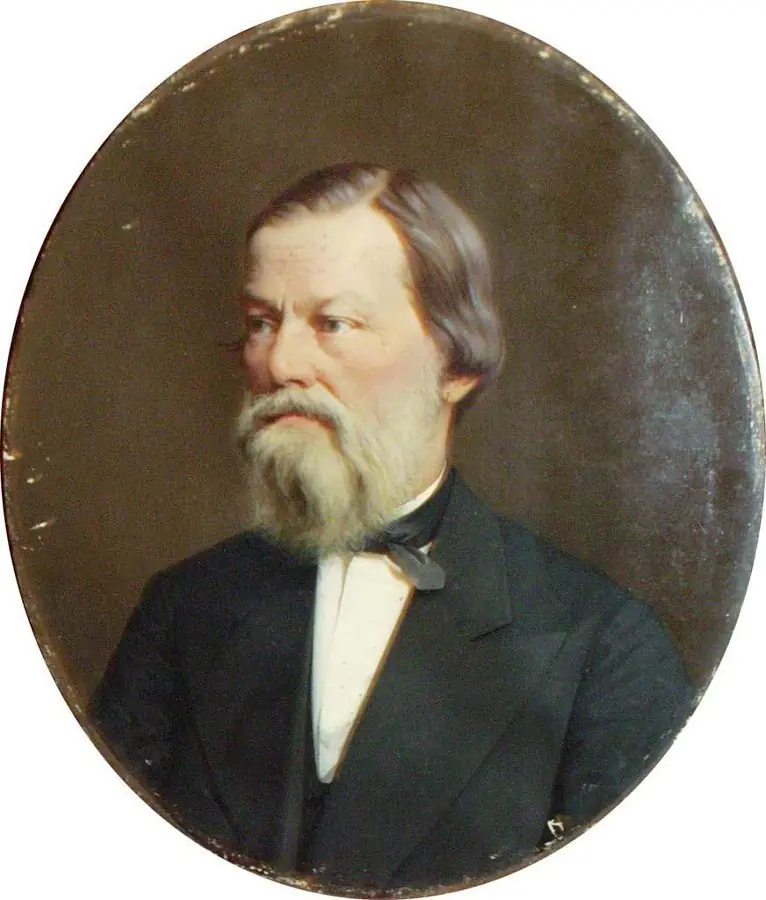 Portrait of the Manufacturer N.M. Brusnitsyn
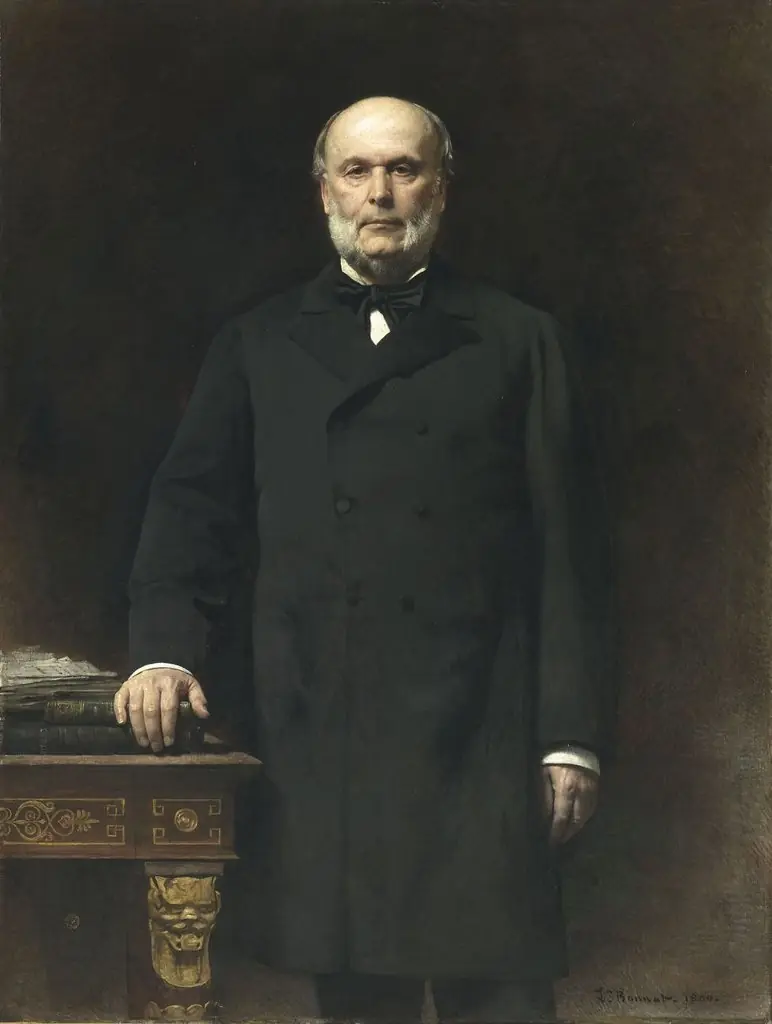 Portrait de Jules Grévy (1807-1891)
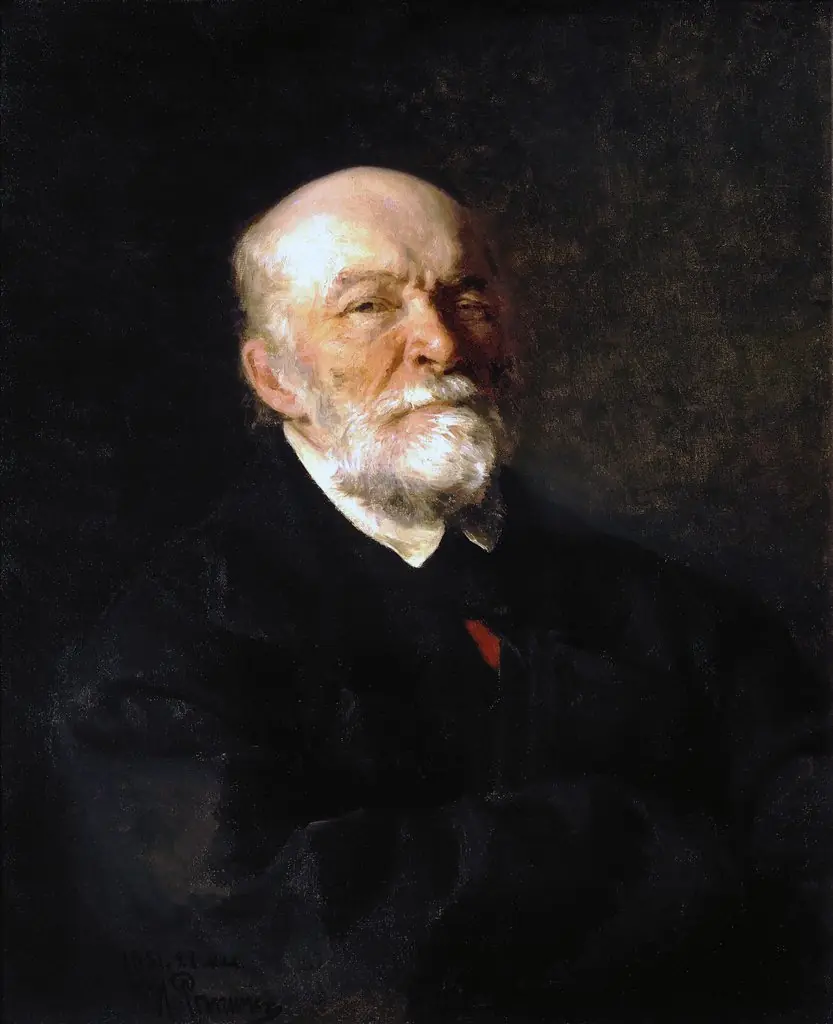 Portrait of the Surgeon Nikolai Ivanovich Pirogov
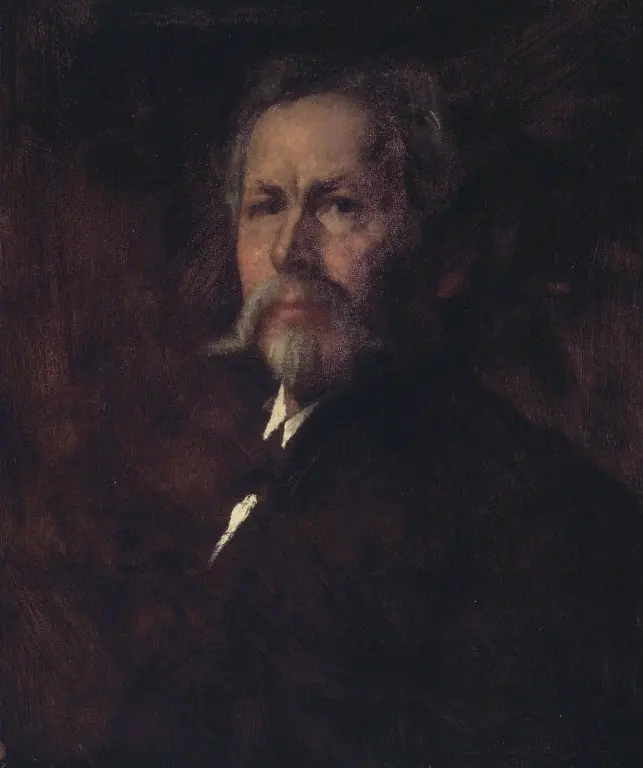 Self-portrait
 Pyotr Tchaikovsky
- Hofkronometerfabrikant Stephen Emil Dahl