Artwork
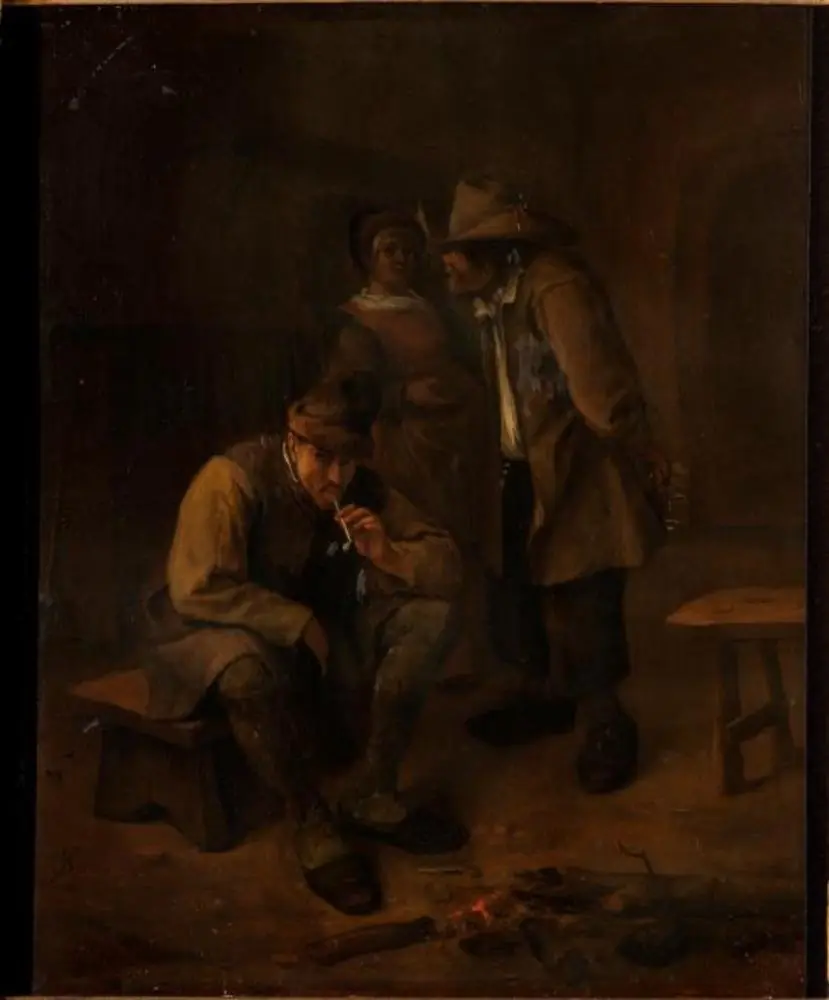
A Room in a Cottage
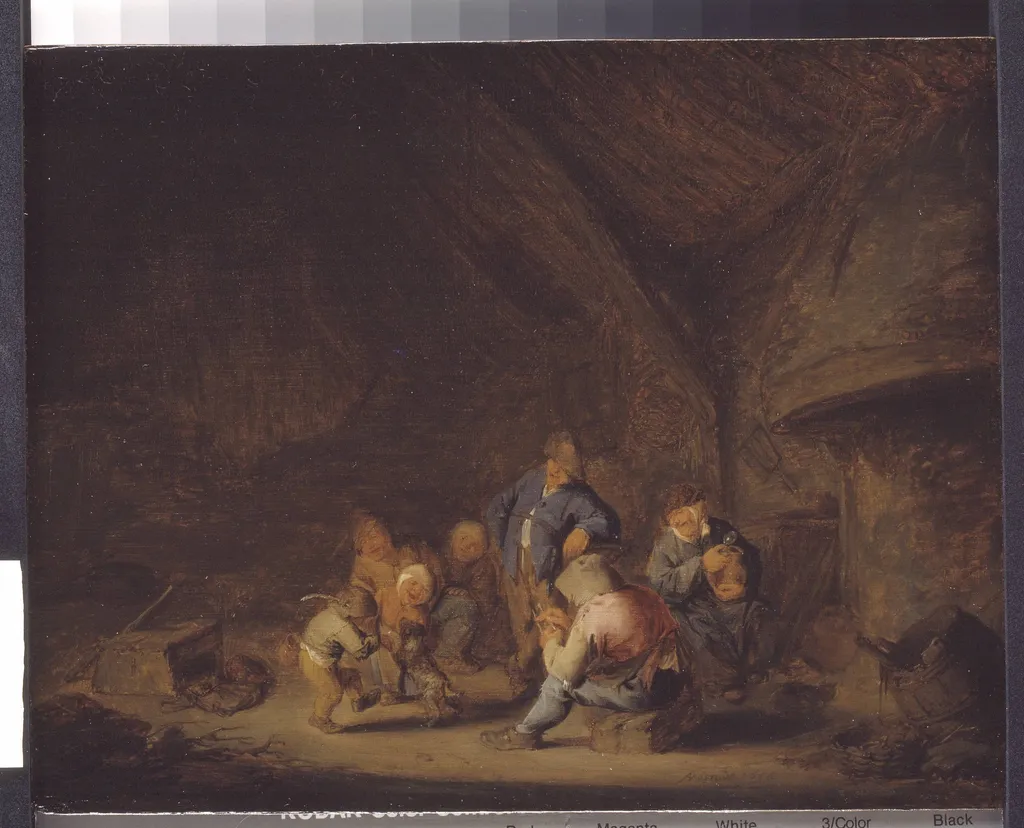
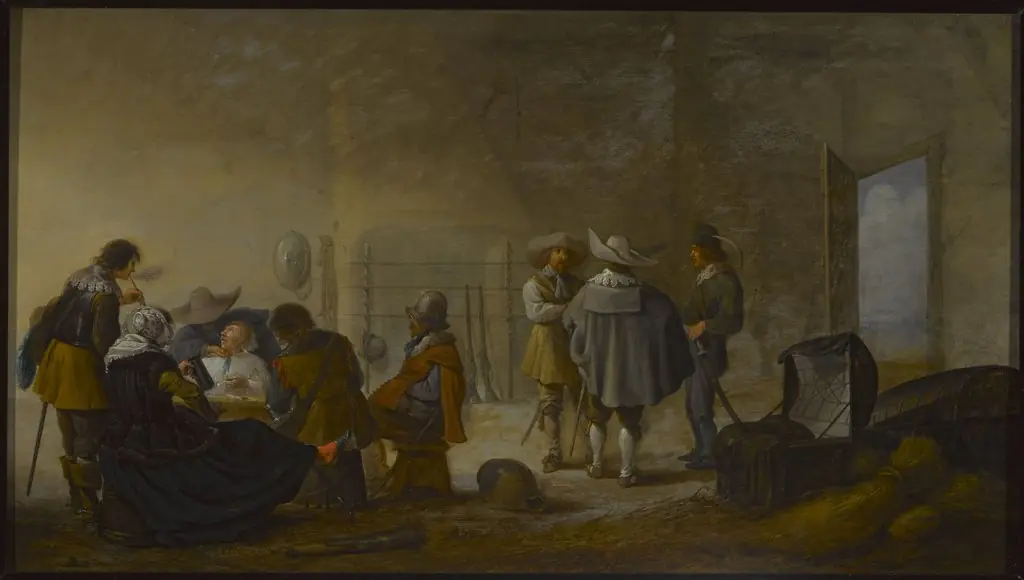
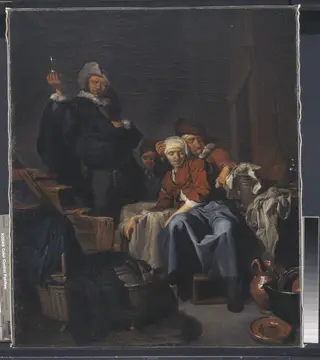
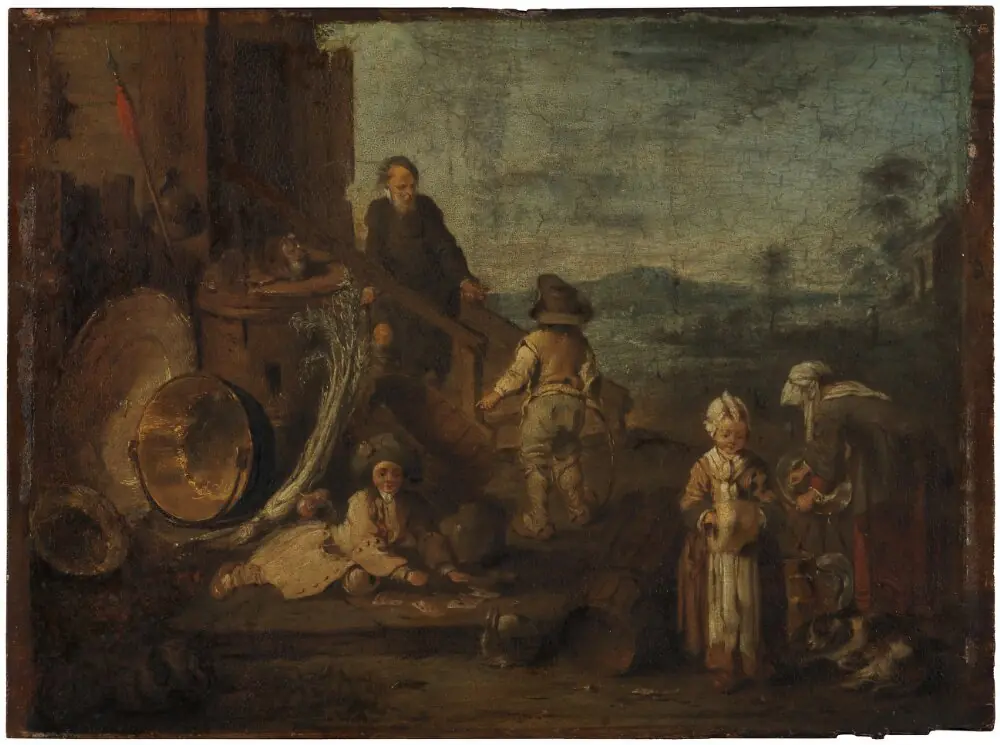
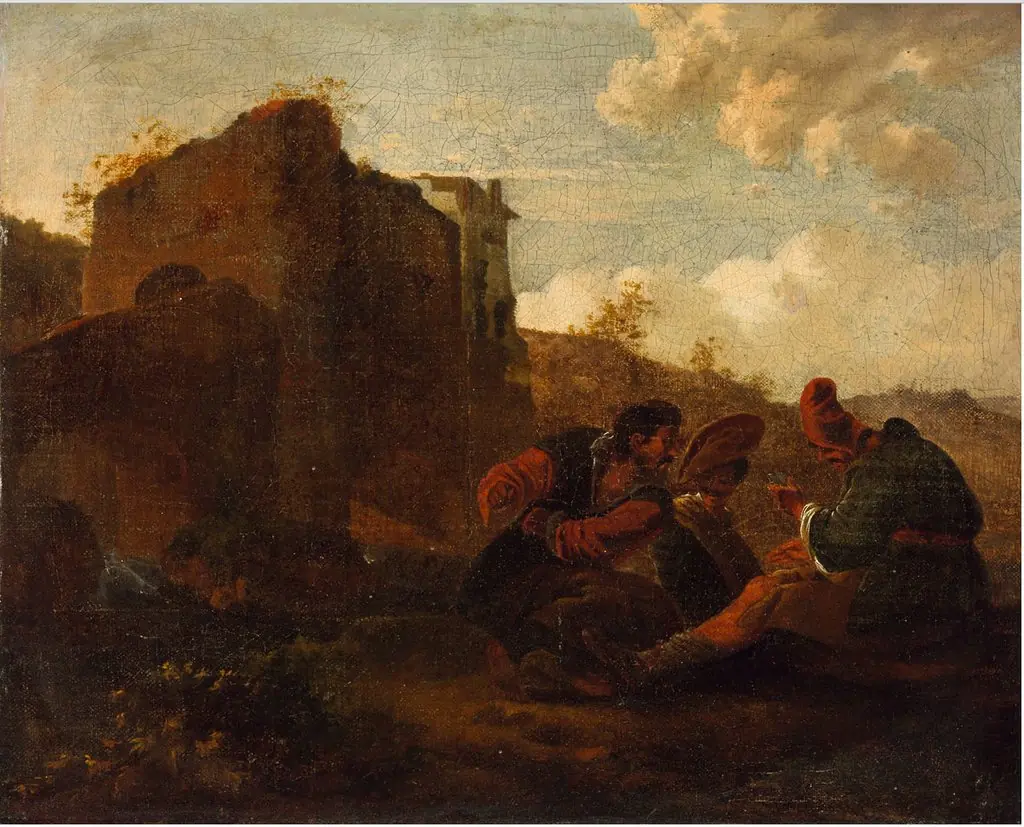
A Room in a Cottage is a photography by the Baroque artist Unknown. It dates from 1636 and is held in the collection of the Statens Museum for Kunst.
About this work
Overview
Painted in 1636, A Room in a Cottage depicts an interior scene of modest domestic life. The work is attributed to an artist active in the late Renaissance and early Baroque period. It resides in the Museum of Ethnography, where it is valued for its quiet observation of everyday rural existence rather than grand narrative or religious themes.
Subject & Meaning
The painting shows a small group of individuals gathered near a hearth, engaged in quiet, unremarkable activities. Their postures and proximity suggest familiarity and shared routine. The absence of dramatic action or symbolic elements points to an emphasis on ordinary human experience, reflecting a growing interest in domestic realism during the period.
Technique & Style
The artist employs chiaroscuro to define space and form, using subtle gradations of light and shadow to model figures and furnishings. Colors are restrained, earthy tones dominate, enhancing the sense of intimacy. Brushwork is controlled but not overly refined, supporting a naturalistic tone that avoids theatricality while still conveying depth and texture.
History & Provenance
The painting entered the Museum of Ethnography’s collection in the late 19th century, likely acquired as part of a broader effort to document vernacular life. Its origins prior to that are undocumented, though its style aligns with regional Dutch and Flemish traditions of interior genre painting from the early 17th century.
Context
Created during a time when secular subjects gained prominence, the work reflects a shift away from religious and aristocratic themes toward depictions of common life. Similar interiors by contemporaries reveal a wider cultural fascination with the quiet dignity of home, especially in regions where Protestant values emphasized modesty and domestic virtue.
Legacy
Though not widely reproduced or studied in mainstream art history, the painting contributes to a quieter lineage of Northern European genre scenes. It remains a reference point for scholars examining how ordinary spaces were rendered with psychological nuance, influencing later realist traditions in 19th-century European painting.
Artist & collection