Artwork
Christian IV's Vision at Rothenburg Castle
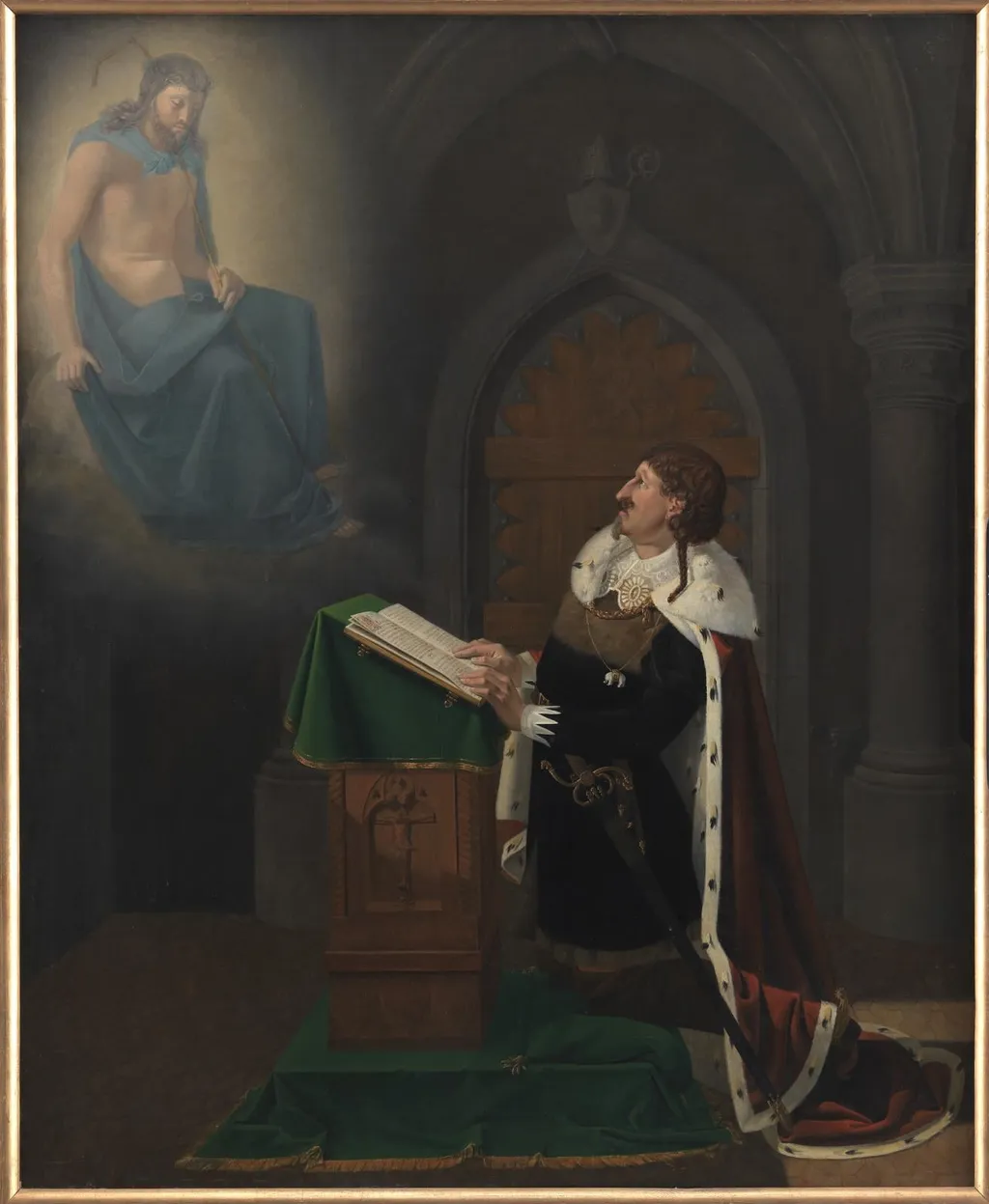
Christian IV's Vision at Rothenburg Castle is a photography by the Romanticist artist Unknown. It dates from 1823 and is held in the collection of the Statens Museum for Kunst. Created in 1823, this image depicts a moment of divine encounter attributed to King Christian IV of Denmark.
About this work
Overview
Created in 1823, this image depicts a moment of divine encounter attributed to King Christian IV of Denmark. Rendered in a Romantic style, it portrays the monarch in a moment of spiritual contemplation at Rothenburg Castle. The scene blends historical reference with symbolic imagery, placing the king in a liminal space between earthly power and celestial revelation.
Subject & Meaning
The kneeling figure, dressed as a monarch, is shown in prayer before an open book, suggesting divine revelation through scripture.
The kneeling figure, dressed as a monarch, is shown in prayer before an open book, suggesting divine revelation through scripture. Above him, a figure crowned with thorns hovers in a misty sky, evoking Christ’s presence. The wooden door behind him, carved with a cross, reinforces the sacred setting. The composition implies a personal vision granted to the king, merging royal authority with religious humility.
Technique & Style
The work employs Romantic-era conventions: dramatic lighting, atmospheric haze, and heightened emotional tone. The king’s rich robes contrast with the dim, indistinct background, drawing focus to his posture and the celestial figure above. The lack of legible text on the book emphasizes symbolic meaning over literal detail, prioritizing mood and spiritual suggestion over realism.
History & Provenance
The image was produced in 1823 and is now held in the collection of the Museum of Ethnography. Its origin as a standalone visual piece, rather than an illustration or commission, suggests it was intended as a meditative or allegorical work. The attribution to an artist identified only as 259_person reflects limited documentation from the period.
Context
Produced during the height of Romanticism, the image reflects a broader European fascination with historical figures experiencing divine intervention. Christian IV, a real monarch known for his piety and patronage, became a symbol of enlightened rule. This depiction aligns with contemporary efforts to romanticize national history through spiritual narrative.
Legacy
Though not widely reproduced, the image remains a quiet example of how Romantic artists reimagined historical figures through emotional and supernatural lenses. Its preservation in an ethnographic museum underscores its role as a cultural artifact reflecting 19th-century ideals of kingship, faith, and national identity rather than as a religious icon.
Artist & collection









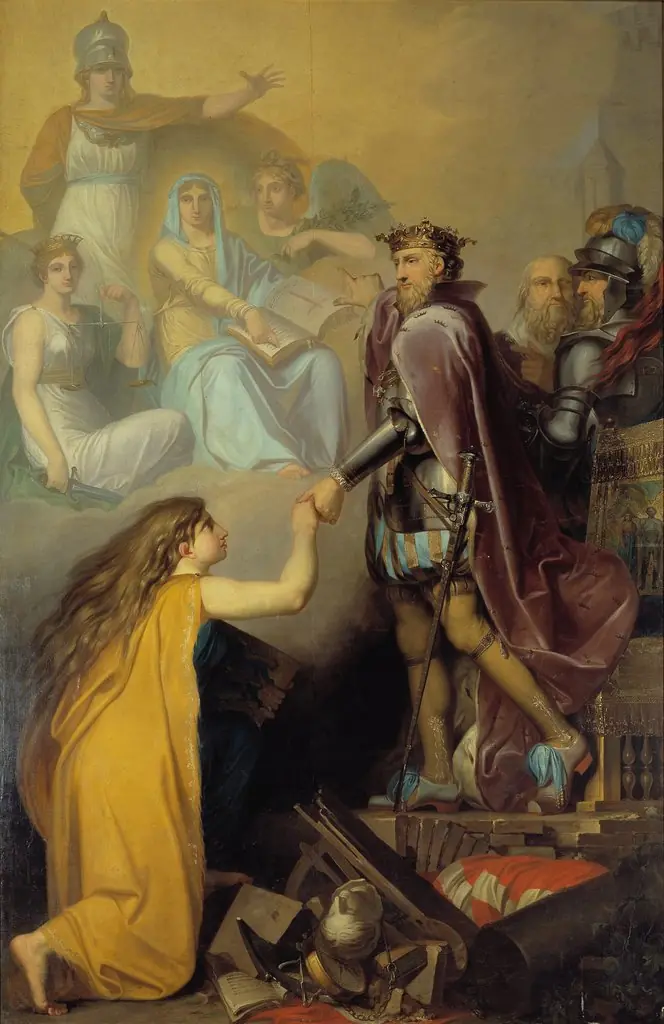 Christian III Succouring Denmark
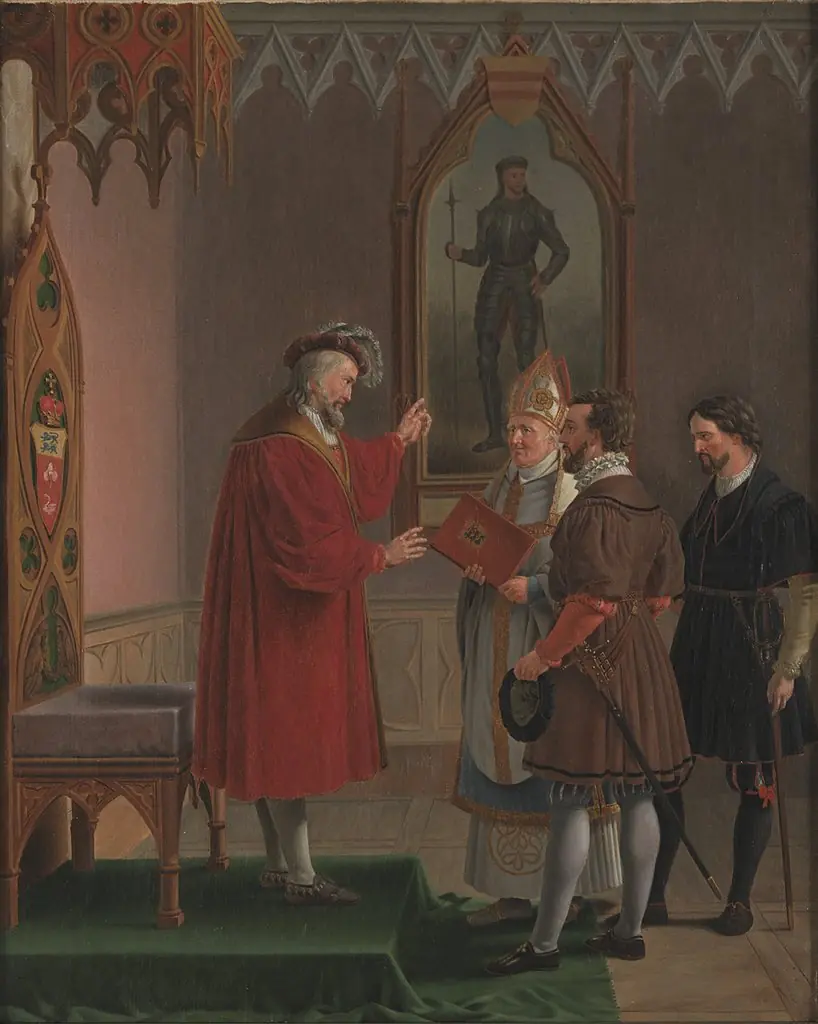 Adolf, Duke of Schleswig-Holstein, Declines the Offer to Accede to the Danish Throne. Copy after C. W. Eckersberg
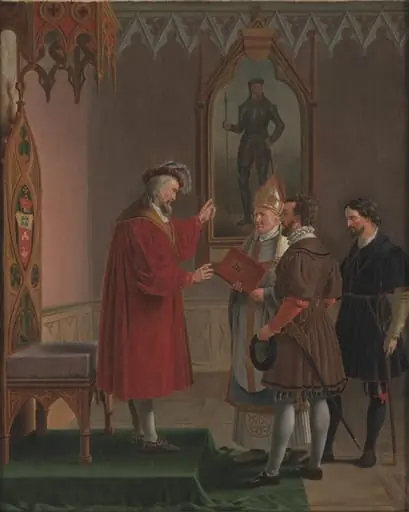 Adolf, Duke of Schleswig-Holstein, Declines the Offer to Accede to the Danish Throne. Copy after C. W. Eckersberg
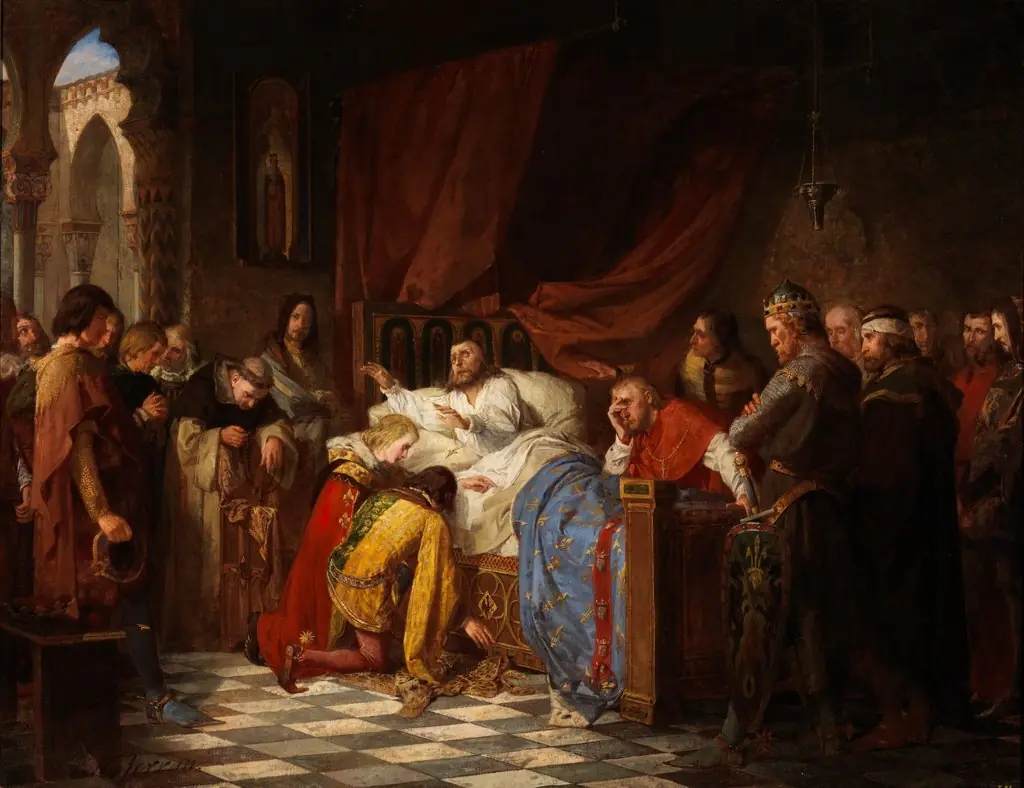 Felipe III de Francia moribundo bendiciendo a sus hijos
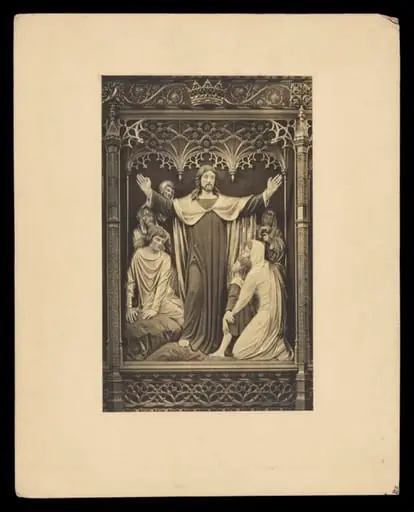 Altar Panel - Southwold Church
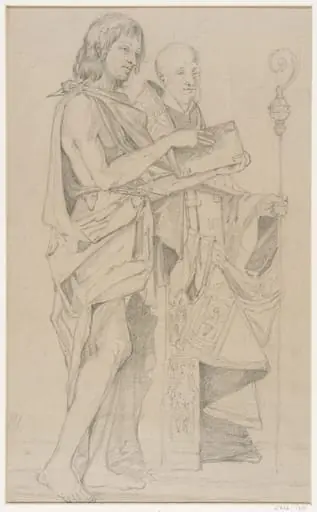 St. Nazzaro and St. Celso: study of part of an altarpiece by Bartolommeo Montagna
 The ressurrection. Sketch for an altarpiece
 Charles VII Writing a Farewell Letter to His Wife
 John II receives the submission of Charles II of Navarre
 Rustic Piety