Artwork
Fru Lina Frølich med solhat
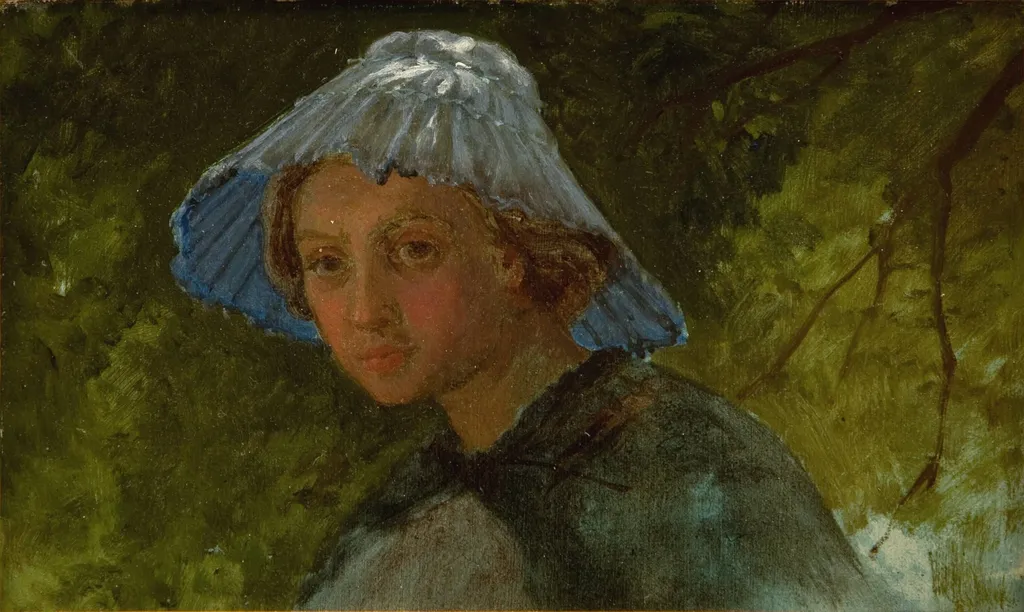
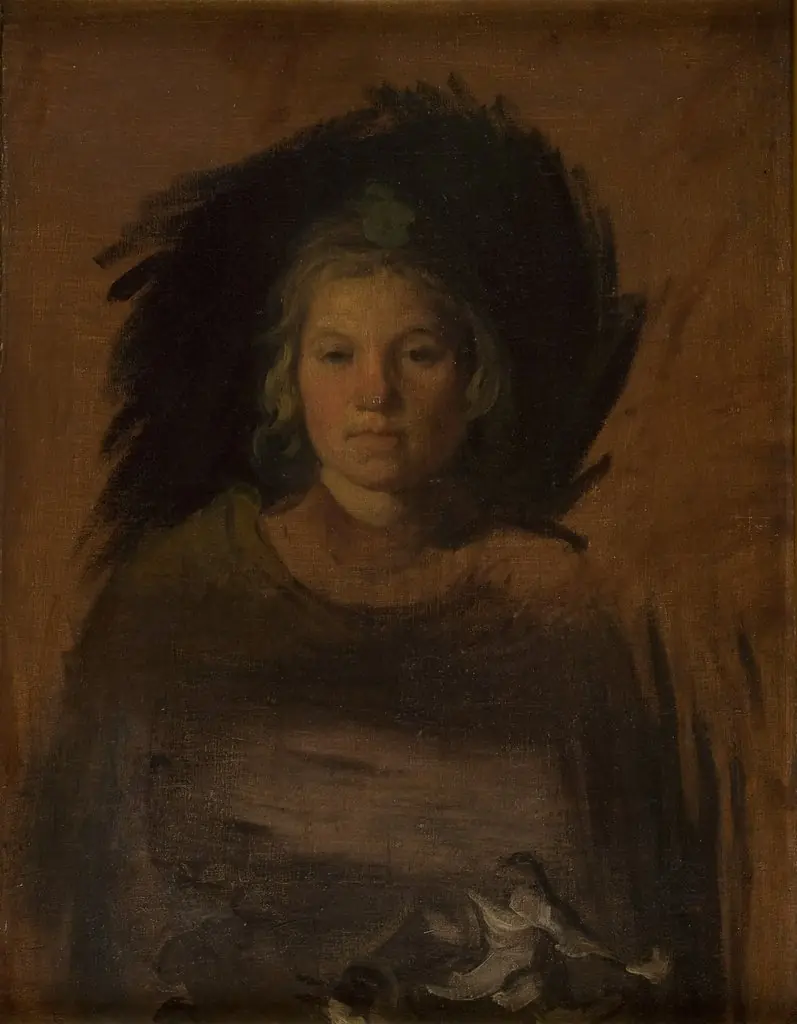
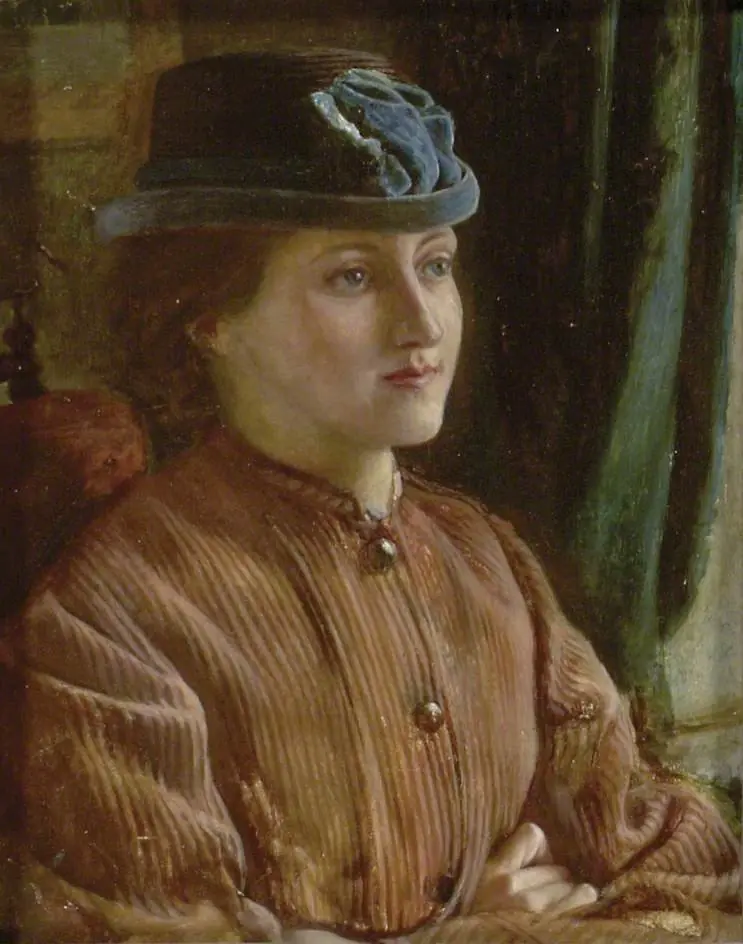
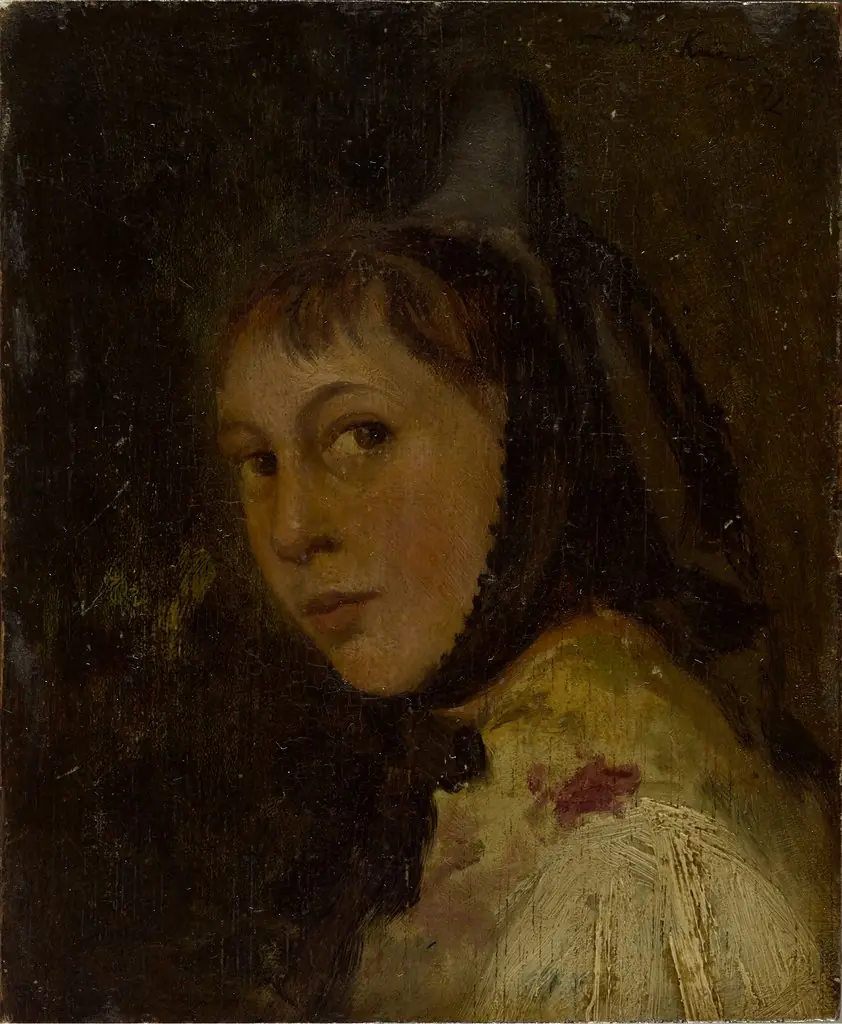
Fru Lina Frølich med solhat is a photography by the Impressionist artist Unknown. It dates from 1859 and is held in the collection of the Statens Museum for Kunst. Painted in 1859, this portrait depicts Lina Frølich wearing a wide-brimmed blue hat with a white band.
About this work
Overview
The work is held in the collection of the Museum of Ethnography, where it is valued for its quiet observation of a private moment.
Painted in 1859, this portrait depicts Lina Frølich wearing a wide-brimmed blue hat with a white band. The artist rendered her in a quiet, intimate moment, capturing her gaze just as it turns toward the viewer. The background dissolves into muted greens and shadows, suggesting a natural setting without defining it.
The work is held in the collection of the Museum of Ethnography, where it is valued for its quiet observation of a private moment.
Subject & Meaning
Lina Frølich, a woman of her time, is portrayed not as a noble figure but as an individual in ordinary attire. The sun hat implies an outdoor setting, perhaps a garden or woodland walk, grounding the image in daily life. Her calm expression and the shadow cast by the hat suggest introspection rather than performance. The portrait avoids theatricality, instead emphasizing presence over status or narrative.
Technique & Style
The painting employs soft, blended brushwork and a restrained palette of blues, greens, and earth tones. The background is loosely rendered, creating depth without detail, while the hat and face are more defined, drawing focus. Light falls gently across the face, enhancing the sense of quiet atmosphere.
The technique favors atmosphere over precision, aligning with emerging tendencies in 19th-century portraiture that valued mood over formalism.
History & Provenance
The painting entered the Museum of Ethnography’s collection in the late 19th or early 20th century, likely through private donation or acquisition. Its presence in an ethnographic context, rather than a fine arts museum, suggests early interest in its depiction of everyday life as culturally significant. The artist’s identity remains unconfirmed in public records, though the date and subject are documented.
Context
Created during the rise of Realism in European art, the work reflects a broader shift toward depicting ordinary individuals with dignity and subtlety. While not overtly political, its focus on a non-elite subject aligns with Realist ideals of observing contemporary life without idealization. Similar portraits from this period often emphasized natural settings and unposed expressions, rejecting the grandeur of earlier academic traditions.
Legacy
Though not widely exhibited outside its institutional home, the portrait contributes to a quieter strand of 19th-century Nordic art that valued intimacy over spectacle. Its preservation in an ethnographic museum underscores its role as a document of personal and cultural habit rather than artistic innovation. It remains a quiet example of how everyday presence could be rendered with sensitivity during a period of artistic transformation.
Artist & collection