Artwork
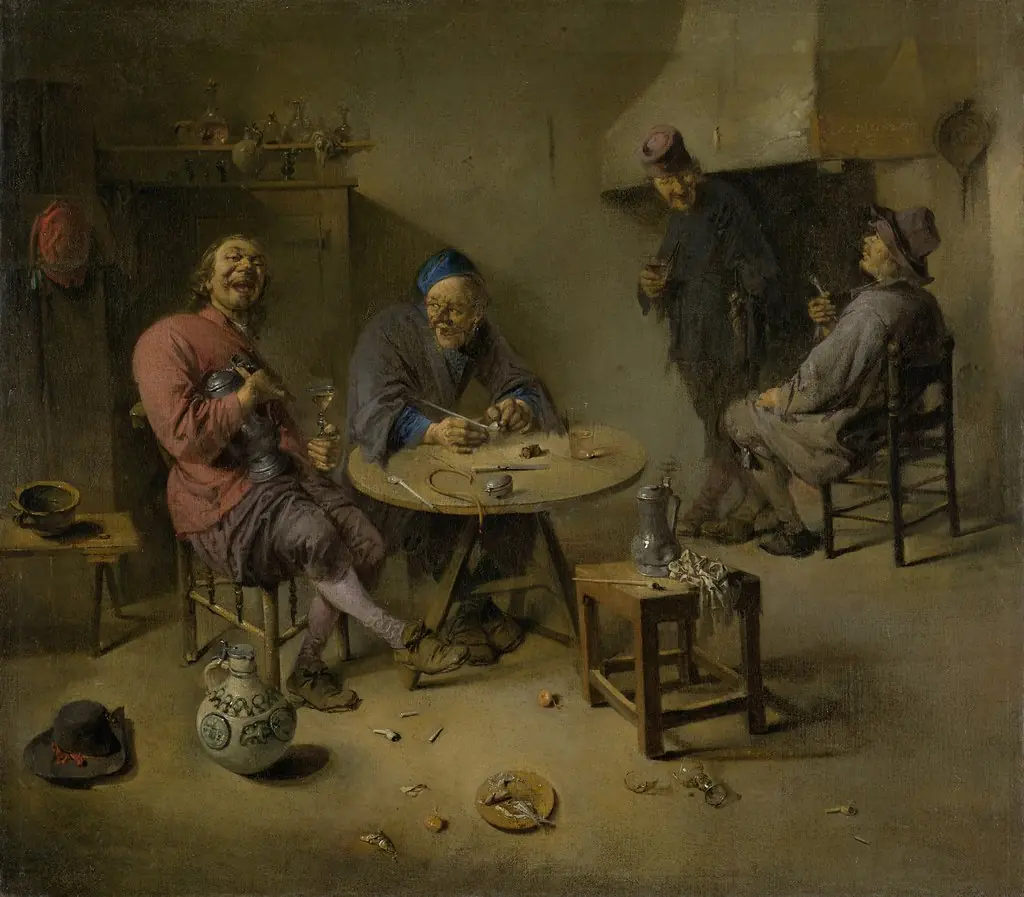
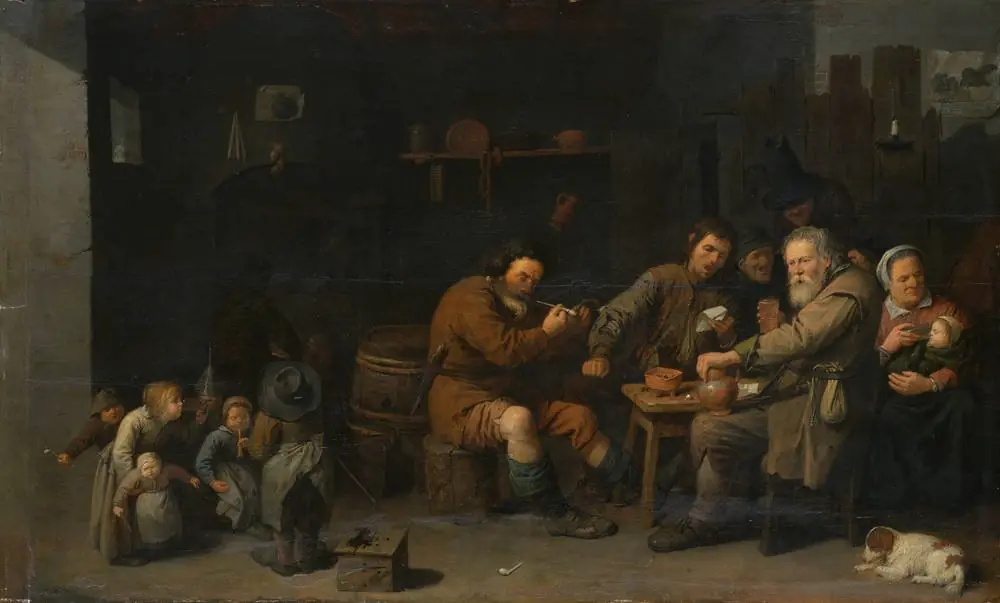
De gelagkamer
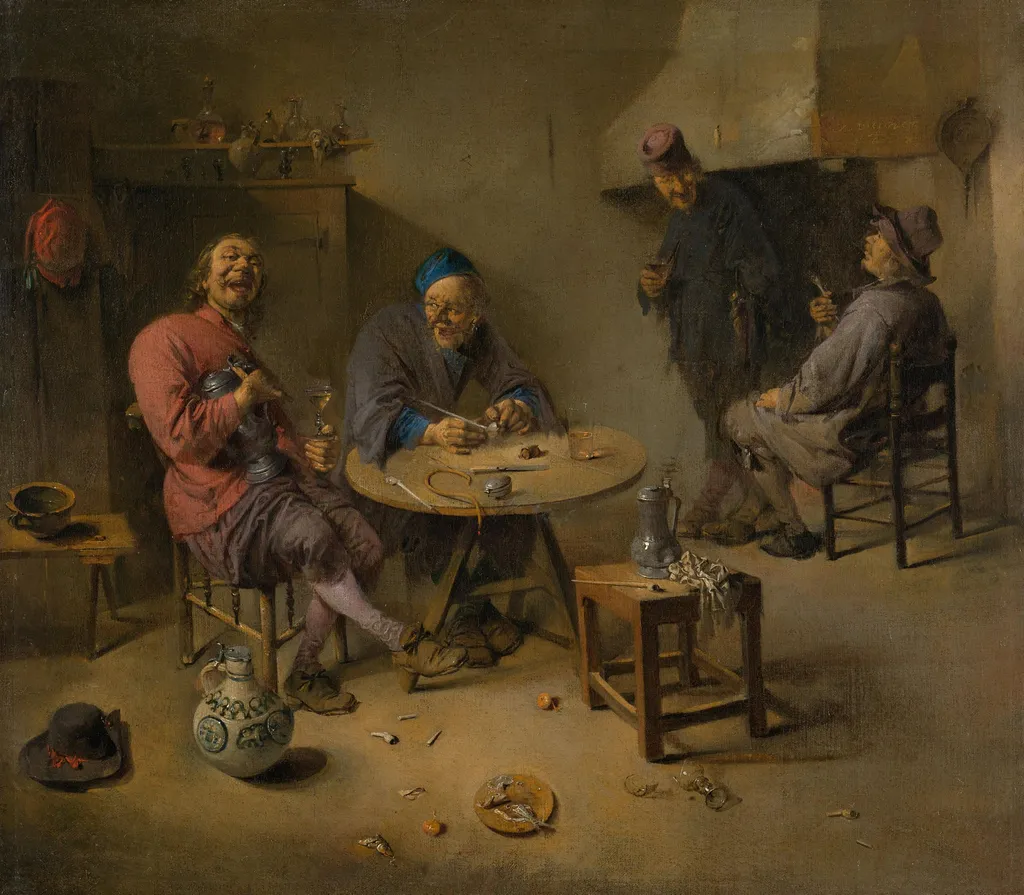
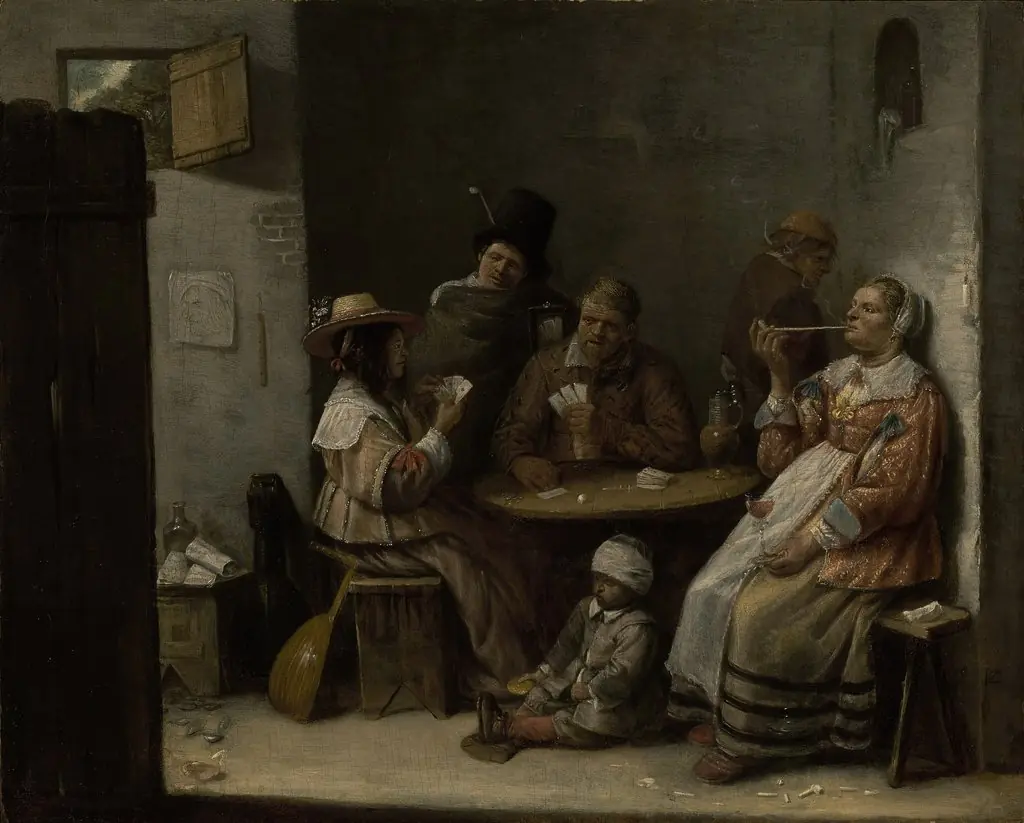
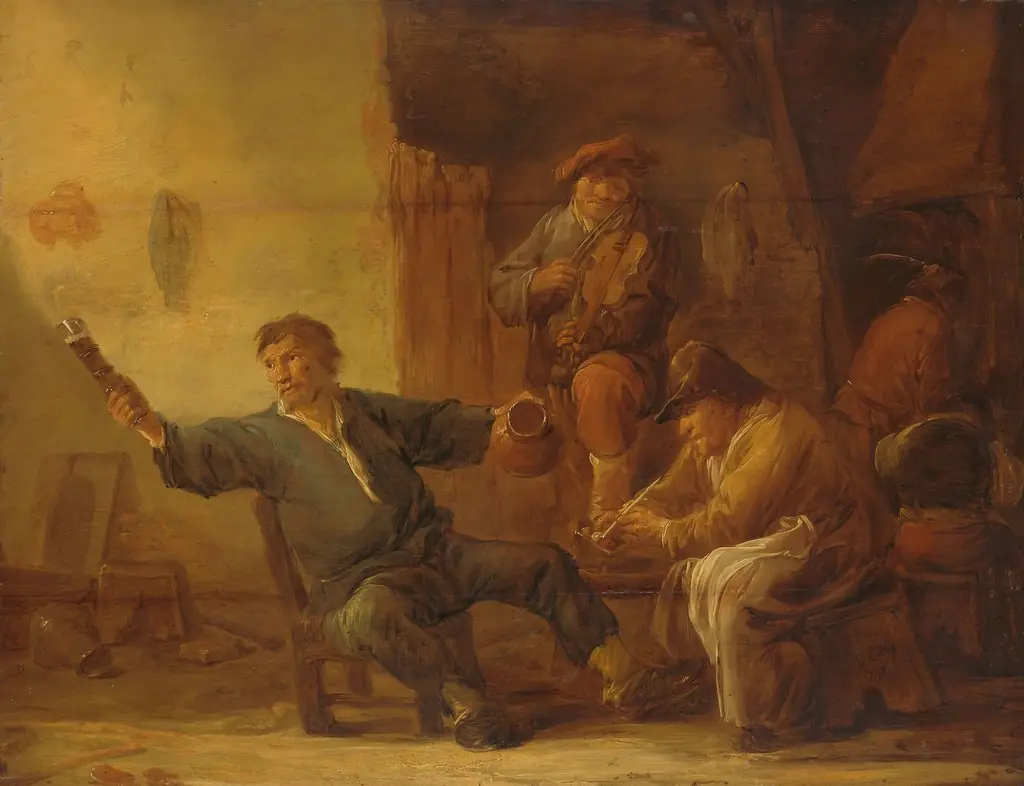
De gelagkamer is an unspecified painting by the Baroque artist Abraham Diepraam. It dates from 1665 and is held in the collection of the Rijksmuseum.
About this work
History & Provenance
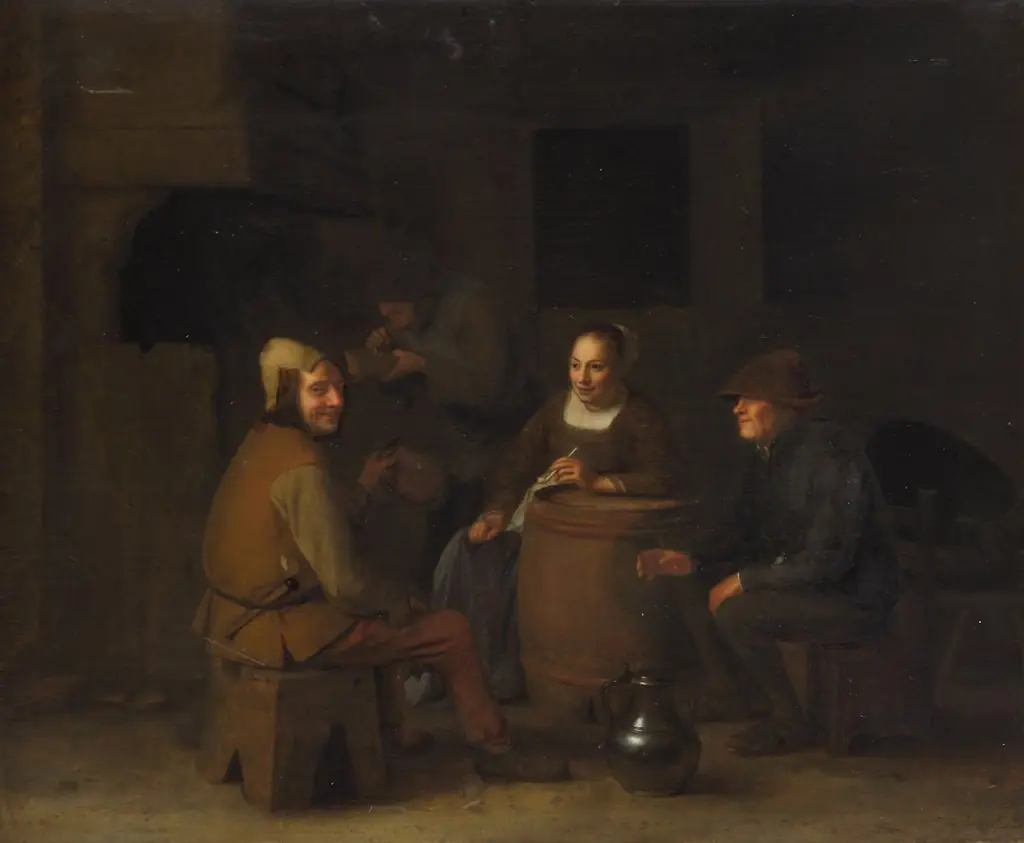
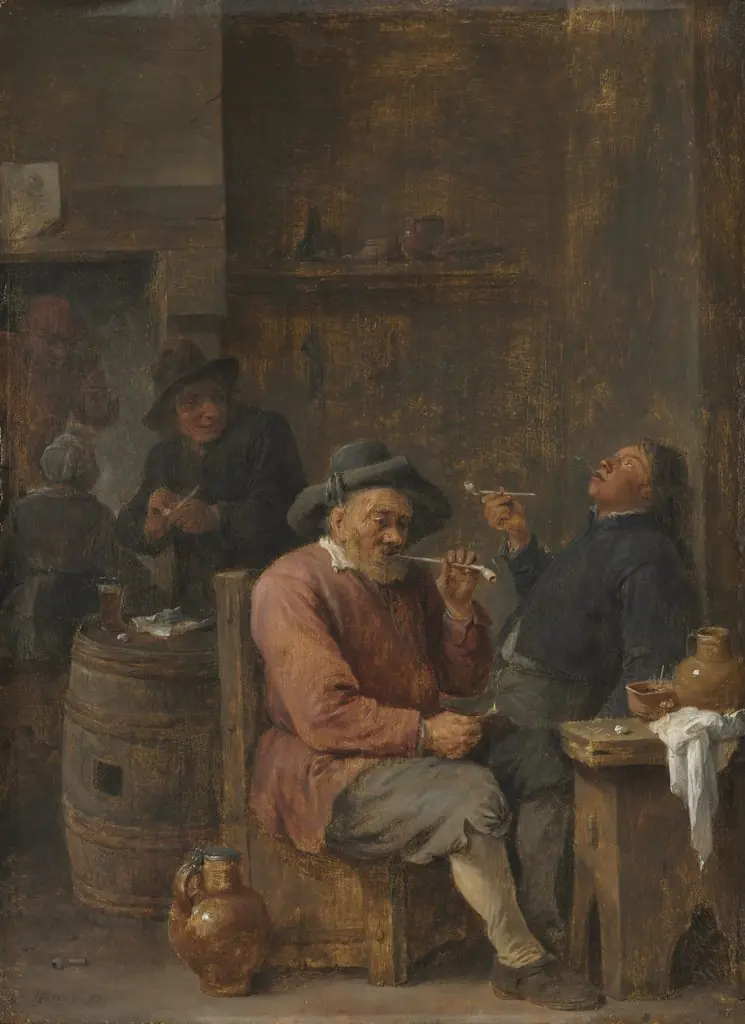
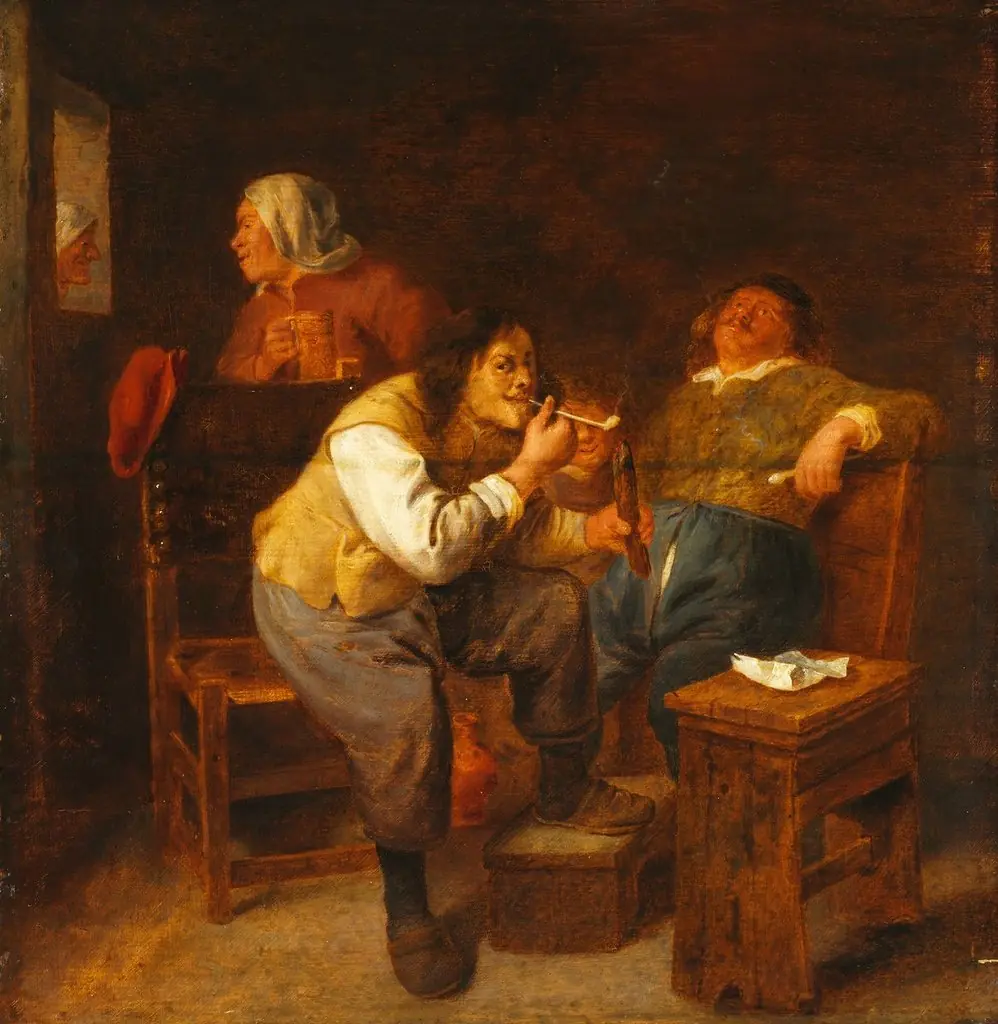
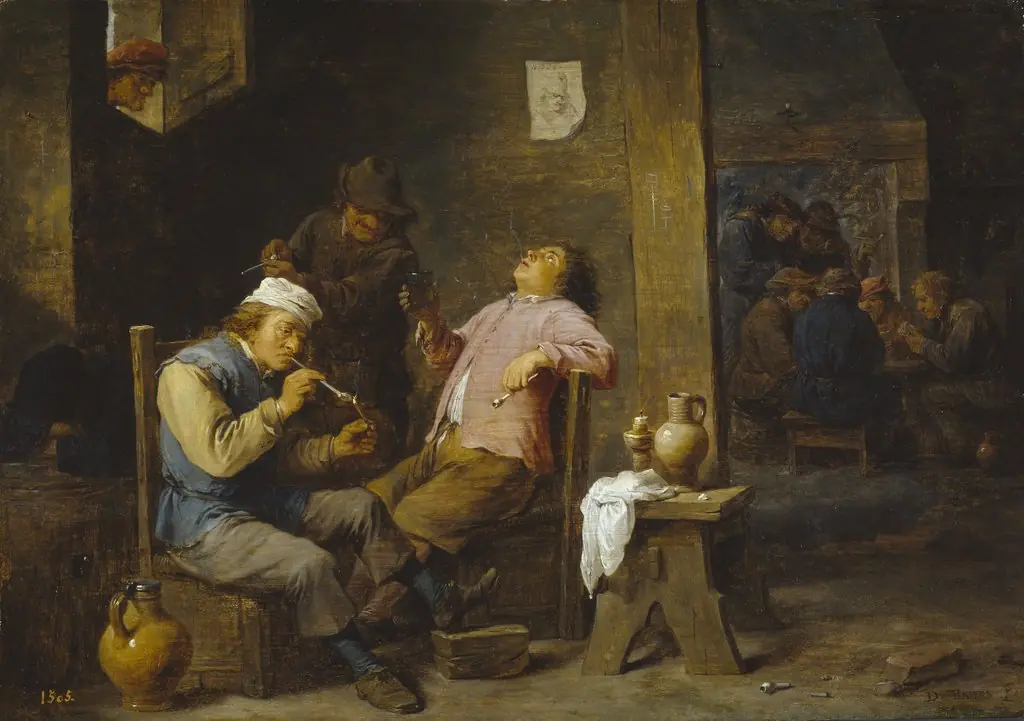
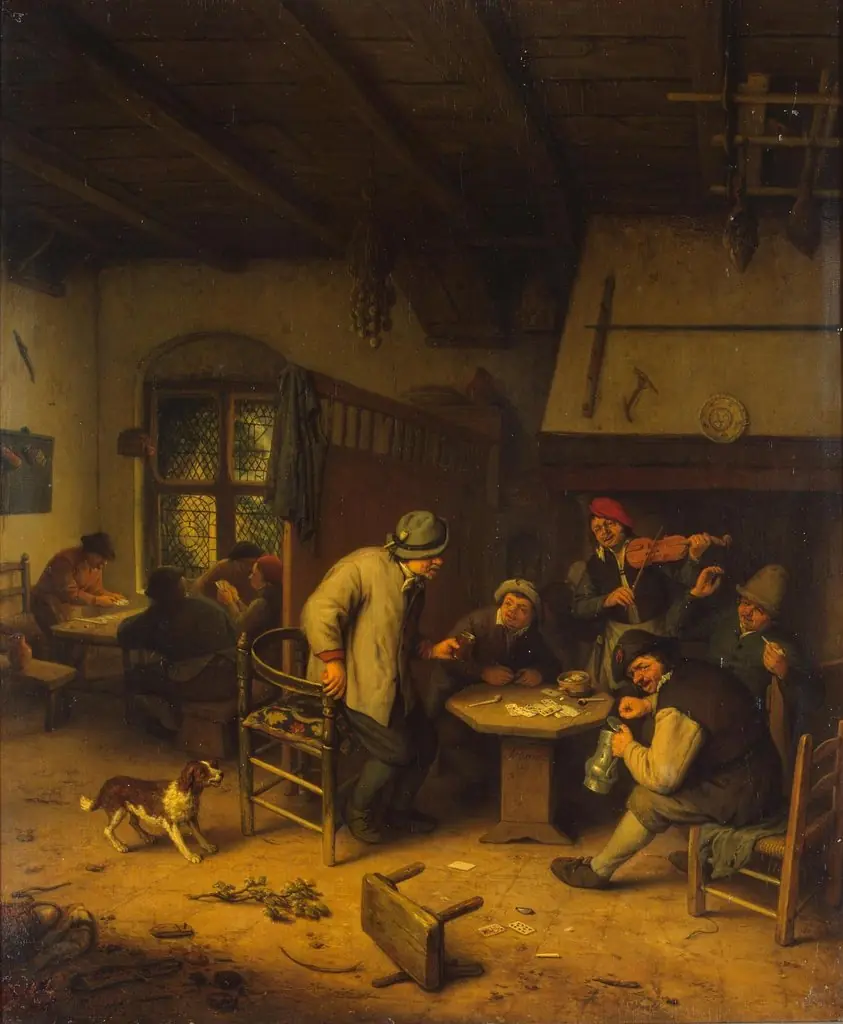
This work belongs to the genre scene classification, depicting interior tavern environments typical of the artist's output during the Dutch Golden Age.
The painting De gelagkamer was created by Abraham Diepraam in 1665. This work belongs to the genre scene classification, depicting interior tavern environments typical of the artist's output during the Dutch Golden Age. Diepraam, who was active in Rotterdam and Dordrecht, developed a style heavily influenced by Adriaen Brouwer, often producing small-scale works featuring peasants drinking or smoking. While the artist's broader career included membership in the Guild of St. Luke in 1648 and informal sales of his art in taverns, no specific records regarding the original commission, early ownership chain, or subsequent provenance history of this particular 1665 panel are provided in the available documentation.
Abraham Diepraam's 1665 painting *De gelagkamer* is held by the Rijksmuseum in Amsterdam. The work is cataloged under the title *La buvette* in the museum's collection, as noted in French-language records of the artist's oeuvre. No specific accession number or inventory identifier is provided in the available sources. There is no recorded exhibition history for this specific work in the provided documentation. While the painting is attributed to Diepraam and dated 1665, details regarding its provenance, past loans, or public display remain unmentioned in the current sources.
Context
Abraham Diepraam (1622-1670) is recognized as a Dutch Golden Age painter whose work falls within the Baroque movement, specializing in small-scale genre scenes of taverns and peasant life. His artistic development was shaped by training under Hendrik Martenszoon Sorgh and a strong stylistic adherence to Adriaen Brouwer, whose influence he maintained throughout his career. Critical reception during and after his lifetime was mixed; while his works were popular and sold informally in taverns, the biographer Arnold Houbraken later disparaged his late style. Houbraken attributed Diepraam's loose, disconnected brushwork to alcoholism, contrasting it unfavorably with the masterful technique of Frans Hals and claiming Diepraam fell out of fashion due to his lifestyle. Despite these contemporary criticisms, Diepraam is historically noted for his depictions of drinking and smoking peasants, with his pupil Matthijs Wulfraet also achieving success. The painting *De gelagkamer* (1665) exemplifies his focus on interior genre scenes.
Legacy
Abraham Diepraam's posthumous reputation suffered due to Arnold Houbraken's harsh 18th-century critique, which linked his later artistic style to drunkenness and dismissed his work as technically inferior. Houbraken, writing decades after Diepraam's death in 1670, claimed the painter's loose brushwork in his final years reflected a dissipated lifestyle, even comparing him unfavorably to Frans Hals while suggesting Hals' similar style was deliberate mastery. This narrative, later echoed in Dutch and German art lexicons, cast Diepraam as a marginal figure who sold small tavern scenes informally and struggled financially, despite his influence on contemporaries like pupil Matthijs Wulfraet. Modern scholarship, including 19th-century lexicons and 20th-century biographies, has largely discredited Houbraken's account as unreliable, though it cemented Diepraam's association with the 'drunken painter' trope in art historical memory.
Own this work as a print
Artist & collection