Subject
Smoking
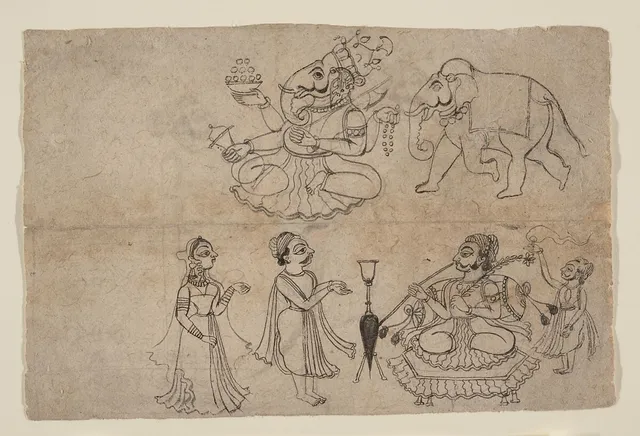
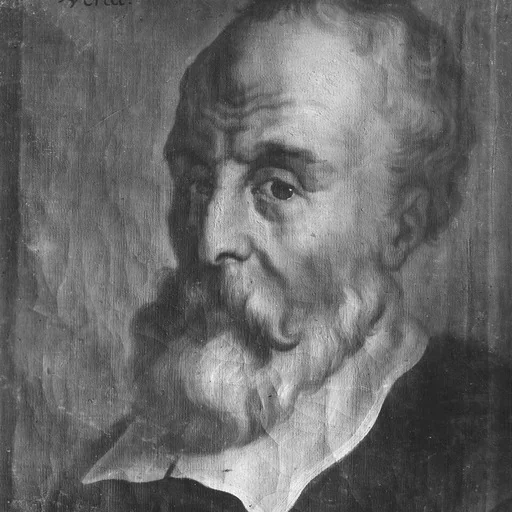
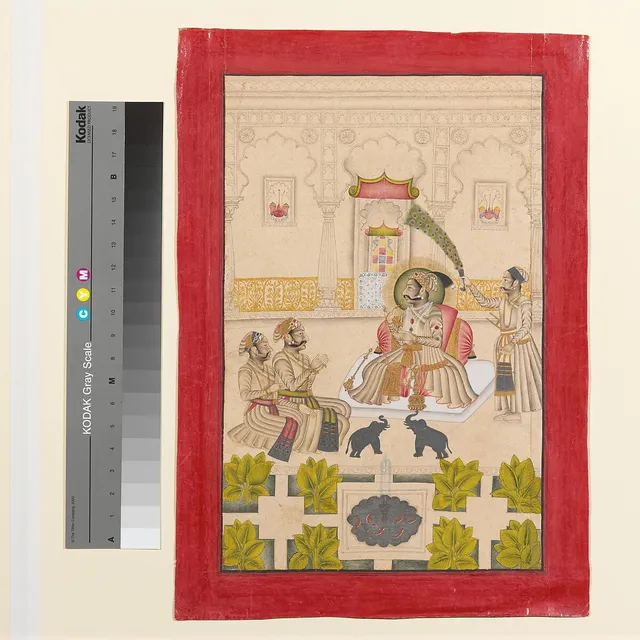
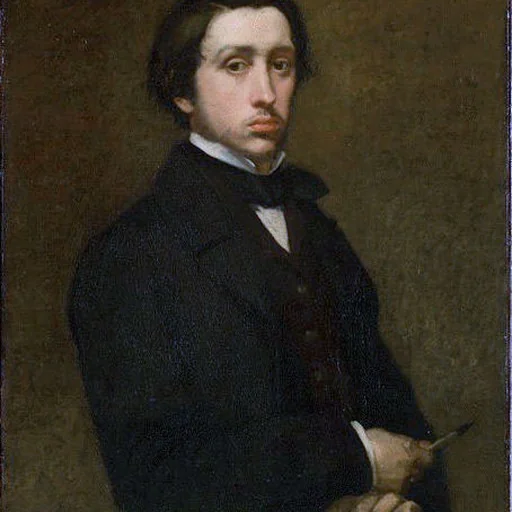
Smoking is a subject in art. The gallery holds 105 works in this subject in art, including works by Paolo Veronese, Edgar Degas and Pierre-Auguste Renoir.
Smoking is the combustion of a substance, usually plant material, and the inhalation of resulting fumes. Today, smoking is mostly practiced by rolling the dried leaves of the tobacco plant into a cigarette.
Key artists
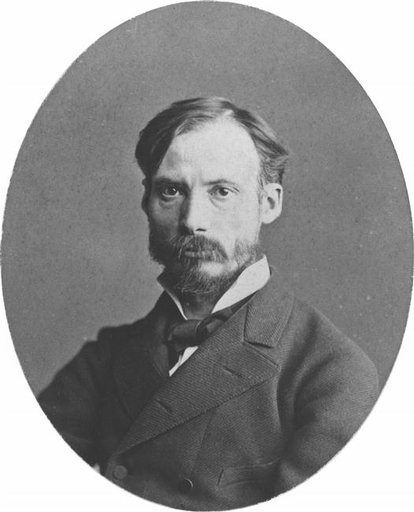
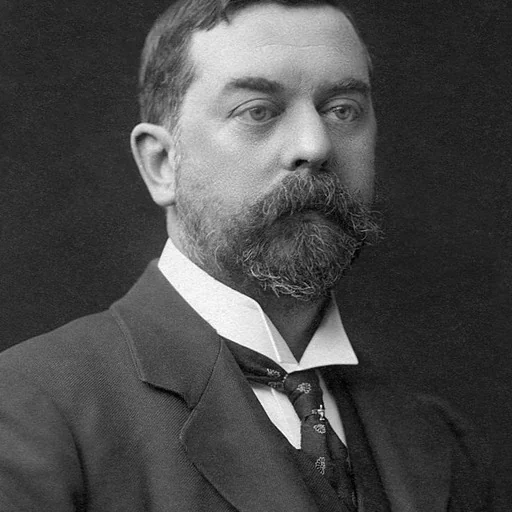
Overview
Smoking, the combustion of a substance and the inhalation of resulting fumes, has served as a recurring motif in art for centuries. The practice, most commonly associated with tobacco but also encompassing cannabis, opium, and other substances, appears in at least 111 works within this collection alone. Artists have depicted smoking across diverse contexts, from tavern scenes and card games to portraits and genre paintings, reflecting its shifting social meanings from ritual and sociability to vice and health hazard.
Iconography & meaning
The iconography of smoking in art carries layered significance. Initially, smoking appeared in religious and shamanic contexts as a means of spiritual alteration, with smoke serving as a conduit to other worlds or states of consciousness. In European art after the Columbian exchange, smoking became associated with social ritual, leisure, and masculine camaraderie. The pipe, cigarette, and cigar each acquired distinct connotations: the pipe suggested contemplation or rusticity, the cigar denoted wealth and sophistication, and the cigarette evolved from casual pleasure to symbol of modern anxiety. The act itself,oq whether inhaling, exhaling smoke, or the gesture of holding a pipe, became a vocabulary of body language indicating relaxation, concentration, or dissolution. By the late twentieth century, artistic depictions increasingly acknowledged smoking's lethal health consequences, transforming its iconographic register from pleasurable accessory to marker of mortality and social critique.
Across movements & periods
The treatment of smoking in art shifted markedly across movements and cultures. Pre-Columbian and early colonial representations documented smoking as ritual practice, often with spiritual or medicinal purpose. In seventeenth-century Dutch and Flemish painting, smoking became a staple of genre scenes, with artists like Brouwer using it to explore human foible and social class. The Baroque period emphasized smoking's sensorial and social dimensions through dramatic lighting and intimate scale. Eighteenth-century European art often associated smoking with the exotic, linking tobacco to colonial trade and non-European cultures. Nineteenth-century Realism and Impressionism integrated smoking into scenes of modern urban life, from cafes to boulevards. By the twentieth century, smoking appeared in modernist works as emblem of bohemian identity and psychological tension, while later contemporary art increasingly framed it within narratives of addiction, advertising manipulation, and public health crisis. Across these shifts, non-Western traditions, particularly in India and Sub-Saharan Africa, maintained distinct smoking practices, often involving cannabis rather than tobacco, that paralleled but diverged from European visual conventions.
Legacy
The cultural afterlife of smoking in art reflects broader transformations in public perception. From its early modern association with sacred ritual and social sophistication, smoking's representation grew increasingly contested. The late twentieth-century recognition of tobacco's health consequences, including its role as a leading preventable cause of death globally, prompted reevaluation of its artistic glorification. The World Health Organization's documentation of over seven million annual smoking-related deaths, including 1.6 million non-smokers affected by passive smoking, has influenced contemporary artists to deploy smoking imagery critically. Governments' anti-smoking campaigns, advertising restrictions, and public smoking bans have further diminished smoking's casual visibility, making historical depictions valuable documents of vanished social practice. The collection's 111 works thus preserve a visual record of smoking's normalization across centuries, even as present-day representation increasingly requires contextualization through public health and historical consciousness.
Works
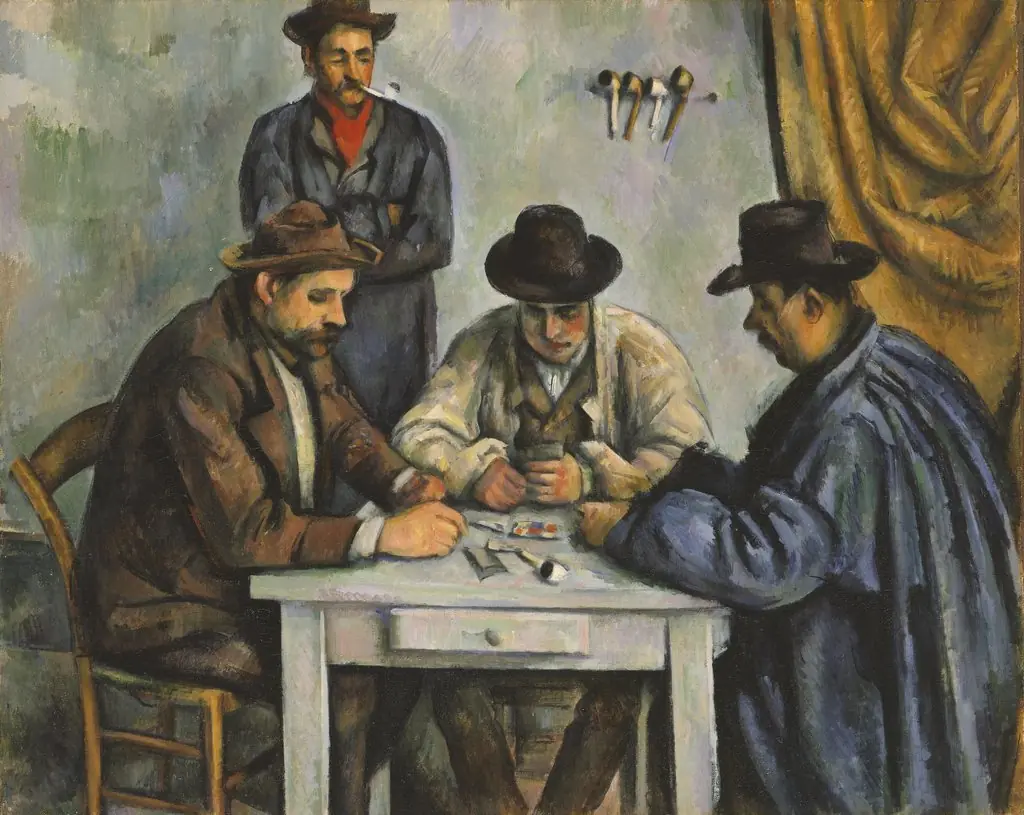 The Card Players
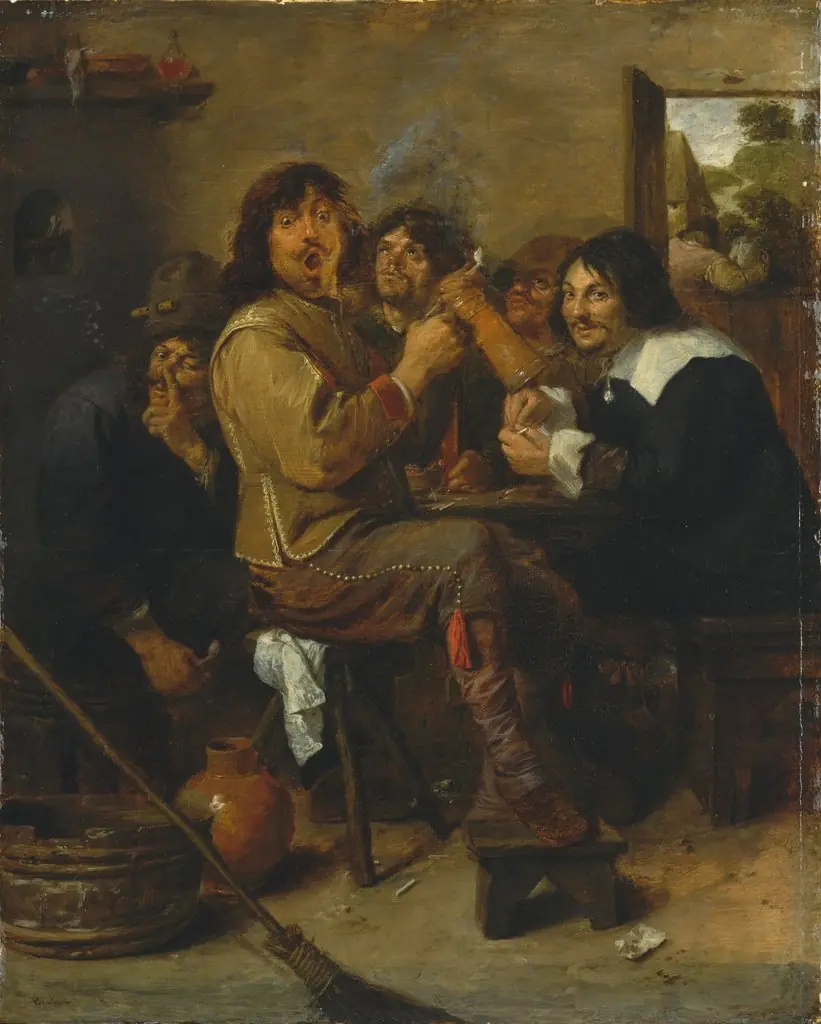 The Smokers by Adriaen Brouwer
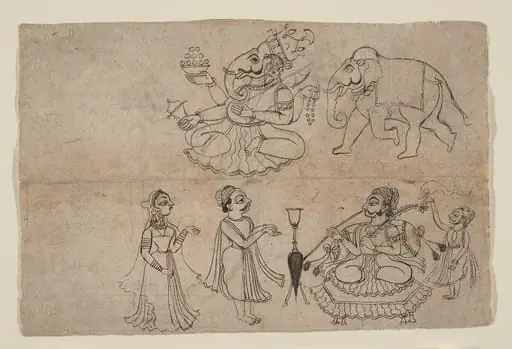 Untitled
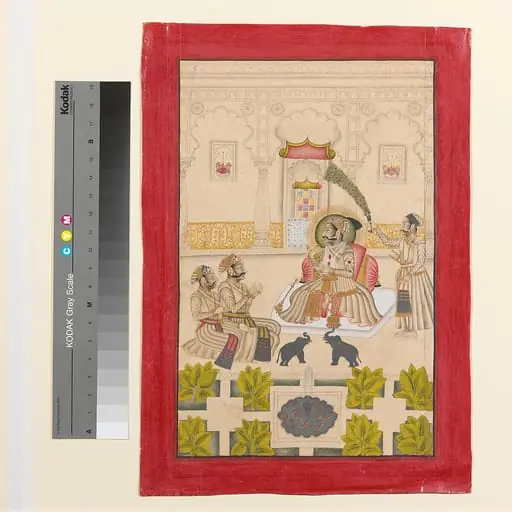 Untitled
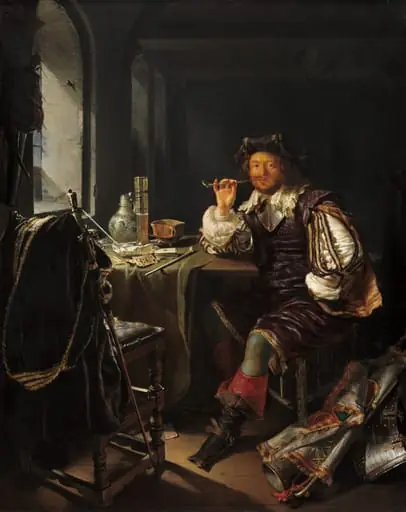 A Soldier Smoking a Pipe
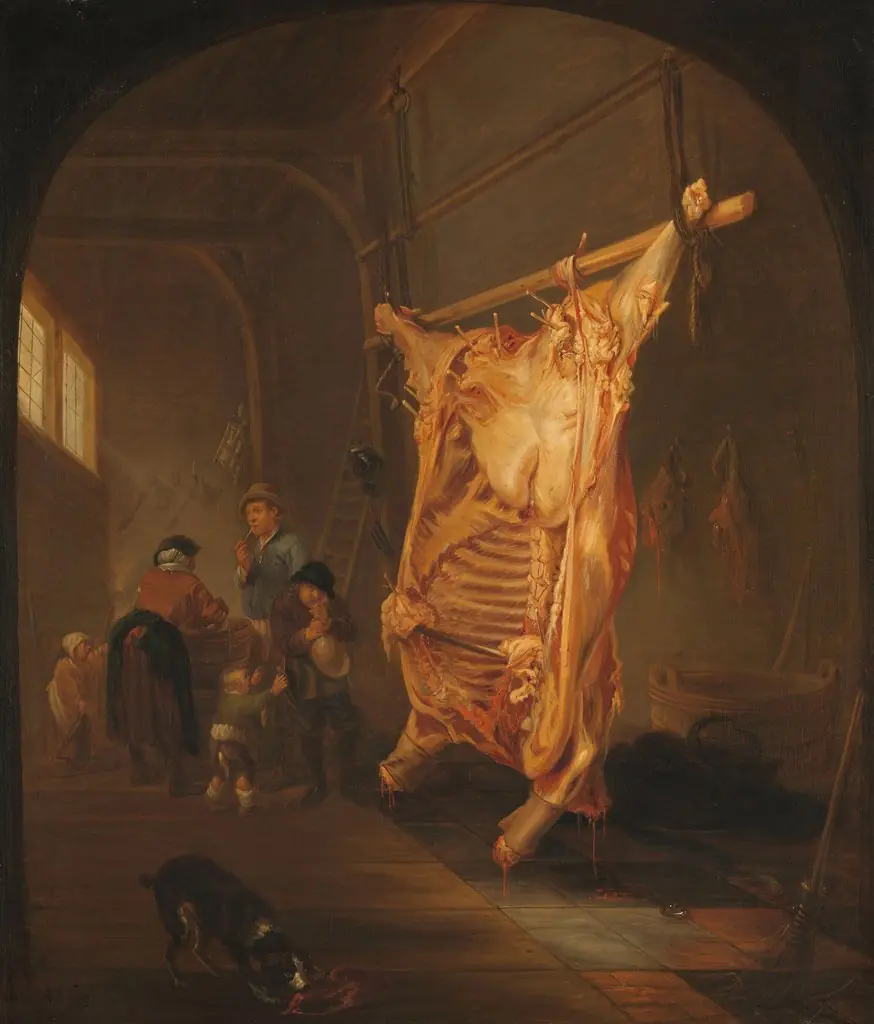 The slaughtered ox
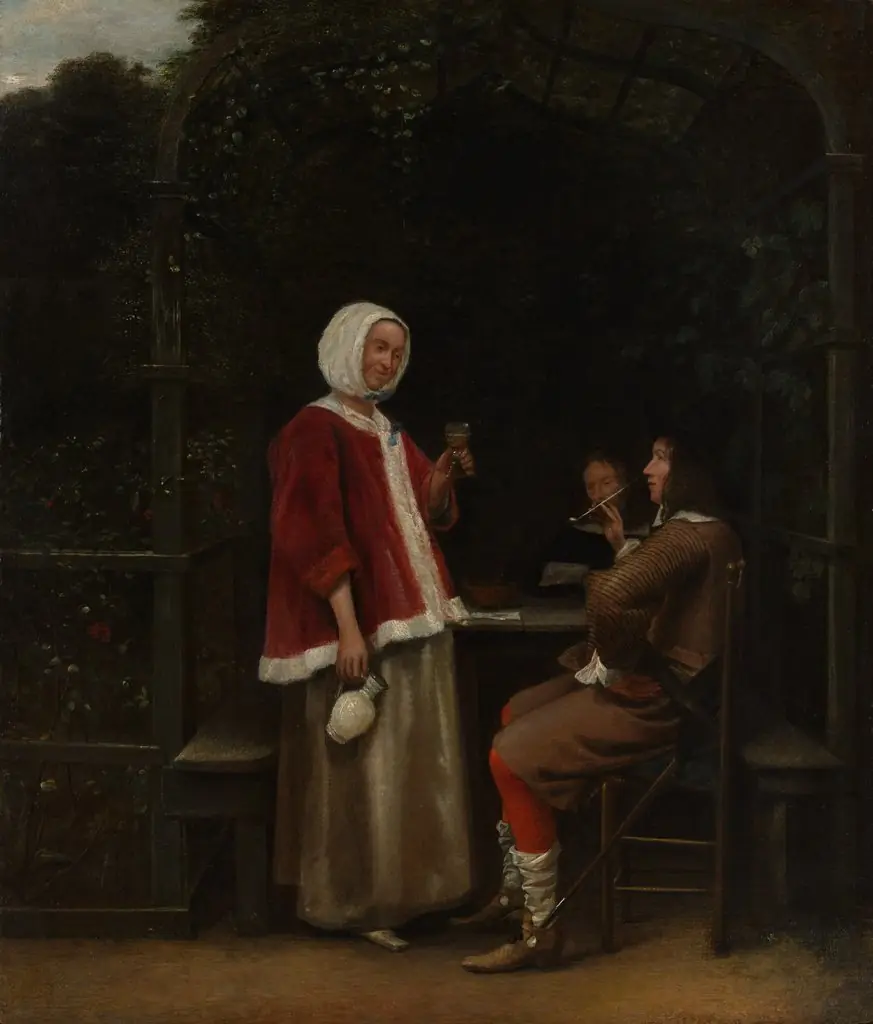 A Woman and Two Men in an Arbor
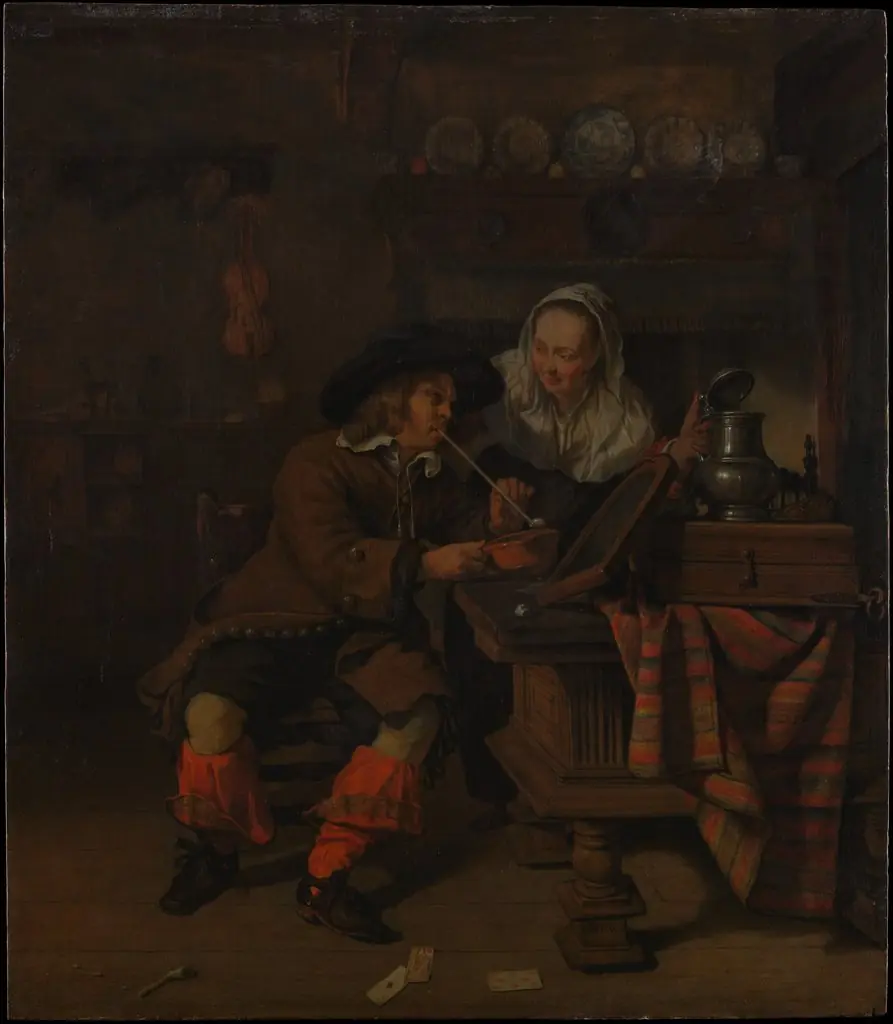 Tavern Scene
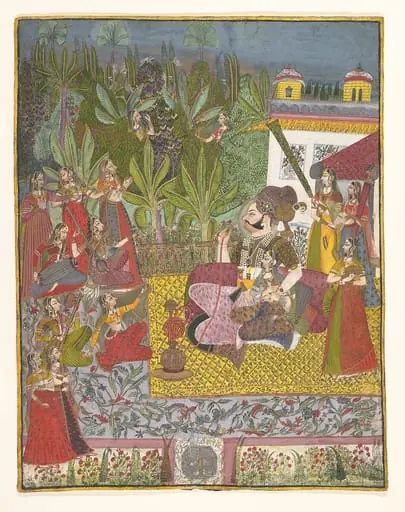 Untitled
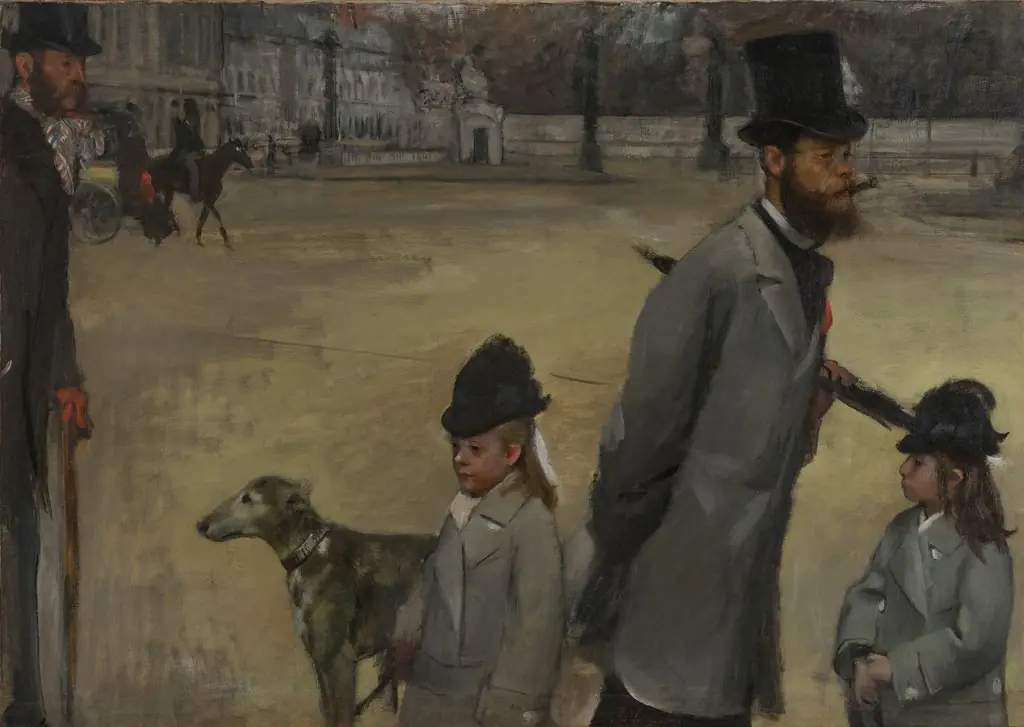 Place de la Concorde
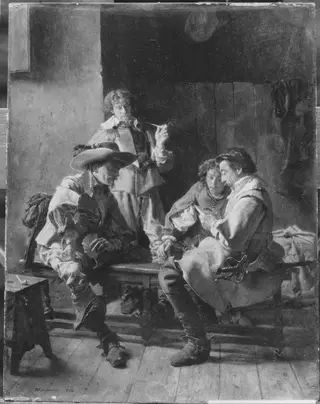 The Card Players
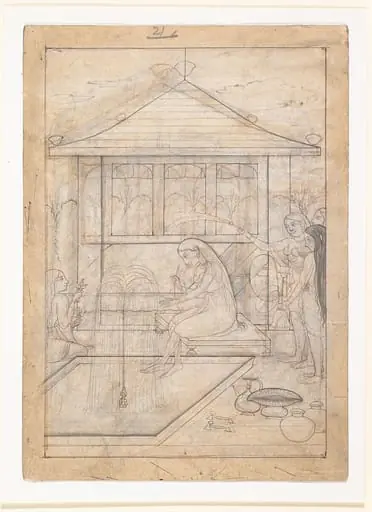 Untitled
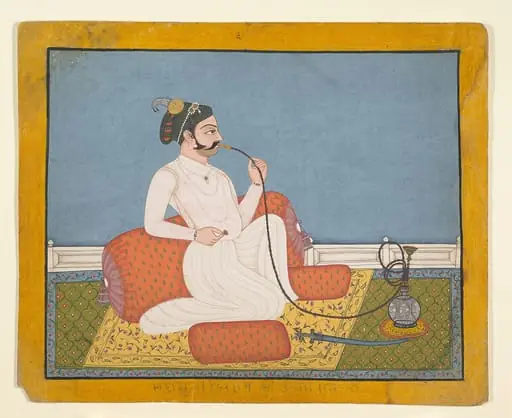 Untitled
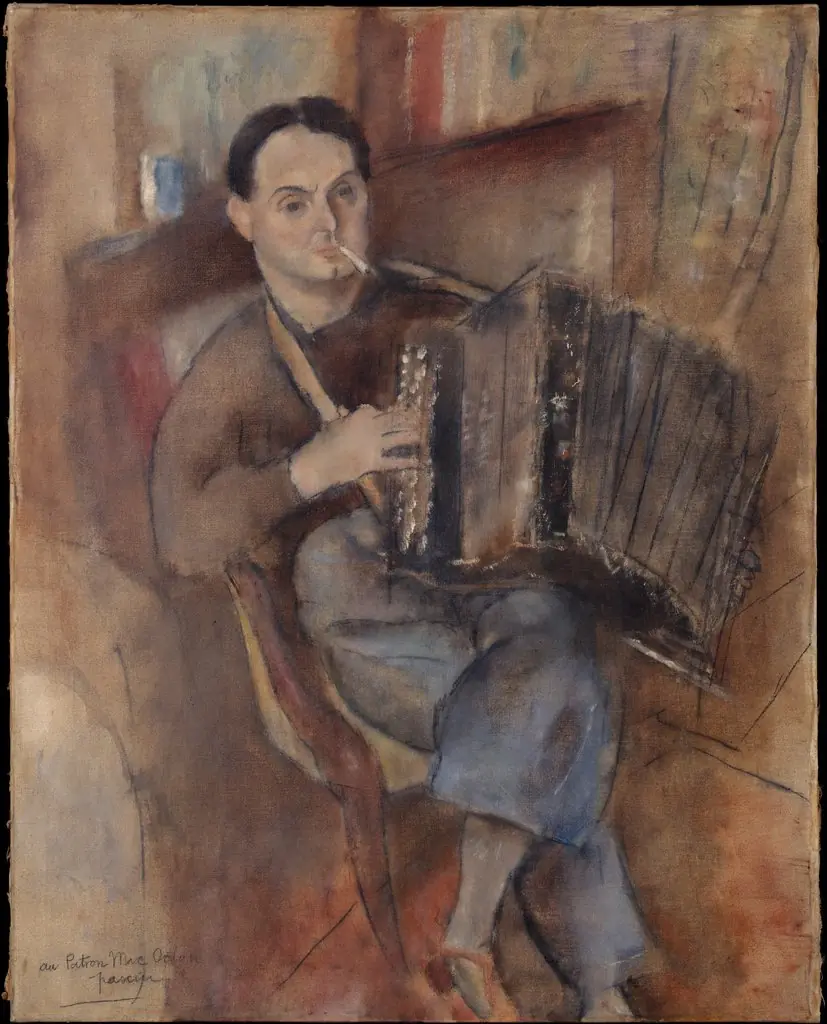 Pierre Mac Orlan
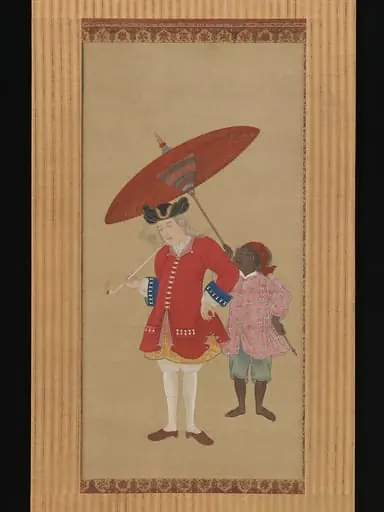 Untitled
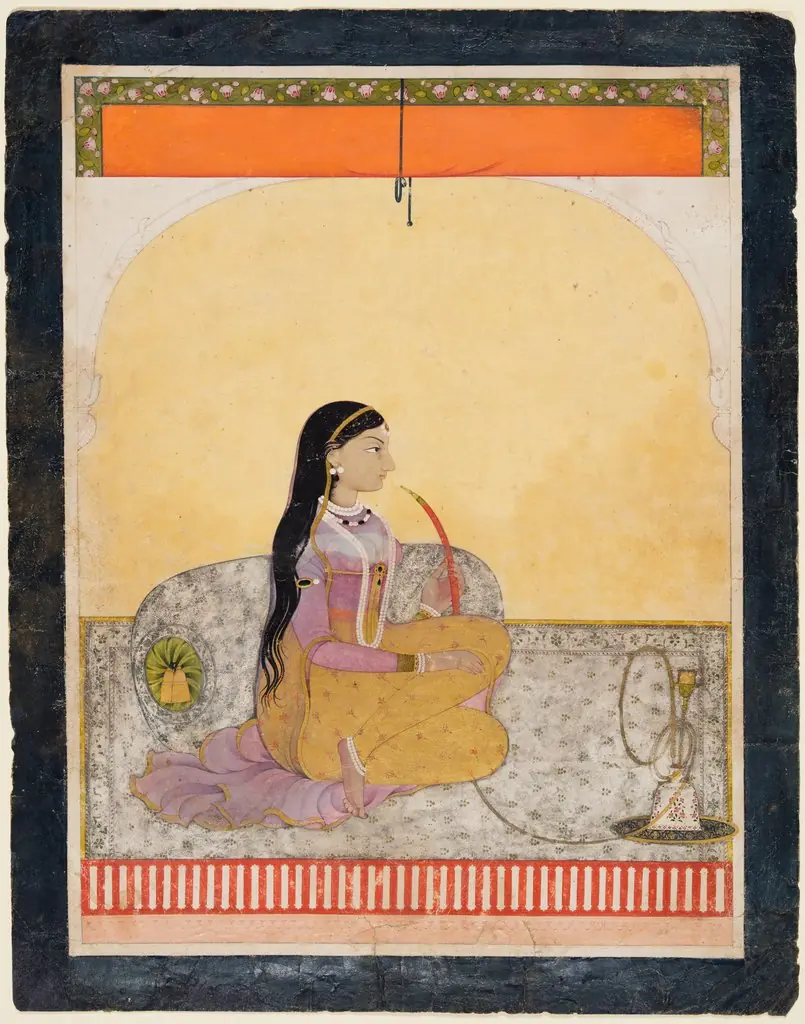 Seated Lady Smoking a Hookah
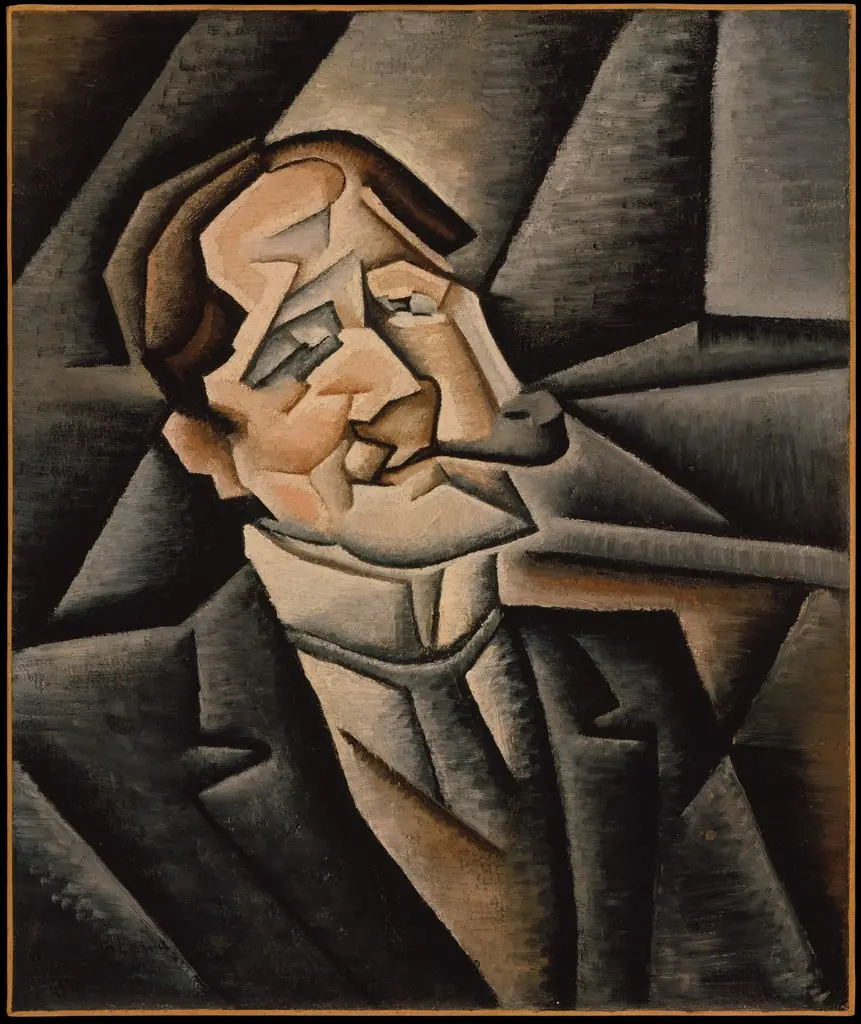 Juan Legua
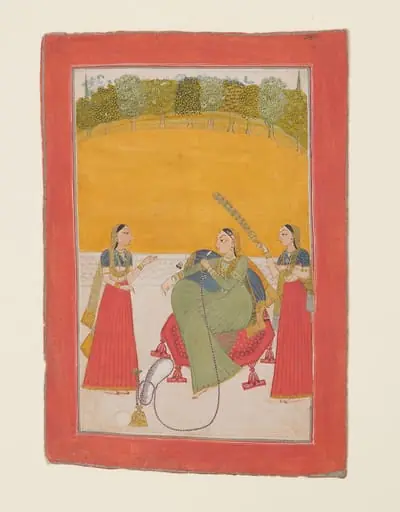 Untitled
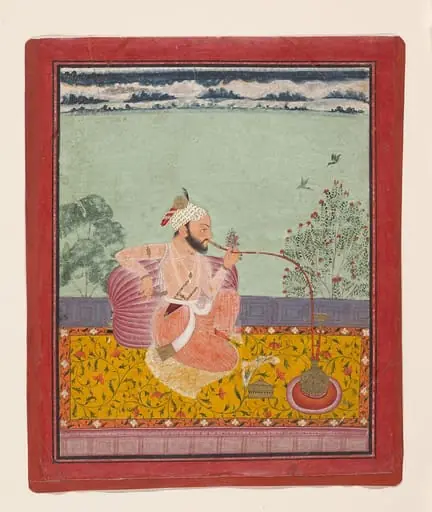 Untitled
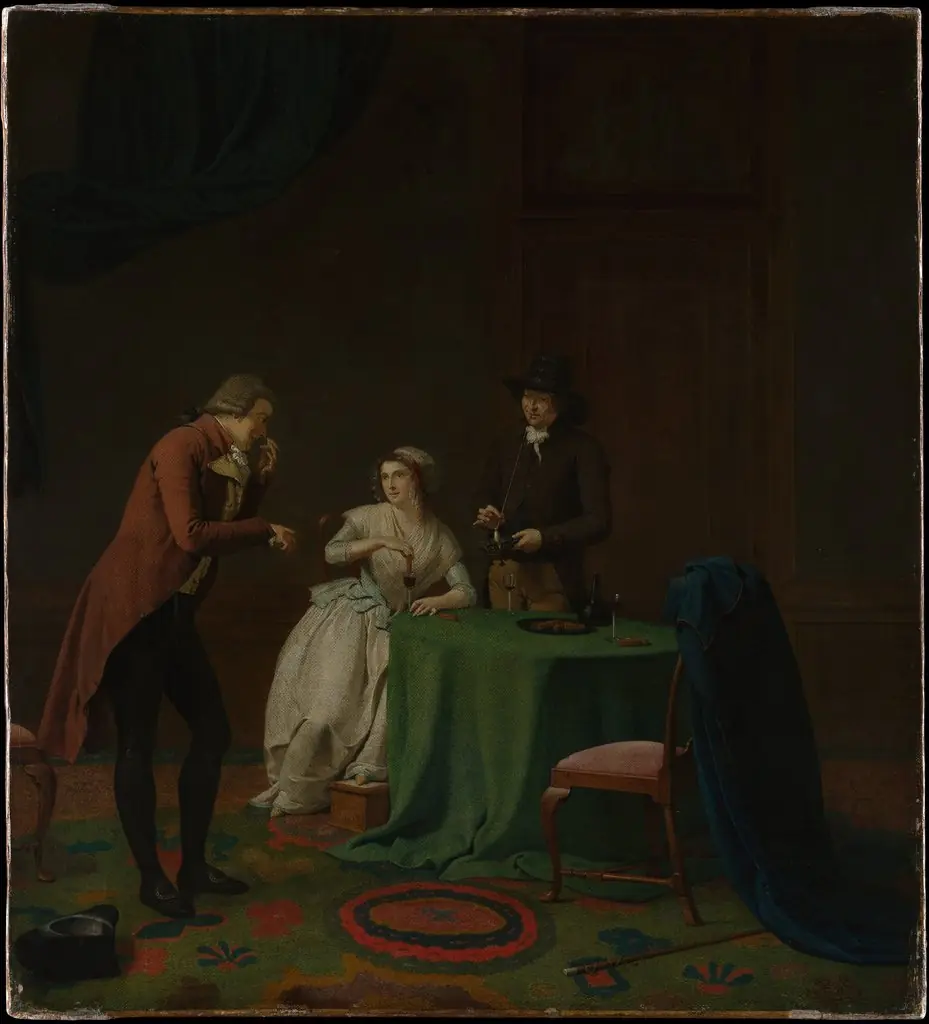 Conversation Piece (The Sense of Smell)
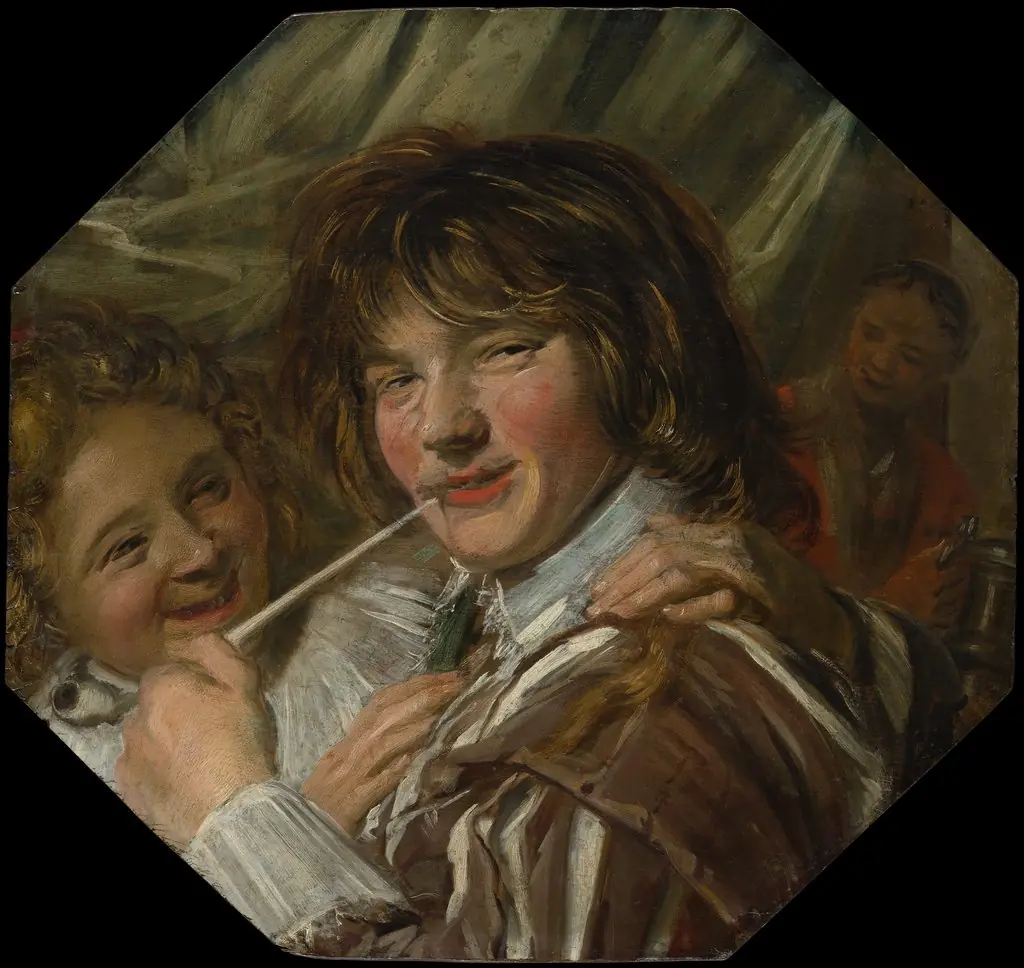 The Smoker, or Three Heads
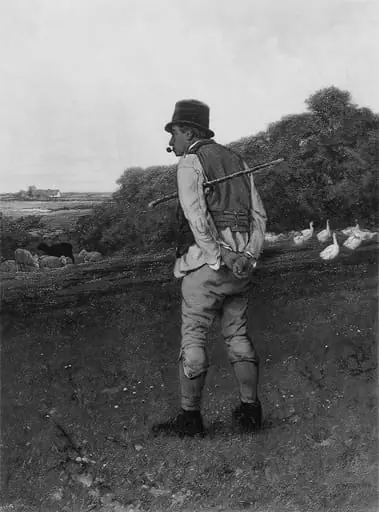 On the Old Sod
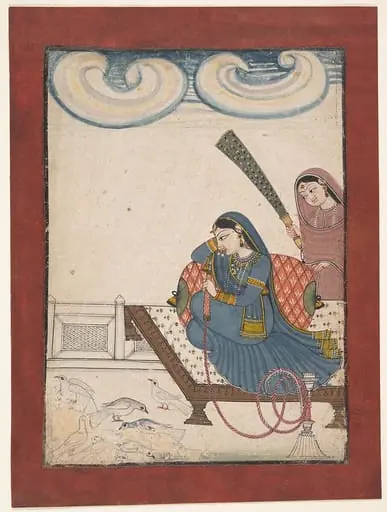 Untitled
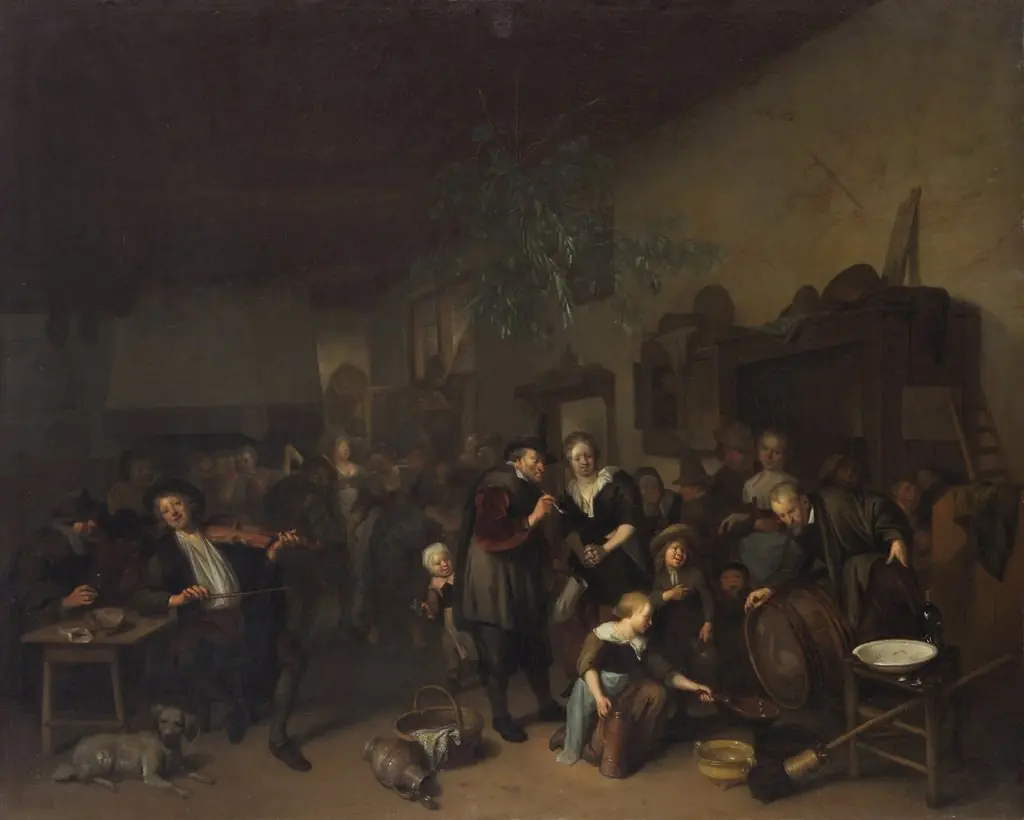 Tavern interior with dancing peasants,
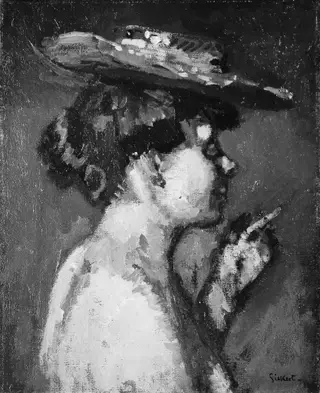 The Cigarette (Jeanne Daurmont)
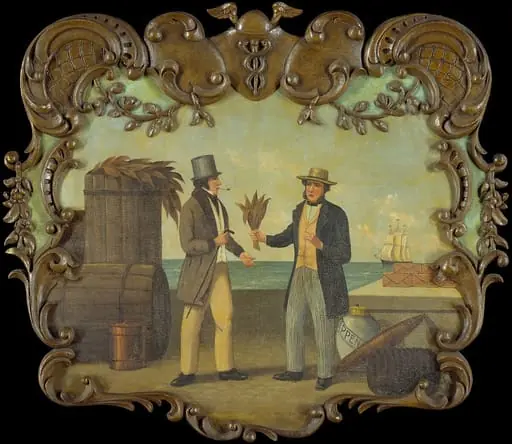 Tobacco Sign
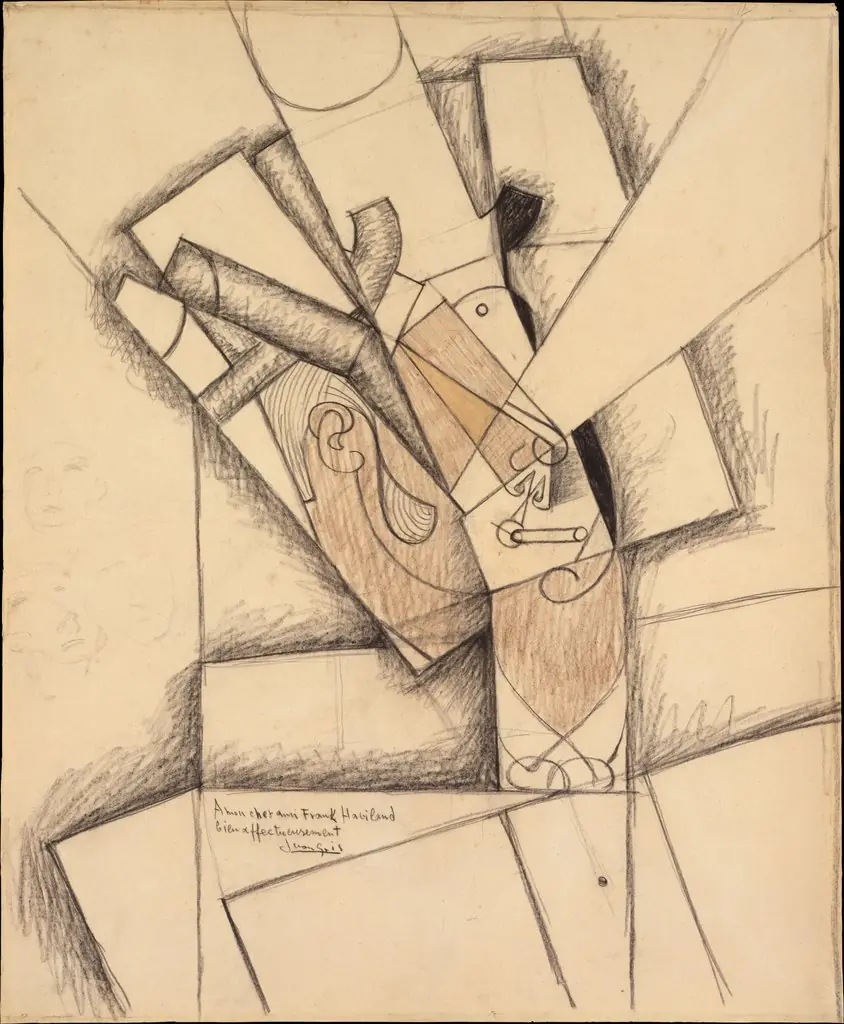 The Smoker
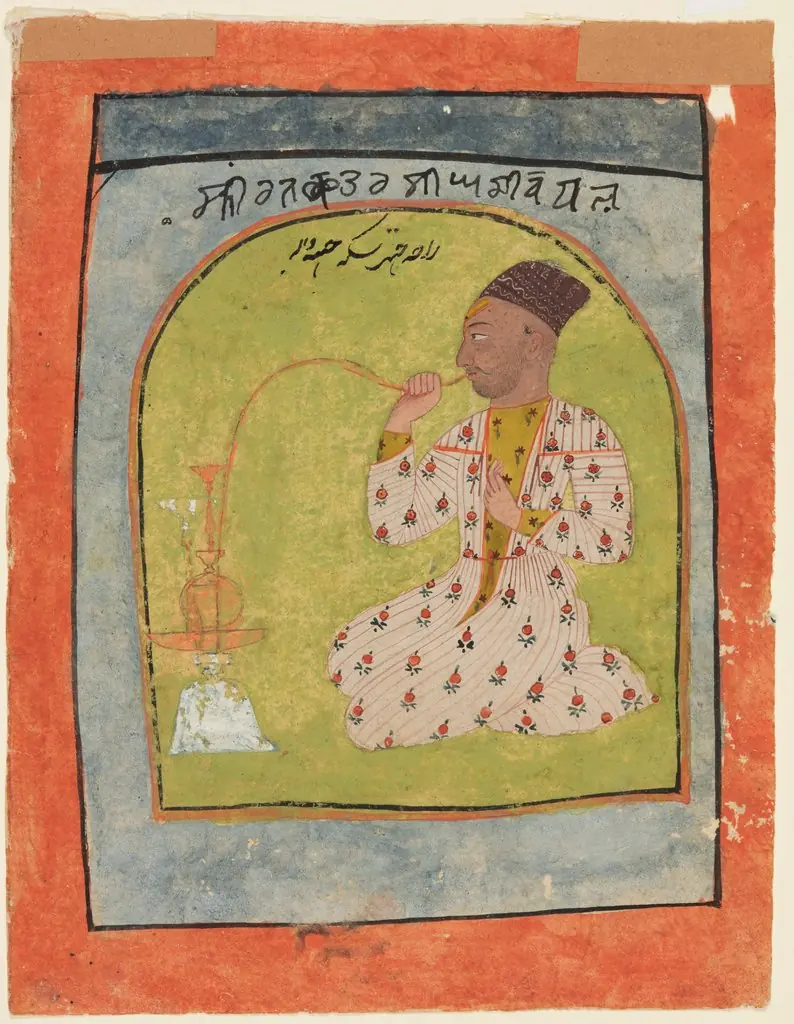 Raja Chattar Singh smoking
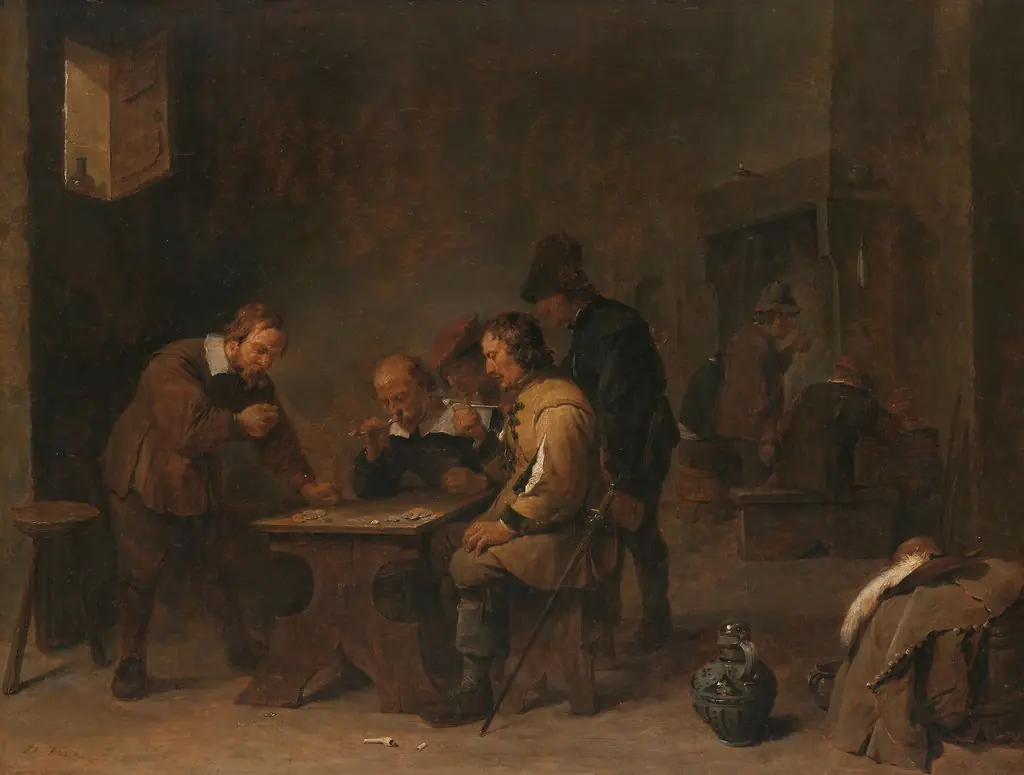 The Gamblers
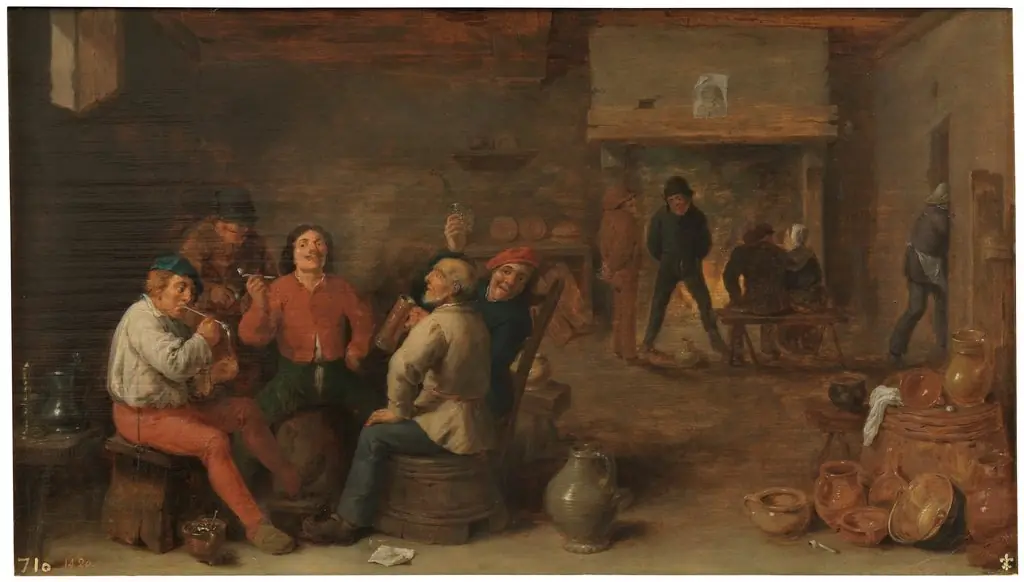 The Conversation
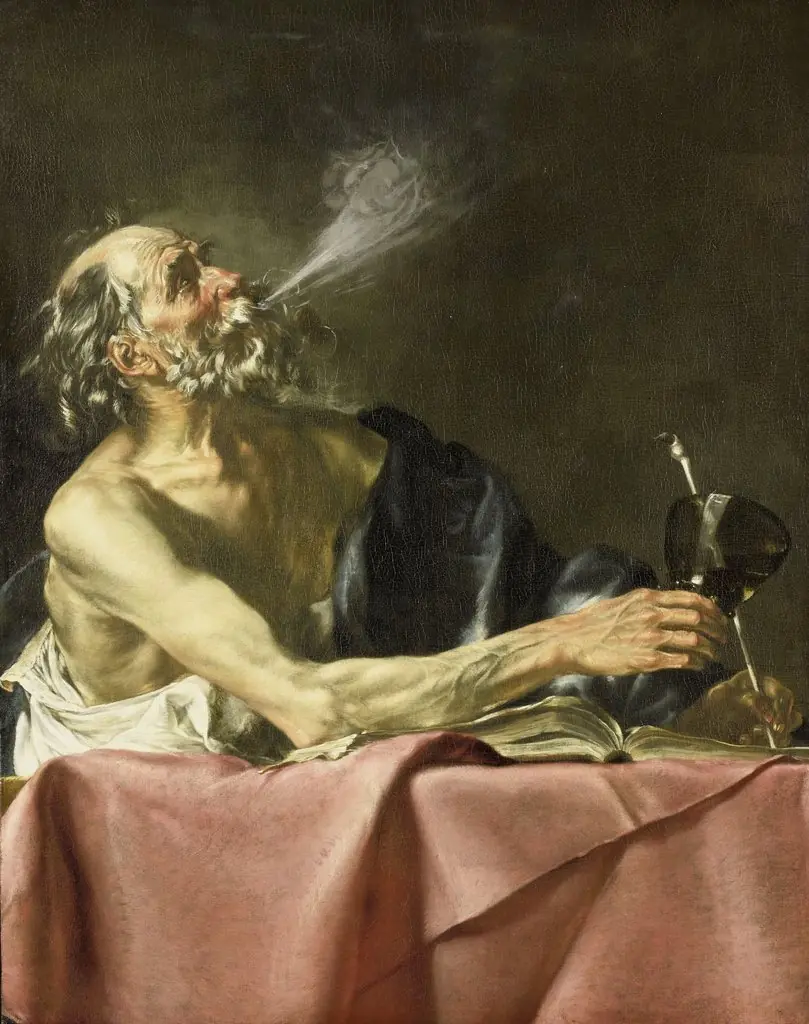 The Smoker
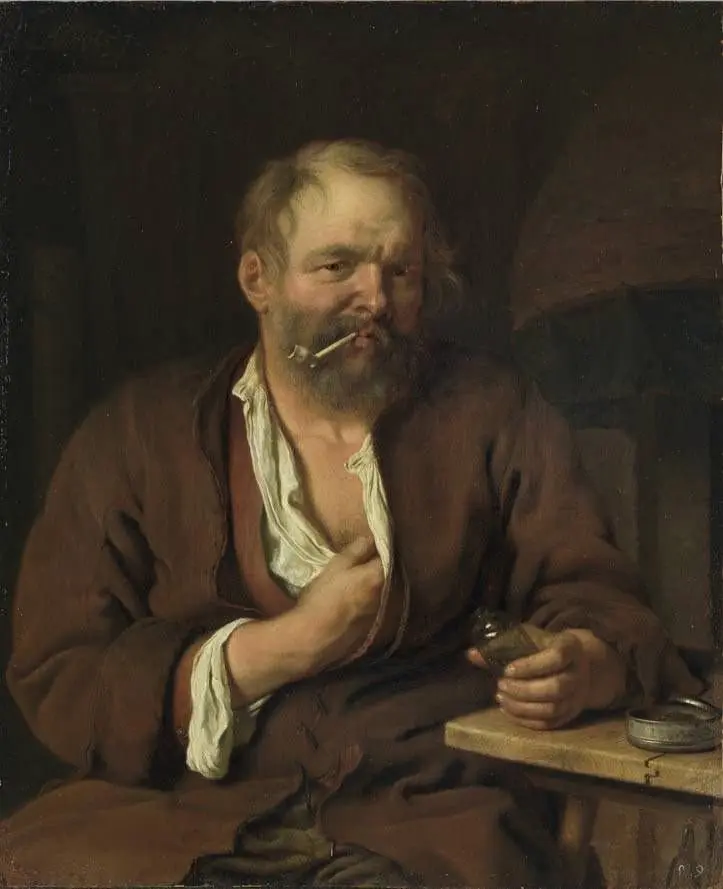 Tabakraucher
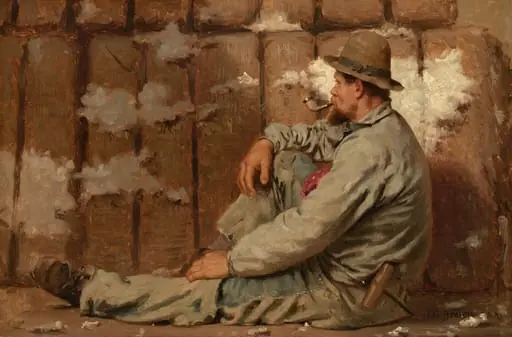 A Longshoreman
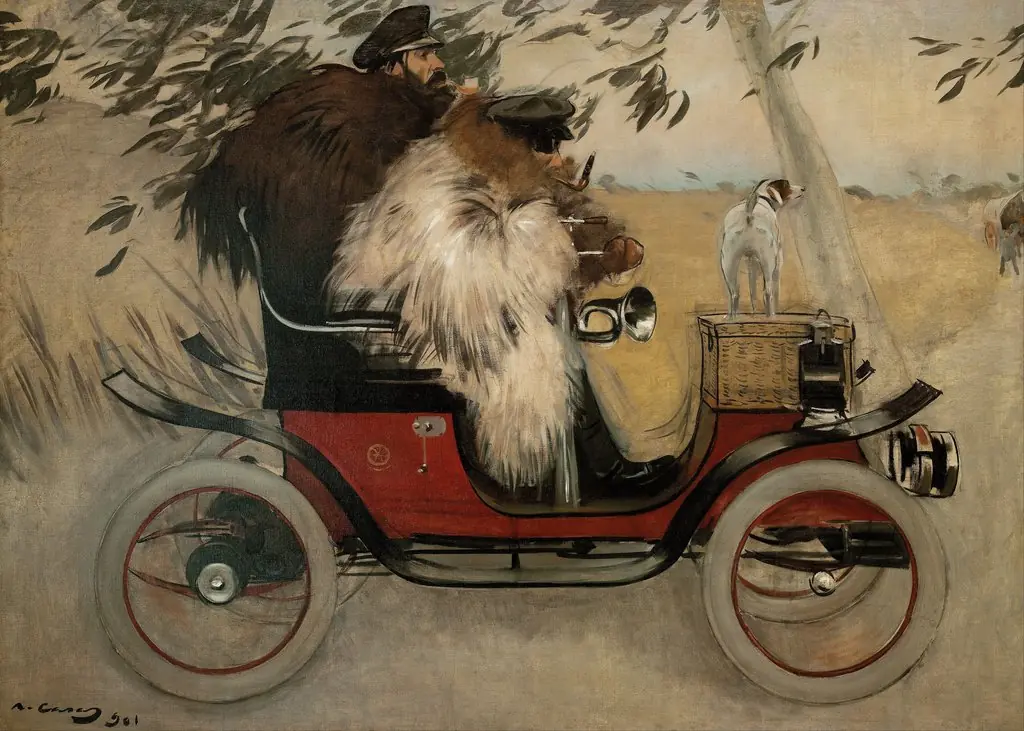 Ramon Casas and Pere Romeu in an Automobile
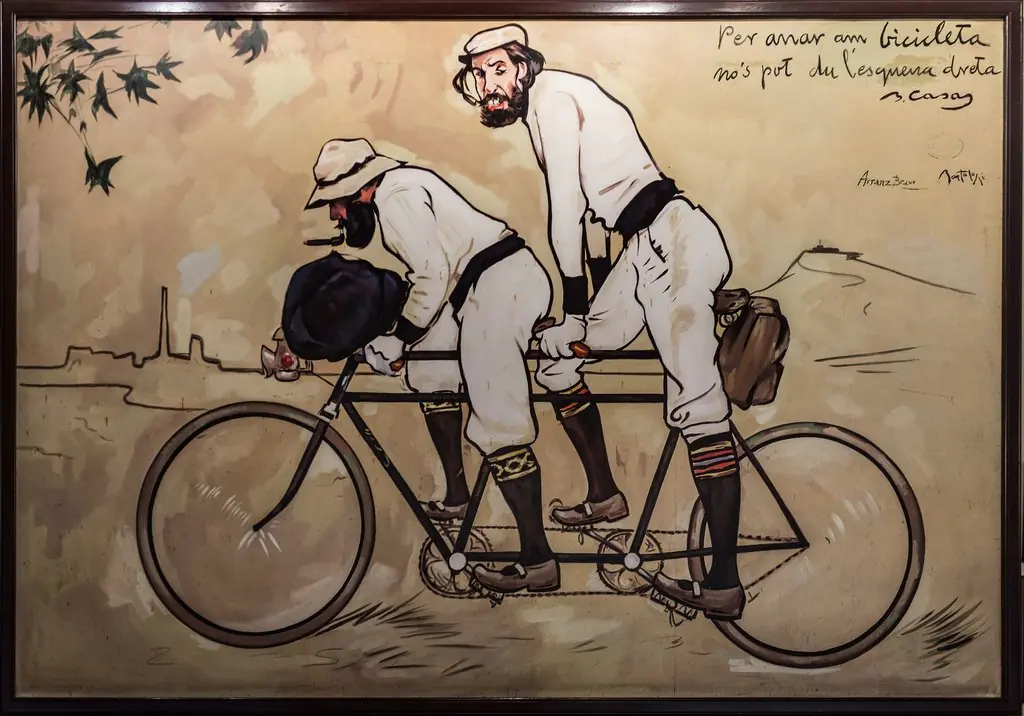 Ramon Casas and Pere Romeu on a Tandem
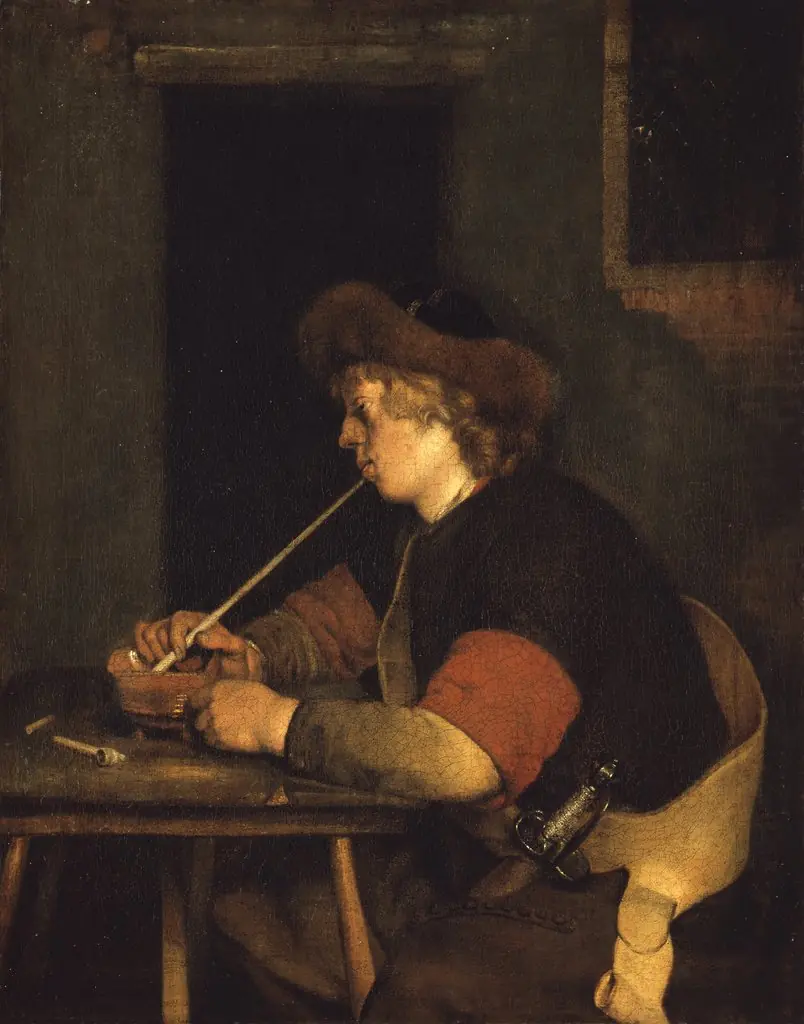 Man Smoking a Pipe
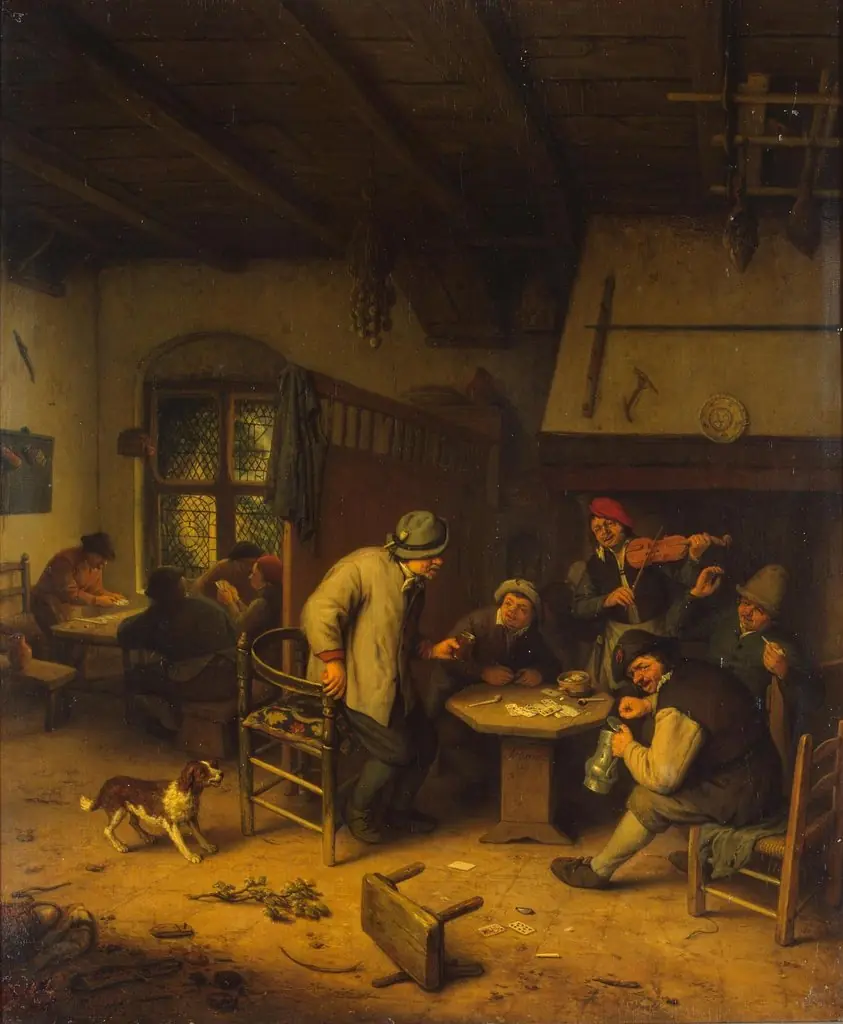 Peasants in a Tavern
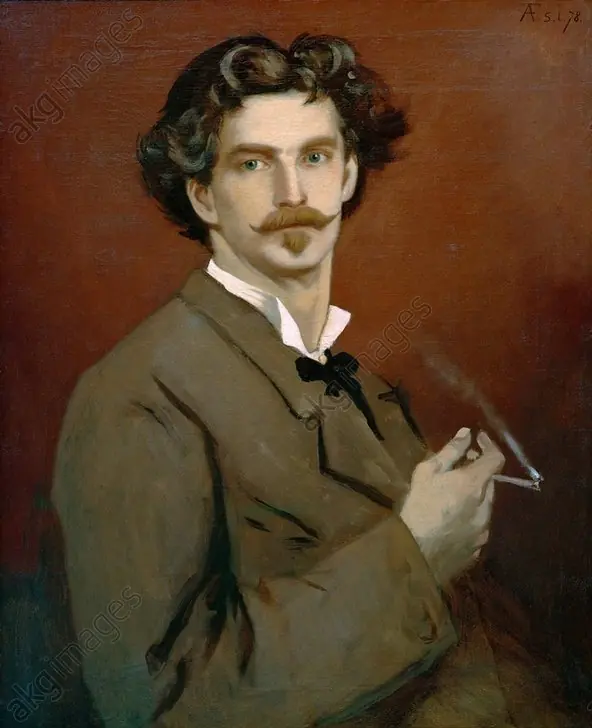 Selfportrait
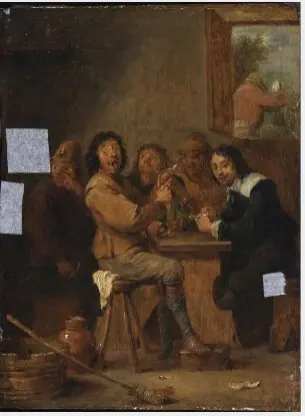 The Smokers
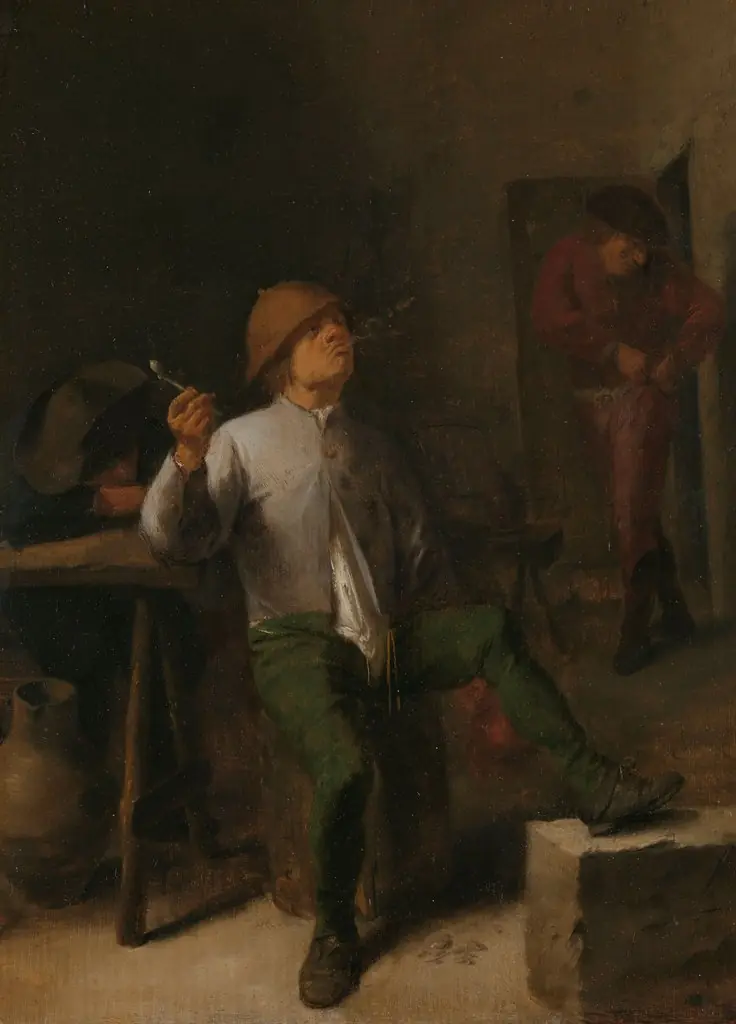 The Smoker
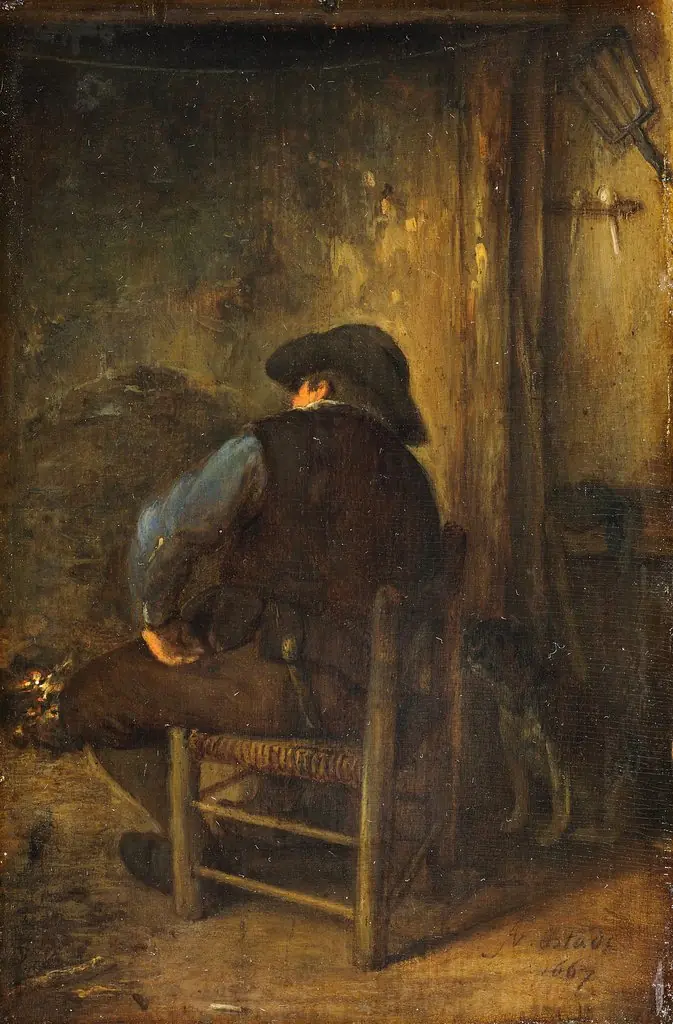 The Smoker
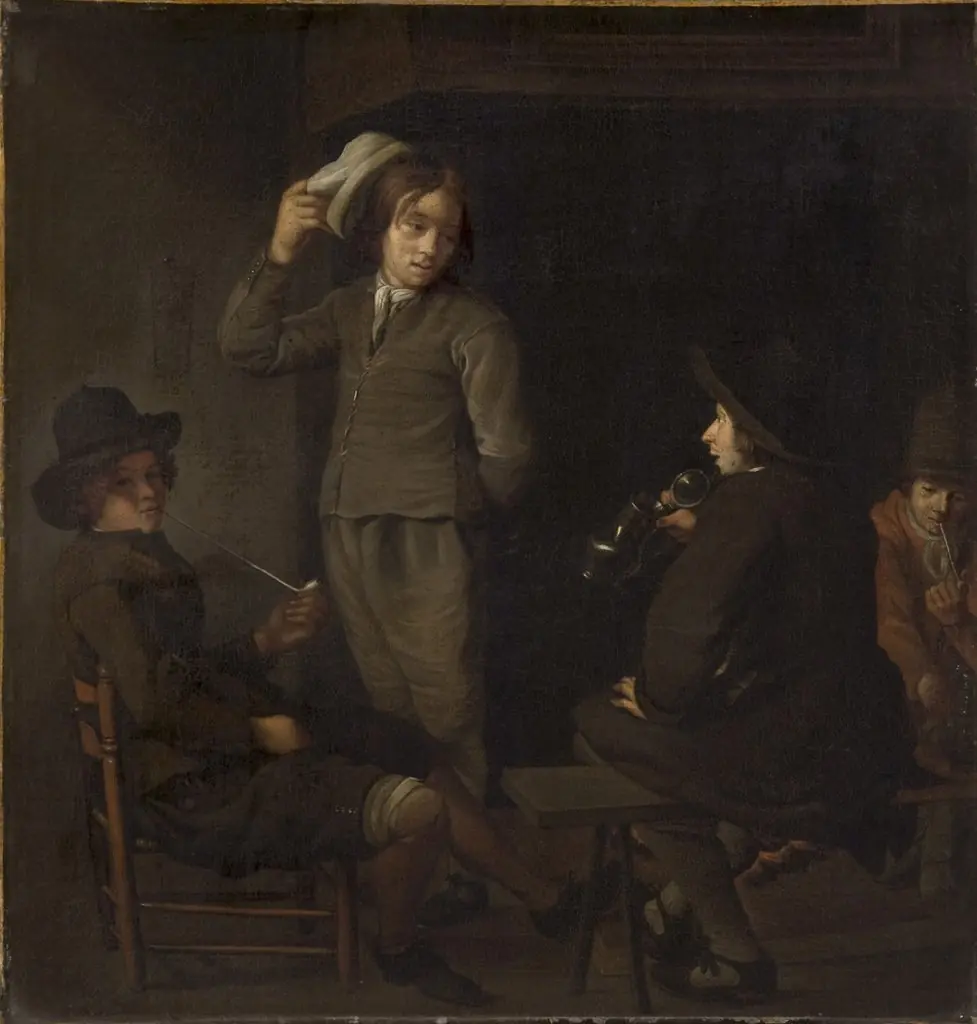 Four Youths around a Fire
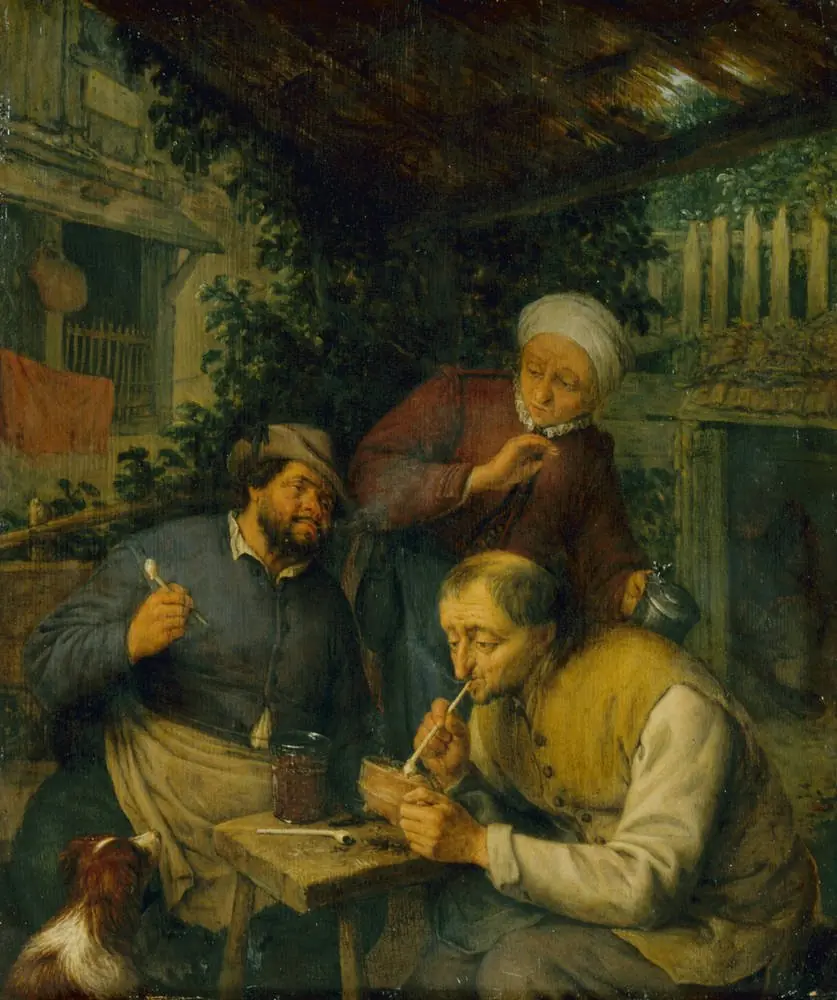 Two Peasants Smoking
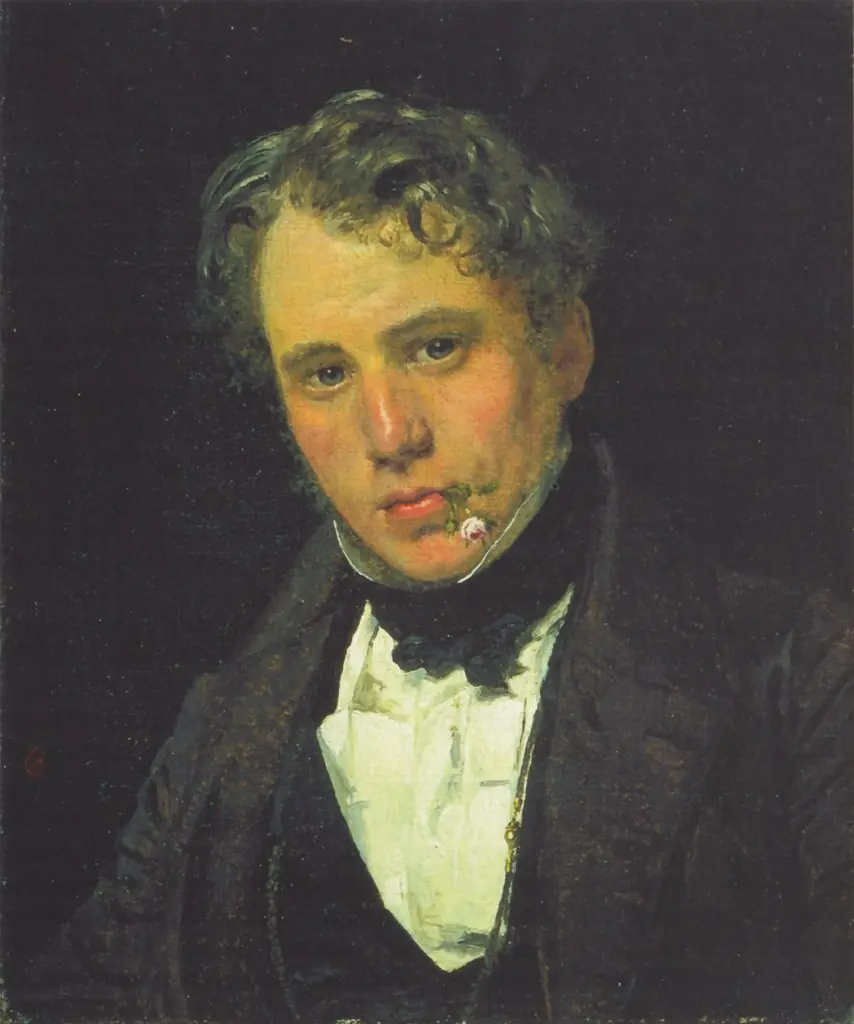 Portrait of the Painter Wilhelm Marstrand
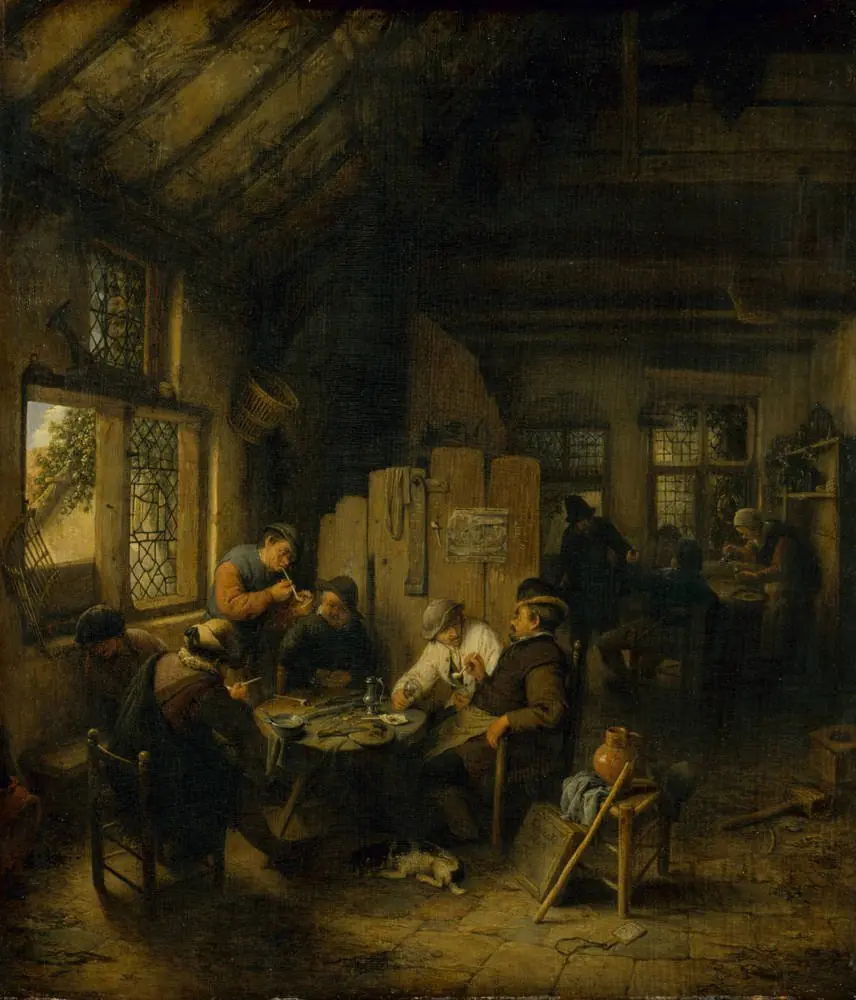 The Table in the Village Inn
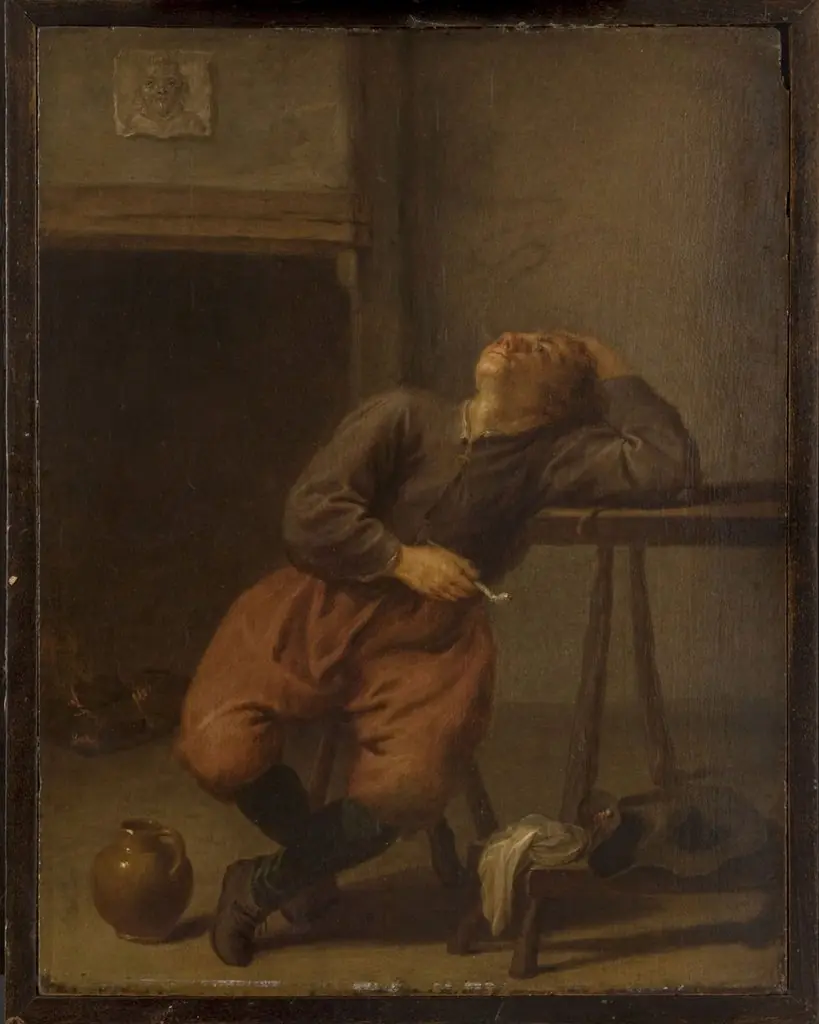 Smoker
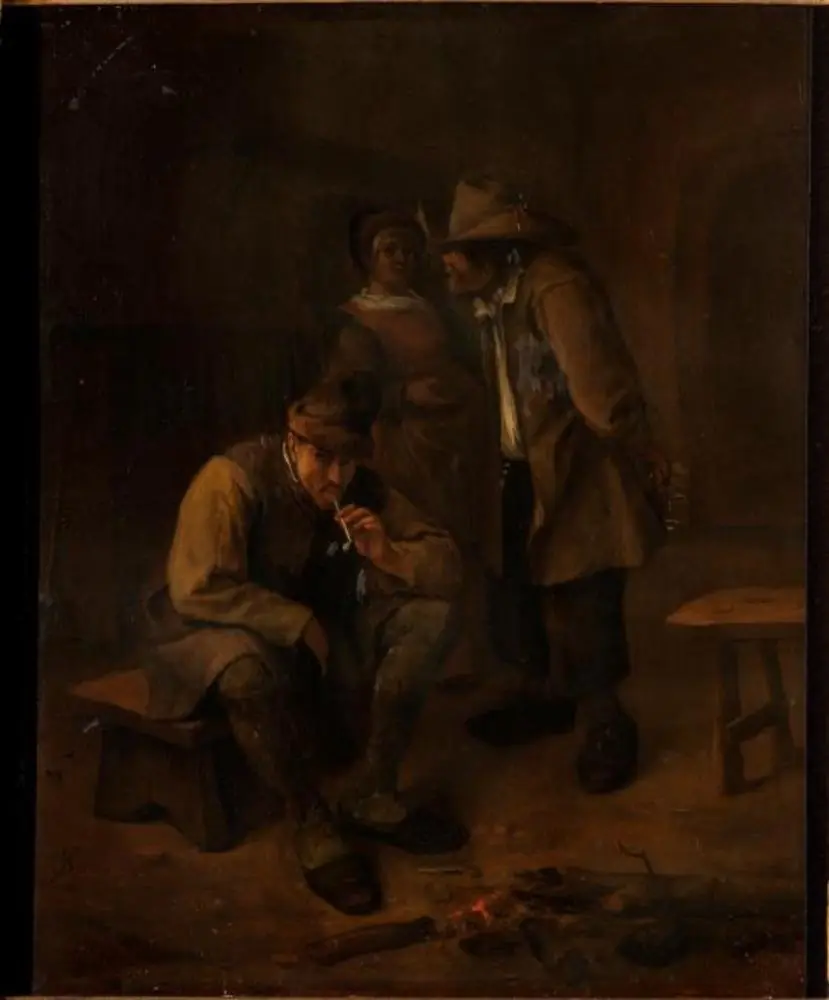 Smoker
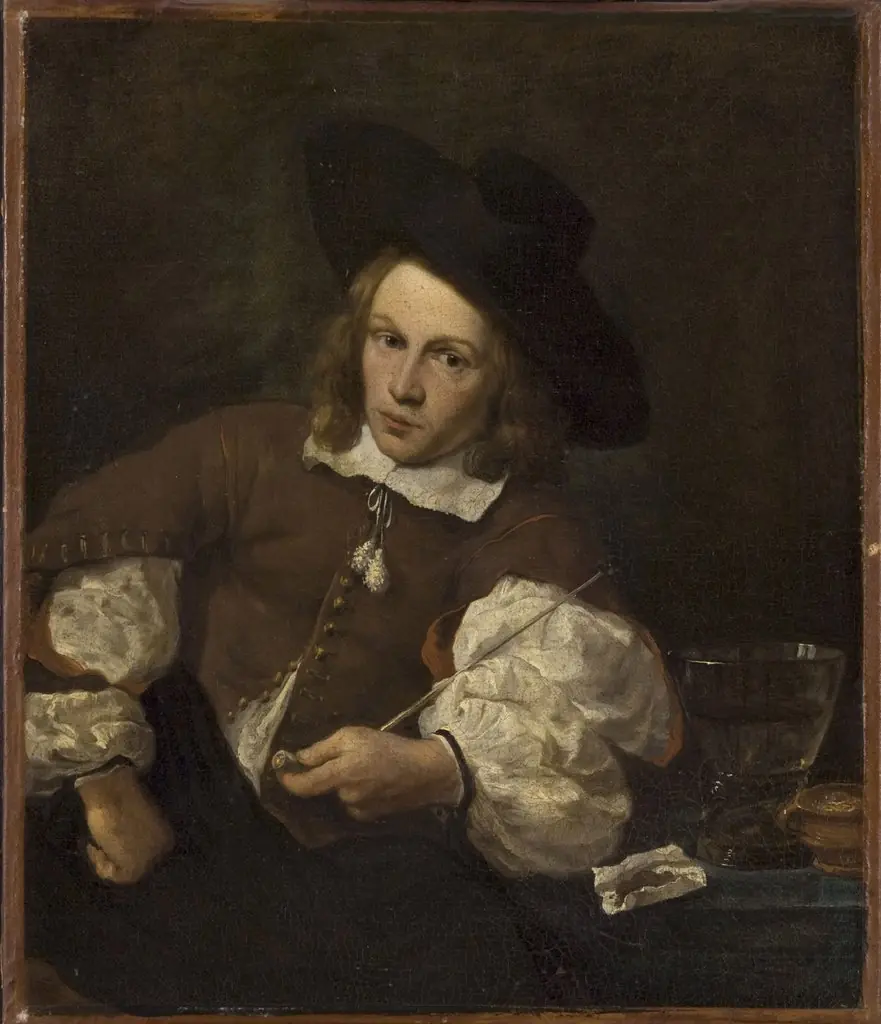 Portrait of a Young Man Seated Smoking
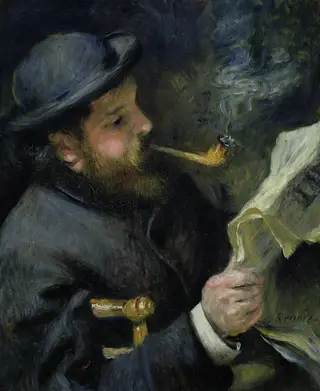 Monet that reads
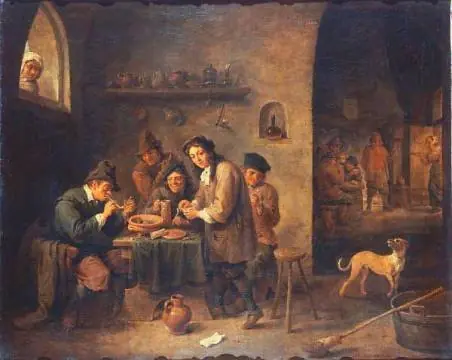 Smokers School
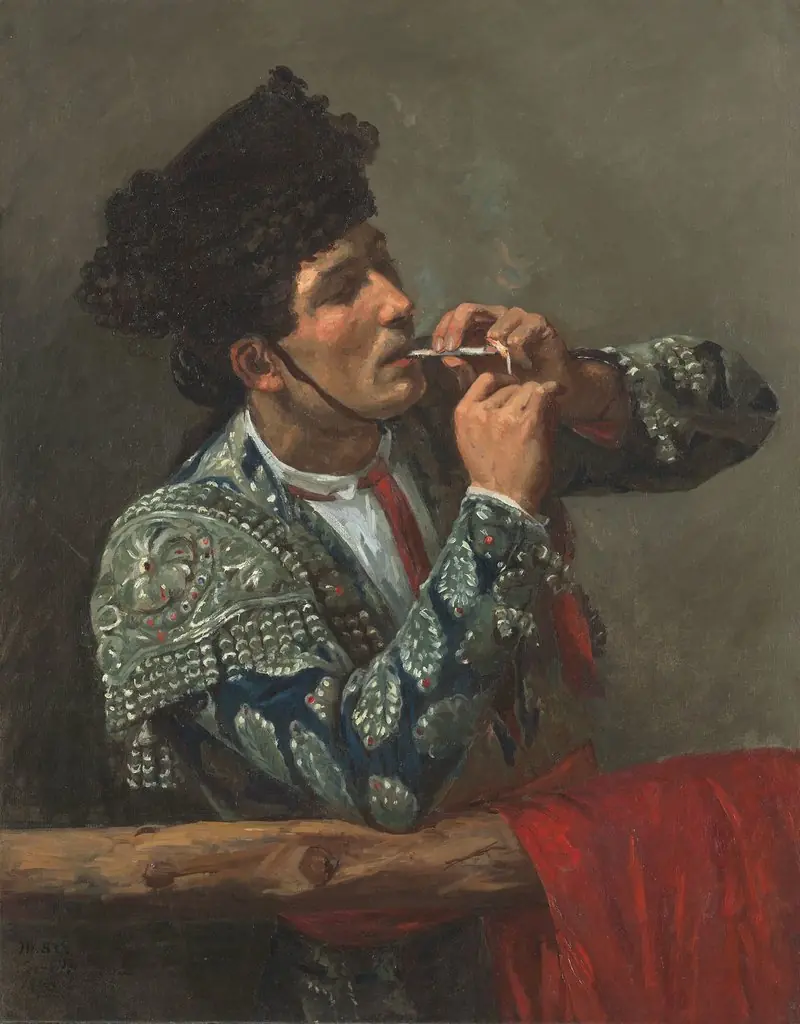 After the Bullfight
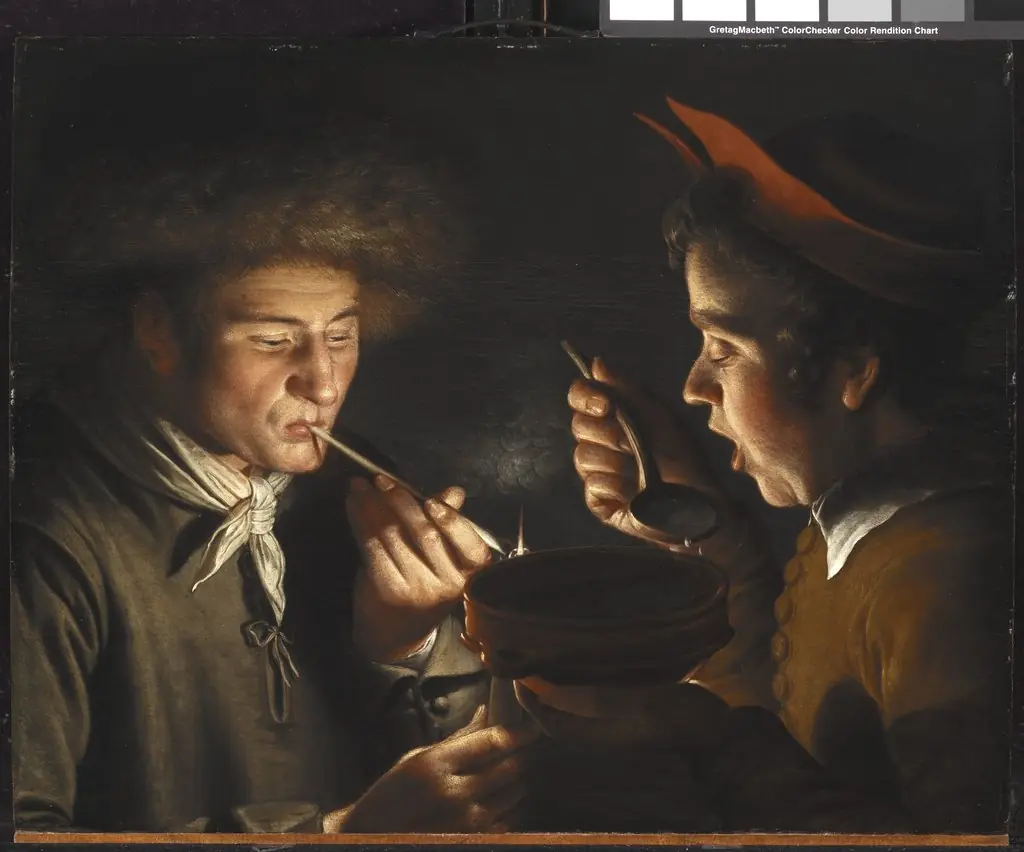 A Man Smoking and Another Man Eating by Candlelight
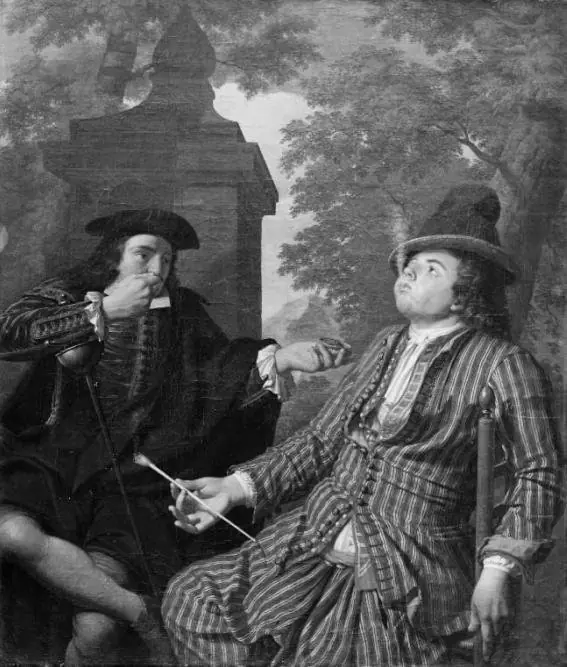 The Sense of Smell
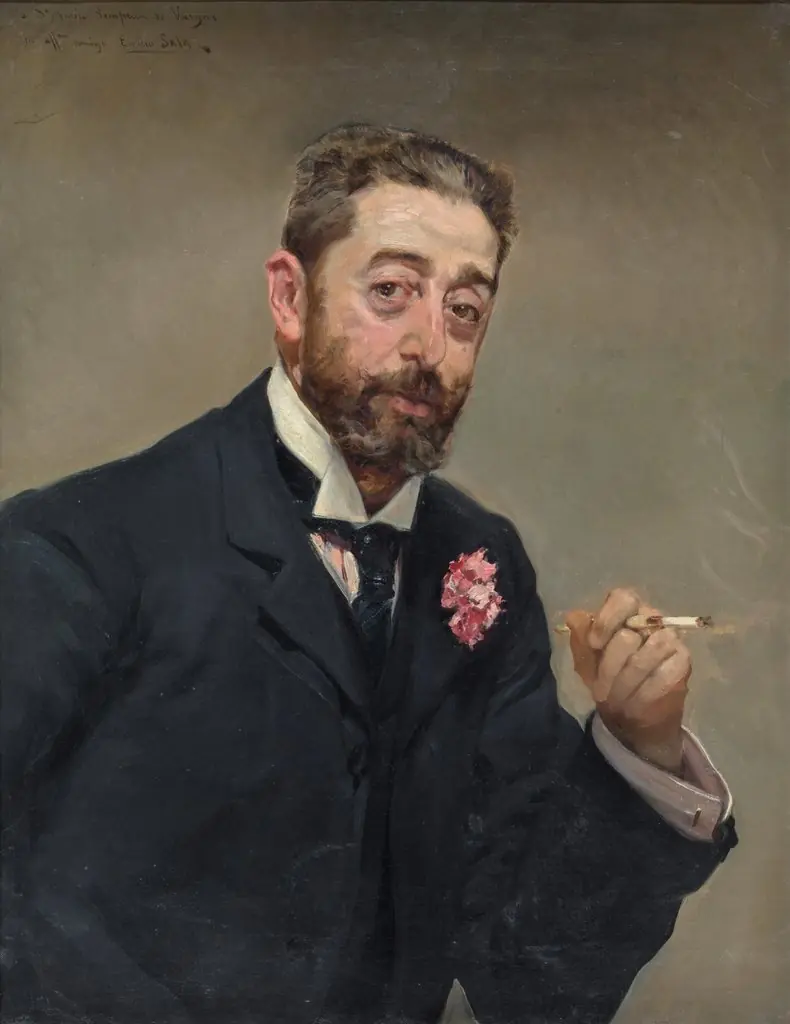 Rafael de Vargas y de Oviedo
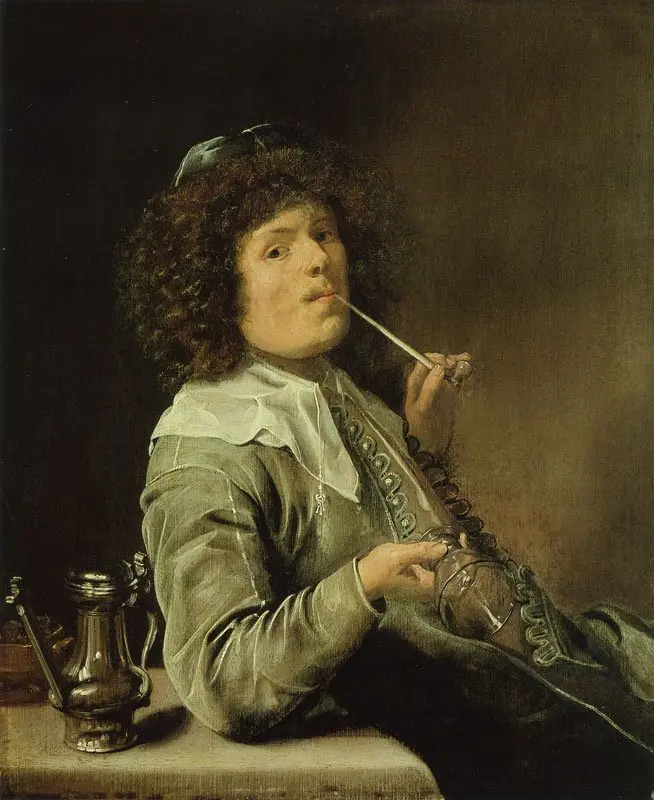 A smoking man with an empty wine glass
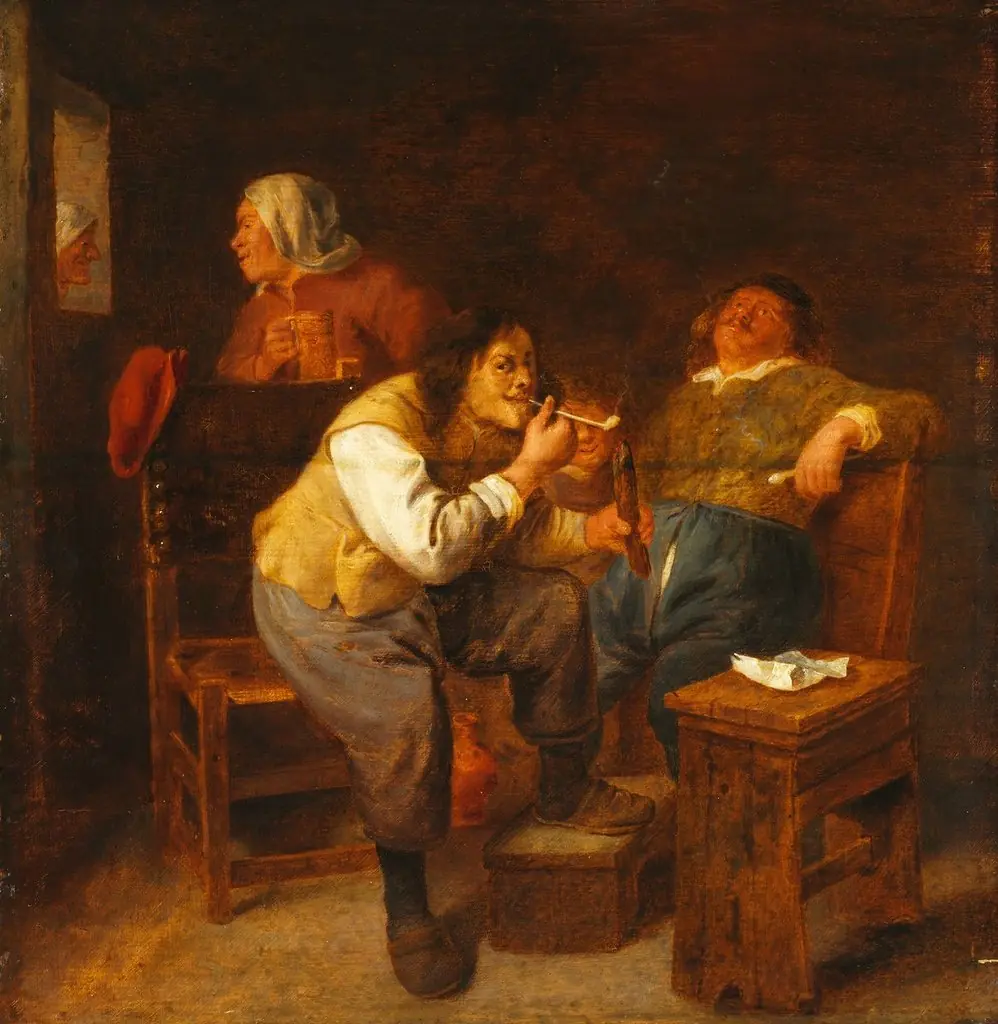 The Smokers
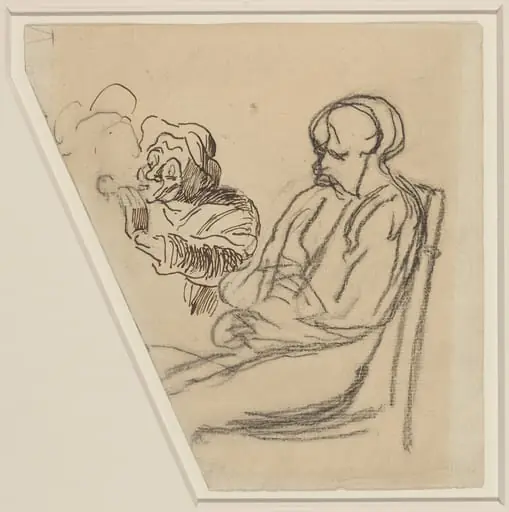 The Smoker
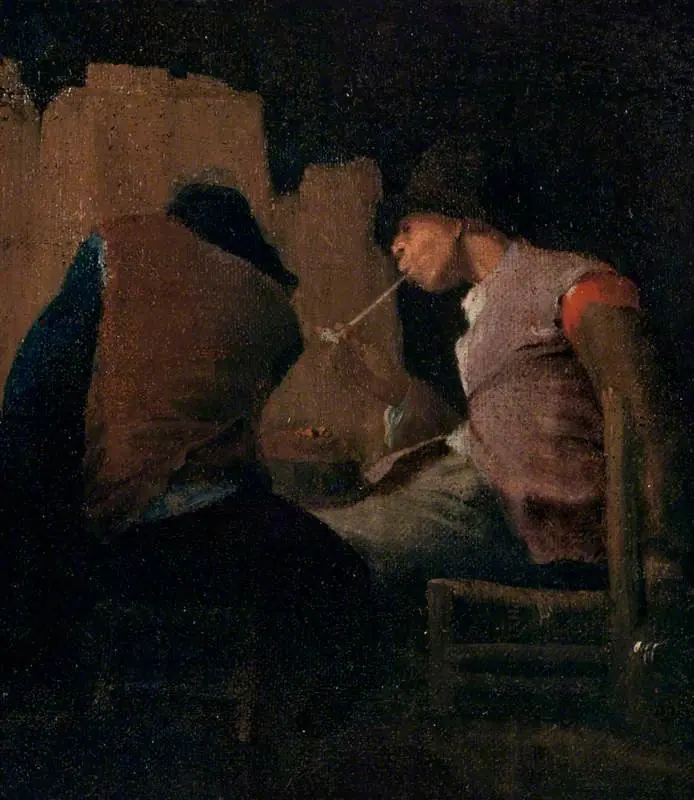 Two Peasants Smoking by a Fire ('Silent Companions')
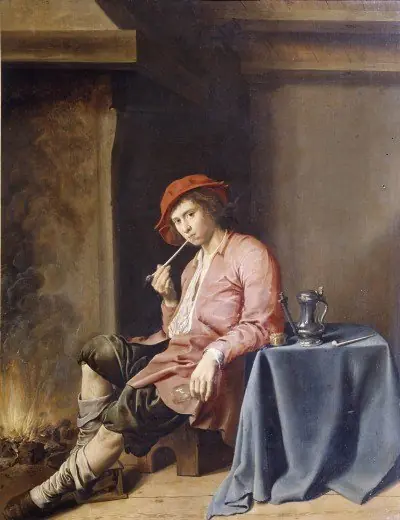 A Boy with a Pipe
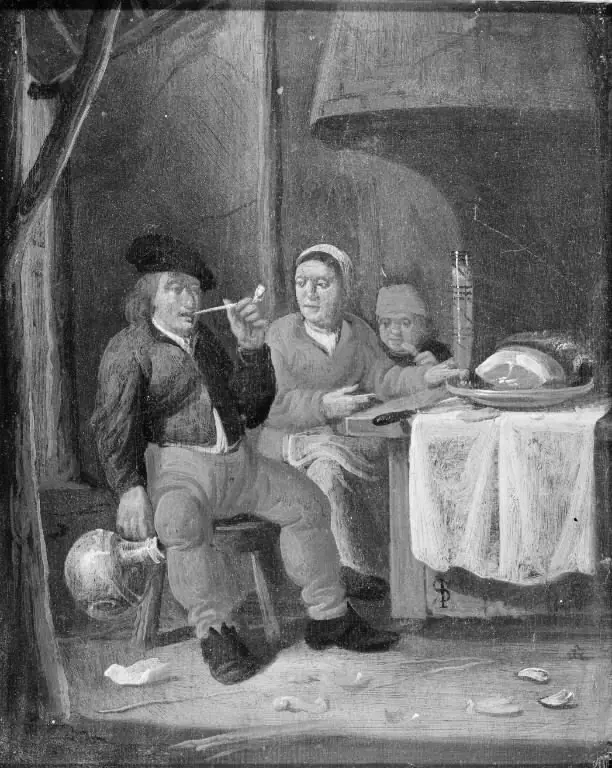 Family at the Meal
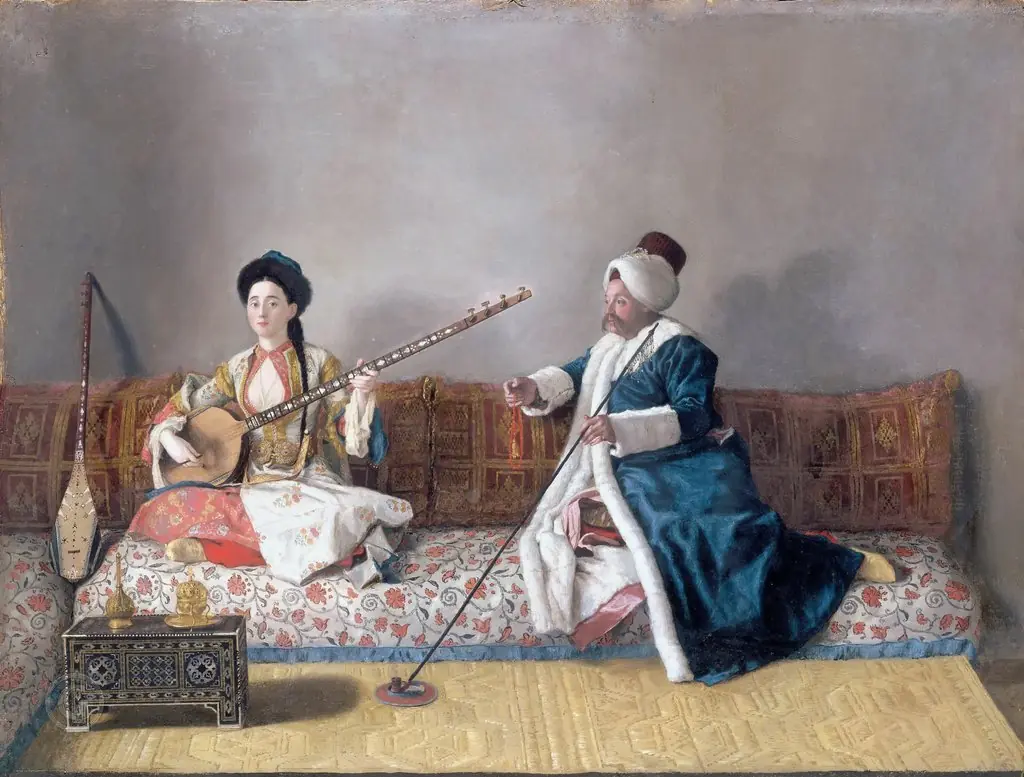 Monsieur Levett et Mademoiselle Glavani
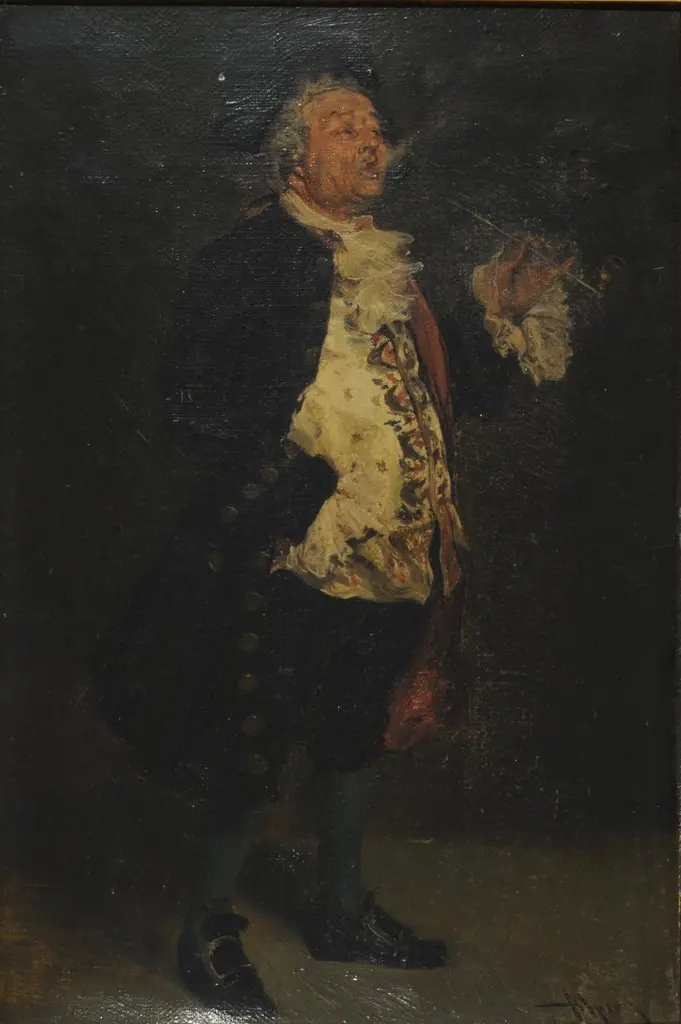 Smoker
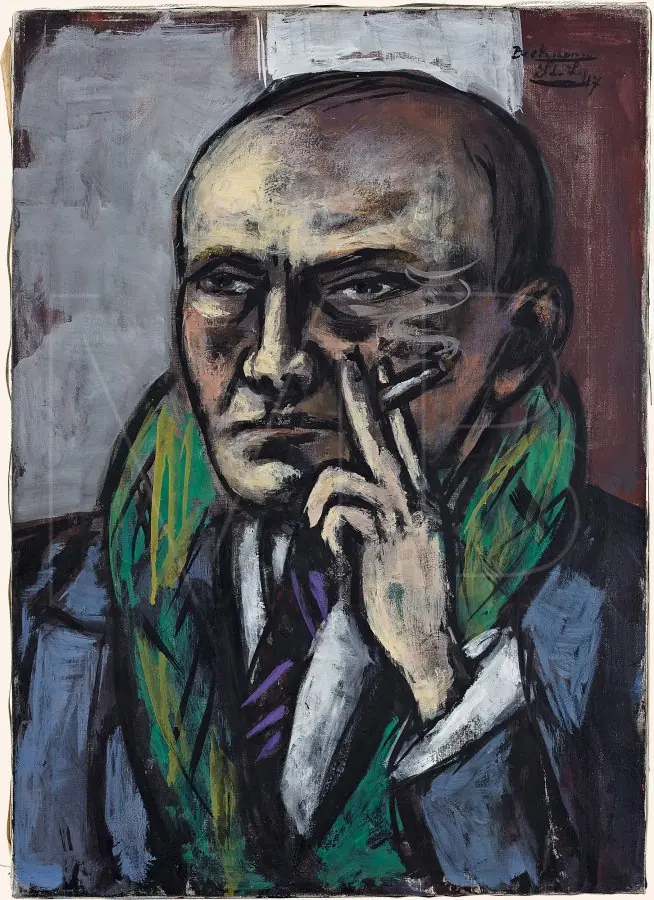 Self Portrait with Cigarette
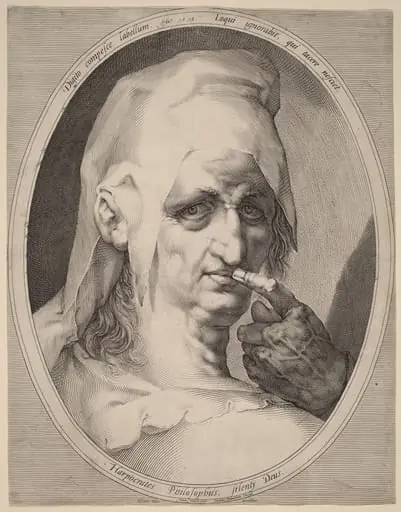 Harpocrates
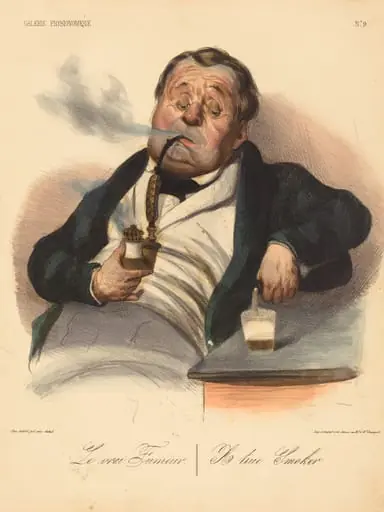 Le vrai Fumeur
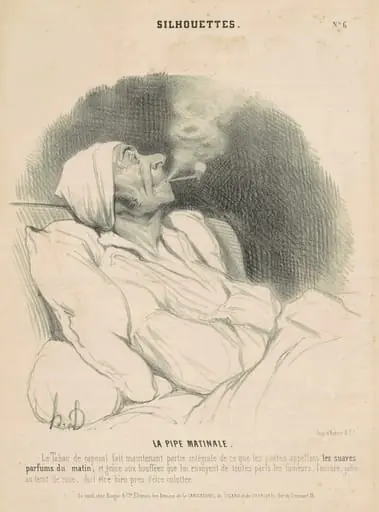 La pipe matinale
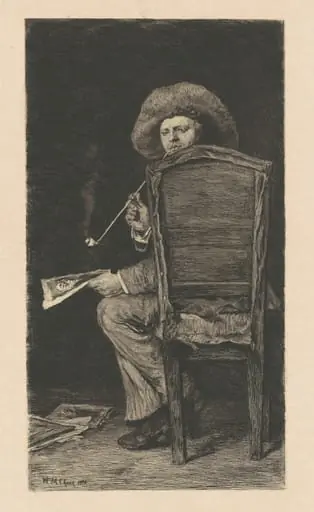 Frank Duveneck
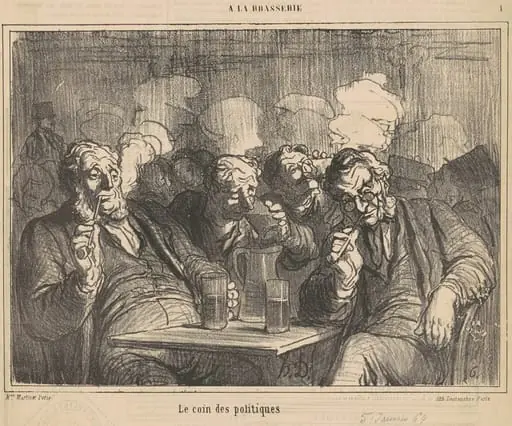 Le coin des politiques
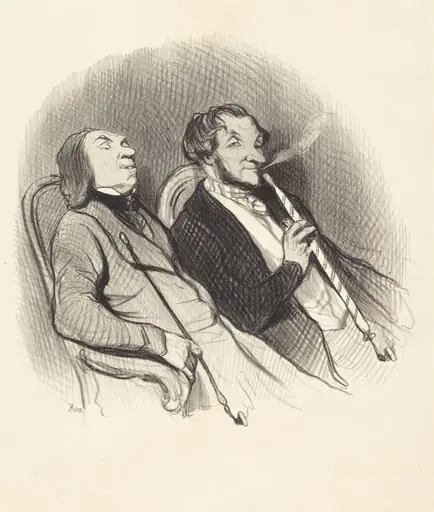 Les Fumeurs de Hadchids
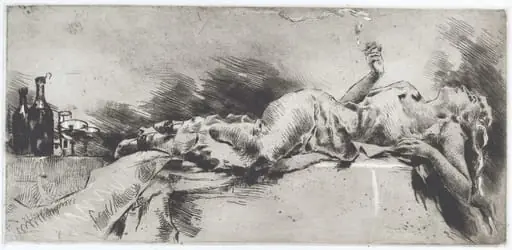 Intoxication (Ebbrezza)
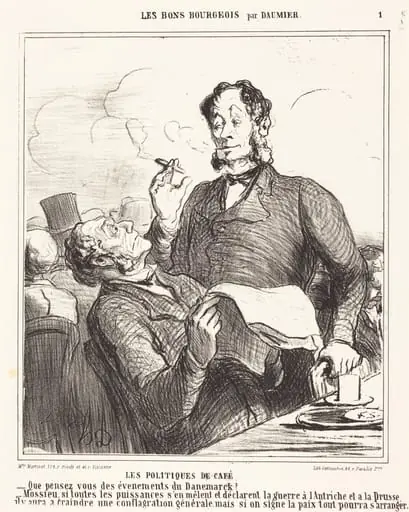 Les Politiques de café
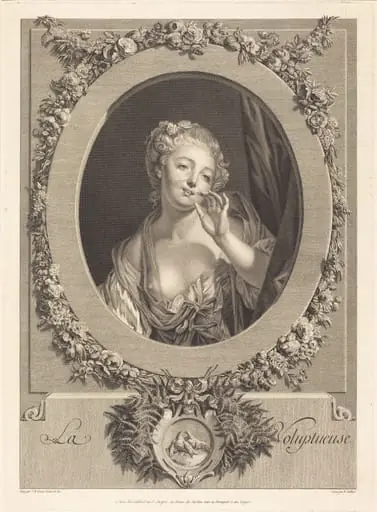 La voluptueuse
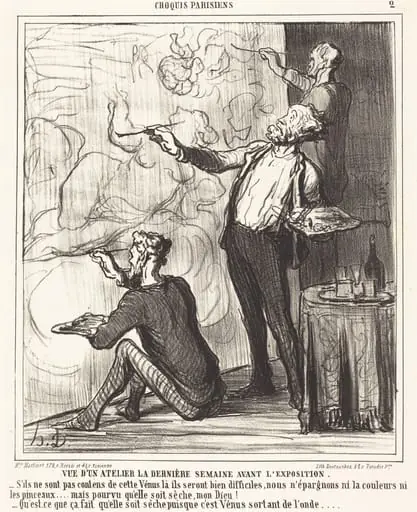 Vue d'un atelier... avant l'exposition
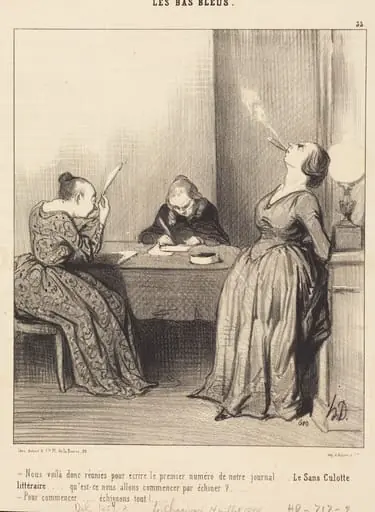 Nous voila... réunies pour écrire le premier numéro...
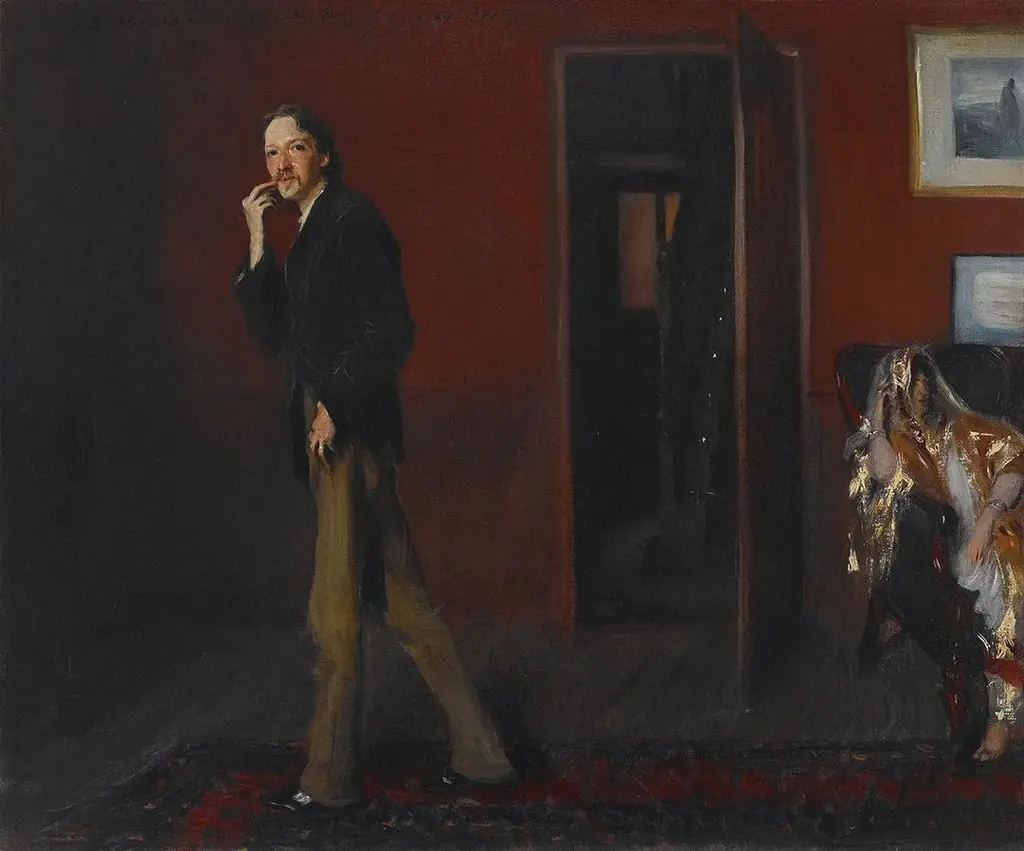 Robert Louis Stevenson and His Wife
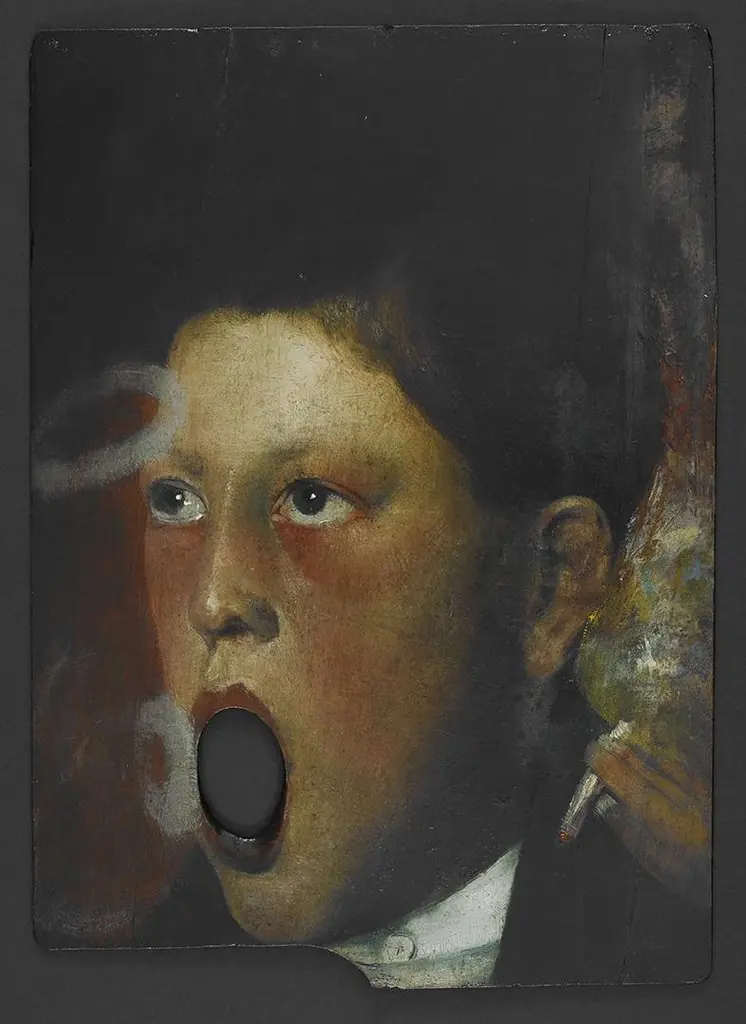 Boy Smoking
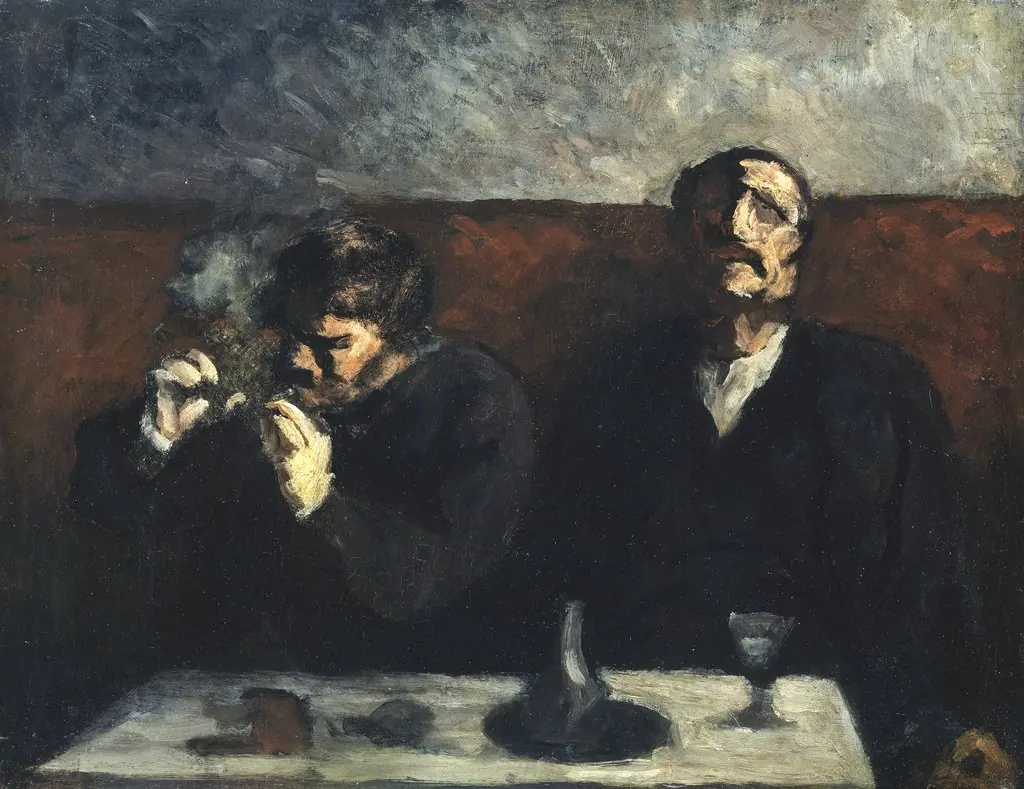 Fumeur et Buveur d'absinthe
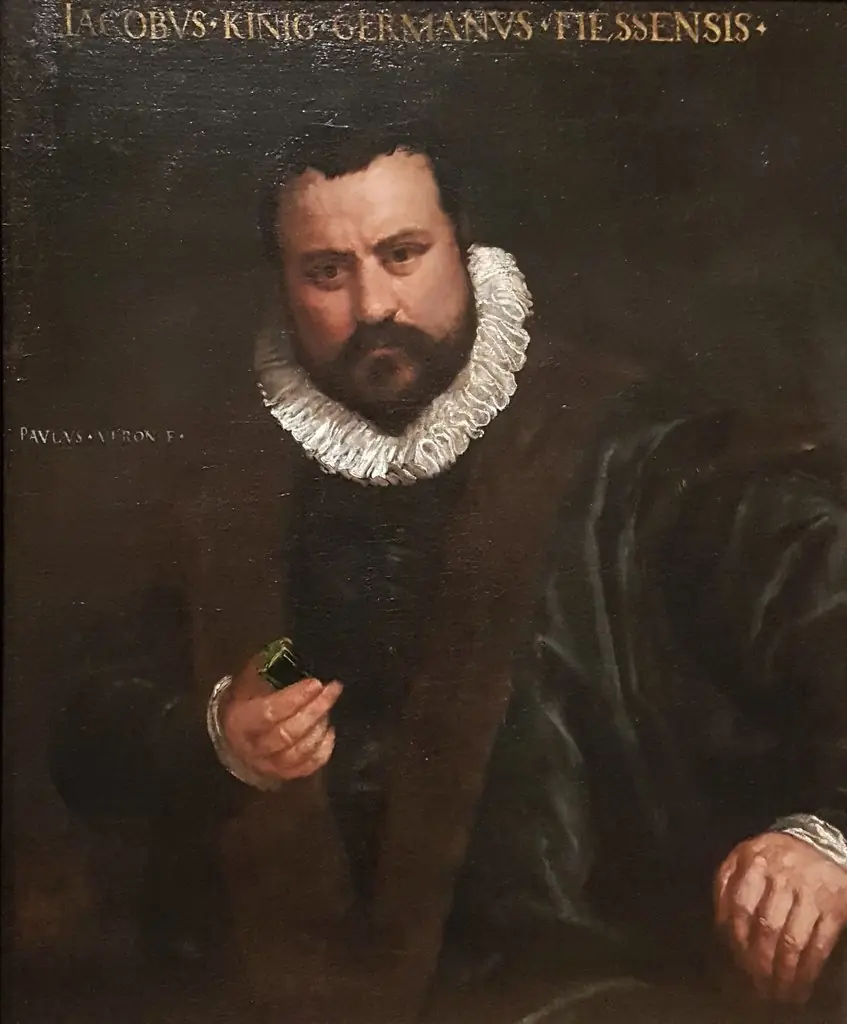 Portrait of Johann Jakob König
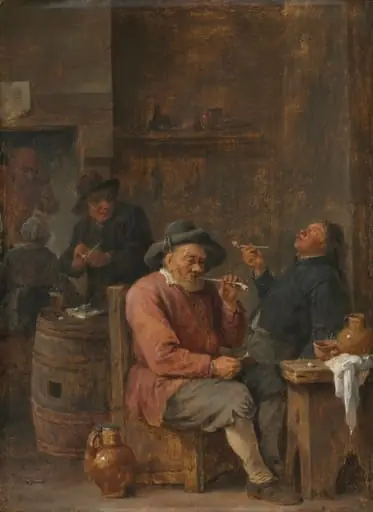 Peasants Smoking in an Inn
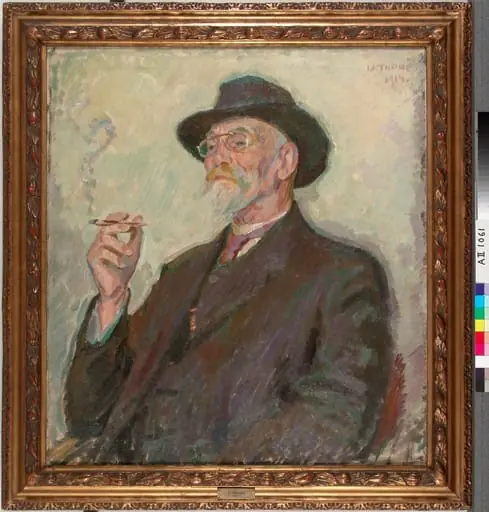 Metsänhoitaja, vapaaherra Ernst Wreden muotokuva
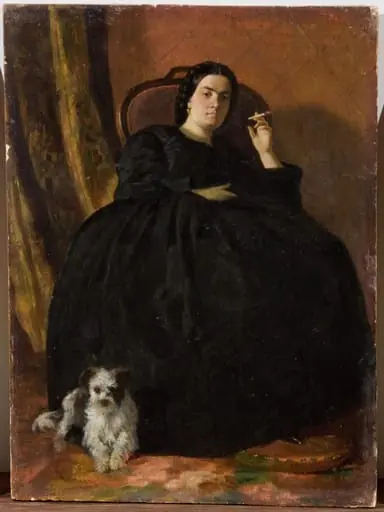 Femeia cu câinele
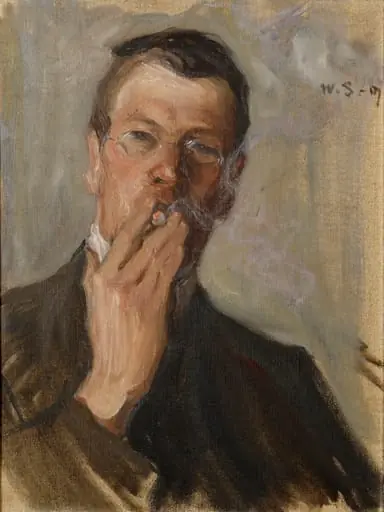 Taiteilija Ali Munsterhjelmin muotokuva
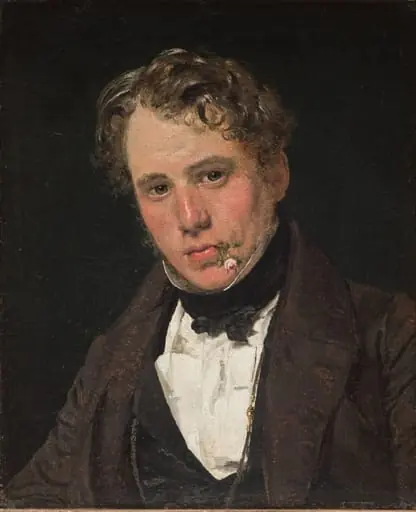 Portrait of the Painter Wilhelm Marstrand
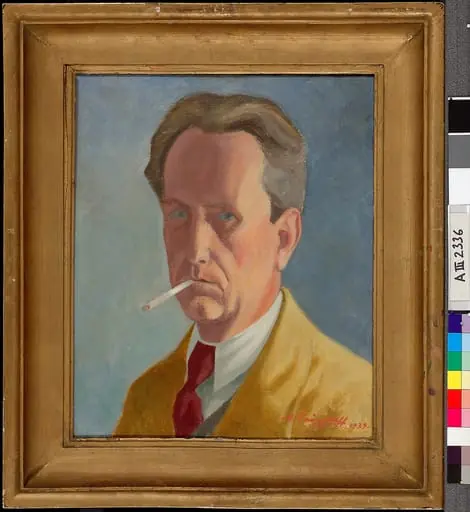 Omakuva
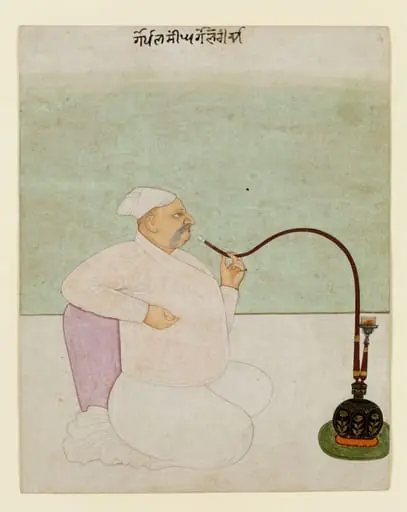 Mian Gopal Singh
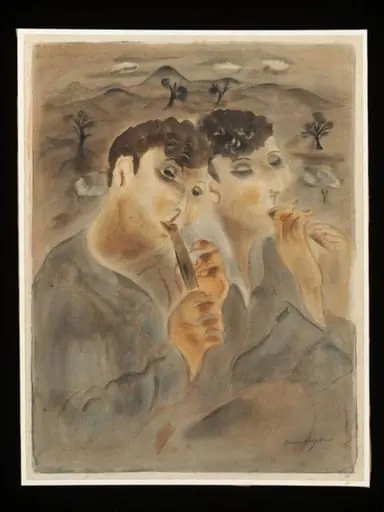 Two Sicilian Shepherds
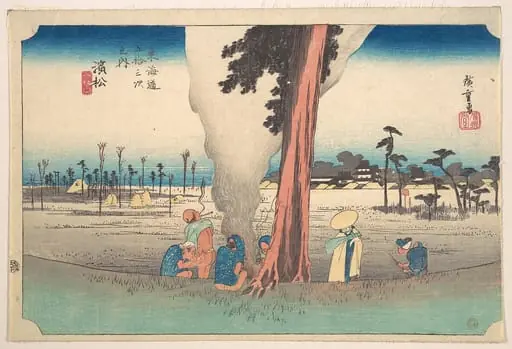 東海道五十三次之内 濱松 冬枯の図|Hamamatsu, Toko no Zu
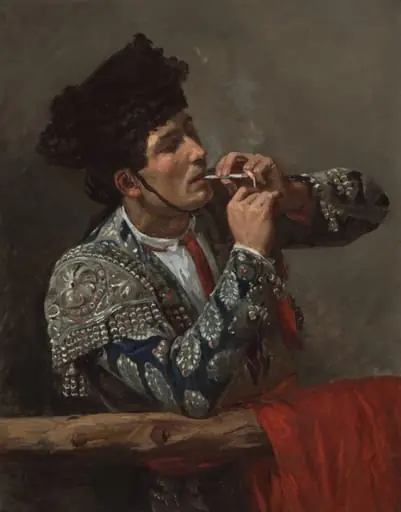 After the Bullfight
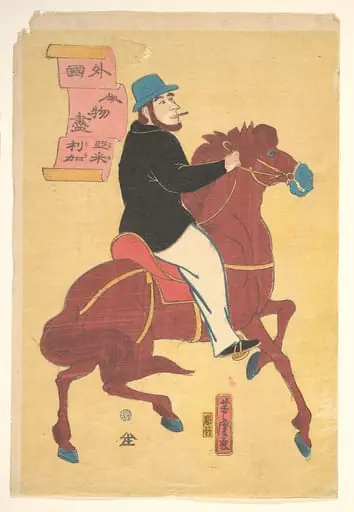 Untitled
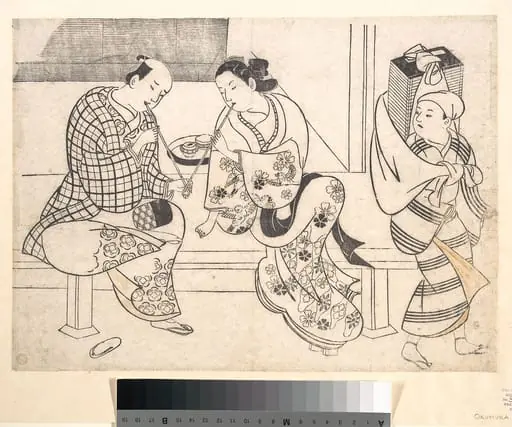 Untitled
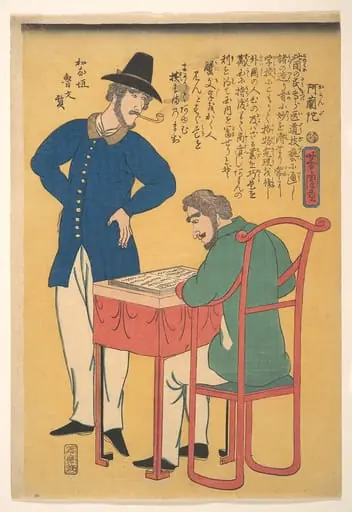 Oranda|Dutch Printers
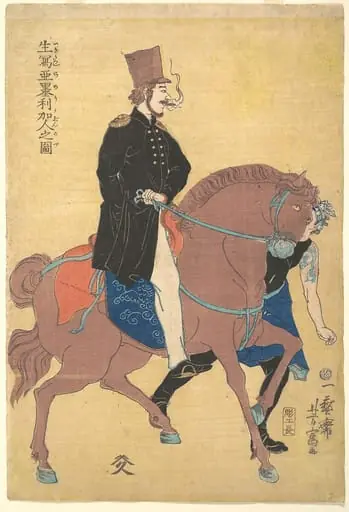 Ikiutsushi Americajin no zu|生写亜墨利加人之図|An American Drawn from Life
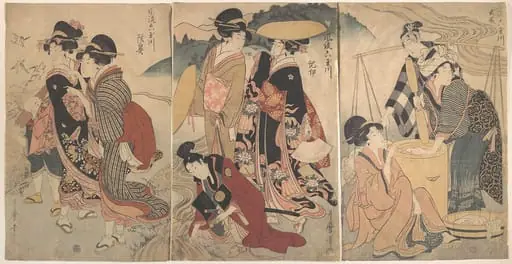 風流六玉川 武蔵 紀伊 陸奥|Women and a Man in the Country; Some pageant(?)
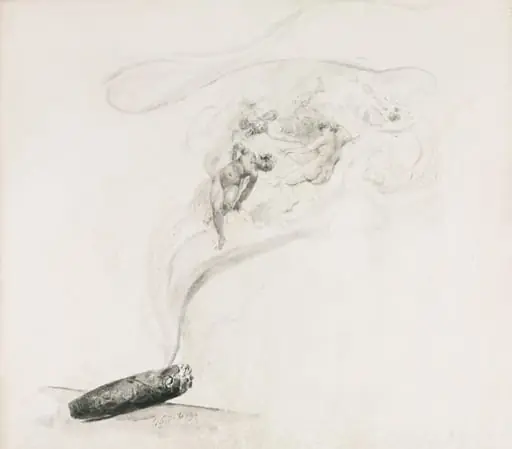 Dans la Fumé
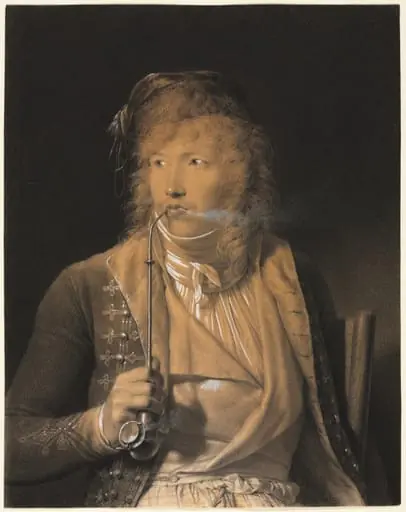 Jacques Luc Barbier-Valbonne
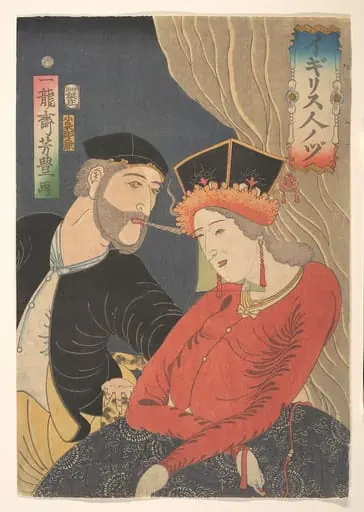 英吉利人之図|Illustration of English People (Igirisujin no zu)
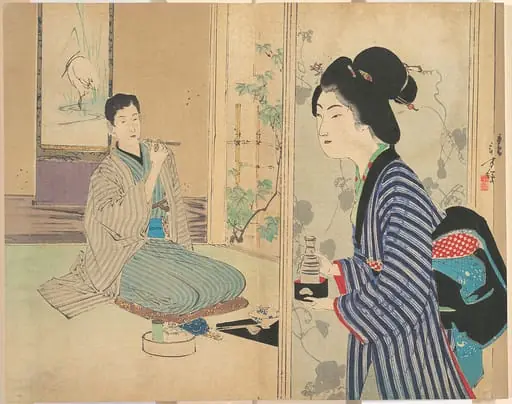 Untitled
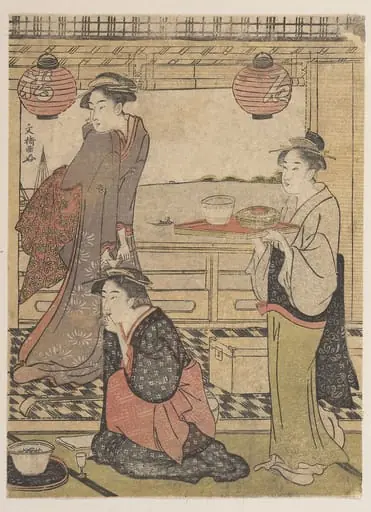 Untitled
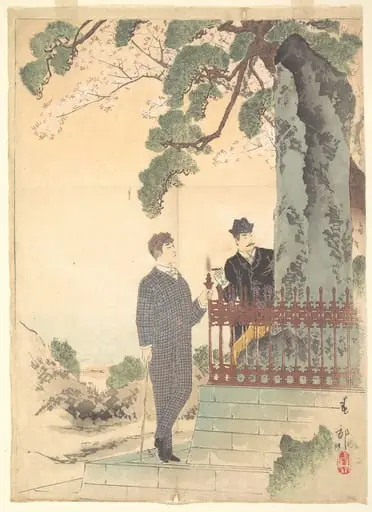 Untitled
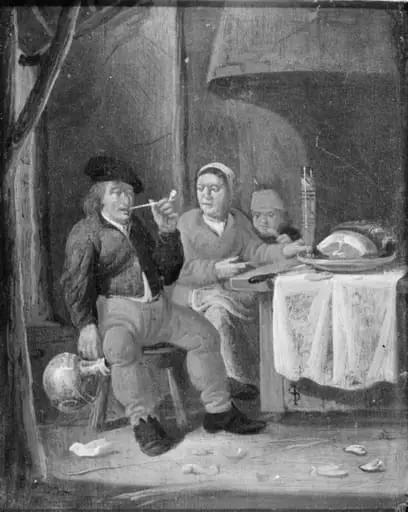 Family at the Meal
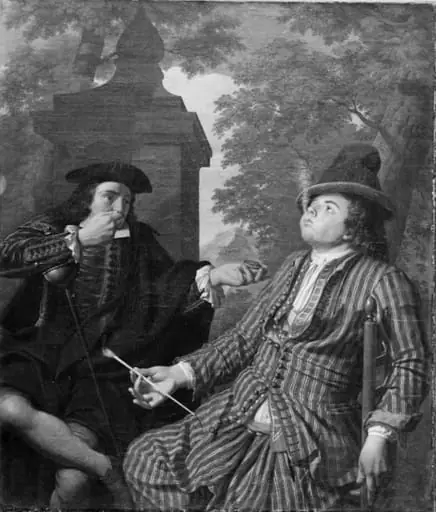 The Sense of Smell
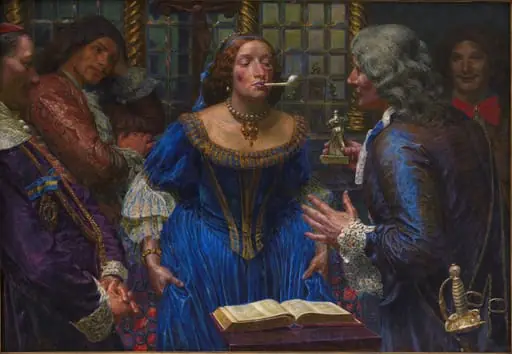 Queen Christina in Palazzo Corsini
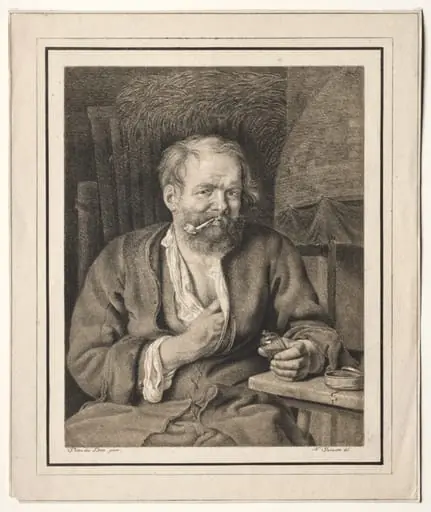 Peasant Sitting at a Table, Smoking a Pipe
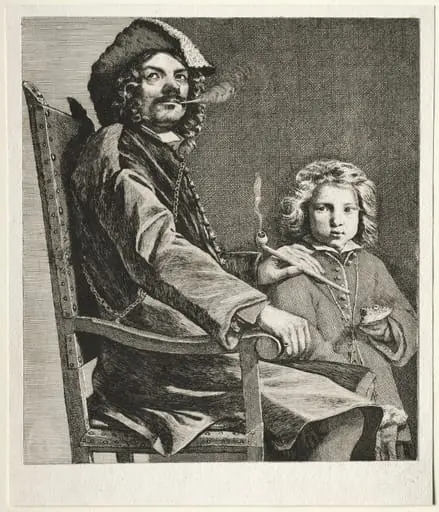 Man Smoking a Pipe and a Small Boy
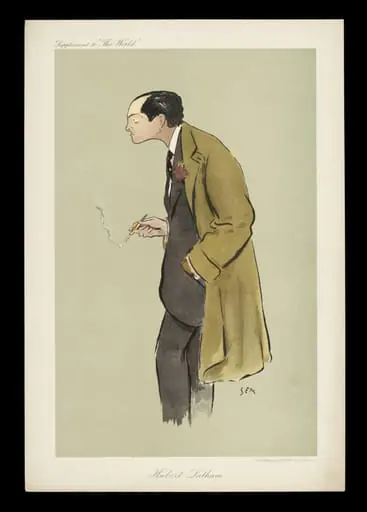 H Beard Print Collection
Frequently asked questions
What is Smoking?
Smoking is the combustion of a substance, usually plant material, and the inhalation of resulting fumes.
How many Smoking works does Artifact World Gallery have?
Artifact World Gallery holds 105 public-domain Smoking works, all free to view and download.
Who are the key Smoking artists?
Key Smoking artists in the collection include Paolo Veronese, Edgar Degas and Pierre-Auguste Renoir.
Where can I see Smoking works?
Smoking works in the collection are held by Metropolitan Museum of Art, National Gallery of Art and Statens Museum for Kunst.