Artwork
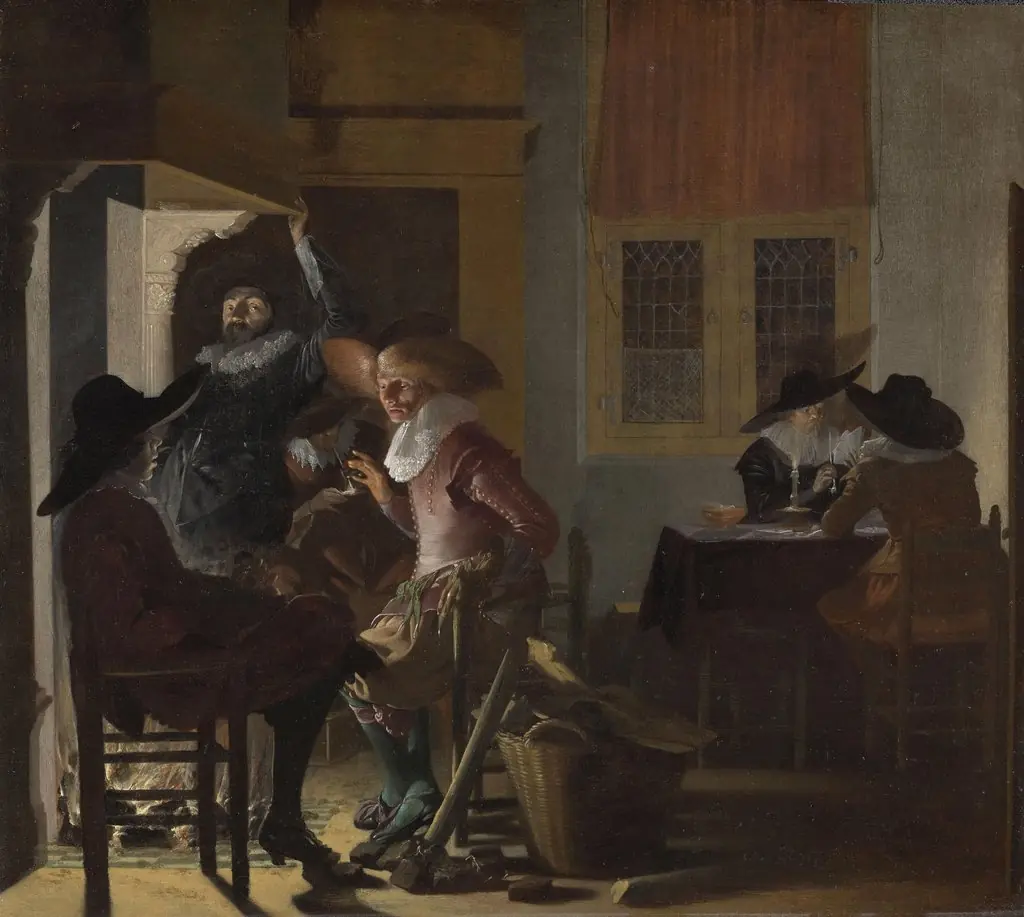
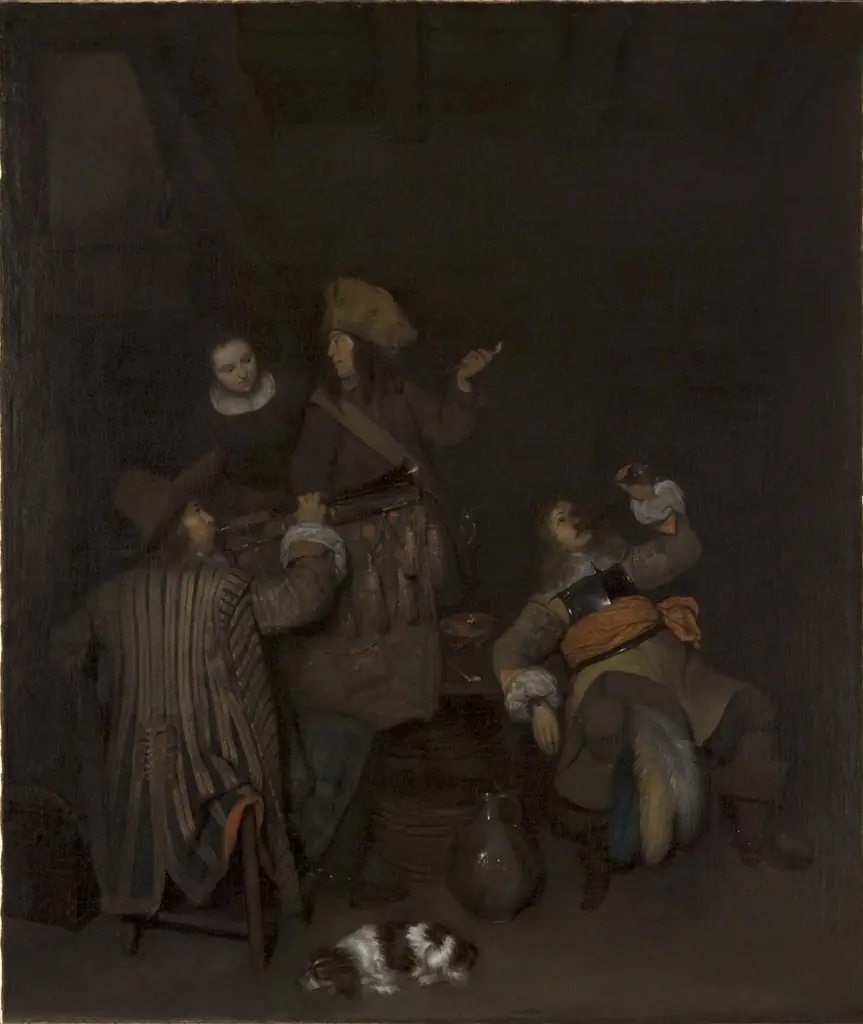
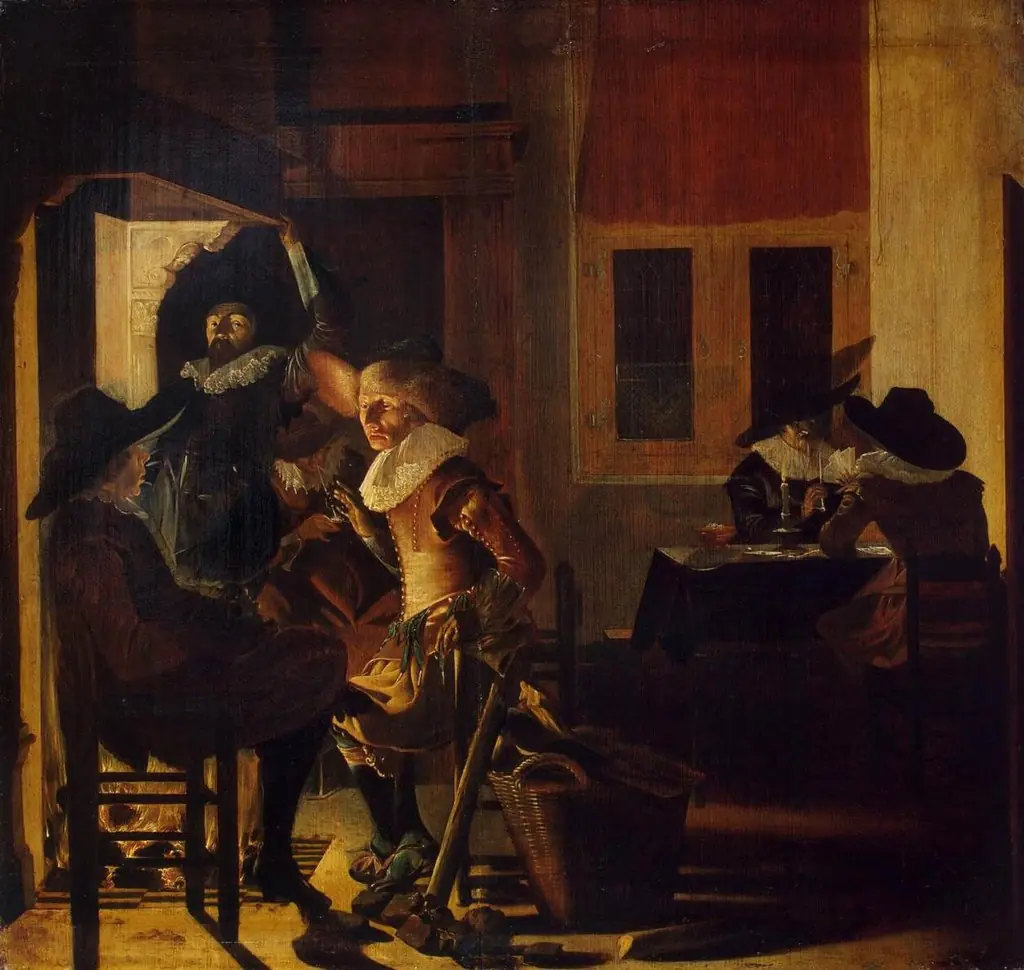
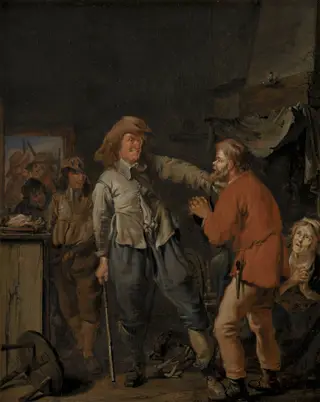
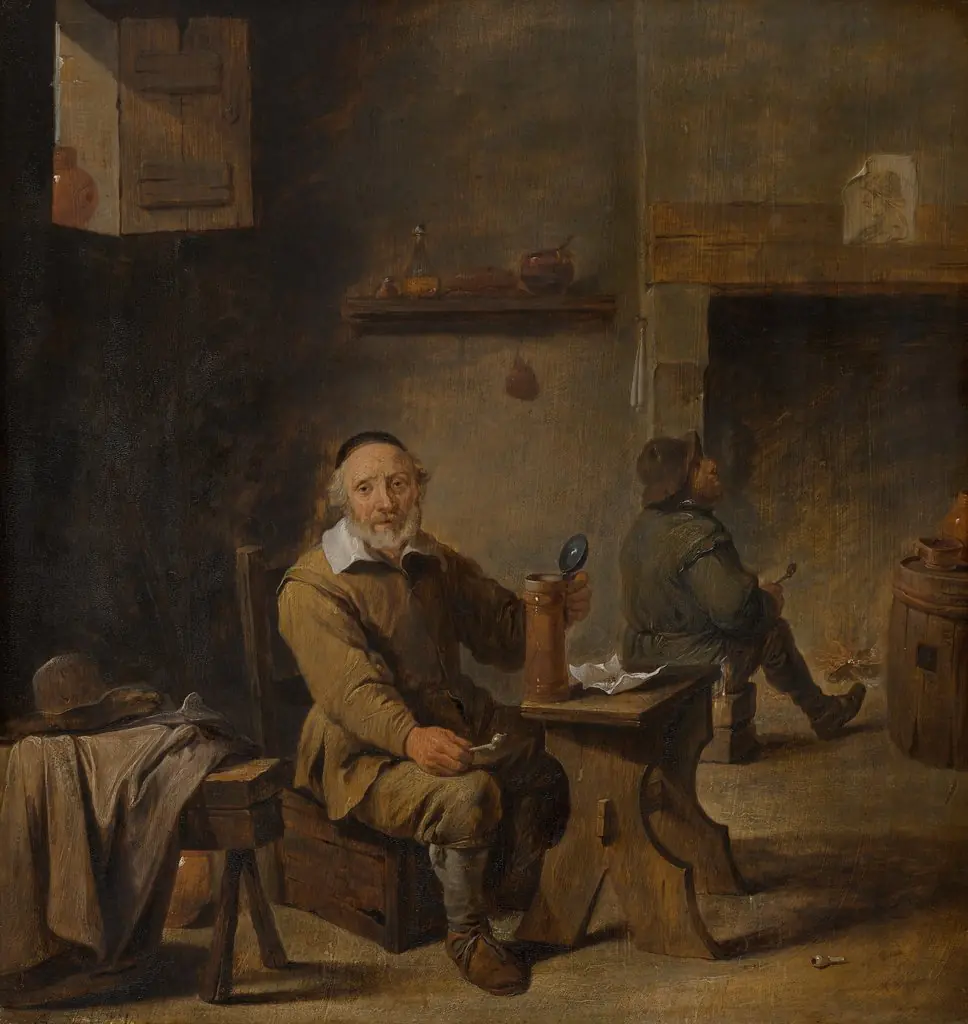
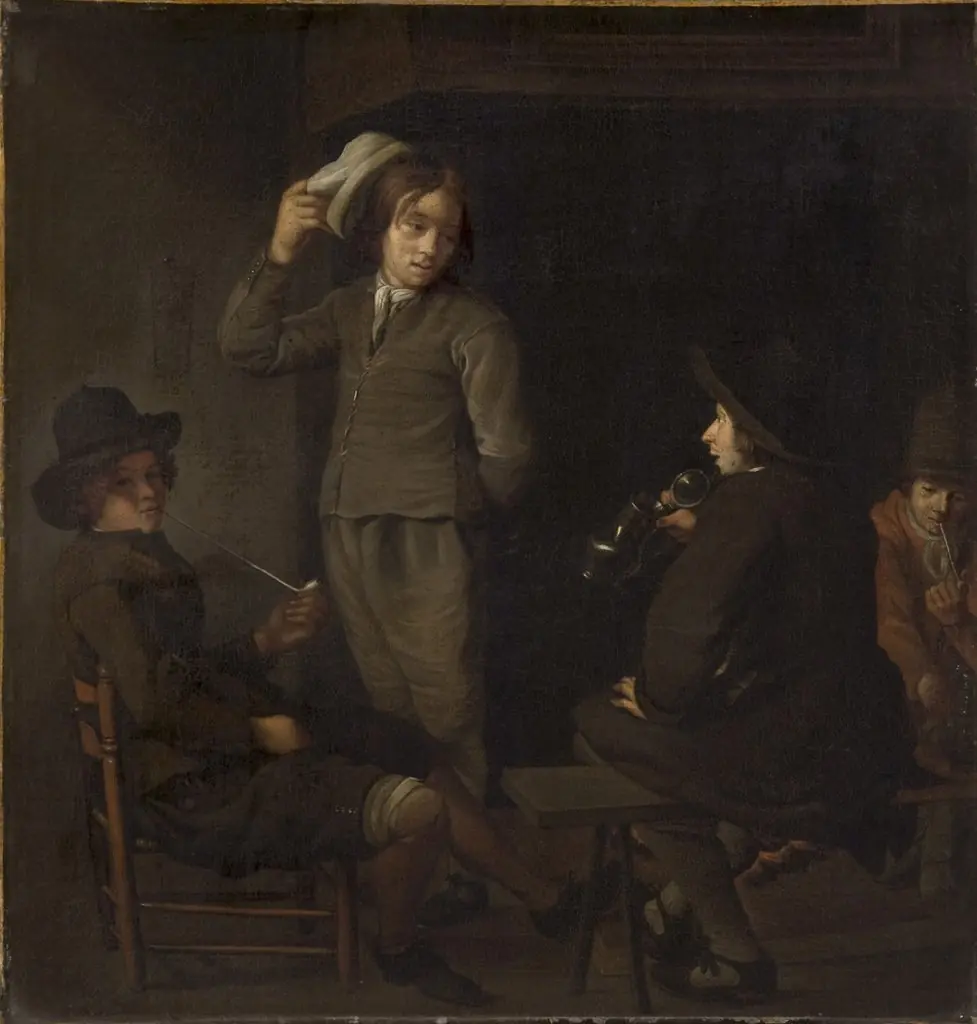
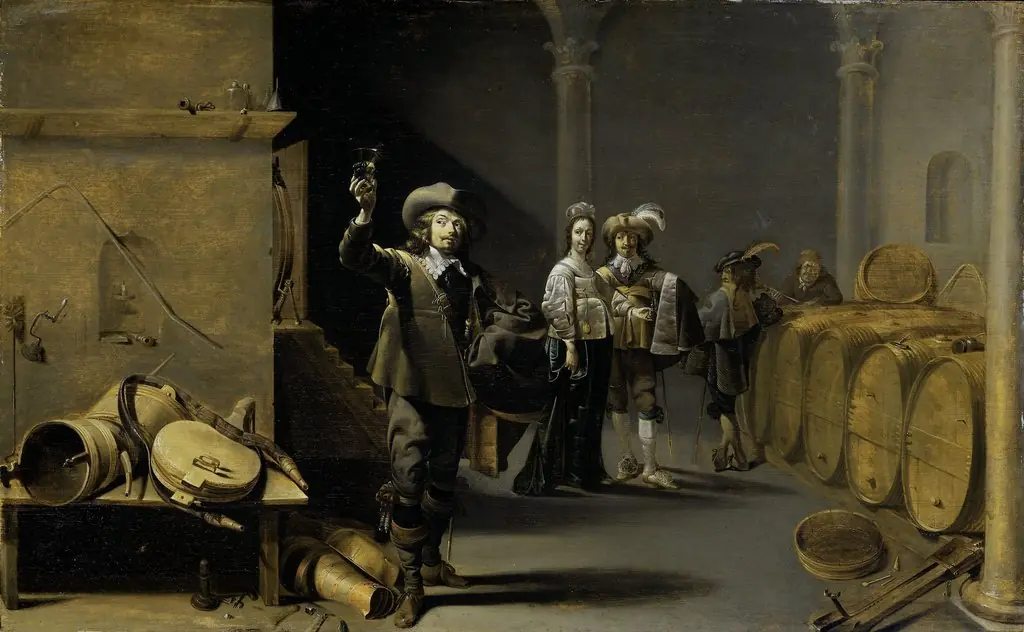
Signboard of a wineshop: tasting the wine (one side); barreling the wine (other side)
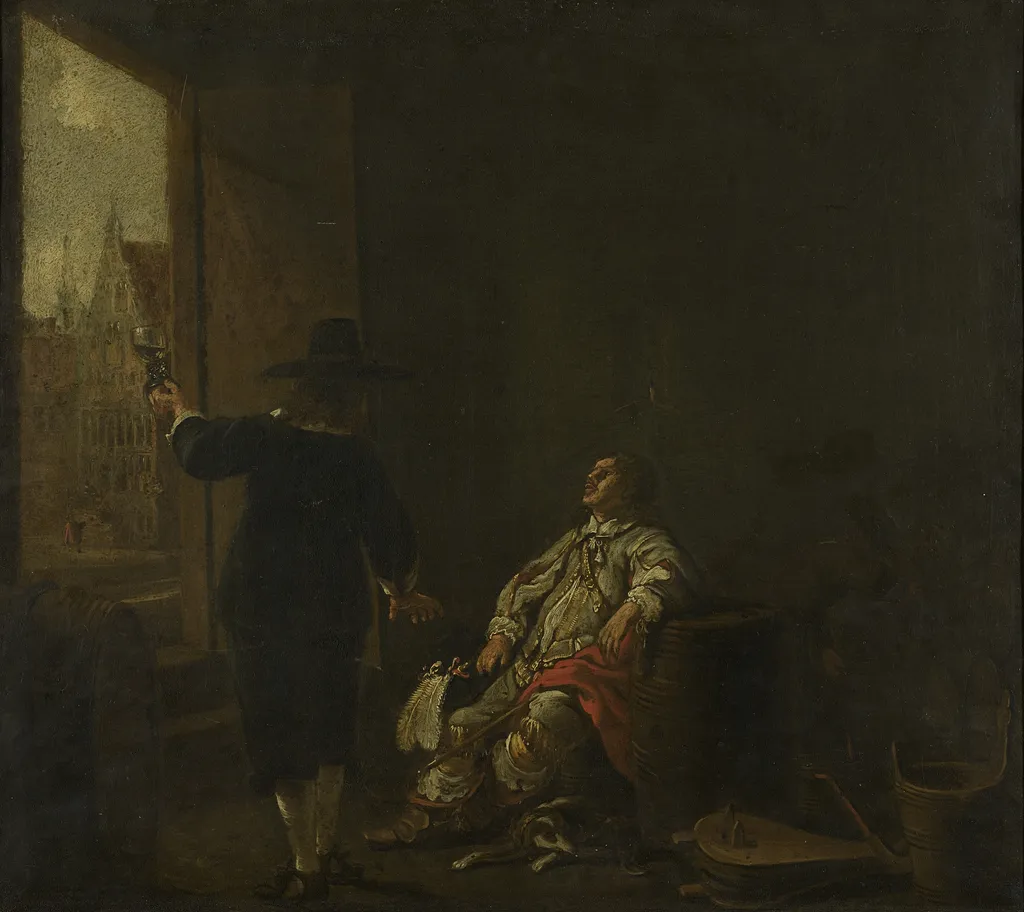
Signboard of a wineshop: tasting the wine (one side); barreling the wine (other side) is an oil painting by the Dutch Golden Age artist Aelbert Cuyp. It dates from 1650 and is held in the collection of the Rijksmuseum.
About this work
Technique & Style
The work is an oil painting on copper, a support that allows for exceptionally fine detail and a smooth, luminous surface.
The work is an oil painting on copper, a support that allows for exceptionally fine detail and a smooth, luminous surface. Measuring 45.5 by 52 cm, the small scale and rigid metal support suggest a meticulous, controlled handling of paint. The copper ground enables precise rendering of the wineshop scenes on both sides of the signboard.
As a double-sided object combining landscape and genre elements, the painting demonstrates the versatility of the copper medium for decorative, functional purposes in the Dutch Golden Age.
Legacy
The Signboard of a wineshop has maintained a notable presence in art historical discourse through its dual depiction of wine tasting and barreling, reflecting 17th-century Dutch mercantile culture. Its dual-sided composition has informed studies on genre painting and material experimentation on copper supports, influencing later Dutch and Flemish genre scenes. The work's inclusion in the Rijksmuseum collection has ensured continued scholarly attention to Cuyp's innovative use of genre motifs within landscape painting, cementing its reputation as a representative example of mid-17th-century Dutch artistic practice.
Overview
Around 1650 Aelbert Cuyp, a prominent Dutch Golden‑Age painter, produced a small copper work that functioned as a commercial sign for a wine merchant. The piece is divided into two panels: one depicting a patron tasting wine, the other showing the process of barreling it. It is presently held in the Rijksmuseum’s collection.
Subject & Meaning
The interior scene presents two figures in a dimly lit room. A well‑dressed man reclines in a chair, his boots removed, a feather fan in hand, while a dog rests at his feet. A second figure stands in the doorway, hat in hand, observing the scene. The composition suggests a moment of leisure and the everyday business of wine trade.
History & Provenance
The work has been part of the Rijksmuseum’s holdings since the early 20th century, acquired through the museum’s efforts to assemble representative examples of Dutch commercial art. Its attribution to Cuyp rests on stylistic analysis and documentation linking the piece to his workshop around the mid‑17th century.
Context
During the Dutch Golden Age, signboards served both advertising and decorative purposes, often portraying the goods sold. Cuyp’s sign reflects the period’s interest in realistic genre scenes and the growing importance of wine consumption in urban Dutch society, merging commercial function with artistic skill.
Own this work as a print
Artist & collection

Artist
Aelbert Jacobszoon Cuyp or Cuijp (Dutch pronunciation: ; 20 October 1620 – 15 November 1691) was one of the leading Dutch Golden Age painters, producing mainly landscapes.

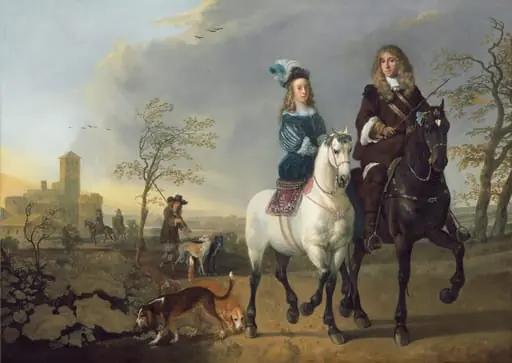 Lady and Gentleman on Horseback
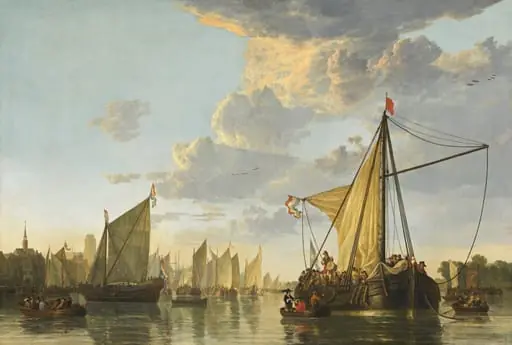 The Maas at Dordrecht
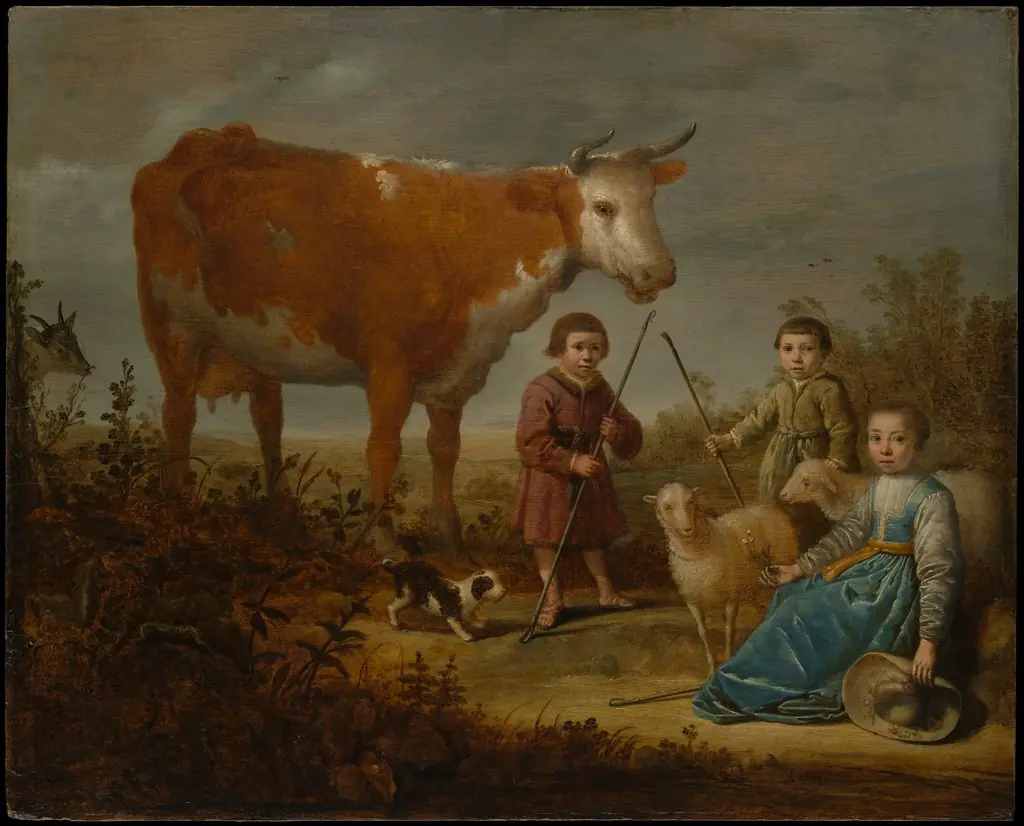 Children and a Cow
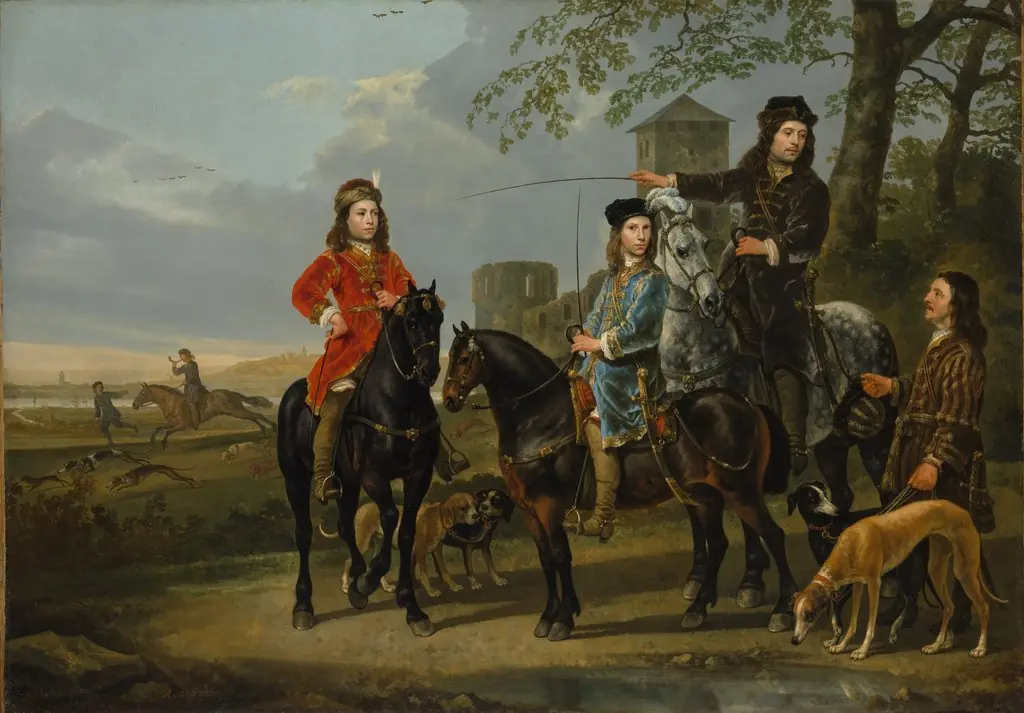 Equestrian Portrait of Cornelis (1639–1680) and Michiel Pompe van Meerdervoort (1638–1653) with Their Tutor and Coachman ("Starting for the Hunt")
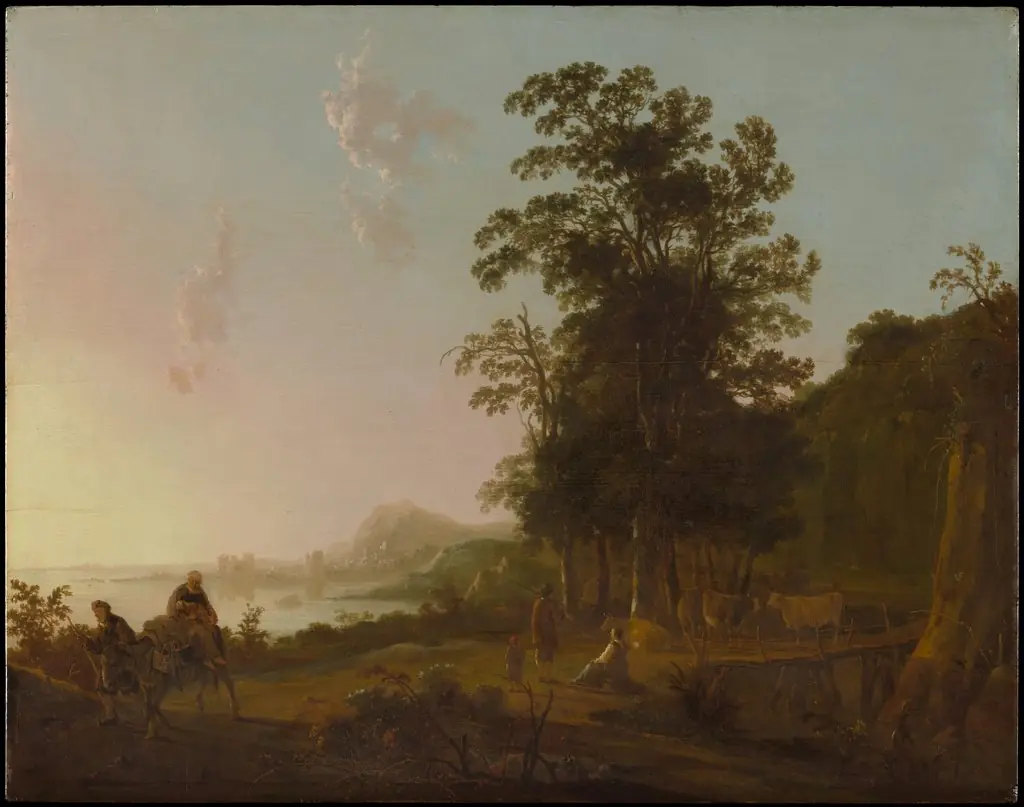 Landscape with the Flight into Egypt
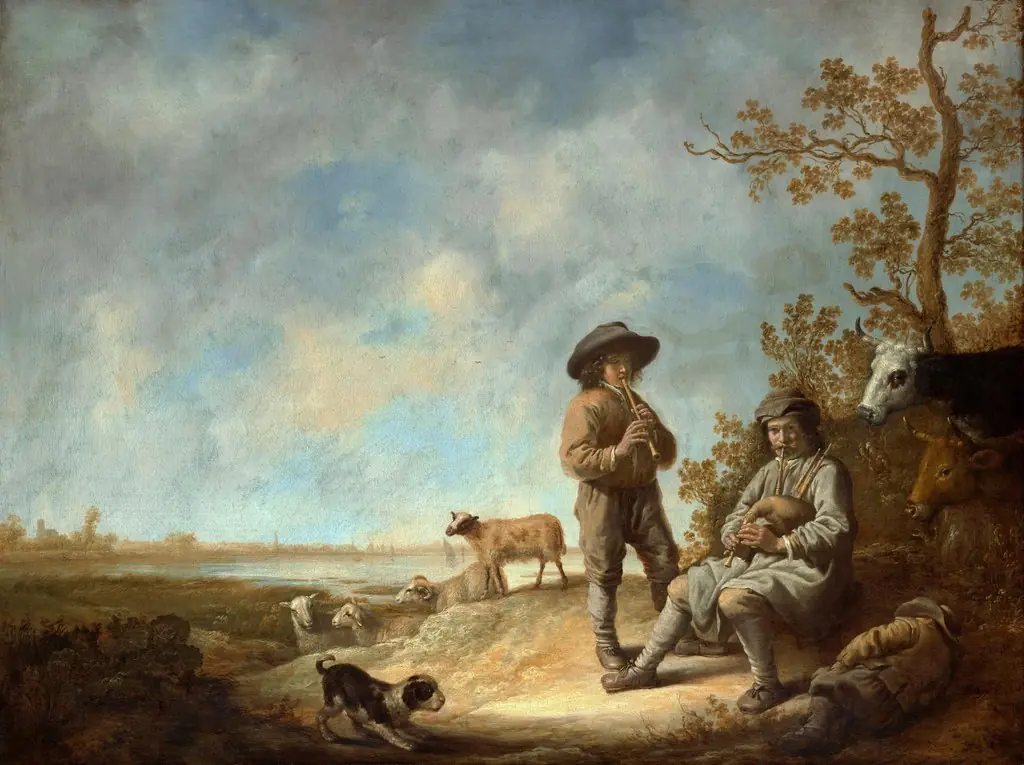 Piping Shepherds
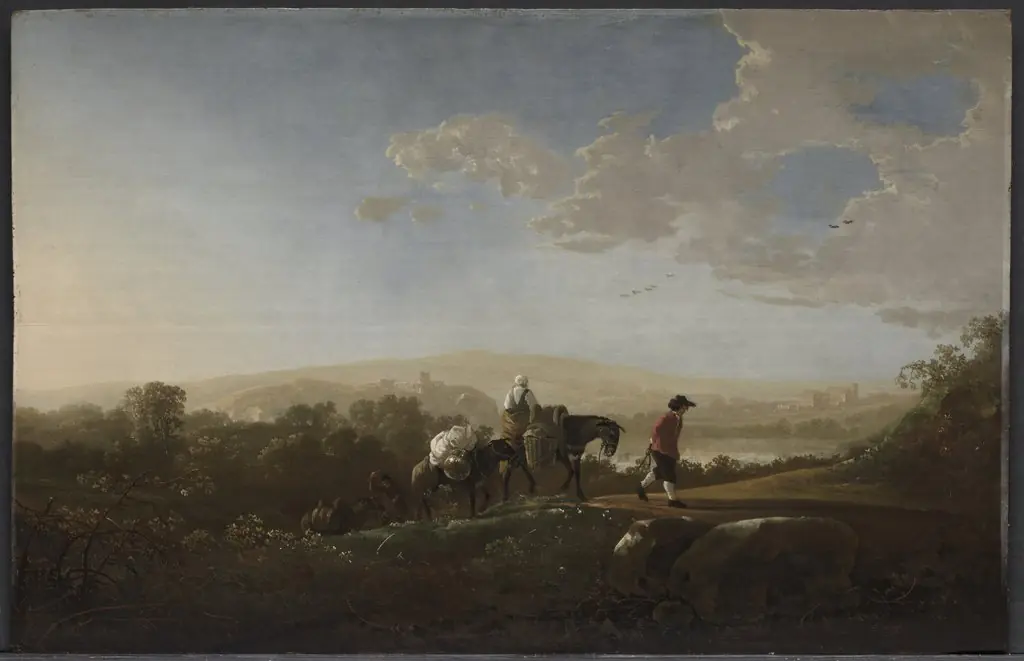 Travellers in Hilly Countryside
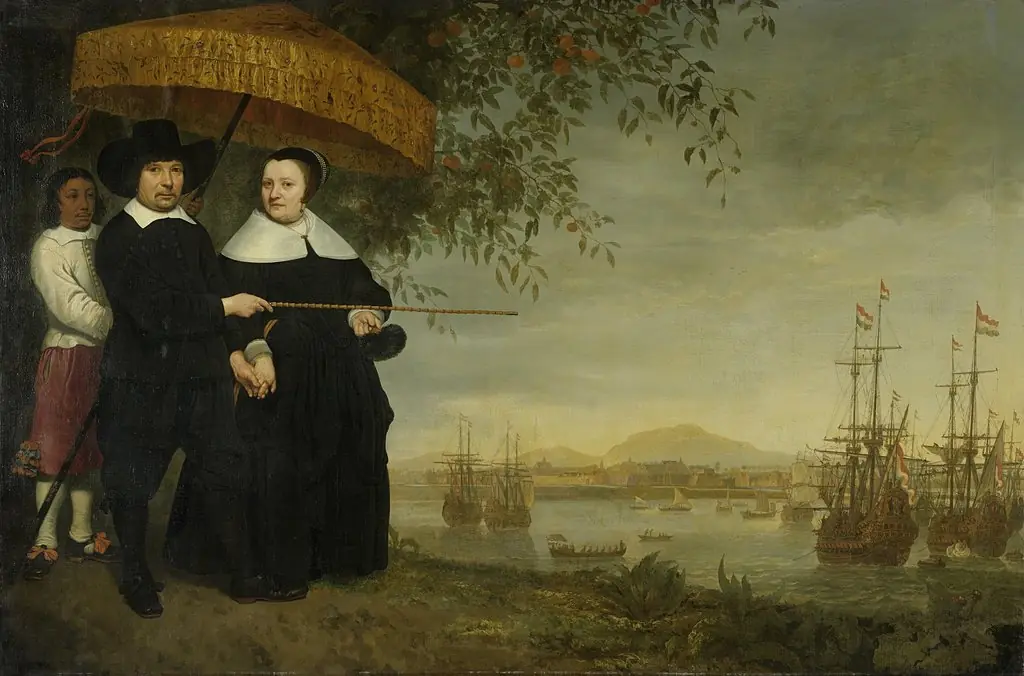 A Chief Merchant of the VOC with his Wife and an Enslaved Servant