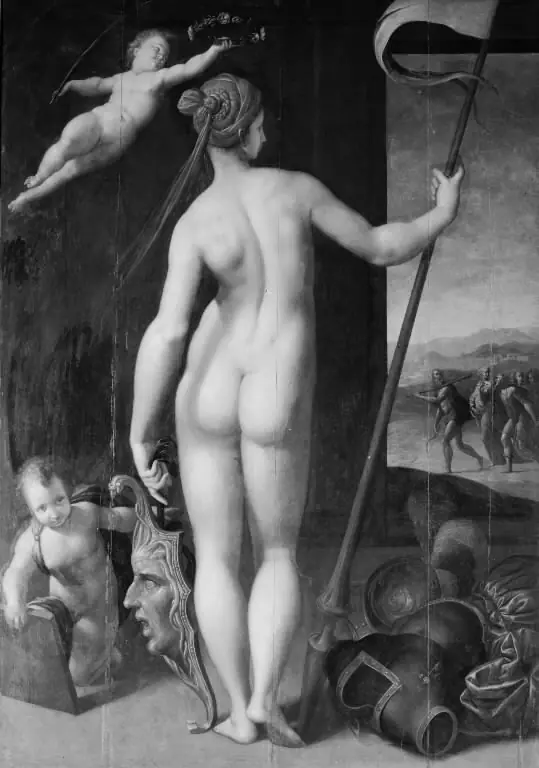
Artwork
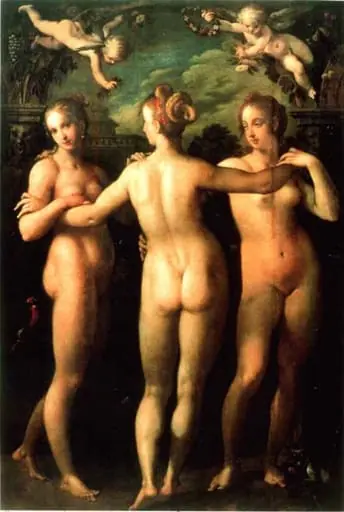
Venus and the Three Graces
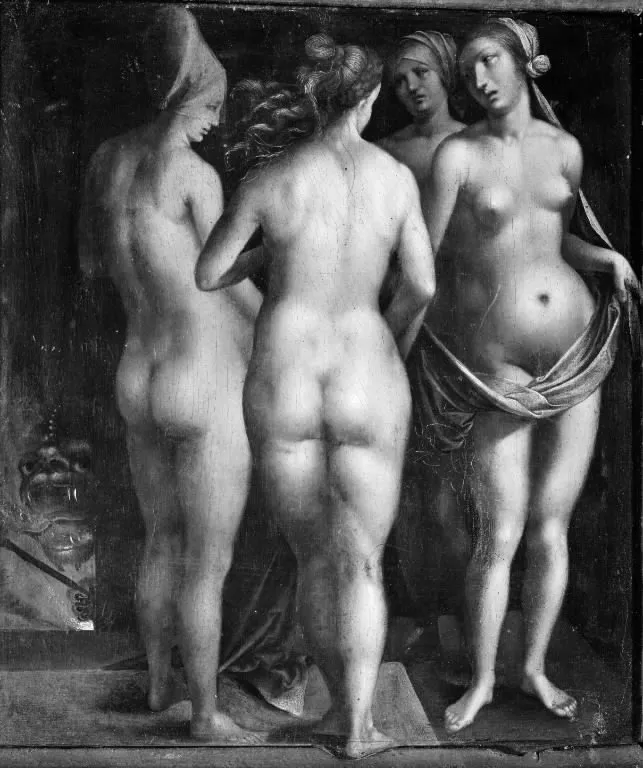
Venus and the Three Graces is an unspecified painting by the Northern Renaissance artist Albrecht Dürer. It dates from 1509 and is held in the collection of the Statens Museum for Kunst.
About this work
History & Provenance
It has been part of the collection of the Statens Museum for Kunst in Copenhagen since at least the early 20th century, where it remains on display.
The painting Venus and the Three Graces was created by Albrecht Dürer around 1500 as a mythological work, likely produced for private patronage rather than public commission. It has been part of the collection of the Statens Museum for Kunst in Copenhagen since at least the early 20th century, where it remains on display. The work measures 287 centimeters in height and 260 centimeters in width.
Its creation history reflects Dürer’s engagement with classical mythology and humanist themes during the High Renaissance, though specific patronage details remain undocumented.
Venus and the Three Graces is held by the Statens Museum for Kunst, the Danish national gallery, where it forms part of the museum's collection of mythological paintings by Albrecht Dürer. The work's location at the Statens Museum for Kunst is documented in the institution's collection records.
No specific inventory or accession number is recorded in the available sources, and no exhibition history beyond the work's presence in the Statens Museum for Kunst's collection is documented.
Overview
Albrecht Dürer's painting 'Venus and the Three Graces' dates to around 1509. It is a representation of a mythological scene, characteristic of the Northern Renaissance. The work is held in the Statens Museum for Kunst.
Subject & Meaning
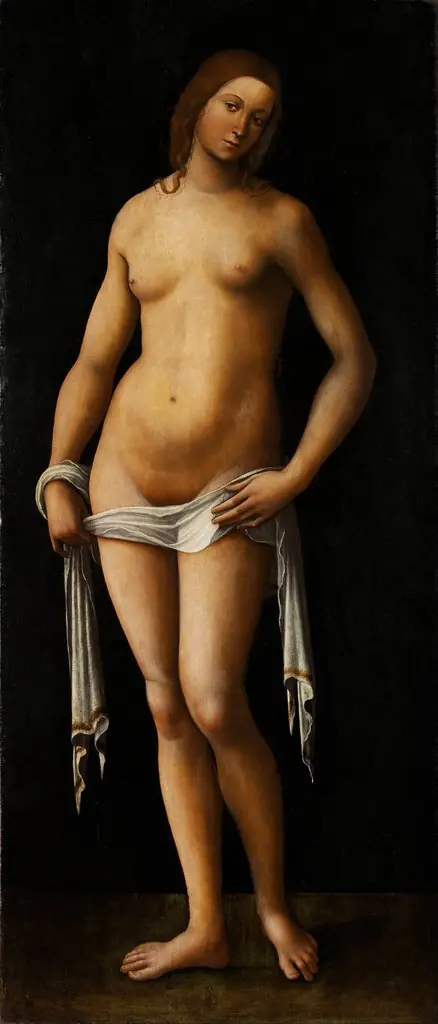
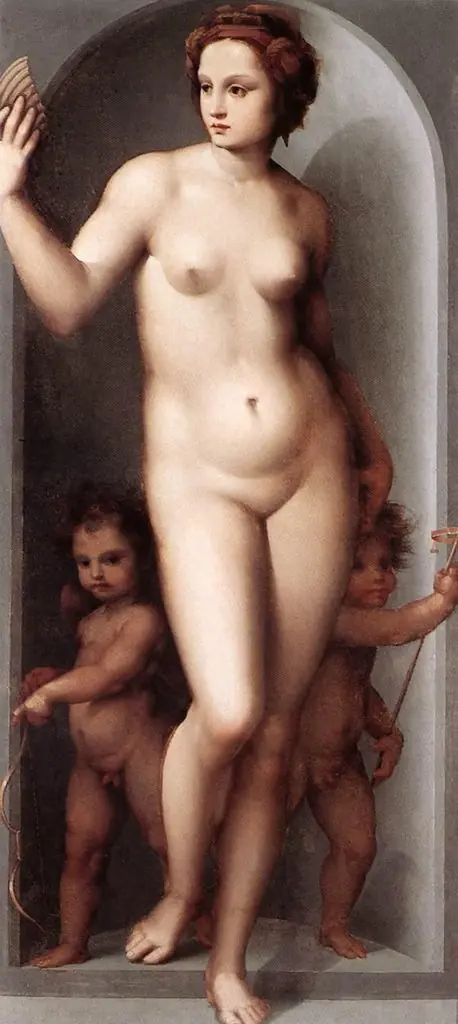
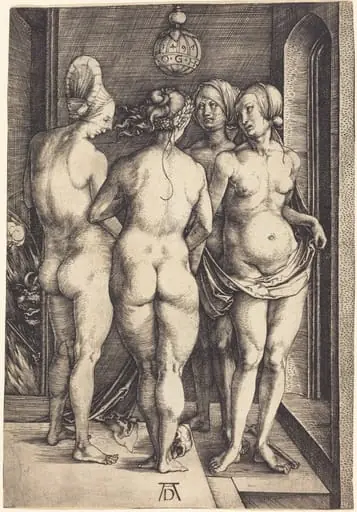
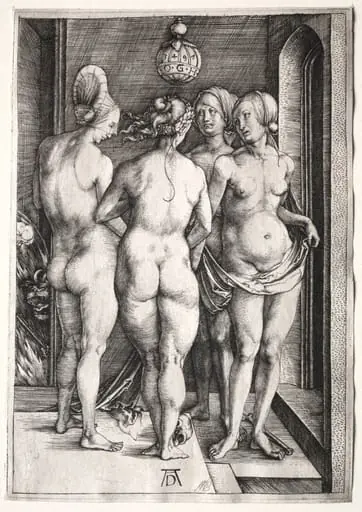
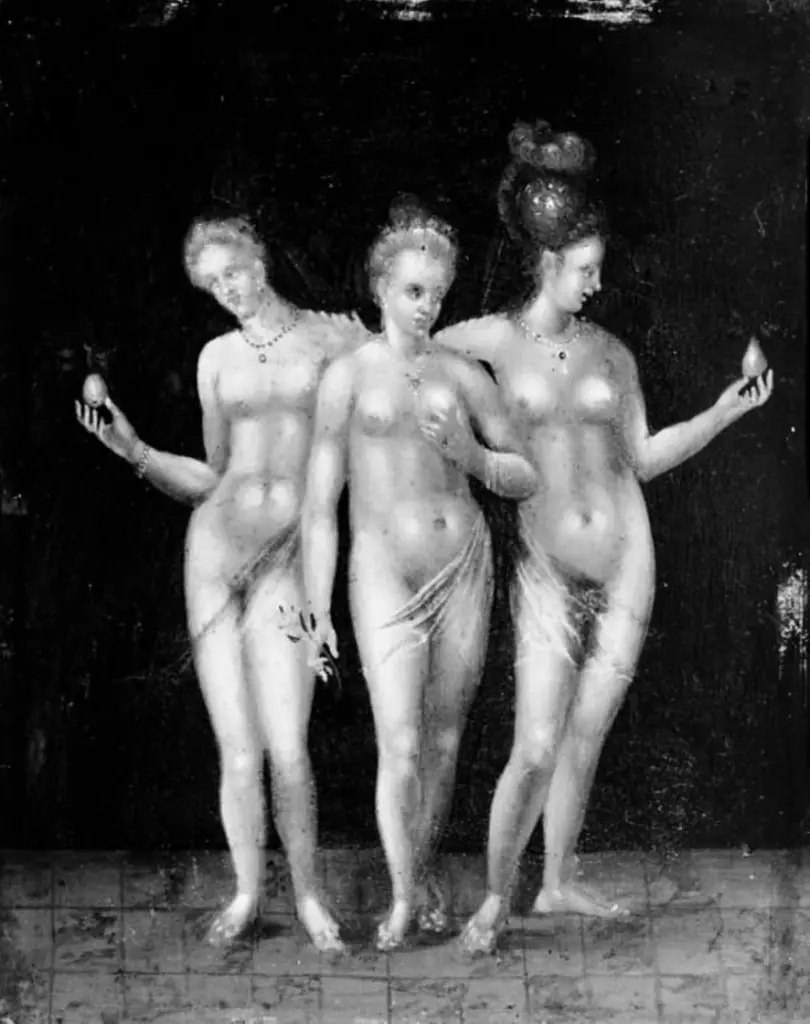
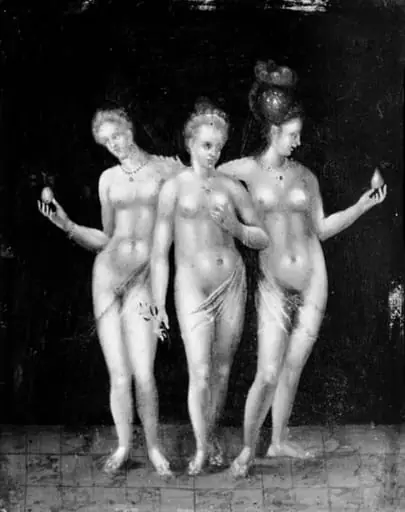
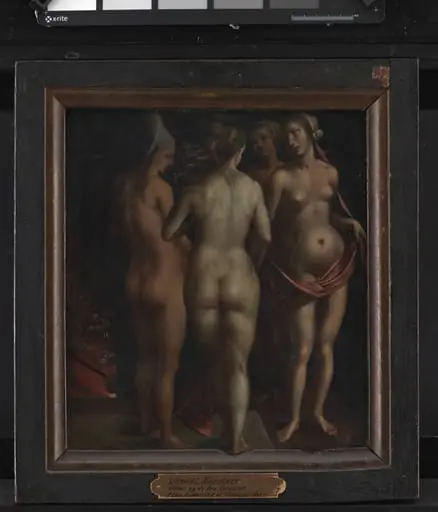
The painting shows four nude female figures: Venus and the Three Graces. The figures are arranged with one turned away and the others facing forward, with varying degrees of drapery. The scene is set in a darkened room, emphasizing the figures.
Technique & Style
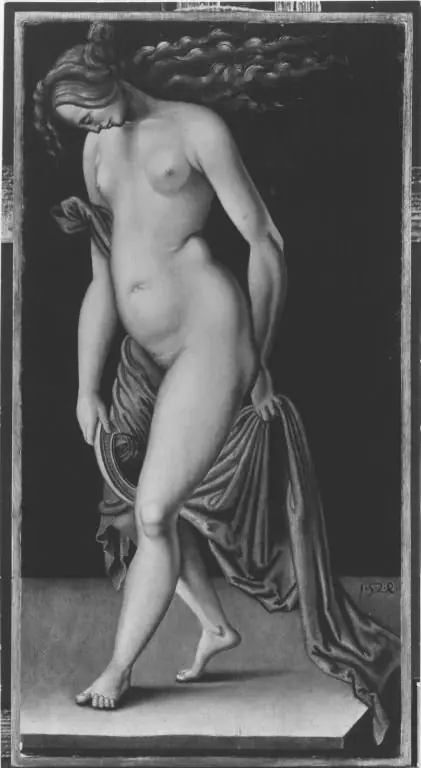
The figures are depicted in a realistic manner, with detailed rendering of their bodies and facial expressions. The artist's use of chiaroscuro creates a sense of depth and volume, drawing attention to the figures against the dark background.
Artist & collection
Artist
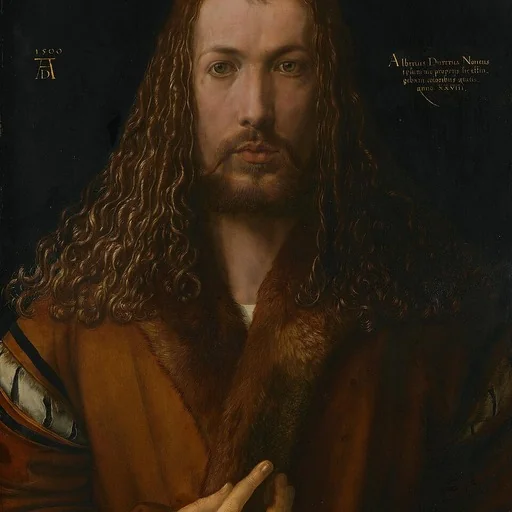
Albrecht Dürer spent his life in Nuremberg, a busy German city where artists traded prints like currency.

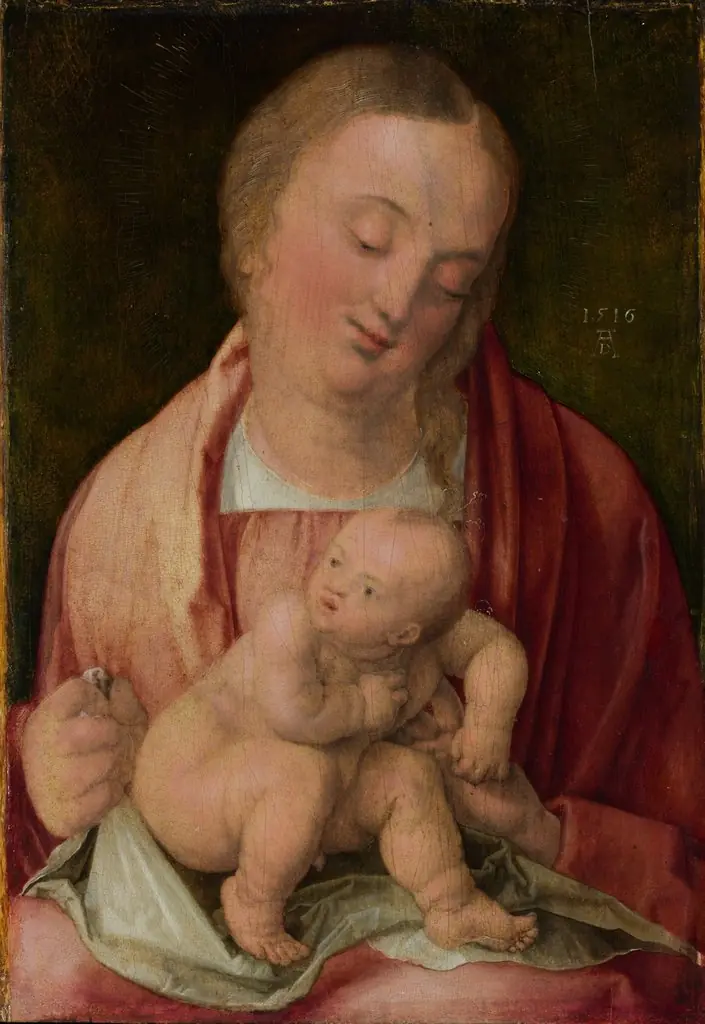
![Madonna and Child [obverse], by Albrecht Dürer](https://artifactworldgallery.com/img/albrecht-durer--madonna-and-child-obverse--d7b8ebf05d22ebe5-w320.webp)
![Lot and His Daughters [reverse], by Albrecht Dürer](https://artifactworldgallery.com/img/albrecht-durer--lot-and-his-daughters-reverse--b4ebf9b282faa17a-w320.webp)