Artwork
Young Woman in Netherlandish Dress
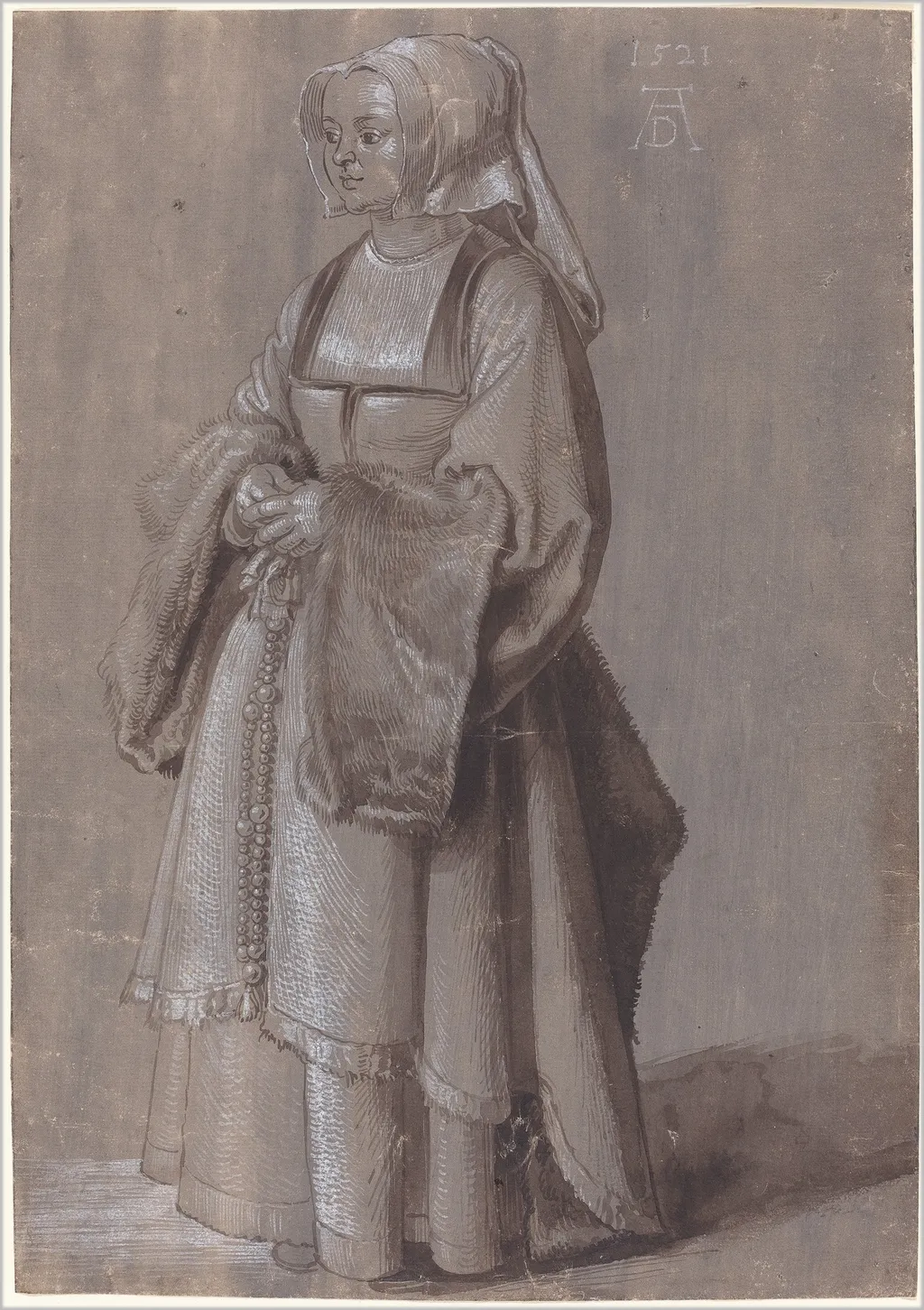
Young Woman in Netherlandish Dress is an unspecified painting by the Northern Renaissance artist Albrecht Dürer. It dates from 1521 and is held in the collection of the National Gallery of Art.
About this work
Overview
Dürer, already renowned for his prints, turned to portraiture during his travels, documenting the customs and dress of the people he encountered.
Painted in 1521 by Albrecht Dürer, this portrait captures a young woman dressed in the regional attire of the Netherlands. Dürer, already renowned for his prints, turned to portraiture during his travels, documenting the customs and dress of the people he encountered. The work reflects his interest in observational realism and his engagement with Northern European visual culture beyond his native Germany.
Subject & Meaning
The sitter is depicted in modest, everyday attire typical of Netherlandish women of the early 16th century. Her serious expression and restrained posture suggest a focus on dignity and quiet composure rather than ornamentation. The absence of symbolic objects or elaborate settings shifts attention to her identity as a representative of a specific social and geographic context, emphasizing the value Dürer placed on truthful depiction over idealization.
Technique & Style
Dürer employs subtle chiaroscuro to model the woman’s form, lending volume to her dress and face with precise gradations of light and shadow. The intricate rendering of fabric folds, the texture of the white cap, and the fine detail of the apron demonstrate his meticulous brushwork. The muted background isolates the figure, enhancing the focus on materiality and presence, a hallmark of his mature portraiture.
History & Provenance
The painting entered the National Gallery of Art in Washington in 1937 as part of the Samuel H. Kress collection. Its documented history before that is limited, but its style and date align with Dürer’s travels in the Low Countries during the early 1520s. It has been consistently attributed to him since the 19th century, supported by technical analysis and stylistic comparison with his other portraits.
Context
During his journey to the Netherlands in 1520–21, Dürer encountered a vibrant mercantile culture and a tradition of detailed portraiture. This painting reflects his response to local customs and his desire to record the appearance of individuals beyond aristocratic patrons. It stands as part of a broader trend among Northern Renaissance artists to elevate everyday subjects through careful observation and technical precision.
Legacy
The portrait exemplifies Dürer’s shift from printmaking to painted portraiture, influencing later Northern European artists in their approach to realism. Its quiet intensity and attention to textile detail contributed to the evolving standards of psychological and physical accuracy in portraiture. Though less famous than his engravings, this work remains a significant record of his engagement with the visual culture of his time.
Own this work as a print
Artist & collection
Artist
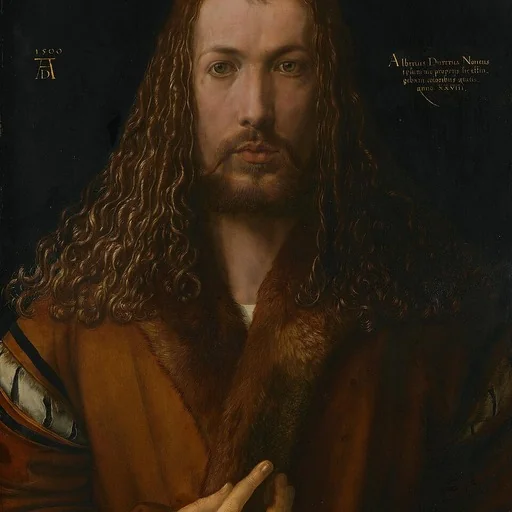
Albrecht Dürer spent his life in Nuremberg, a busy German city where artists traded prints like currency.

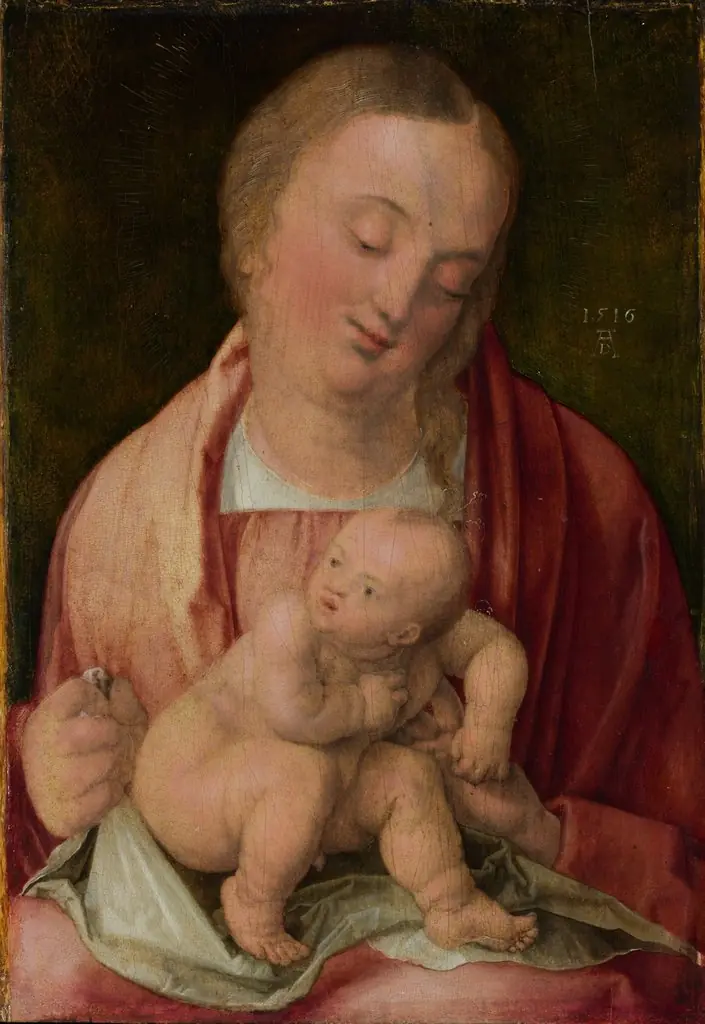
![Madonna and Child [obverse], by Albrecht Dürer](https://artifactworldgallery.com/img/albrecht-durer--madonna-and-child-obverse--d7b8ebf05d22ebe5-w320.webp)
![Lot and His Daughters [reverse], by Albrecht Dürer](https://artifactworldgallery.com/img/albrecht-durer--lot-and-his-daughters-reverse--b4ebf9b282faa17a-w320.webp)
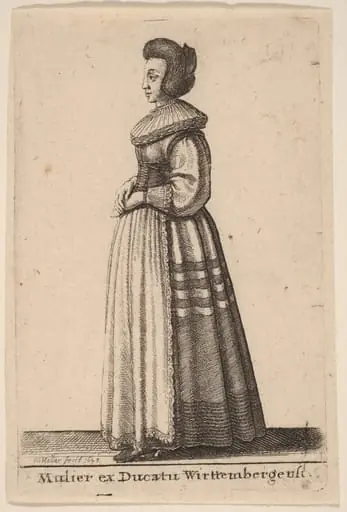 Mulier ex Ducatu Wirttembergensi
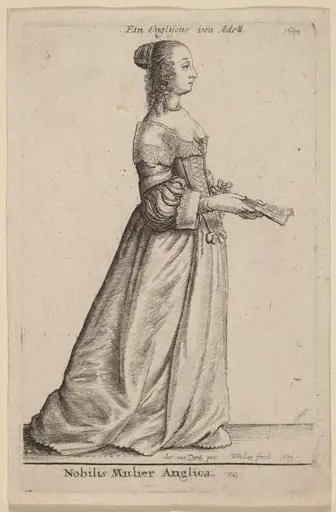 Nobilis Mulier Anglica
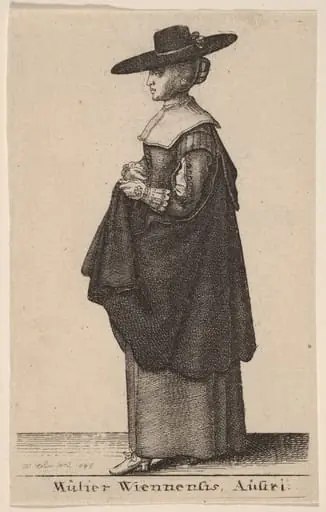 Mulier Wiennensis Austri
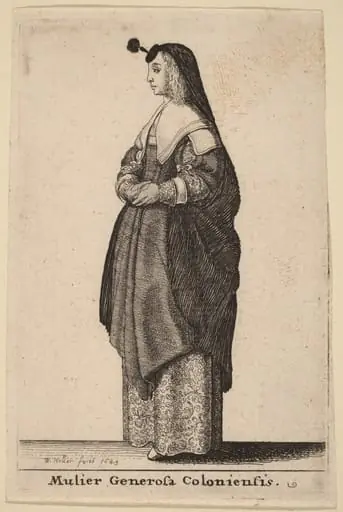 Mulier Generosa Coloniensis
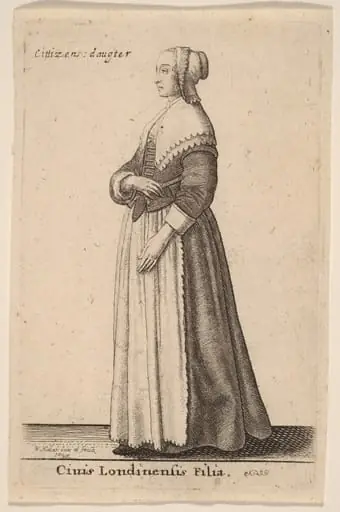 Civis Londinensis Filia
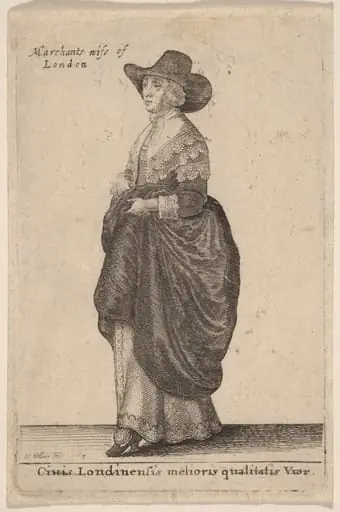 Ciuis Londinensis Melioris Qualitatis Vxor
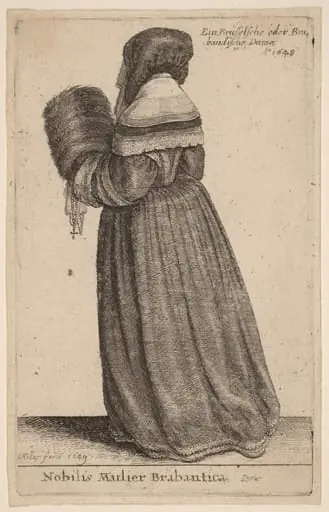 Nobilis Mulier Brabantica
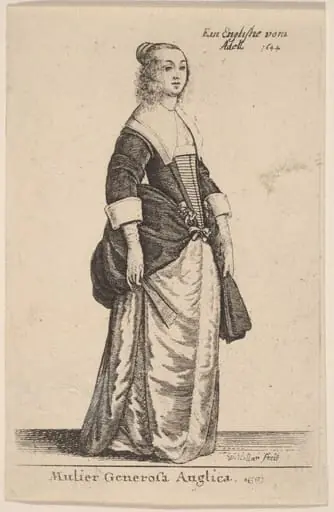 Mulier Generosa Anglica
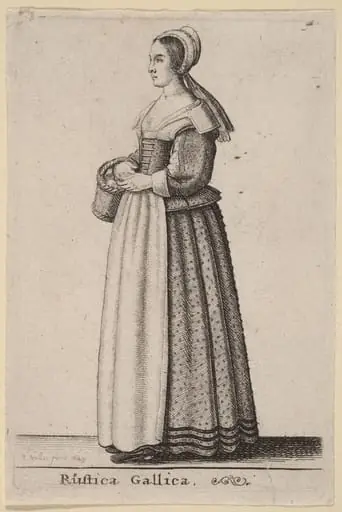 Rustica Gallica
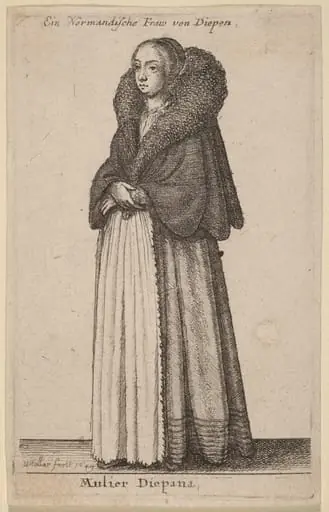 Mulier Diepana
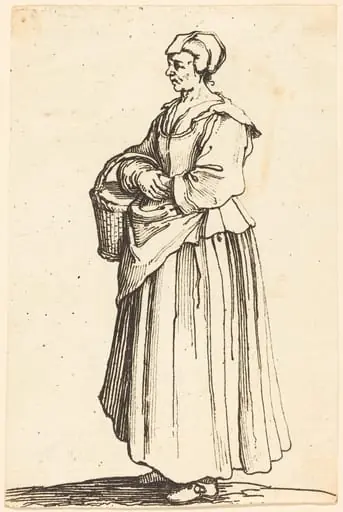 Peasant Woman with Basket, in Profile, Facing Left
- Young Woman in Netherlandish Dress