Artwork
Young Woman in Netherlandish Dress
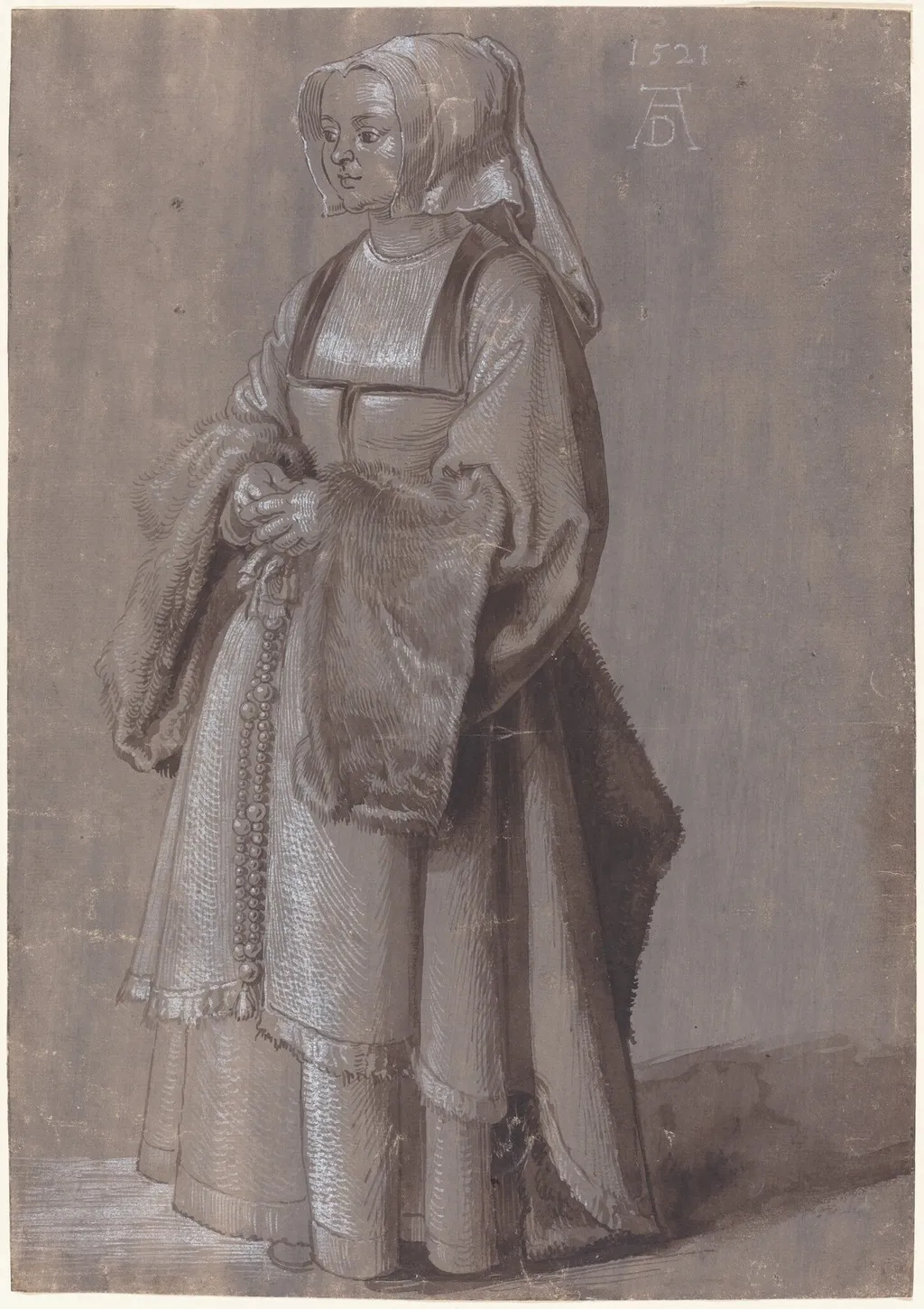
Young Woman in Netherlandish Dress is a paint drawing by the Northern Renaissance artist Albrecht Dürer. It dates from 1521 and is held in the collection of the National Gallery of Art.
- Inscription
- Inscribed:upper right in white ink: 1521 / AD (in monogram)
About this work
Overview
Created in 1521, this drawing by Albrecht Dürer depicts a woman in Netherlandish attire, rendered in brush and ink on gray-violet prepared paper.
Created in 1521, this drawing by Albrecht Dürer depicts a woman in Netherlandish attire, rendered in brush and ink on gray-violet prepared paper. The work is a study of portraiture and costume, emphasizing the quiet dignity of its subject. Dürer’s use of a tinted ground enhances the luminosity of the white highlights and the depth of the brown ink, suggesting a deliberate engagement with material and tone.
Subject & Meaning
The figure is a woman dressed in the fashion of the Low Countries, her head covered and a fur-lined shawl draped over her arms. Her gaze, turned to the left, conveys introspection rather than direct engagement. The absence of identifying features or context suggests the image is not a portrait of a named individual, but rather a study of regional dress and female presence in early 16th-century Northern Europe.
Technique & Style
Dürer employed brushwork with brown and white ink to define the folds of fabric and the texture of fur, exploiting the gray-violet paper as a mid-tone base. The precision of the lines and the subtle gradations of ink reveal his mastery of tonal modeling. The drawing avoids heavy shading, instead relying on contrast and delicate line to suggest volume and materiality, characteristic of his graphic precision.
History & Provenance
The drawing was made during Dürer’s second journey to the Netherlands, where he encountered diverse regional dress and customs. It likely served as a reference for his broader observations of Northern European society. The work remained in private collections before entering a public collection, where it is now preserved as part of his extensive graphic oeuvre.
Context
In the early 1520s, Dürer traveled extensively in the Low Countries, documenting local customs and attire. This drawing reflects his interest in ethnographic detail and the material culture of the regions he visited. Unlike commissioned portraits, such studies were often personal records, intended for later use in larger compositions or as visual notes for his own understanding.
Legacy
The drawing exemplifies Dürer’s commitment to observing and recording the everyday with precision. It influenced later artists interested in costume studies and the representation of ordinary individuals. As part of his broader graphic legacy, it underscores his role in elevating drawing from preparatory sketch to independent artistic statement.
Own this work as a print
Artist & collection
Artist
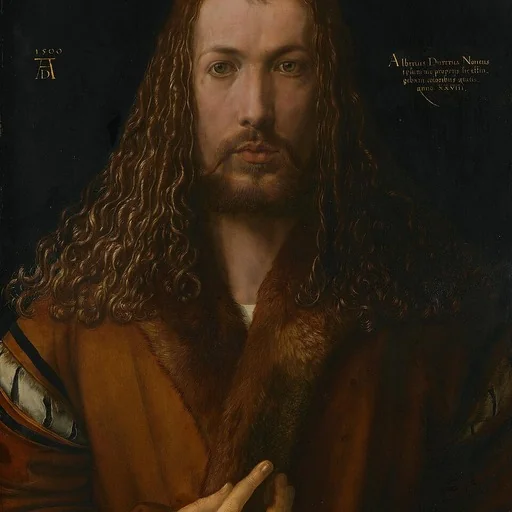
Albrecht Dürer spent his life in Nuremberg, a busy German city where artists traded prints like currency.

![Madonna and Child [obverse], by Albrecht Dürer](https://artifactworldgallery.com/img/albrecht-durer--madonna-and-child-obverse--d7b8ebf05d22ebe5-w320.webp)
![Lot and His Daughters [reverse], by Albrecht Dürer](https://artifactworldgallery.com/img/albrecht-durer--lot-and-his-daughters-reverse--b4ebf9b282faa17a-w320.webp)
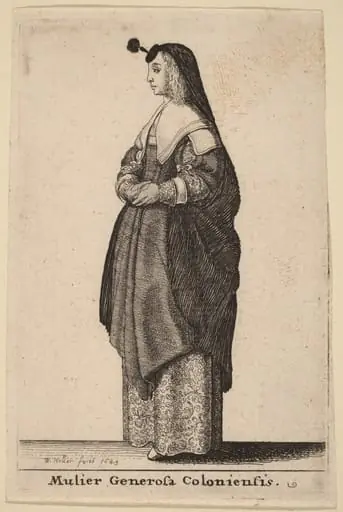 Mulier Generosa Coloniensis
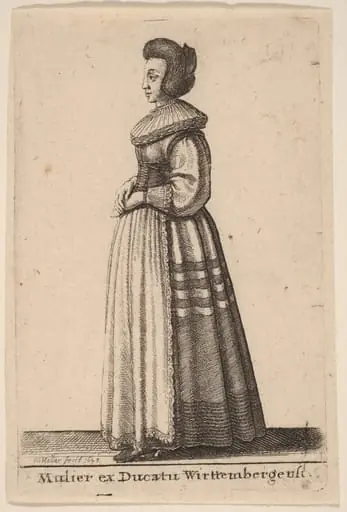 Mulier ex Ducatu Wirttembergensi
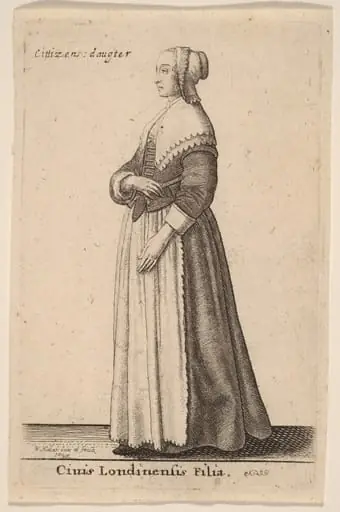 Civis Londinensis Filia
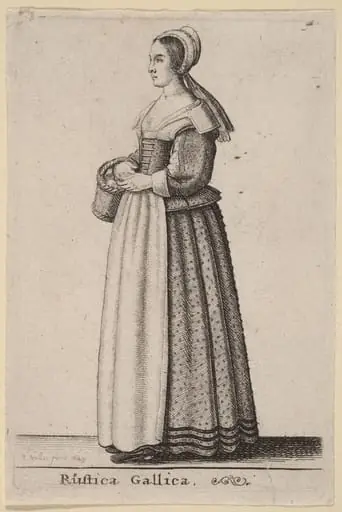 Rustica Gallica
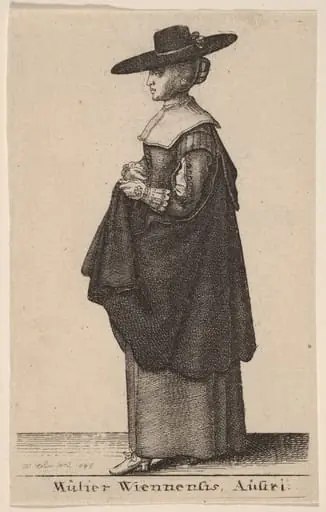 Mulier Wiennensis Austri
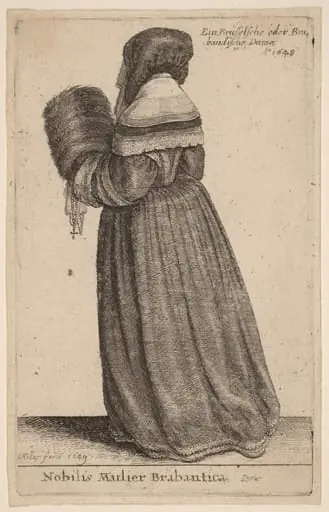 Nobilis Mulier Brabantica
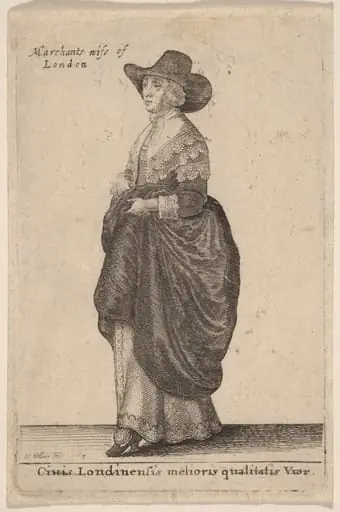 Ciuis Londinensis Melioris Qualitatis Vxor
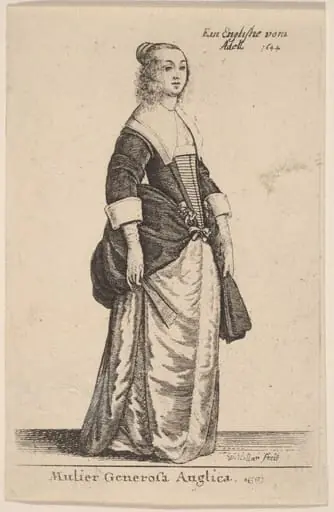 Mulier Generosa Anglica
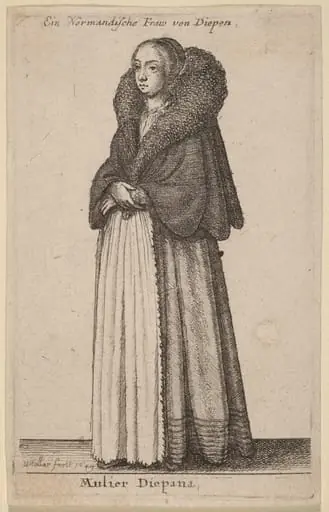 Mulier Diepana
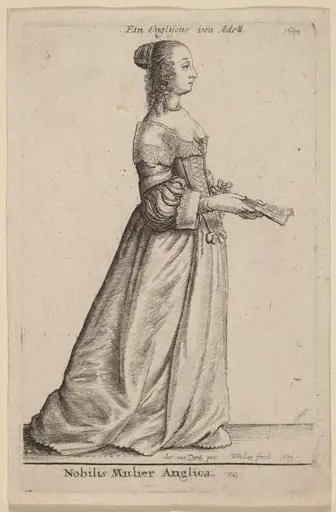 Nobilis Mulier Anglica
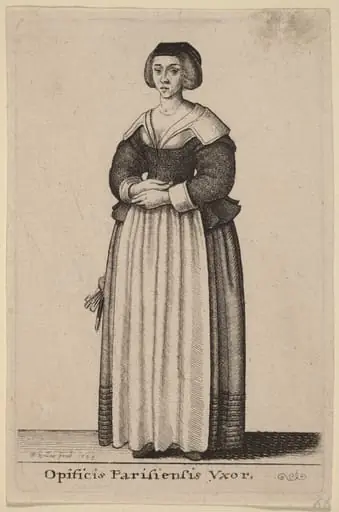 Opificis Parisiensis Vxor
- Young Woman in Netherlandish Dress