Artwork
Los mulatos de Esmeraldas
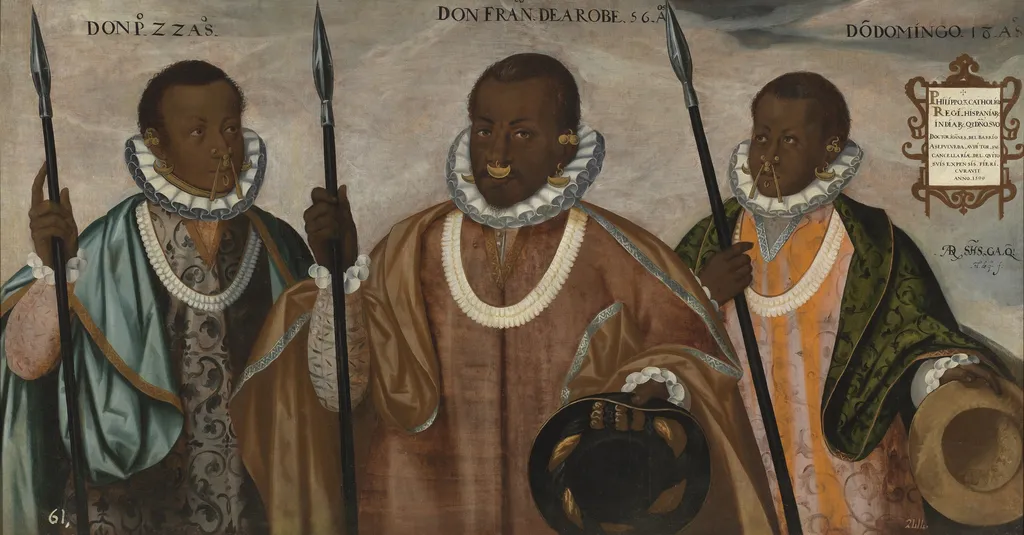
Los mulatos de Esmeraldas is an oil painting by the Mannerist artist Andrés Sánchez Gallque. It dates from 1600 and is held in the collection of the Museo del Prado.
About this work
Subject & Meaning
The plain cloudscape background isolates the figures from their geographic context, creating a visual segregation between the subjects and the Spanish monarch.
The painting depicts Don Francisco de Arobe, aged 56, and his sons Pedro and Domingo, chiefs of a Maroon community in Esmeraldas. Commissioned to demonstrate the conversion and loyalty of these formerly escaped slaves to King Philip III, the work symbolizes their integration into the Spanish Empire while retaining autonomous status. The subjects wear a hybrid of European doublets and indigenous uncu tunics, accessorized with gold jewelry and African-style spears, representing a convergence of European, African, and American influences. Despite Spanish laws prohibiting Black individuals from wearing silk or gold, these luxuries are displayed to signify the reach of colonial trade and the subjects' elevated rank.
Iconographically, the two sons hold their hats with the interiors facing the viewer, a Western pictorial convention indicating submission and a lack of concealed intentions. The plain cloudscape background isolates the figures from their geographic context, creating a visual segregation between the subjects and the Spanish monarch. The inclusion of the title "Don" for all three men acknowledges their minor nobility granted by the crown, framing the portrait as a testament to the successful "civilizing" of the region's population.
Technique & Style
Executed in 1599, *Los mulatos de Esmeraldas* is an oil painting on canvas measuring 92 cm in height by 175 cm in width. The work adheres to the Mannerist style, which reached the Andes around 1580 through Italian influence, though some scholars note Central European elements in the bright highlights and detailed drapery. The composition features three figures against a plain cloudscape background, devoid of geographic detail, which isolates the subjects from any specific spatial context. The handling of the figures displays a unique secular theme for the colonial period, characterized by the subjects' direct gaze and the symmetrical placement of the sons flanking their father. The artist, Andrés Sánchez Gallque, signed the work, a rare occurrence for indigenous artists in the virreinal context, and utilized Western pictorial language to convey submission through gestures such as the removal of hats.
History & Provenance
Los mulatos de Esmeraldas was commissioned in 1599 by Juan del Barrio de Sepúlveda, judge of the Real Audiencia of Quito, as a diplomatic gift to King Philip III of Spain. The painting documents the submission of Francisco de Arobe, a leader of a maroon community in Esmeraldas, and his sons Pedro and Domingo, who traveled to Quito to formalize their allegiance to the Spanish Crown. Executed by the Quito School painter Andrés Sánchez Gallque, the work carries a Latin inscription stating that the doctor Juan del Barrio y Sepúlveda had it made at his own expense for Philip III in 1599. The canvas reached Spain via the Lima, Panama maritime route and overland transit to the Antilles, joining the return fleet of galleons conveying goods to Spain. It entered the Spanish royal collection and later passed to the Museo del Prado in Madrid; since the nineteenth century it has been deposited at the Museo de América. The painting is part of the permanent collection of the Museo del Prado in Madrid, Spain, where it has resided since the 19th century. Although owned by the Prado, the work is currently deposited at the Museo de América, also located in Madrid. The artwork was originally commissioned in 1599 by Juan del Barrio de Sepúlveda, a judge of the Real Audiencia of Quito, to be sent as a diplomatic gift to King Philip III of Spain. Following its creation, the canvas was held by the Spanish royal family before its eventual transfer to the Prado's holdings. The piece is not listed with a specific accession number in the provided sources, though its provenance traces from the Quito Audiencia to the Spanish Crown and finally to the current Madrid institutions.
Context
Created in 1599 by the mestizo artist Andrés Sánchez Gallque, this work stands as the oldest signed and dated painting from colonial South America. It is a unique artifact within the early American colonial context, distinguished by its secular subject matter during a period overwhelmingly dominated by religious imagery. Art historically, the canvas exemplifies the Mannerist style, which arrived in the Andes around 1580 via Italian painters, though scholars also note Central European influences in the drapery and lighting. The painting functions as a complex document of colonial exchange, utilizing Western pictorial conventions to depict the submission of Maroon leaders to the Spanish Crown while simultaneously preserving a rare visual record of Afro-Indigenous identity. Its commission by Judge Juan del Barrio de Sepúlveda for King Philip III highlights the tension between portraying the subjects as civilized vassals and exotic curiosities, a duality reflected in the blend of European silks and indigenous gold adornments.
Legacy
Los mulatos de Esmeraldas holds a distinguished reputation as the oldest signed and dated painting from colonial South America. Its legacy is significantly shaped by the artist, Andrés Sánchez Gallque, choosing to identify himself as an indigenous Andean painter, a rare act of self-assertion in a period where most works were anonymous. The painting is unique within the early American colonial context for its secular subject matter, standing in contrast to the religious imagery that dominated the era. It serves as a critical historical document depicting the lives of Maroons and the complexities of colonial exchange, illustrating how Western pictorial language was utilized to convey political submission to the Spanish Crown. Originally held by the Spanish royal family, the work entered the Museo del Prado collection in the 19th century and is currently deposited in the Museo de América in Madrid.
Artist & collection
Artist
Andrés Sánchez Gallque painted a rare 16th-century portrait of two Afro-Ecuadorian men in colonial dress, “Los mulatos de Esmeraldas,” finished in 1599.

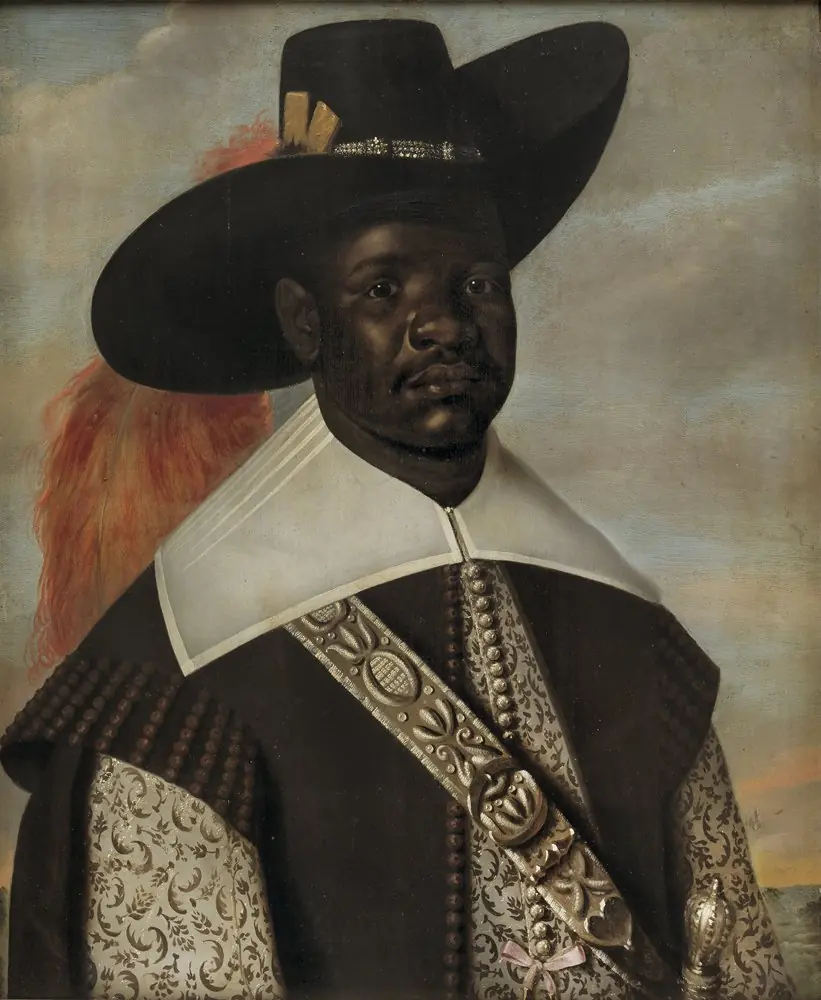
- Don Miguel de Castro, Emissary of Congo
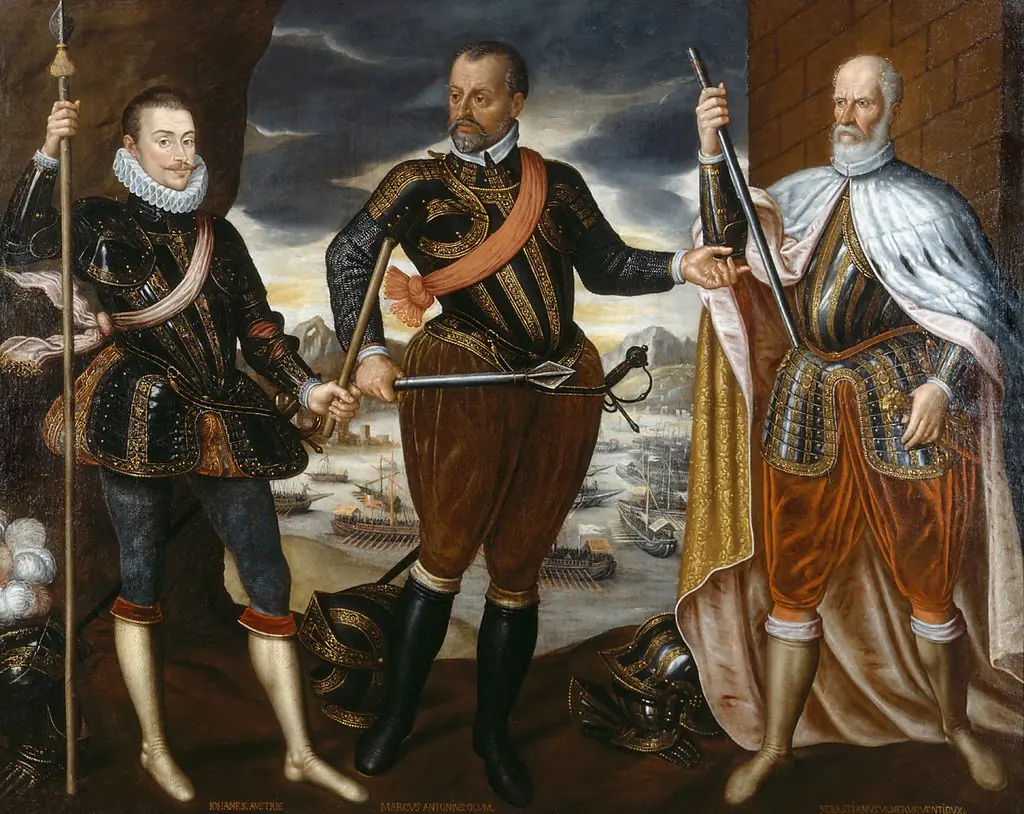 Die Sieger der Seeschlacht von Lepanto 1571
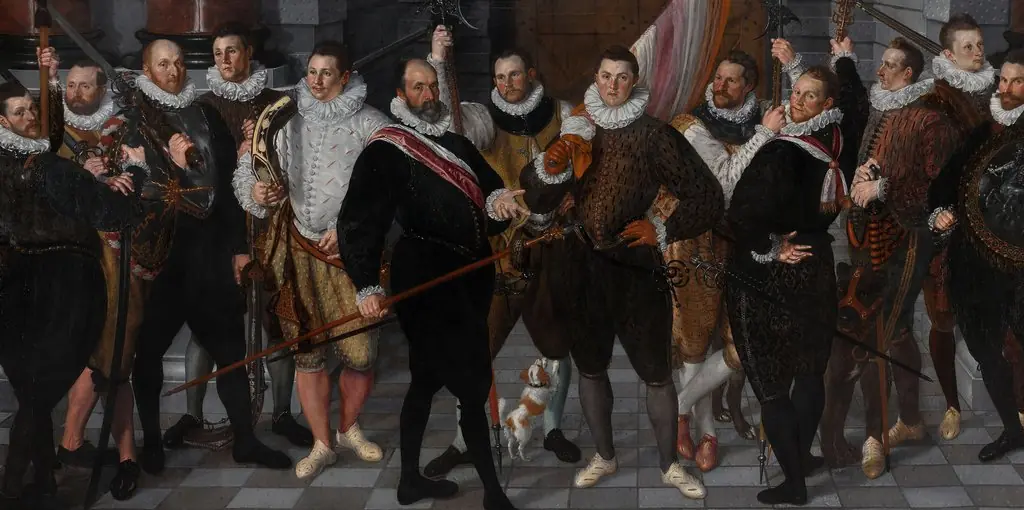 The Company of Captain Dirck Jacobsz Rosecrans and Lieutenant Pauw
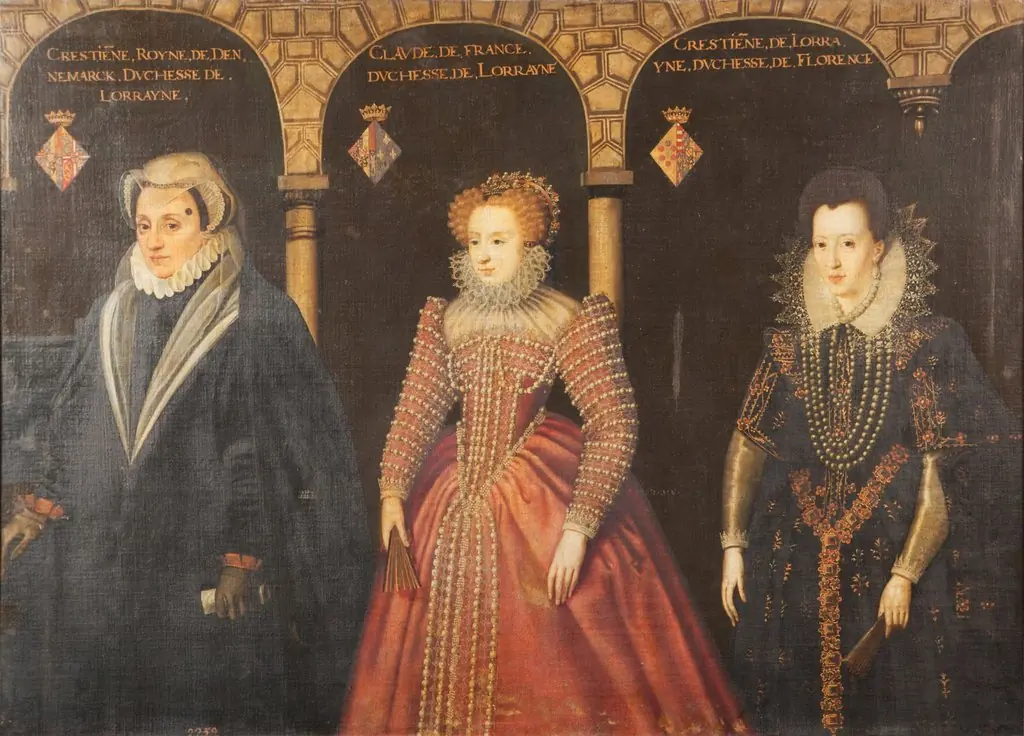 Portrait of Christina of Denmark, Claude of Valois and Christina of Lorraine
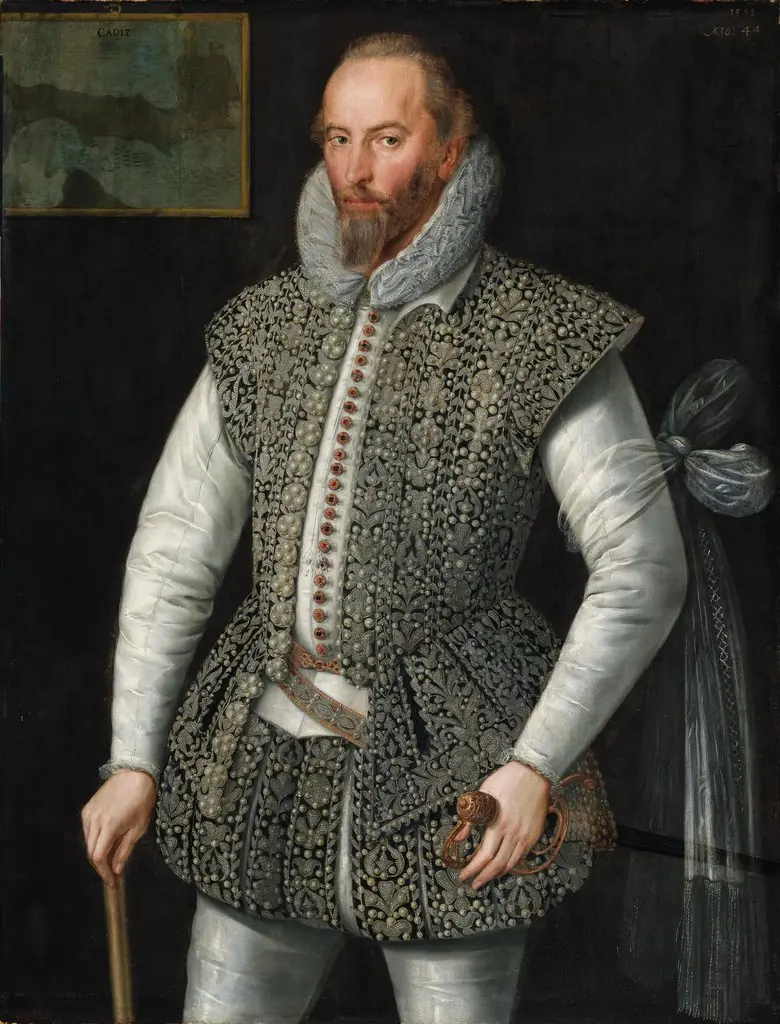 Portrait of Sir Walter Raleigh (1522-1618), Soldier and Historian
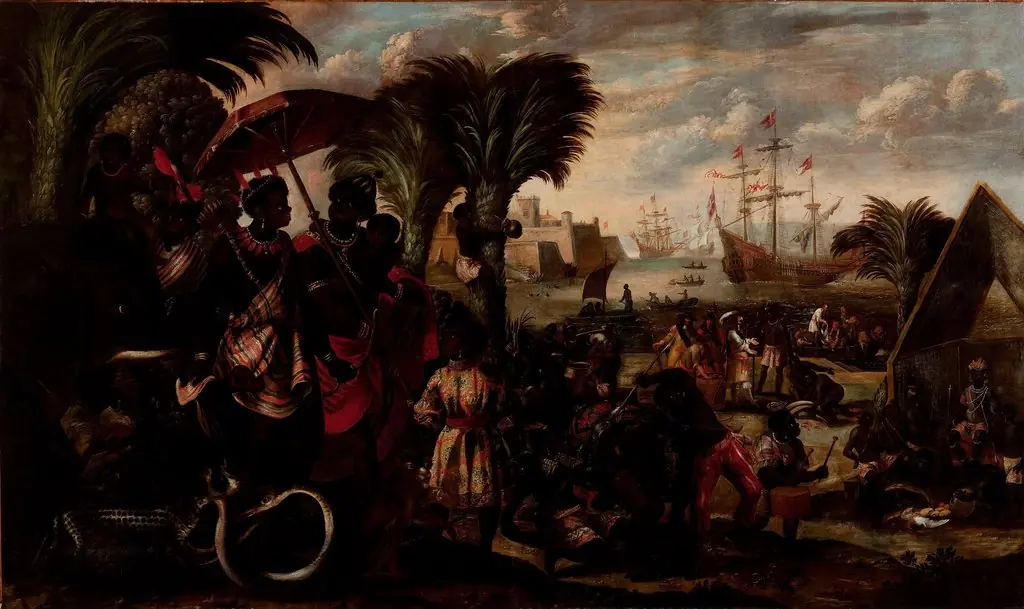 Africa
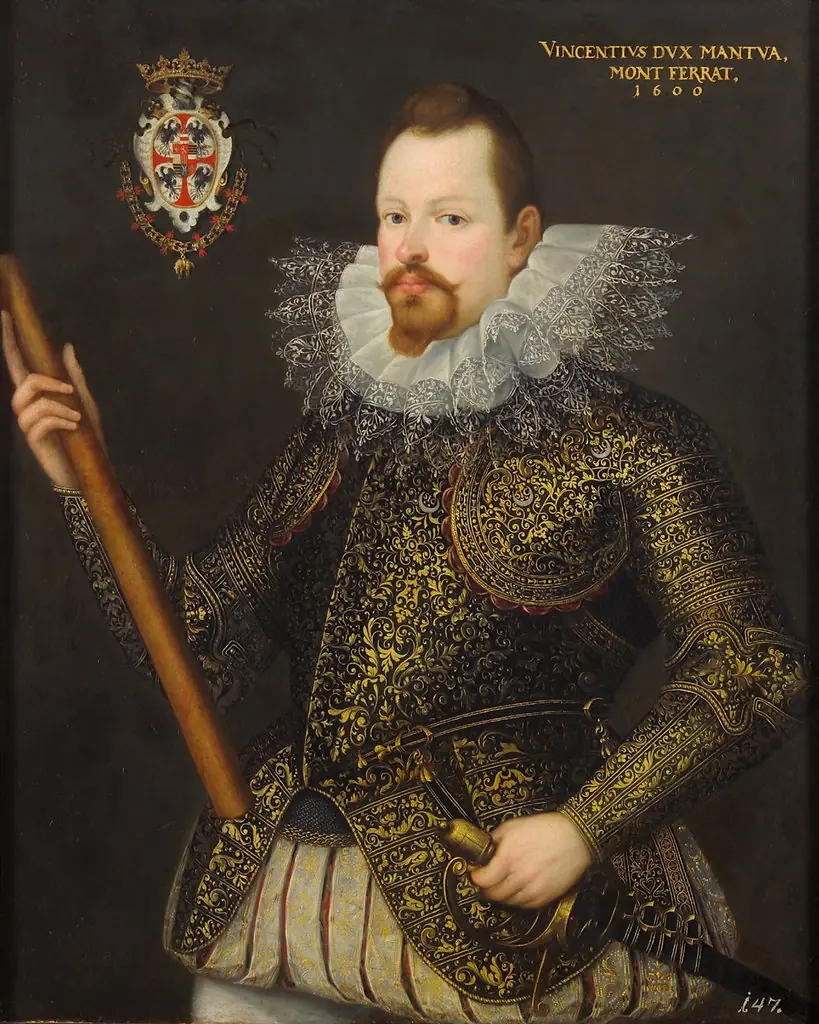 Portrait of Vicenzo Gonzaga, Duke of Mantua
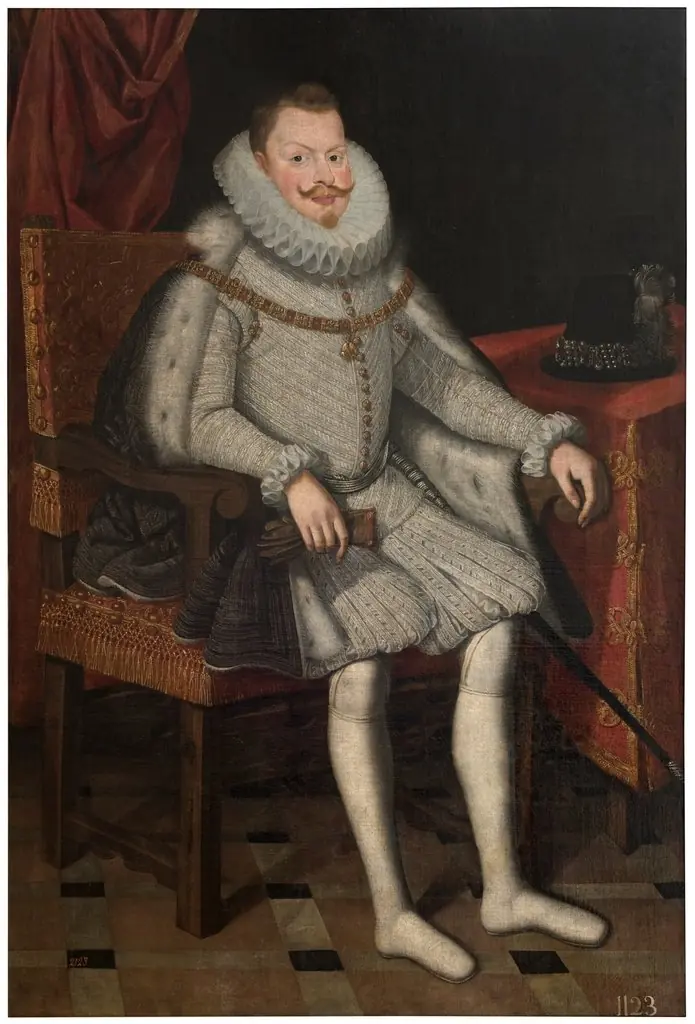 Felipe III rey de España sedente
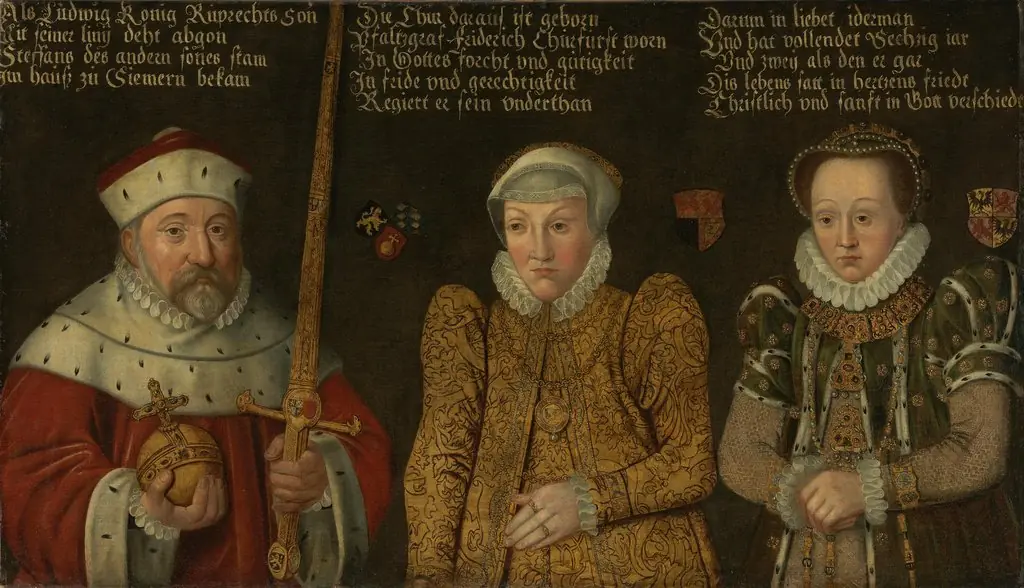 Bildnis des Kurfürsten Friedrich III. von der Pfalz (1515-1576) mit Gemahlinnen Maria von Brandenburg-Kulmbach und Amalia von Neuenar
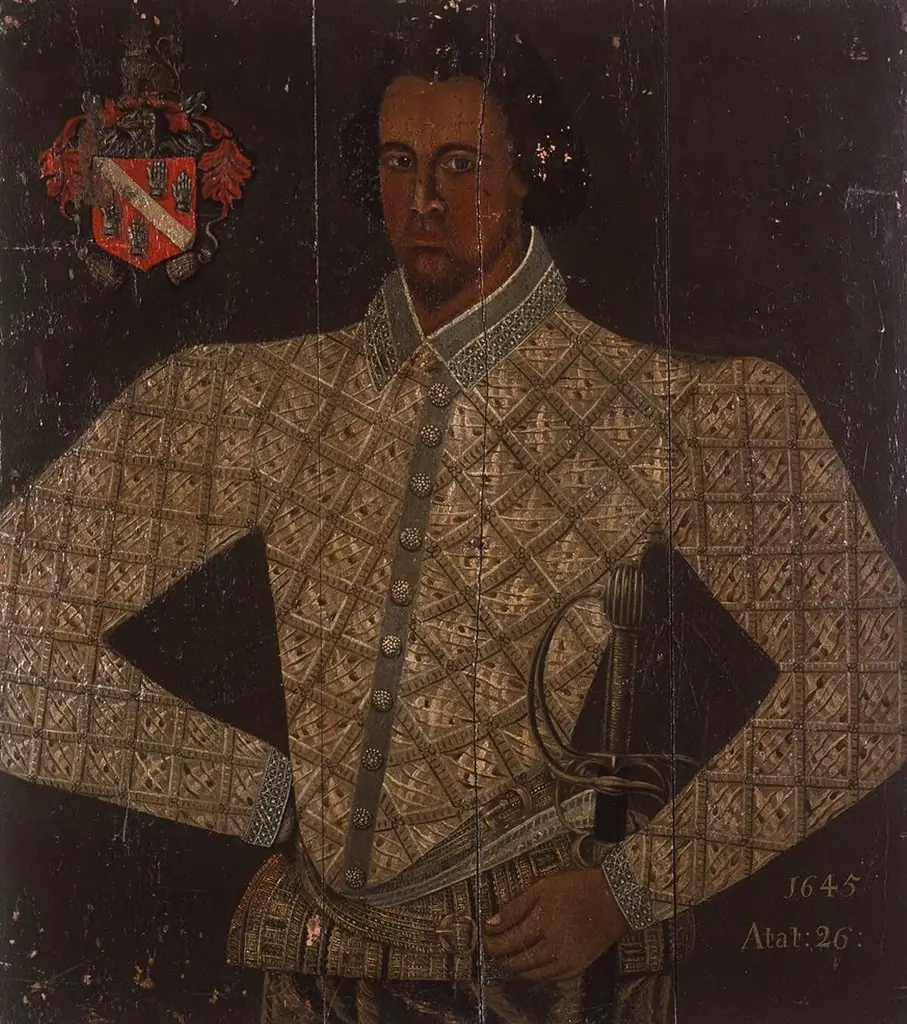 Portrait of a gentleman of the Lovedon family
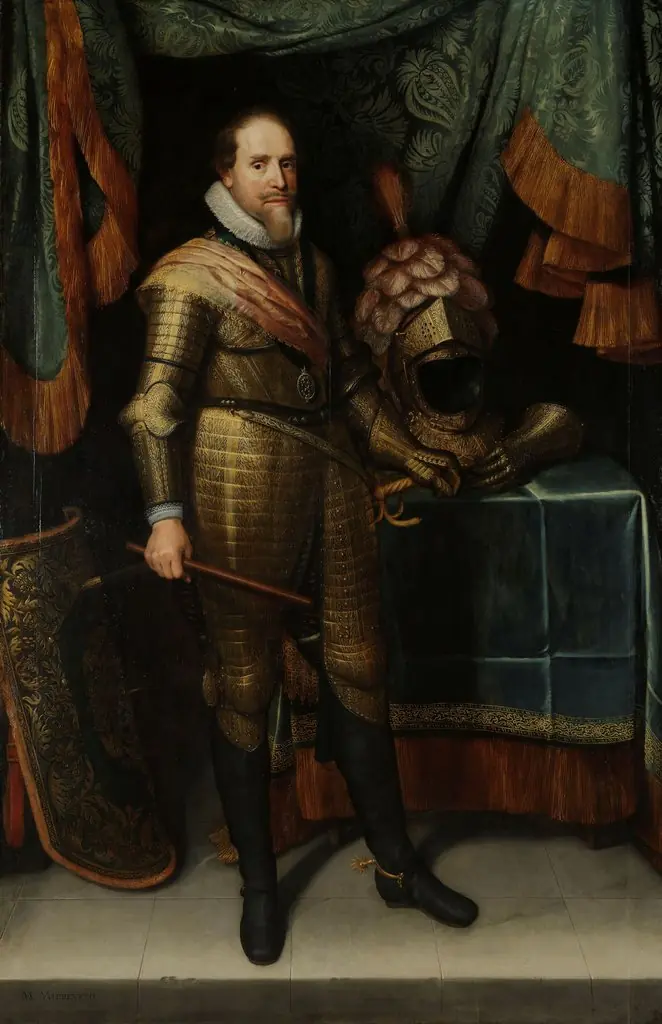 Maurice, Prince of Orange
 König Philipp III.(1578-1621) von Spanien, Bildnis in ganzer Figur als General der Infanterie (Im Hintergrund: Die Belagerung von Ostende 1601-1604)