Artwork
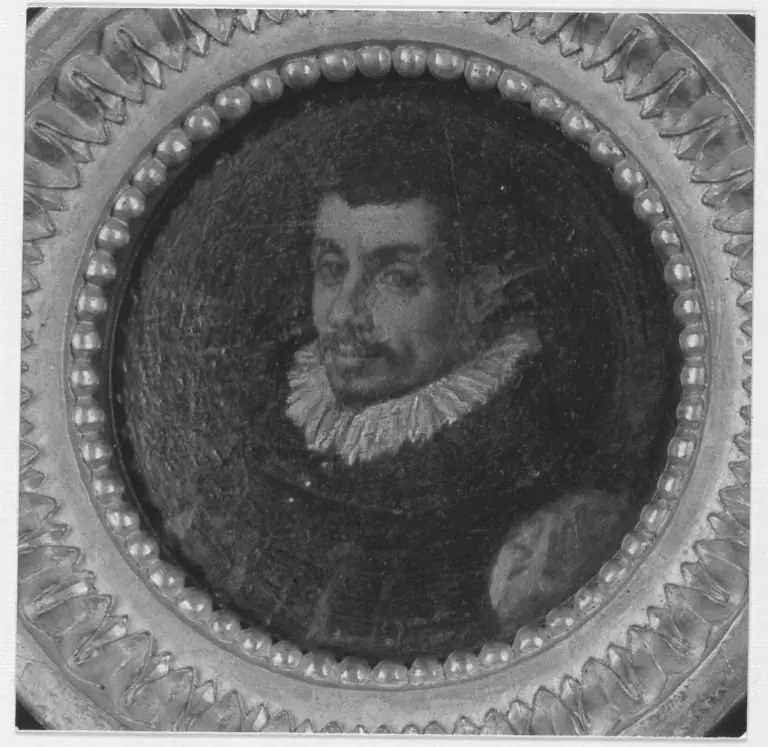
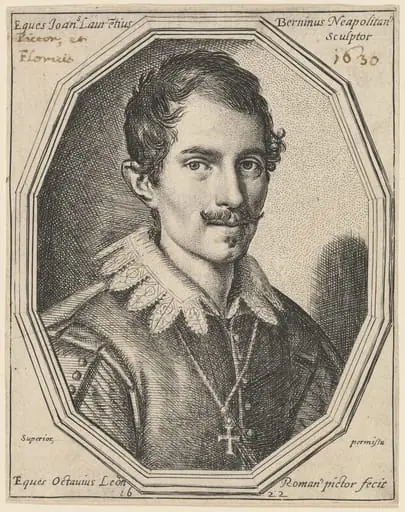
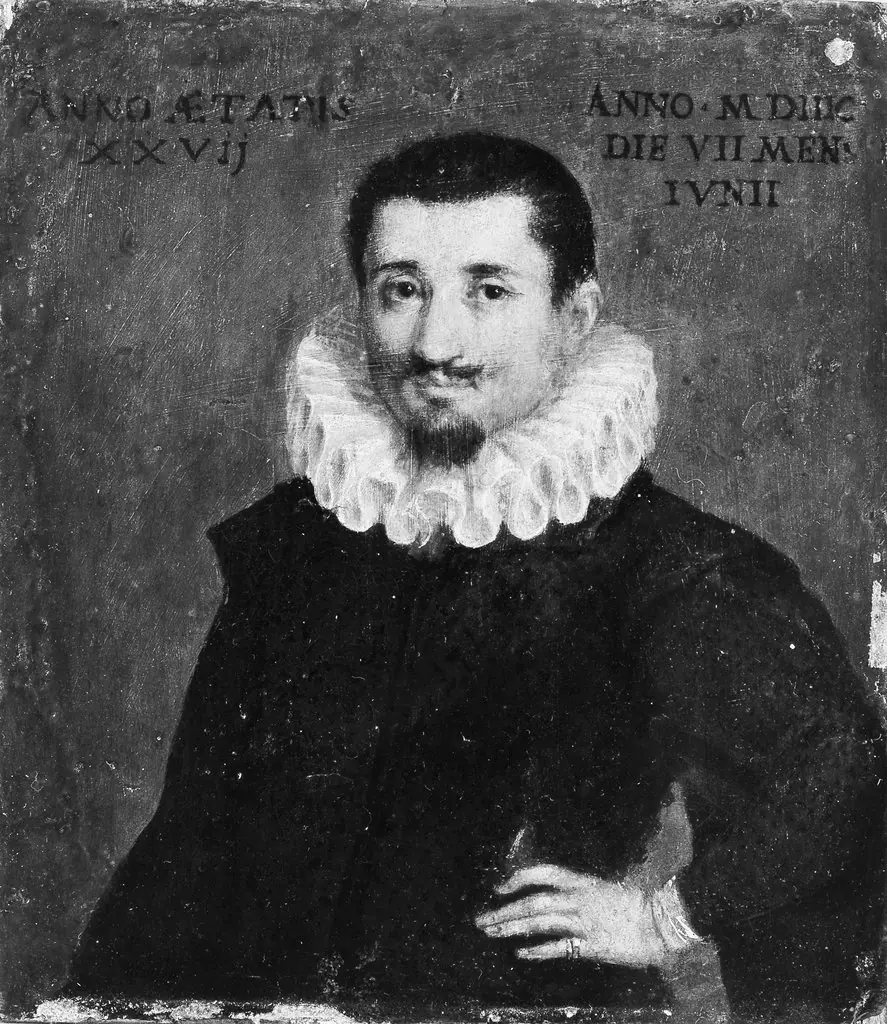
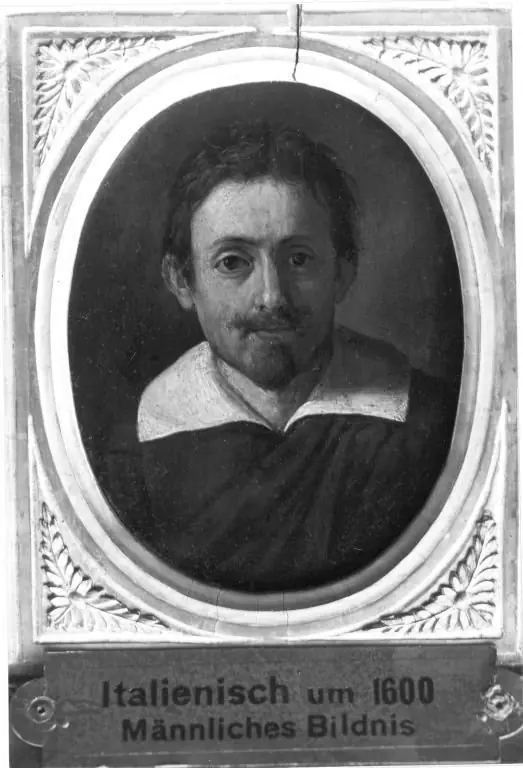
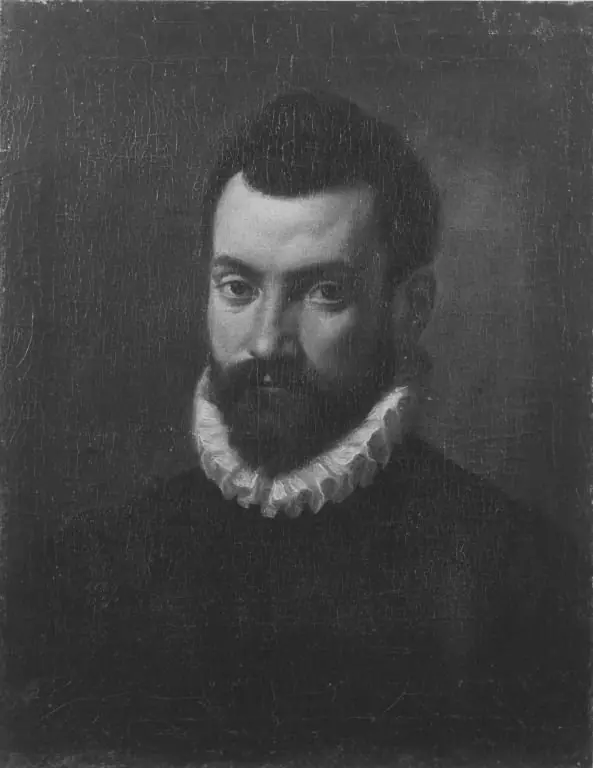
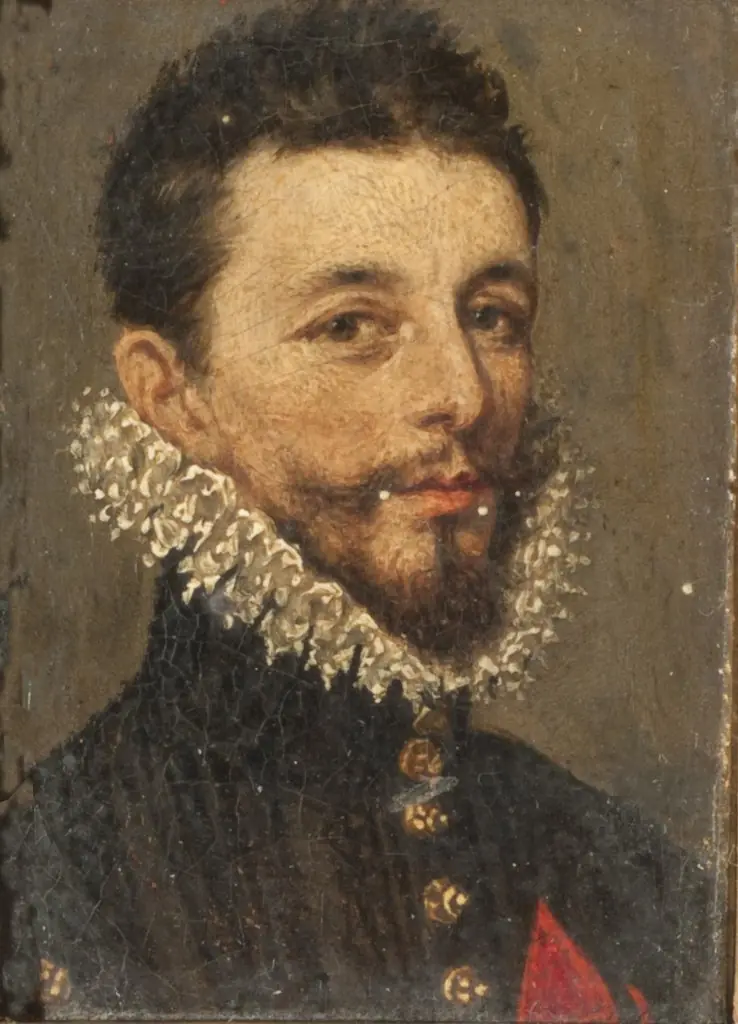
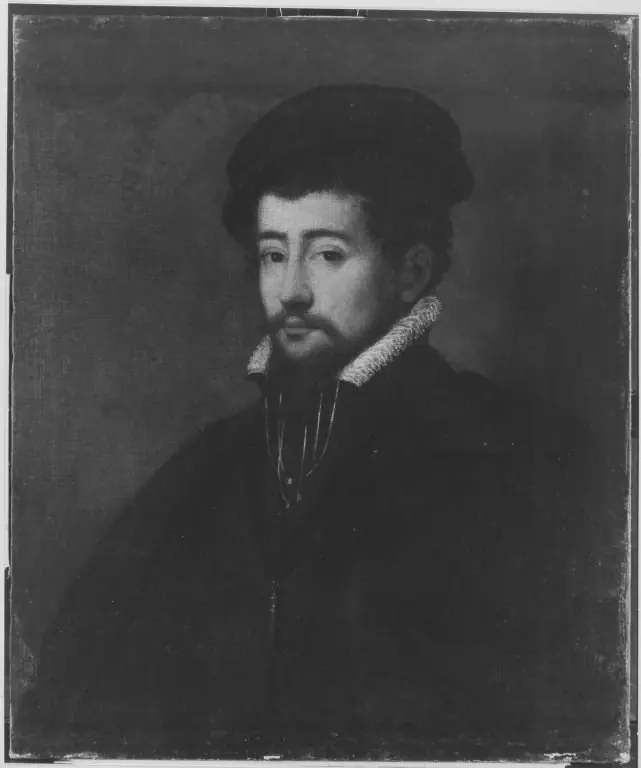
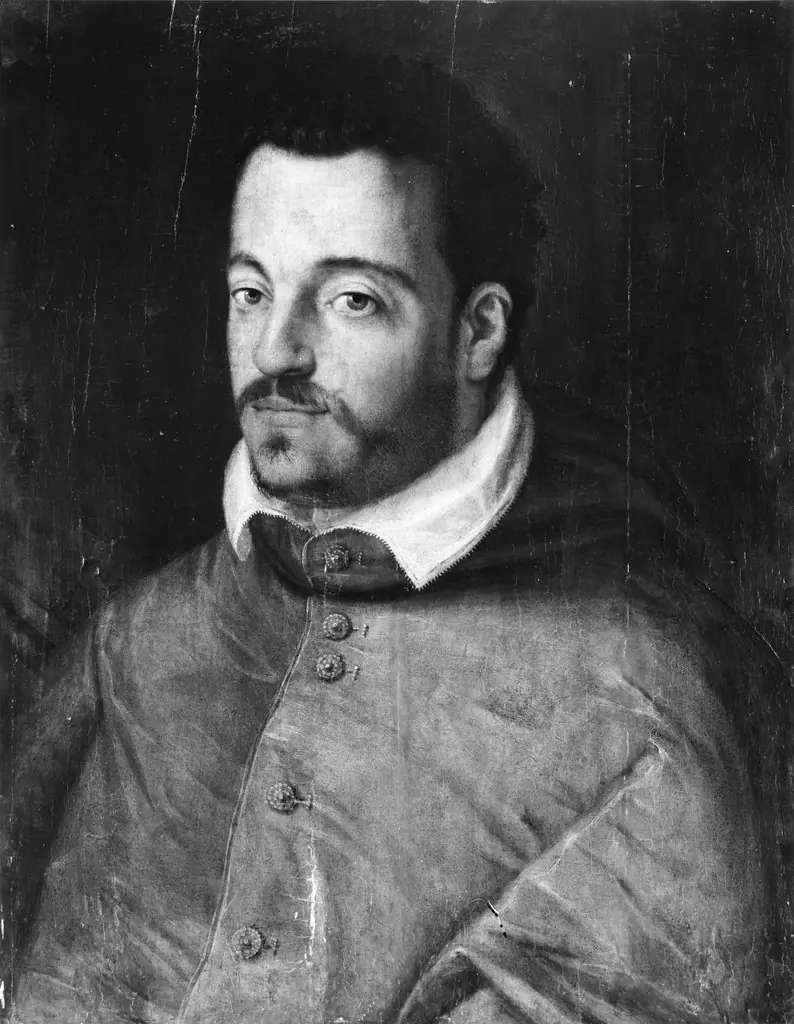
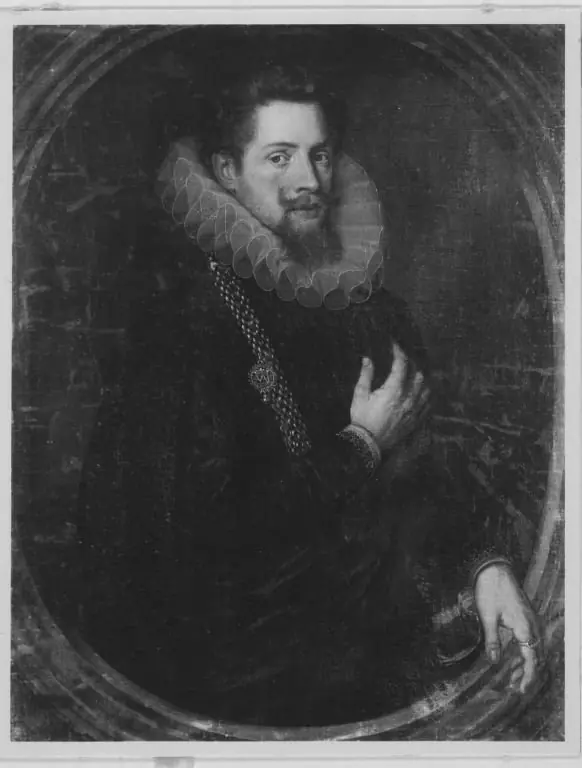
Bildnis eines jungen Mannes mit Knebelbart (Selbstbildnis?) (Schule)
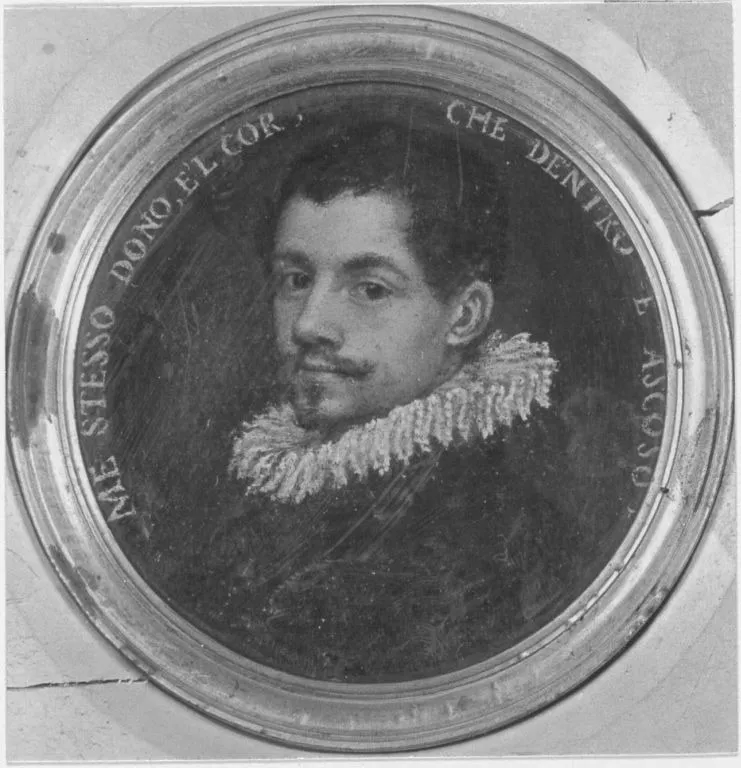
Bildnis eines jungen Mannes mit Knebelbart (Selbstbildnis?) (Schule) is an unspecified painting by the Early Baroque Italian artist Annibale Carracci. It dates from 1600 and is held in the collection of the Bavarian State Painting Collections. Bildnis eines jungen Mannes mit Knebelbart (Selbstbildnis?
About this work
Subject & Meaning
Despite this attributional uncertainty, the iconography centers on the figure of the painter, serving as a representation of his own likeness.
The work is identified as a self-portrait depicting the artist Annibale Carracci. As a portrait genre piece, the subject is the creator himself, presented with a young face and a distinctive mustache. The title explicitly questions the attribution of the image as a self-representation, suggesting the work may belong to a follower or school of the artist rather than being an autograph piece by Carracci.
Despite this attributional uncertainty, the iconography centers on the figure of the painter, serving as a representation of his own likeness.
History & Provenance
The painting was executed around 1600 by Annibale Carracci and entered the Bavarian State Painting Collections, where it remains on display at the Alte Pinakothek in Munich. Its attribution to Carracci’s workshop and possible self‑portrait status have been discussed in scholarly literature, though the precise commission circumstances are undocumented. The work is catalogued as a self‑portrait within the collection’s holdings and is part of the European portrait tradition of the early Baroque period.
The painting is held in the Bavarian State Painting Collections and is on view at the Alte Pinakothek in Munich. Its Wikidata entry records the work as part of that institutional collection.
No exhibition history is documented in the available sources.
Overview
Bildnis eines jungen Mannes mit Knebelbart (Selbstbildnis?), a painting from around 1600, is associated with the Schule (school) of Annibale Carracci, a pivotal figure in the early Baroque movement. Its attribution and subject's identity, possibly a self-portrait, reflect the artistic explorations of the time.
Technique & Style
The painting showcases precise handling of light and shadow, characteristic of the chiaroscuro technique, which enhances the subject's facial structure and emotional depth. This approach aligns with the early Baroque's emphasis on dynamic, emotionally charged representation.
Context
Created during Carracci's active period in Rome, where he influenced a new generation of artists at the Palazzo Farnese, the work reflects the transitional artistic climate from late Renaissance to early Baroque styles.
Legacy
As a product of the Carracci school, the painting contributes to the broader legacy of early Baroque innovations, particularly in the development of expressive portraiture and lighting techniques that would influence subsequent European art.
Artist & collection
Artist
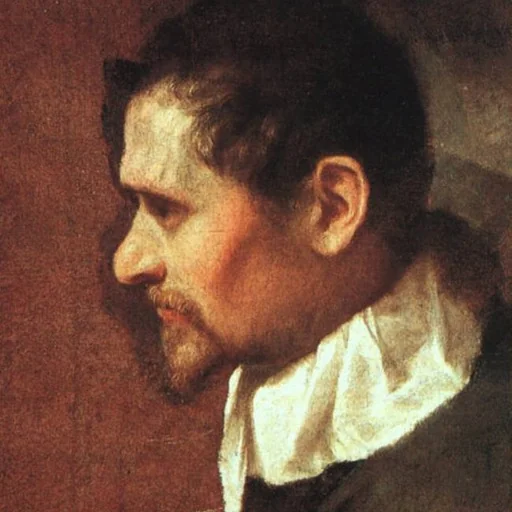
Annibale Carracci ( kə-RAH-chee, UK also kə-RATCH-ee, Italian:; November 3, 1560 – July 15, 1609) was an Italian painter and instructor, active in Bologna and later in Rome.