Artwork
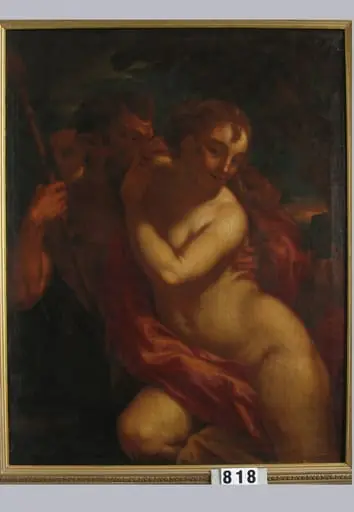
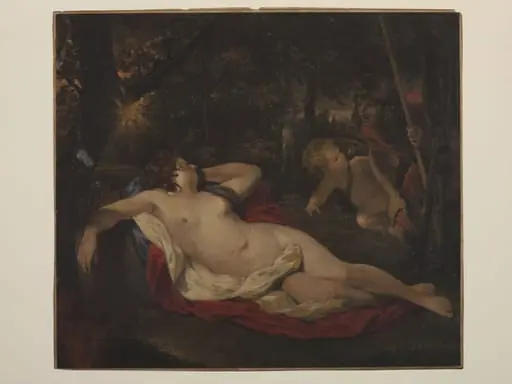
Venus and a Satyr
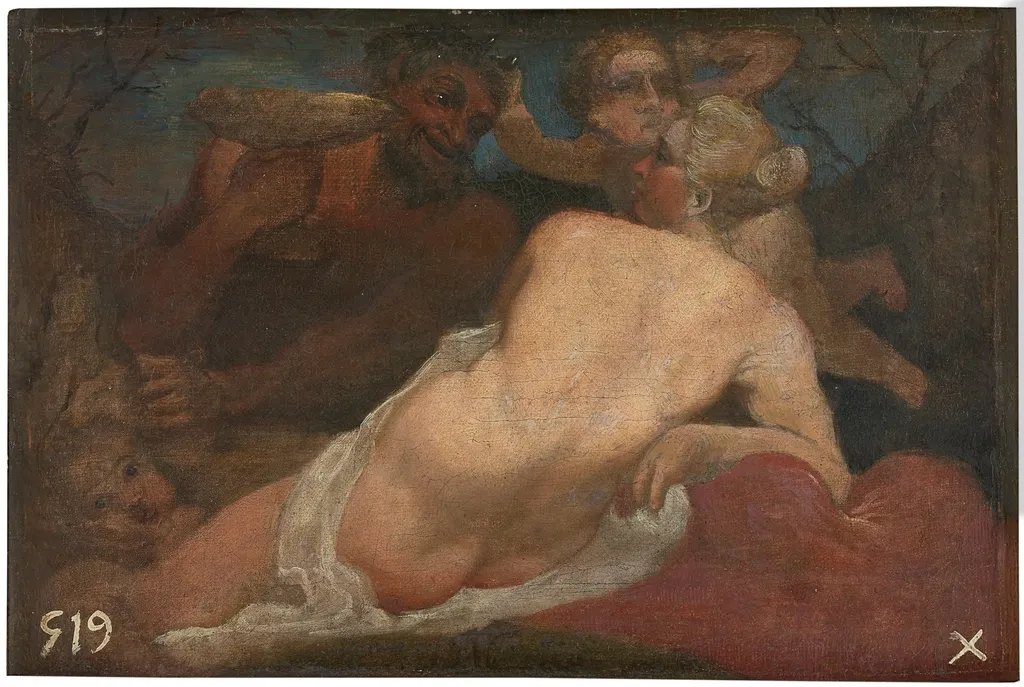
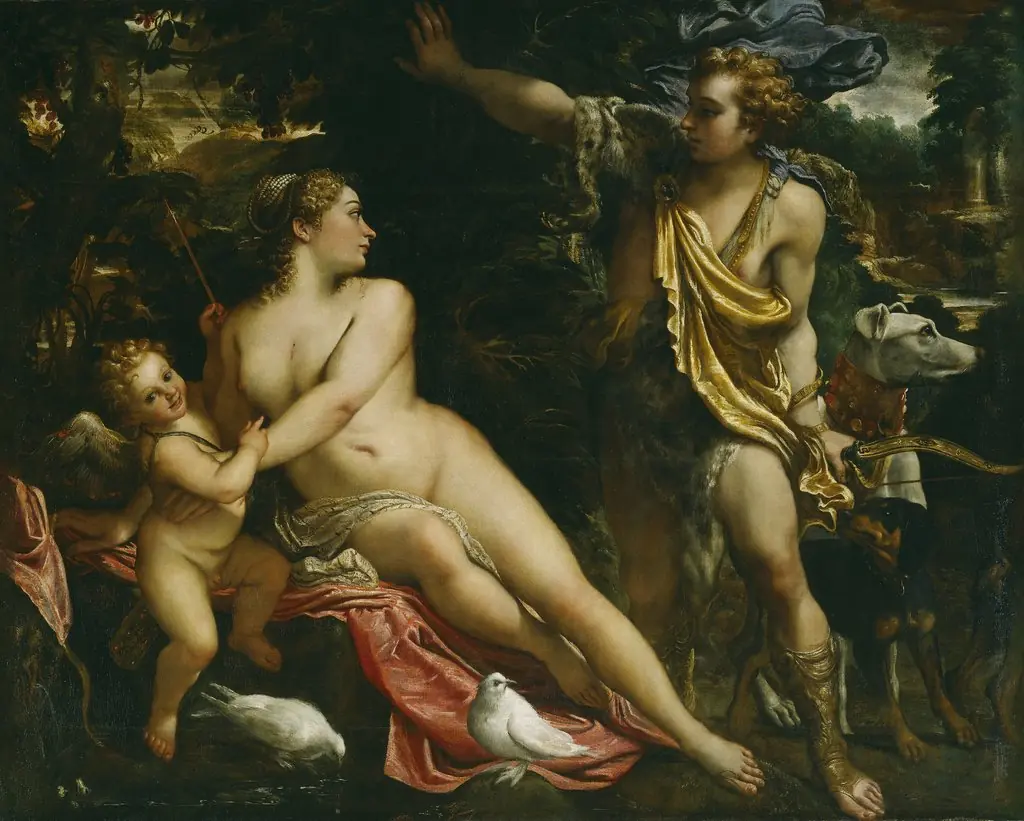
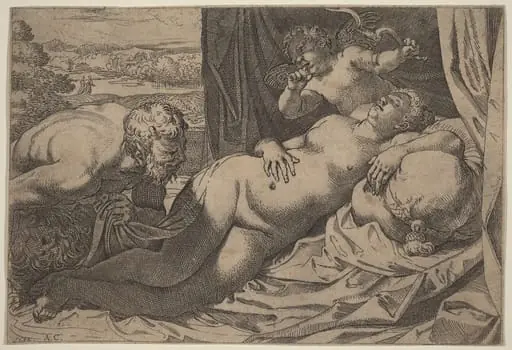
Venus and a Satyr is an oil painting by the Early Baroque Italian artist Annibale Carracci. It dates from 1569 and is held in the collection of the Museo del Prado.
About this work
Subject & Meaning
These iconographic choices situate the piece within the tradition of stories involving the Roman goddess of love and rustic, untamed spirits.
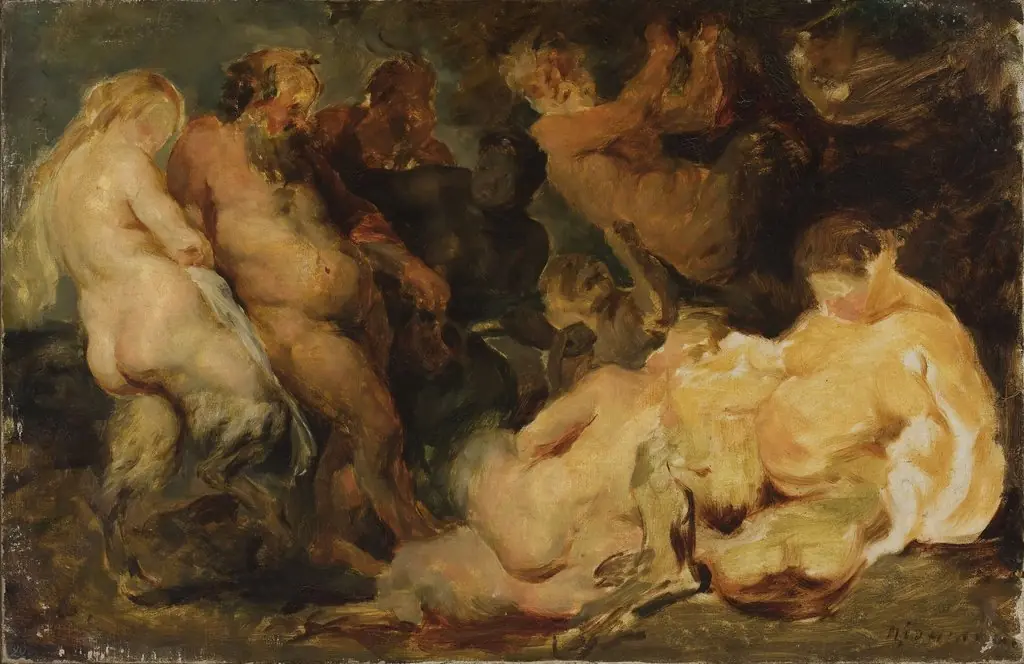
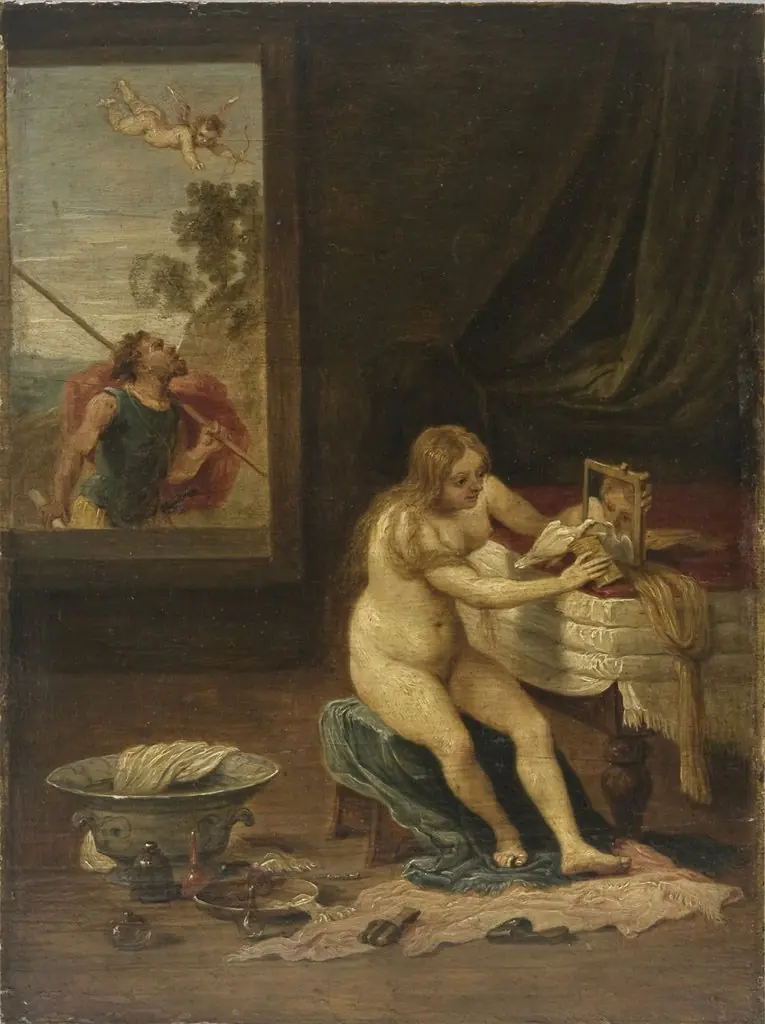
The painting depicts a mythological scene featuring the goddess Venus alongside a satyr. As a work of mythological genre, the composition centers on these two figures to explore classical themes. The imagery specifically includes wine, an element often associated with the satyr and the broader context of revelry in such narratives.
These iconographic choices situate the piece within the tradition of stories involving the Roman goddess of love and rustic, untamed spirits.
Technique & Style
Executed in 1569, this mythological scene by Annibale Carracci utilizes oil paint applied to a canvas support. The work is characterized by its compact dimensions, measuring 21 cm in height and 31 cm in width. Stylistically, the composition focuses on the interaction between the figures of Venus and a satyr, incorporating elements such as wine to reinforce the narrative context.
The handling of the medium reflects the artist's approach to mythological subjects during this early period of his career.
History & Provenance
The painting was created in 1569 by Annibale Carracci for Philip V of Spain, who owned it after its commission. It remained in the Spanish royal collection before entering the Museo del Prado, where it has been displayed since its acquisition. The work, an oil on canvas depicting Venus and a satyr alongside wine and a satyr, measures 21 cm by 31 cm and is classified as a mythological painting.
The painting Venus and a Satyr is housed in the Museo del Prado, where it holds the inventory number P00968. It entered the Spanish royal collection under Philip V and has been part of the museum's permanent display since its acquisition.
Overview
Annibable Carracci’s Venus and a Satyr (1569) is an oil on canvas that belongs to the mythological tradition. Executed while the Bolognese painter was still establishing his reputation, the work anticipates the Baroque emphasis on movement and drama. It is presently conserved in the Museo del Prado, where it forms part of the museum’s Italian Baroque holdings.
Own this work as a print
Artist & collection

Artist
Annibale Carracci ( kə-RAH-chee, UK also kə-RATCH-ee, Italian:; November 3, 1560 – July 15, 1609) was an Italian painter and instructor, active in Bologna and later in Rome.