Artwork
The Capture of Samson
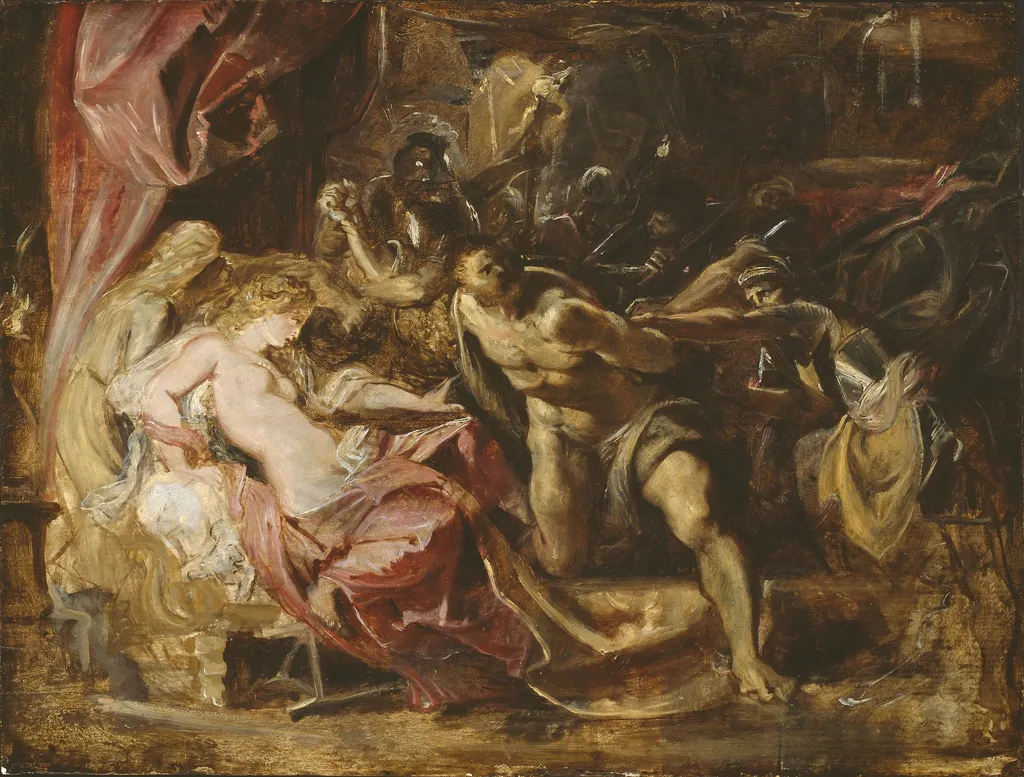
The Capture of Samson is an unspecified painting by the Flemish Baroque painting artist Peter Paul Rubens. It dates from 1609 and is held in the collection of the Art Institute of Chicago.
About this work
Subject & Meaning
The composition emphasizes the moment of betrayal and loss of divine power, symbolizing themes of vulnerability and the consequences of deceit.
The work depicts the biblical hero Samson being overpowered by Delilah, a scene drawn from the Book of Judges where she cuts his hair to strip him of his strength. The composition emphasizes the moment of betrayal and loss of divine power, symbolizing themes of vulnerability and the consequences of deceit. The narrative is rooted in a well‑known Old Testament episode that has been frequently rendered in religious art.
The painting is attributed to Peter Paul Rubens and was created in 1609, reflecting the Baroque interest in dramatic, emotionally charged subjects drawn from scripture. Its religious genre underscores the Counter‑Reformation emphasis on vivid biblical storytelling to convey moral lessons.
Technique & Style
Executed in oil on panel, the work measures 182.9 × 229.9 cm. Rubens modeled forms through fluid, layered brushwork that animates the scene with vigorous movement and chiaroscuro. Delilah’s coolly lit flesh contrasts with the warm, muscular bodies of the soldiers, while the coarse textures of Samson’s hair and the plush drapery heighten the drama. The composition directs the eye toward the central struggle, with muscular foreshortening and dynamic diagonals underscoring the violence of capture. Handling remains precise yet spontaneous, with translucent glazes enriching color saturation and depth.
History & Provenance
The work is held in the collection of the Art Institute of Chicago, where it is inventoried as 1926.183.
It was included in the exhibition “Rubens, Van Dyck, and the Baroque Tradition in Belgium” at the Art Institute of Chicago in 1929.
Legacy
The painting's influence is anchored in its 1609 creation and enduring presence at the Art Institute of Chicago, where it remains part of the permanent collection. Its depiction of the biblical scene of Samson and Delilah has informed scholarly discourse on Baroque interpretations of strength and betrayal, as reflected in its classification as religious art and continued study within art historical narratives.
Overview
The Capture of Samson, painted by Peter Paul Rubens in 1609, is a Flemish Baroque work depicting a pivotal moment from the biblical narrative of Samson and Delilah. Characterized by dynamic composition and vivid color, it exemplifies Rubens’s style.
Context
This painting aligns with Rubens’s practice of interpreting classical and Christian subjects through the expressive and dynamic conventions of the Flemish Baroque, influencing the artistic landscape of his time.
Own this work as a print
Artist & collection
Artist
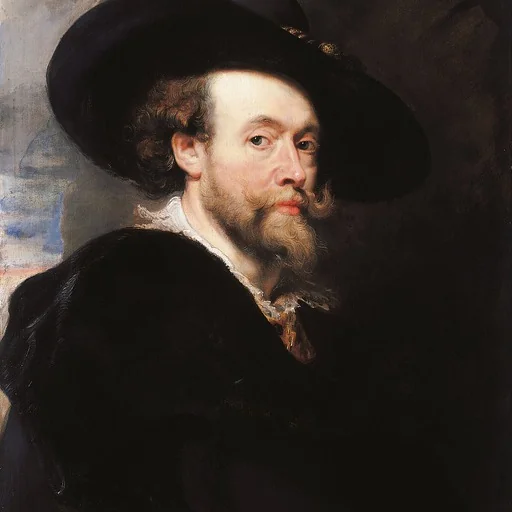
Sir Peter Paul Rubens ( ROO-bənz; Dutch:; 28 June 1577 – 30 May 1640) was a Flemish artist and diplomat.

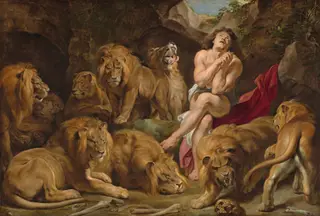
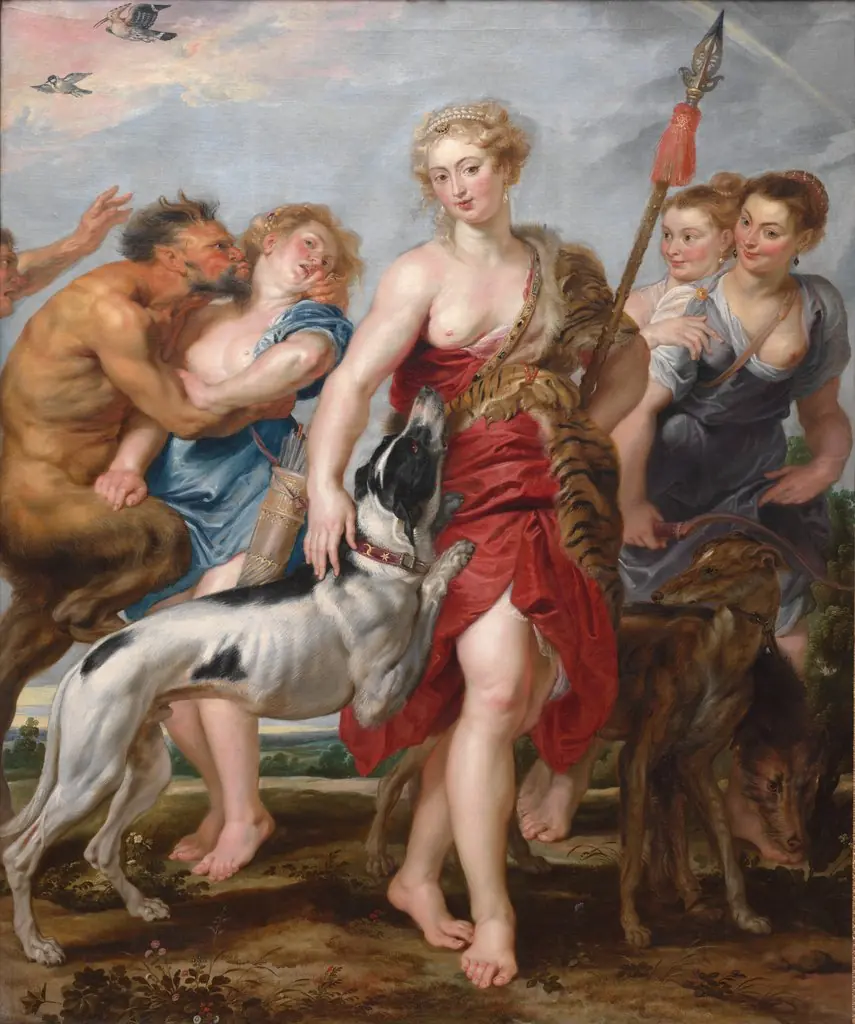
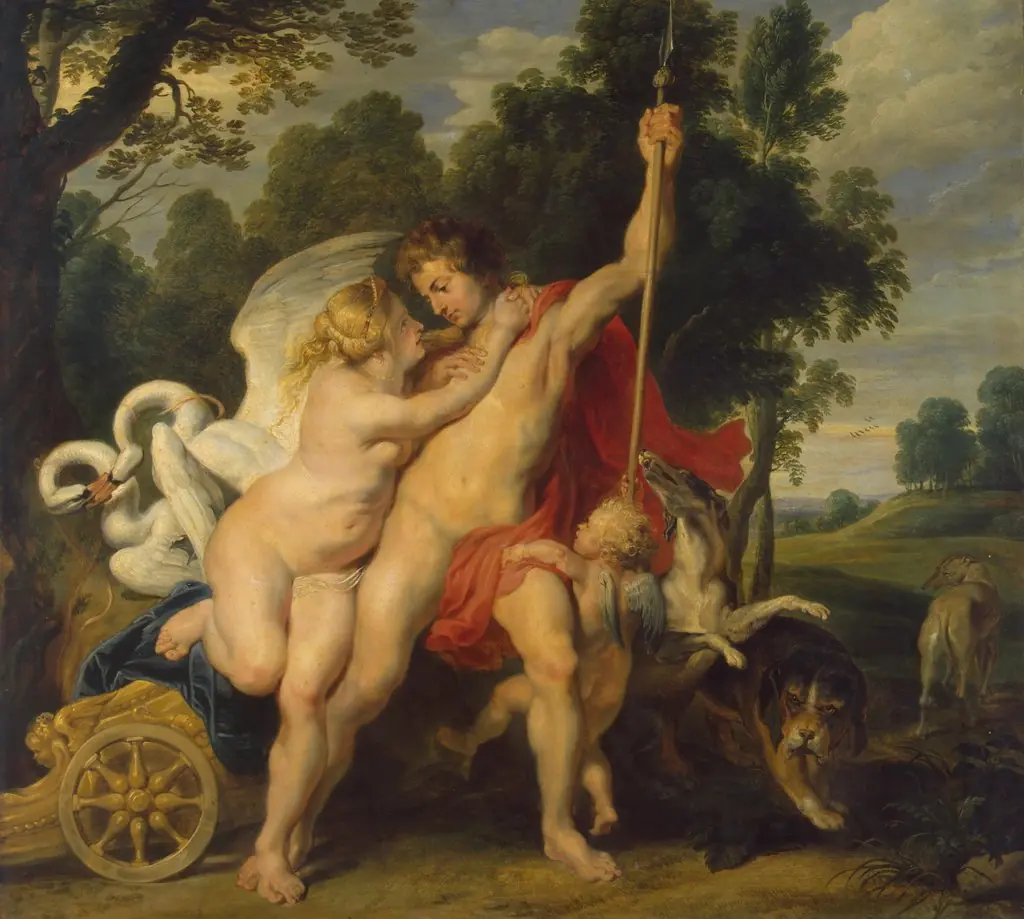
- The Capture of Samson
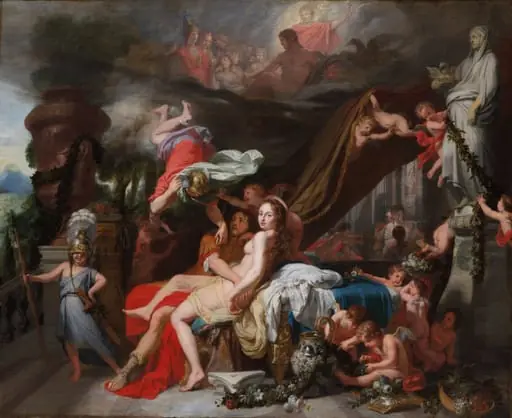 Hermes Ordering Calypso to Release Odysseus
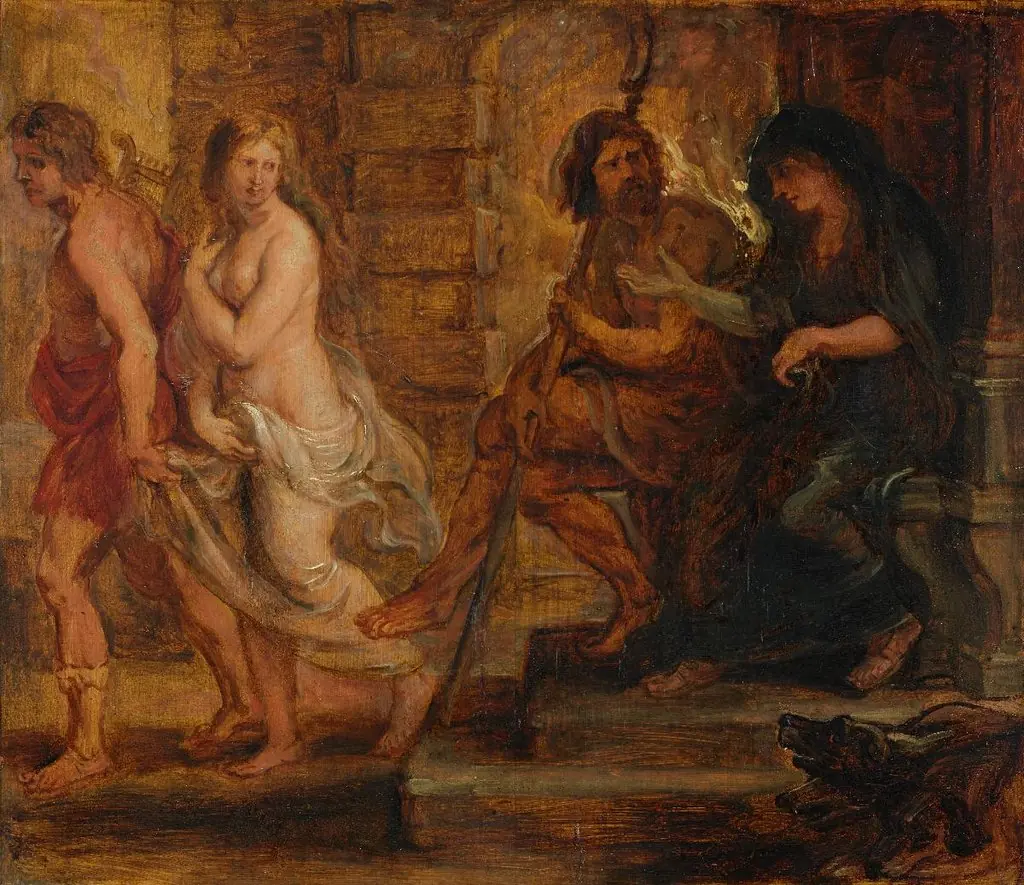 Orpheus und Eurydike vor Pluto und Proserpina
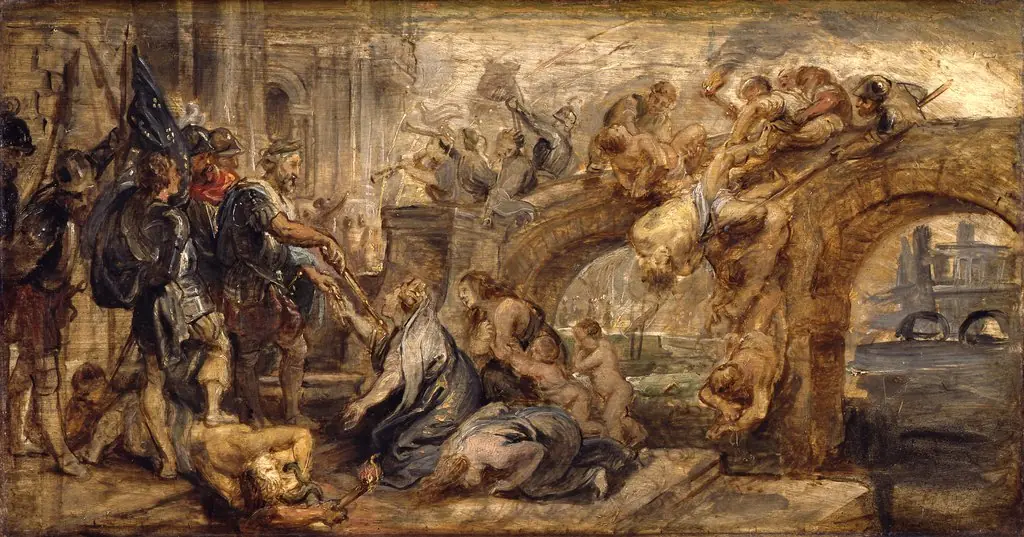 The Entry in Paris by Henry IV
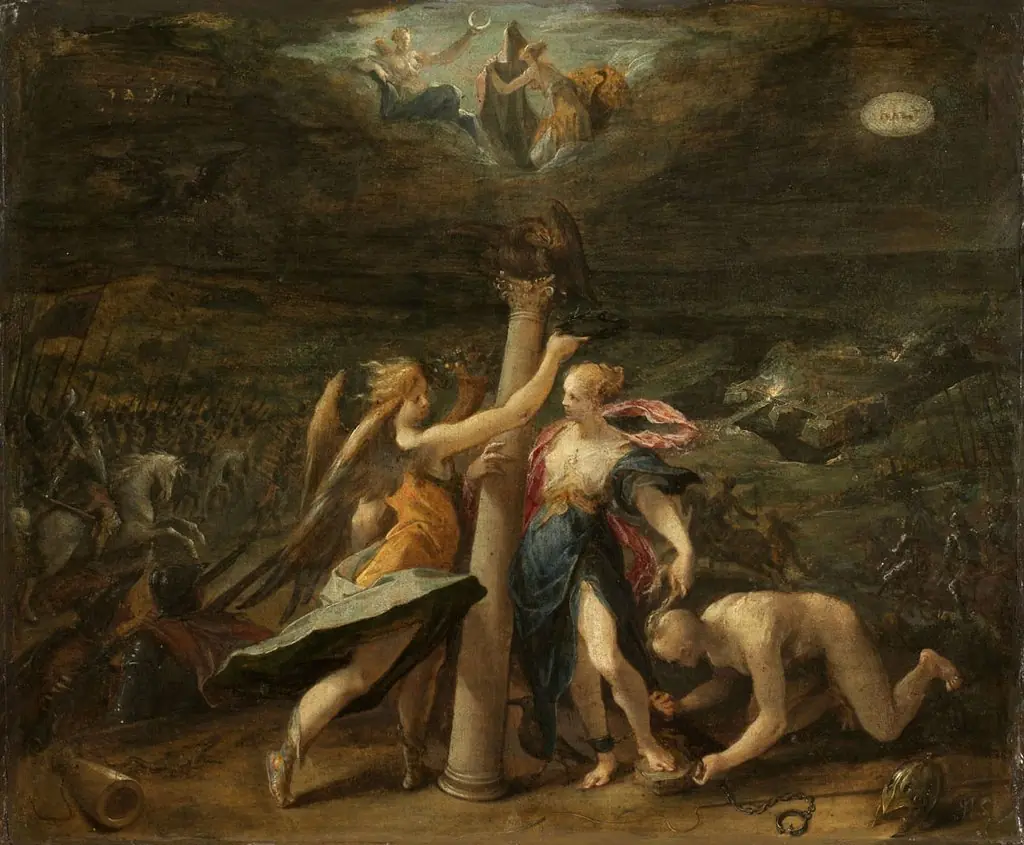 Allegory of the Reconquest of Győr
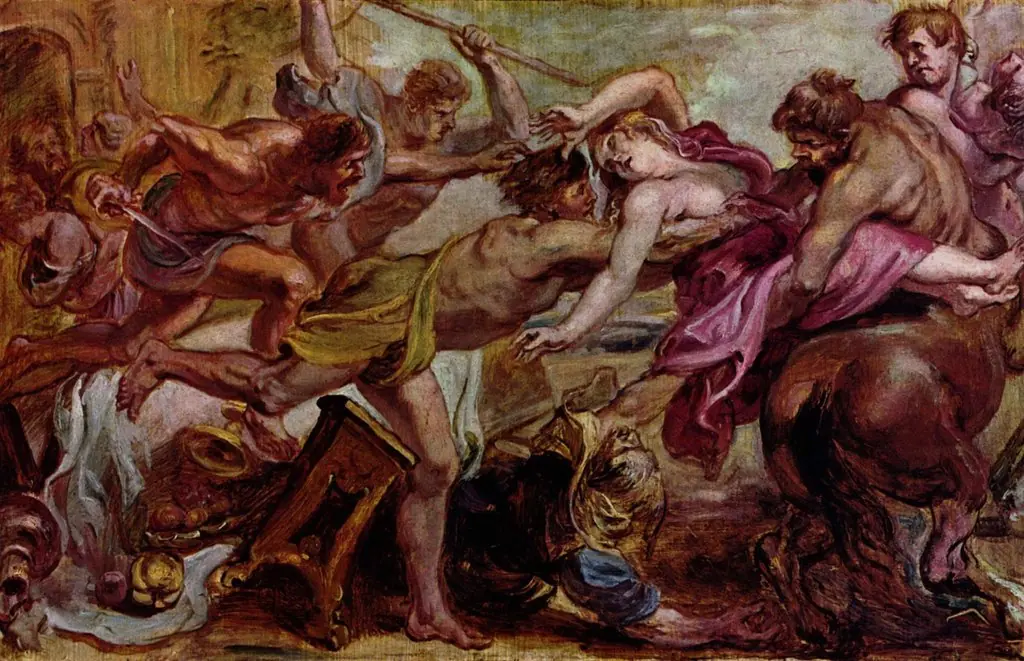 The Rape of Hippodamia
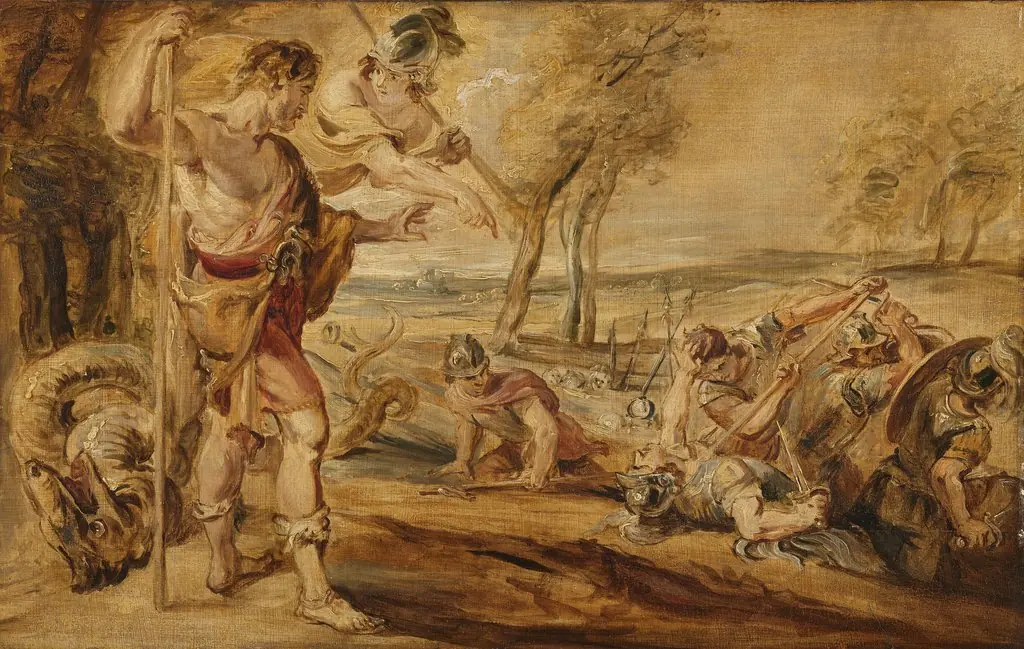 Cadmus sowing dragon's teeth
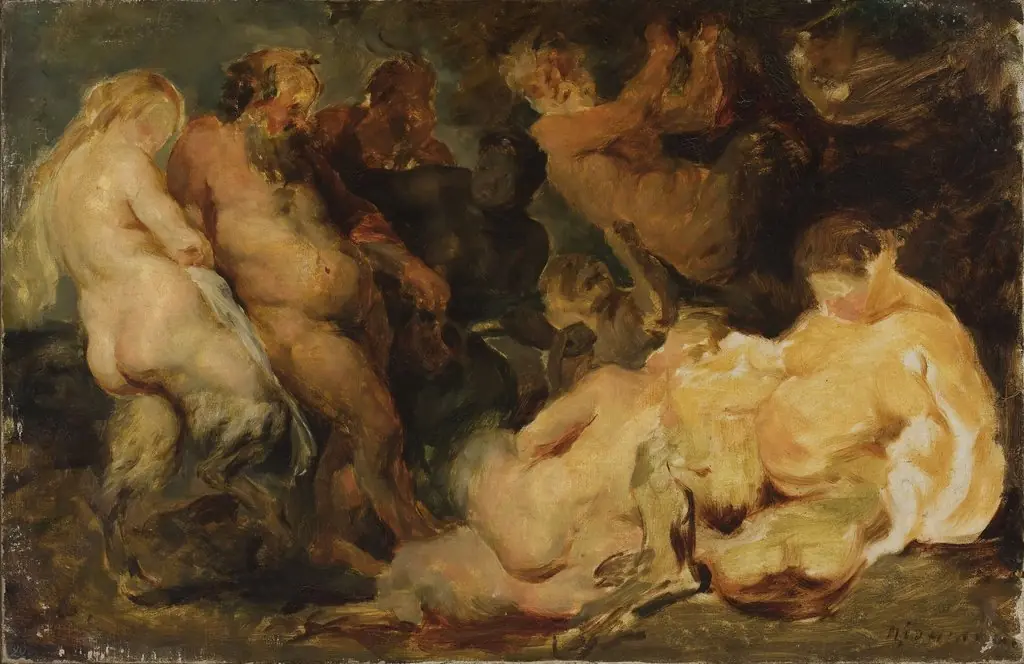 Bacchanalia
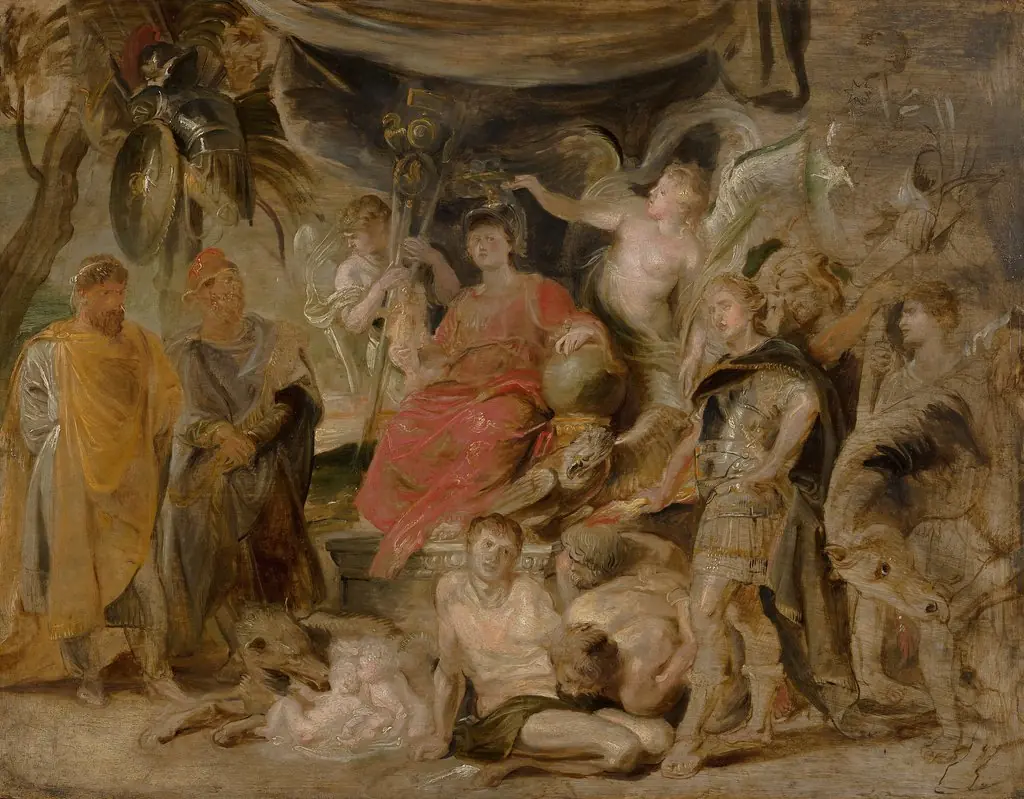 The Triumph of Rome: The Youthful Emperor Constantine Honouring Rome
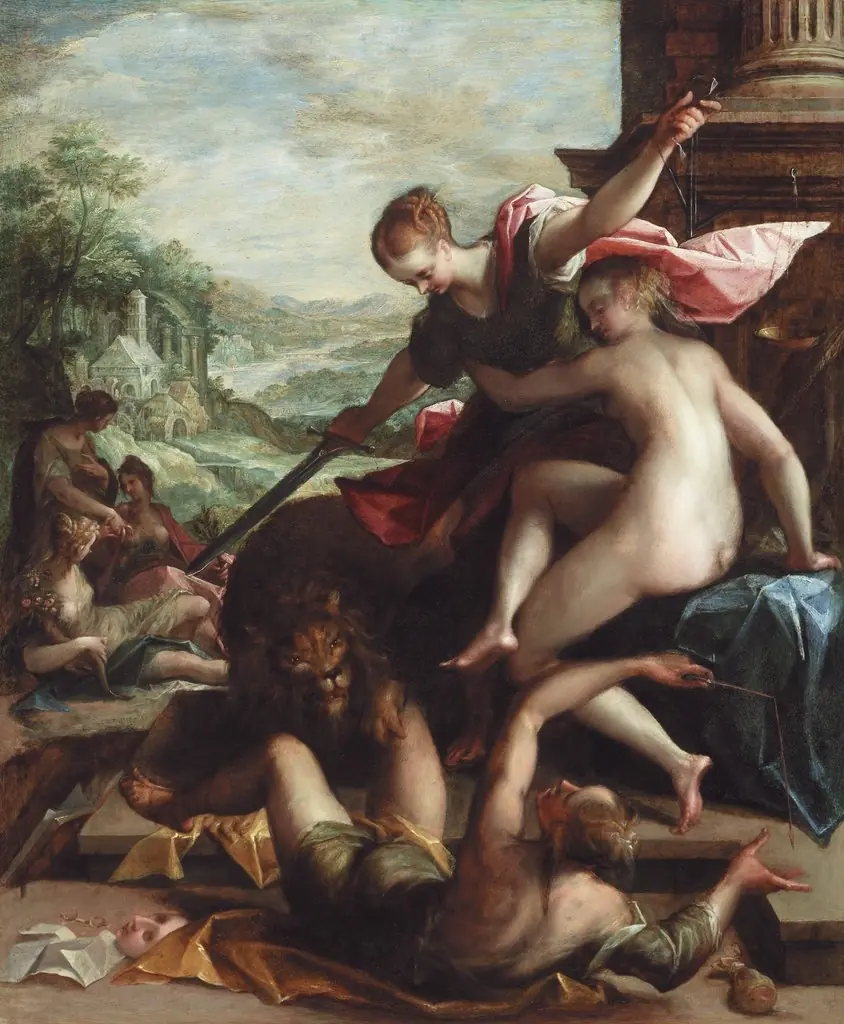 The Triumph of Truth
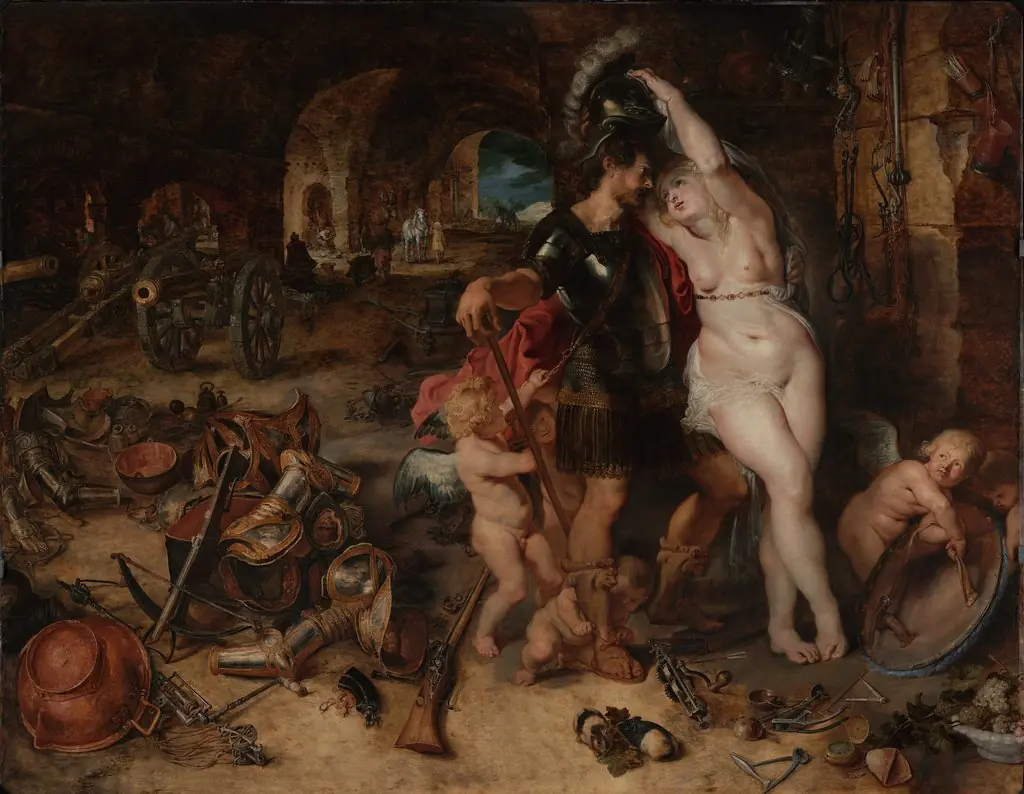 The Return from War: Mars Disarmed by Venus
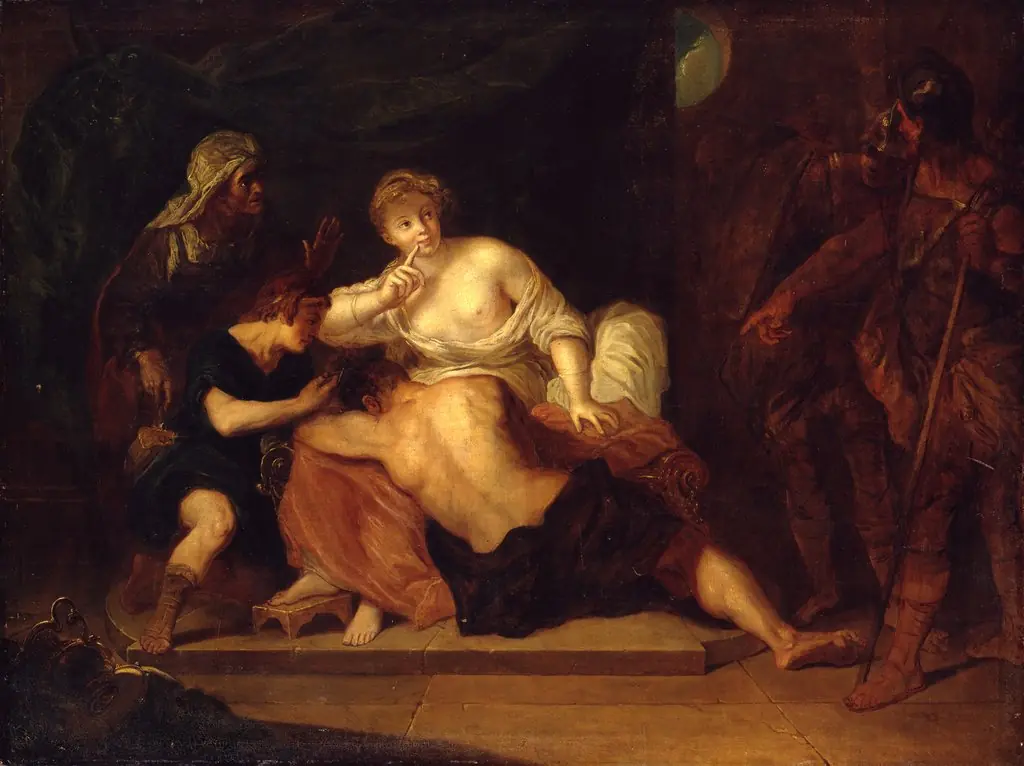 Samson and Delilah