Artwork
Vertumnus and Pomona
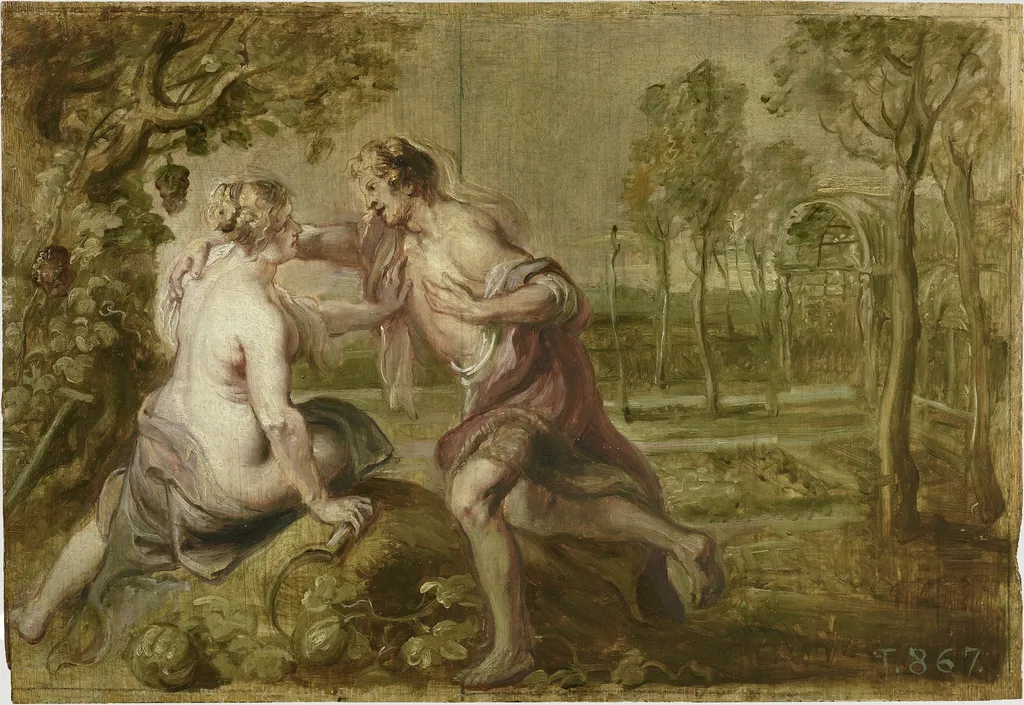
Vertumnus and Pomona is an oil painting by the Flemish Baroque painting artist Peter Paul Rubens. It dates from 1636 and is held in the collection of the Museo del Prado.
About this work
Technique & Style
The composition favors close-up intimacy, with figures pressed toward the picture plane and dense, sculptural modeling that emphasizes volumetric form.
Executed in oil paint on a poplar panel, the work measures 26.5 cm in height and 38.3 cm in width. Rubens employs a fluid handling typical of his mature style, layering translucent glazes over a warm imprimatura to build luminous flesh tones and jewel-like color effects. The composition favors close-up intimacy, with figures pressed toward the picture plane and dense, sculptural modeling that emphasizes volumetric form.
Brushwork remains controlled yet lively, with delicate highlights applied to lips and drapery that catch the light. The condition appears stable, with no major abrasions or significant losses reported in technical records.
The overall effect is one of opulent sensuality and dynamic balance, aligning with High Baroque ideals of movement and tactile presence.
History & Provenance
Vertumnus and Pomona is an oil-on-panel painting by Peter Paul Rubens dated to 1636. The work entered the collection of the Museo del Prado, where it is currently held, and depicts the mythological subject of Vertumnus and Pomona. The sources do not document a specific commissioner, prior owners, or earlier provenance history beyond its present location at the Prado.
The painting is held in the permanent collection of the Museo del Prado, Madrid, where it carries the inventory number P001630.
It has been exhibited in major Rubens surveys, including “Rubens: Painter of Sketches” held at the Museo del Prado in 2023, where the work was shown as part of the museum’s holdings.
Legacy
The painting has remained in the collection of the Museo del Prado since its creation, where it is displayed as a key example of Rubens' mythological output and continues to inform scholarly studies of Baroque narrative techniques. Its composition and treatment of the figures have been cited in later artistic discourse as influential on the depiction of personified seasons and garden allegories in European art, though the work is not recorded as having directly inspired a named school of artists.
Overview
Created in 1636, this oil painting by Peter Paul Rubens belongs to the Flemish Baroque period. It portrays the Roman deities Vertvertum, god of the seasons, and Pomona, goddess of fruit trees, within a verdant landscape. The work is part of the Museo del Prado’s collection.
Subject & Meaning
The composition presents Pomona seated on a rock in a white, flowing dress, while Vertumnus stands nearby in a red robe, extending his hand toward her. Their interaction suggests a moment of gentle courtship, echoing the myth in which the shape‑changing god woos the orchard goddess.
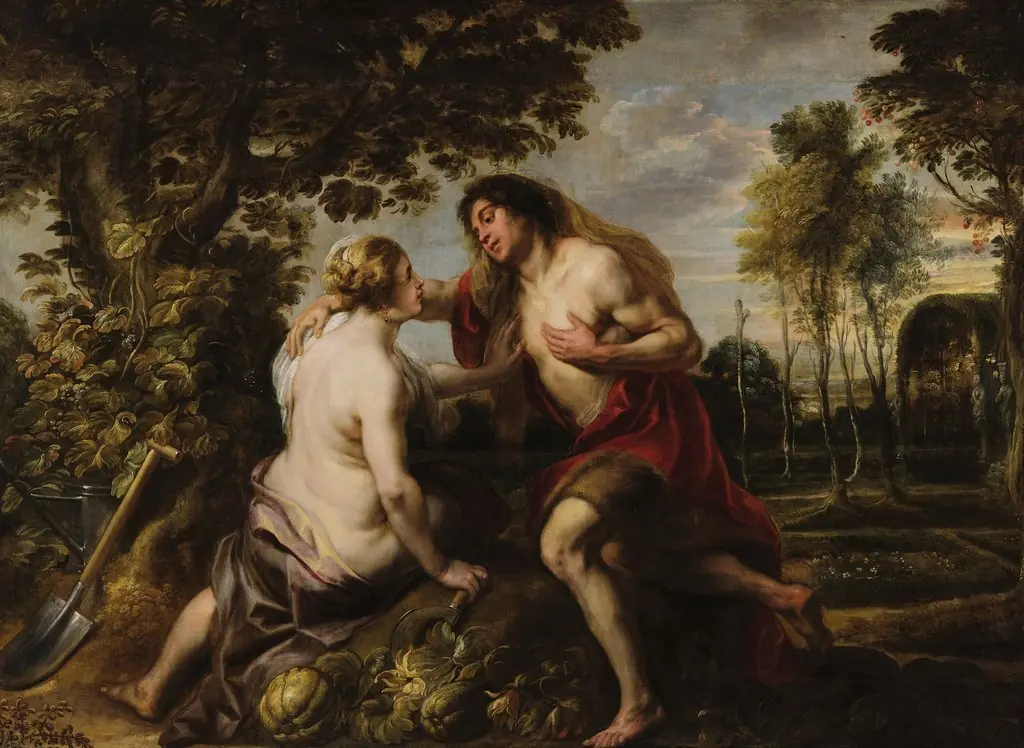
Own this work as a print
Artist & collection
Artist
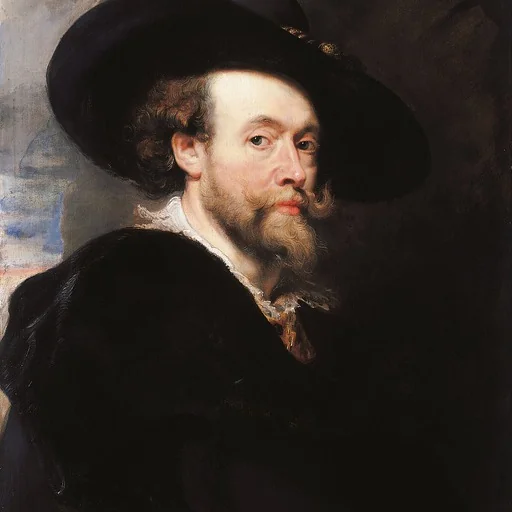
Sir Peter Paul Rubens ( ROO-bənz; Dutch:; 28 June 1577 – 30 May 1640) was a Flemish artist and diplomat.

 Cephalus and Procris (study)
 Meleager and Atalanta
 Venus   and  Adonis
 Ceres and Pan
 Cadmus sowing dragon's teeth
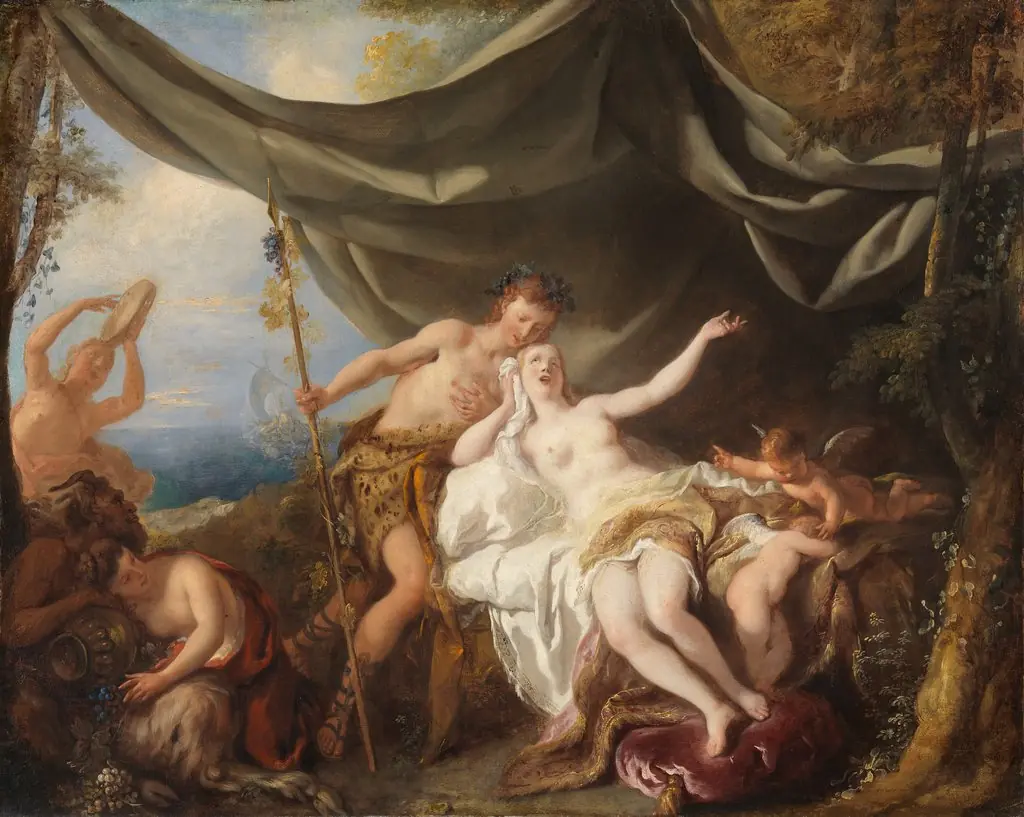 Bacchus and Ariadne
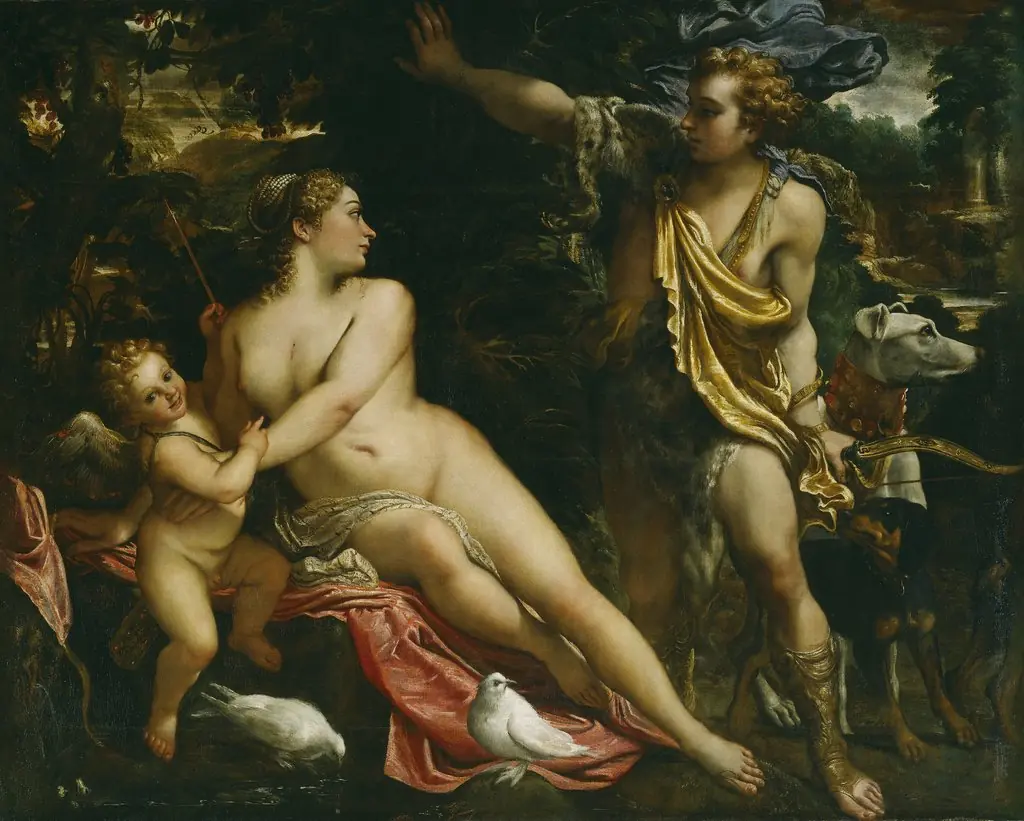 Venus, Adonis and Cupid
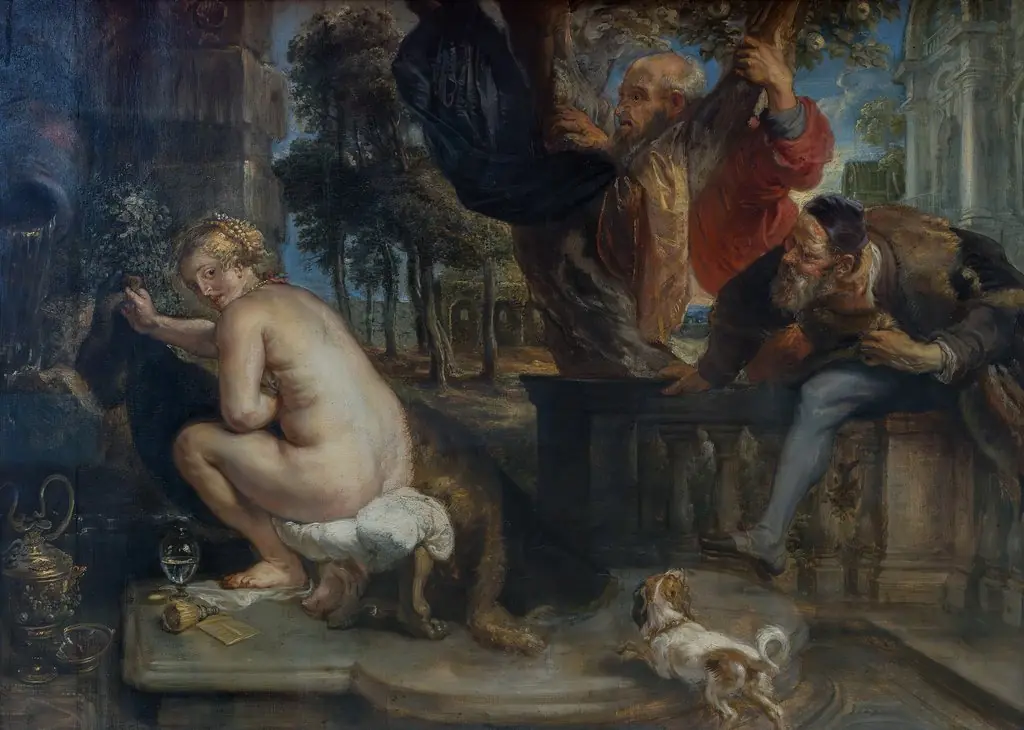 Susanna and the Elders
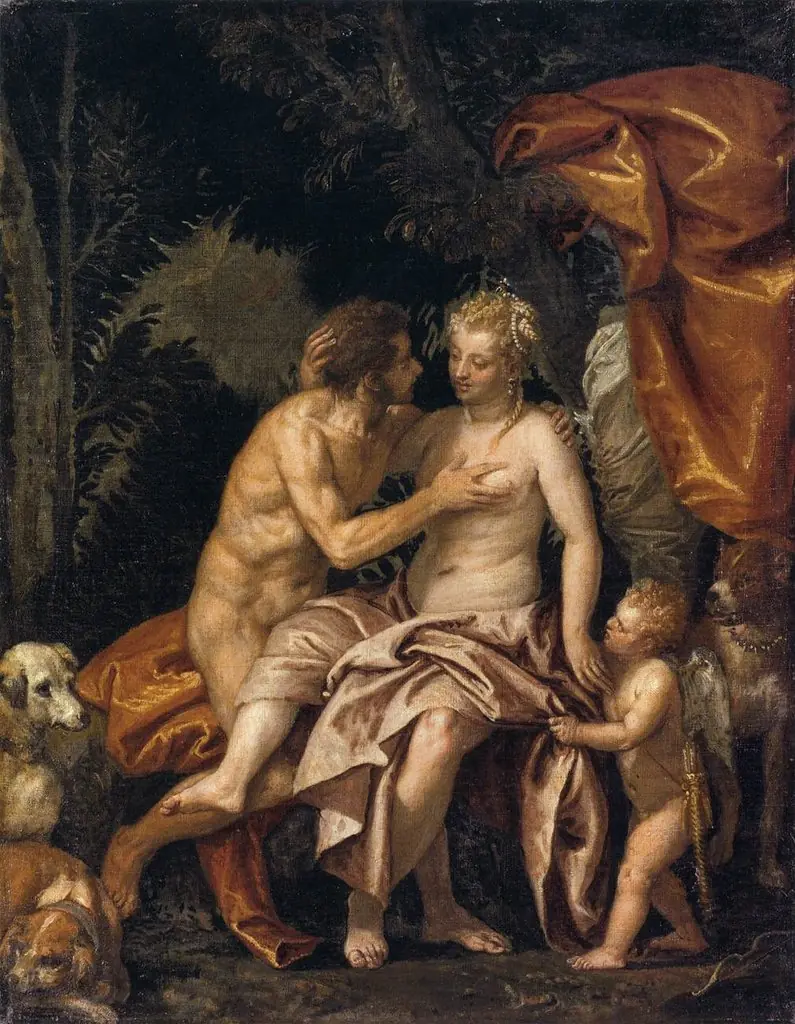 Venus and Adonis
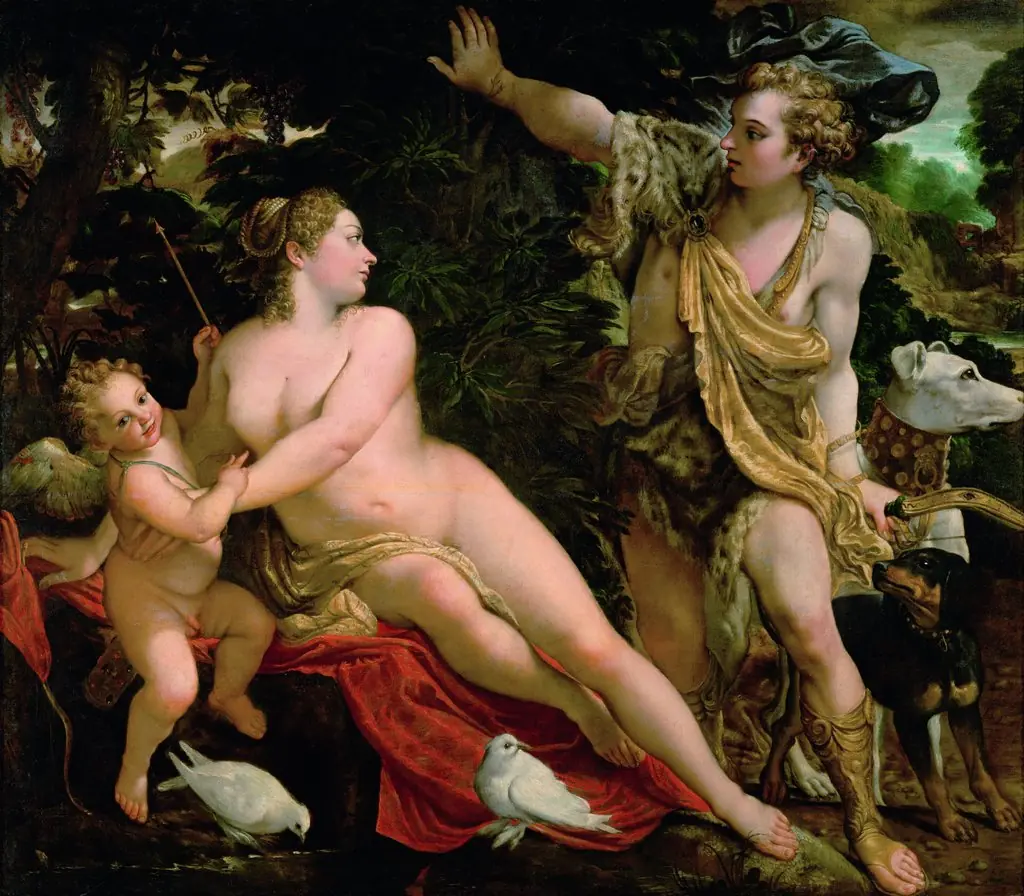 Venus, Adonis and Cupid
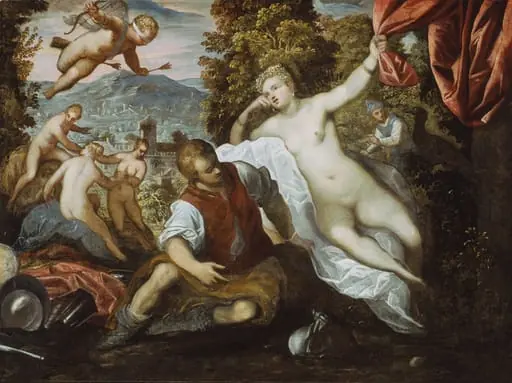 Venus and Mars with Cupid and the Three Graces in a Landscape
- Vertumnus and Pomona