Artwork
Count Hendrik van den Bergh
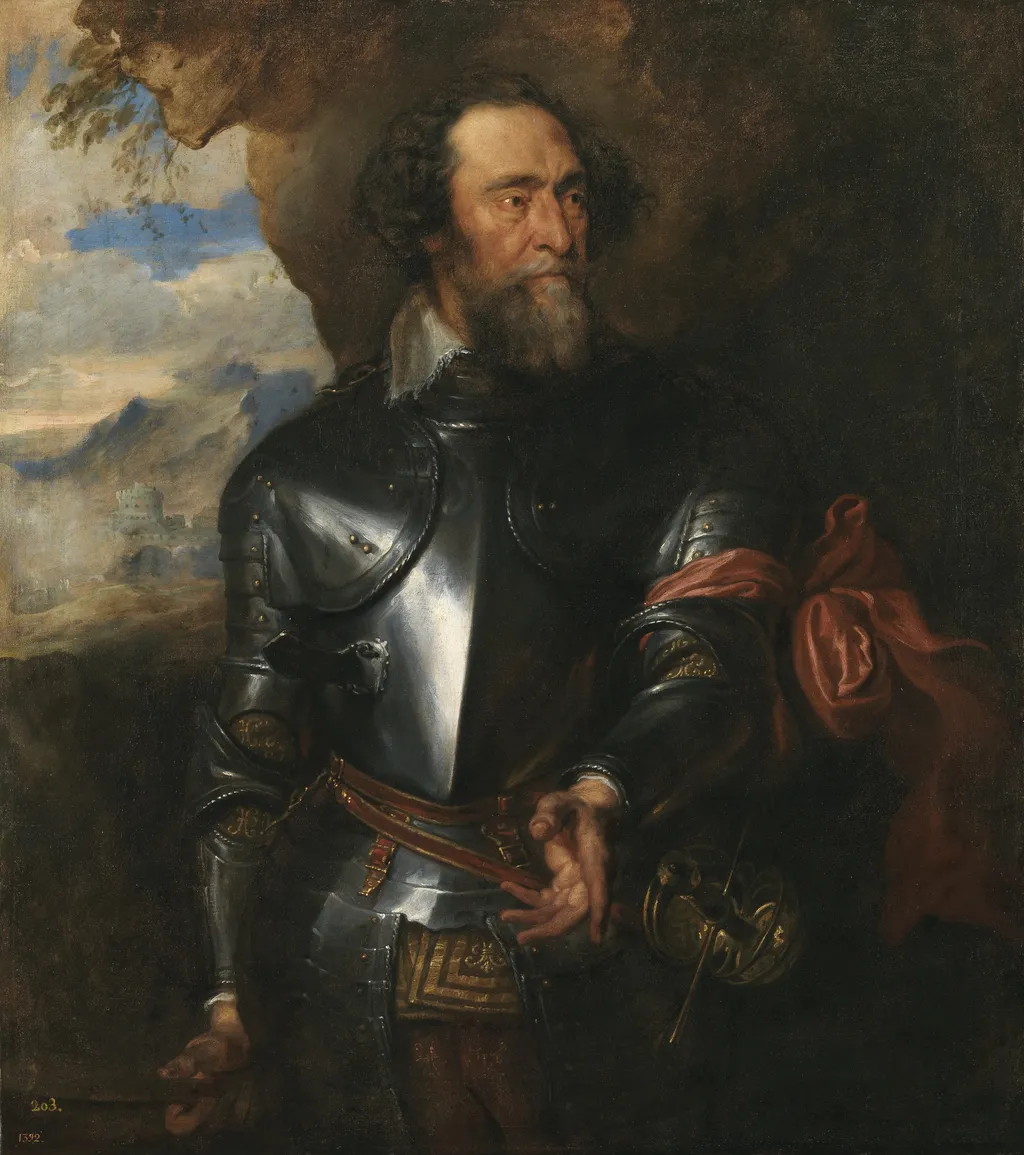
Count Hendrik van den Bergh is an oil painting by the Flemish Baroque painting artist Anthony van Dyck. It dates from 1628 and is held in the collection of the Museo del Prado.
About this work
Subject & Meaning
The sitter is shown wearing body armor and holding a sword, visual elements that signify his military status and role as a commander.
The painting depicts Hendrik van den Bergh as the central subject, presented in a formal portrait format. The sitter is shown wearing body armor and holding a sword, visual elements that signify his military status and role as a commander. These attributes serve as the primary iconography, communicating the subject's authority and martial identity rather than focusing on domestic or purely aristocratic symbols.
The work represents the sitter through these specific accoutrements of war, establishing his public persona as a military leader.
Technique & Style
Anthony van Dyck executed this 1628 portrait using oil paint on a canvas support. The artwork measures 114 cm in height by 100 cm in width. Stylistically, it operates within the portrait genre, formally depicting its subject, Hendrik van den Bergh, adorned in body armor and equipped with a sword.
History & Provenance
The portrait of Count Hendrik van den Bergh was produced by Anthony van Dyck in 1628, executed in oil paint on canvas. Source records indicate the work entered the collection of the Museo del Prado, where it remains held. No further details regarding commission, intermediate ownership, or chain of custody prior to the museum's acquisition are documented in the available sources. dates the painting to 1628, while lists two inception points, 1627 and 1628, placing the creation of the work in the late 1620s during Van Dyck's mature Flemish period.
Overview
Created in 1628, this oil portrait by Anthony van Dyck presents the Dutch nobleman Hendrik van den Bergh clad in full armor. The figure stands before a dark backdrop, illuminated by a bright, cloud‑dotted sky that accentuates the metallic sheen of his breastplate and the red drapery on his arm. The composition is now part of the collection of the Museo del Prado.
Context
In the early seventeenth century, Flemish artists often portrayed aristocratic patrons in martial attire to underscore their social rank. Van Dyck’s work aligns with this tradition, integrating the influence of Rubens’s dynamic compositions while anticipating the more refined portraiture he would later develop for the English court.
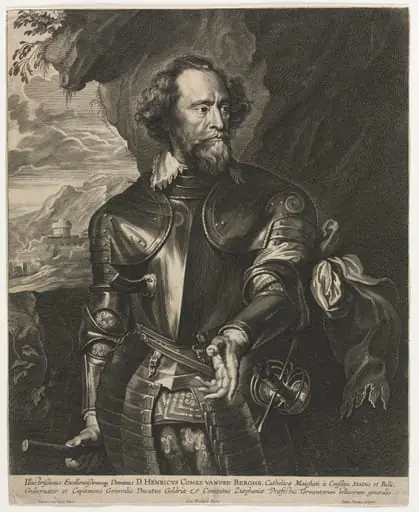
Own this work as a print
Artist & collection
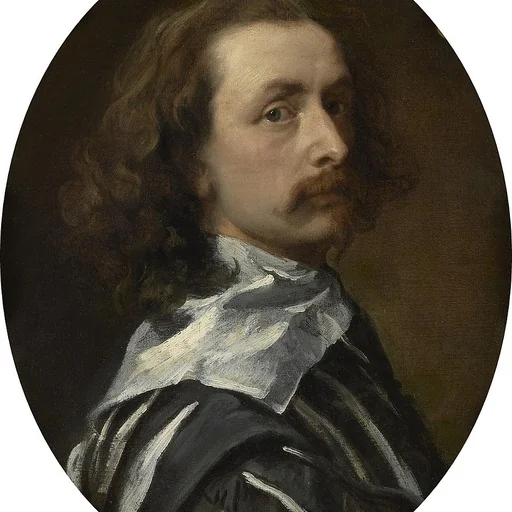
Artist
Sir Anthony van Dyck (; Dutch: Antoon van Dijck; 22 March 1599 – 9 December 1641) was a Flemish Baroque artist, who became the leading court painter in England after success in the Spanish Netherlands and Italy.

 The Prefect Raffaele Raggi
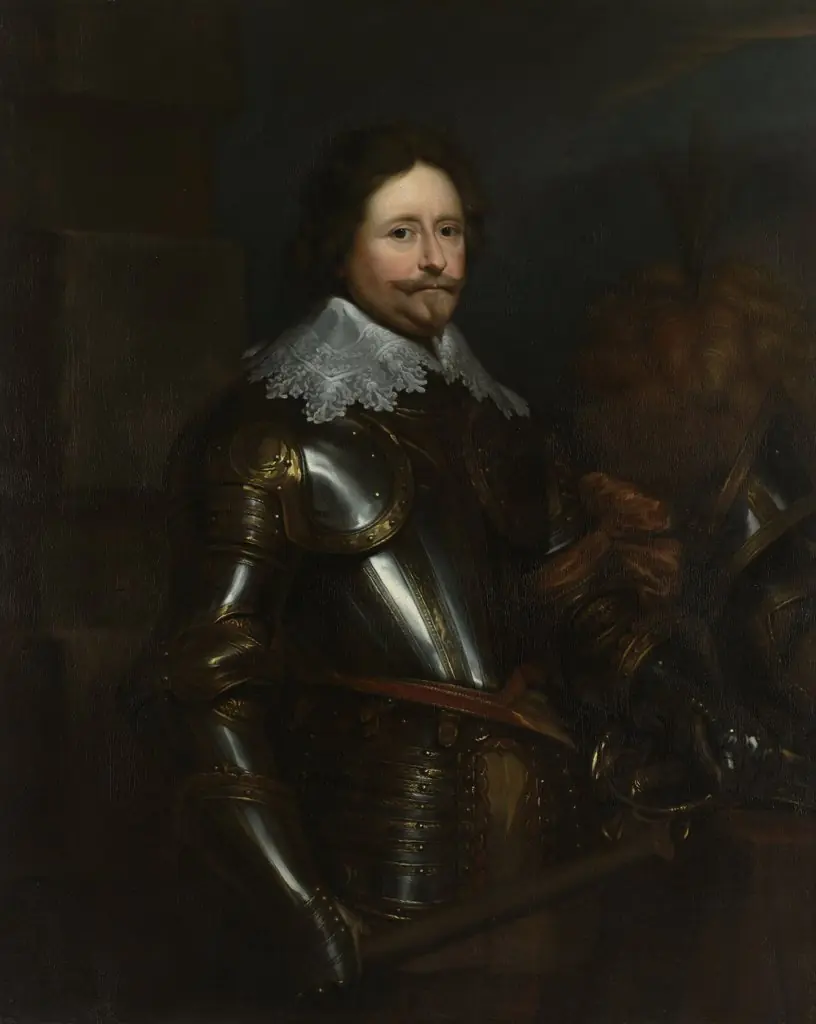 Portrait of Frederik Hendrik (1584-1647), prince of Orange
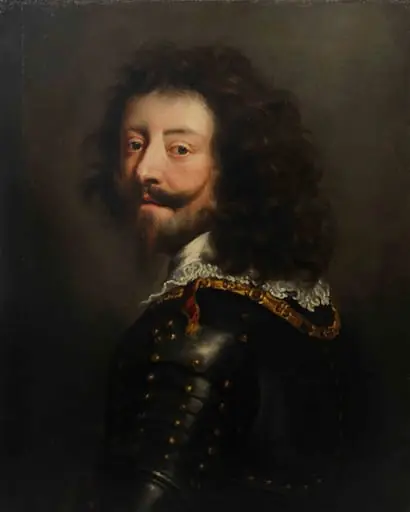 Portretul lui Albert de Ligne, prinț de Barbançon
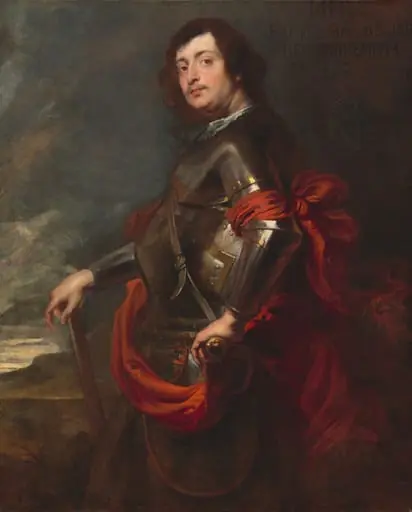
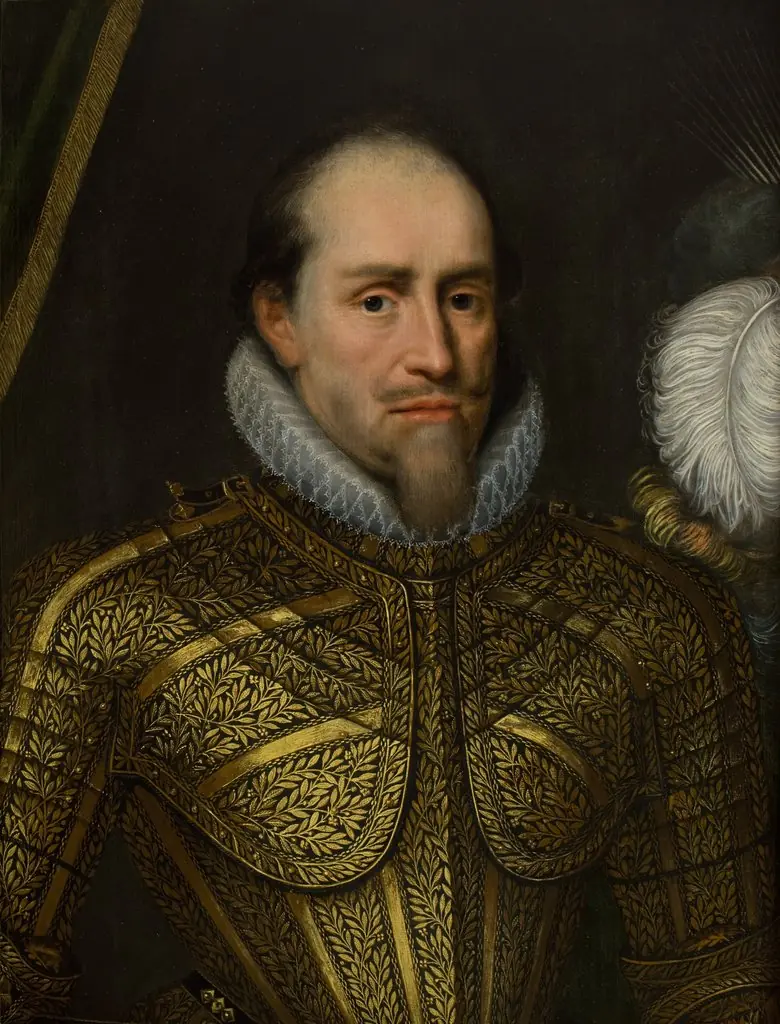 Portrait of a Man in Armour
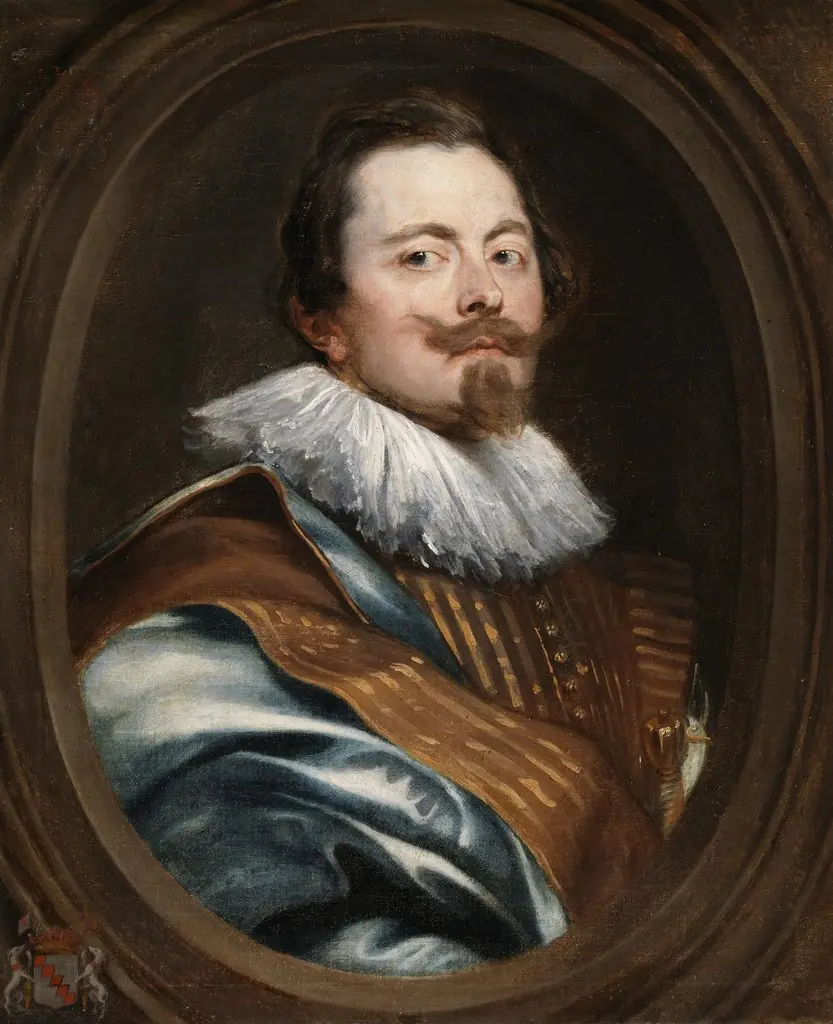 Portrait of Frederick Marselaer, Diplomat
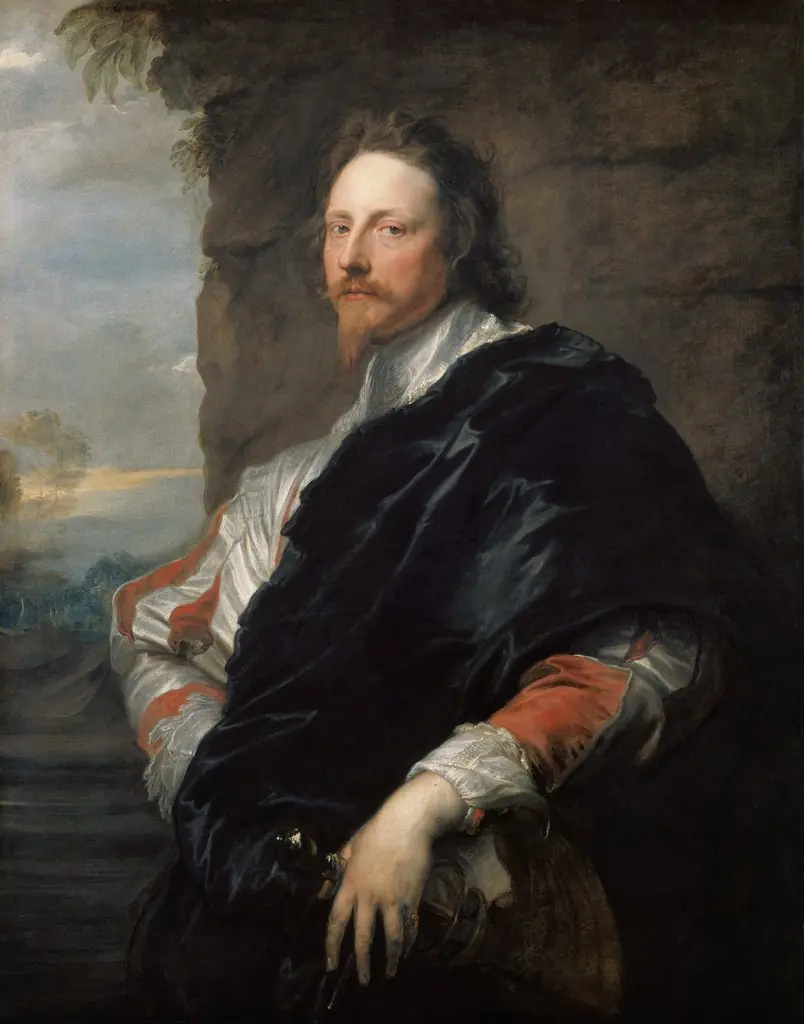 Nicolas Lanier
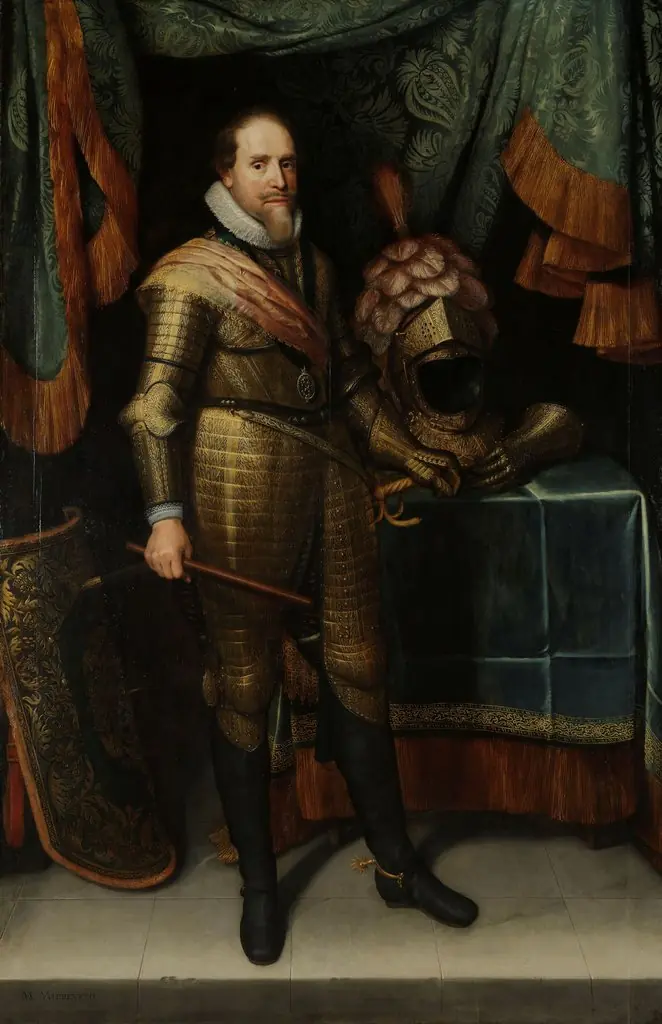 Maurice, Prince of Orange
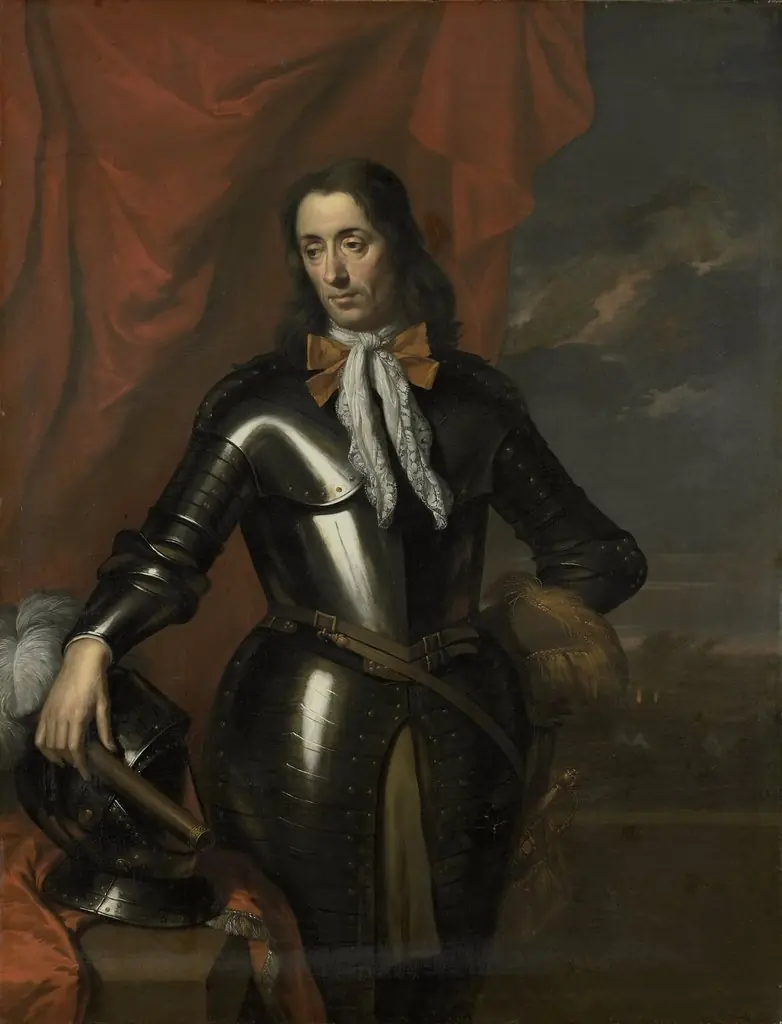 Portrait of Isaac de l'Ostal de Saint-Martin (ca 1629-96), governor of the Dutch East Indies and commander of the garrison at Batavia
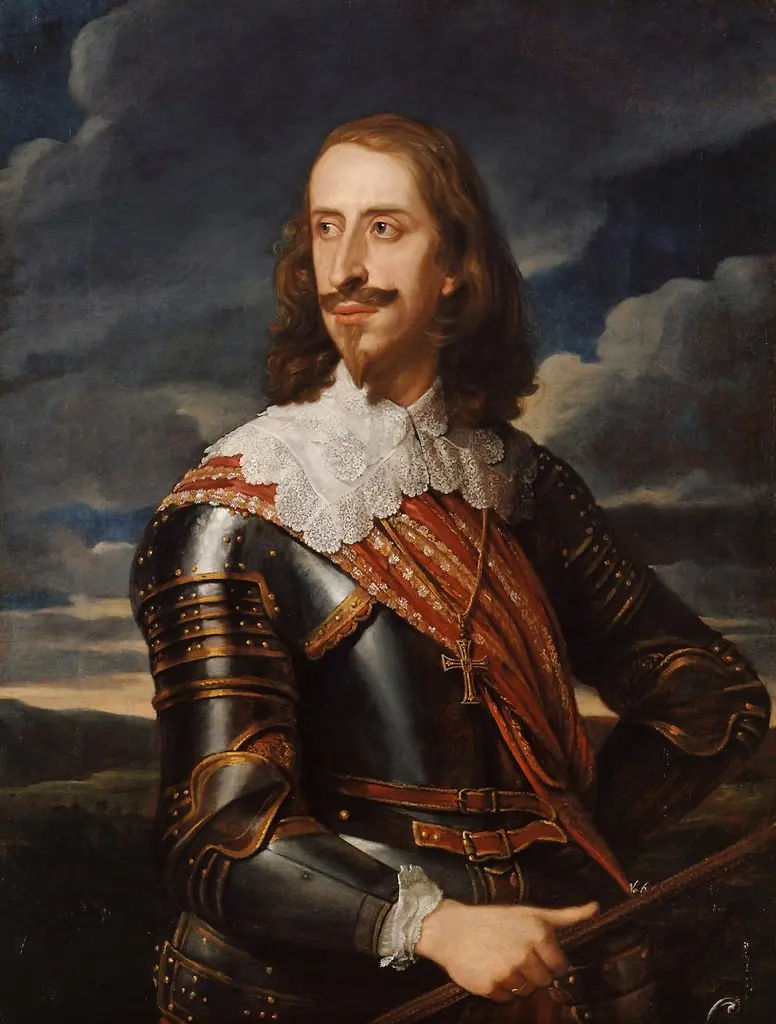 Archduke Leopold Wilhelm in armor (1614-1662)
 Charles I