Artwork
The Prefect Raffaele Raggi
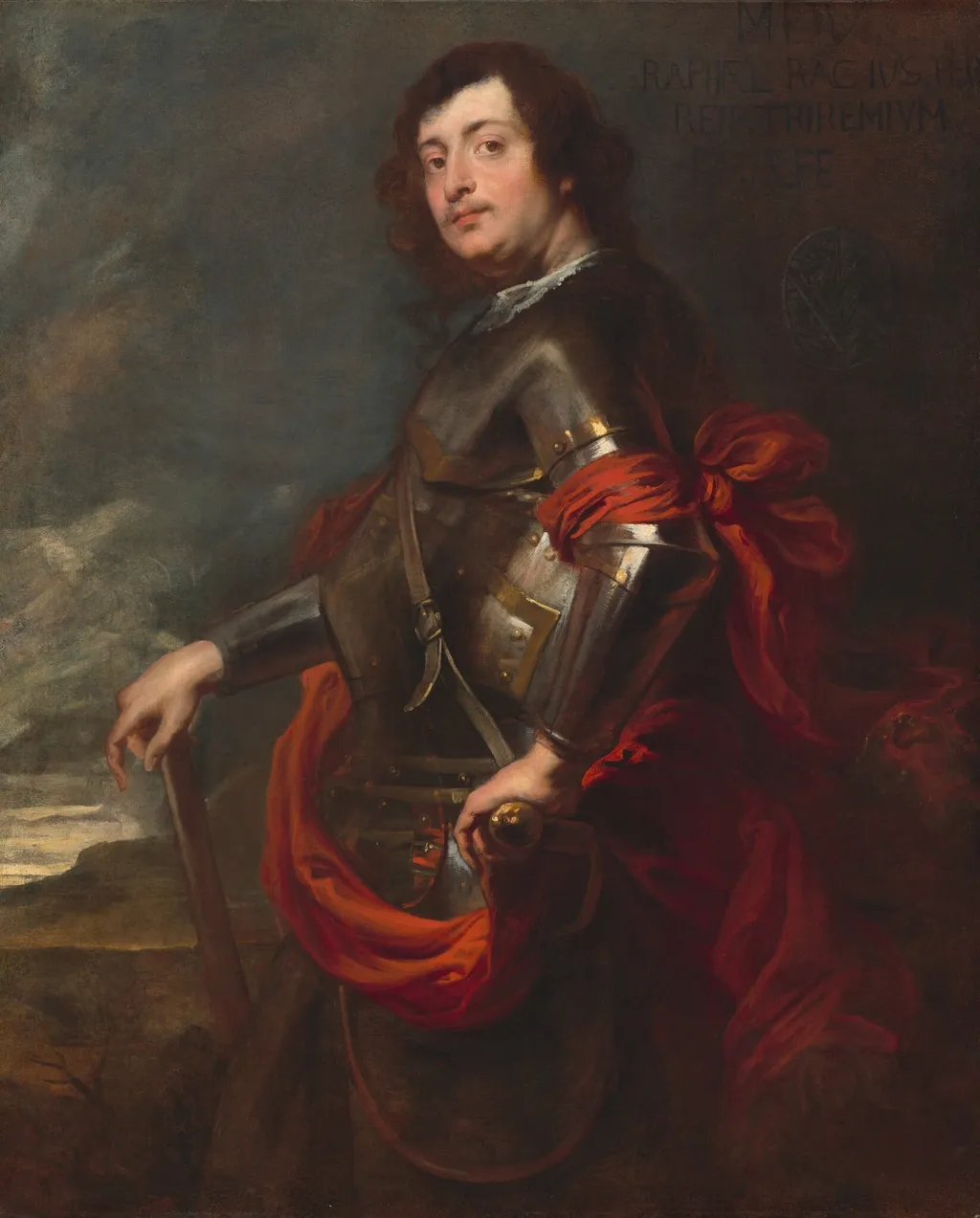
The Prefect Raffaele Raggi is an oil painting by the Baroque artist Anthony van Dyck. It dates from 1625 and is held in the collection of the National Gallery of Art.
- Inscription
- Inscribed:upper right above coat of arms: M D V / RAPHAEL RAGGIVS. HEIR[ONYMI] / REIP[VBLICAE]. TRIREMIVM / PRAEFECTVS[.] (1505 RAFFAELE RAGGIO [son of] GEROLAMO. PREFECT OF THE REPUBLIC'S TRIREMES)
About this work
Technique & Style
The portrait is executed in oil on canvas, a medium characteristic of van Dyck's mature practice.
The portrait is executed in oil on canvas, a medium characteristic of van Dyck's mature practice. The handling exhibits the artist's signature fluid brushwork and delicate modeling of form, particularly evident in the sitter's facial features and the soft folds of his garments. Stylistically, the composition adheres to van Dyck's refined portraiture, emphasizing elegance and psychological presence through restrained yet expressive detail.
The work's vertical format and controlled palette further underscore its formal precision, aligning with the aristocratic portrait tradition of the mid-17th century.
History & Provenance
Painted by Sir Anthony van Dyck in 1625, the portrait of the Prefect Raffaele Raggi entered the historical record by 1664 within the collection of Marchese Tomasso Raggi in Rome. By 1780, the work was likely held by Francesco Maria Balbi in Genoa, from whose family it was reportedly acquired by Sir Walter Rockcliffe Farquhar around 1810. Following his death, the painting passed by inheritance to his son, Sir Walter Randolph Farquhar, who sold it at Christie, Manson & Woods in London on June 2, 1894.
The piece subsequently appeared in the Sedelmeyer Gallery in Paris before being purchased later that same year by Peter A.B. Widener for his Lynnewood Hall estate in Pennsylvania. Upon Widener's death, the artwork passed to his son Joseph E. Widener, who gifted it to the National Gallery of Art in Washington, D.C., in 1942.
The painting is held in the National Gallery of Art, Washington, D.C., where it is recorded as accession number 1942.9.107. It entered the collection as a gift in 1942 from the Estate of Peter A.B. Widener through Joseph E. Widener. The work's exhibition history prior to the 20th century is not documented, but it was likely displayed privately within the Raggi family in Rome and Genoa from its creation in 1625 until at least 1780, and later in London and Paris after its sale in 1894.
Context
The Prefect Raffaele Raggi is a 1625 oil on canvas portrait by Sir Anthony van Dyck, depicting the nobleman Raffaele Raggi. The work was recorded by 1664 in the collection of Marchese Tomasso Raggi in Rome, noted for its vivid colour. The painting later passed through the Balbi family, was acquired by Sir Walter Rockcliffe Farquhar, and entered the Sedelmeyer Gallery before Peter A. B. Widener purchased it in 1894; it was gifted to the National Gallery of Art in 1942.
Scholarship situates the portrait within van Dyck's Italian period, emphasizing its role in the development of Baroque portraiture and its influence on later European portraitists.
Overview
Sir Anthony van Dyck's painting, The Prefect Raffaele Raggi, is an oil on canvas portrait created around 1625. This work captures a male sitter, Raffaele Raggi, in a formal presentation, characteristic of the artist's portraiture during this period. The painting serves as a record of an individual's appearance and status, rendered with the refined brushwork for which van Dyck was known.
Subject & Meaning
The portrait features Raffaele Raggi seated in a composed and formal posture, conveying a sense of authority and dignity. His elaborate attire and serious demeanor suggest a person of significant social standing. Van Dyck's attention to the specific details of Raggi's face and clothing aims to present a realistic yet dignified representation of the prefect, emphasizing his public persona.
Own this work as a print
Artist & collection
Artist
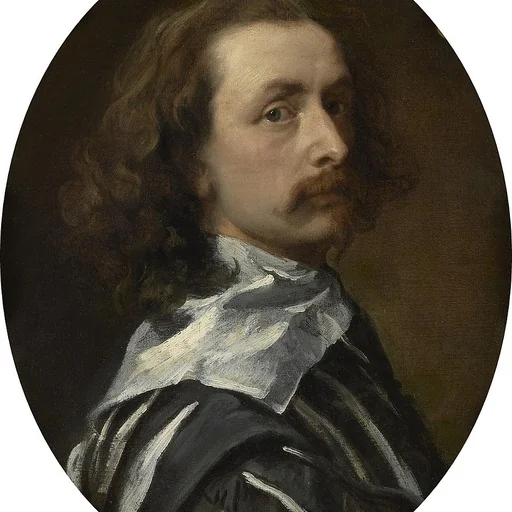
Sir Anthony van Dyck (; Dutch: Antoon van Dijck; 22 March 1599 – 9 December 1641) was a Flemish Baroque artist, who became the leading court painter in England after success in the Spanish Netherlands and Italy.

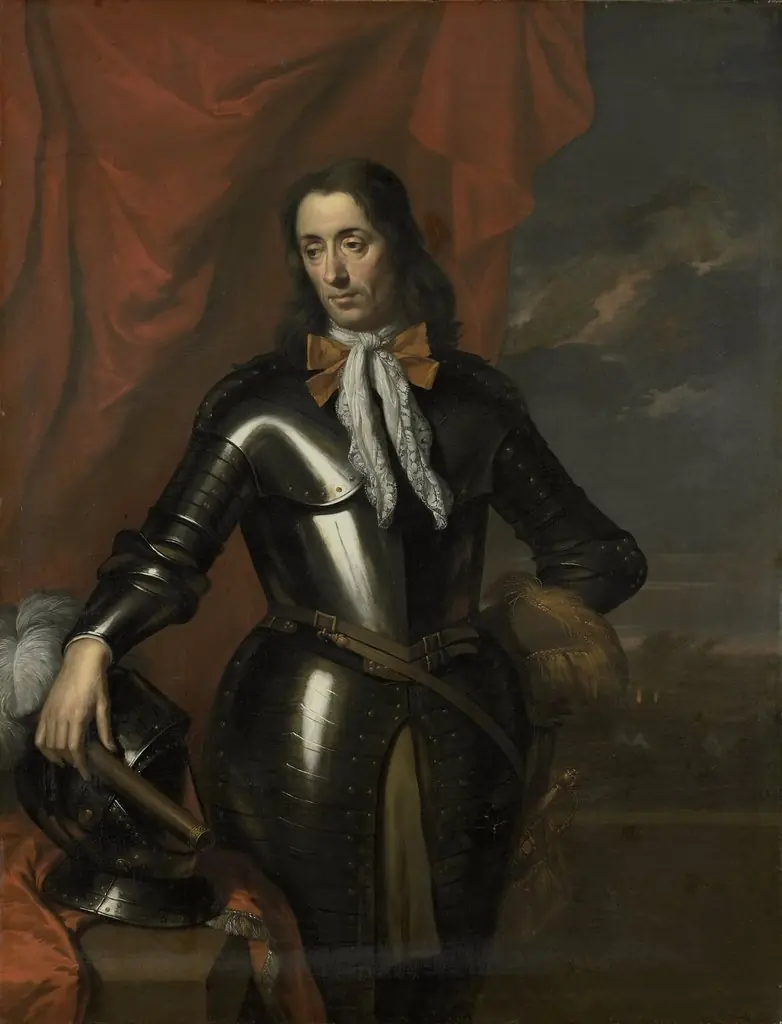
- Portrait of Isaac de l'Ostal de Saint-Martin (ca 1629-96), governor of the Dutch East Indies and commander of the garrison at Batavia
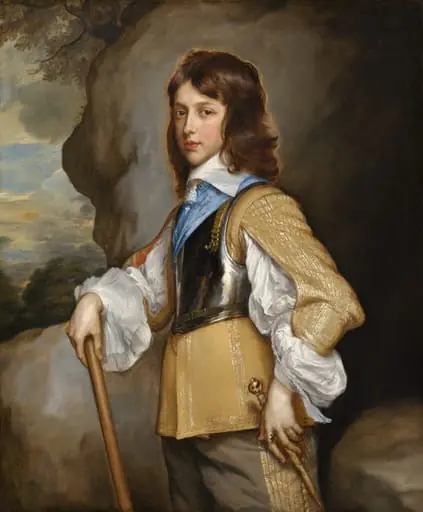 Henry, Duke of Gloucester
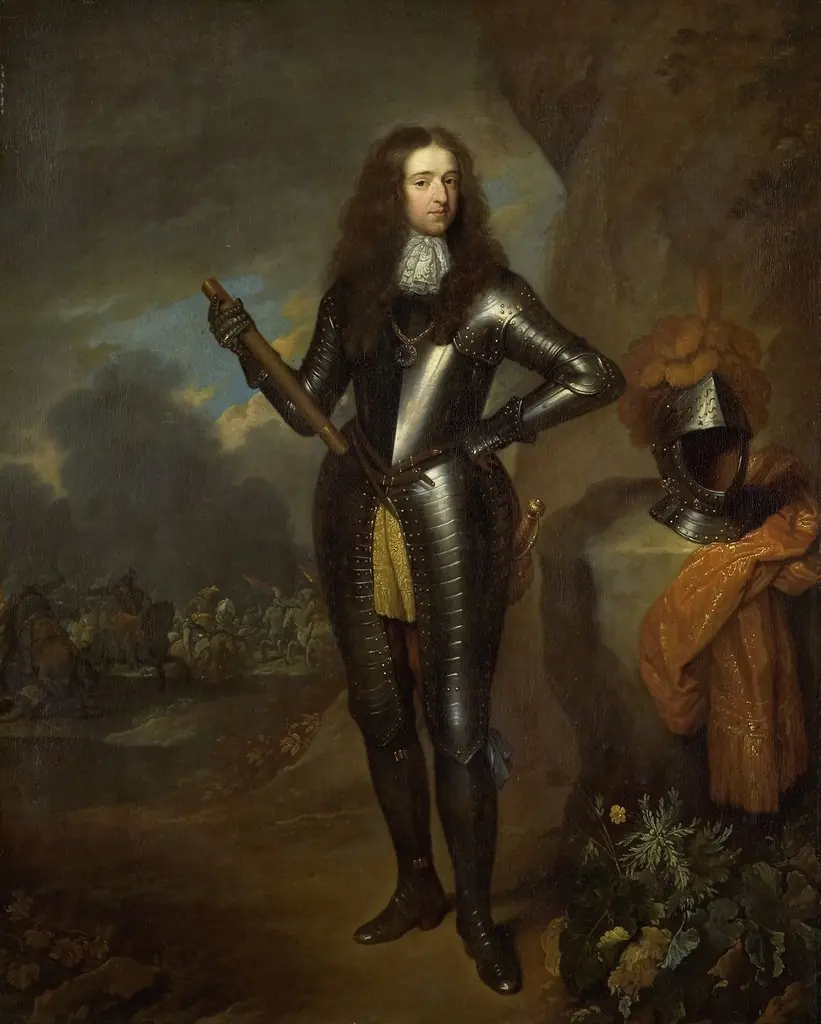 William III (1650-1702), Prince of Orange and since 1689, King of England
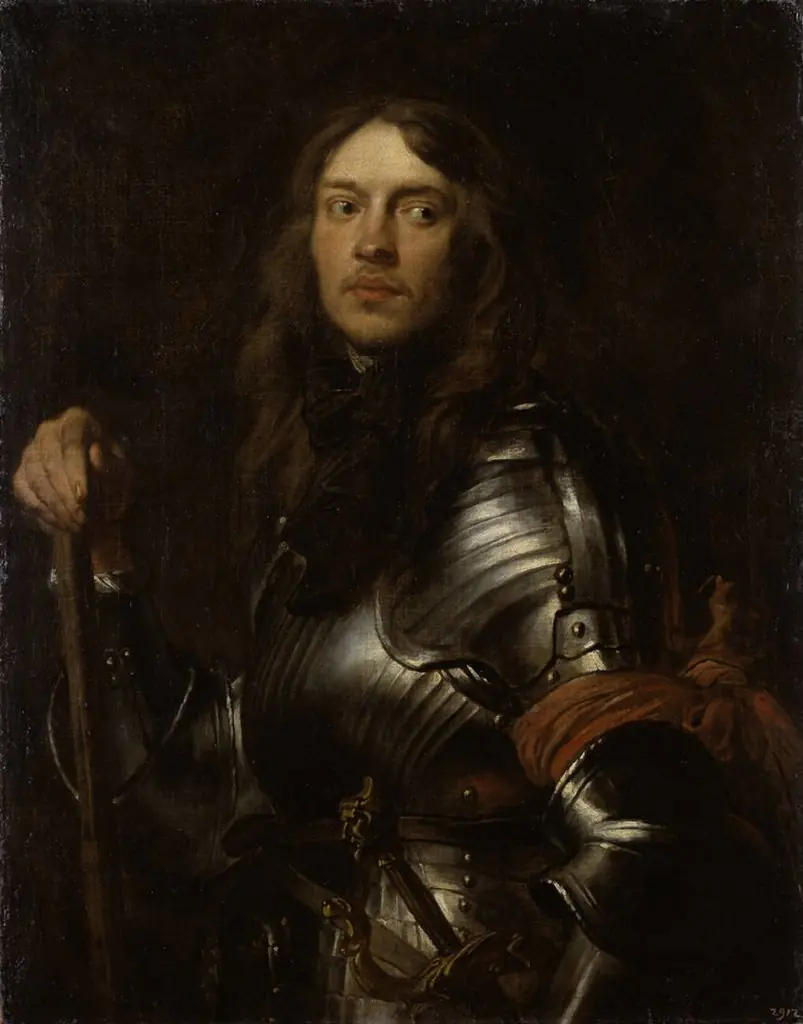 Portrait of a Man in Armour with a Red Scarf
 William III (1650-1702), Prince of Orange and since 1689, King of England
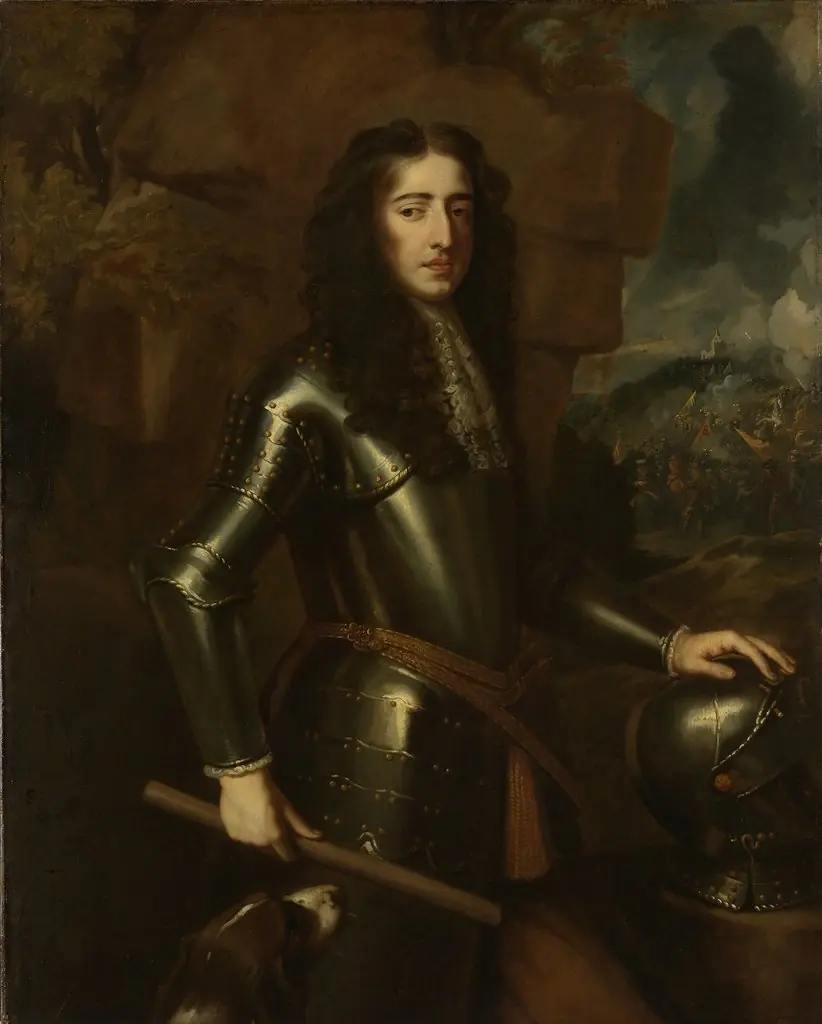 Portrait of William III, Prince of Orange, Stadtholder, after 1689 King of England
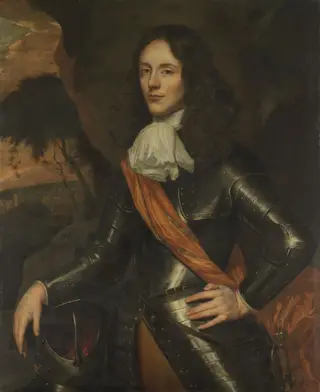 Portrait of James, 4th Lord Cranstoun (in or after 1643-85/88)
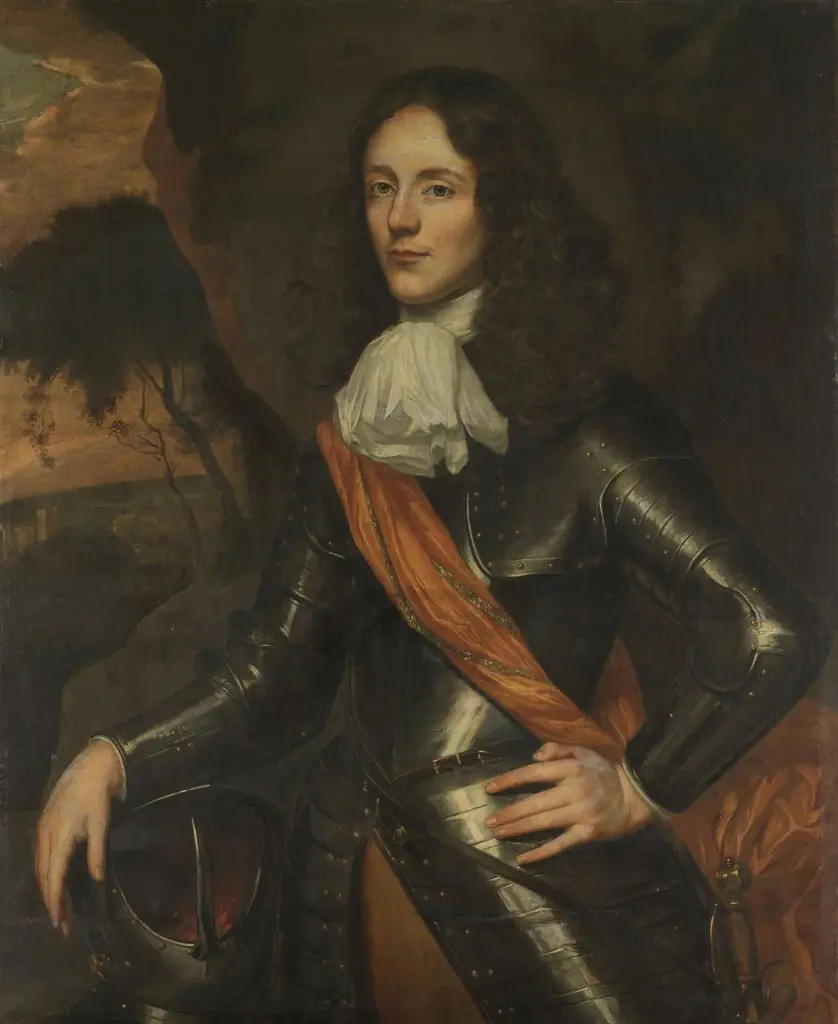 A military officer
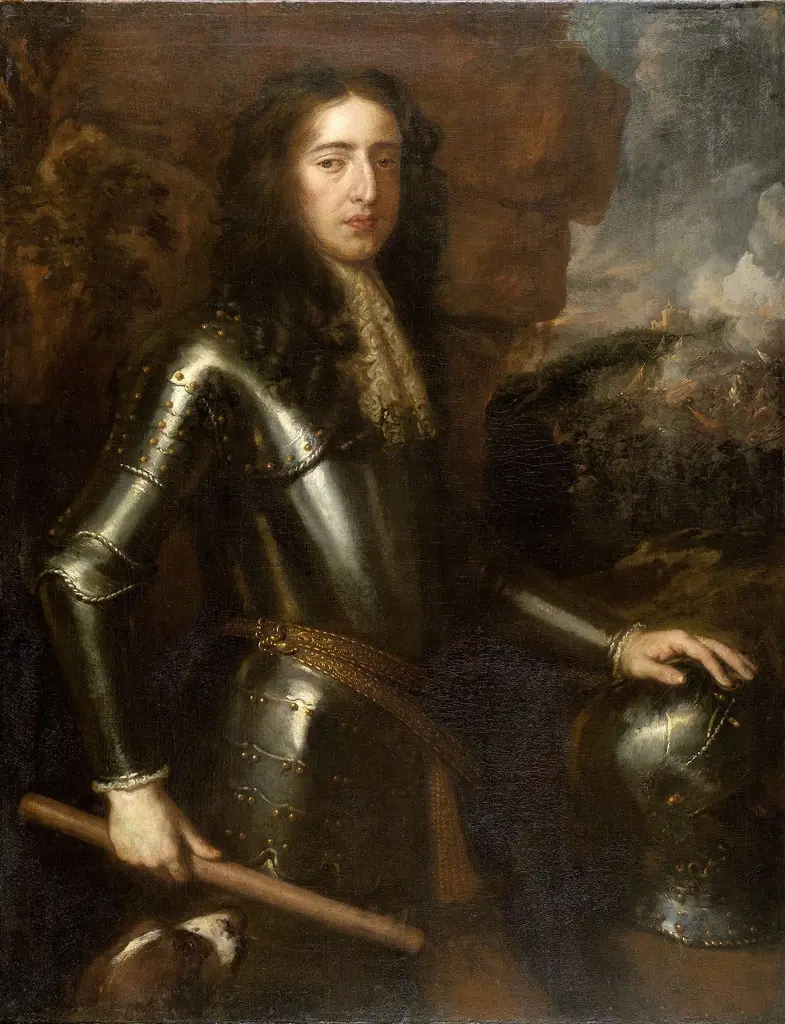 Portrait of William III (1650-1702), Prince of Orange
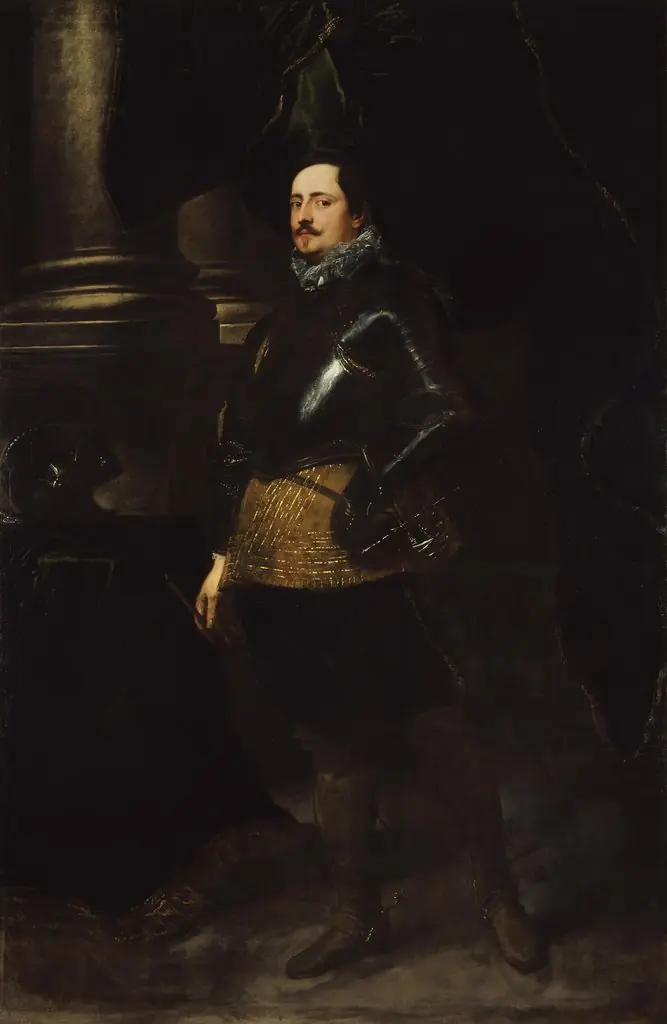 An Italian Noble
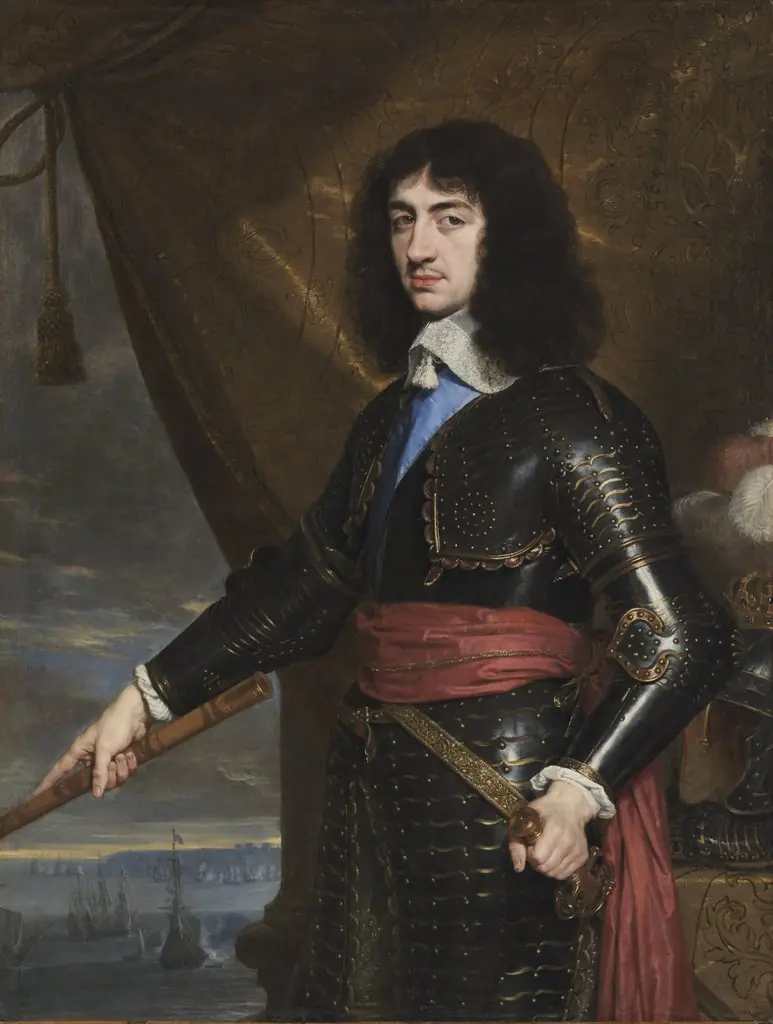 Portrait of King Charles II of England