Artwork
Nicolas Lanier
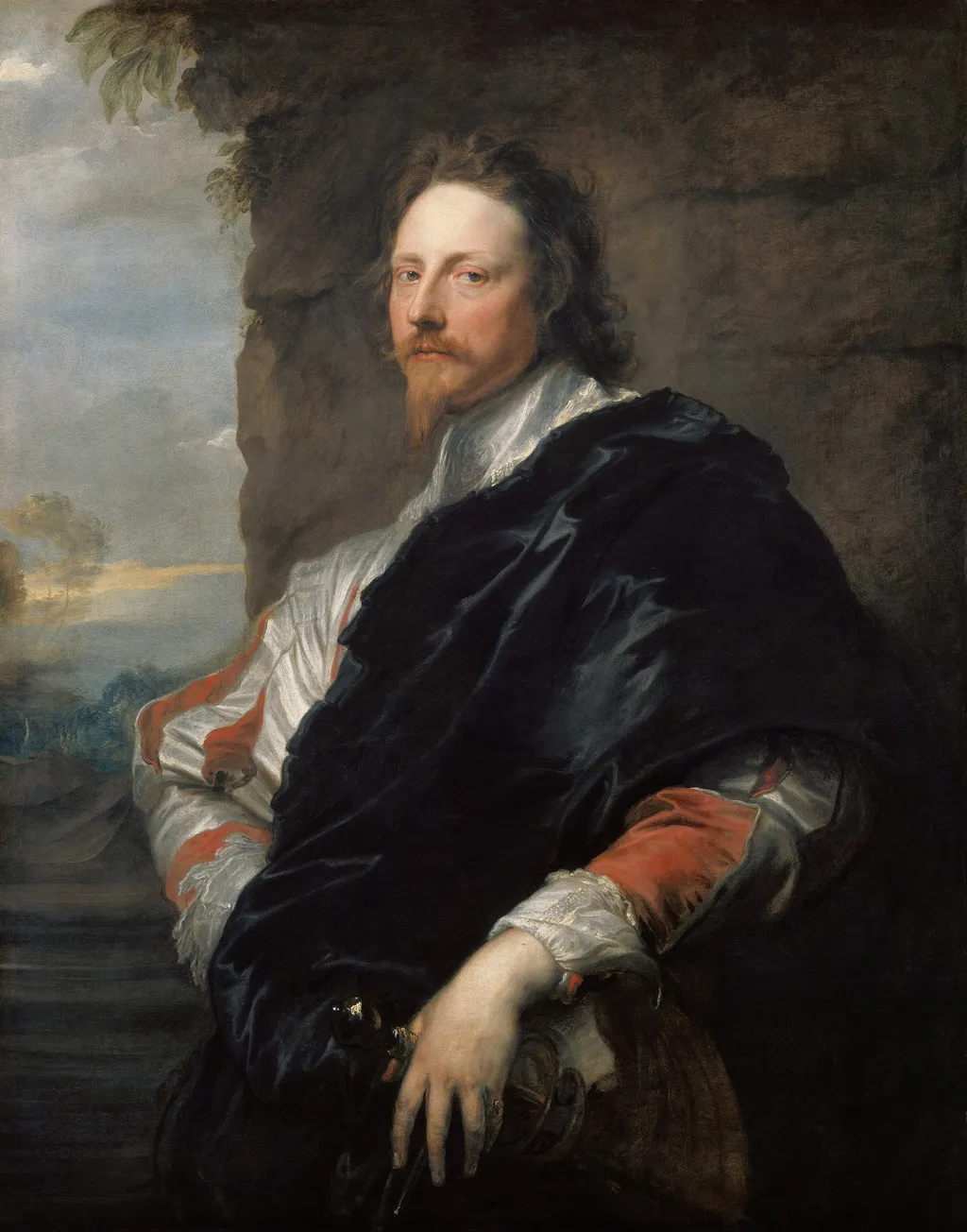
Nicolas Lanier is an oil painting by the Flemish Baroque painting artist Anthony van Dyck. It dates from 1628 and is held in the collection of the Kunsthistorisches Museum.
About this work
Subject & Meaning
The portrait shows Nicholas Lanier, a prominent court musician in early 17th-century England, rendered by the Flemish master Anthonis van Dyck in 1628.
The portrait shows Nicholas Lanier, a prominent court musician in early 17th-century England, rendered by the Flemish master Anthonis van Dyck in 1628. Its composition emphasizes Lanier’s status through his direct gaze and the fine rendering of his attire, reflecting both his professional prominence and the cultural patronage of the era. The work serves as a visual record of the intersection between music and visual arts within the Stuart court, illustrating how individual virtuosos were celebrated in contemporary portraiture.
The painting’s symbolism lies in its understated yet dignified portrayal, suggesting Lanier’s dual role as performer and cultural influencer. By focusing on the sitter’s presence rather than elaborate allegory, van Dyck captures a moment of artistic authority, underscoring the subject’s significance within the broader narrative of early modern European portraiture.
Technique & Style
Executed in 1628, this portrait of Nicolas Lanier is an oil painting on canvas. The work measures 111 cm in height and 87.6 cm in width. As a portrait by Anthony van Dyck, the piece utilizes oil paint as its primary medium applied to a fabric support. The composition focuses on the depiction of Lanier as the main subject within the genre of portraiture.
History & Provenance
Anthony van Dyck executed this oil-on-canvas portrait of Nicholas Lanier in 1628. The work depicts the musician as its primary subject and is classified as a portrait painting. Following its creation, the piece entered the collection of the Kunsthistorisches Museum, where it remains housed. The canvas measures 111 cm in height and 87.6 cm in width.
The painting is held in the Kunsthistorisches Museum, where it is listed under its inventory as a work by Anthonis van Dyck created in 1628. It has been part of the museum's collection since its inception, reflecting its longstanding presence in the institution's holdings. The work was included in the exhibition "Van Dyck and His Circle" at the Kunsthistorisches Museum in 2004, highlighting its significance within the artist's oeuvre and the museum's curatorial focus on Baroque portraiture.
The piece depicts Nicholas Lanier, who served as a court musician and was a prominent cultural figure in the early 17th century. Its dimensions measure 111 cm in height and 87.6 cm in width, consistent with typical portrait formats of the period.
The artwork has been featured in several exhibitions, including "Baroque Masterpieces from the Kunsthistorisches Museum" at the Kunsthalle Wien in 2012, further cementing its reputation as a key example of van Dyck's portraiture.
Overview
This oil painting from 1628 portrays Nicolas Lanier, a musician and courtier, rendered by Anthony van Dyck during his early period in the Spanish Netherlands. Executed with precision and subtlety, the portrait reflects van Dyck’s emerging mastery in capturing aristocratic presence. It is part of the Kunsthistorisches Museum’s collection in Vienna, representing a key example of Flemish Baroque portraiture.
Context
In the 1620s, van Dyck was refining a new portrait style that merged Flemish realism with Italian elegance, appealing to aristocratic patrons across Europe. Lanier, as a musician and diplomat, exemplified the cosmopolitan elite who valued artistic patronage. This portrait aligns with broader trends in courtly representation, where personal identity was expressed through dress, gesture, and setting.
Legacy
The portrait contributes to van Dyck’s reputation as a defining portraitist of his era, influencing later generations of painters in England and beyond. Its restrained elegance and psychological nuance set a standard for aristocratic portraiture. Though not widely exhibited, it remains a quiet testament to the intersection of music, court culture, and visual art in early modern Europe.
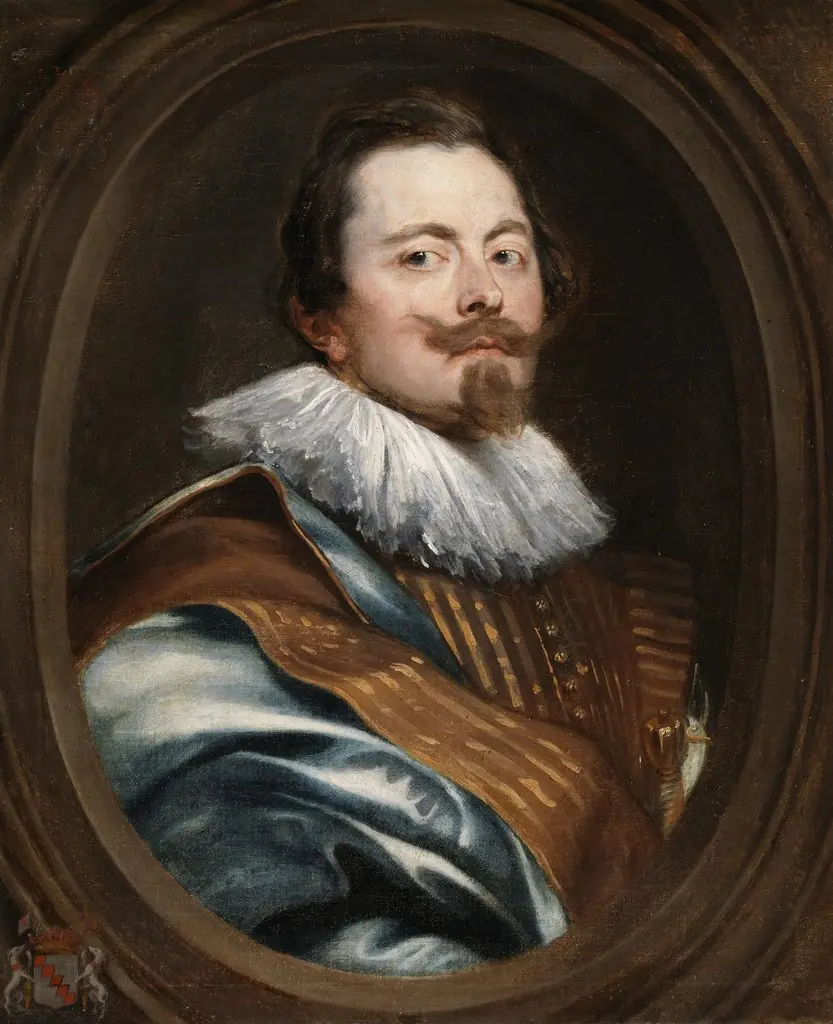
Own this work as a print
Artist & collection
Artist
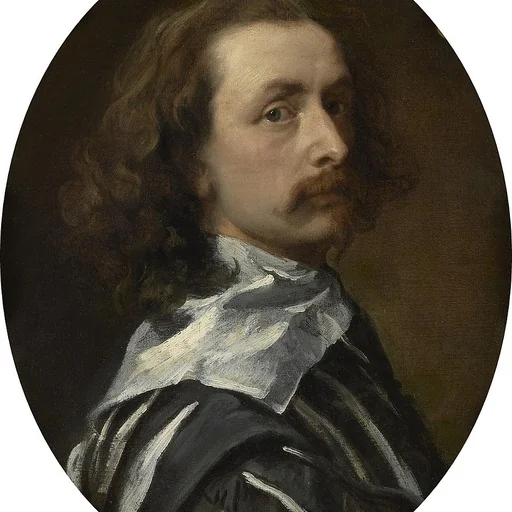
Sir Anthony van Dyck (; Dutch: Antoon van Dijck; 22 March 1599 – 9 December 1641) was a Flemish Baroque artist, who became the leading court painter in England after success in the Spanish Netherlands and Italy.

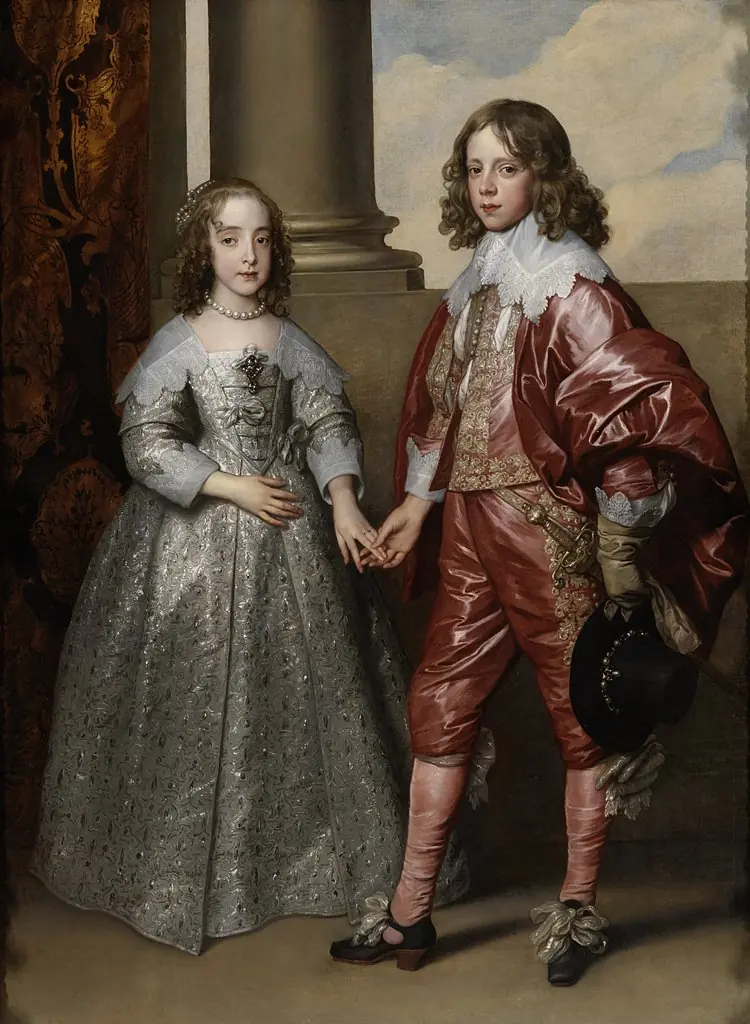
- Portrait of Frederick Marselaer, Diplomat
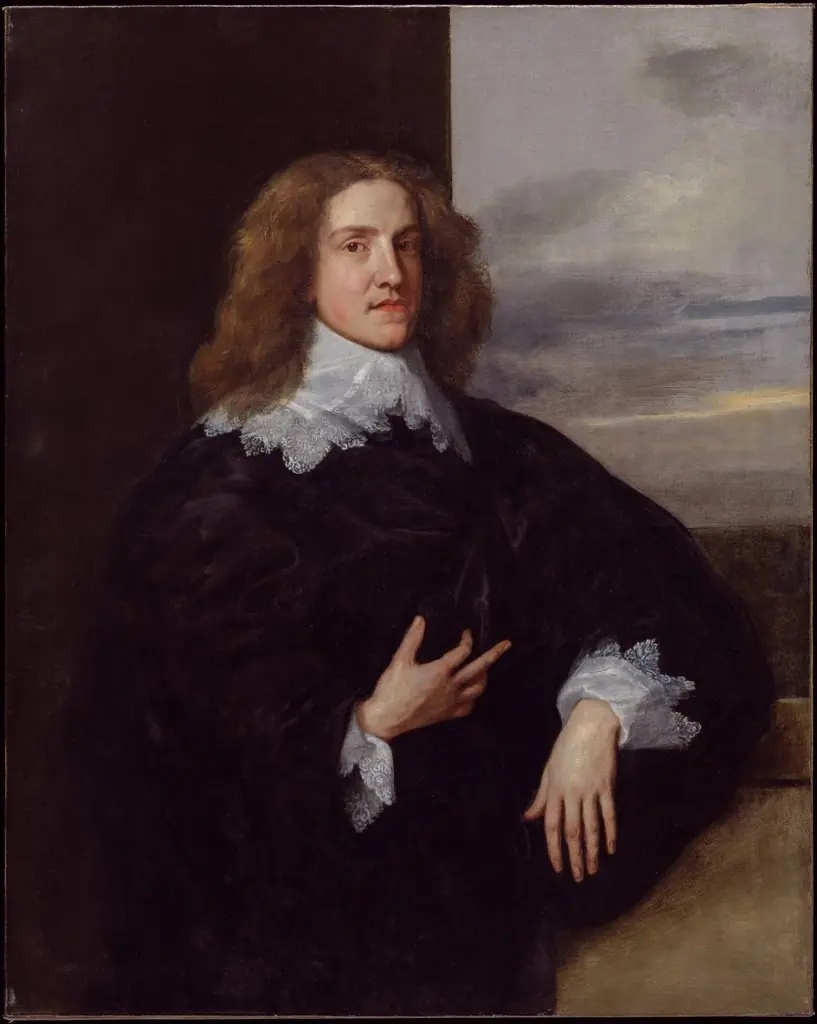 Young Gentleman (Earl of Downe?)
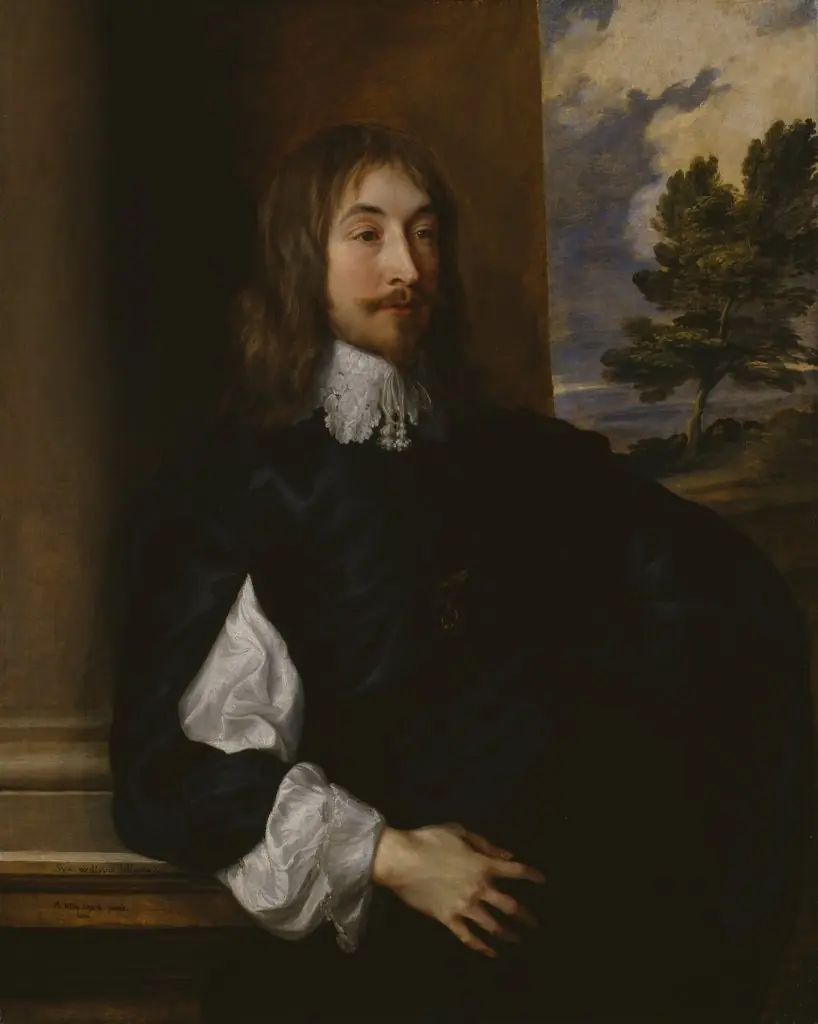 Portrait of Sir William Killigrew
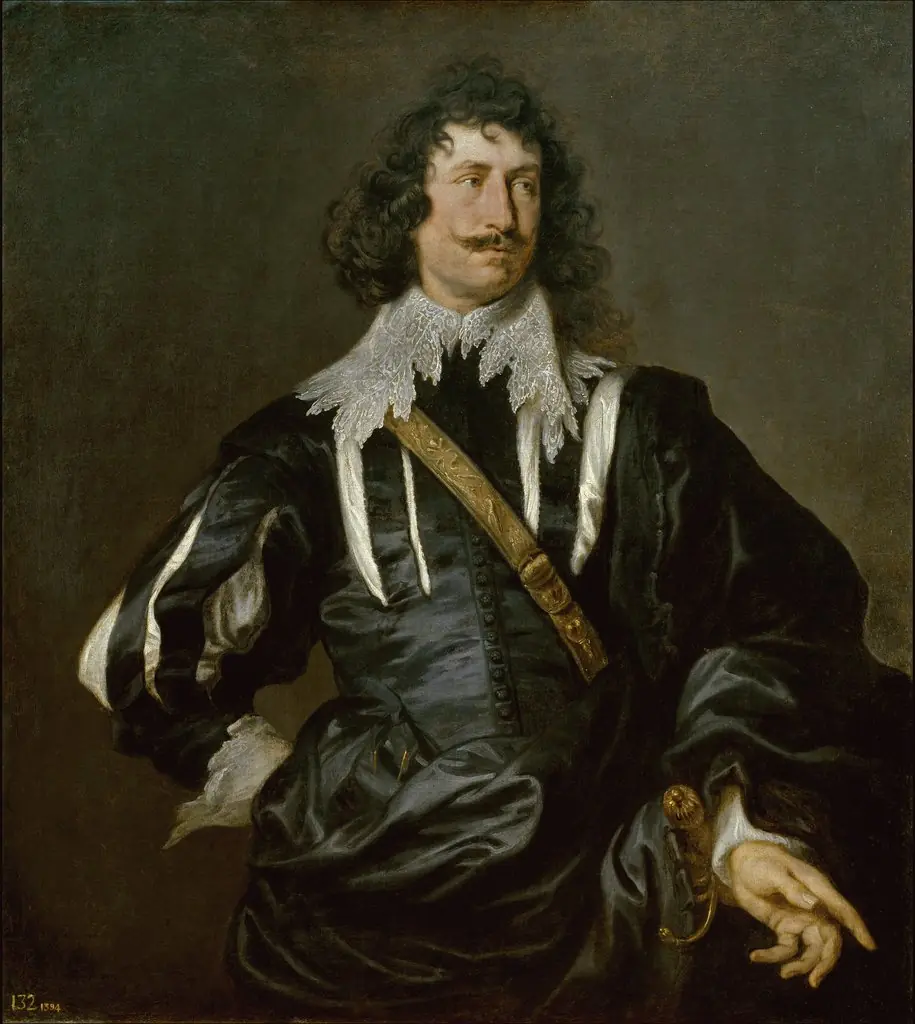 Portrait of a Man
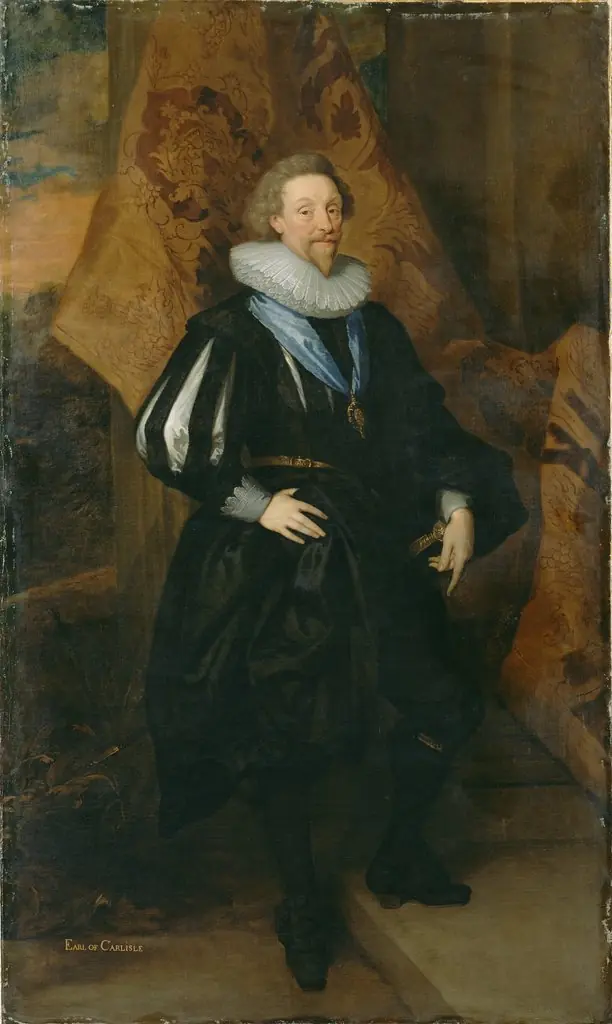 Portrait of James Hay, 1st Earl of Carlisle
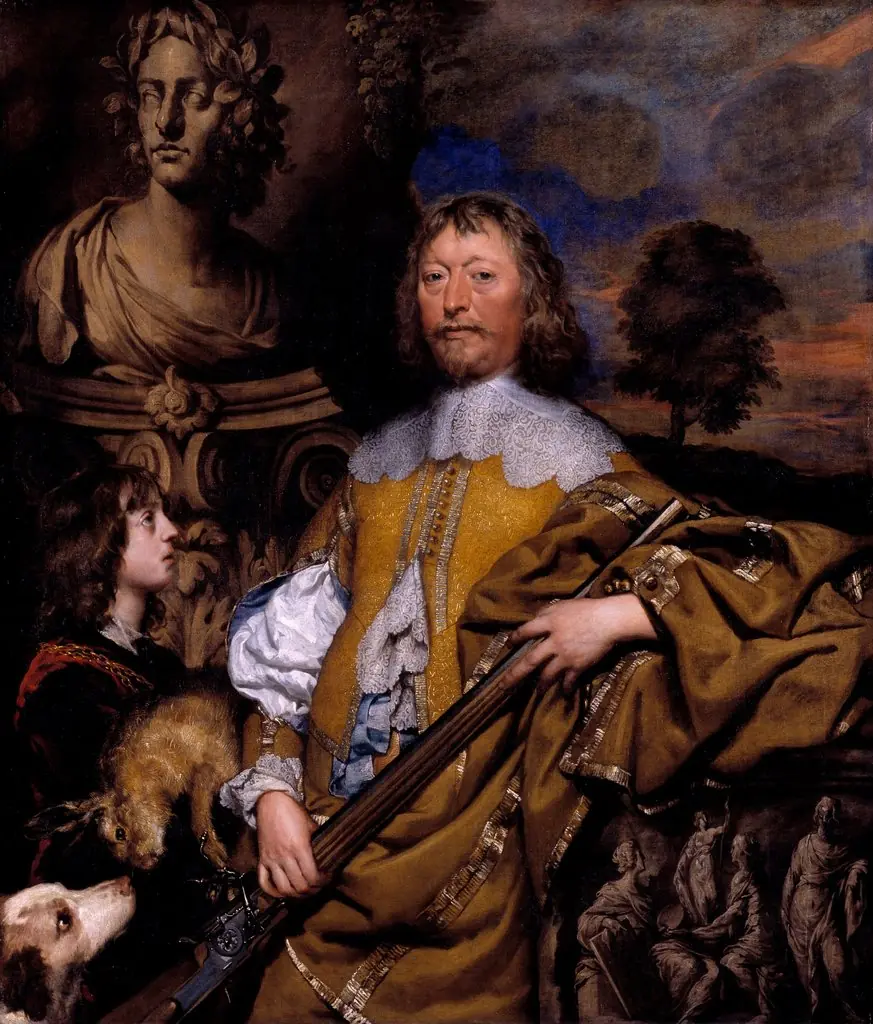 Endymion Porter Around
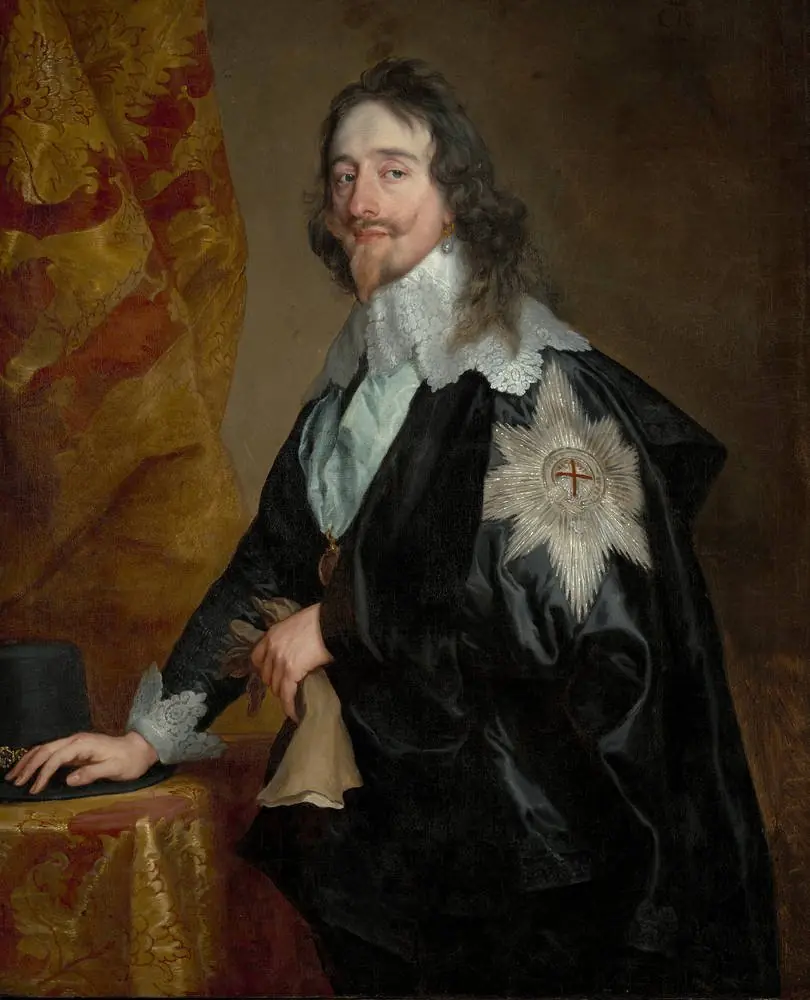 Portrait of King Charles I (1600-1649), with the Order of the Garter
 King Charles I of England
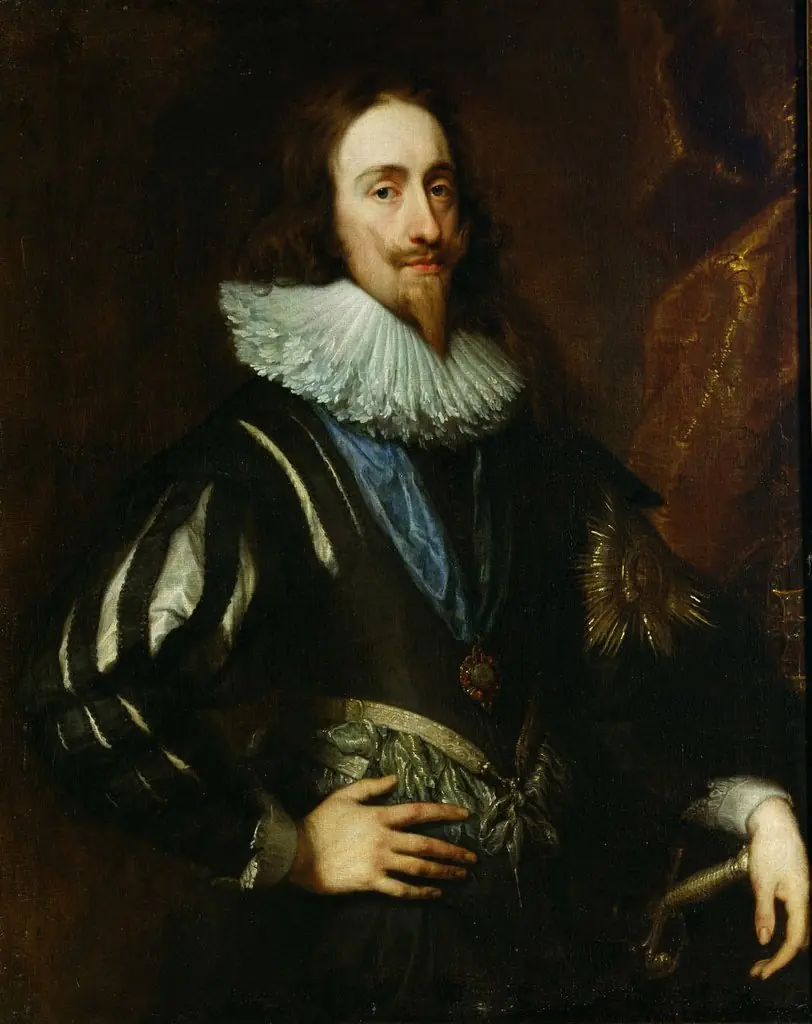 King Charles I of England (1600-1649), three-quarter portrait
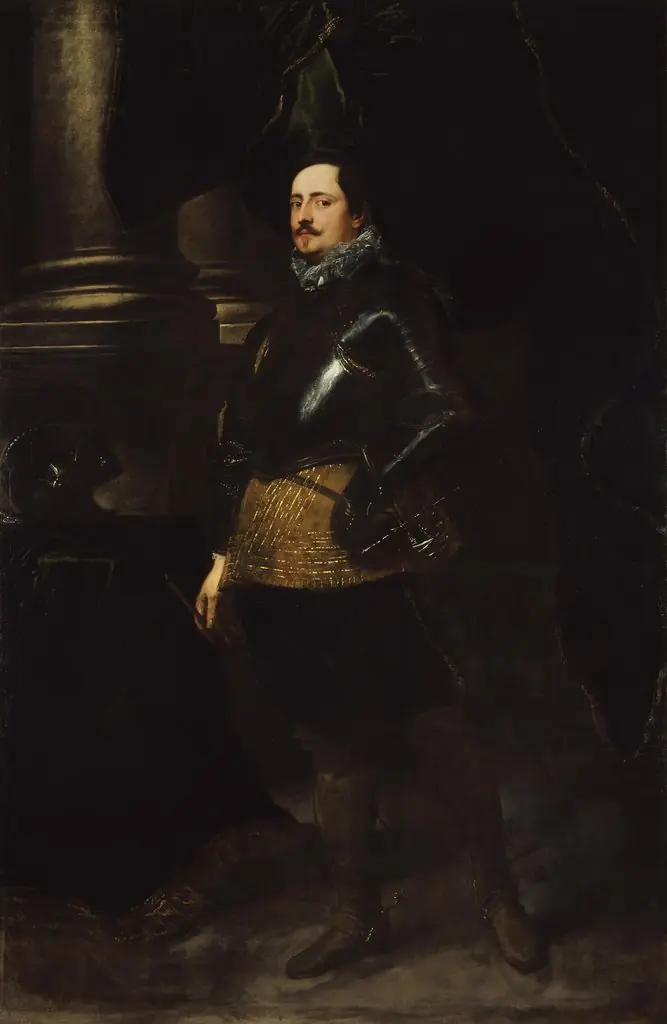 An Italian Noble
 Henry, Duke of Gloucester
 Henrich al IV-lea