Artwork
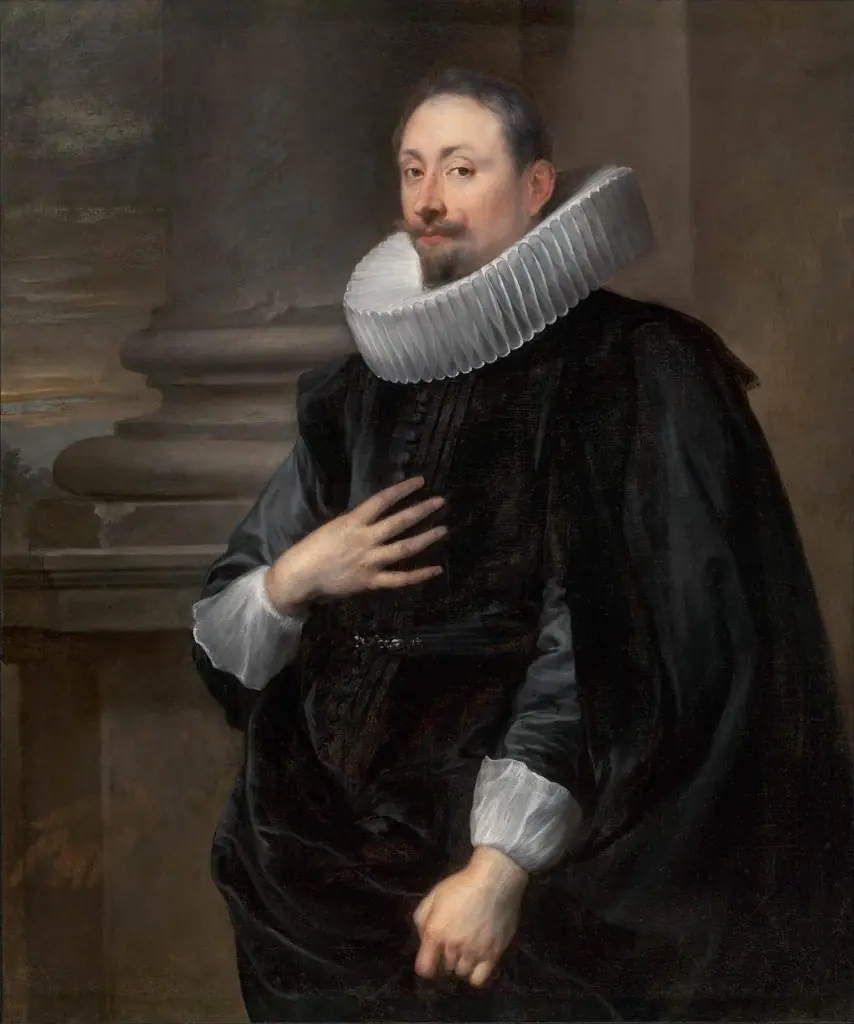
Portrait of a Genovese Gentleman
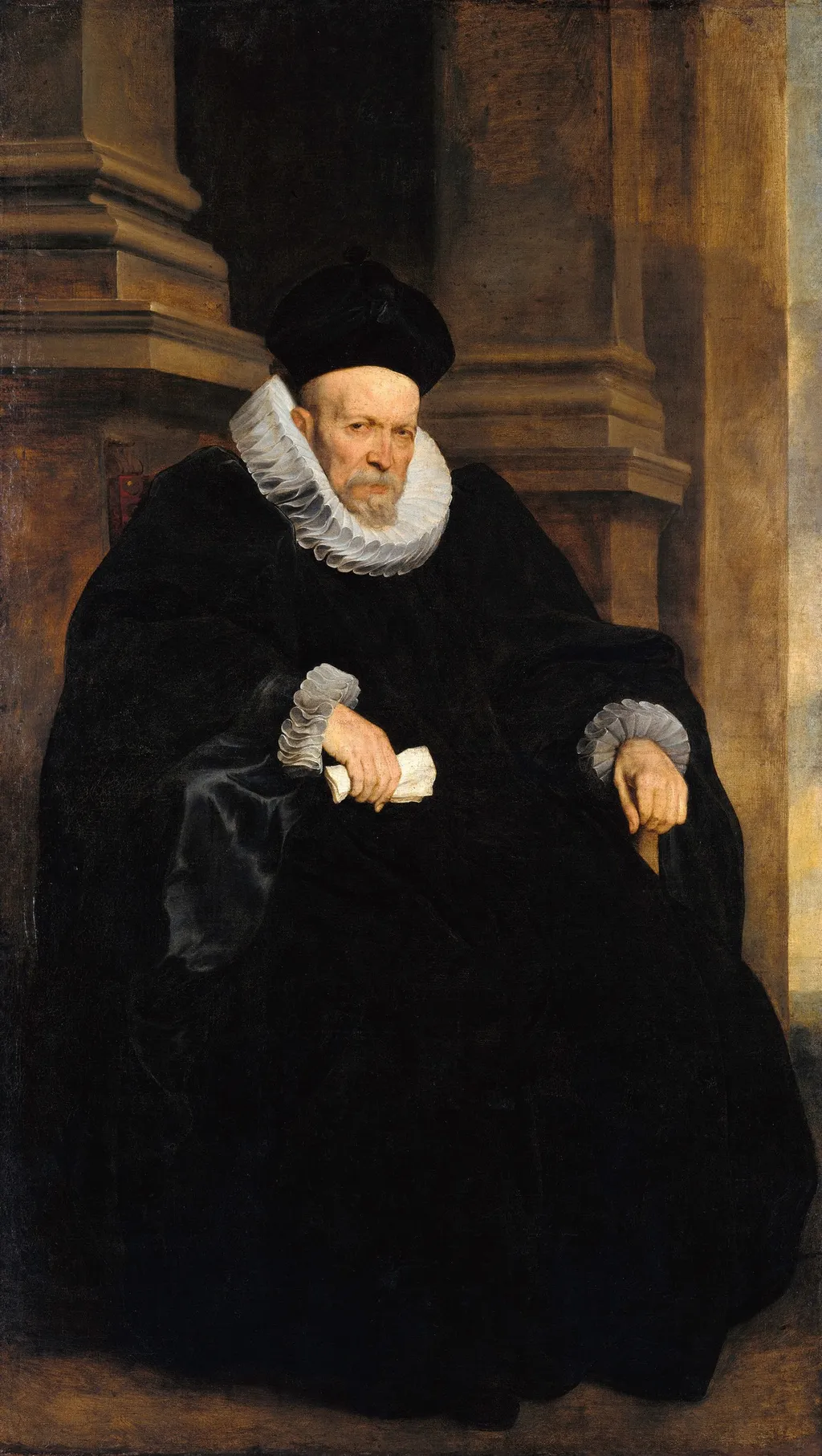
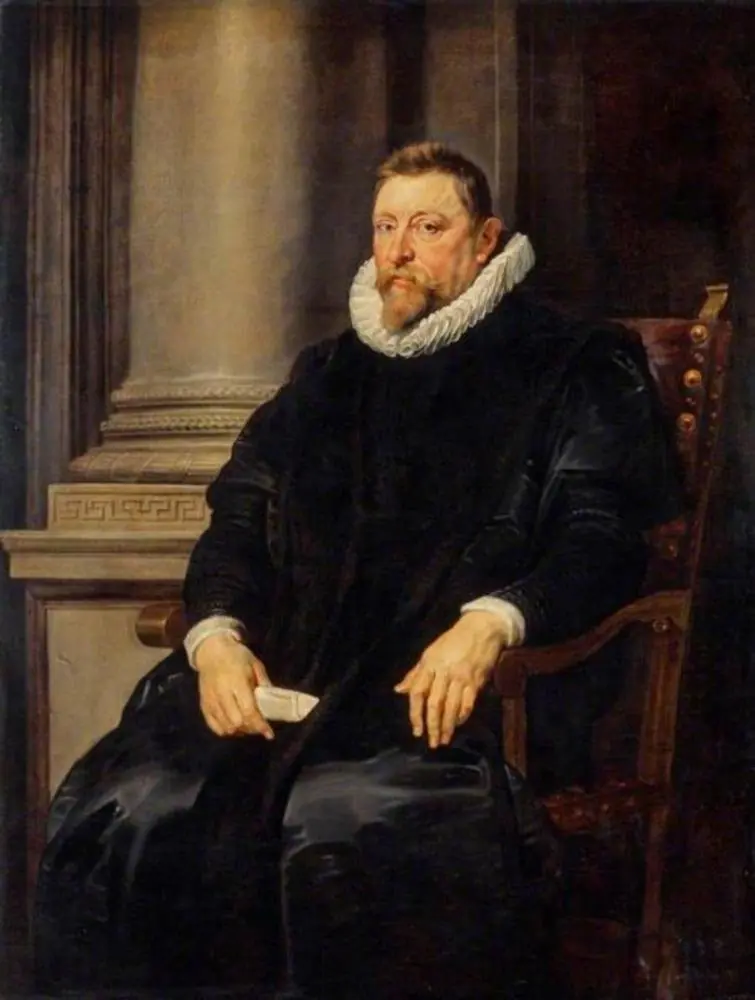
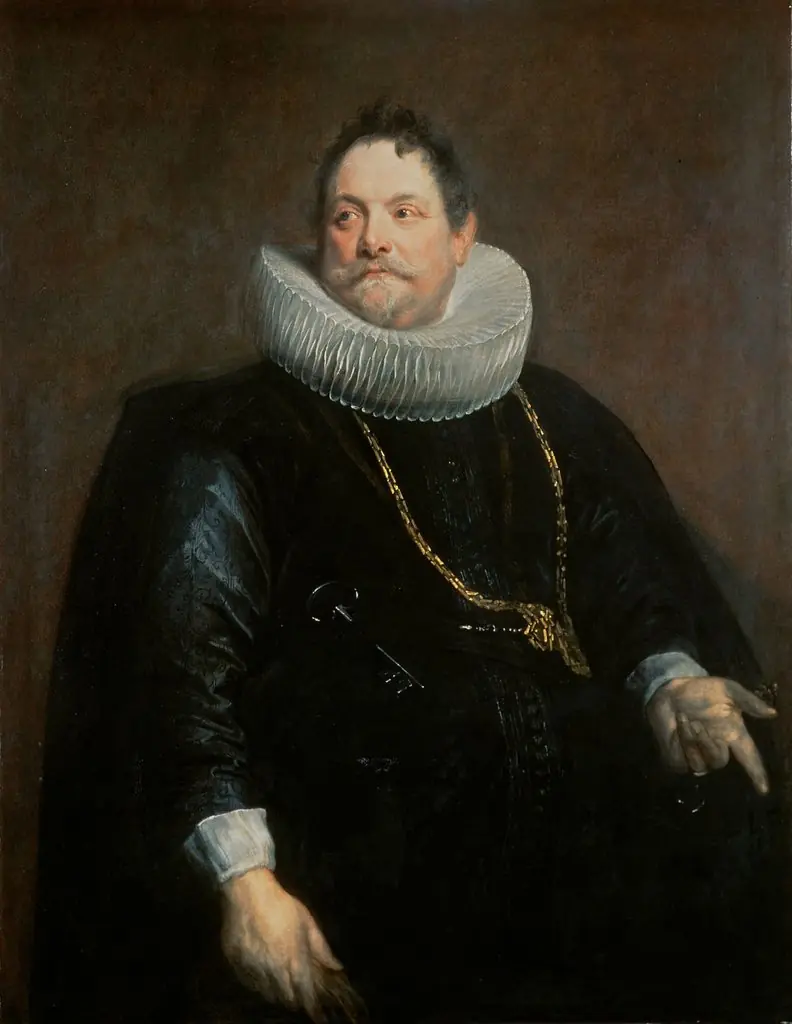
Portrait of a Genovese Gentleman is an oil painting by the Flemish Baroque painting artist Anthony van Dyck. It dates from 1622 and is held in the collection of the Gemäldegalerie Berlin.
About this work
Overview
3 centimetres, the work depicts a seated male figure in full-length format and is currently held in the collection of the Gemäldegalerie, Berlin.
Portrait of a Genovese Gentleman is an oil on canvas painting by the Flemish Baroque artist Anthony van Dyck, dated to 1622. Measuring 203 by 117.3 centimetres, the work depicts a seated male figure in full-length format and is currently held in the collection of the Gemäldegalerie, Berlin. The painting belongs to van Dyck's Italian period, when the artist worked primarily in Genoa between 1621 and 1627, and exemplifies the aristocratic portraiture that would establish his international reputation.
Subject & Meaning
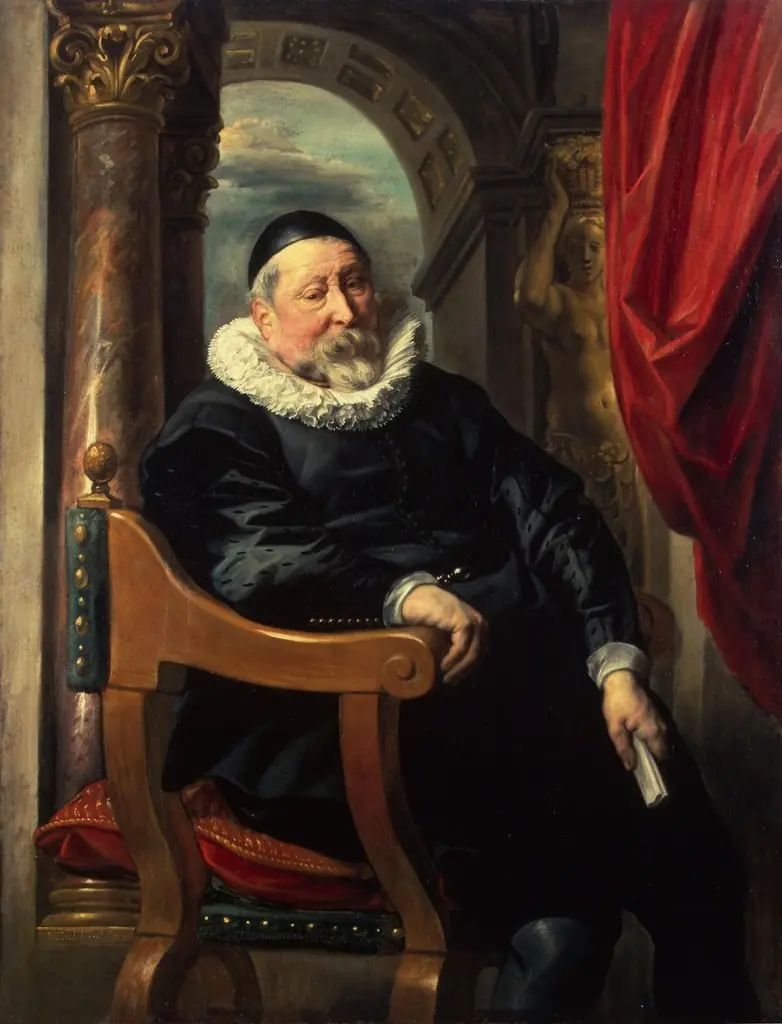
The sitter is identified as Alessandro Giustiniani Longo, a member of the Genoese nobility. He is presented as a figure of authority and refinement, seated centrally against architectural elements that include a fluted stone column to the left and a wooden pilaster behind him. His costume signals high social status: a black velvet cap, voluminous black robe, and an elaborate starched white ruff collar with matching ruffled cuffs. The folded white letter or paper held in his right hand may allude to literacy, administrative power, or diplomatic activity, while his left hand rests on the concealed arm of a chair, suggesting controlled ease. The glimpse of light entering from the right edge creates a subtle spatial depth, framing the sitter within a setting that balances classical architecture with personal presence.
Technique & Style
Van Dyck executed the work in oil on canvas, employing a palette dominated by deep blacks, warm browns, and creamy whites. Light falls strongly from the left, illuminating the face, ruff, and hands while leaving much of the costume in shadow, a dramatic chiaroscuro effect characteristic of Baroque portraiture. The brushwork varies from smooth blending in the flesh tones to broader, more textured strokes in the fabrics and architecture, producing a polished, finished quality typical of formal court portraiture. The handling of the black velvet and starched linen demonstrates van Dyck's exceptional skill in rendering different textile surfaces, while the architectural backdrop anchors the figure in a space that conveys both permanence and classical learning.
History & Provenance
The painting was created in 1622, early in van Dyck's stay in Italy. It later entered the collection of Sir Robert Peel, 3rd Baronet, before being acquired by the Gemäldegalerie, Berlin, where it remains today. The work has been exhibited and published as part of the museum's holdings of seventeenth-century European painting, contributing to the institution's representation of Flemish Baroque art and van Dyck's Italian period.
Context
Van Dyck arrived in Italy in 1621 after working in London and a brief return to Flanders, and he remained there until 1627, mostly in Genoa. This period proved decisive for his development as a portraitist of the aristocracy. Genoa, with its wealthy merchant nobility and established tradition of Flemish artistic presence, offered van Dyck commissions that allowed him to refine his approach to formal portraiture. The Portrait of a Genovese Gentleman belongs to this formative phase, when van Dyck absorbed Italian visual culture, particularly the influence of Titian and other Venetian masters, while adapting his Flemish training to the expectations of Italian patrons. The work occupies a significant place in scholarship on van Dyck's Genoese period, demonstrating how the artist negotiated between Northern European detail and Italianate grandeur.
Legacy
The Portrait of a Genovese Gentleman stands as a significant example of van Dyck's early aristocratic portraiture, produced before his appointment as court painter to Charles I of England in 1632. The painting contributes to understanding how van Dyck developed the relaxed elegance that would define his later English portraits, and it illustrates the international scope of his career, which transformed court portraiture across Europe. Alongside his contemporary Diego Velázquez, van Dyck helped elevate the status of the court portraitist, and works such as this established compositional and psychological conventions that influenced European portraiture for generations. The painting's continued presence in the Gemäldegalerie ensures its role in ongoing study of Baroque portraiture and van Dyck's artistic evolution.
Artist & collection
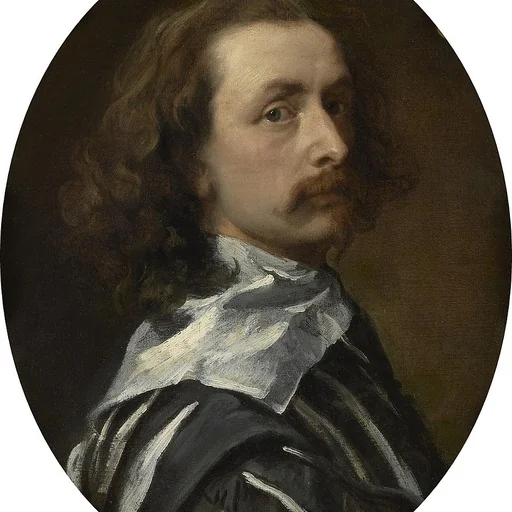
Artist
Sir Anthony van Dyck (; Dutch: Antoon van Dijck; 22 March 1599 – 9 December 1641) was a Flemish Baroque artist, who became the leading court painter in England after success in the Spanish Netherlands and Italy.