Artwork
Portrait of a man
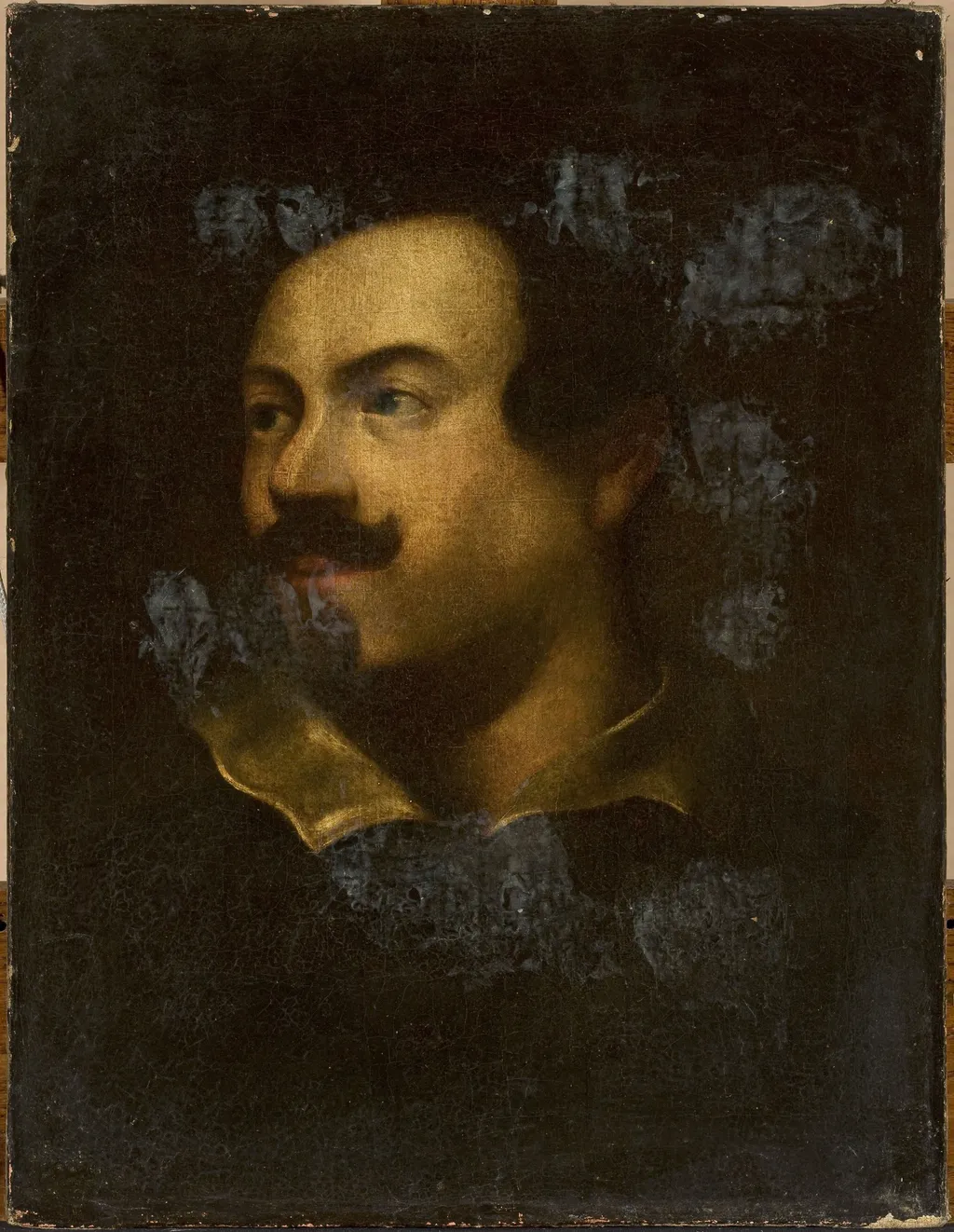
Portrait of a man is an oil painting by the Flemish Baroque painting artist Anthony van Dyck. It dates from 1630 and is held in the collection of the National Museum in Warsaw.
About this work
Overview
It is held by the Rijksmuseum in Amsterdam under object number SK-C-284, on loan from the City of Amsterdam.
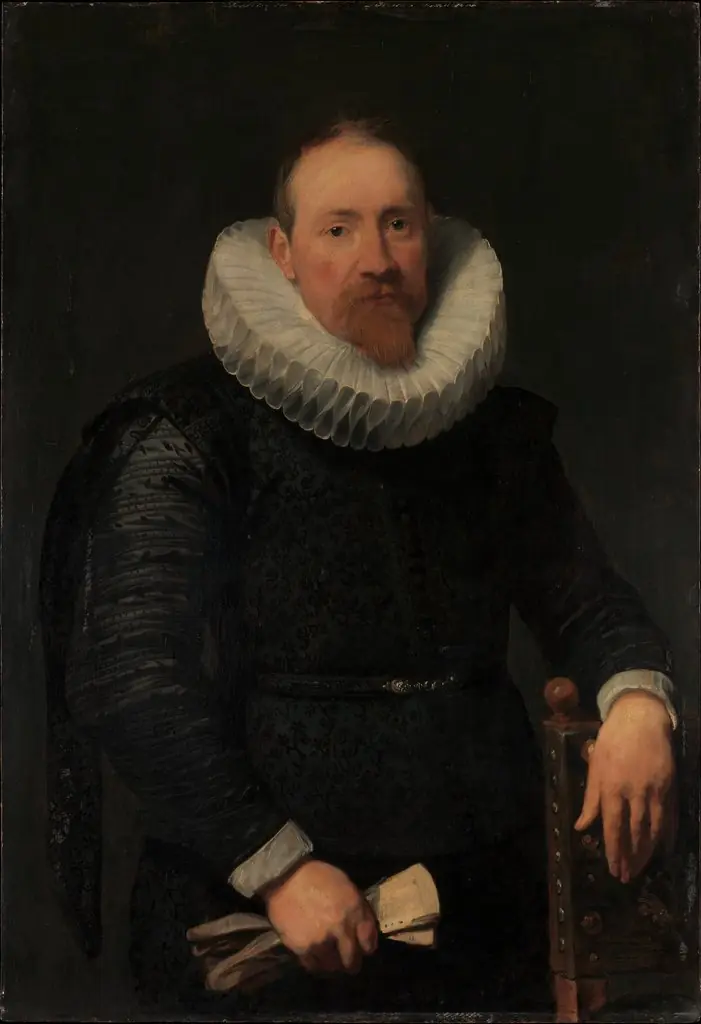
Portrait of a Man is an oil painting by Anthony van Dyck, the Flemish Baroque master who ranks among the most celebrated portraitists of the seventeenth century. The work, dated circa 1620, is executed in oil on canvas and measures 75 by 59 centimeters. It is held by the Rijksmuseum in Amsterdam under object number SK-C-284, on loan from the City of Amsterdam. The painting exemplifies the early phase of Van Dyck's career, when he had recently departed from Peter Paul Rubens's studio and was beginning to forge his own distinctive approach to portraiture. Its significance lies in its demonstration of Van Dyck's emerging ability to confer aristocratic elegance upon his sitters while simultaneously achieving a sense of psychological immediacy.
Subject & Meaning
The painting depicts an unidentified man, though an inscription along the top edge reads IOHANNES BAPta FRANCK, AETATIS SVAE XXXII, suggesting the sitter may be Johannes Baptista Franck at the age of thirty-two. The Rijksmuseum description notes that the sitter was probably Johannes Baptista Franck, though the museum also states that the identity remains unknown. The portrait presents the sitter at half-length, turned toward the left. Van Dyck imbues the subject with what the museum characterizes as aristocratic allure and an elegant, studied carelessness. This calculated nonchalance, a hallmark of Van Dyck's portraiture, serves to elevate the sitter's social standing while creating an impression of natural, unposed dignity. The inscription, if accurate, provides a rare instance of documented identity in Van Dyck's early portraiture, though scholarly certainty about the sitter's name remains elusive.
Technique & Style
The work is painted in oil on canvas, a support that allowed Van Dyck the flexibility to employ the loose, fluid brushwork for which he became renowned. The Rijksmuseum notes that the loose painting style reinforces the impression of studied carelessness in the sitter's demeanor. This handling represents a departure from the more polished finish of his teacher Rubens and points toward the elegant, seemingly effortless technique that would define Van Dyck's mature portraits. The canvas support measures 75 by 59 centimeters, with the framed object extending to a depth of 10 centimeters. The painting underwent cleaning in 1953, and subsequent technical examination has contributed to understanding of Van Dyck's working methods during this formative period.
History & Provenance
The painting's documented history begins in the collection of Lucien Bonaparte (1775-1840) in Paris before 1804. Following Bonaparte's exile, the work was removed to Rome, where it was displayed at the Palazzo Lancellotti on 13 June 1804 as number 8 in the Primo Salone, catalogued as Ritratto di Rubens, Vandik. It was subsequently transferred to the Palazzo Nuñez, room 74, between 1806 and 1822. In 1820, Lucien Bonaparte, by then Prince of Canino, offered the painting to the Accademia di San Luca for 2,500 scudi. An application for export to Bologna followed in October 1823, and another for sale in January 1826, both identifying it as a portrait of Rubens by Van Dyck. The dealer Armand-Jacques Fossard of Paris acquired it from Bonaparte, and by July 1830 it had passed to the London dealer John Smith, who recorded it as a portrait of John Baptist Franck priced at 300 guineas. On 12 July 1833, Smith sold it to Adriaan van der Hoop (1778-1854) of Amsterdam for £250. Van der Hoop bequeathed the painting to the City of Amsterdam in 1854 together with 223 other works. It has been on loan from the City of Amsterdam to the Rijksmuseum since 30 June 1885. The painting was cleaned in 1953, and technical reports were prepared by W. de Ridder in 1998 and by I. Verslype and L. Nijkamp in 2006.
Context
This portrait belongs to the period immediately following Van Dyck's departure from Rubens's studio, when the young artist was establishing his independent practice in Antwerp. The Rijksmuseum emphasizes that Van Dyck was already one of the most celebrated portraitists of his time, and that his portraits flattered his patrons while imbuing them with aristocratic presence. The possible identification of the sitter as Johannes Baptista Franck connects the work to the cultural milieu of Antwerp, where Franck was reportedly director of the Academy in 1634. However, the museum's simultaneous statement that the sitter is unknown suggests caution about this identification. The work has been discussed in scholarly literature including the catalogue of Van der Hoop's collection and appears in Susan Barnes's 2004 catalogue raisonné of Van Dyck's paintings. The painting's misidentification as a portrait of Rubens during the Bonaparte ownership reflects the broader tendency to associate anonymous male portraits with famous artists, a common phenomenon in early nineteenth-century connoisseurship.
Legacy
The painting's afterlife is inseparable from its complex provenance through some of Europe's most notable collections. Its passage through Lucien Bonaparte's collection, one of the most important assemblies of Old Master paintings formed during the Napoleonic era, testifies to its recognized quality among connoisseurs. The work's subsequent acquisition by Adriaan van der Hoop, a prominent Amsterdam banker and collector, secured its place in one of the Netherlands' most significant nineteenth-century collections. Van der Hoop's 1854 bequest to the City of Amsterdam ensured the painting's permanent place in Dutch public collections. Since 1885, its continuous loan to the Rijksmuseum has made it accessible to generations of scholars and visitors, contributing to the understanding of Van Dyck's early development as a portraitist. The painting exemplifies how a work without certain sitter identification can nonetheless achieve canonical status through its artistic quality and documented historical significance.
Own this work as a print
Artist & collection
Artist
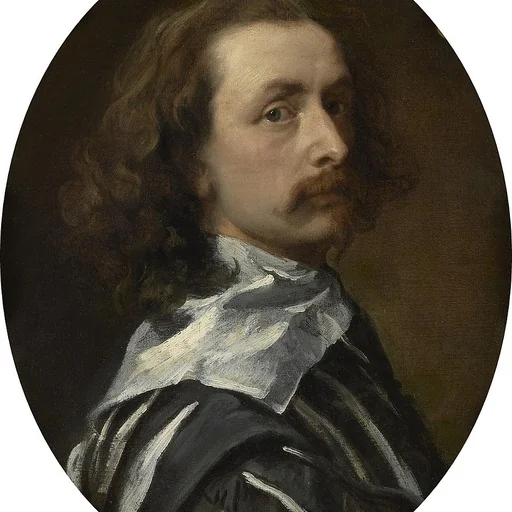
Sir Anthony van Dyck (; Dutch: Antoon van Dijck; 22 March 1599 – 9 December 1641) was a Flemish Baroque artist, who became the leading court painter in England after success in the Spanish Netherlands and Italy.

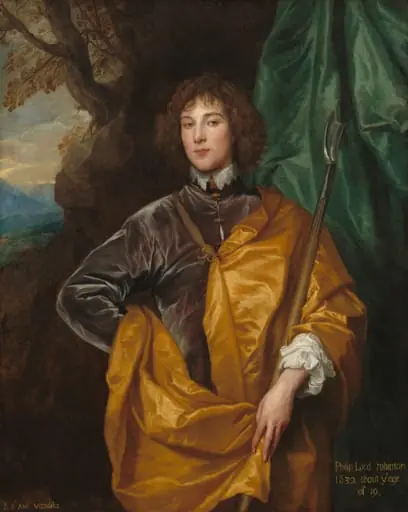
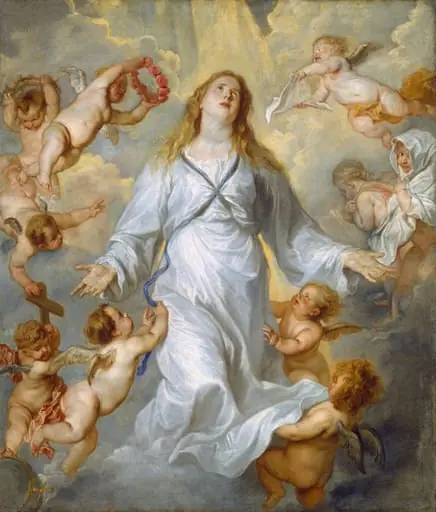
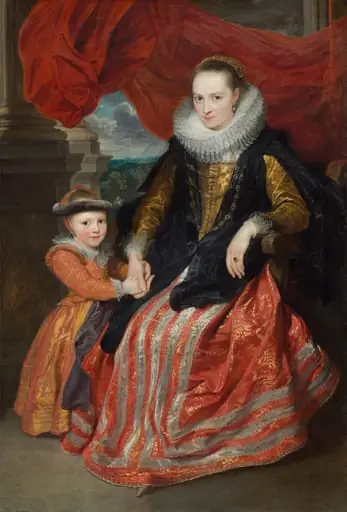
- Portrait of a man in a coat with a fur collar
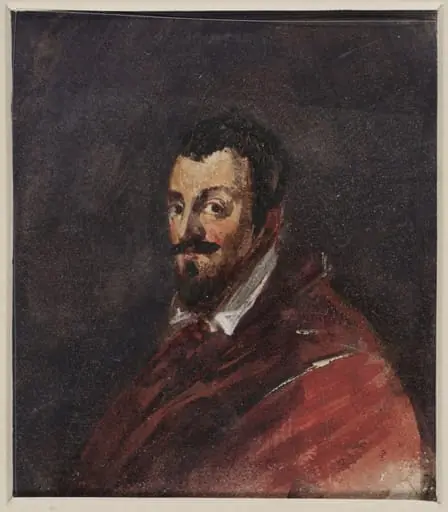 Untitled
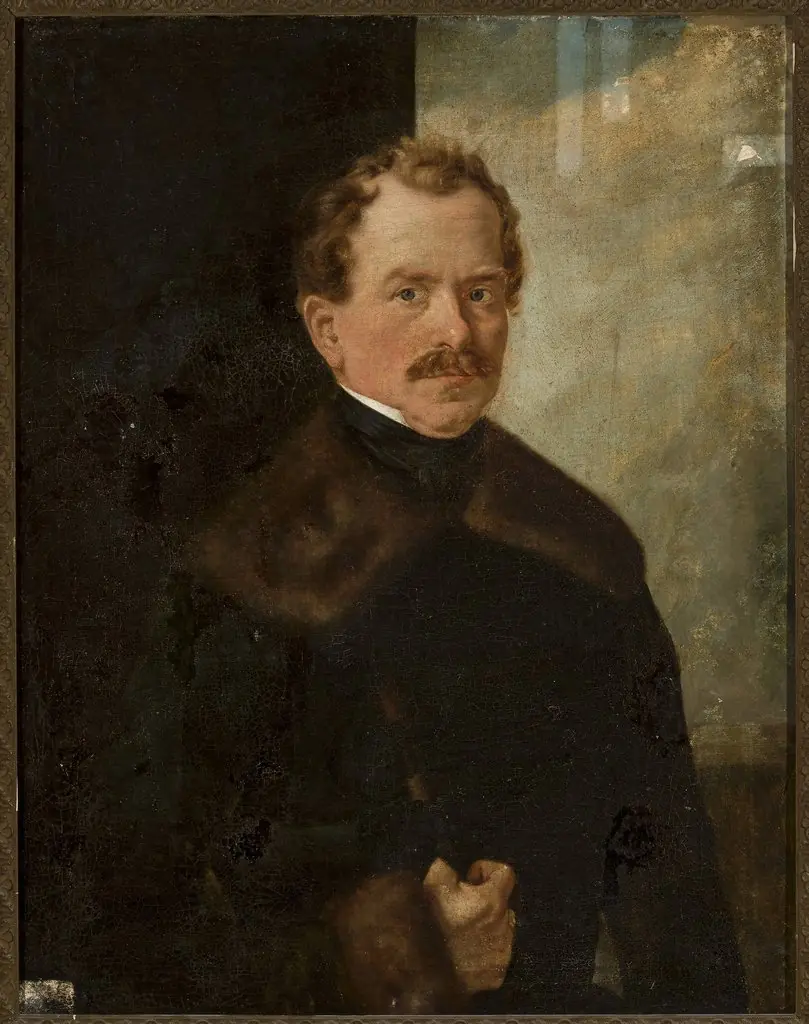 Portrait of Gracjan Rudowski
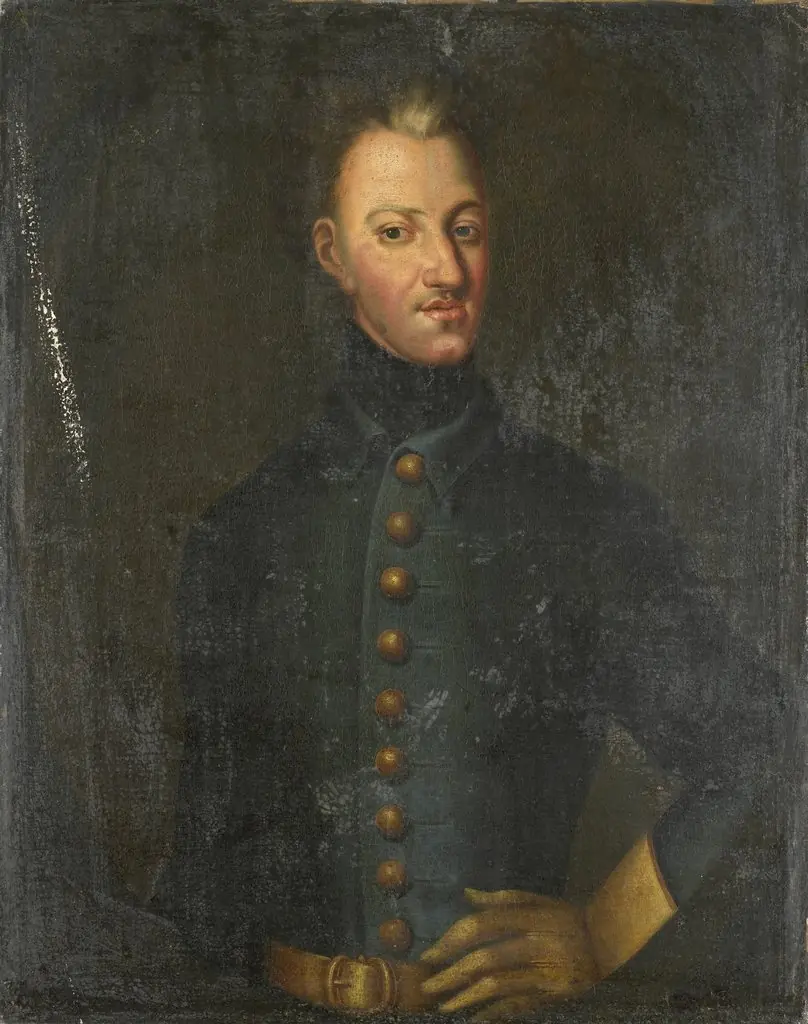 Portrait of Charles XII, King of Sweden
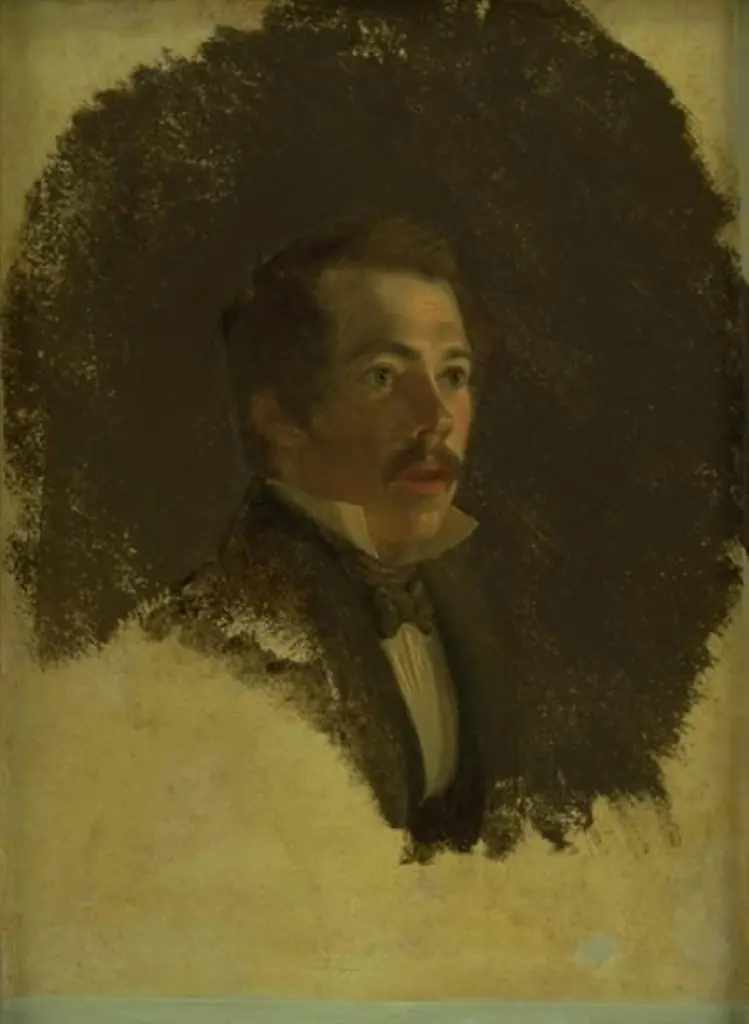 Unknown Young Gentleman
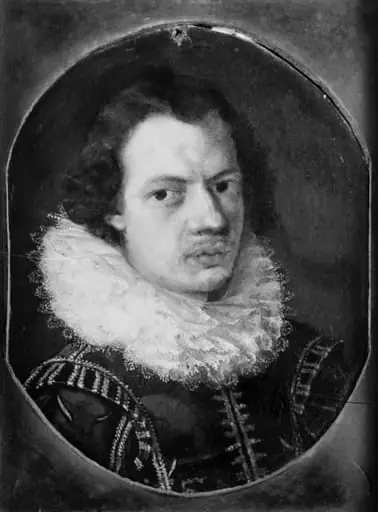 Portrait of a Man
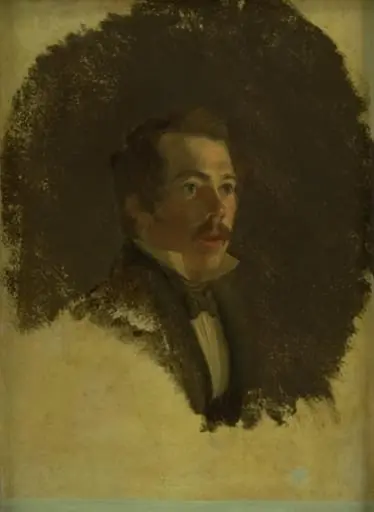 Unknown Young Gentleman
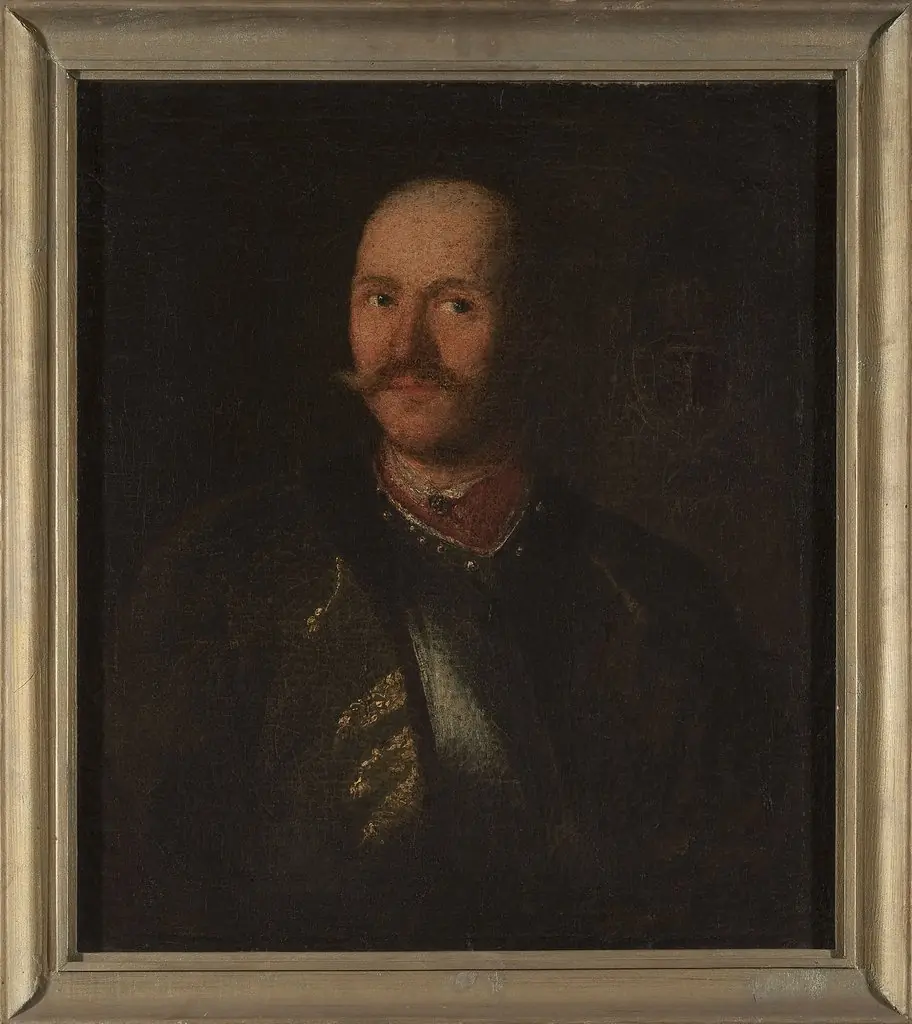 Portrait of Jakub Bronisz /?/
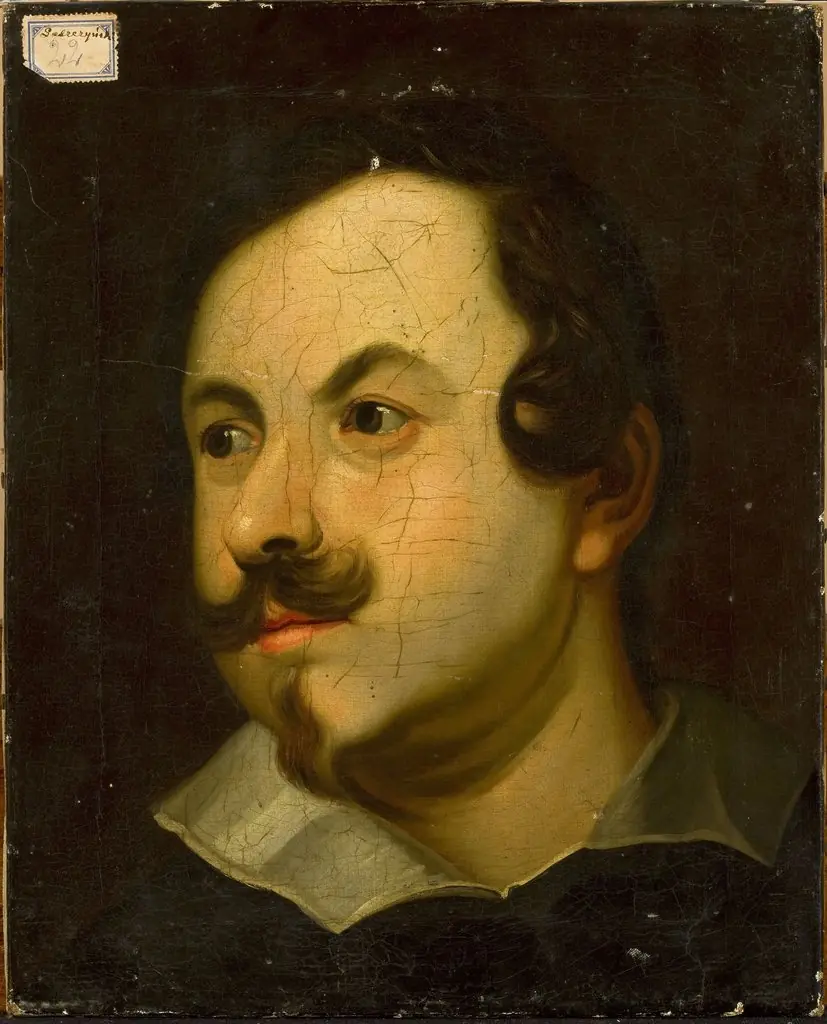 Portrait of a man
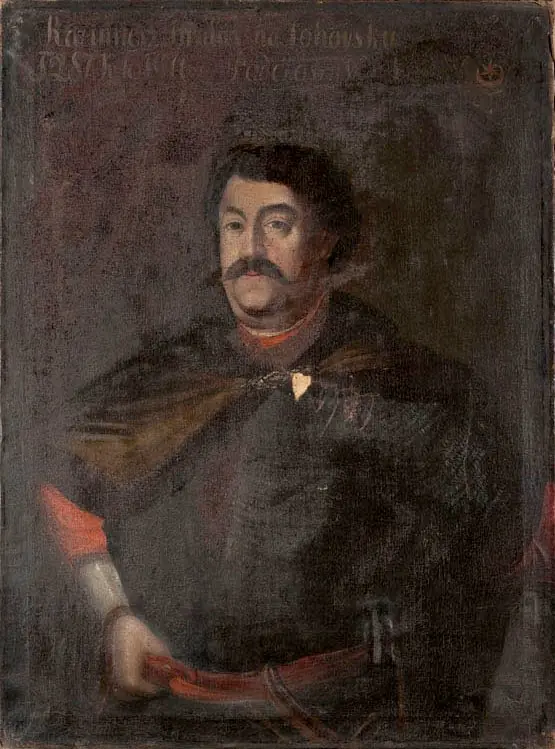 Portrait of Kazimierz Tyszkiewicz, Leliwa coat of arms (?–1652), cup-bearer of the Grand Duchy of Lithuania
 Portrait of Maksymilian Oborski
 Bildnis eines Mannes