Artwork
Portrait of a man
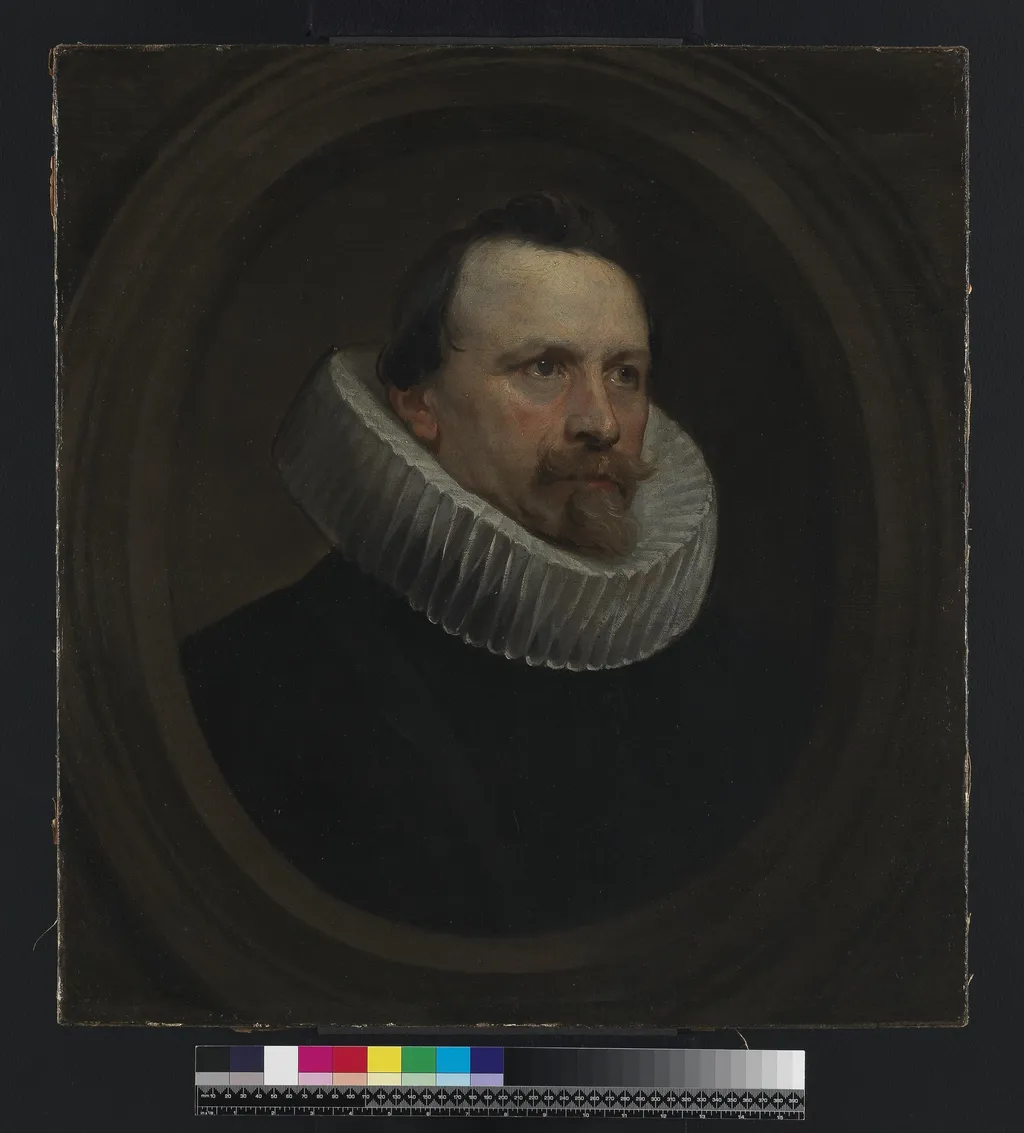
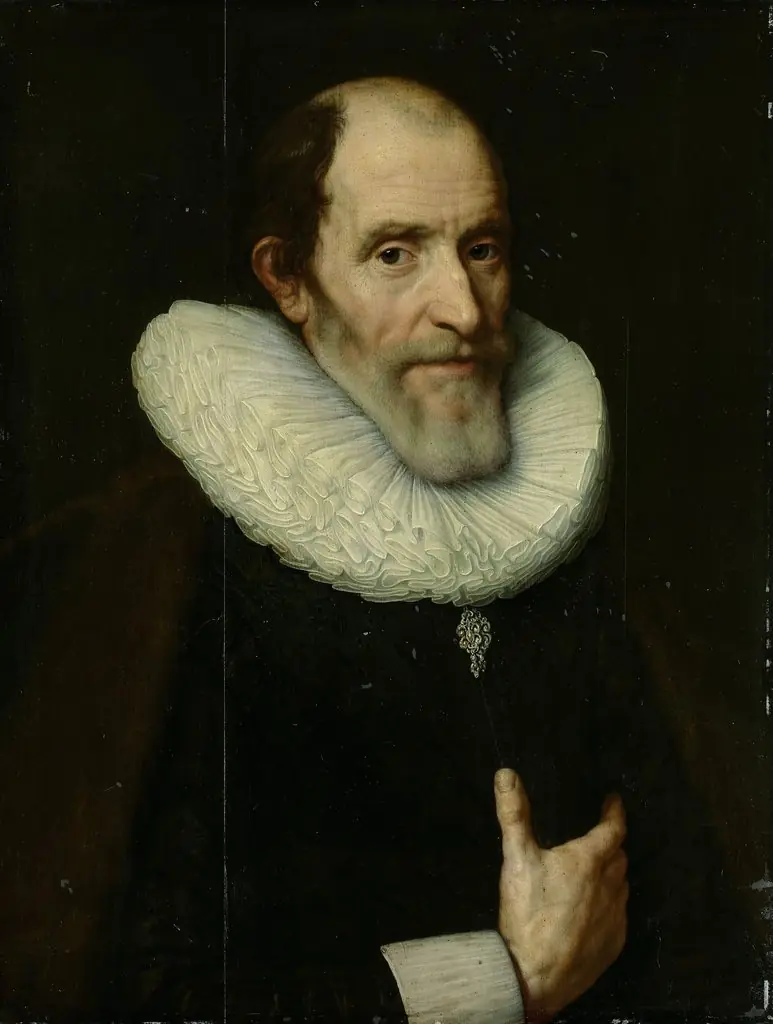
Portrait of a man is an oil painting by the Flemish Baroque painting artist Anthony van Dyck. It dates from 1630 and is held in the collection of the Fitzwilliam Museum.
About this work
Technique & Style
Brushwork remains delicate overall, with only the ruff’s crisp edges and the eyes receiving slightly more pronounced accents to heighten presence.
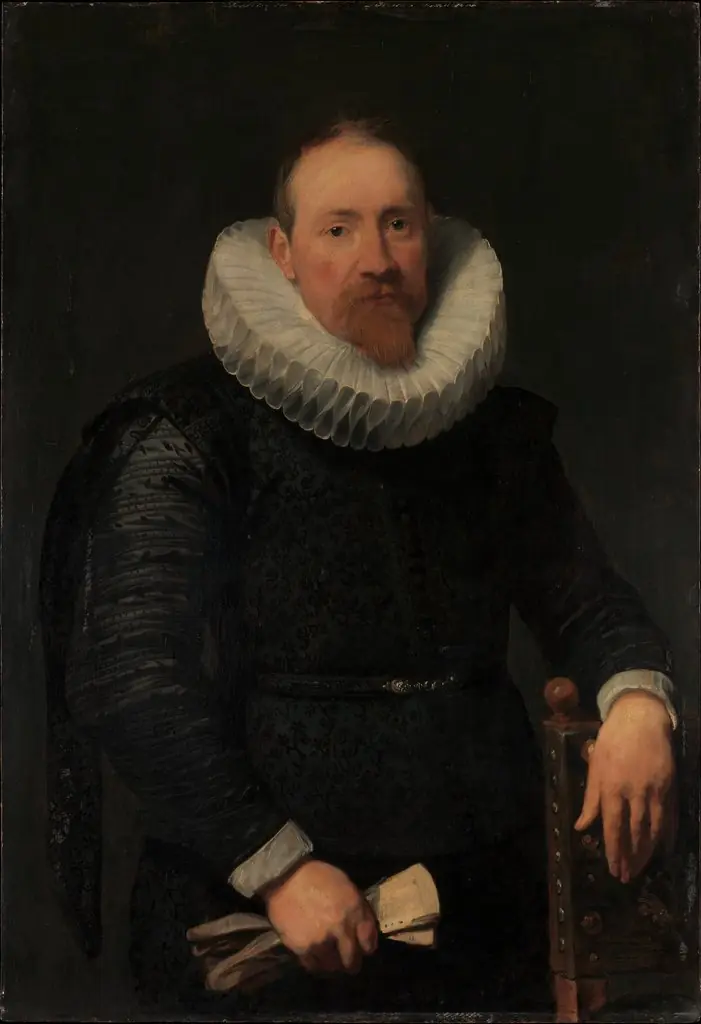
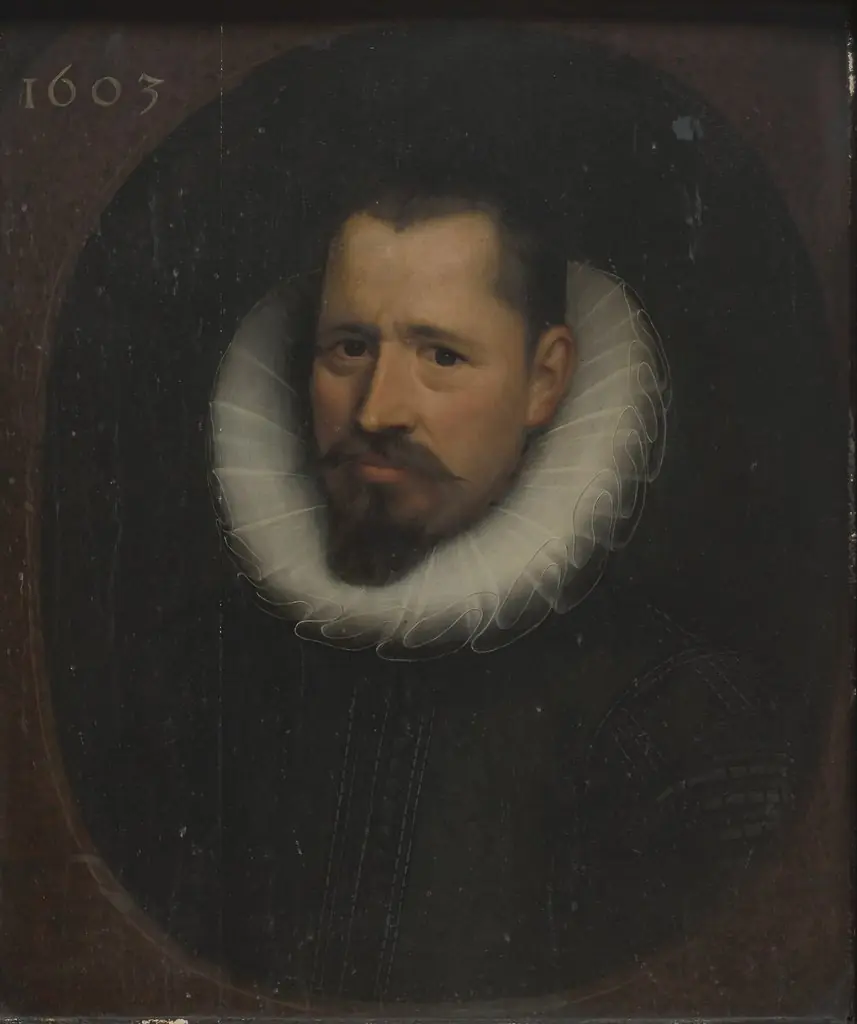
The portrait is executed in oil paint on a wooden panel, a support consistent with early-seventeenth-century Flemish practice. The paint is applied in smooth, blended layers that model the sitter’s features with subtle transitions, characteristic of van Dyck’s refined handling during the 1620s–1630s. The composition is contained within a painted oval, focusing attention on the figure while allowing the restrained palette of darks and earth tones to set off the white ruff and pale flesh.
Brushwork remains delicate overall, with only the ruff’s crisp edges and the eyes receiving slightly more pronounced accents to heighten presence.
History & Provenance
Created in 1630 by Anthony van Dyck, this oil portrait depicts an unidentified man. The work entered the collection of the Fitzwilliam Museum in 1972 through a bequest from the executors of the Misses Alexander, facilitated by the National Art Collections Fund. While one record describes the support as canvas, the acquiring institution lists the medium as oil on panel with dimensions of 64.8 by 59.6 cm. The painting carries the accession number PD.79-1972.
Portrait of a Man by Anthony van Dyck is held by the Fitzwilliam Museum, where it forms part of the institution's collection of paintings. Its accession number is PD.79-1972, and it entered the museum in 1972, bequeathed by the executors of the Misses Alexander through the National Art Collections Fund.
The painting is catalogued as oil on panel, with recorded dimensions of H 64.8 x W 59.6 cm, and is dated to 1630.
Overview
Portrait of a Man is an oil painting created by Anthony van Dyck in 1630, now housed at the Fitzwilliam Museum. The work features an unidentified male subject within a painted oval frame.
Subject & Meaning
The subject, a man of undisclosed identity, is portrayed with a serious expression, his gaze directed slightly off-center. Adorned in a large white ruff collar, a fashion emblematic of wealth and importance in the early 17th century, his attire suggests a position of prominence.
Context
The ruff collar, prevalent among the wealthy and elite in the early 1600s, contextualizes the subject within a specific social stratum. The painting's composition and lighting reflect the artistic advancements of the Baroque period.
Legacy
As part of the Fitzwilliam Museum's collection, Portrait of a Man contributes to the institution's holdings of Flemish Baroque art, offering insight into Van Dyck's contribution to the genre and the portraiture traditions of his time.
Own this work as a print
Artist & collection
Artist
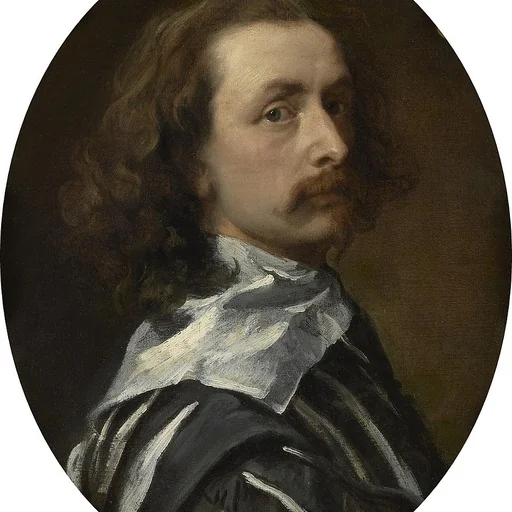
Sir Anthony van Dyck (; Dutch: Antoon van Dijck; 22 March 1599 – 9 December 1641) was a Flemish Baroque artist, who became the leading court painter in England after success in the Spanish Netherlands and Italy.

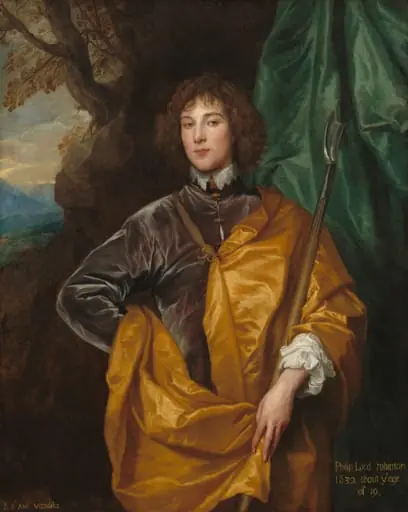
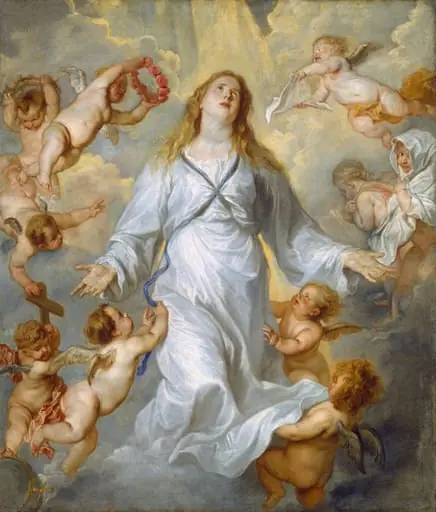
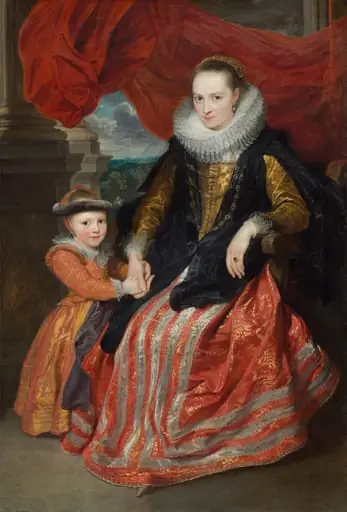
- Portrait of a Man
 Portrait of a man
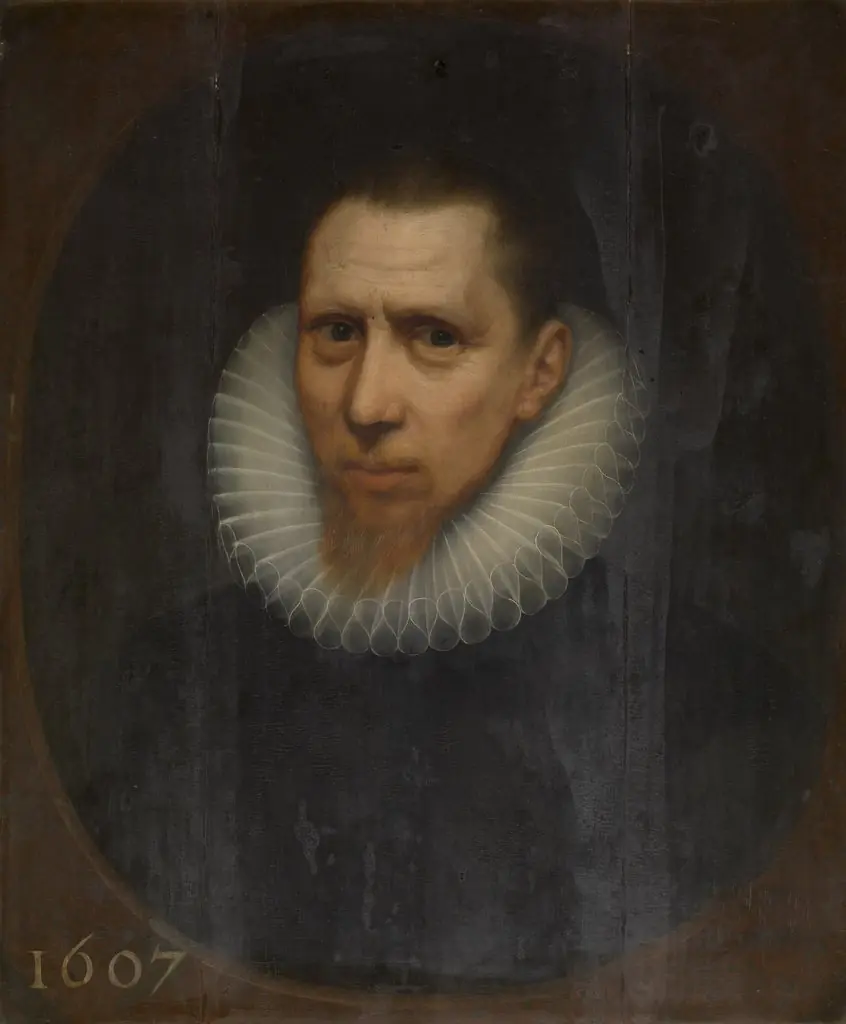 Portrait of a Man
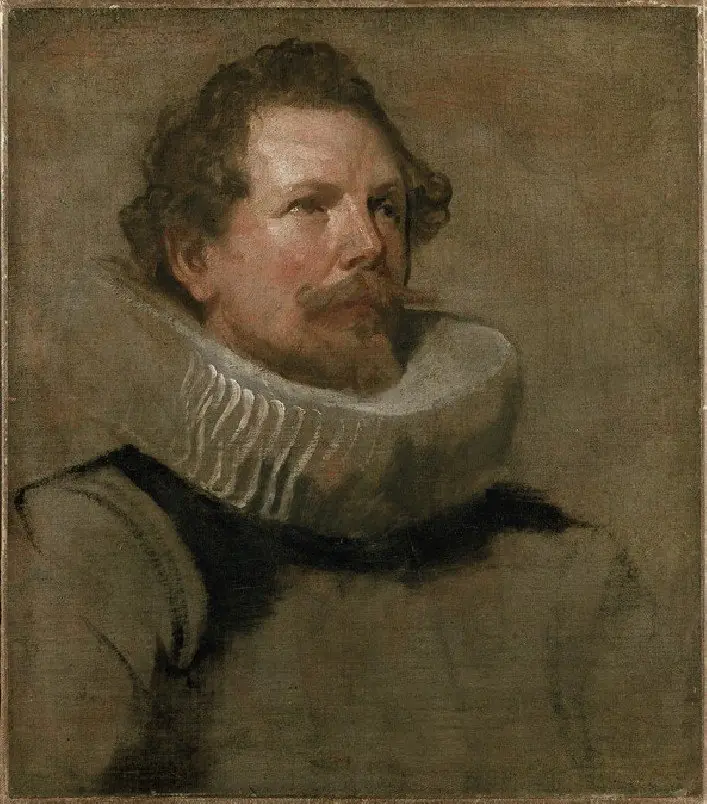 Head of a bearded Man wearing a Wheel Ruff
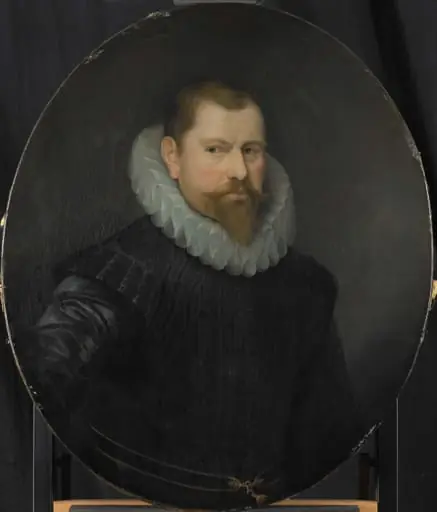 Portrait of Cornelis Matelieff the Younger, Director of the Rotterdam Chamber of the Dutch East India Company, elected 1602
 Portrait of Cornelis Matelieff the Younger, Director of the Rotterdam Chamber of the Dutch East India Company, elected 1602
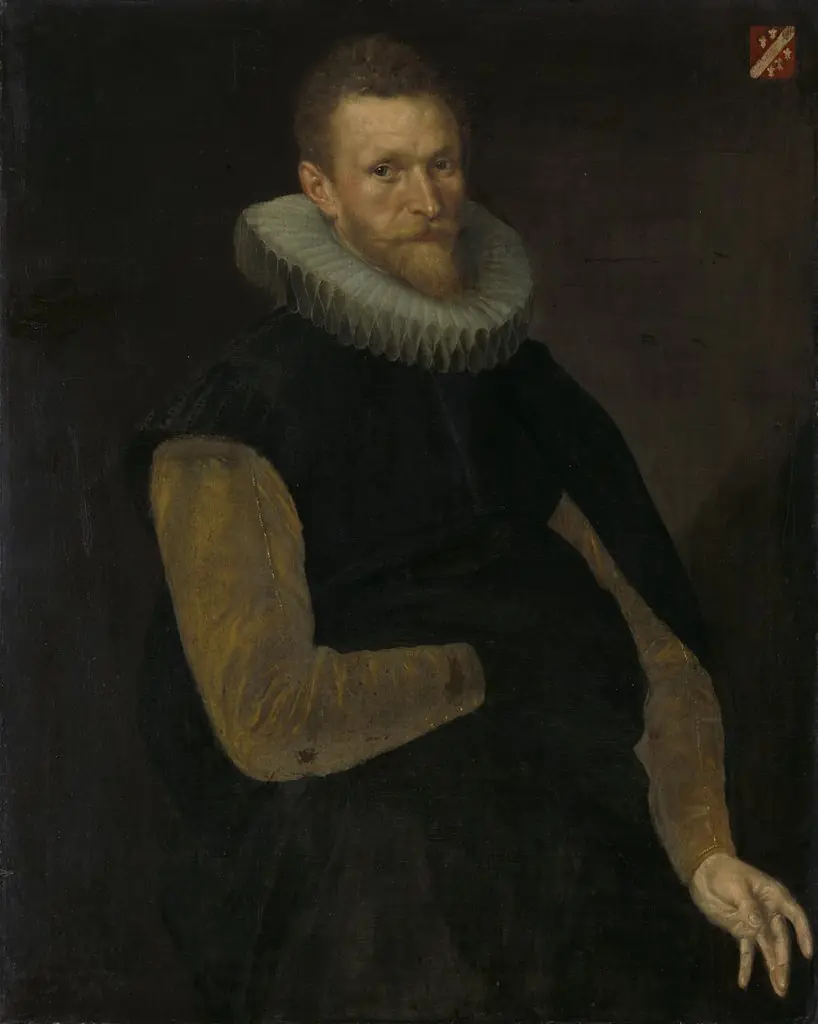 Portrait of Jacob Cornelisz Banjaert, called van Neck (1564-1638). Admiral & mayor of Amsterdam
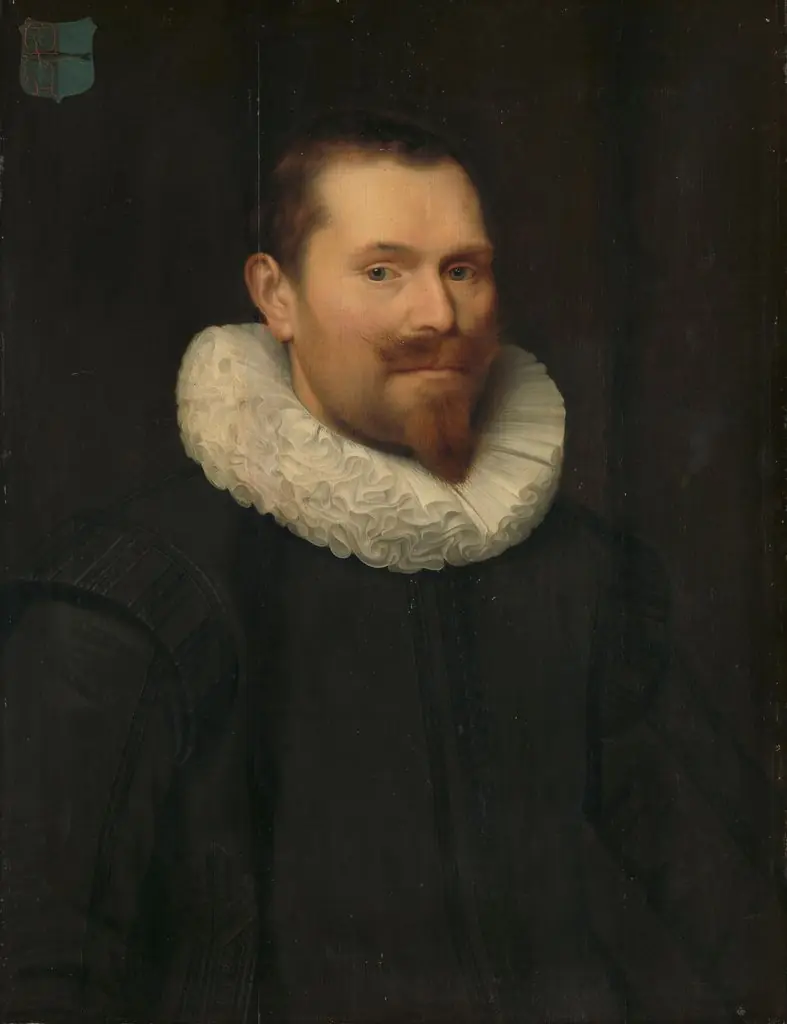 Portrait of a man
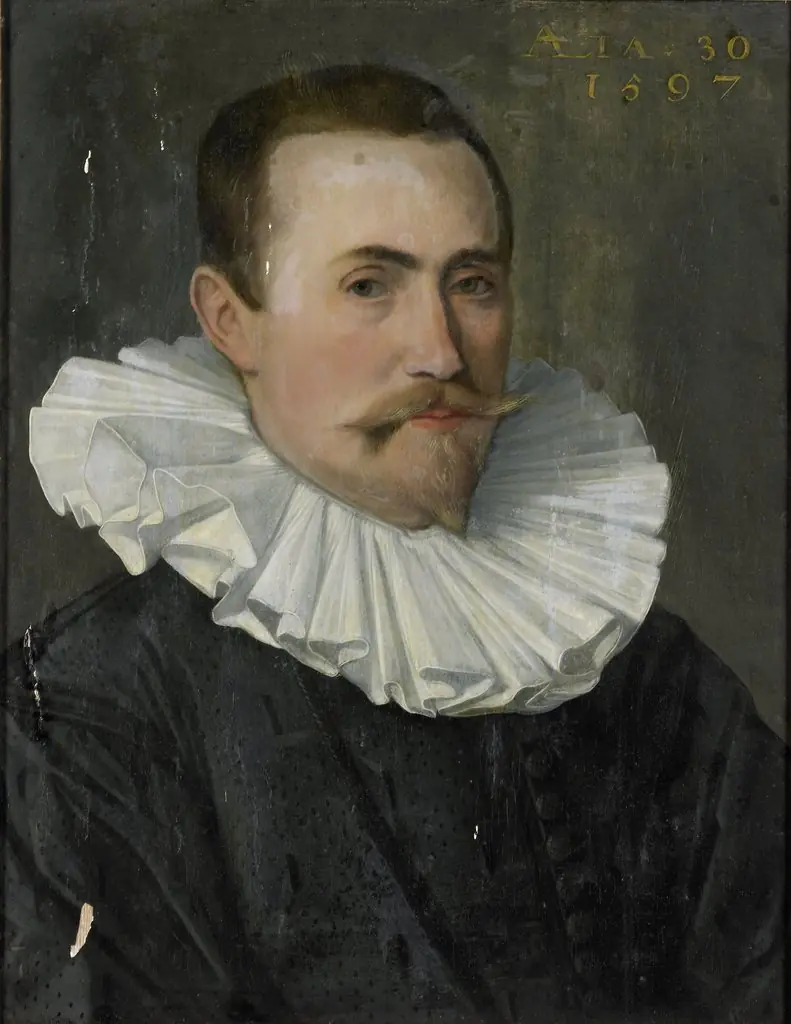 Portrait of a Man
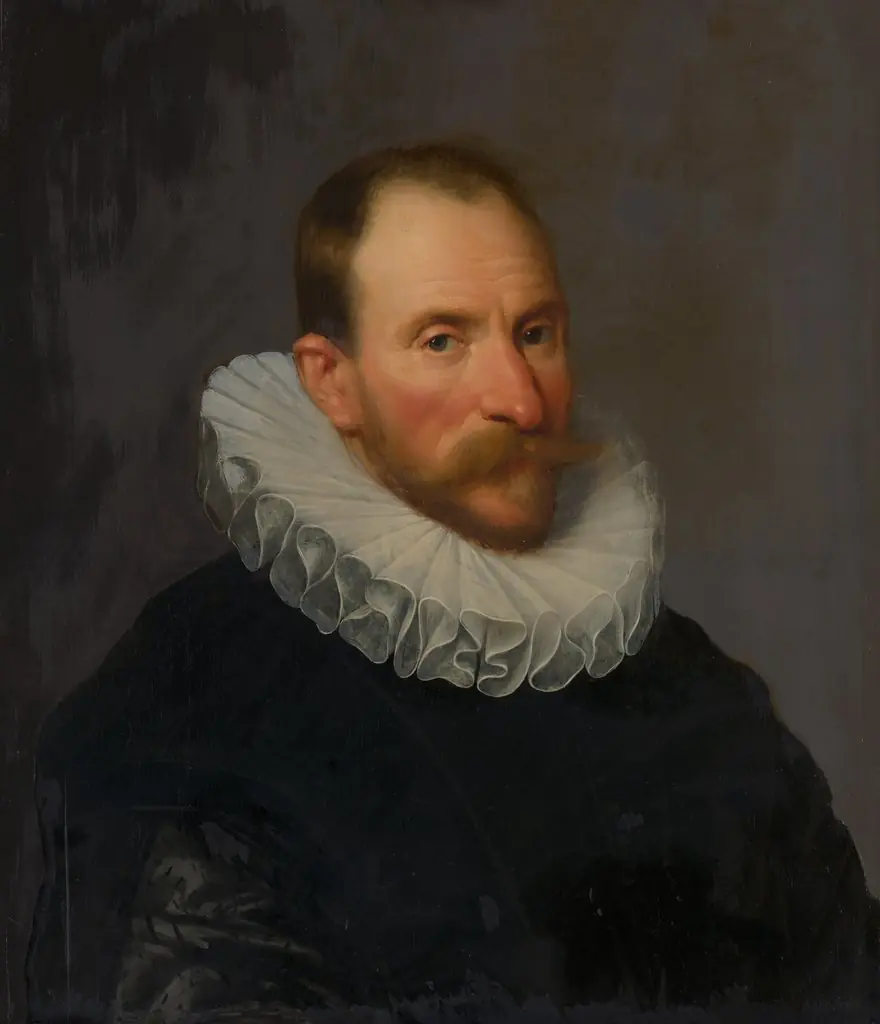 Portrait of Cornelis van Aerssen (1545-1627)
 Portrait of a Man