Artwork
Marchesa Brigida Spinola Doria
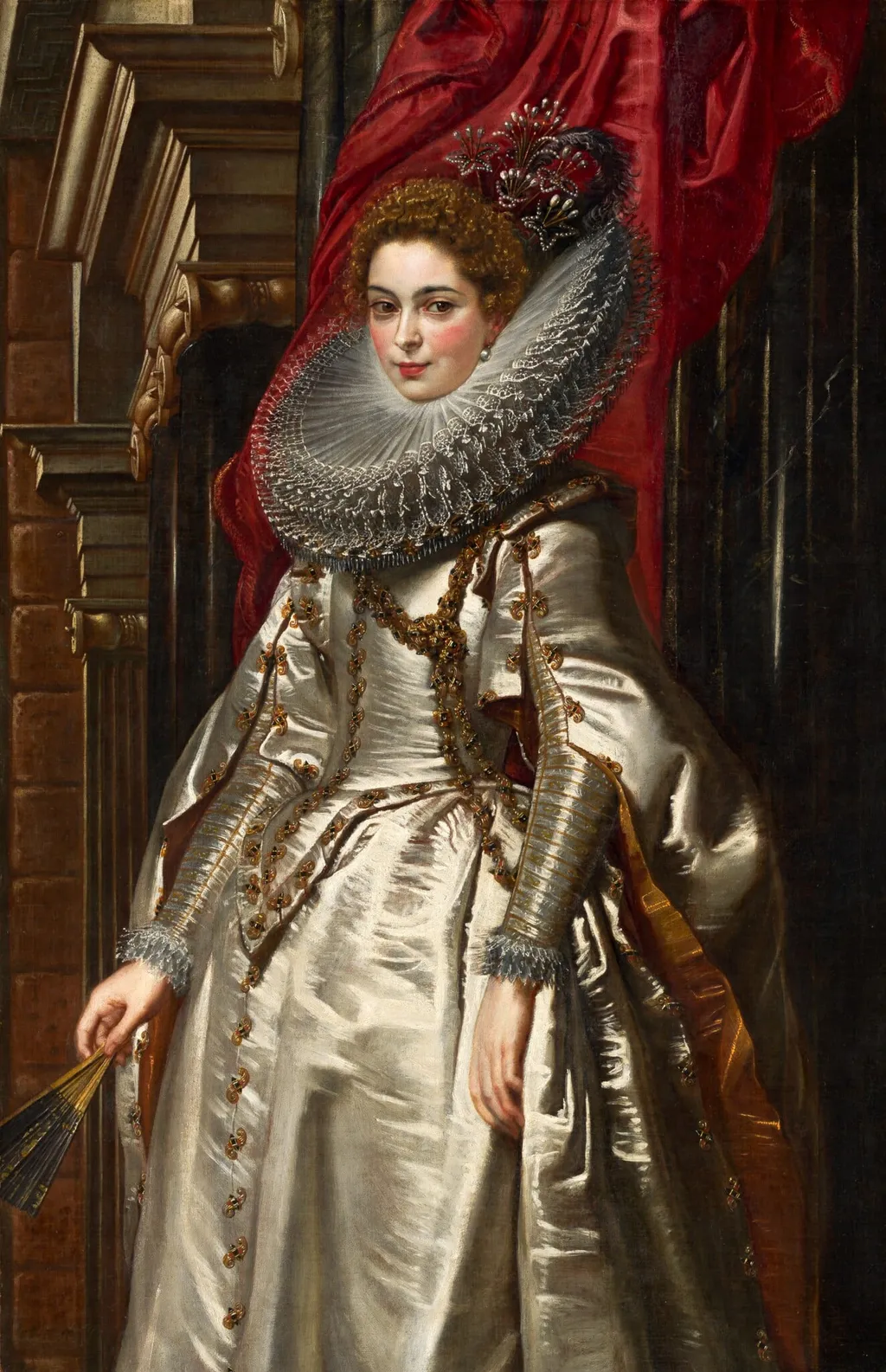
Marchesa Brigida Spinola Doria is an oil painting by the Baroque artist Peter Paul Rubens. It dates from 1606 and is held in the collection of the National Gallery of Art.
- Inscription
- Inscribed:on reverse transcribed from front by later hand before painting was trimmed: BRIGIDA. SPINVLA. DORIA / ANN: SAL: 1606. / AET: SVAE .22. / P.P. RVBENS Ft (Brigida Spinola Doria. Aged 22 in the year of our Lord 1606. Made by P.P. Rubens)
About this work
Subject & Meaning
The painting portrays Brigida Spinola Doria, a Genoese noblewoman, in a three‑quarter view that confronts the viewer directly.
The painting portrays Brigida Spinola Doria, a Genoese noblewoman, in a three‑quarter view that confronts the viewer directly. She is clothed in a richly embroidered satin wedding gown with a wide lace ruff and jeweled accessories, symbols of her aristocratic status and recent marriage to Marchese Giacomo Massimiliano Doria in 1605. The work was commissioned to celebrate the union and to display the wealth of the Spinola and Doria families.
Light accentuates the texture of the fabric and the jewels, while the background garden, later trimmed from the canvas, originally placed her in an idealized domestic setting. The direct gaze and lavish dress convey both personal virtue and the political alliance between powerful Genoese houses.
Technique & Style
The work is an oil painting on canvas measuring 152.5 × 99 cm, executed in 1606. Rubens employed a fluid handling of oil paint to model the voluminous satin and lace gown, which, along with the starched ruff, is rendered with careful attention to the play of light across richly textured surfaces. The composition centers on a three-quarter stance with the sitter's gaze directed downward, a choice that assumes the painting's original placement above viewers' eye level.
The background originally included garden architecture on the left and the floor-length hem of the wedding dress, both of which were trimmed away, reducing the figure to just below the knees and removing the spatial context; a surviving pen-and-brown-ink study in the Morgan Library confirms these losses.
History & Provenance
Commissioned by Marchese Giacomo Massimiliano Doria, the portrait was painted by Peter Paul Rubens in 1606 to commemorate his marriage to Brigida Spinola on July 9, 1605. The work remained in the Doria family until the Marchese's death in 1613, when it passed to his brother, Giovanni Carlo Doria. By 1625, ownership likely transferred to Brigida's second husband, Giovanni Vincenzo Imperiale, and subsequently to their stepson, Francesco Maria Imperiale, before staying within the extended family until the early 19th century.
The painting entered the Parisian market by 1848 and was sold in London in 1854. After changing hands among several collectors, including Charles J. Nieuwenhuys and the Duveen Brothers, it was acquired by the Samuel H. Kress Foundation in 1957. The foundation donated the work to the National Gallery of Art in Washington, D.C., in 1961.
The canvas was trimmed in the 19th century, removing the original garden background and the lower portion of the figure.
Context
Scholarship identifies the Marchesa Brigida Spinola Doria as a key example of Rubens's Genoese portraiture, produced during his 1605–1608 sojourn in Genoa when he painted several patrician sitters. The work's original composition, now reduced, featured a garden backdrop and full-length view of the sitter in a voluminous Spanish-style gown, emphasizing dynastic status through opulent textiles, lace ruff, and jewels. Christopher Norris's 1951 Burlington Magazine analysis of the preparatory Morgan Library drawing noted the sitter's youthful age (twenty-two) relative to her portrayal, underscoring Rubens's idealization within Genoese aristocratic portraiture conventions.
The painting's subsequent trimming and multiple transfers through Genoese, French, and British collections have framed its modern reception, while its inclusion in early twentieth-century exhibitions and 1952–1953 displays at the Minneapolis Institute of Art and the Royal Academy consolidated its place in Rubens's oeuvre and in studies of elite portraiture of the period.
Legacy
The painting entered the Samuel H. Kress Collection in 1957 and was given to the National Gallery of Art, Washington, D.C., in 1961, where it remains a highlight of the museum's Baroque holdings. Its modern exhibition history began with a 1952 showing at the Minneapolis Institute of Art and a 1953 display at the Royal Academy of Arts; since 1961 it has been regularly featured in exhibitions in the United States and Europe. Scholarly interest was sparked by Christopher Norris's 1951 Burlington Magazine analysis of the preparatory sketch, and the work continues to be cited as a key example of Rubens' Genoese portrait series, illustrating the opulence and diplomatic networks of early‑seventeenth‑century aristocracy.
Overview
Sir Peter Paul Rubens completed the oil-on-canvas portrait of Marchesa Brigida Spinola Doria in 1606. This work, now housed in the National Gallery of Art in Washington, D.C. as part of the Samuel H. Kress Collection, captures a prominent Genoese noblewoman. It exemplifies Rubens's early portraiture style, showcasing his ability to render individual character and aristocratic grandeur.
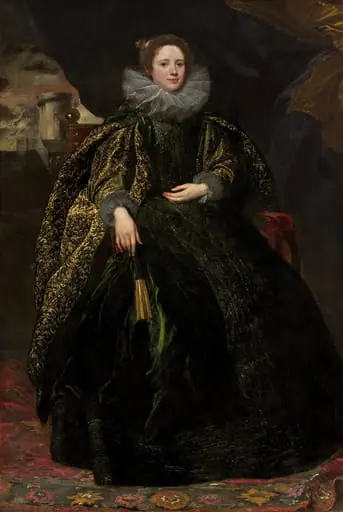
Own this work as a print
Artist & collection
Artist
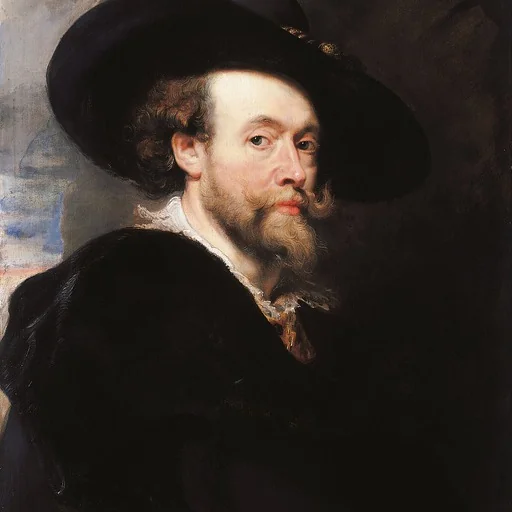
Sir Peter Paul Rubens ( ROO-bənz; Dutch:; 28 June 1577 – 30 May 1640) was a Flemish artist and diplomat.

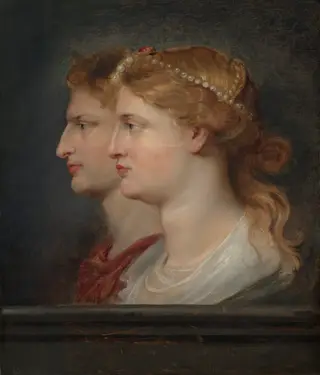
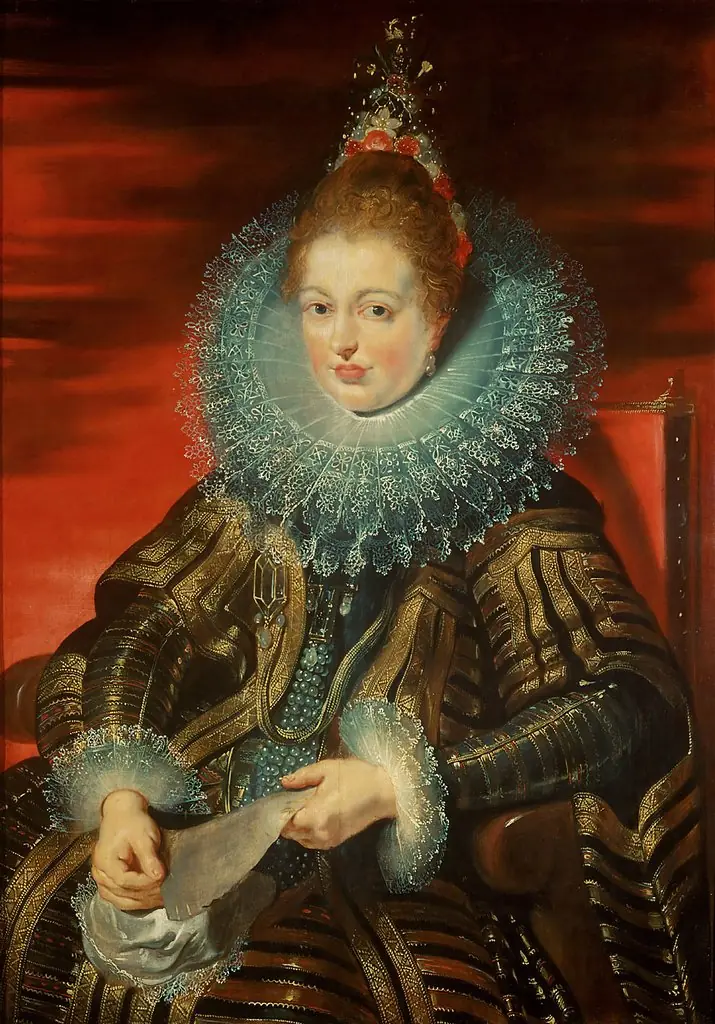 Isabella Clara Eugenia, wife of Albrecht VII
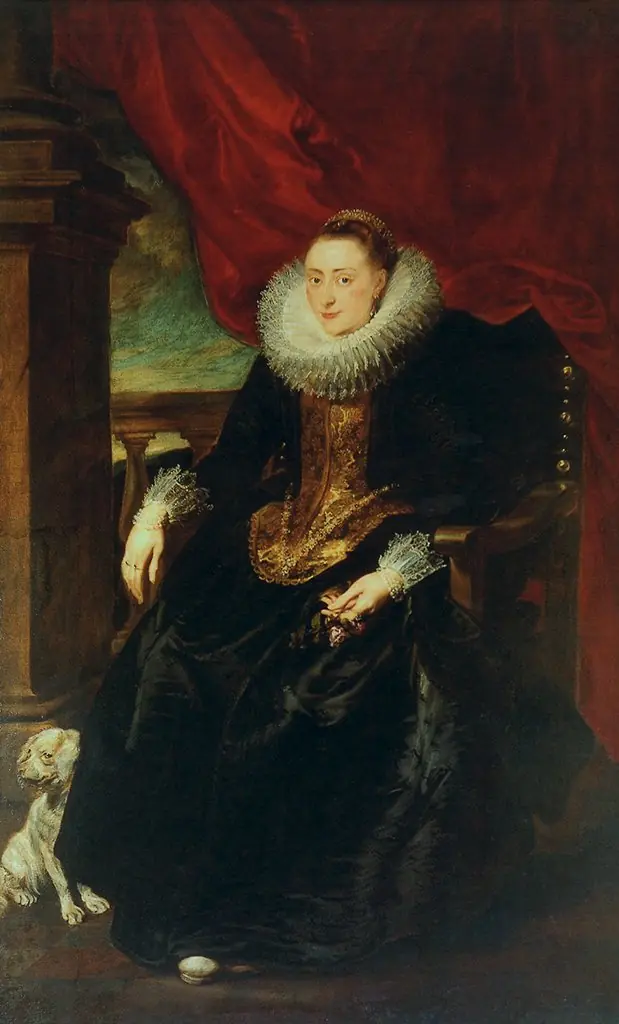 Portrait of a woman of the Vinck/Vincque family
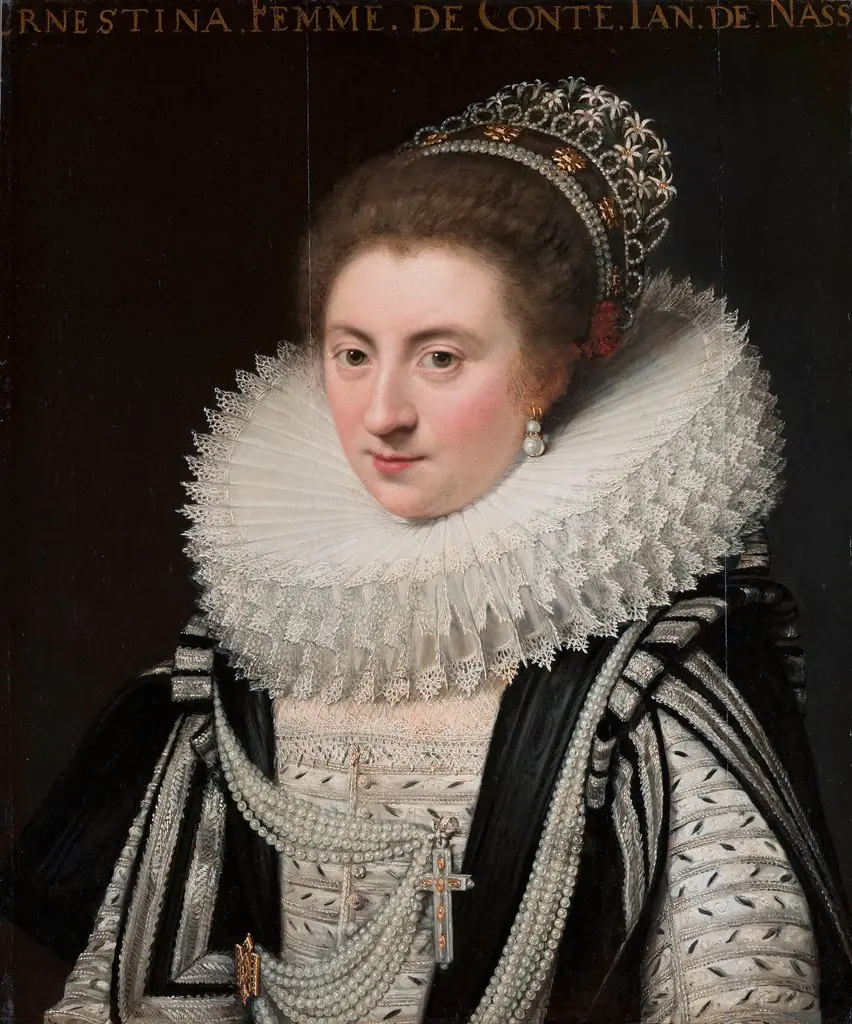 Portrait of Ernestine Yolande (1594-1663), Princess of Ligne
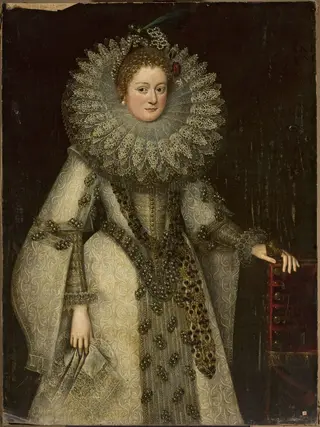 Portrait of a lady in a rich costume leaning on the armchair
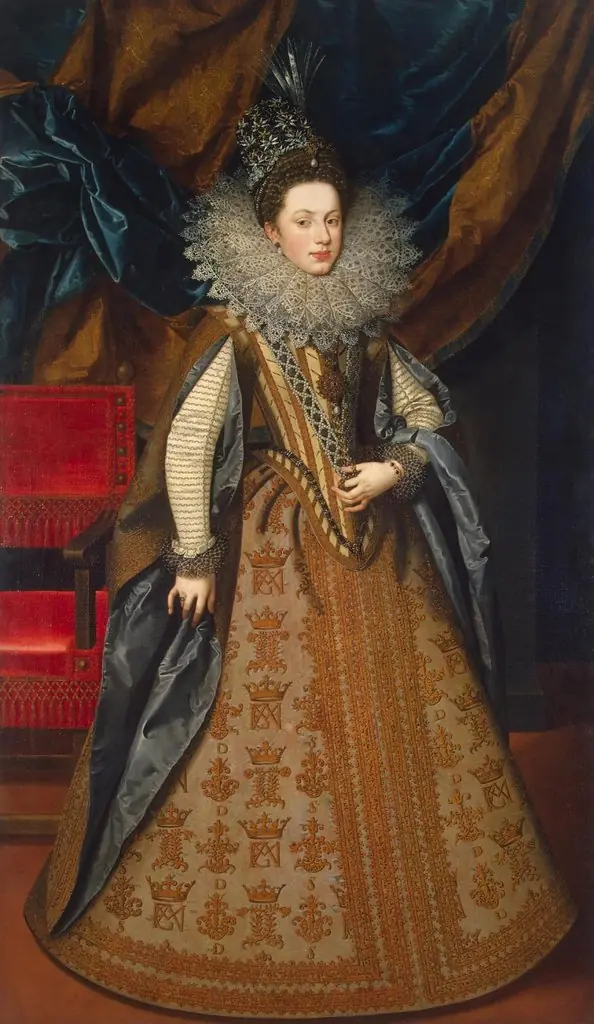 Portrait of Margaret of Savoy, Duchess of Mantua
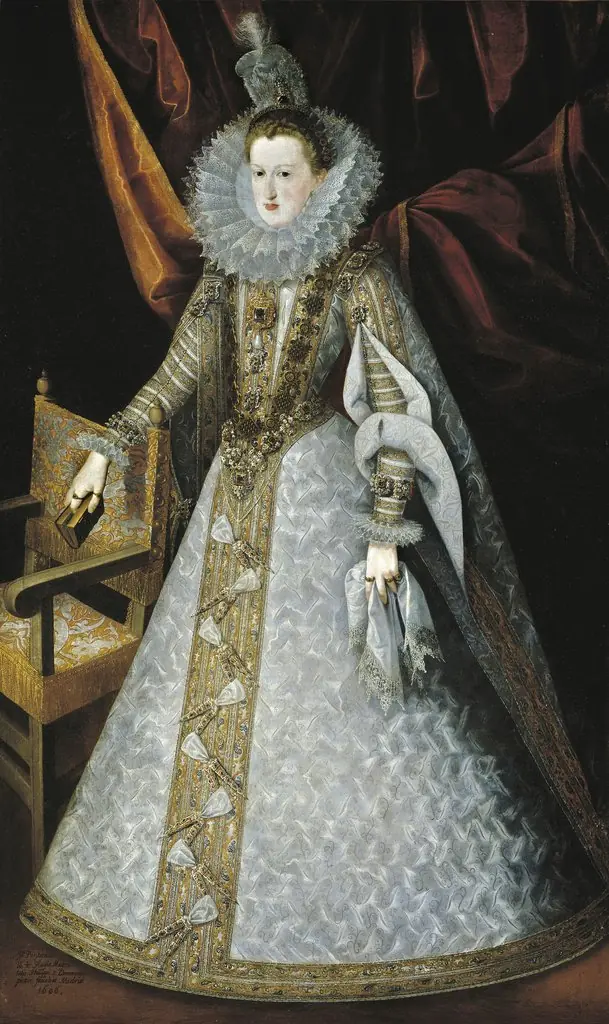 Margaret of Austria
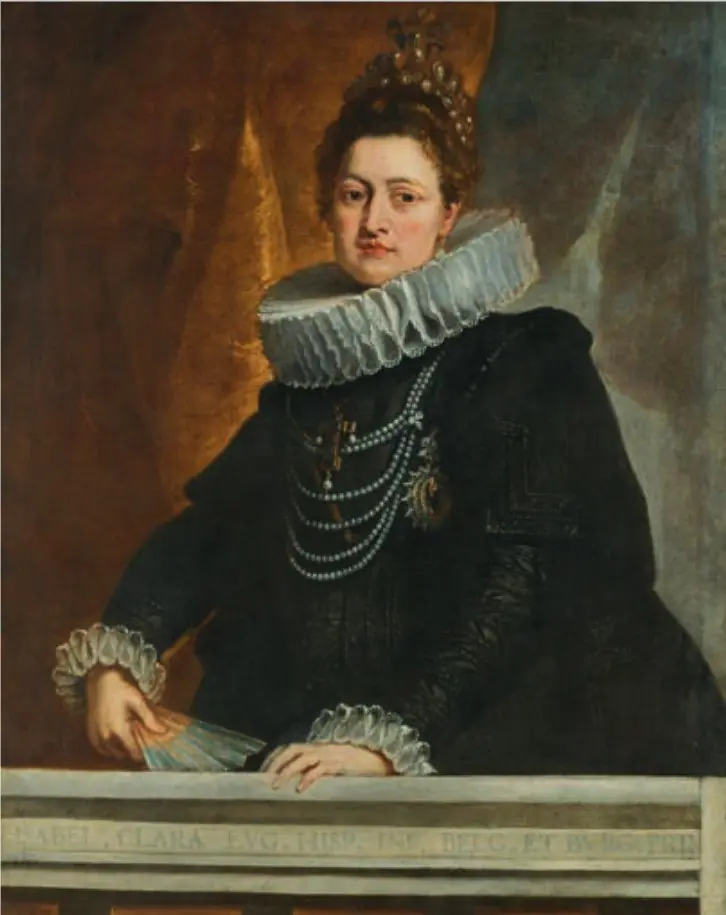 Portrait of Isabella Clara Eugenia
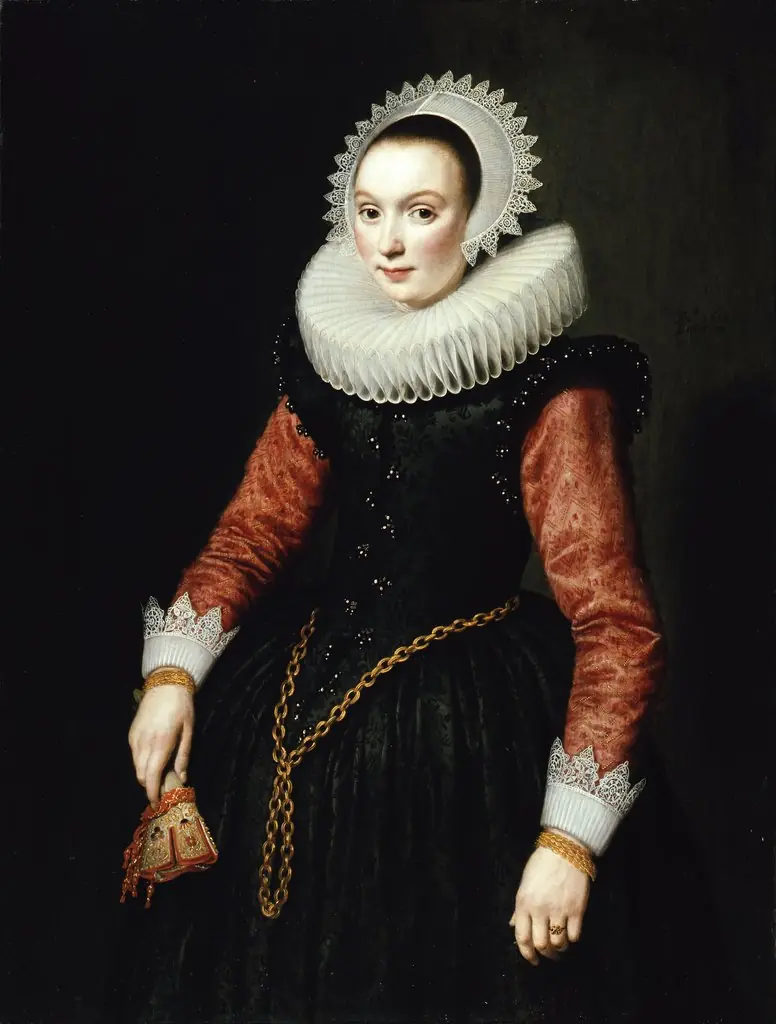 Portrait of a Lady
 Anne Wortley, Later Lady Morton
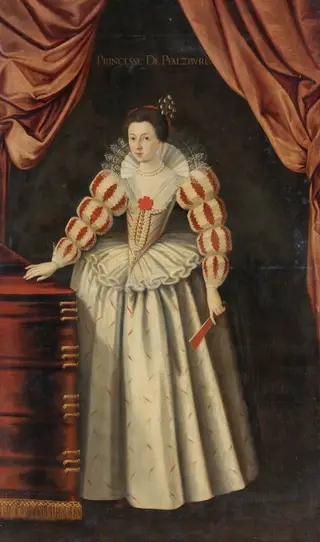 Henriette von Lothringen (1605-1660)
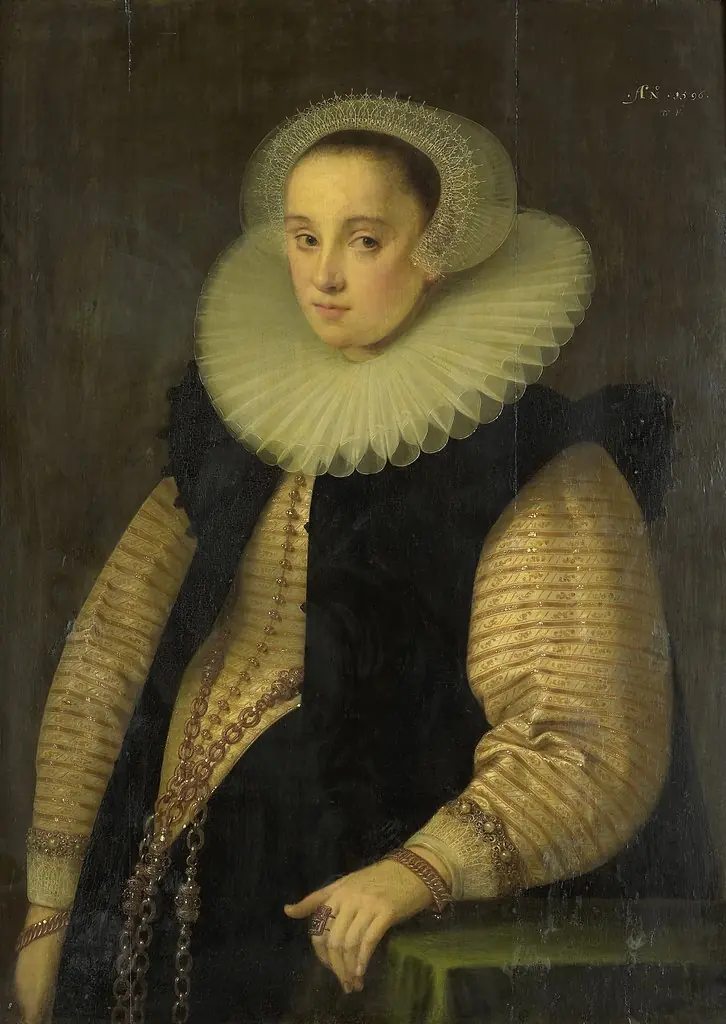 Portrait of Hortensia del Prado (died 1627), Wife of Jean Fourmenois
- Marchesa Balbi