Artwork
Portrait of Lady Jane Goodwin
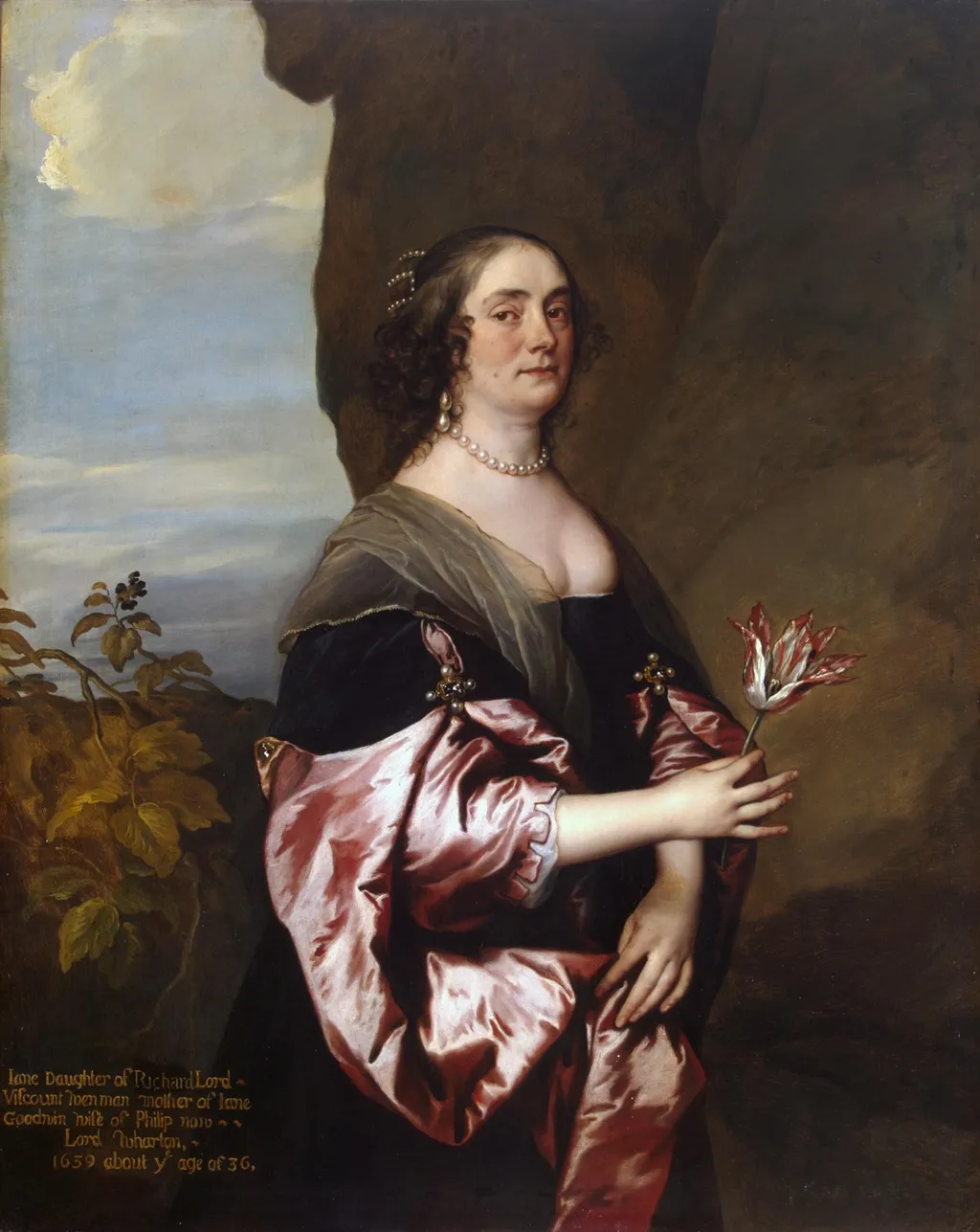
Portrait of Lady Jane Goodwin is an oil painting by the Flemish Baroque painting artist Anthony van Dyck. It dates from 1639 and is held in the collection of the Hermitage Museum.
About this work
Subject & Meaning
The painting’s restrained elegance aligns with van Dyck’s mature court style, conveying status and dignity rather than overt allegory.
The portrait depicts Lady Jane Goodwin, the subject of Anthony van Dyck’s 1639 painting. Rendered in oil on canvas, the work presents her in a refined three-quarter pose, emphasizing aristocratic presence through controlled gesture and subdued palette. The painting’s restrained elegance aligns with van Dyck’s mature court style, conveying status and dignity rather than overt allegory.
In the context of van Dyck’s English and Flemish portraiture, the work exemplifies the period’s emphasis on individual likeness and social standing, positioning Goodwin within the upper echelons of her milieu.
The composition’s simplicity underscores the sitter’s identity as a private noblewoman rather than a symbolic figure, focusing attention on her social role and personal bearing.
Technique & Style
The work is painted in oil on canvas, using a fluid medium that permitted van Dyck to model Lady Goodwin’s features with soft transitions between light and shadow. The handling favors delicate, calligraphic brushwork in the lace and cuffs, while broader, feathery strokes define the satin and fur trimmings, producing a refined contrast between textures. The composition centers on the sitter’s face and upper torso, rendered with heightened luminosity against a muted, dark background that directs attention to her poised yet intimate presence.
The paint surface appears largely intact, with no major losses reported; the overall condition is stable, retaining the original weave and impasto typical of van Dyck’s mid-career portraits.
History & Provenance
Portrait of Lady Jane Goodwin was painted in 1639 by Anthony van Dyck in Flanders. The work entered the collection of British statesman Robert Walpole, whose ownership is recorded in the painting’s provenance. After Walpole’s tenure, the portrait eventually became part of the Hermitage Museum’s holdings, where it is now displayed (also noted as being at Houghton Hall).
The work is held in the Hermitage Museum, where it carries the inventory number GE-349.
It was first recorded in the collection of Robert Walpole before entering the holdings of Catherine the Great’s Imperial Hermitage in 1779, following her acquisition of the Walpole collection.
Overview
Portrait of Lady Jane Goodwin is a 1639 oil painting by Anthony van Dyck, a prominent Flemish Baroque artist. The work is now part of the State Hermitage Museum's collection.
Context
As a product of the Flemish Baroque, the painting reflects van Dyck's experience under Peter Paul Rubens and his subsequent success, characterized by nuanced portraiture and expressive use of color and light.
Legacy
While specific influence or notable exhibitions of Portrait of Lady Jane Goodwin are not highlighted, it contributes to van Dyck's recognized body of work in Baroque portraiture, valued for its emotional depth and technical mastery.
Own this work as a print
Artist & collection
Artist
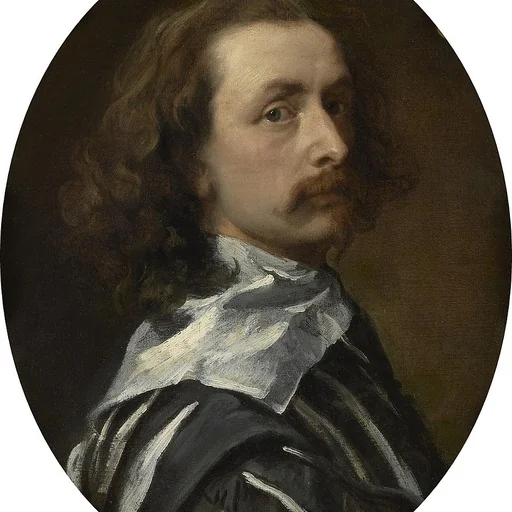
Sir Anthony van Dyck (; Dutch: Antoon van Dijck; 22 March 1599 – 9 December 1641) was a Flemish Baroque artist, who became the leading court painter in England after success in the Spanish Netherlands and Italy.

- Portræt af en kvinde som Flora
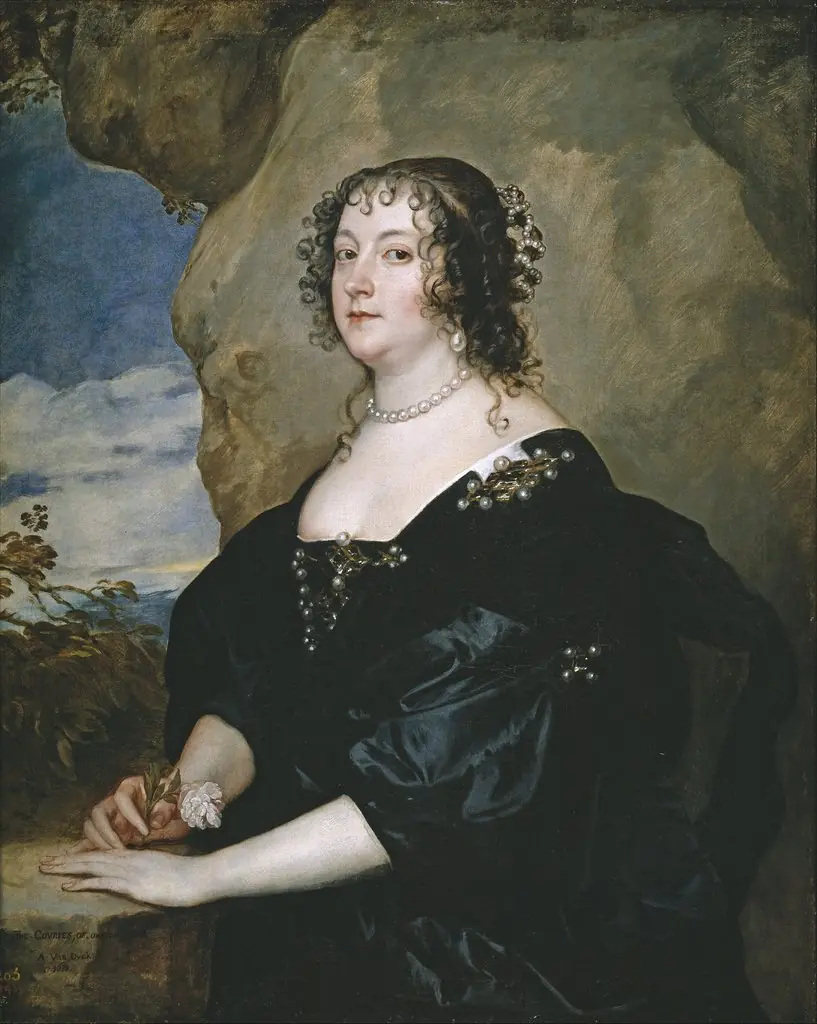 Beatriz van Hemmema, Countess of Oxford (formerly called Diana Cecil)
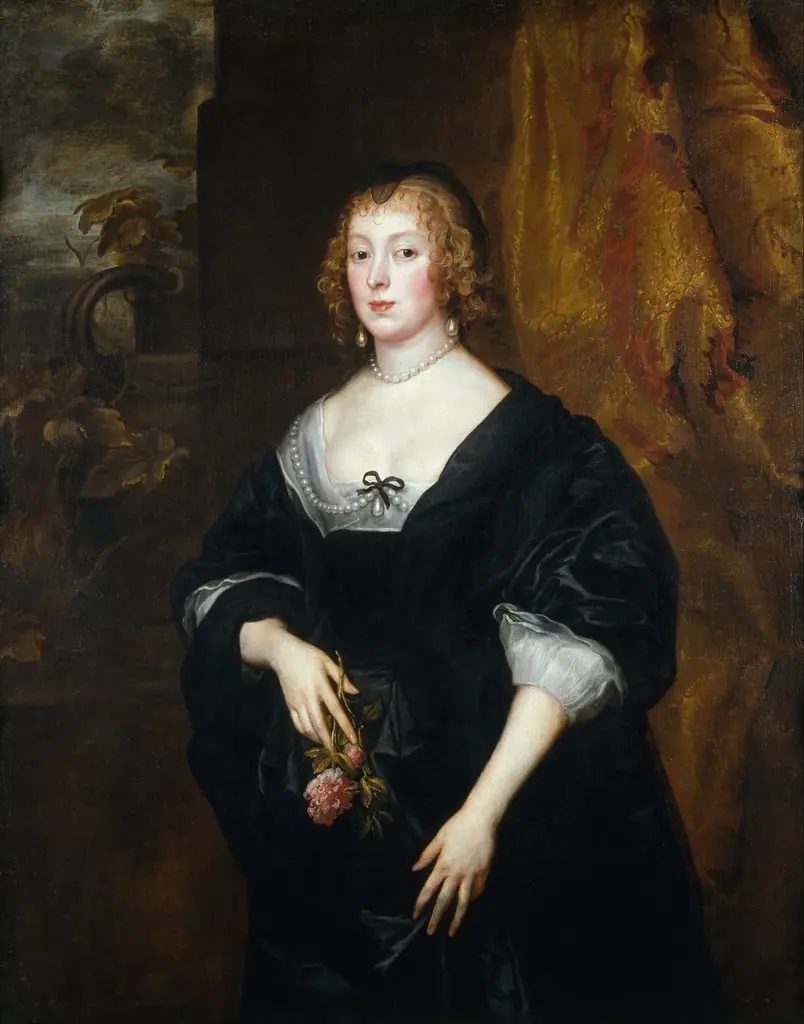 Lady Dacre
 Portrait of Mrs. Leneve
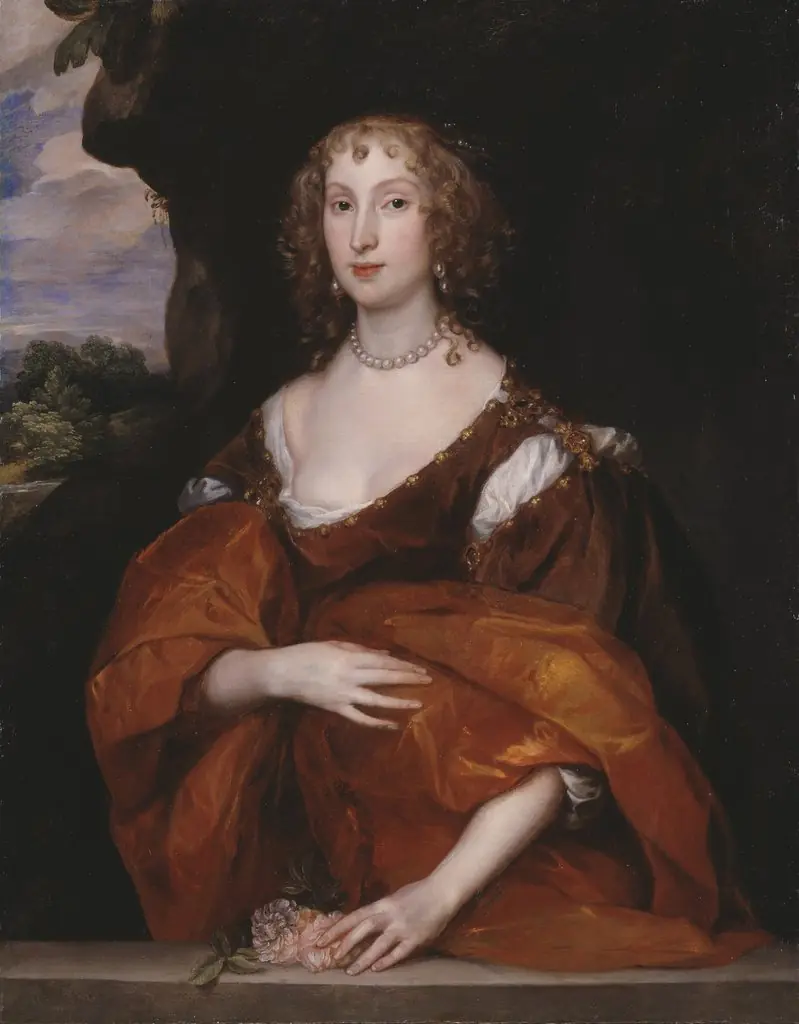 Portrait of Mary Hill, Lady Killigrew
 Portrait of a Lady
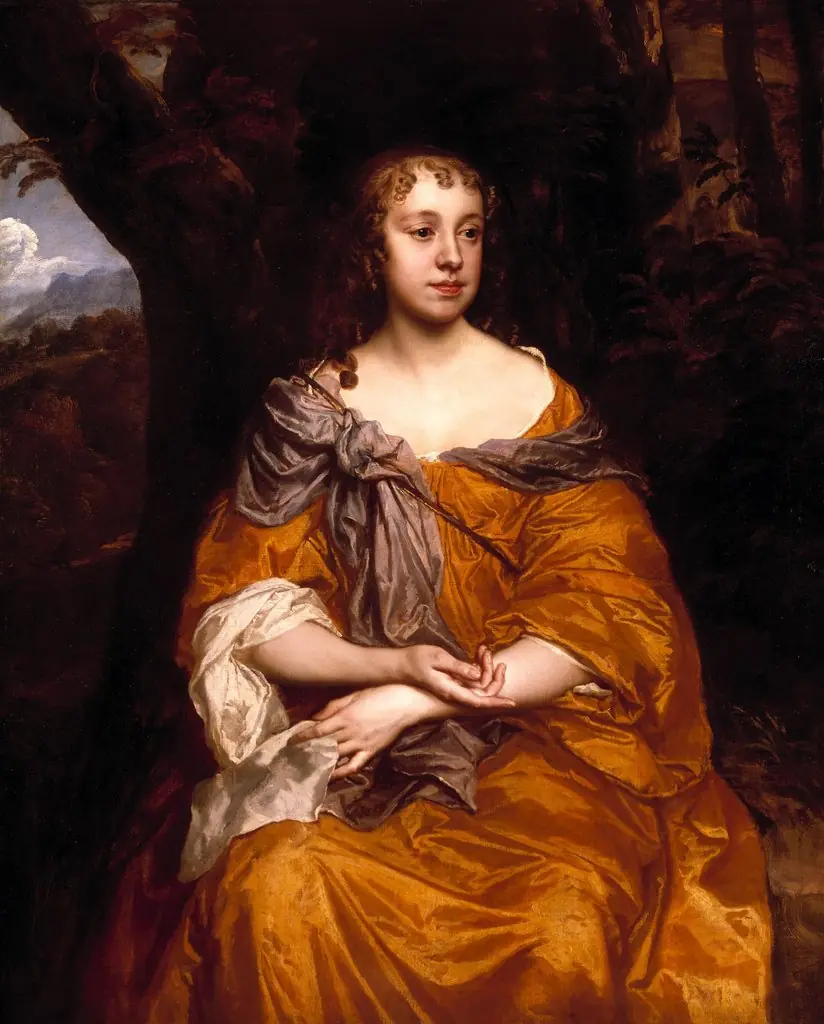 Porträt der Miss Wharton
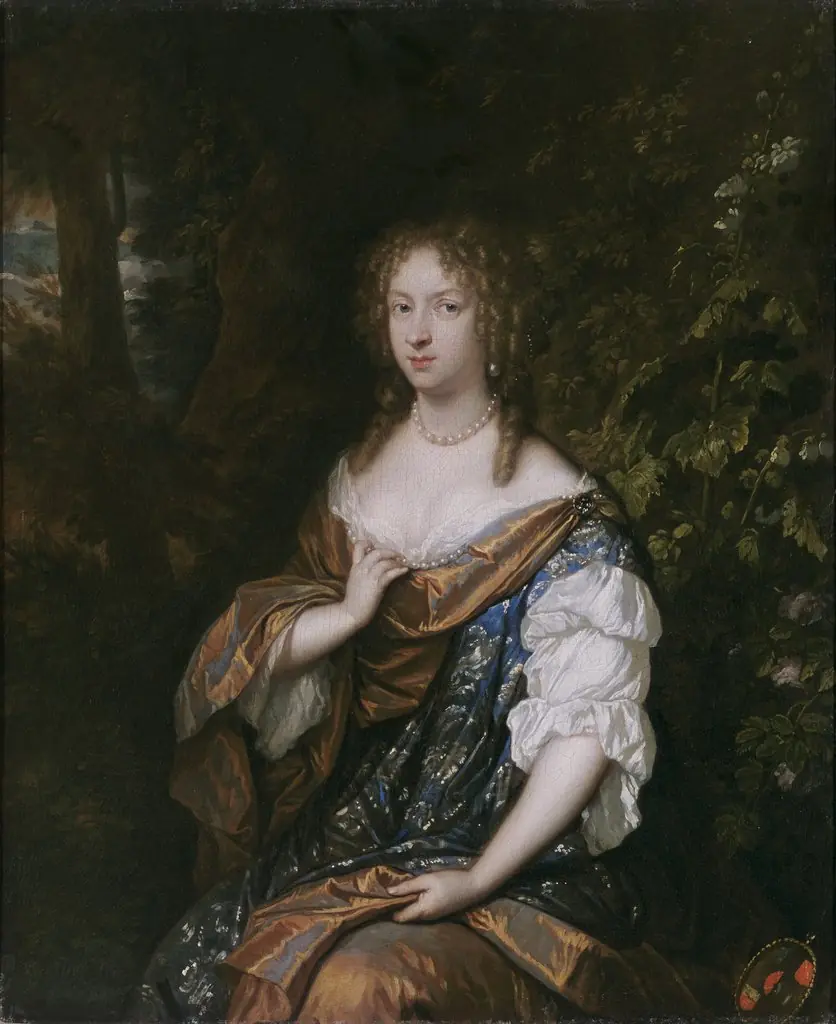 Alida de Lange, Wife of Johan Rammelman
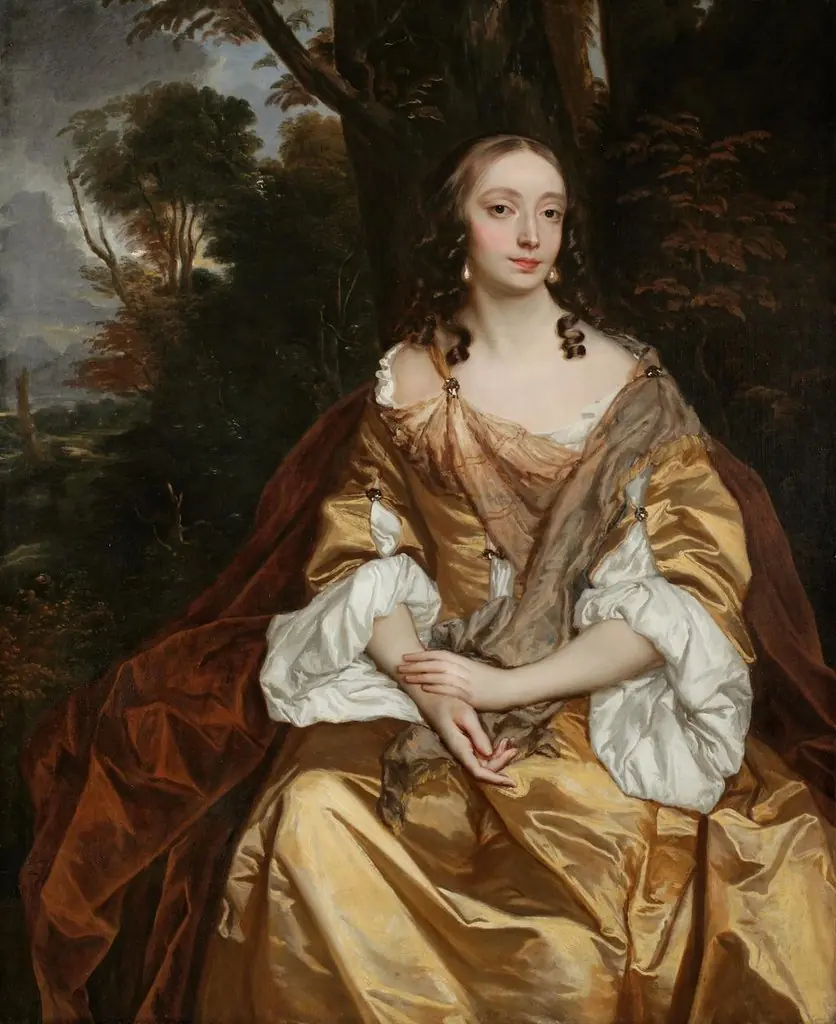 Portrait of a Lady; probably Mary Parsons, later Mrs Draper
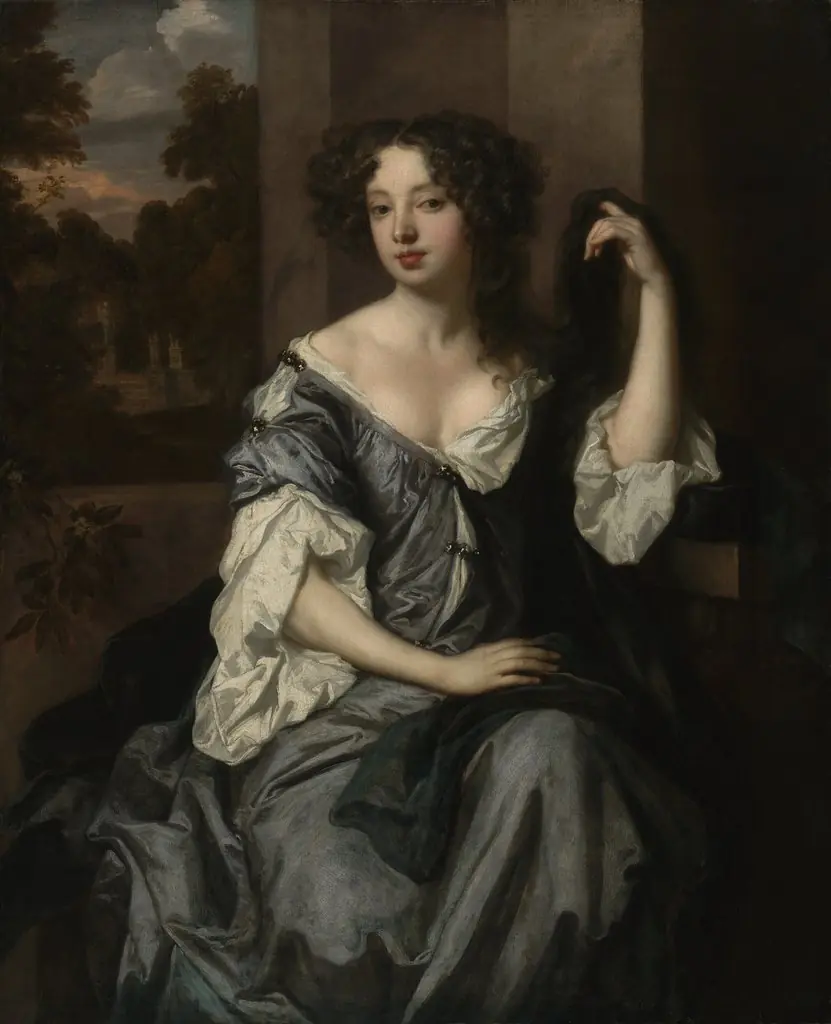 Portrait of Louise de Keroualle, Duchess of Portsmouth
 Barbara Villiers, Duchess of Cleveland
 Retrato de la Condesa de Goldstein