Artwork
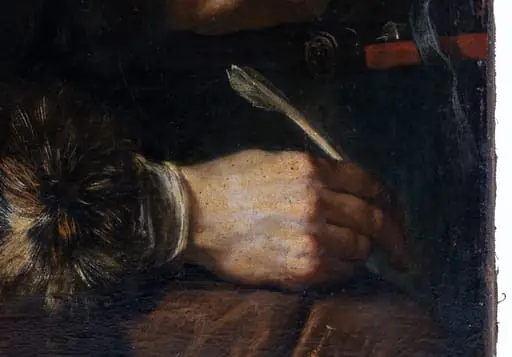
Study of hands
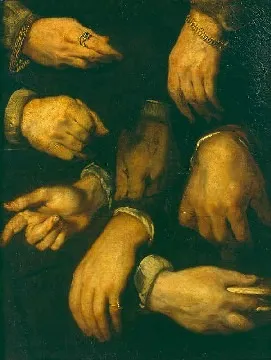
Study of hands is an oil painting by the Flemish Baroque painting artist Anthony van Dyck. It dates from 1630 and is held in the collection of the Royal Museums of Fine Arts of Belgium.
About this work
Overview
Anthony van Dyck’s Study of Hands (1630) is an oil painting that isolates the human hand as its sole subject. Executed during the artist’s early Flemish period, the work presents a tightly cropped composition in which nine distinct hands are arranged against a dark backdrop, each rendered with careful attention to gesture and adornment.
Subject & Meaning
The painting functions as a study of manual expression, exploring a range of poses, from pointing to curled fingers, while emphasizing the decorative elements of bracelets, rings, and cuffed sleeves. By focusing exclusively on hands, van Dyck invites contemplation of their communicative capacity and the social signals conveyed through jewelry and gesture.
Technique & Style
Van Dyck employs a warm, golden palette to model the flesh, allowing subtle variations of light to reveal skin texture and the sheen of metal. The chiaroscuro treatment creates a three‑dimensional effect, while the meticulous rendering of folds and veins demonstrates the artist’s skill in anatomical observation, characteristic of his training under Rubens.
History & Provenance
Created in 1630, the work belongs to the early phase of van Dyck’s career before his appointment as court painter in England. It entered the collection of the Royal Museums of Fine Arts of Belgium, where it remains part of the institution’s holdings of Flemish Baroque art.
Context
During the 1630s, van Dyck was developing a personal style that combined Rubens’ dynamic composition with a more refined, intimate approach to portraiture. Studies of isolated body parts were common in artists’ workshops for honing draftsmanship, and this painting reflects that pedagogical practice within the broader Baroque interest in realism and sensuality.
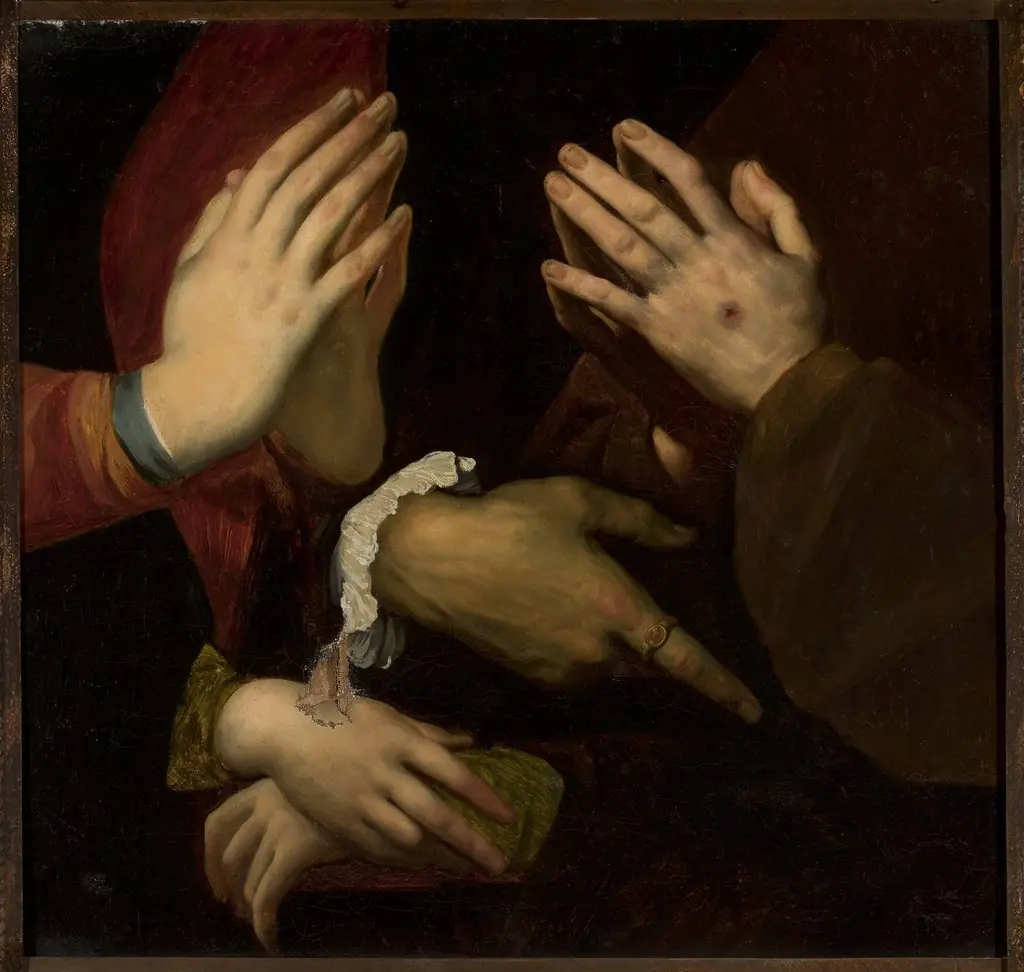
Artist & collection
Artist
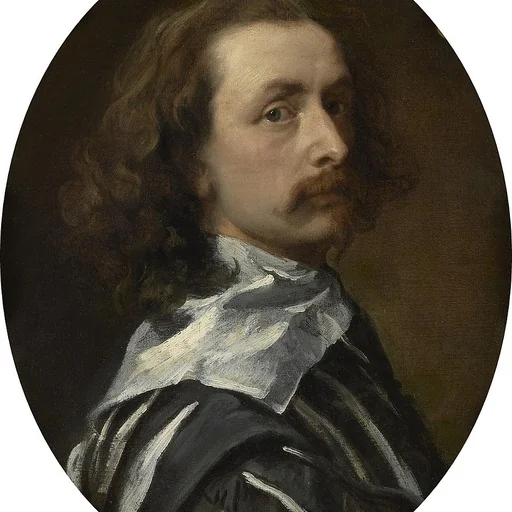
Sir Anthony van Dyck (; Dutch: Antoon van Dijck; 22 March 1599 – 9 December 1641) was a Flemish Baroque artist, who became the leading court painter in England after success in the Spanish Netherlands and Italy.

Museum
Royal Museums of Fine Arts of Belgium
Continue through works from the same source collection.
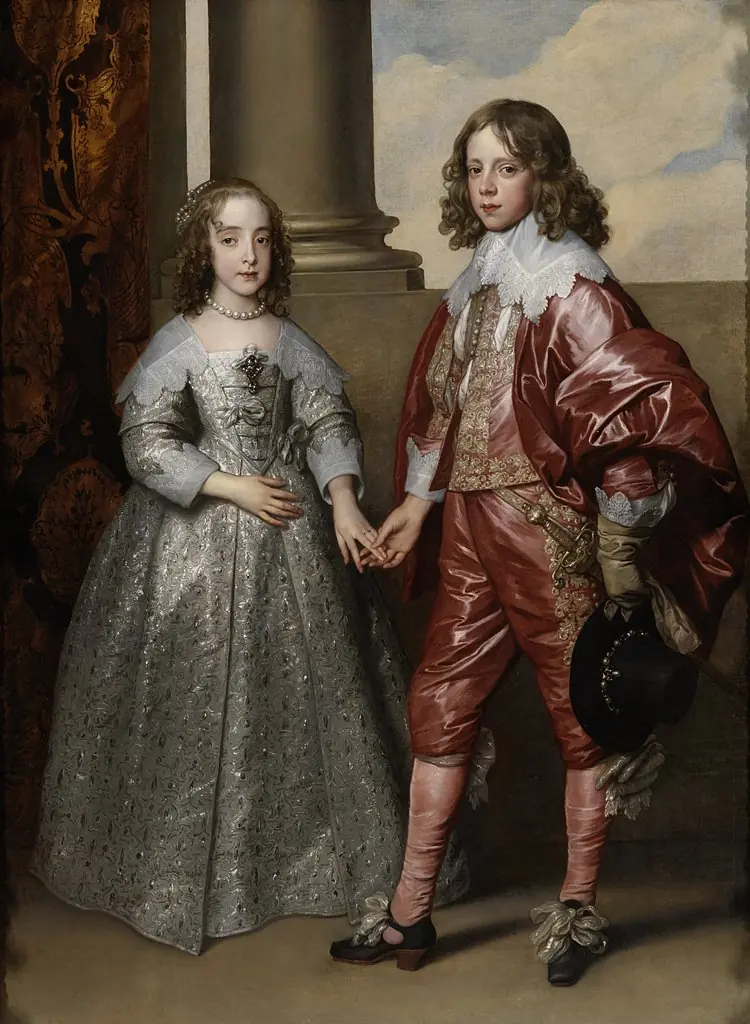
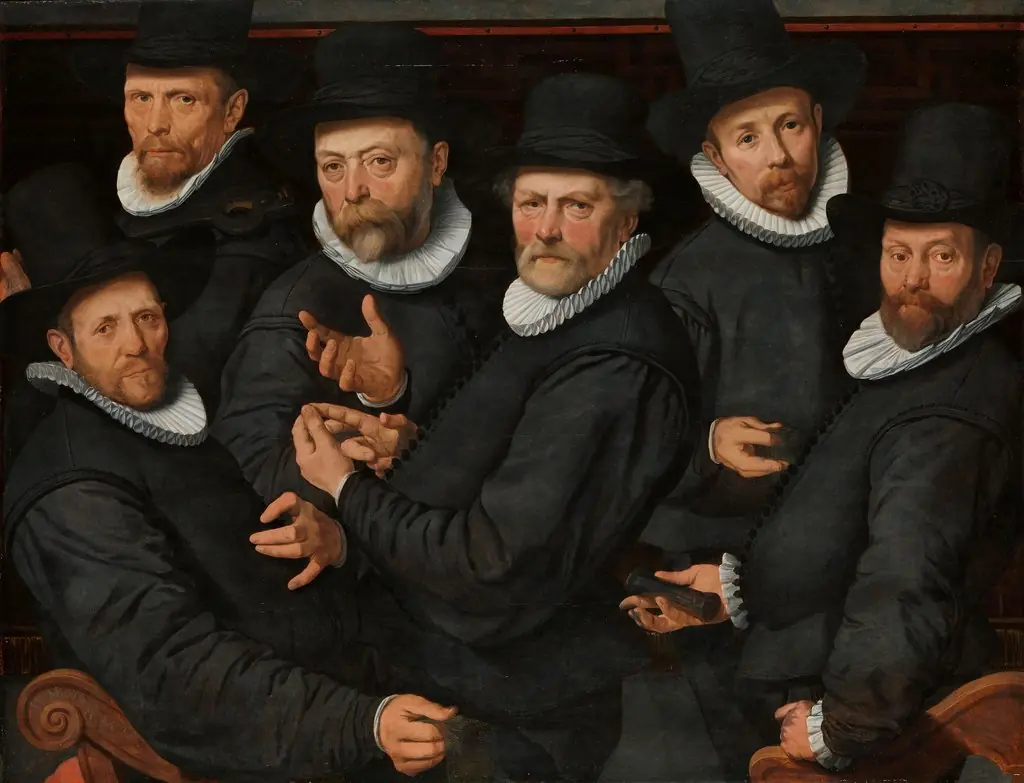 Six Wardens of the Drapers’ Guild
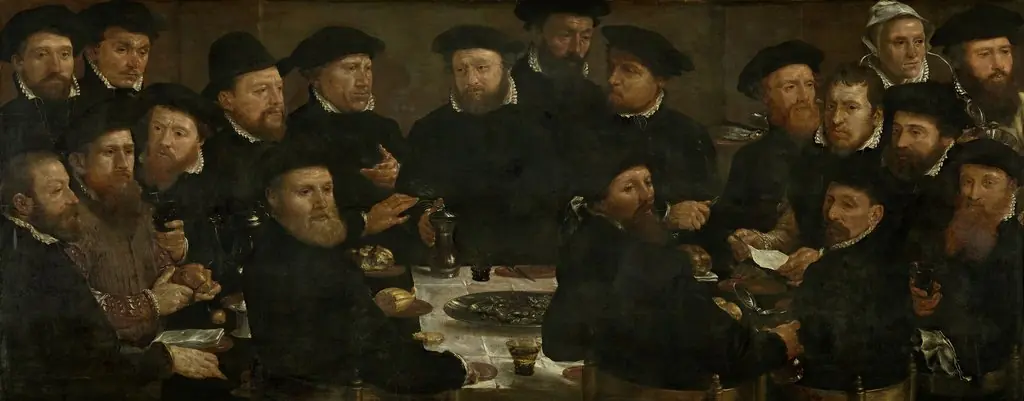
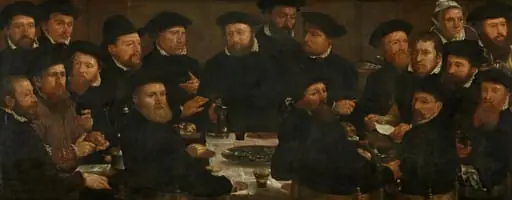 Banquet of Eighteen Guardsmen of Squad L, Amsterdam 1566, known as 'The Perch Eaters'
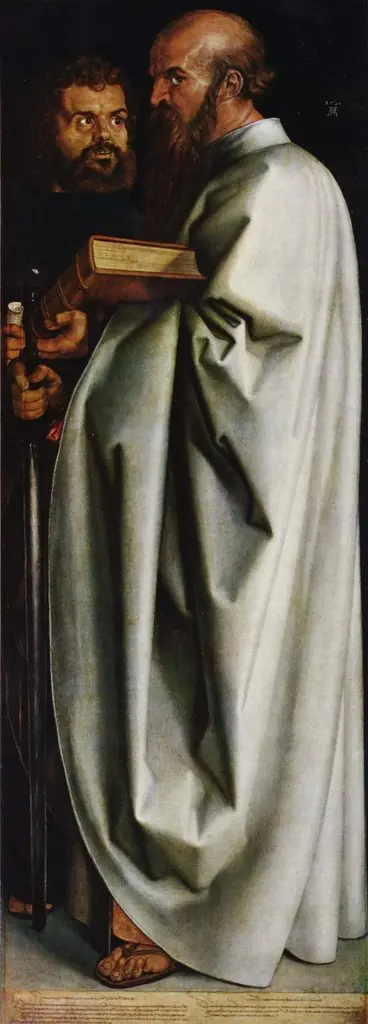 The Four Apostles: Saints Mark and Paul
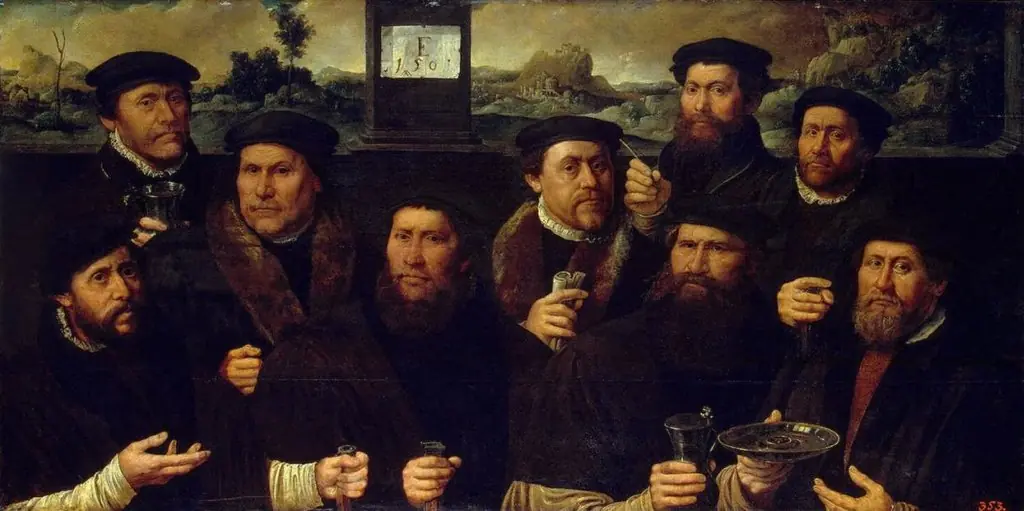
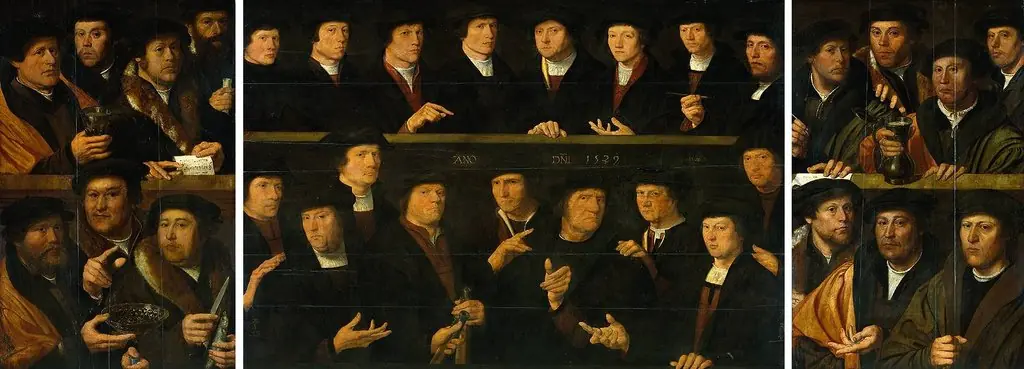 Triptych with guardsmen of the Amsterdam Kloveniersdoelen (headquarters of the arquebusiers’ civic guard)
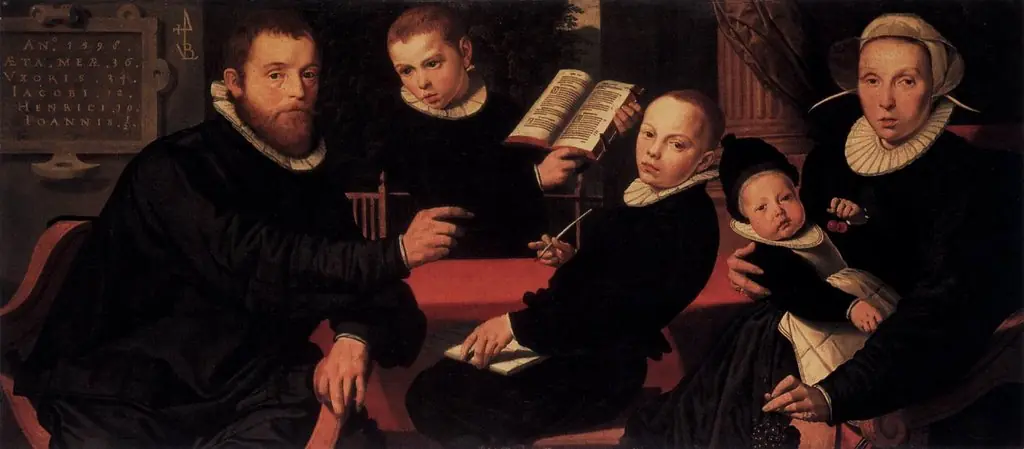 Portrait of Laurens Jacobsz. (....-1603) and his family
 Un primar
 Meal of the Amsterdam militia
 Group Portrait of the Amsterdam Shooting Corporation