Artwork
The Arch of Trajan at Benevento
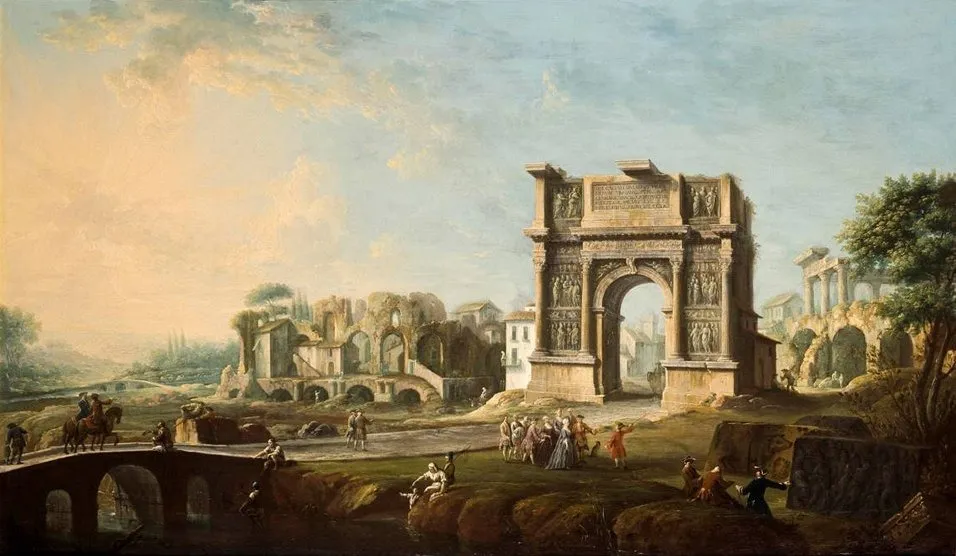
The Arch of Trajan at Benevento is an oil painting by the Rococo painting artist Antonio Joli. It dates from 1750 and is held in the collection of the Museo del Prado.
About this work
Subject & Meaning
Antonio Joli painted The Arch of Trajan at Benevento in 1750 as an oil-on-canvas veduta.
Antonio Joli painted The Arch of Trajan at Benevento in 1750 as an oil-on-canvas veduta. The work portrays the Roman triumphal arch built for Emperor Trajan in Benevento, emphasizing its architectural grandeur through precise linear perspective and balanced composition. Symbolically, the arch stands as a monument to imperial authority and the enduring legacy of Roman engineering, themes that resonated in 18th‑century antiquarian interest.
The painting is housed in the Museo del Prado, where it contributes to the museum’s collection of cityscapes and vedute, reflecting the period’s fascination with historic monuments.
History & Provenance
Antonio Joli painted The Arch of Trajan at Benevento in 1750, depicting the monument in a cityscape format. The work entered the collection of the Museo del Prado, where it remains on display. Contemporary documentation places its creation between 1750 and 1759, confirming its 18th‑century origin. The canvas measures 77.5 cm by 131 cm and is executed in oil on canvas.
The painting is held in the Museo del Prado, Madrid, where it is inventoried as accession number P00622.
It has been exhibited at the Museo del Prado in 2007 as part of the display "Antonio Joli (1700–1777): Vedutas de Italia y España."
Overview
The Arch of Trajan at Benevento is an oil painting created by Antonio Joli around 1750. It is a cityscape held at the Museo del Prado.
Technique & Style
The work showcases Joli's skill in capturing the interplay of architecture and landscape, with a soft, luminous sky and a detailed depiction of the arch and its surroundings.
Context
The juxtaposition of ancient Roman architecture with contemporary figures was a common practice in 18th-century paintings, reflecting the era's fascination with classical heritage.
Artist & collection

Artist
Antonio Joli painted grand, sunlit views of Italian ruins and landscapes in the 1700s.

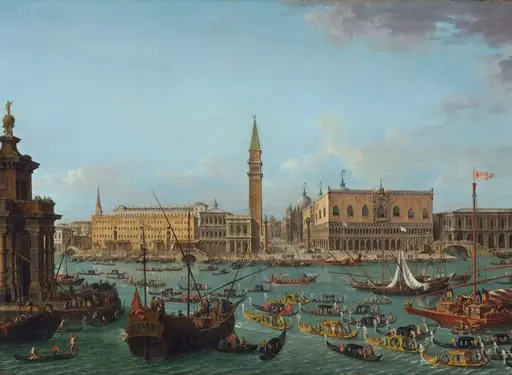 Procession of Gondolas in the Bacino di San Marco, Venice
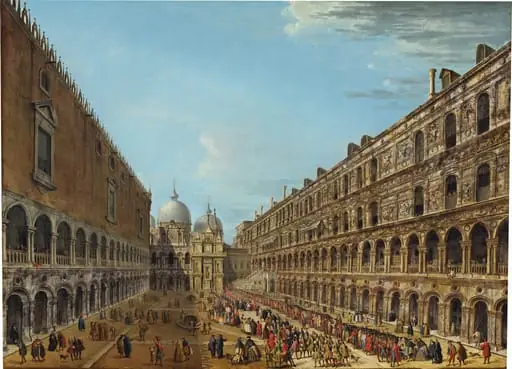 Procession in the Courtyard of the Ducal Palace, Venice
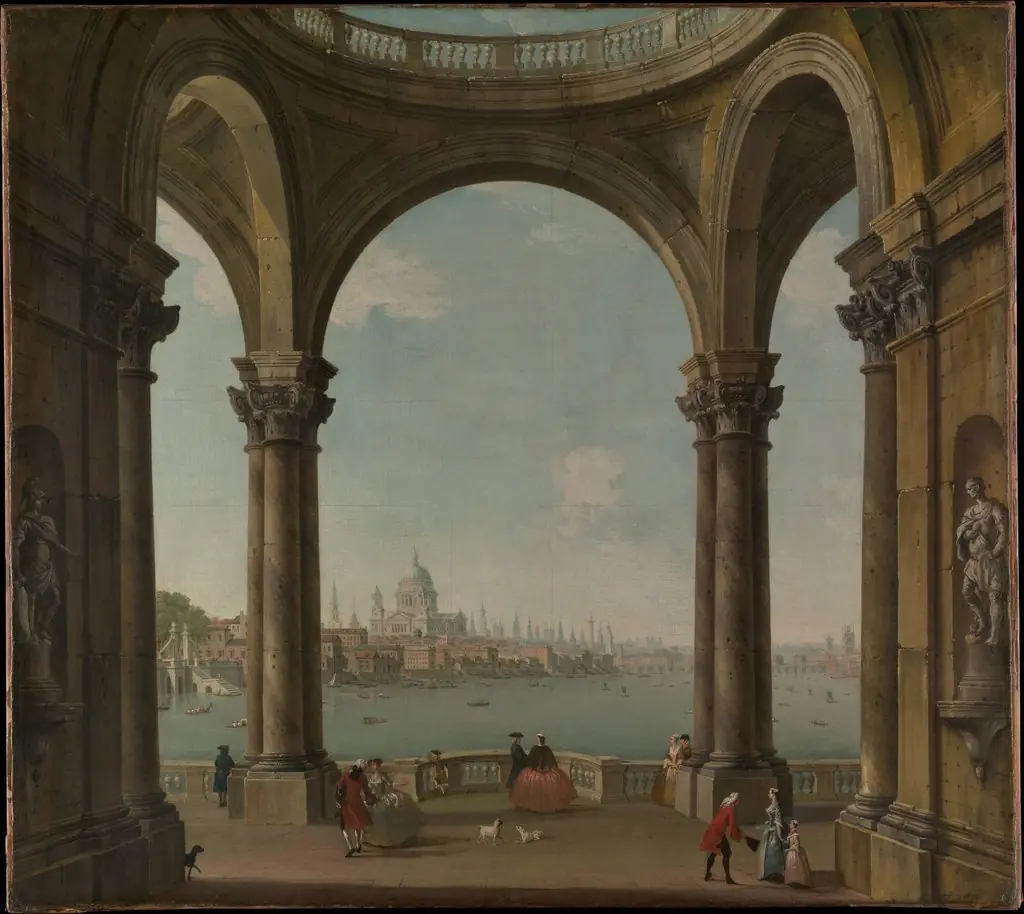 Capriccio with St. Paul's and Old London Bridge
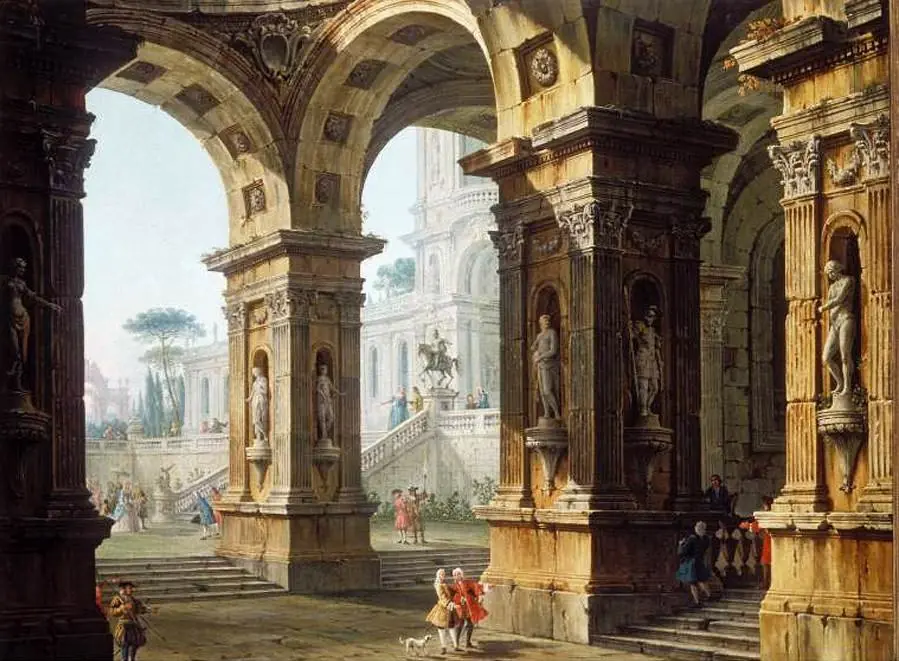 Capriccio with Elegant Figures
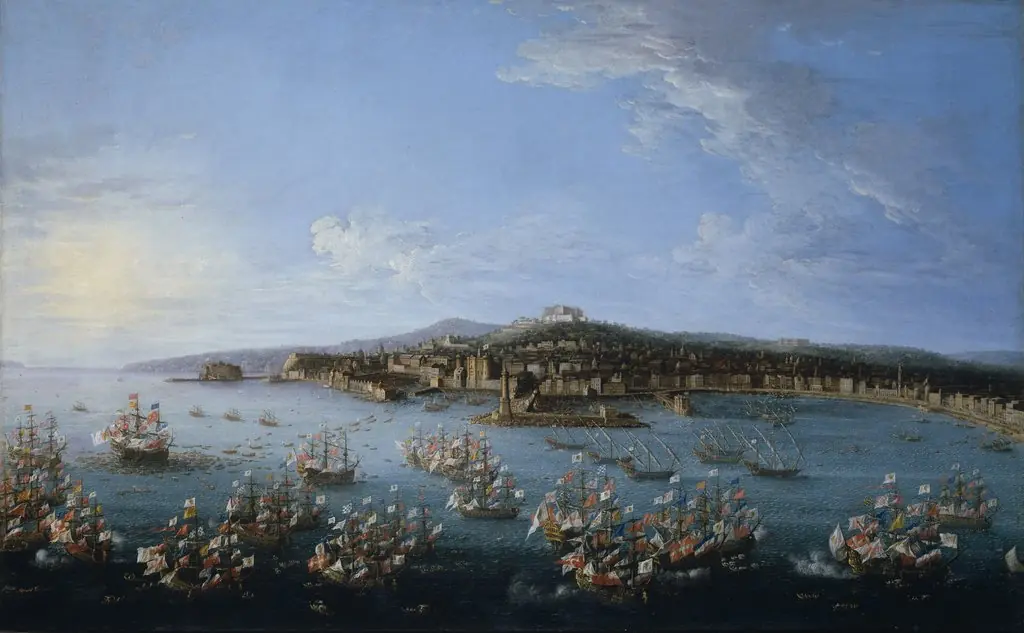 Carlos III leaving the Port of Naples, as Seen from the Sea
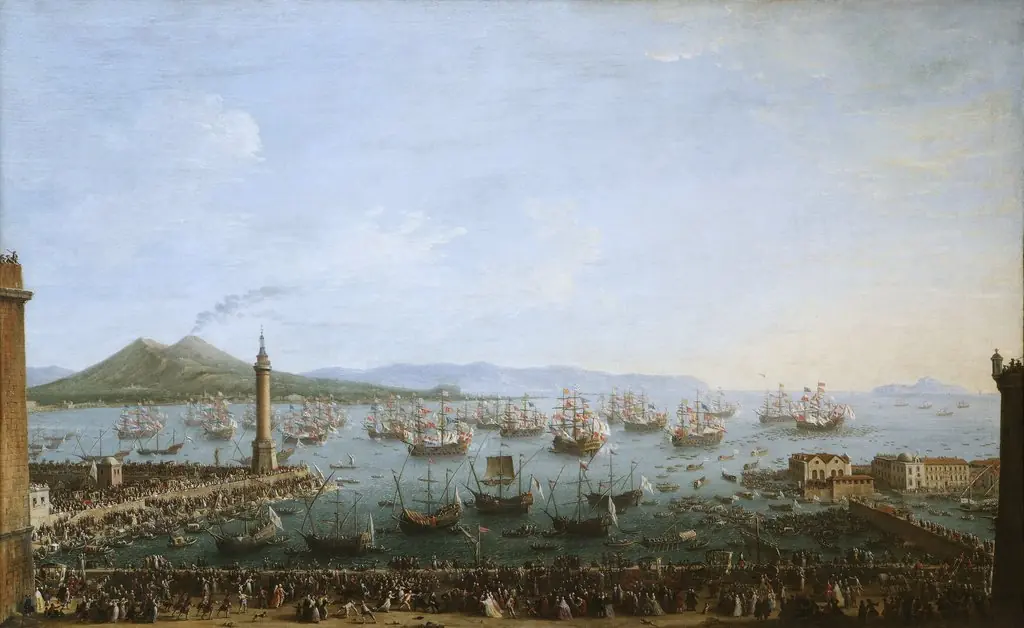 Carlos III leaving the Port of Naples, as Seen from the Land
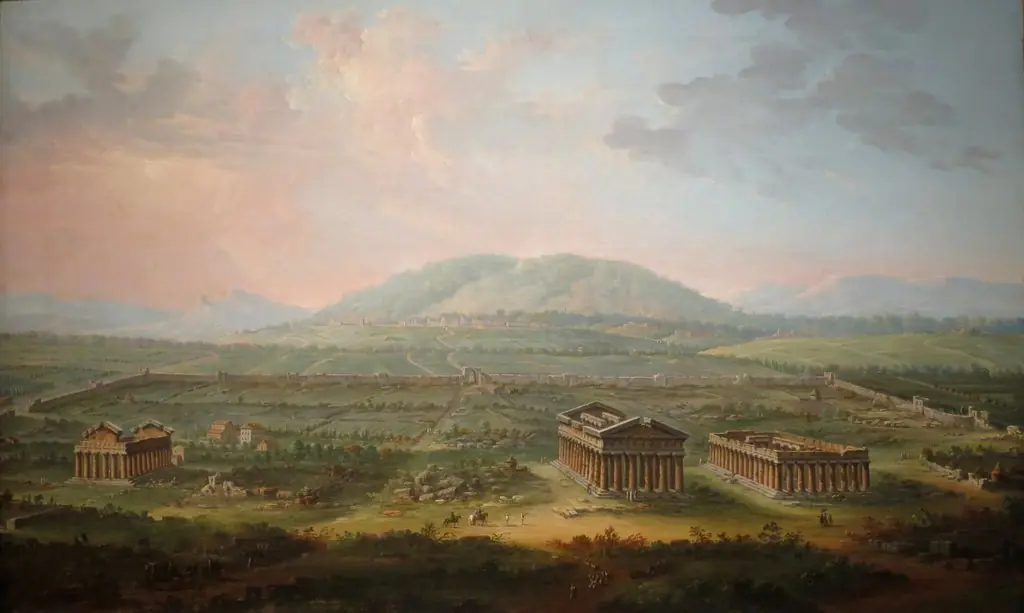 A View of Paestum
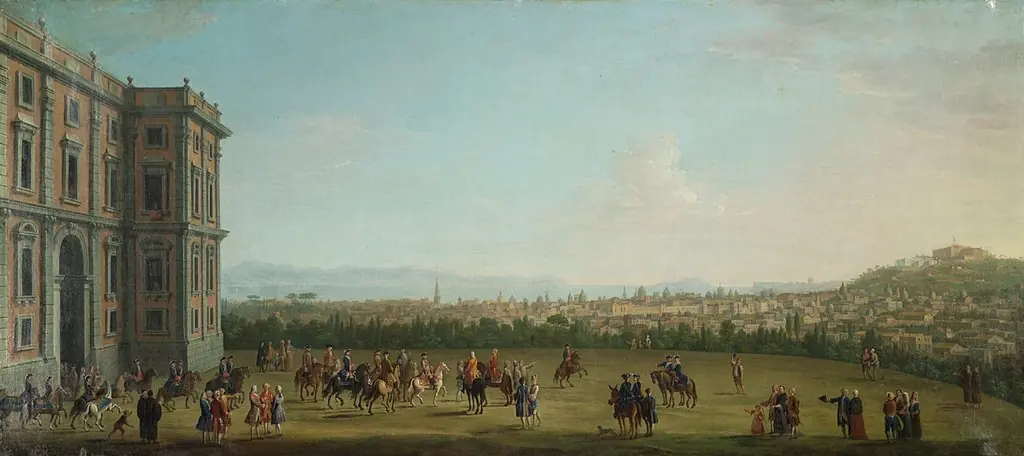 Ansicht von Neapel vom Palazzo di Capodimonte (Im Vordergrund Ferdinand IV. als Kind mit Gefolge beim Ausritt)