Artwork
Annunciation to the Virgin
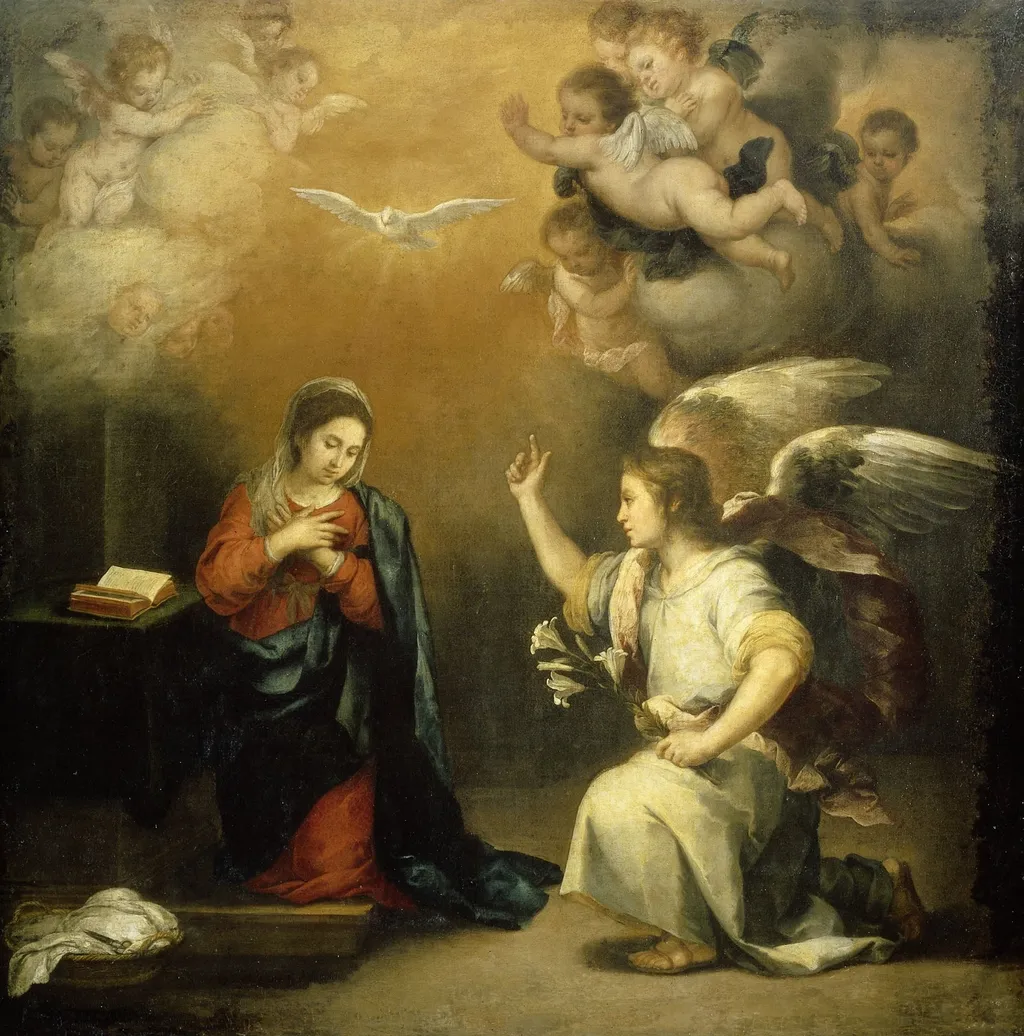
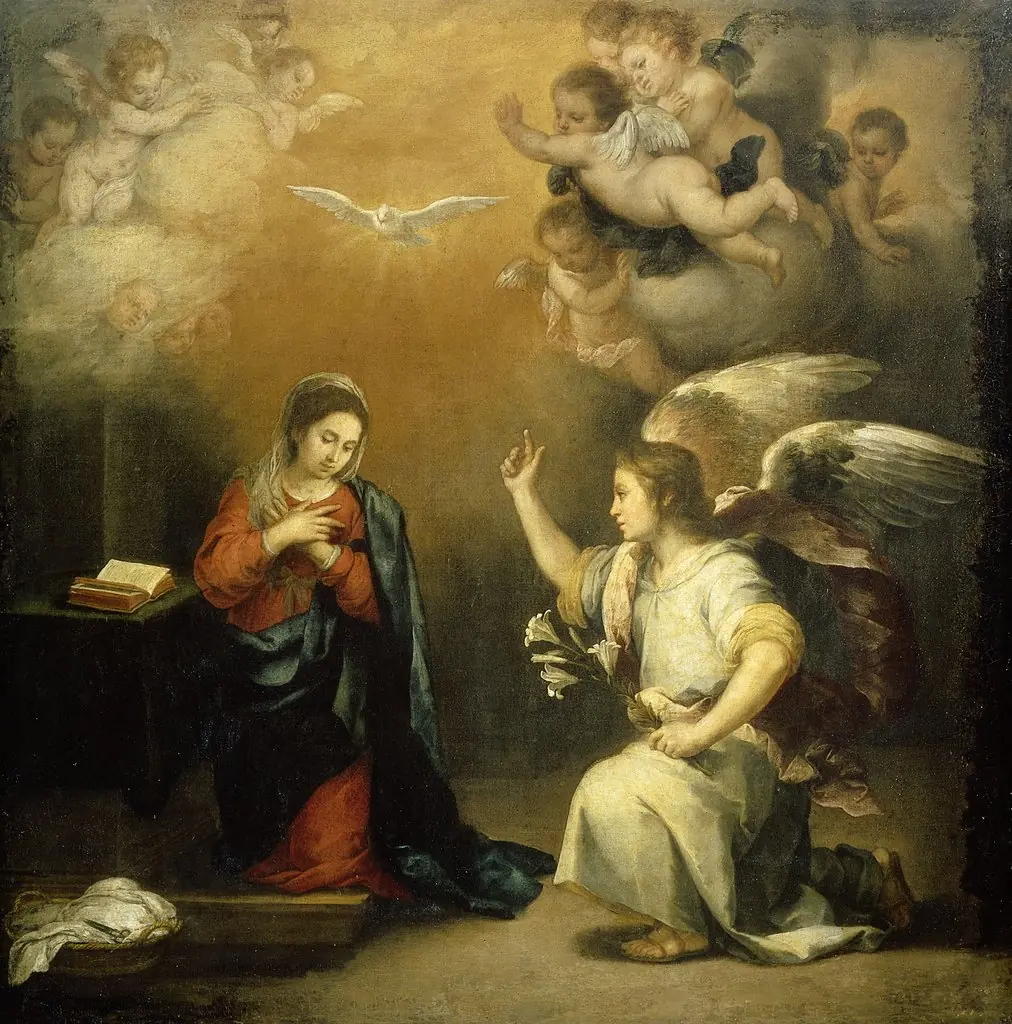
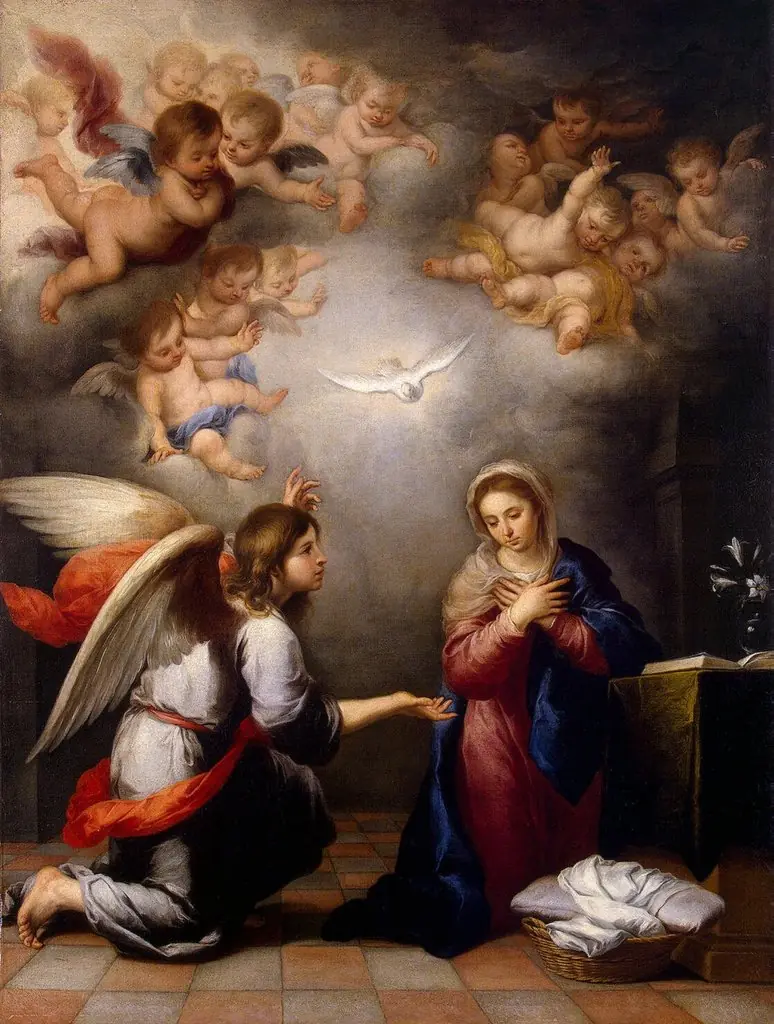
Annunciation to the Virgin is an unspecified painting by the Baroque artist Bartolomé Esteban Murillo. It dates from 1670 and is held in the collection of the Rijksmuseum. The work depicts the biblical Annunciation, showing the Virgin Mary receiving the angel Gabriel’s message.
About this work
Subject & Meaning
As a work by Bartolomé Esteban Murillo, a leading figure of the Spanish Baroque, the piece belongs to the genre of religious painting that defined his career.
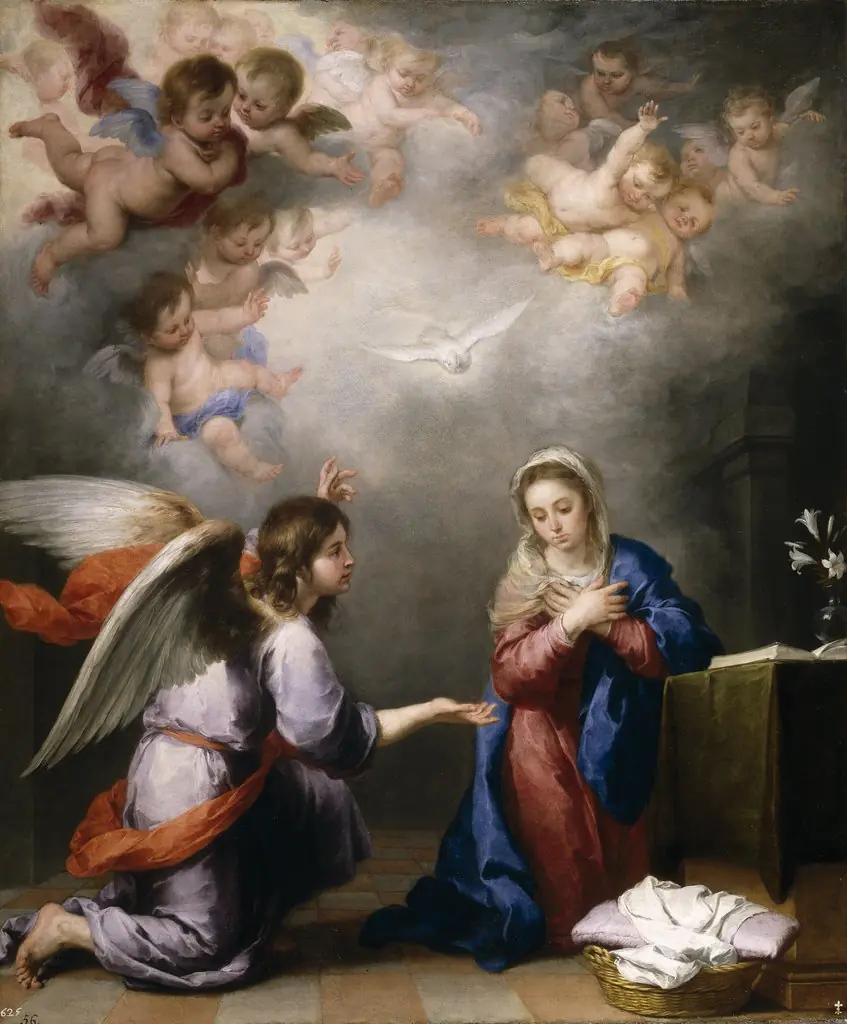
The painting depicts the Annunciation to the Virgin, a religious subject illustrating the biblical moment the Archangel Gabriel announces to Mary that she will conceive the Son of God. As a work by Bartolomé Esteban Murillo, a leading figure of the Spanish Baroque, the piece belongs to the genre of religious painting that defined his career. The subject represents the theological concept of the Incarnation, a central mystery in Roman Catholic doctrine.
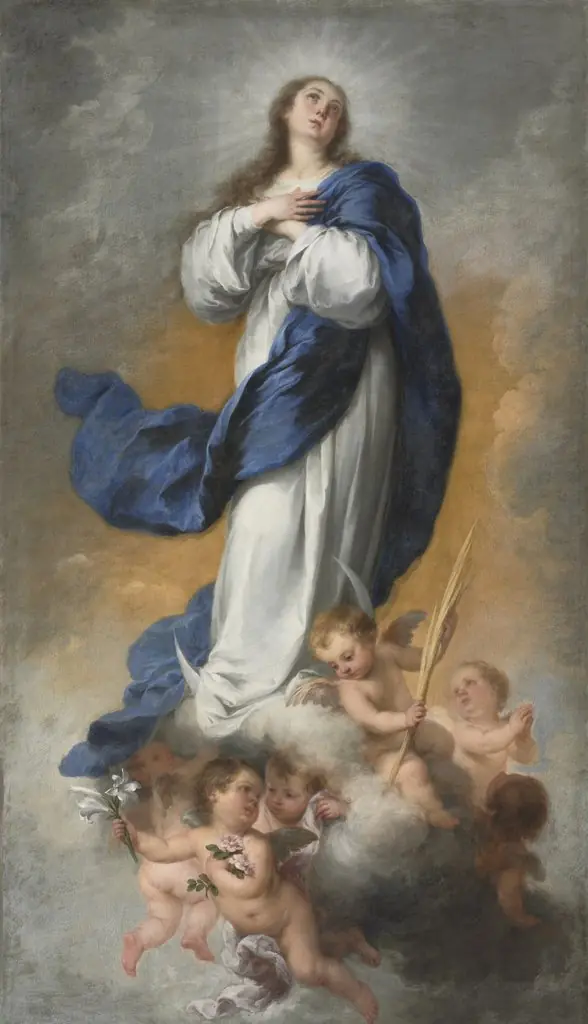
Murillo’s treatment of this theme aligns with his broader artistic focus on Marian imagery, which includes celebrated depictions of the Immaculate Conception. These works were designed to evoke a sense of divine grace and spiritual contemplation, reflecting the fervent faith of the artist and the Counter-Reformation context of 17th-century Seville.
Context
Bartolomé Esteban Murillo's Annunciation to the Virgin (1660–1680) belongs to the mature phase of the leading painter of the Sevillian school during Spain's Golden Age. Working primarily in Seville, Murillo was, alongside Velázquez, Zurbarán, and Ribera, a principal representative of Spanish Baroque painting, and he founded and presided over the Seville Academy of Fine Arts in 1660.
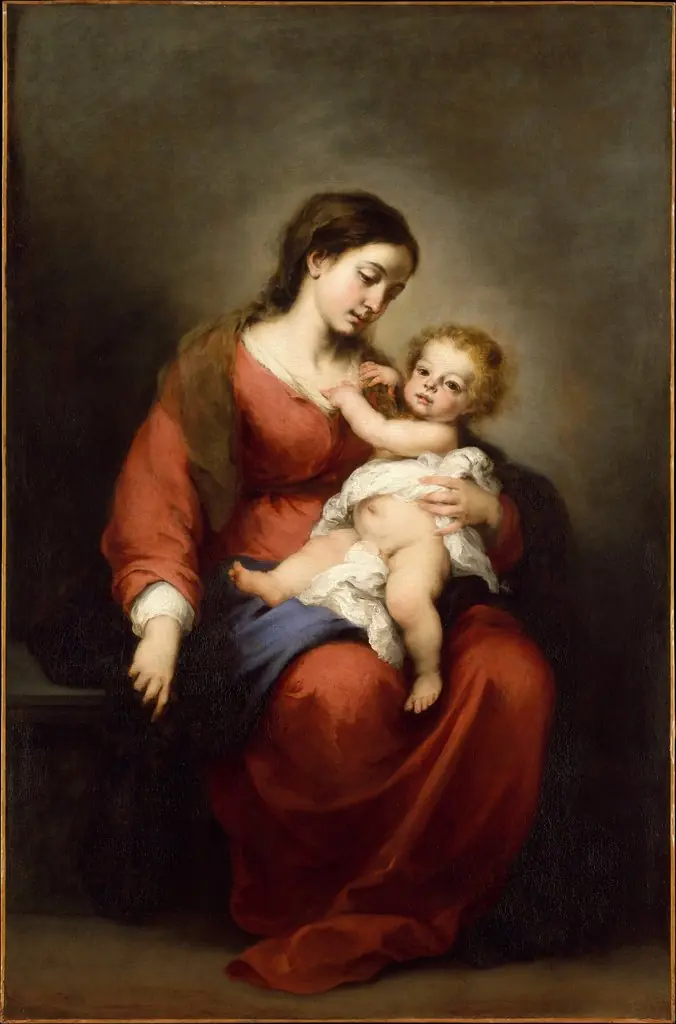
His religious output, of which this Annunciation forms part, evolved from the early tenebrism learned under Juan del Castillo and influenced by Zurbarán, Ribera, and Cano toward a softer, luminous style suited to bourgeois and aristocratic patrons. Marian subjects, including Immaculate Conception and Virgin and Child imagery, were among his most celebrated and frequently commissioned works, making him the leading Sevillian painter of his generation.
In the nineteenth century Murillo was among the most prized European painters, his canvases fetching higher prices than those of Rembrandt or Vermeer, though twentieth-century taste later judged his manner overly sweet.
Legacy
Murillo's later reputation was shaped primarily through his genre scenes of everyday life, especially his depictions of poor children and women, which became highly influential in European art. His works, such as The Young Beggar, were widely reproduced and admired throughout the 19th century, inspiring artists like Bert Van Bulck. Although his style was later critiqued as overly sentimental, his paintings of the Immaculate Conception and genre subjects remained highly sought after, with his works entering major collections across Europe and influencing subsequent religious and secular art.
His legacy was cemented through both his artistic output and his role as founder of the Seville Academy, which helped train future generations.
Overview
The work depicts the biblical Annunciation, showing the Virgin Mary receiving the angel Gabriel’s message. Mary is seated at a table with an open book, while the angel kneels before her, offering a branch of lilies. Above the figures a dove, symbolising the Holy Spirit, and small cherubs drift among clouds.
Technique & Style
Rendered with restrained Baroque sensibilities, the painting avoids dramatic chiaroscuro and vigorous movement. Soft modeling and calm spatial arrangement create a tranquil atmosphere, focusing attention on the figures’ gestures and the subtle play of light across the objects.
History & Provenance
The piece belongs to the tradition of Baroque interpretations of the Annunciation, a subject frequently revisited by artists of the period. Its provenance traces through private collections before entering a public museum, where it is displayed alongside comparable works from the era.
Own this work as a print
Artist & collection
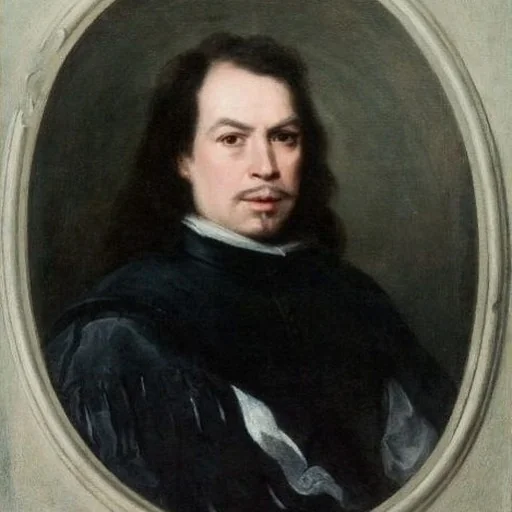
Artist
Bartolomé Esteban Murillo ( mure-IL-oh, m(y)uu-REE-oh, Spanish:; late December 1617, baptised 1 January 1618 – 3 April 1682) was a Spanish Baroque painter.