Artwork
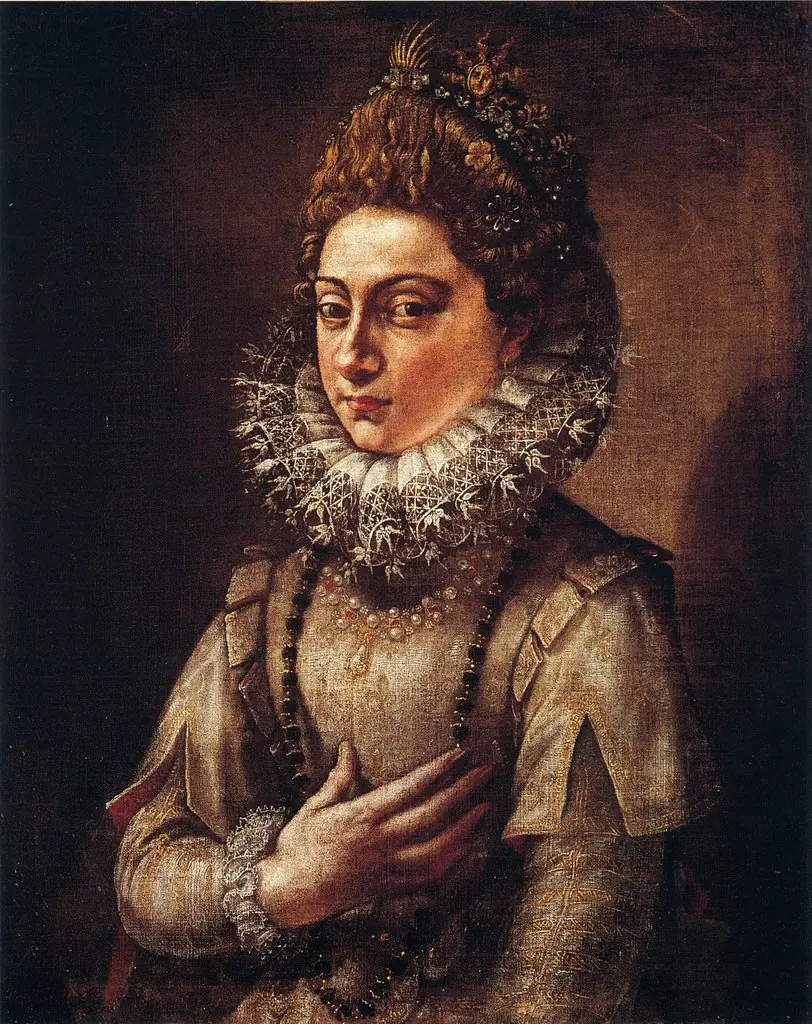
Portrait of Maria of Portugal, Duchess of Parma (1538-1577).
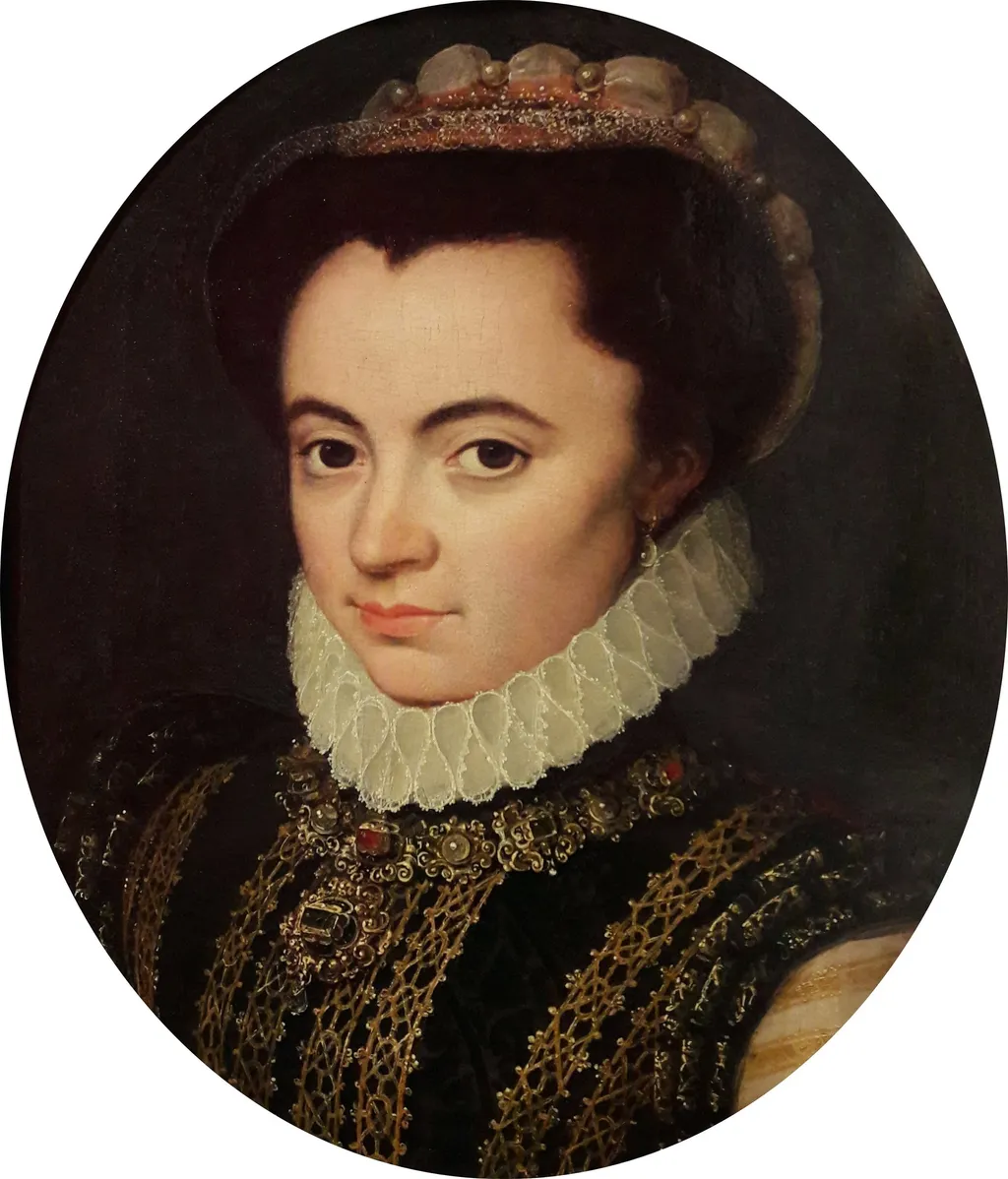
Portrait of Maria of Portugal, Duchess of Parma (1538-1577). is an oil painting by Antonis Mor. It dates from 1555 and is held in the collection of the National Museum of Ancient Art.
About this work
Overview
The painting is now held in the collection of the National Museum of Ancient Art in Lisbon, where it remains a key example of mid-16th-century portraiture.
Painted in 1555 by the Netherlandish artist Antonis Mor, this oil portrait captures Maria of Portugal, Duchess of Parma, during her time as a member of the European nobility. Mor, known for his precise and restrained courtly style, executed the work while active across major royal courts. The painting is now held in the collection of the National Museum of Ancient Art in Lisbon, where it remains a key example of mid-16th-century portraiture.
Subject & Meaning
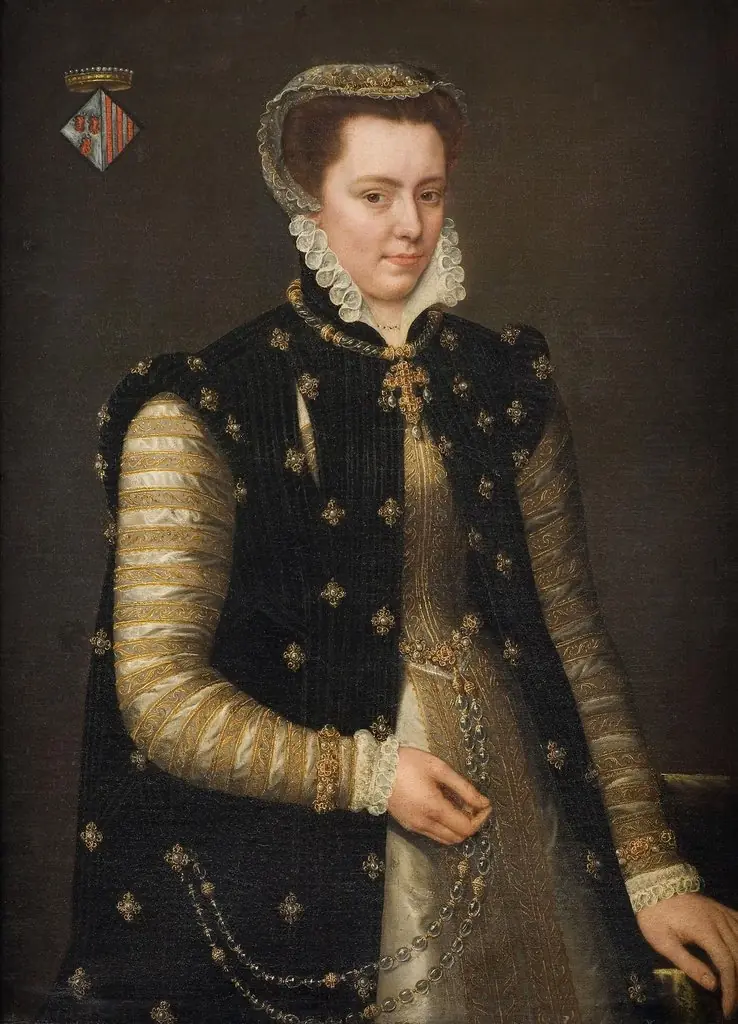
Maria of Portugal, daughter of King Manuel I, was Duchess of Parma through marriage to Ottavio Farnese. The portrait emphasizes her royal status through regalia: a crown, elaborate gold embroidery, and refined jewelry. Her solemn expression and direct gaze convey dignity and authority, aligning with the expectations of noble women in Habsburg-aligned courts. The image functions as both personal likeness and political statement, affirming her lineage and marital alliance.
Technique & Style
Mor employed oil paint with meticulous attention to texture and detail, particularly in the fabric of the black gown and the luminous sheen of gold thread. The high collar and intricate jewelry are rendered with clinical precision, while the dark, unmodeled background isolates the figure, enhancing focus on her presence. His approach, influenced by Titian’s tonal harmony, avoids theatricality in favor of quiet realism, a hallmark of his courtly portraiture.
History & Provenance
Commissioned during Maria’s tenure as Duchess of Parma, the portrait likely served diplomatic or familial purposes, reinforcing her status in Italian and Iberian courts. It entered the Portuguese royal collection and remained in royal hands until the 19th century, when it was transferred to the National Museum of Ancient Art. Its continuous presence in Portuguese institutional collections underscores its cultural significance within the nation’s artistic heritage.
Context
Mor’s work emerged during a period when Northern European artists were increasingly sought after by Iberian and Italian courts for their technical discipline. His style, blending Flemish detail with Italian colorism, became a model for later Spanish painters, including Velázquez. This portrait reflects the transnational nature of Renaissance court culture, where artistic conventions traveled alongside dynastic marriages and political alliances.
Legacy
The portrait exemplifies the spread of a refined, psychologically restrained portraiture tradition that bridged Northern and Southern Europe. Mor’s influence endured in Iberian court painting, where his emphasis on quiet authority and material precision shaped generations of artists. This work remains a reference point for understanding how identity, status, and artistic skill converged in the visual language of 16th-century nobility.
Own this work as a print
Artist & collection
Artist
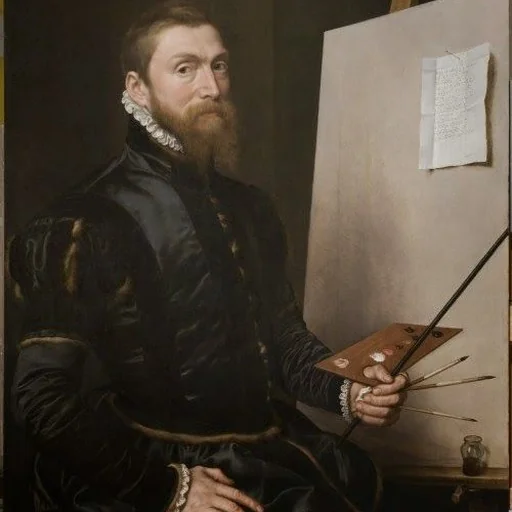
Anthonis Mor, also known as Anthonis Mor van Dashorst and Antonio Moro (c. 1517 – 1577), was a Netherlandish portrait painter, much in demand by the courts of Europe. He has also been referred to as Antoon, Anthonius,…

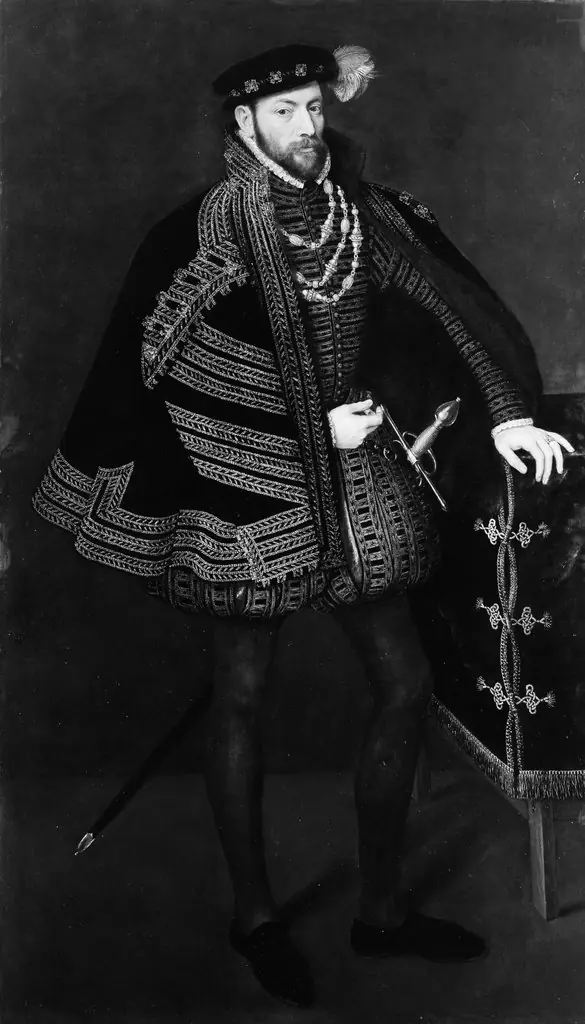 Portrait of a Man, Possibly Ottavio Farnese (1524–1586), Duke of Parma and Piacenza
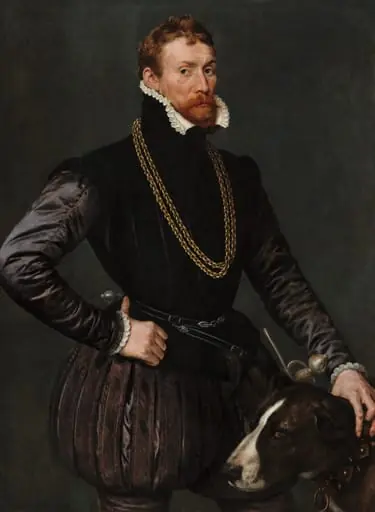 Portrait of a Gentleman
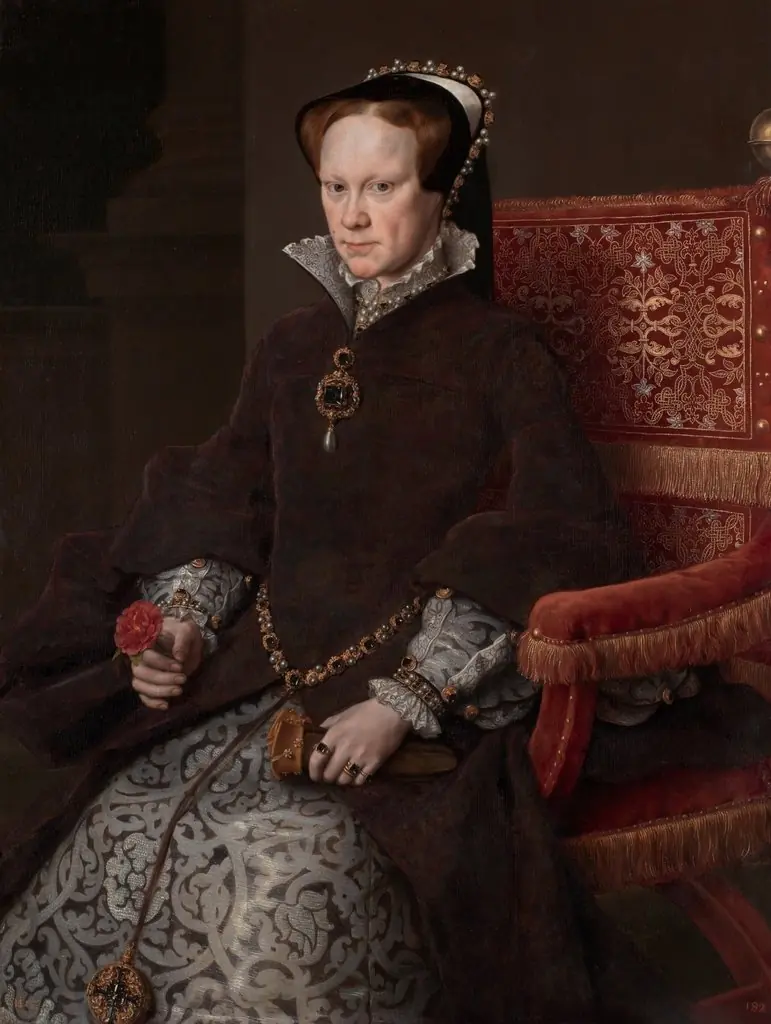 Portrait of Mary Tudor
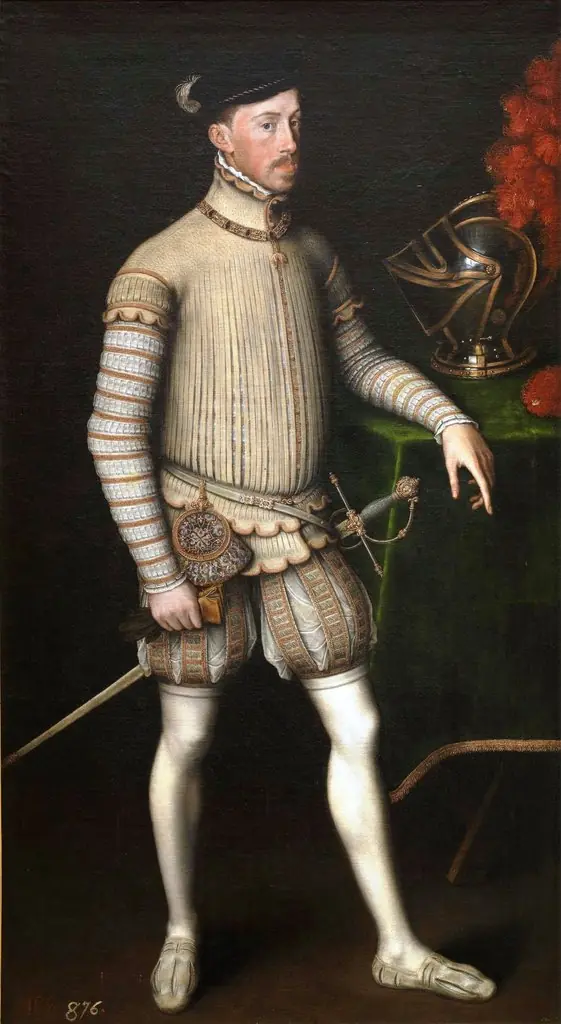 Emperor Maximilian II
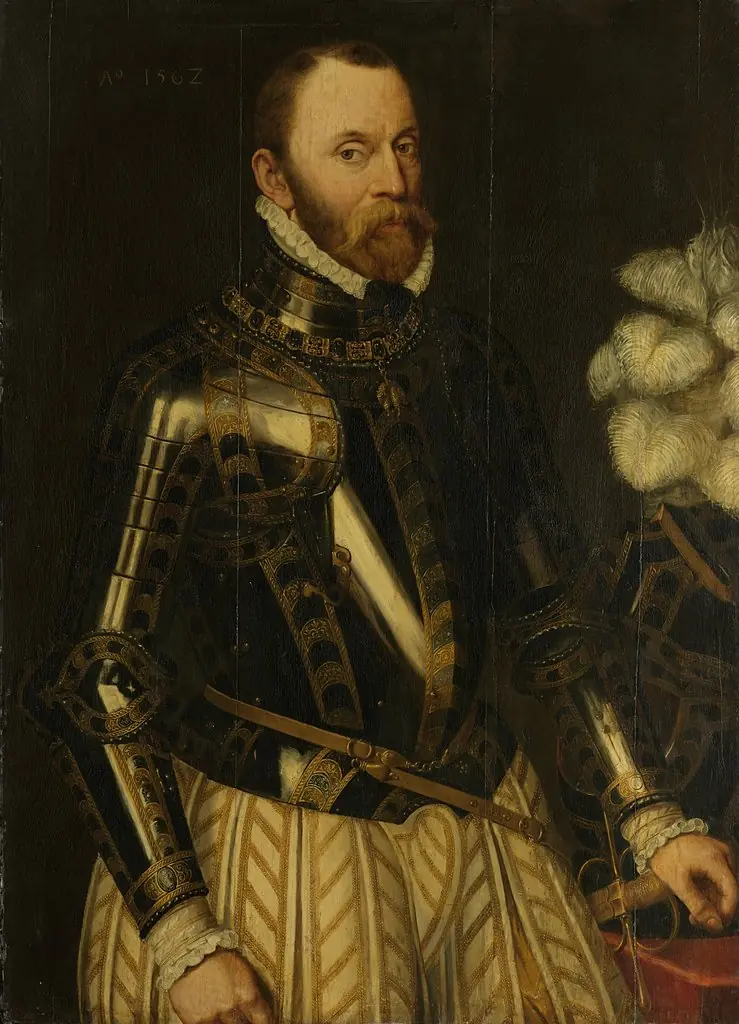 Philippe de Montmorency
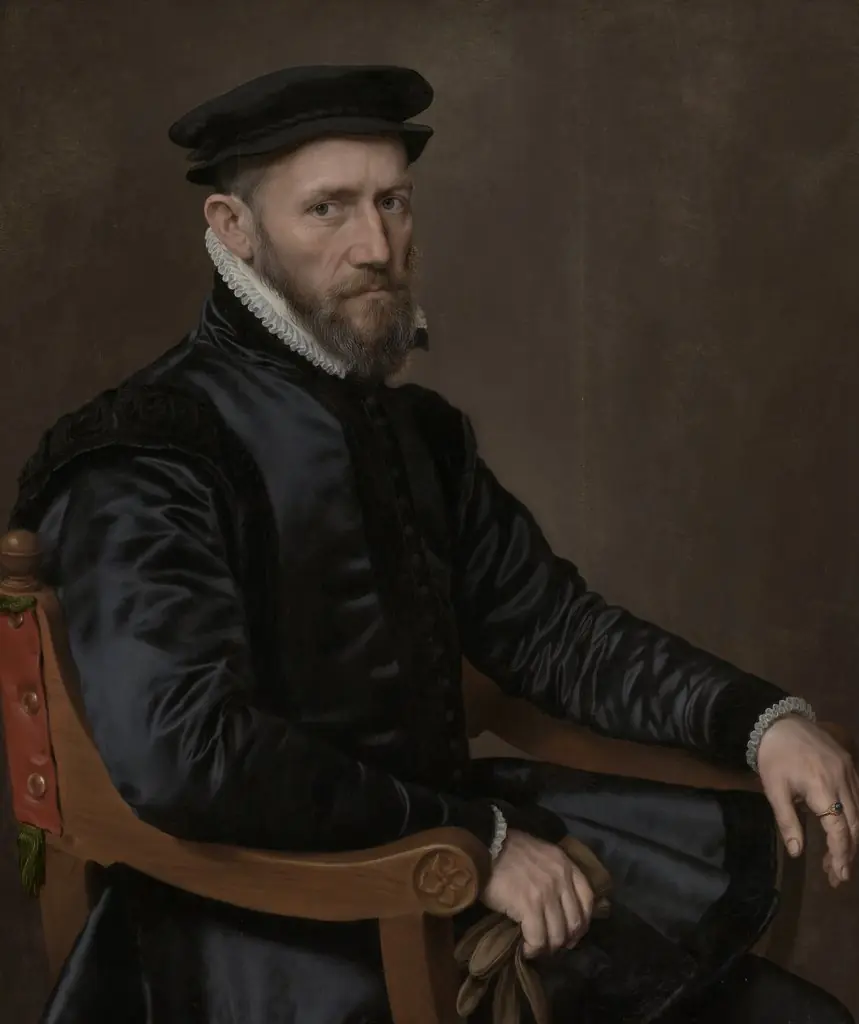 Portrait of Sir Thomas Gresham, pendant to portrait of Anne Fernely
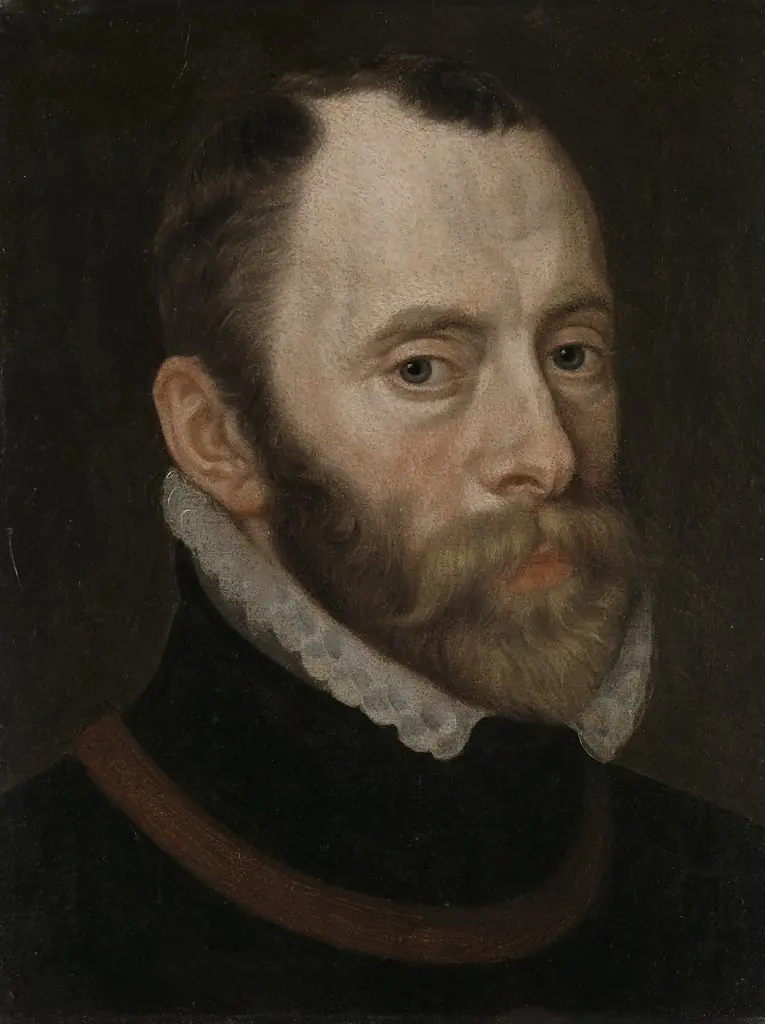 Portrait of Philippe de Montmorency, Count of Hoorne, Admiral of the Netherlands, Member of the Council of State
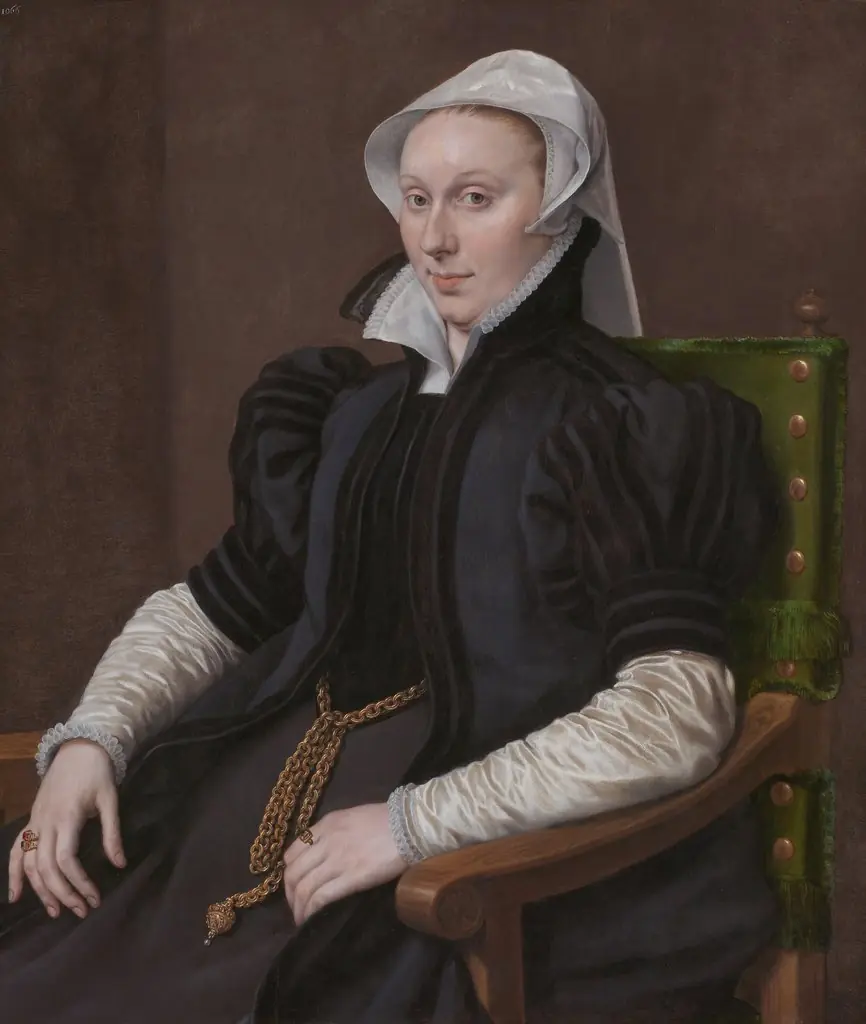 Portrait of Anne Fernely, pendant to Sir Thomas Gresham
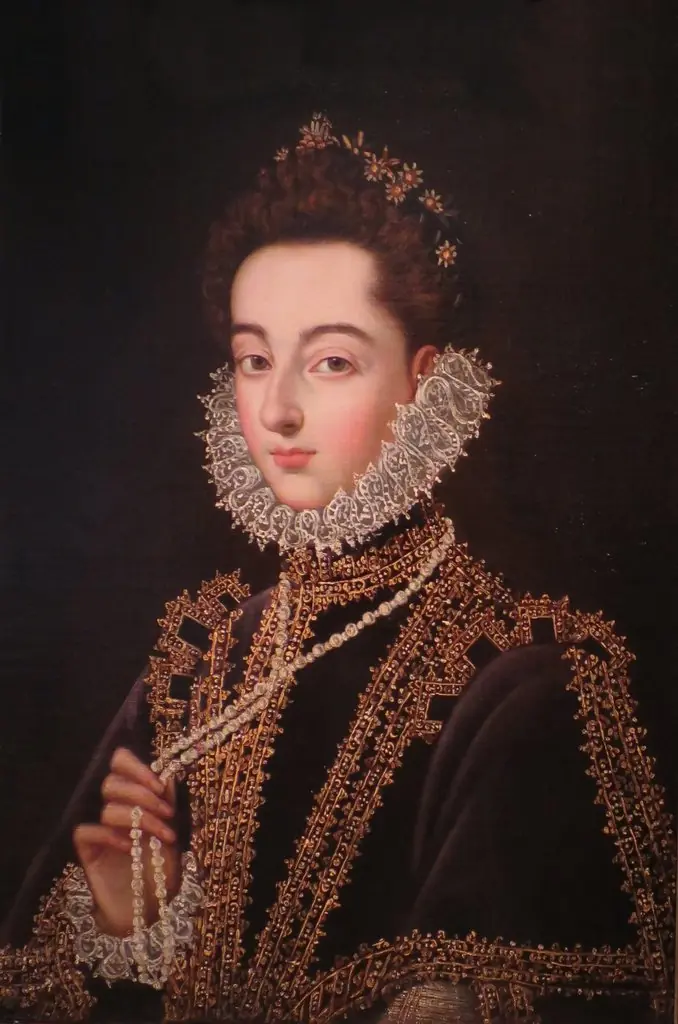 Portrait of the Infanta Catalina Michaela of Austria
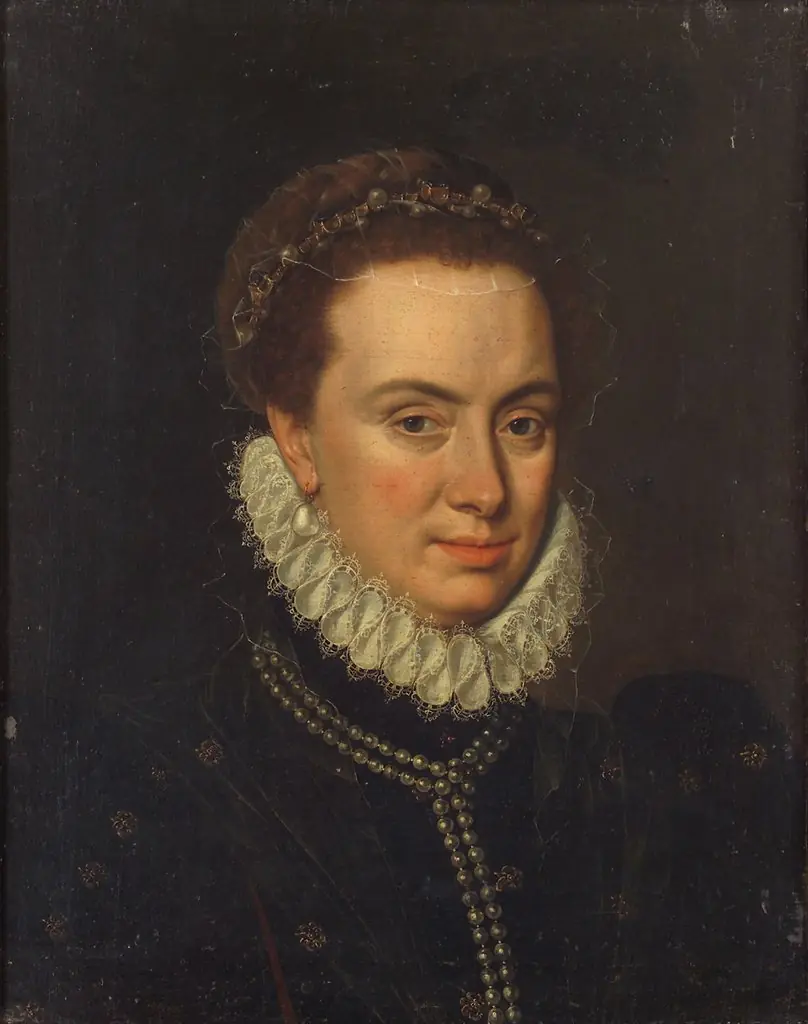 Margarete von Parma (1522-1586), Brustbild der etwa Vierzigjährgen
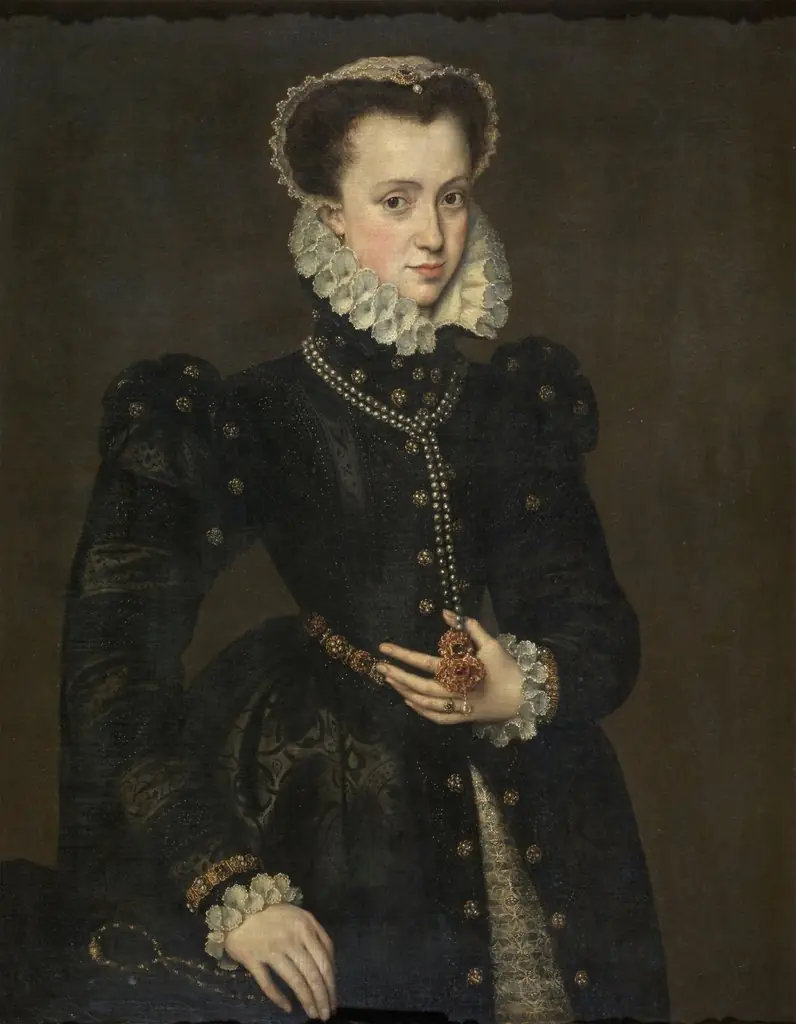 Portrait of a Lady
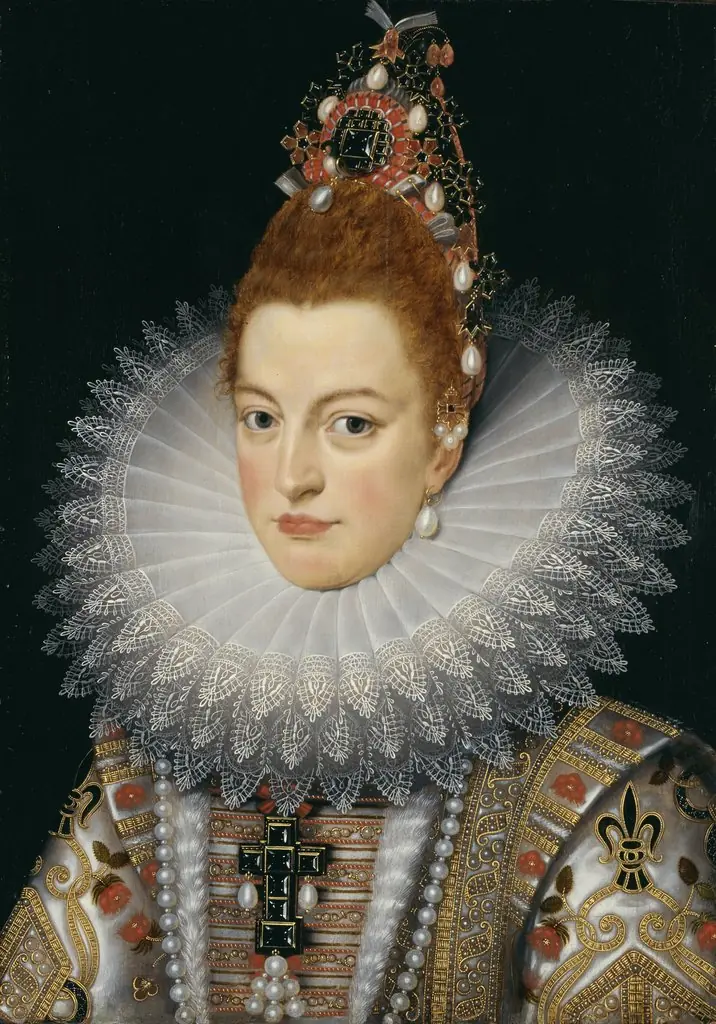 Portrait of Archduchess Isabella
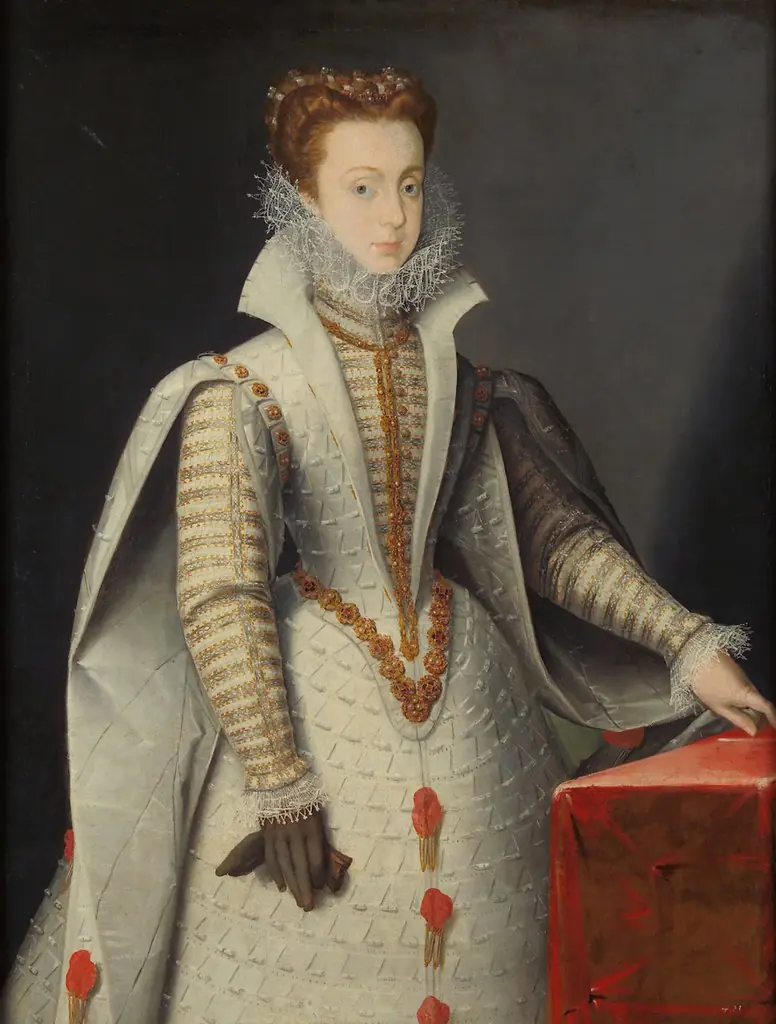 Herzogin Margarete von Joyeuse (1564-1625), Dreiviertelbildnis
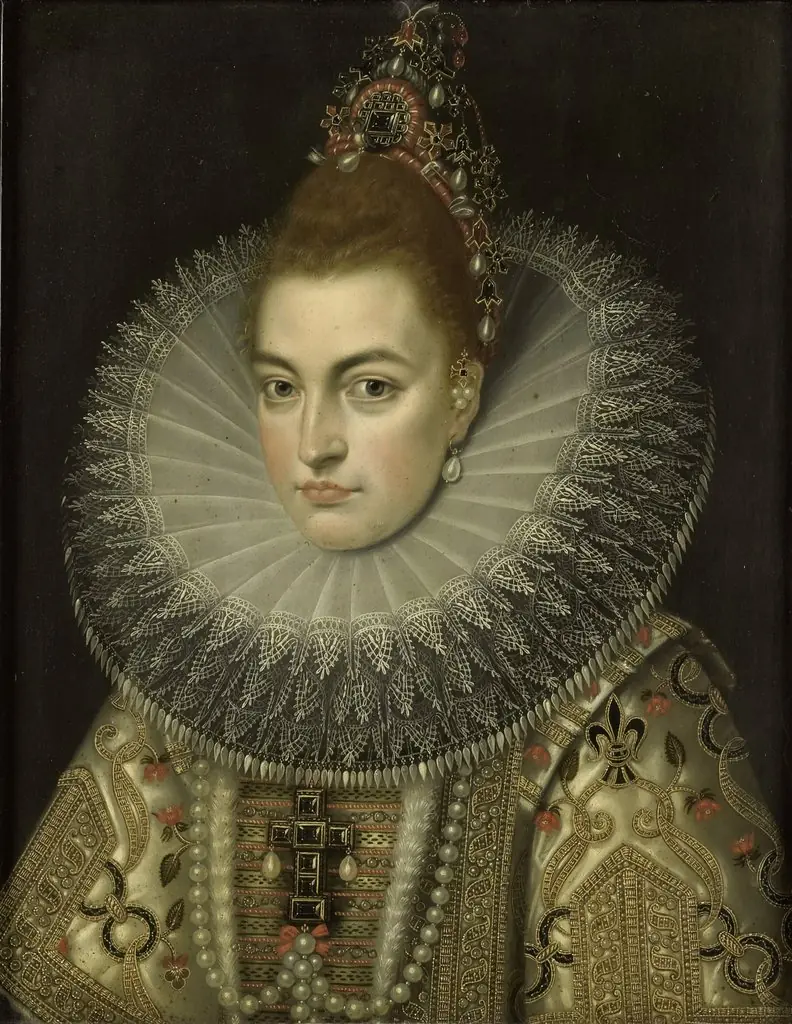 Isabella Clara Eugenia, Consort of Archduke Albert VII
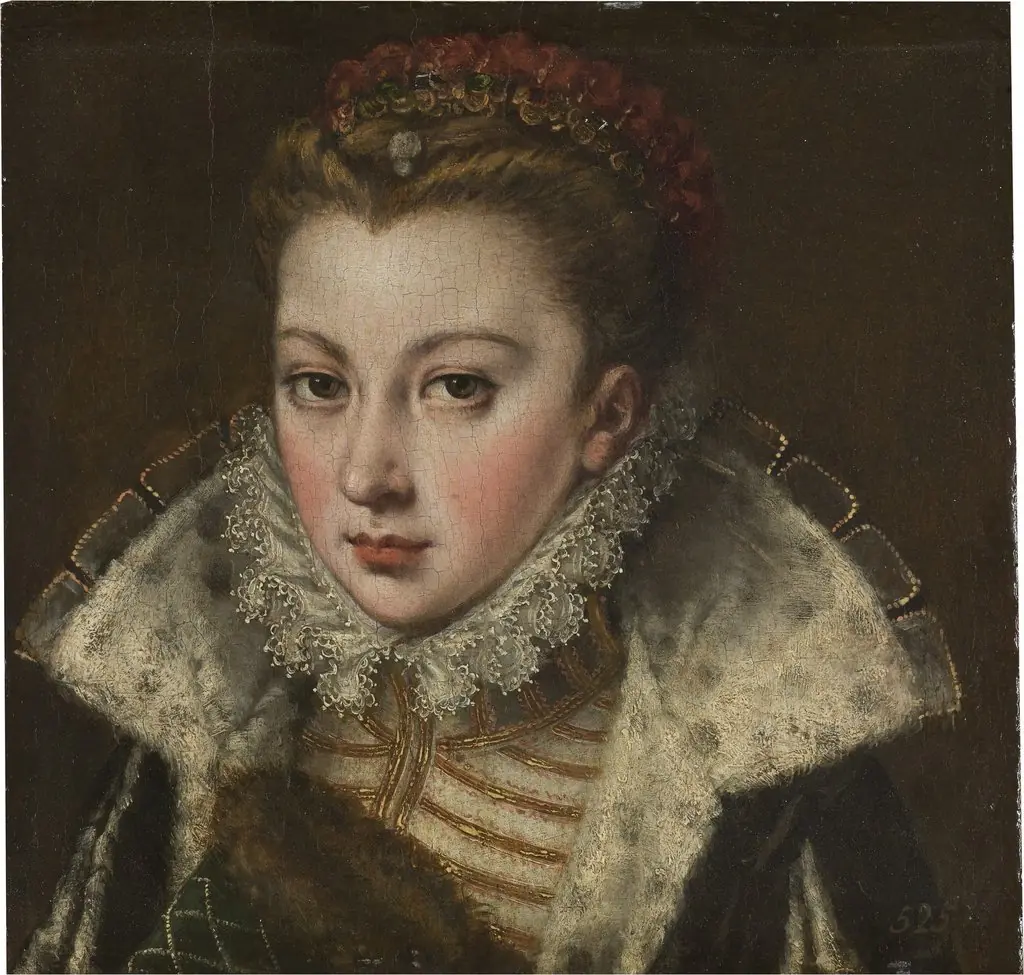 An Unknown Young Woman
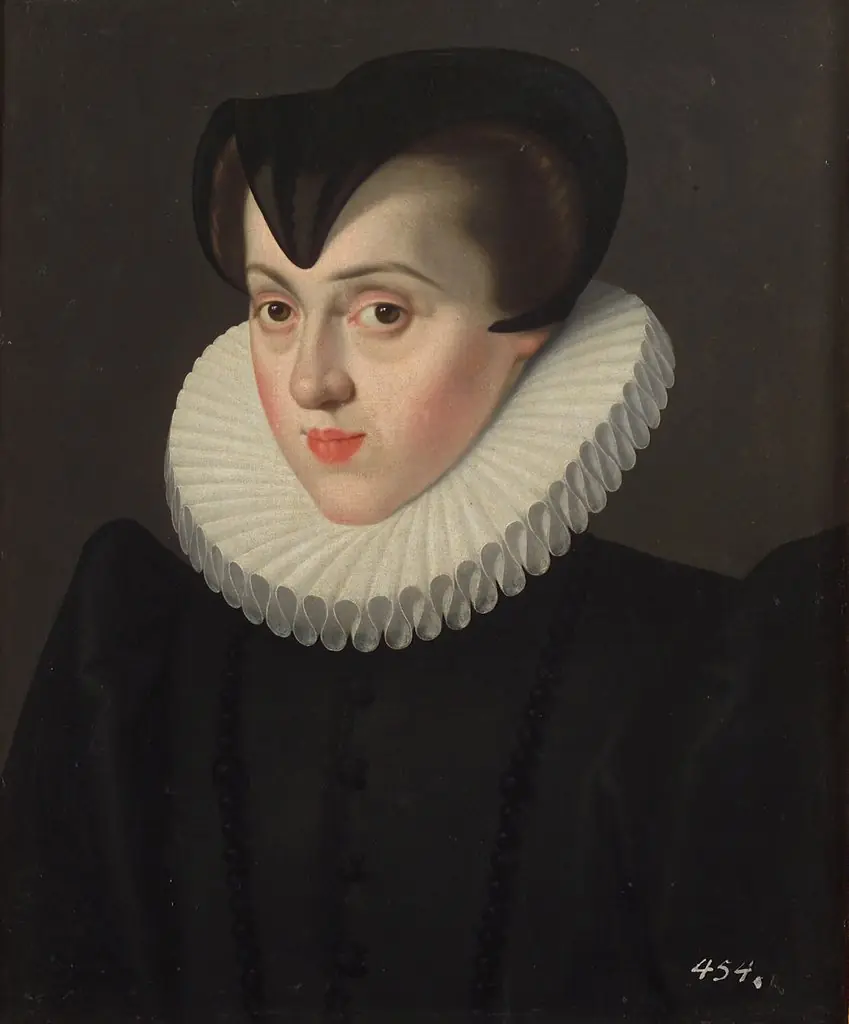 Erzherzogin Elisabeth (1554-1592), Königin von Frankreich, in Witwentracht, Brustbild
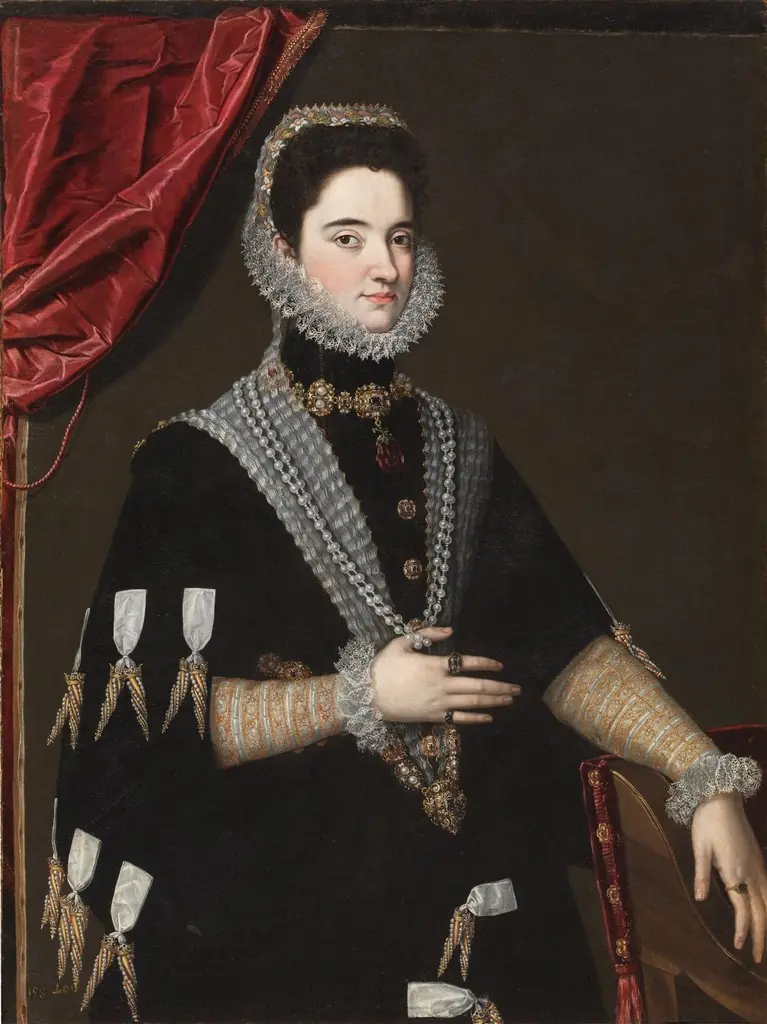 Portrait of a Lady
 Portrait of a princess