Artwork
Romulus and Remus discovered by the Herdsman Faustulus
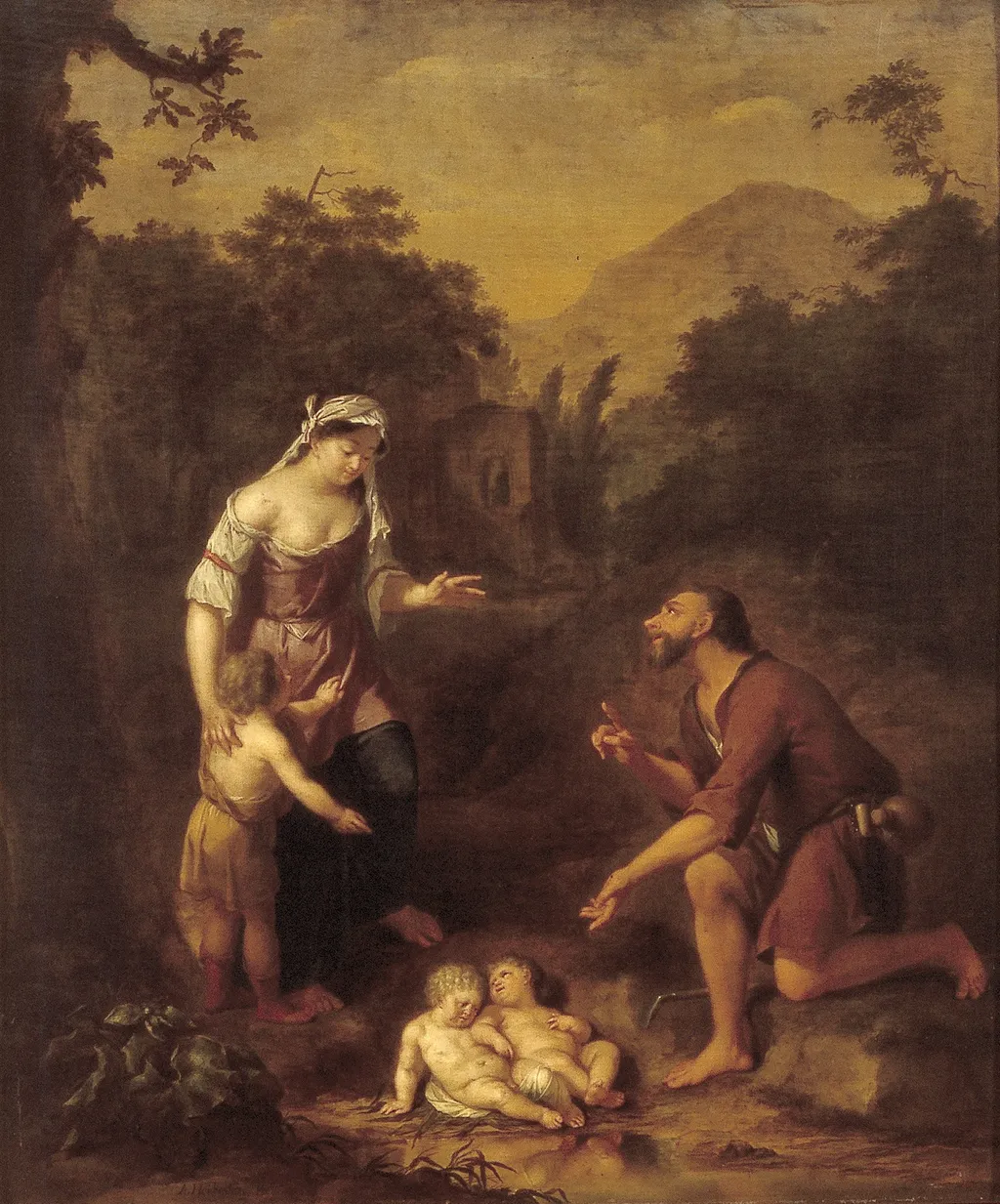
Romulus and Remus discovered by the Herdsman Faustulus is an oil painting by the Barbizon school artist Arnold Houbraken. It dates from 1709 and is held in the collection of the Rijksmuseum.
About this work
Subject & Meaning
The she-wolf functions as both nurturer and emblem of Rome itself, while the presence of Faustulus represents human agency in the unfolding of destiny.
The painting depicts the moment when the shepherd Faustulus discovers the infants Romulus and Remus being suckled by a she-wolf, a foundational episode in Roman mythology. The scene centers on the infants, rendered vulnerable yet auspicious, while the wolf stands protectively over them. Faustulus appears as an older man observing the scene, often interpreted as the agent of Rome’s destiny.
Symbolically, the work visualizes the myth of Rome’s origins, tying the brothers’ survival to divine favor and the city’s future foundation. The she-wolf functions as both nurturer and emblem of Rome itself, while the presence of Faustulus represents human agency in the unfolding of destiny.
Technique & Style
The painting is executed in oil on a wooden panel support, measuring 61 cm in height and 50 cm in width. Houbraken’s handling emphasizes chiaroscuro, with carefully modulated light that isolates the central figures and the exposed infants against a darker background, highlighting the dramatic moment of discovery. The composition is structured around a diagonal axis running from the lower right toward the upper left, guiding the viewer’s eye from Faustulus’s animated gesture and animated expression to the clustered bodies of the twins and the she-wolf.
Stylistically, the work adheres to the Dutch late-Baroque tradition, characterized by smooth modeling, restrained palette, and precise narrative focus, aligning with the history painting genre.
History & Provenance
Arnold Houbraken created the oil painting Romulus and Remus discovered by the Herdsman Faustulus in 1709. Executed on a panel, the work measures 61 cm in height and 50 cm in width. The piece is currently held within the Cultural Heritage Agency of the Netherlands Art Collection (Rijksdienst Beeldende Kunst) and is located at the Rijksmuseum.
No specific details regarding the original commission, the identity of the initial patron, or the precise chain of ownership prior to its current institutional home are provided in the available records.
The painting is housed in the Rijksmuseum collection, listed under inventory number SK-A-4531. It was created in 1709 by Arnold Houbraken and has been part of the Rijksmuseum's holdings since its acquisition. The work was exhibited in the Rijksmuseum's 1980 exhibition of Dutch Golden Age paintings and later featured in the 2005 exhibition 'Dutch Masters: From Rembrandt to Vermeer' at the same institution.
Overview
Romulus and Remus discovered by the Herdsman Faustulus is a 1709 oil painting by Arnold Houbraken, a Dutch artist from Dordrecht. The work is classified as a history painting within the Barbizon School movement and is part of the Rijksmuseum's collection.
Context
While the Barbizon School attribution in the source is anachronistic (the movement began in the 19th century), the painting reflects 18th-century interests in historical and mythological subjects. Its style and themes place it within the broader context of Dutch art's continued engagement with classical narratives.
Legacy
The painting serves as a representative example of Arnold Houbraken's artistic output, illustrating his approach to historical themes. However, its broader impact or influence within the art historical canon is not prominently noted in available sources.
Own this work as a print
Artist & collection
Artist
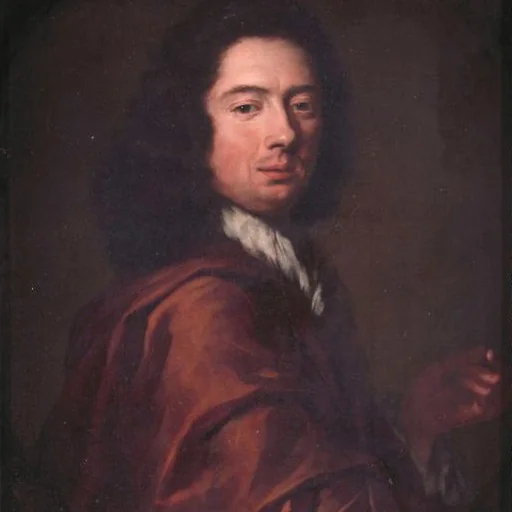
Arnold Houbraken (28 March 1660 – 14 October 1719) was a Dutch painter and writer from Dordrecht, now remembered mainly as a biographer of Dutch Golden Age painters.

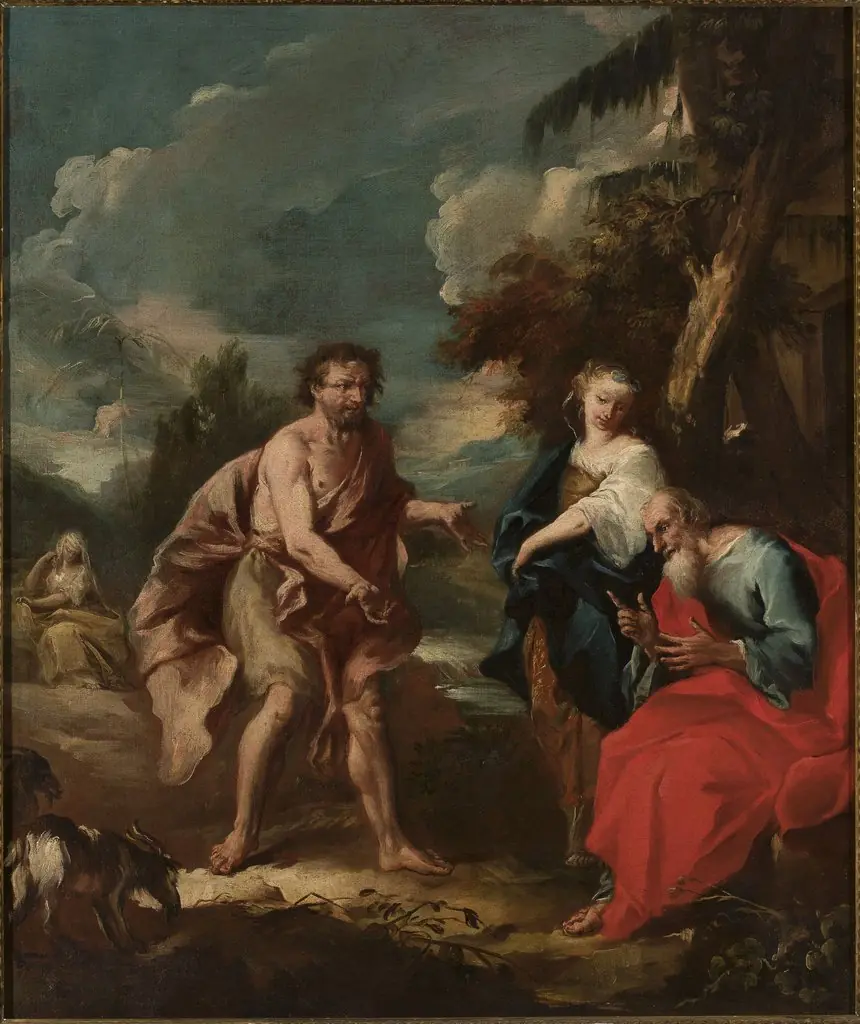 Jacob and Rachel
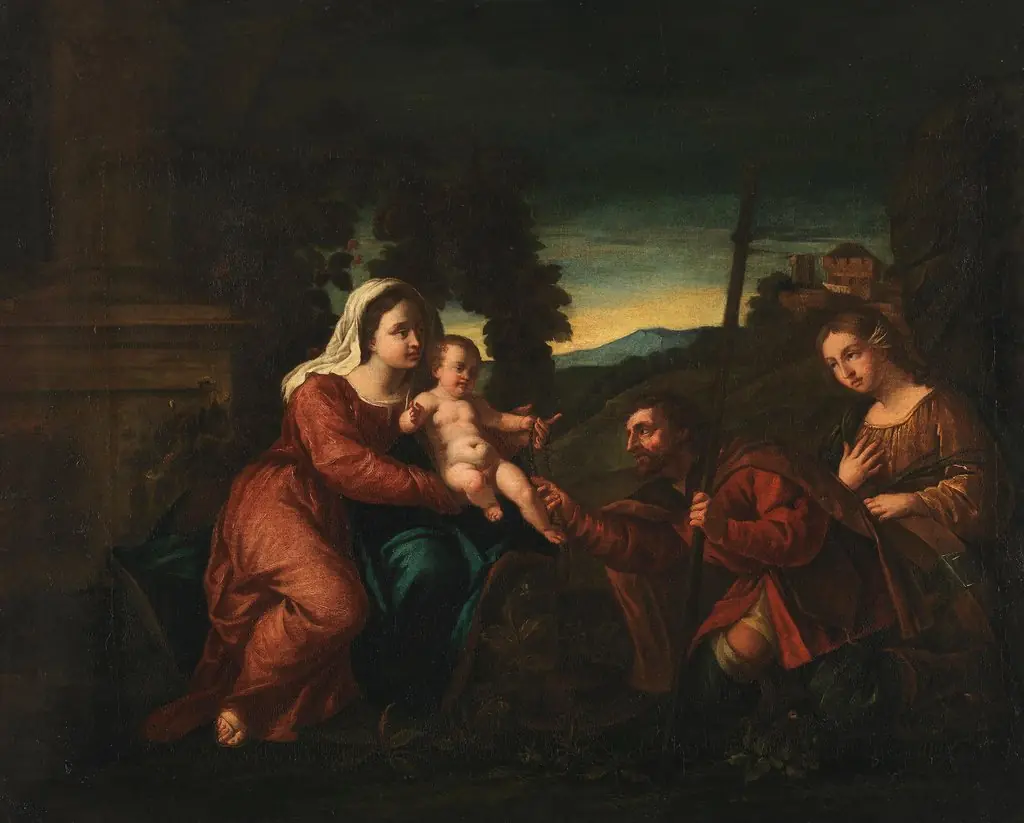 Madonna and Child with Saints Roche and Mary Magdalene
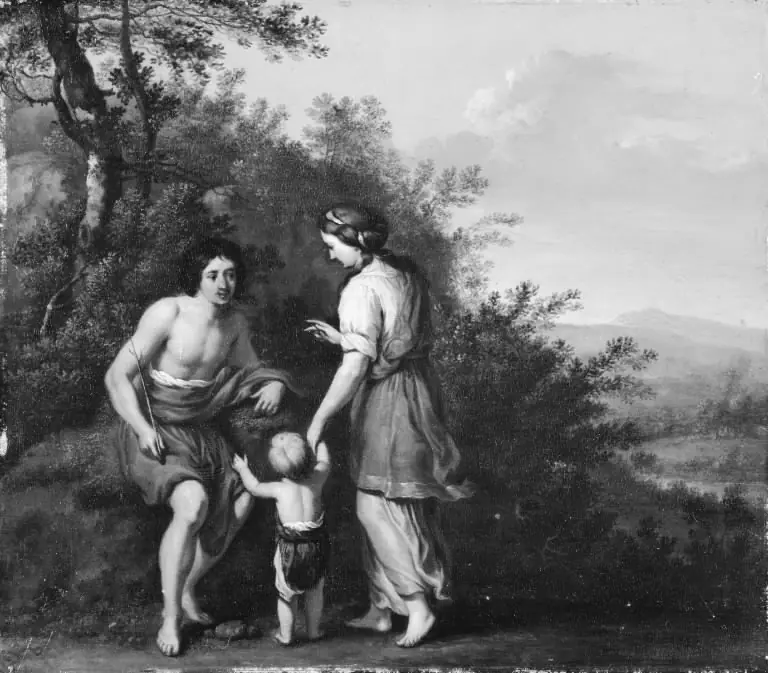 Landscape with Shepherd and Shepherdess
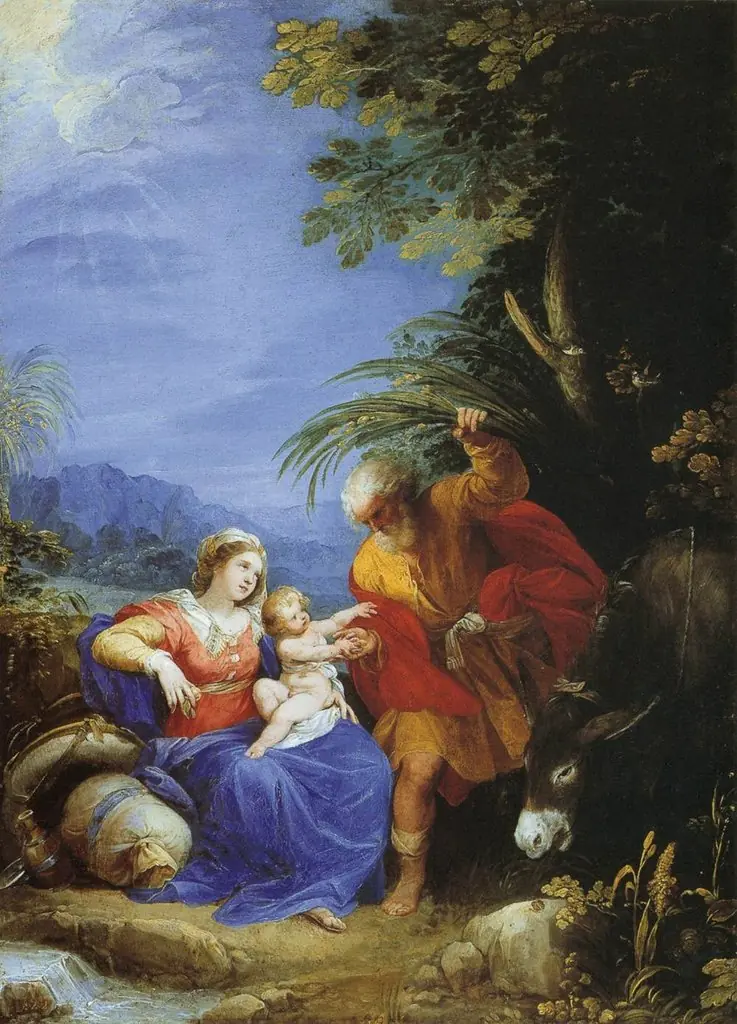 Rest on the Flight into Egypt
 Virgin and Child with Saints Jerome and Catherine and an Angel
 Rest on the flight to Egypt
 The Banishment of Hagar
 Nymphs Feeding the Child Jupiter
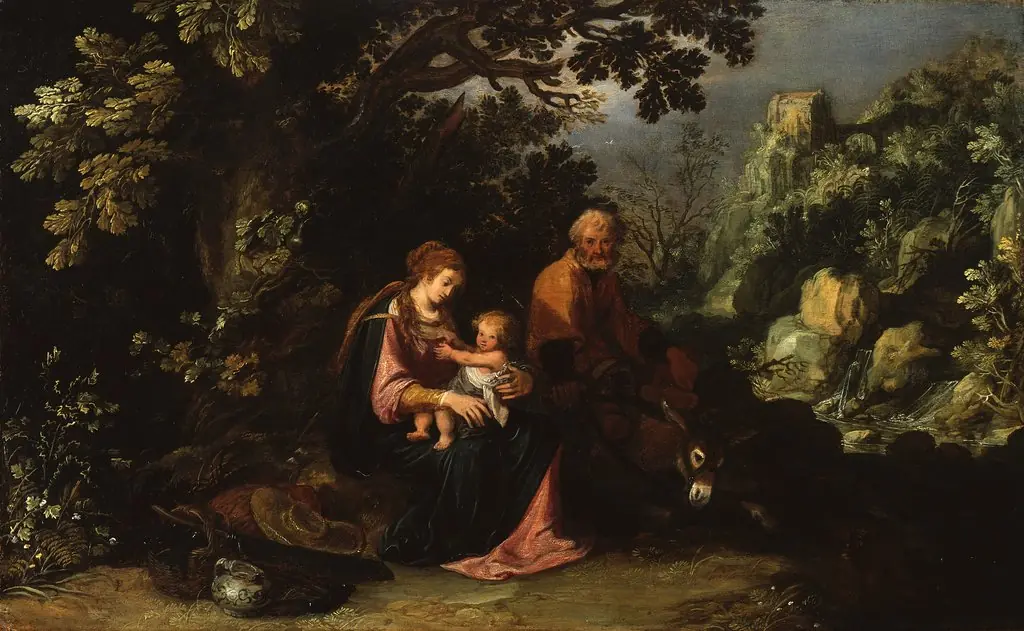 The Rest on the Flight to Egypt
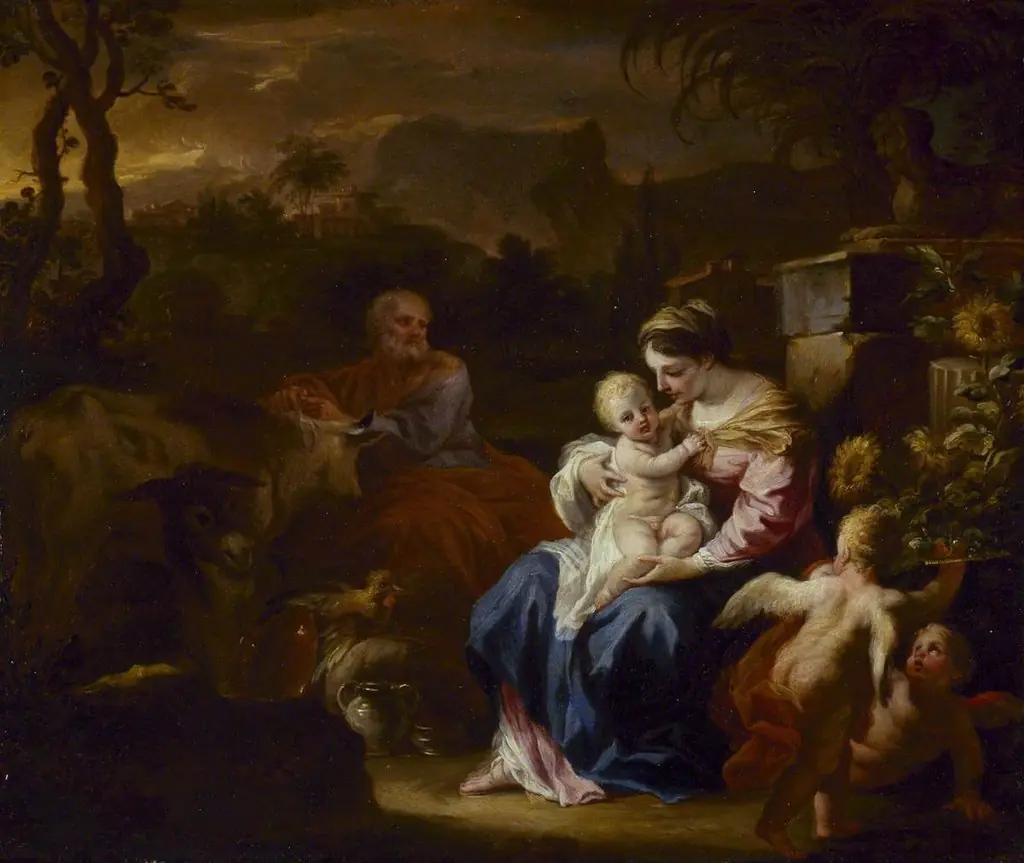 The Rest on the Flight into Egypt
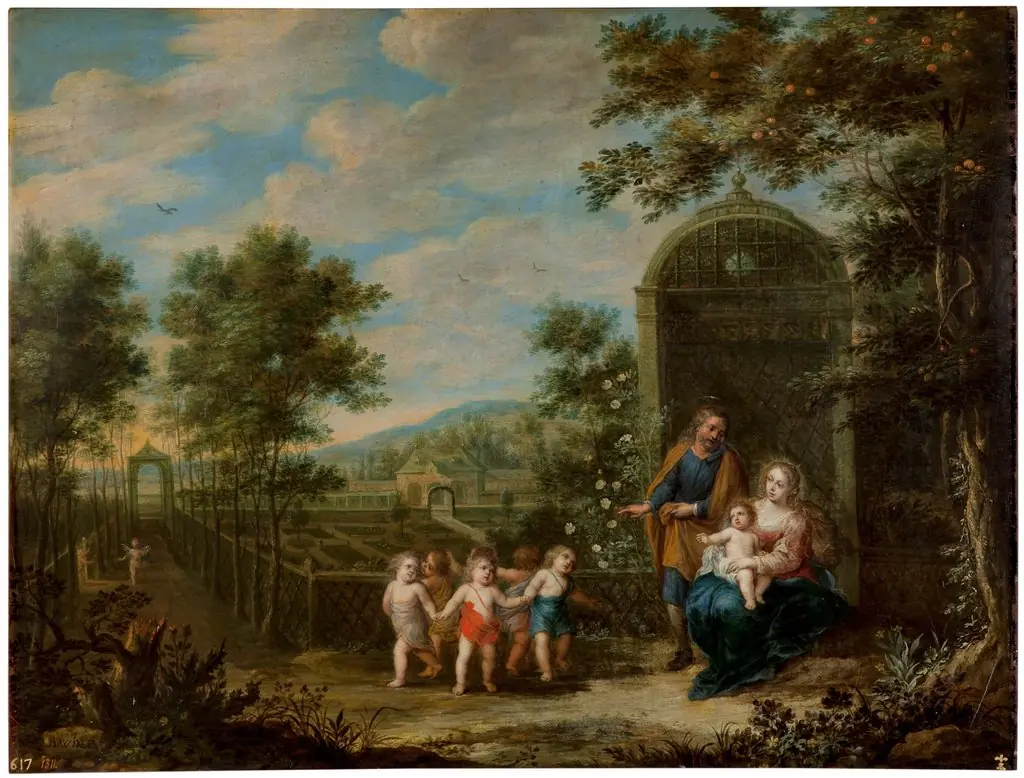 Rest on the Flight into Egypt
- Finding of Romulus and Remus