Artwork
Portrait of a Young Man with a Lemon
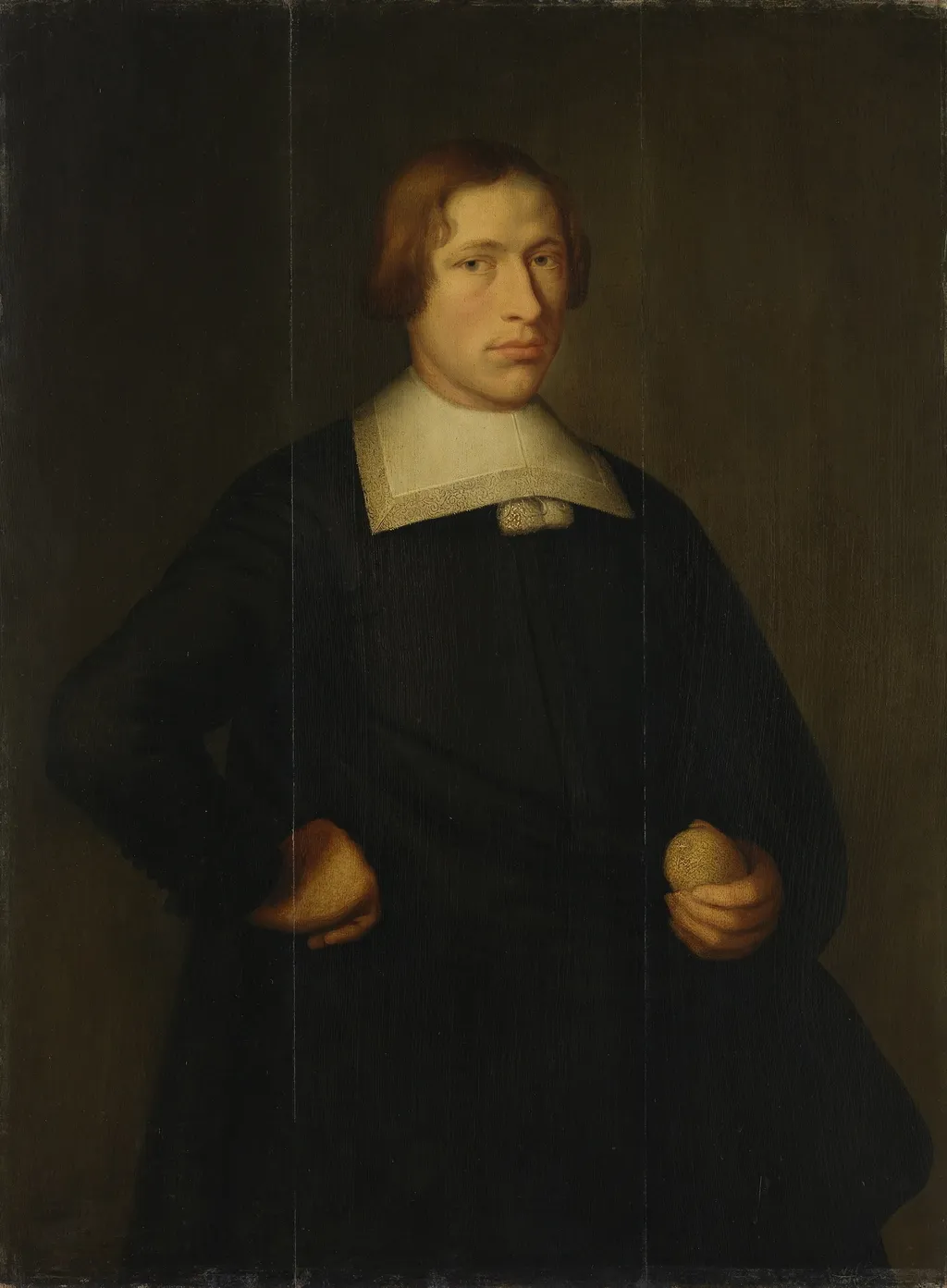
Portrait of a Young Man with a Lemon is an oil painting by the Dutch Golden Age artist Bartholomeus van der Helst. It dates from 1665 and is held in the collection of the Bavarian State Painting Collections.
About this work
Subject & Meaning
Painted by Bartholomeus van der Helst in 1665, the Portrait of a Young Man with a Lemon belongs to the genre of portraiture and depicts a man holding a lemon.
Painted by Bartholomeus van der Helst in 1665, the Portrait of a Young Man with a Lemon belongs to the genre of portraiture and depicts a man holding a lemon. The fruit functions as the painting's principal symbolic attribute, lending the otherwise straightforward likeness a layer of meaning. In seventeenth-century Dutch portraiture, a lemon was commonly read as a token of chastity, fidelity, or constancy in love, and its inclusion here transforms the sitter's likeness into a moralized statement about his character.
The pairing of an unidentified young sitter with such a charged object suggests the work was conceived not merely as a record of appearance but as a vehicle for conveying personal virtue. The painting is held by the Bavarian State Painting Collections at the Alte Pinakothek, where it continues to be interpreted through this iconographic tradition.
History & Provenance
The painting was created in 1665 by Bartholomeus van der Helst, as indicated by the dated inscription on the work.
It entered the collection of the Bavarian State Painting Collections and is currently held by the Alte Pinakothek in Munich. The provenance prior to its inclusion in the state collection is not documented in the provided sources.
The painting is held by the Bavarian State Painting Collections within the Alte Pinakothek in Munich. It was created by Bartholomeus van der Helst in 1665. The work is cataloged as a portrait on panel depicting a man with a lemon.
No specific inventory or accession number is provided in the available sources, nor is any exhibition history recorded.
Overview
Bartholomeus van der Helst painted this oil portrait in 1665, during the height of the Dutch Golden Age. The work presents a young gentleman in a dark coat with a white lace collar, his reddish‑brown hair framing a composed, slightly smiling face. The figure holds a lemon in each hand, set against an unadorned dark backdrop that emphasizes his attire and expression.
Technique & Style
Van der Helst employs a restrained chiaroscuro, allowing light to model the young man’s face and clothing while the background recedes into darkness. The oil medium enables a fine rendering of the lemon skins, capturing a slightly rough texture that contrasts with the smooth satin of the coat. The overall composition reflects the artist’s characteristic elegance and attention to detail.
Context
The painting belongs to a broader tradition of Dutch Golden Age portraiture that combined realistic representation with subtle moralizing elements. Van der Helst, a leading portraitist of his generation, often catered to the mercantile and aristocratic classes, producing works that balanced personal likeness with the era’s aesthetic preferences for clarity, restraint, and symbolic nuance.
Own this work as a print
Artist & collection
Artist
Bartholomeus van der Helst (1613 – buried 16 December 1670) was a Dutch painter. Considered to be one of the leading portrait painters of the Dutch Golden Age, his elegant portraits gained him the patronage of…

 The Musician
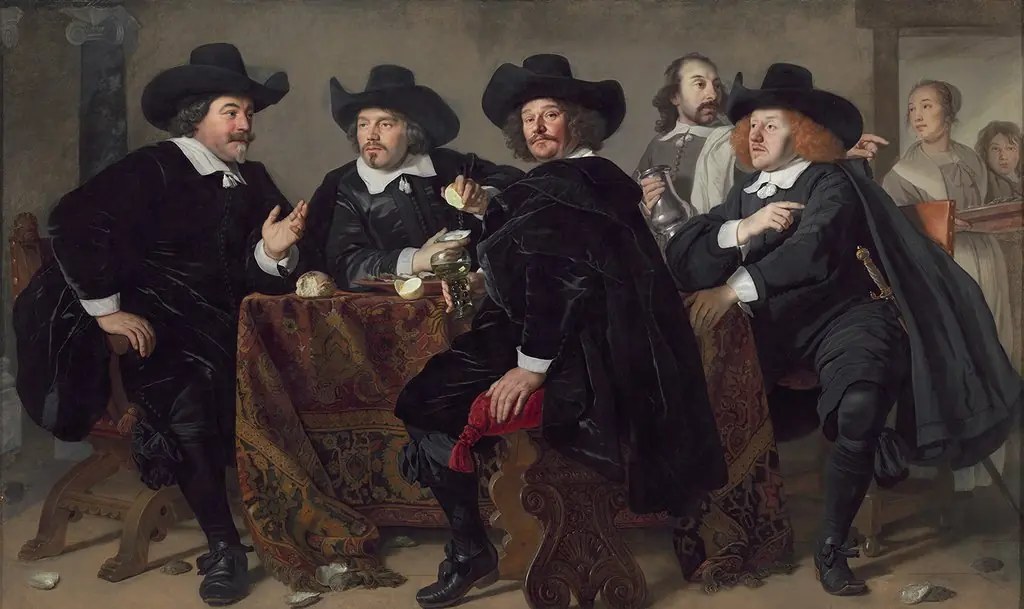 Four directors of the arquebusier's guild, Amsterdam, 1655
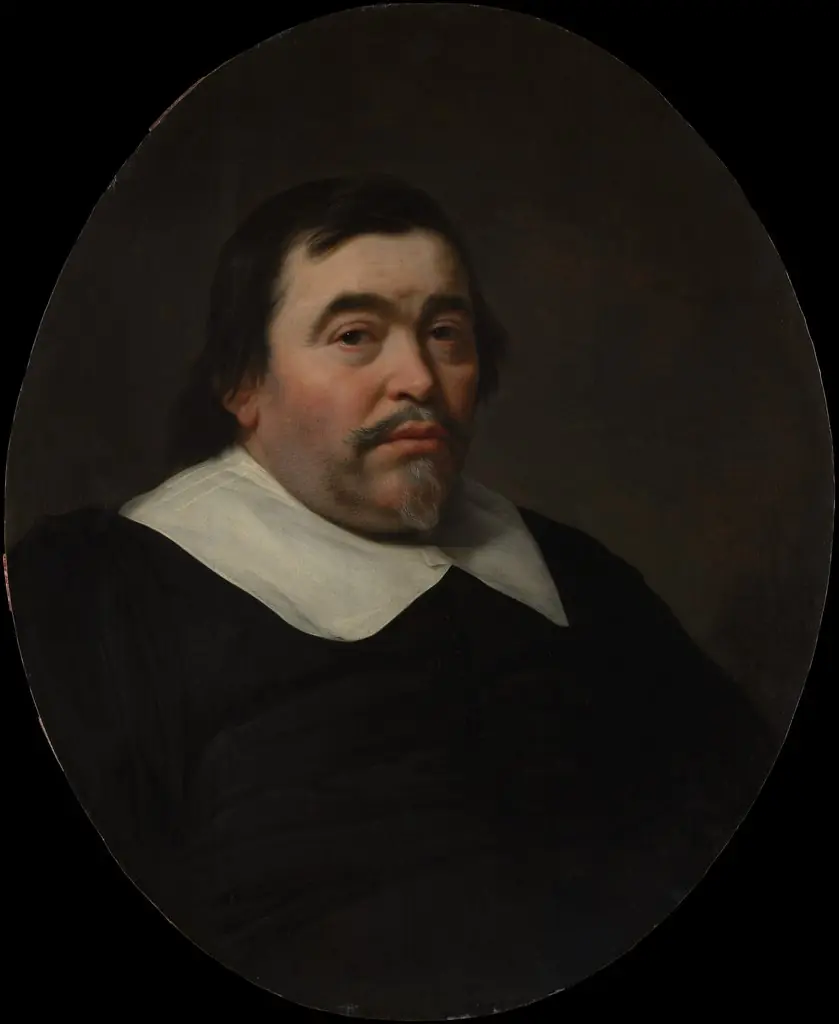 Portrait of a Man
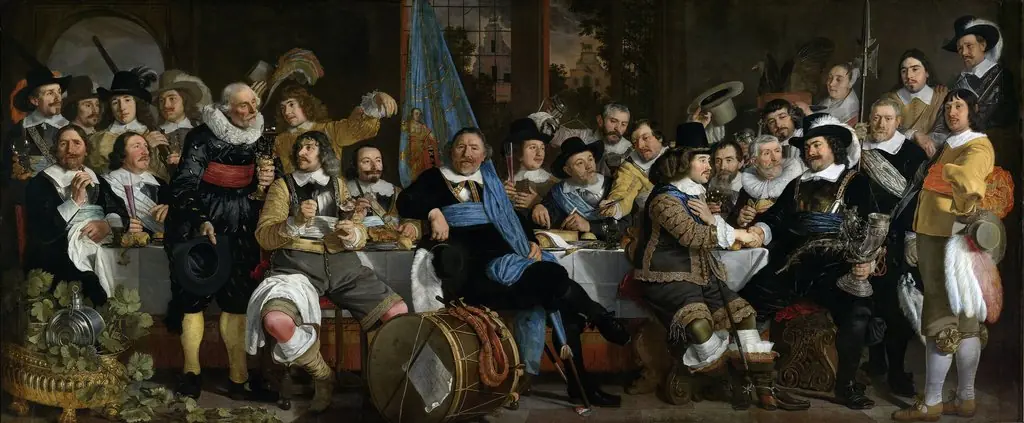 Banquet at the Crossbowmen’s Guild in Celebration of the Treaty of Münster
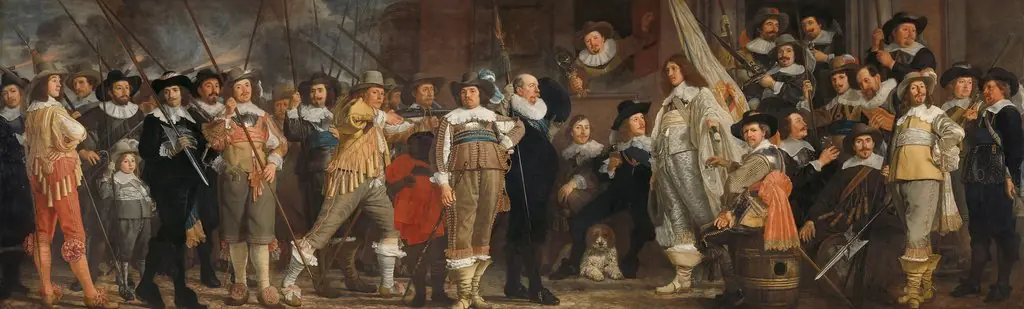 Militia Company of District VIII under the Command of Captain Roelof Bicker
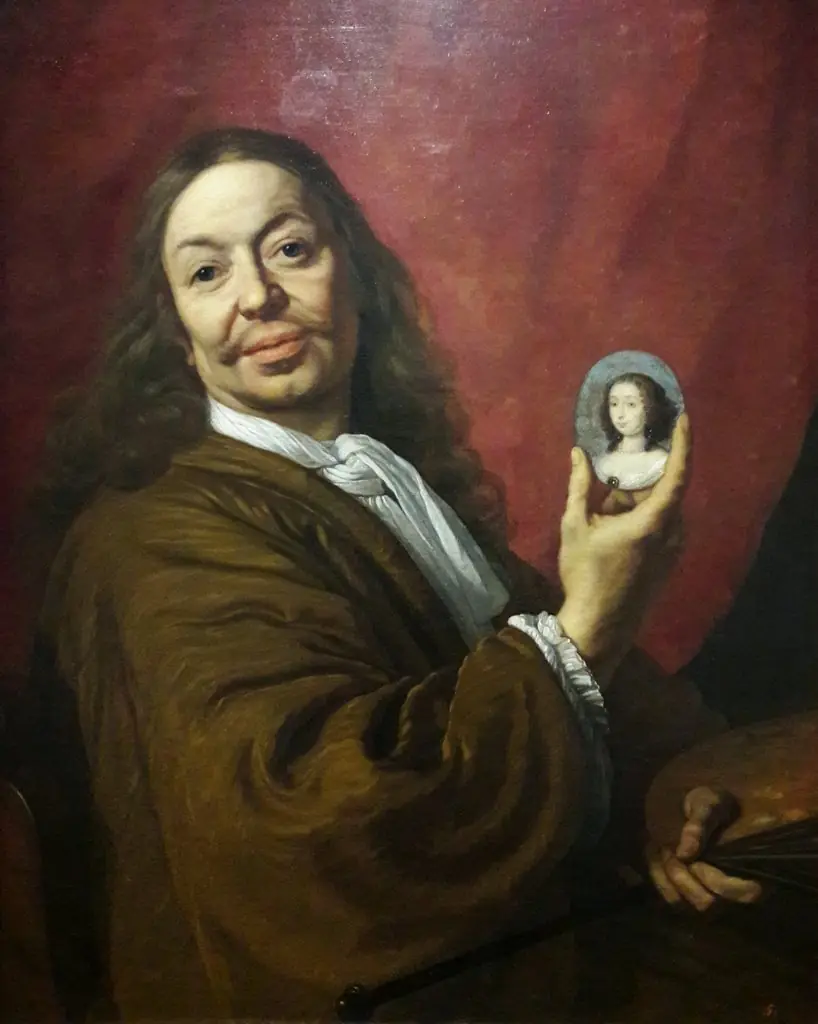 Self-portrait
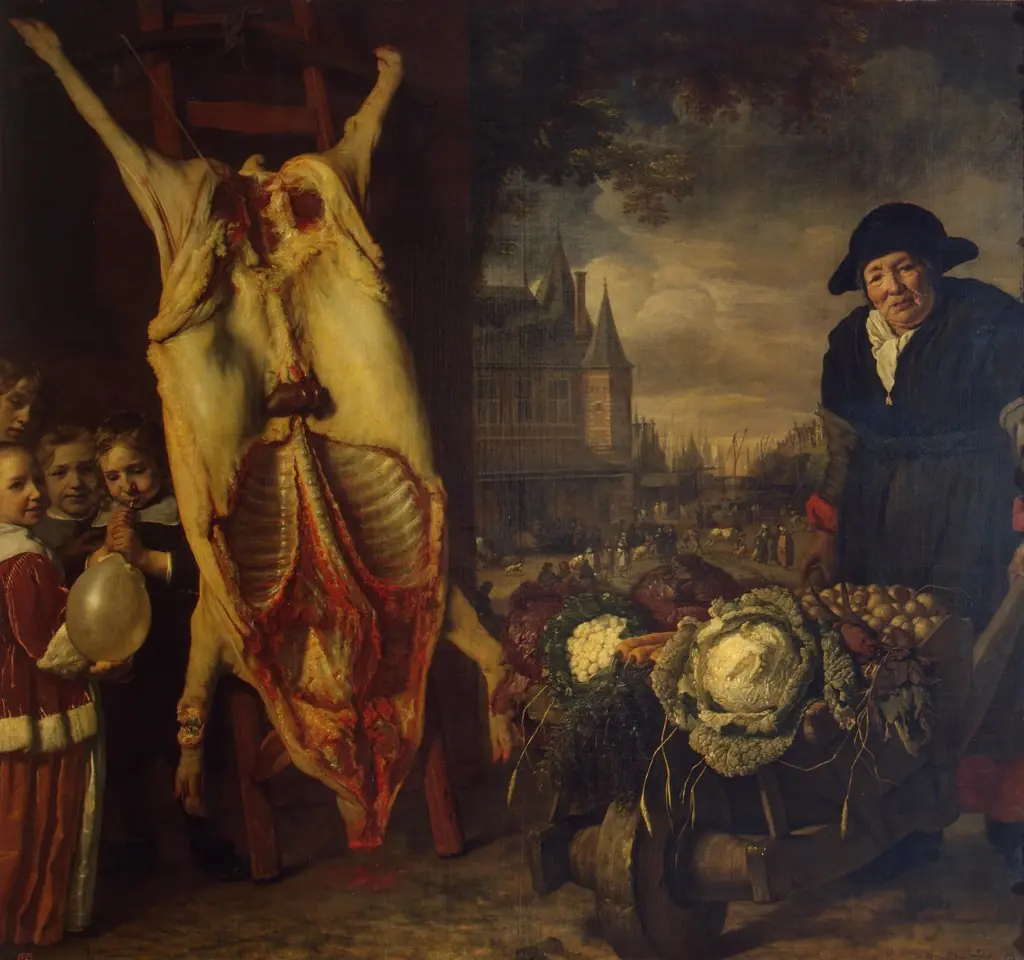 Nieuwmarkt in Amsterdam
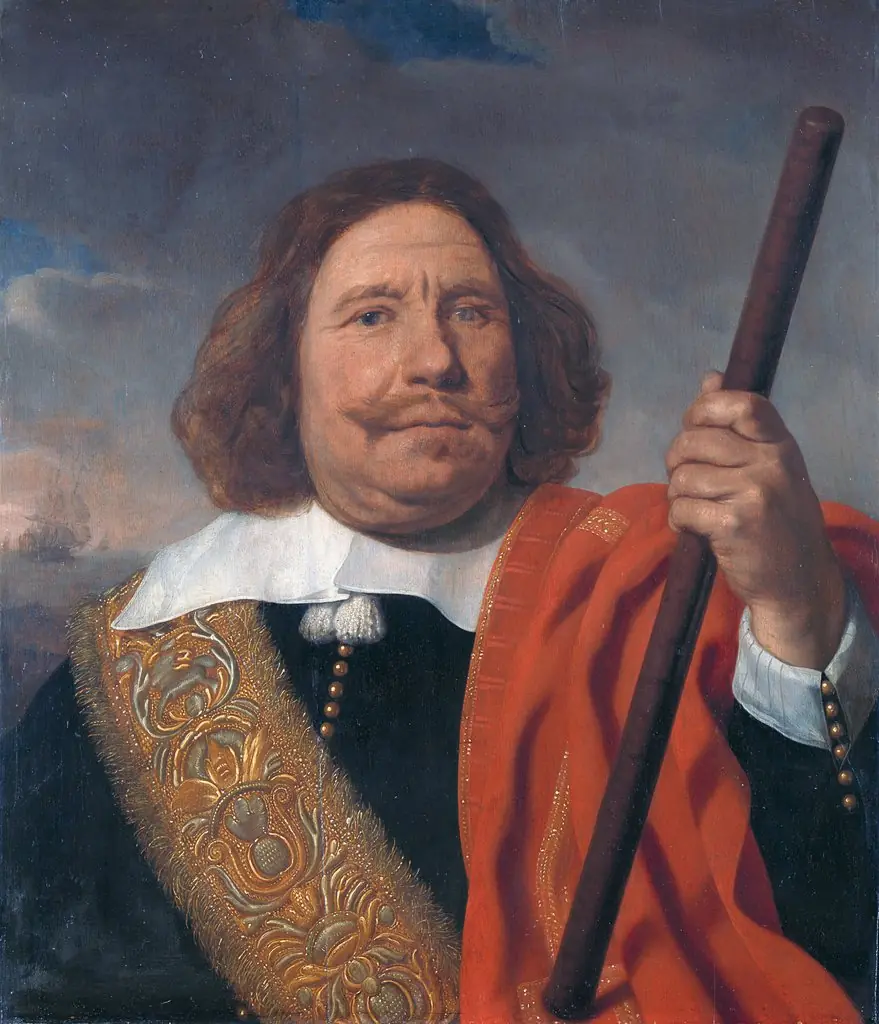 Egbert Meeuwsz Cortenaer (1605-65). Vice admiral, admiralty of the Maas, Rotterdam
- Portrait of a young man
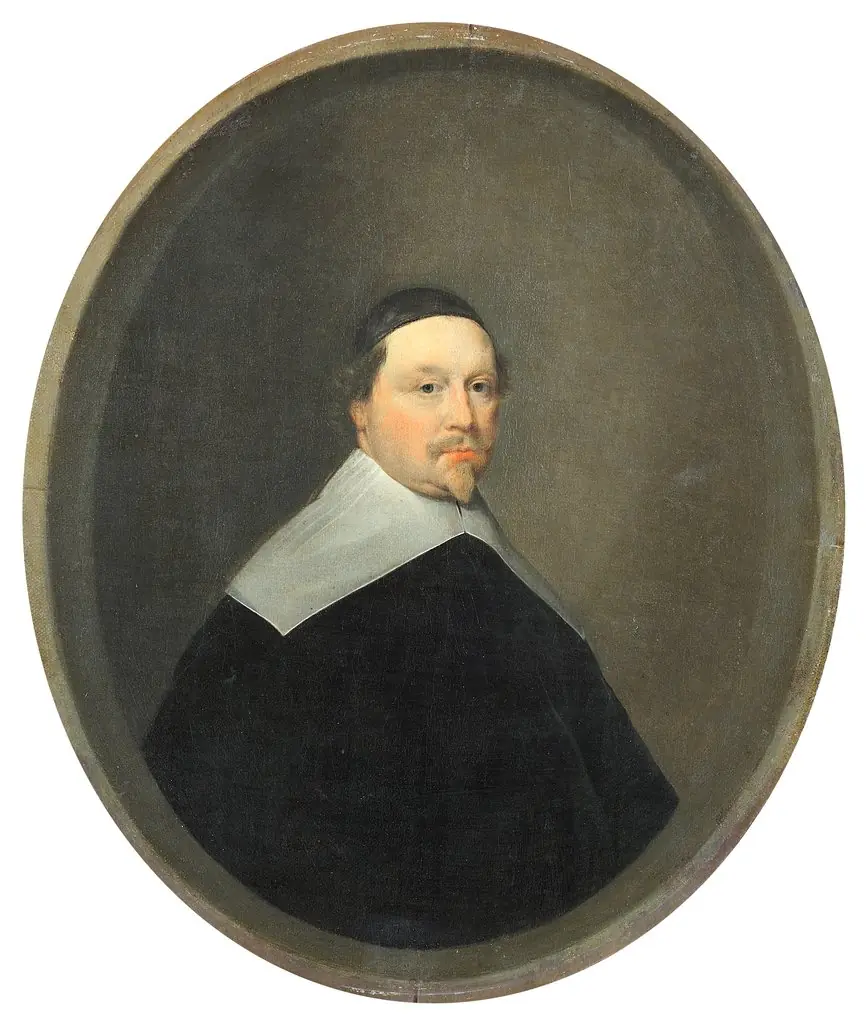 Portrait of Willem Marienburg (1590-1648), mayor of Deventer
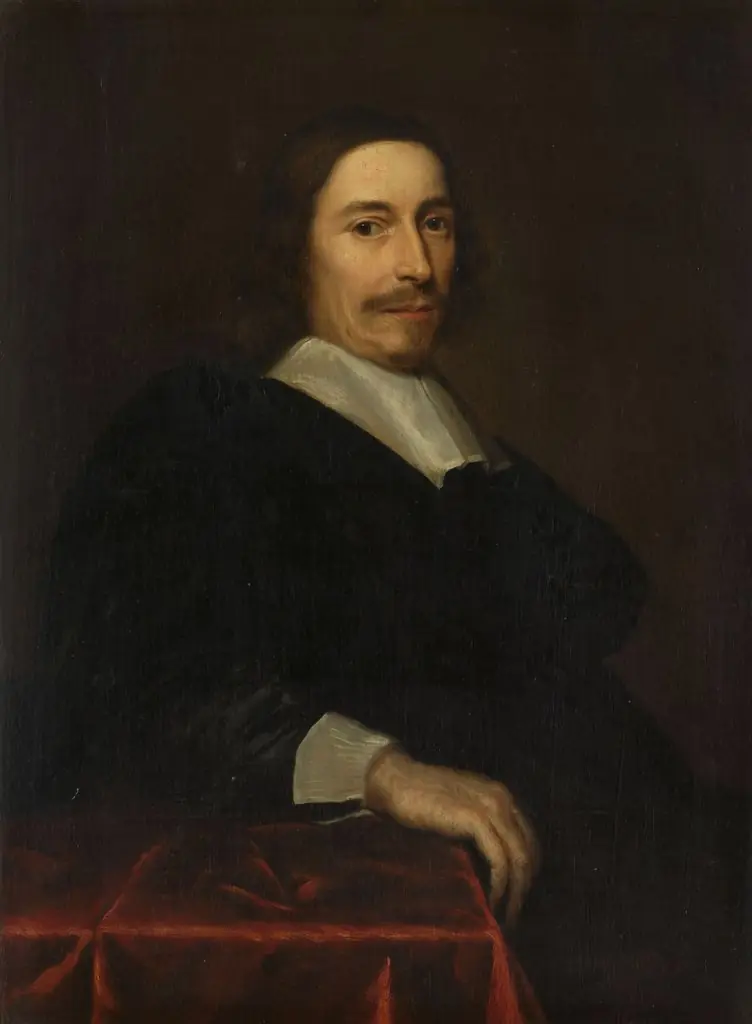 Jacob de Witt (1589-1674)
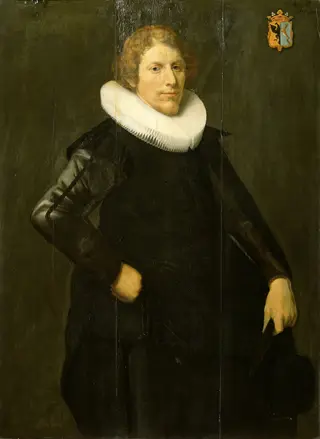 Portrait of Gerrit Ottsz Hinlopen (1603/04-1646)
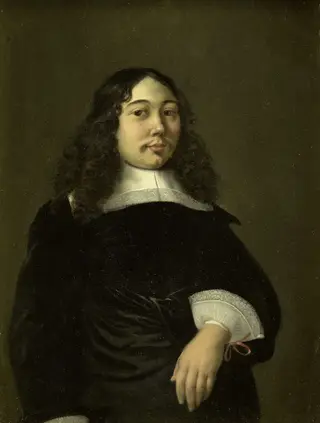 Wijnand Wijnands
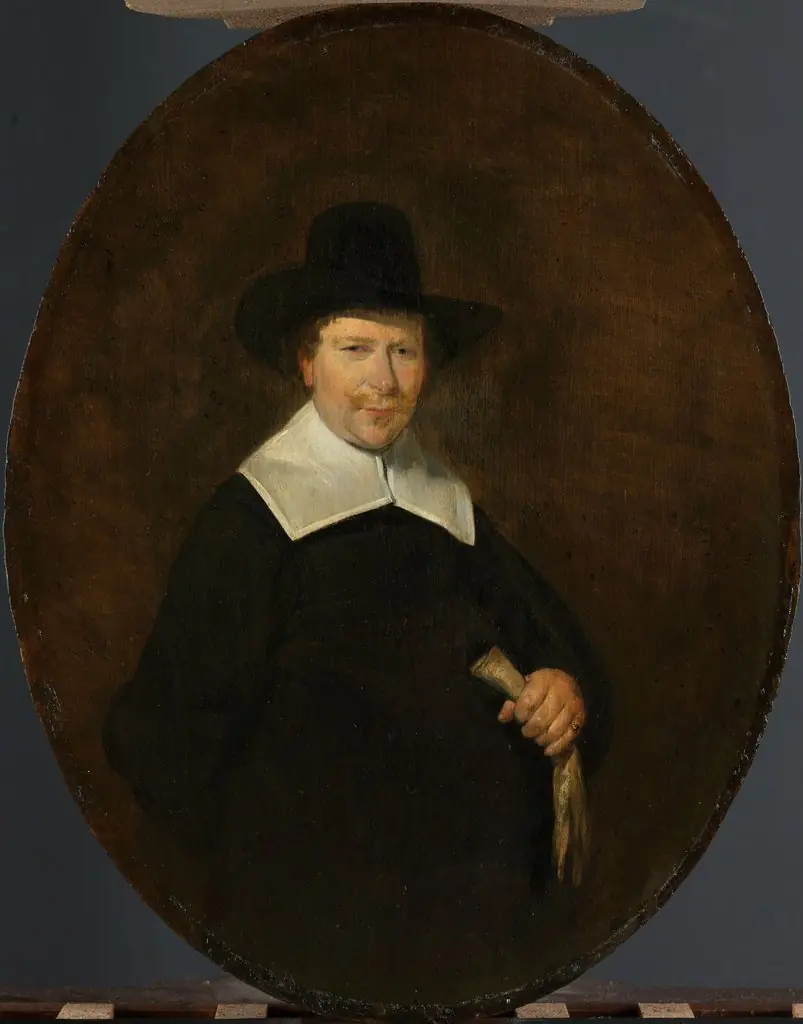 Portrait of Gerard Abrahamsz van der Schalcke (1609-67), Haarlem cloth merchant
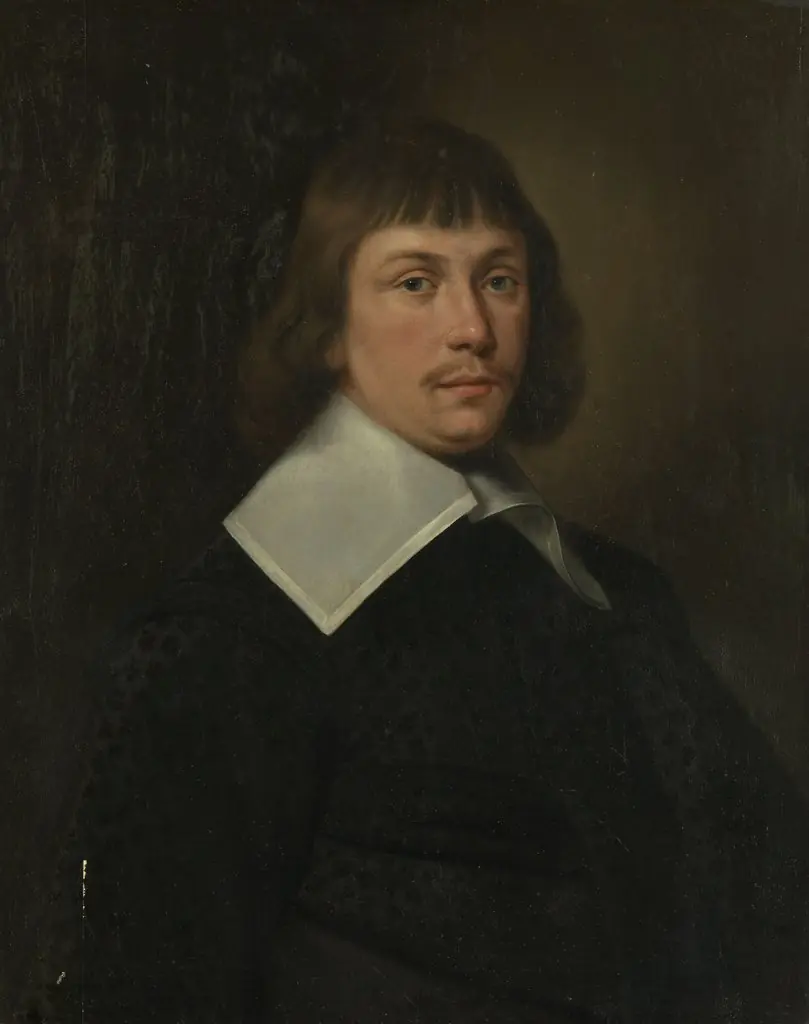 Portrait of a man
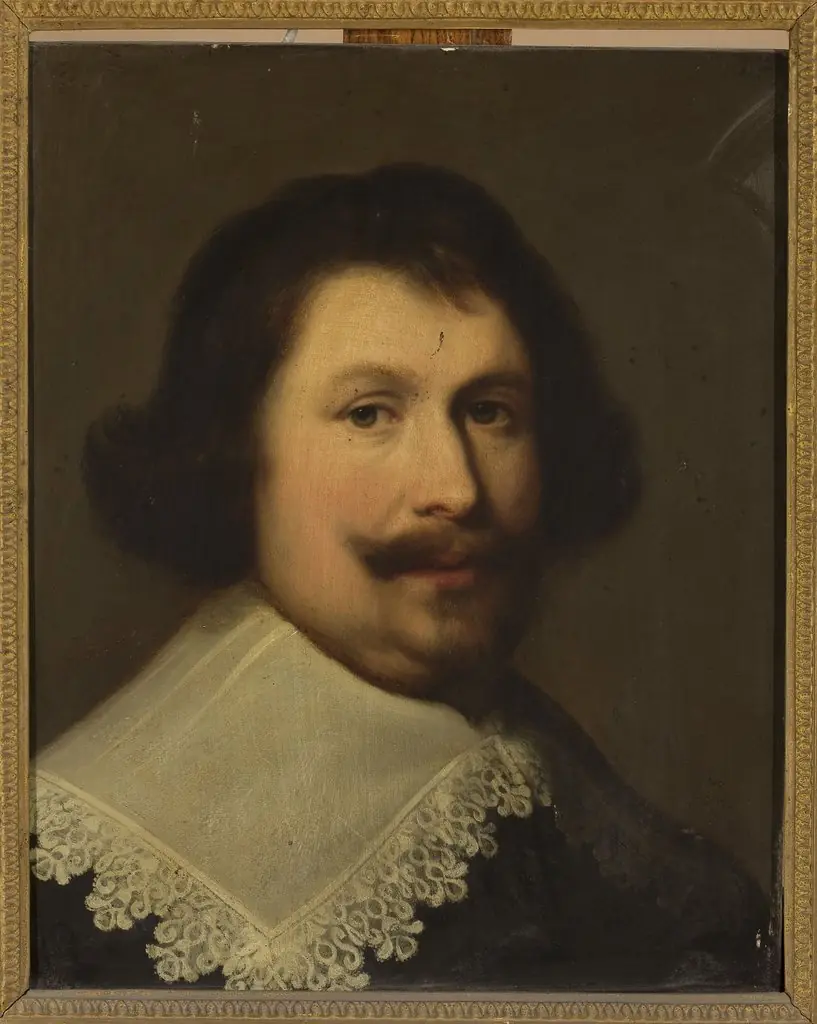 Portrait of a nobleman
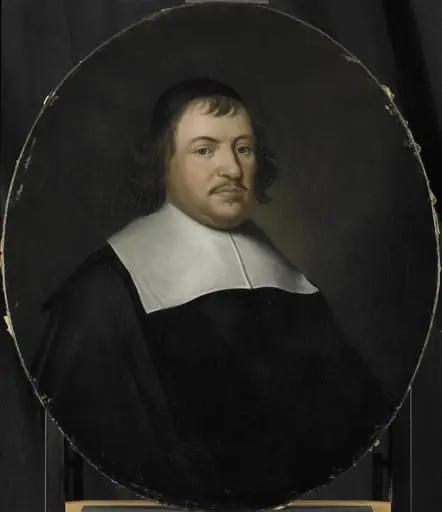 Portrait of Cornelis van den Bergh, Director of the Rotterdam Chamber of the Dutch East India Company, elected 1659
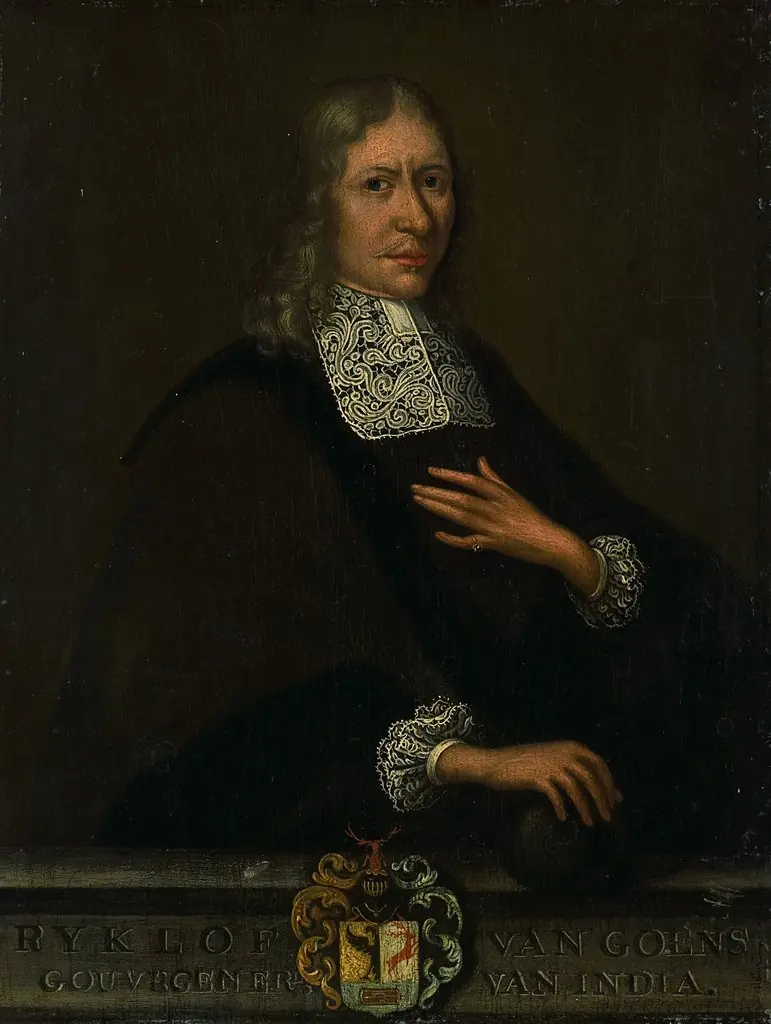 Portrait of Rycklof van Goens (1619-82), Gouverneur-generaal (1678-81)
 Portrait of a man
 Portrait of Reijnier Ottsz Hinlopen (1608/09-1653)