Artwork
Adoration of the Magi
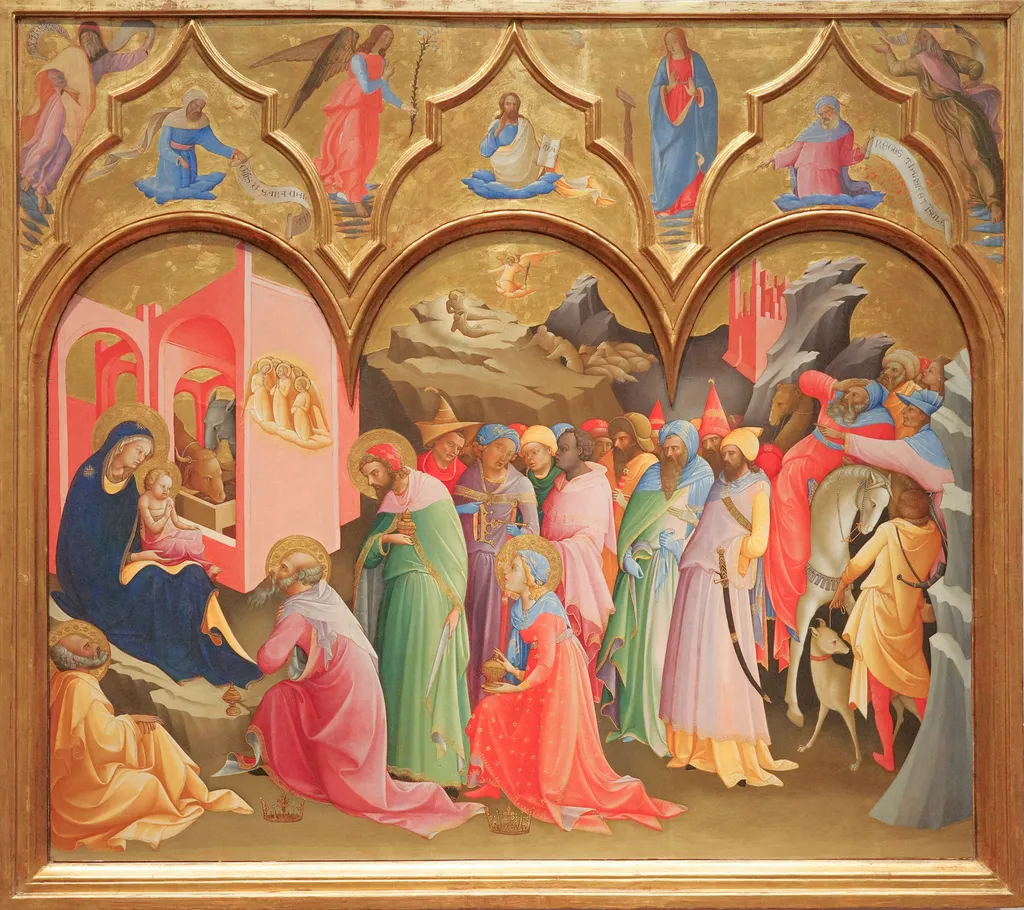
Adoration of the Magi is a tempera painting by the Early Renaissance artist Lorenzo Monaco. It dates from 1420 and is held in the collection of the Uffizi Gallery.
About this work
Subject & Meaning
Above, a Giotto-like rocky landscape frames a night scene where an angel announces the Nativity to shepherds, heightening the sacred drama.
The painting depicts the biblical Adoration of the Magi, showing the Christ Child presented by the Virgin Mary to the three Magi, whose ages represent the three stages of human life. The central panel centers on the seated Madonna in a dark blue mantle adorned with three stars, a traditional iconographic sign of her perpetual virginity, while the infant is displayed to the viewer. The Magi’s procession occupies the right half, where their different ages and varied ethnic attire, including Arabic script on garments, emphasize the universality of Christ’s revelation. Above, a Giotto-like rocky landscape frames a night scene where an angel announces the Nativity to shepherds, heightening the sacred drama. The overall composition contrasts the Gothic International style with contemporary Renaissance spatial concerns by retaining a gilded background only partially and employing elongated, rhythmic figures to evoke a visionary, otherworldly atmosphere.
Technique & Style
The Adoration of the Magi is a tempera on panel painting created by Lorenzo Monaco between 1420 and 1422. It measures 115 cm in height and 177 cm in width, and is executed on a wooden support. The work exemplifies the International Gothic style, characterized by a reduced use of gilded background, archaic spatial treatment, and elongated, stylized figures. The composition includes a nativity scene on the left, a central procession of Magi depicted in varied ages and ethnicities with Arabic inscriptions on garments, and a landscape inspired by Giotto. Figures such as prophets and a blessing Redeemer appear in the cusps, added later by Cosimo Rosselli. The painting employs symbolic elements like three stars on the Virgin’s mantle representing virginity and uses lapis lazuli for blue pigments. Its stylistic qualities include rhythmic drapery, antinaturalistic perspective, and a spiritualized, dreamlike atmosphere, reflecting Lorenzo Monaco’s mastery within the International Gothic tradition.
History & Provenance
The Adoration of the Magi was commissioned by an unknown patron, likely for the church of Sant'Egidio in Florence during its reconsecration by Pope Martin V, as suggested by references in Giorgio Vasari's Lives. It was executed by Lorenzo Monaco with the assistance of three workshop assistants and paid for at a sum of 182 florins, reflecting the artist's high status. The work was originally installed in the cloister of the San Marco convent in Florence, where it was viewed by Fra Angelico and later attributed to him in 1810 before being correctly identified as Monaco's. A restoration took place in 1995. The painting measures 115 cm in height and 177 cm in width and is currently housed in the Uffizi Gallery in Florence.
Context
Lorenzo Monaco’s *Adoration of the Magi* (1420) occupies a pivotal position in the transition from International Gothic to early Renaissance styles. Scholars regard it as the artist’s masterpiece, embodying the refined linearity and sumptuous colorism characteristic of the late Gothic tradition while engaging with contemporary debates on perspective and naturalism. The work’s deliberate rejection of Brunelleschi’s geometric perspective, evident in its archaizing architectural elements, signals a conscious resistance to the emerging Florentine Renaissance idiom, aligning it instead with the courtly elegance of Gherardo Starnina and Lorenzo Ghiberti (source 3, 4, 5). Critics and historians, including Giorgio Vasari, have long debated its original commission for Florence’s Sant’Egidio, a hypothesis supported by its documented prestige and the substantial fee of 182 florins (source 3, 4, 5). The painting’s influence on Fra Angelico, who encountered it at San Marco, underscores its role in shaping devotional imagery during the Quattrocento. Its restoration in 1995 further cemented its status as a key reference for studies on Gothic internationalism and its dialogue with early Renaissance innovations.
Legacy
The painting is widely regarded as Lorenzo Monaco's masterpiece, representing the apex of the International Gothic style in Italy. Its historical reputation is evidenced by the substantial commission fee of 182 florins, which reflected the artist's high prestige at the time of creation. In the early nineteenth century, the work's authorship was misattributed to Fra Angelico, a testament to the stylistic affinities perceived between the two masters after the panel resided in the San Marco convent.
In modern times, the artwork has secured a place in cultural memory as part of French historian Paul Veyne's imaginary museum. The piece continues to be recognized for its unique synthesis of archaic Giottesque elements and the sinuous, rhythmic lines characteristic of late Gothic refinement, standing in deliberate contrast to the emerging mathematical perspective of the Renaissance.
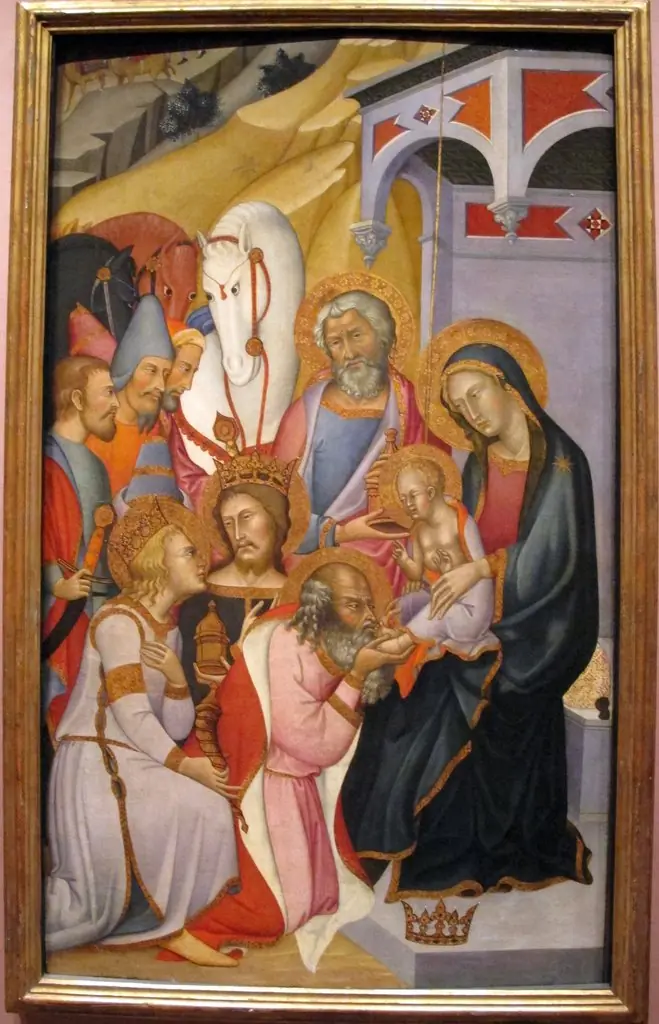
Own this work as a print
Artist & collection

Artist
Lorenzo Monaco was a Sienese painter and miniaturist of the late Gothic to early Renaissance age, active principally in Florence.

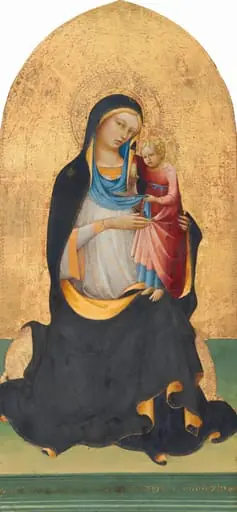
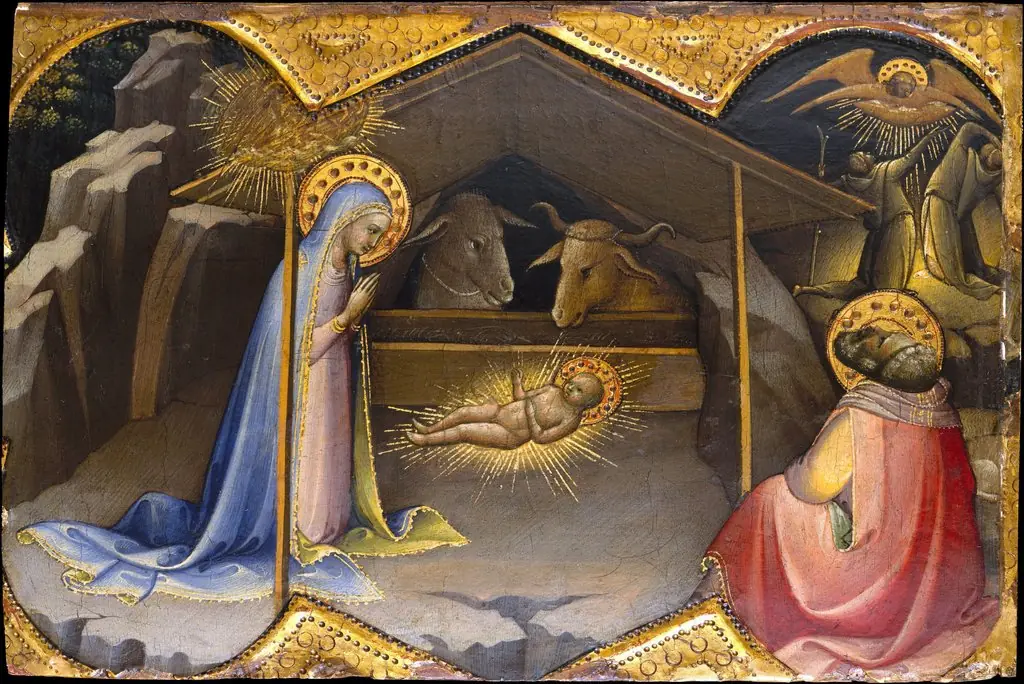
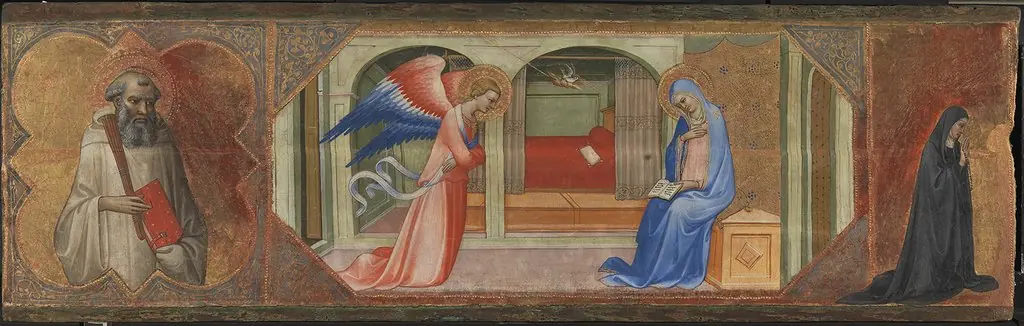
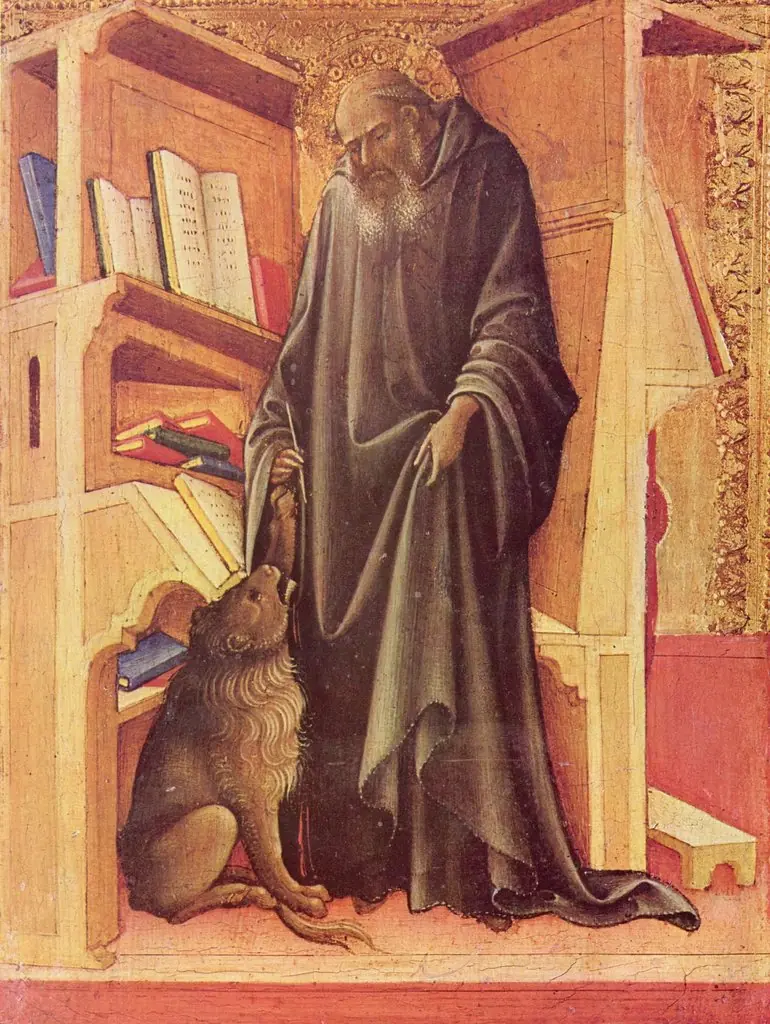
- Adoration of the Magi
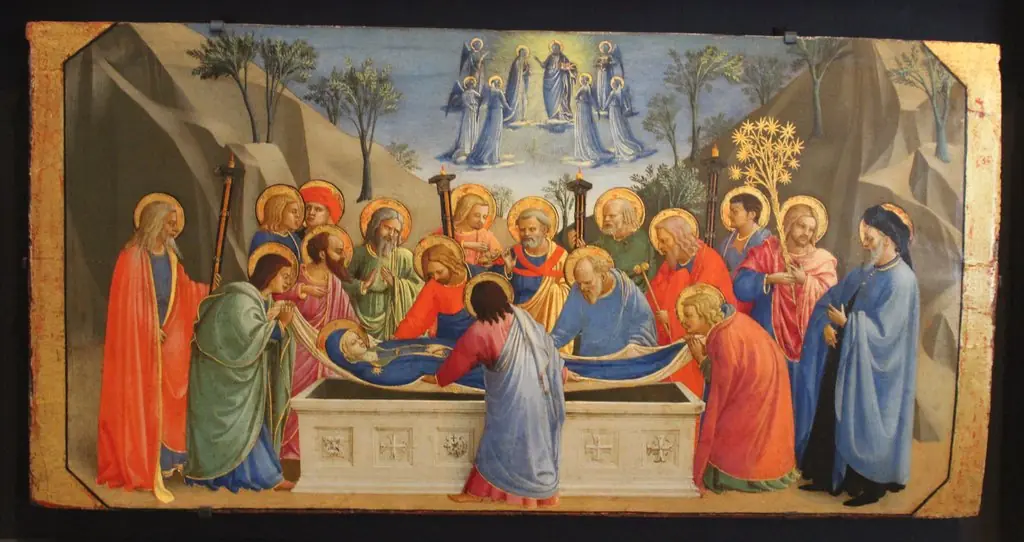 Dormition of the Virgin
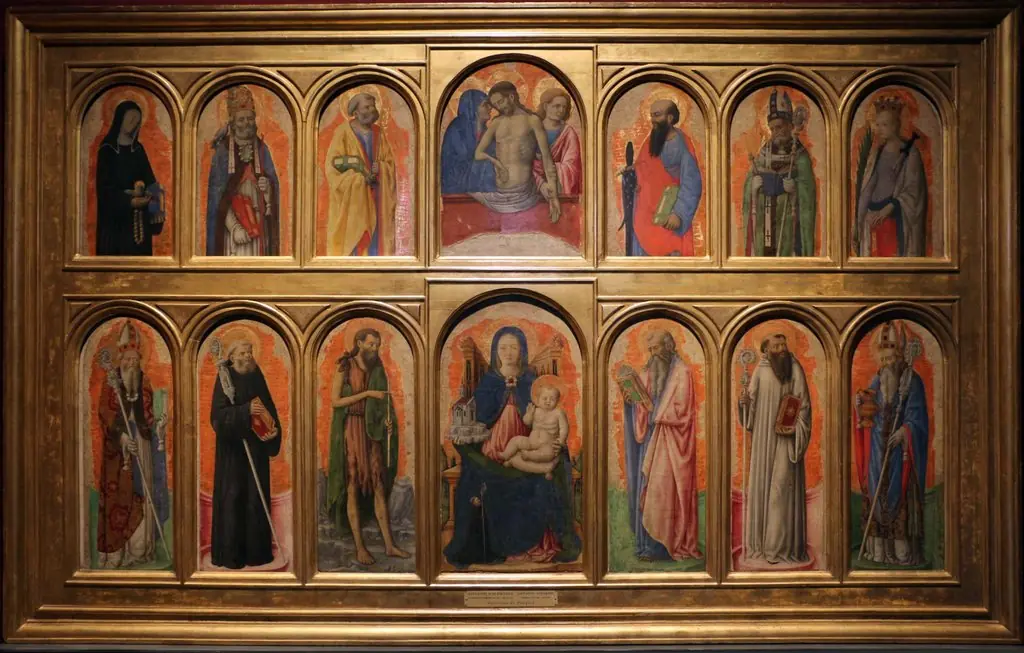 Polyptych of Praglia
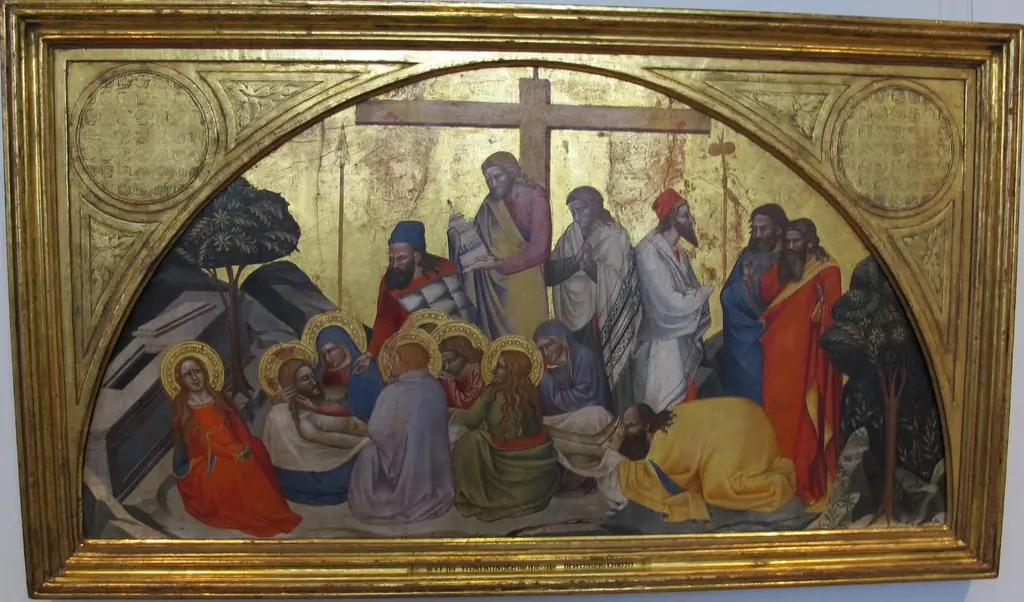 Lamentation
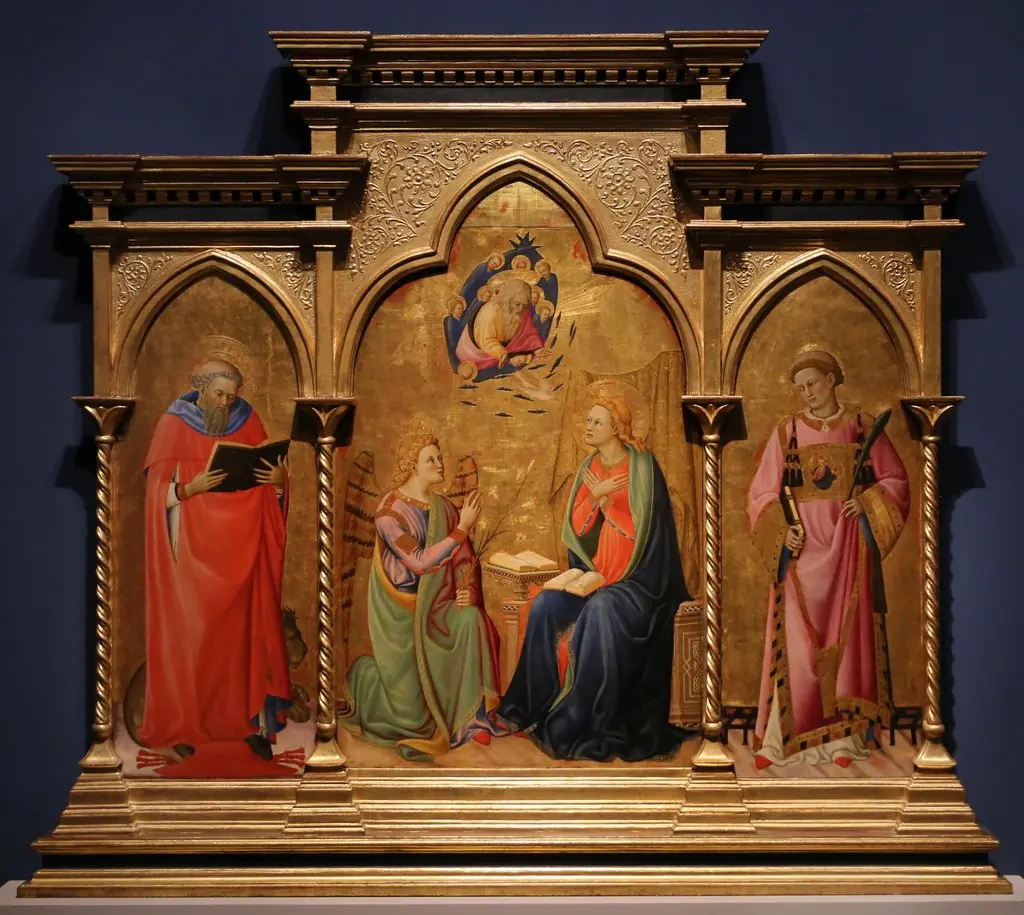 Parts of a triptych: Annunciation and saints Jerome and Lawrence
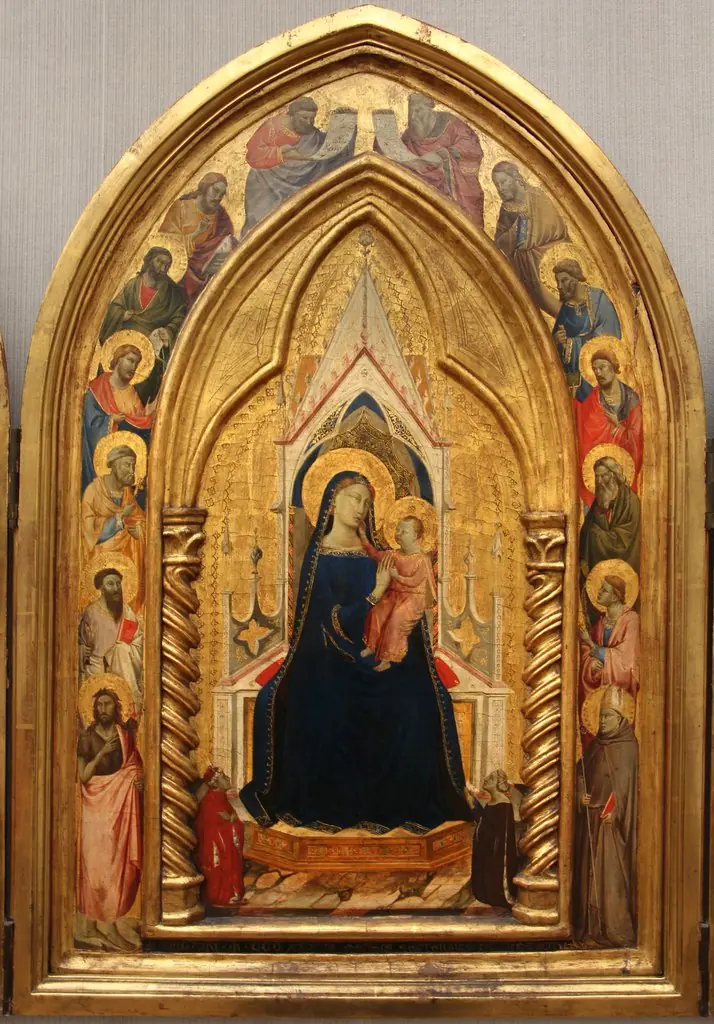 Central panel of the triptych
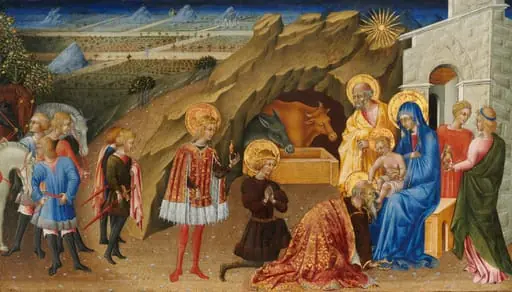 The Adoration of the Magi
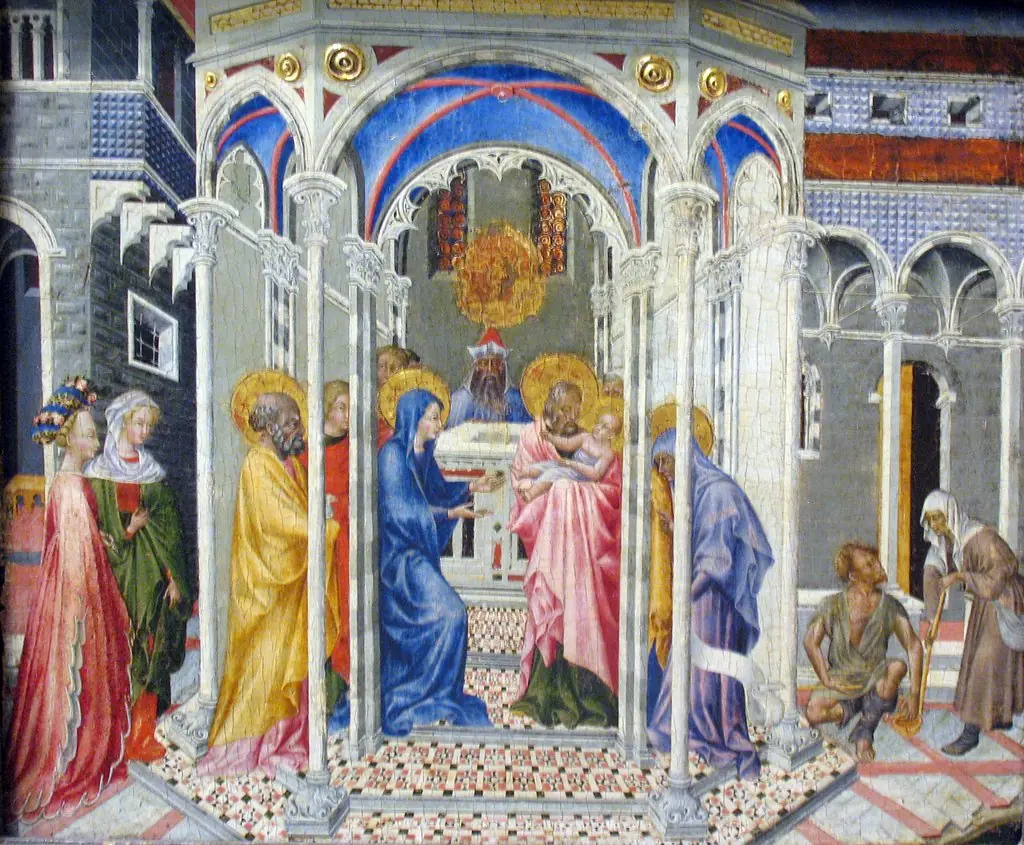 The Presentation of Christ in the Temple
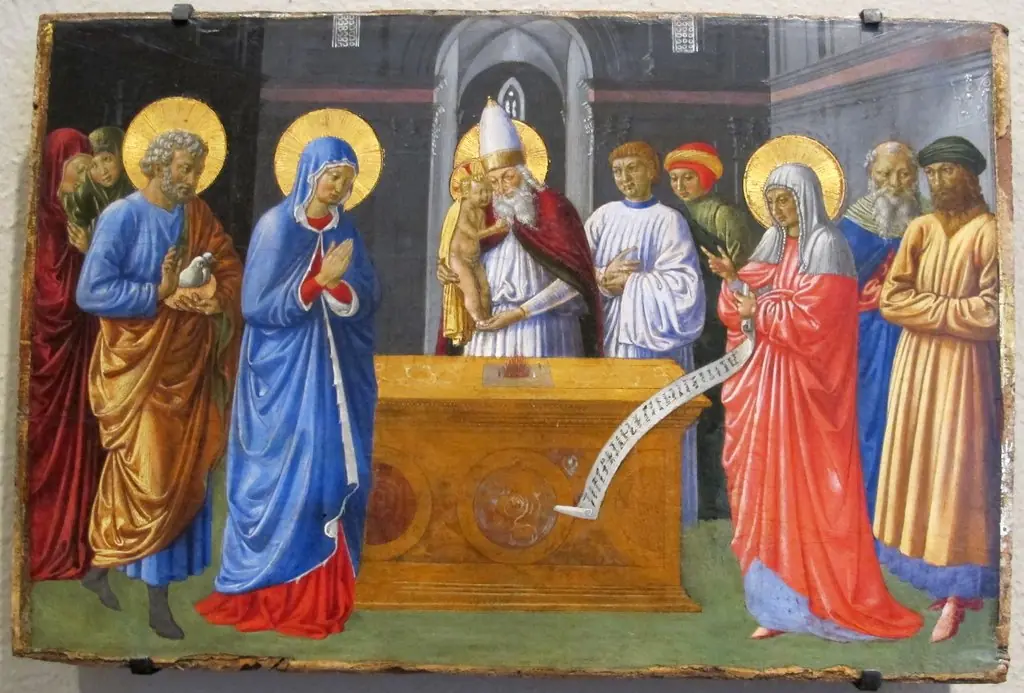 Presentation at the Temple
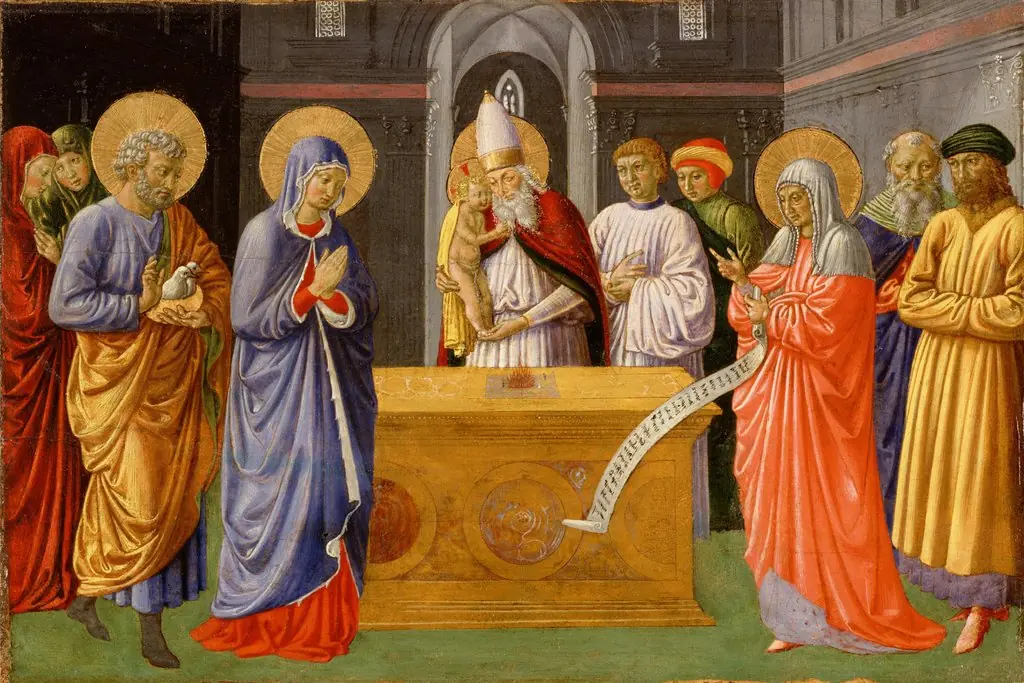 Purification of the Virgin
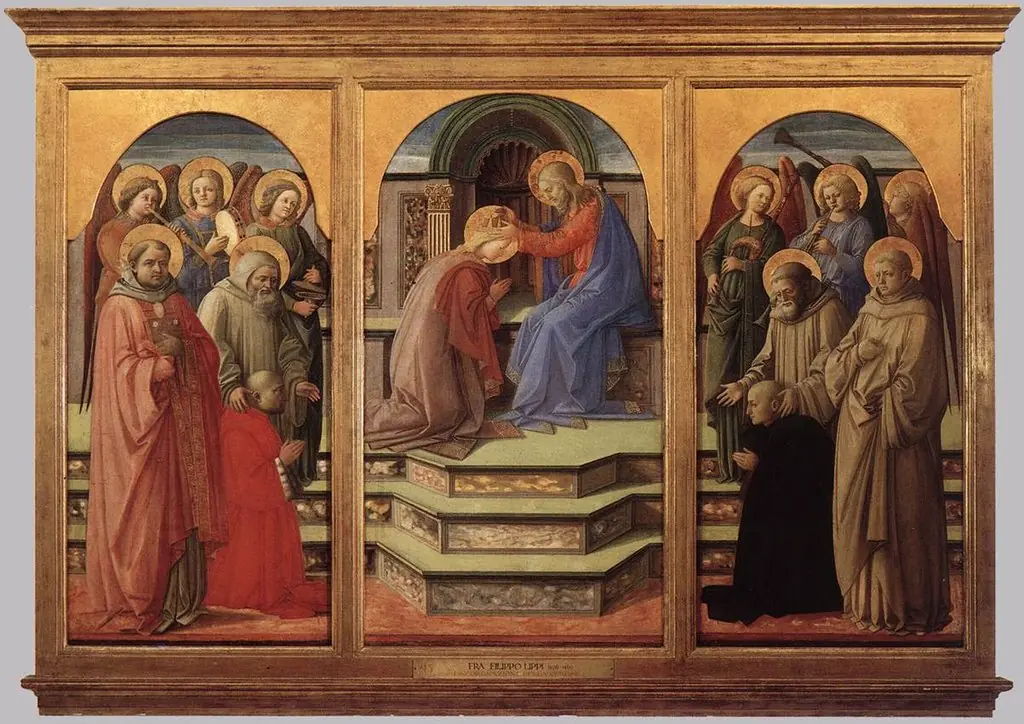 Marsuppini Coronation
 The Agony in the Garden