Artwork
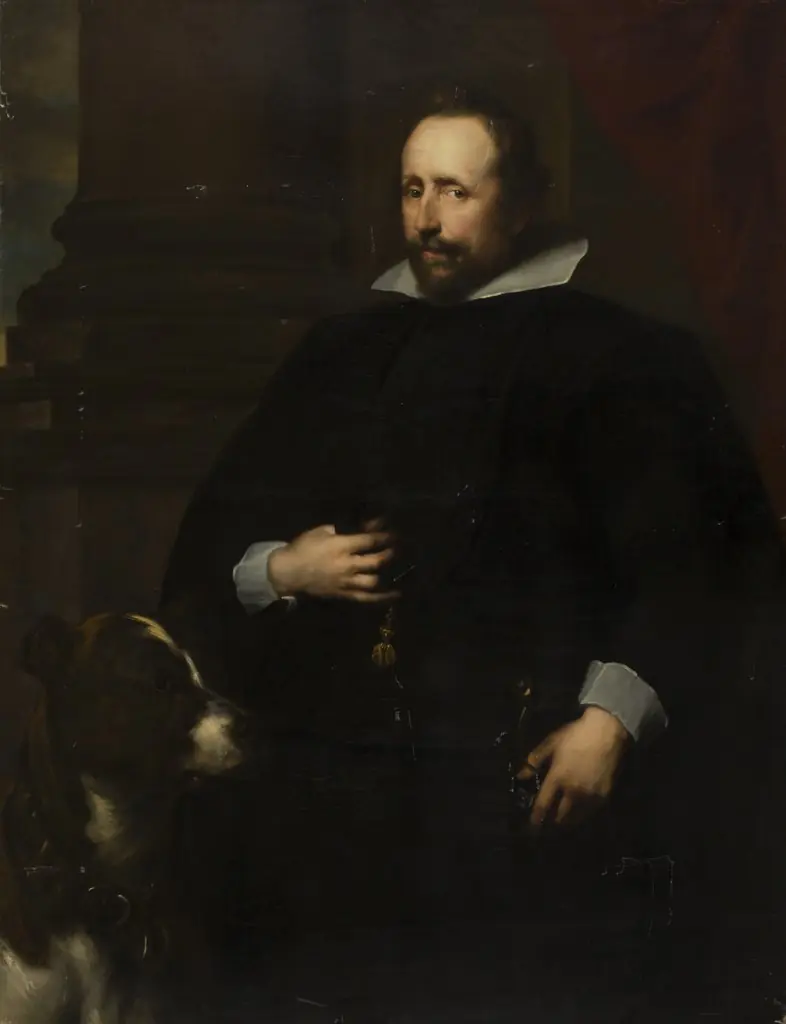
Portrait of a Man with a Dog
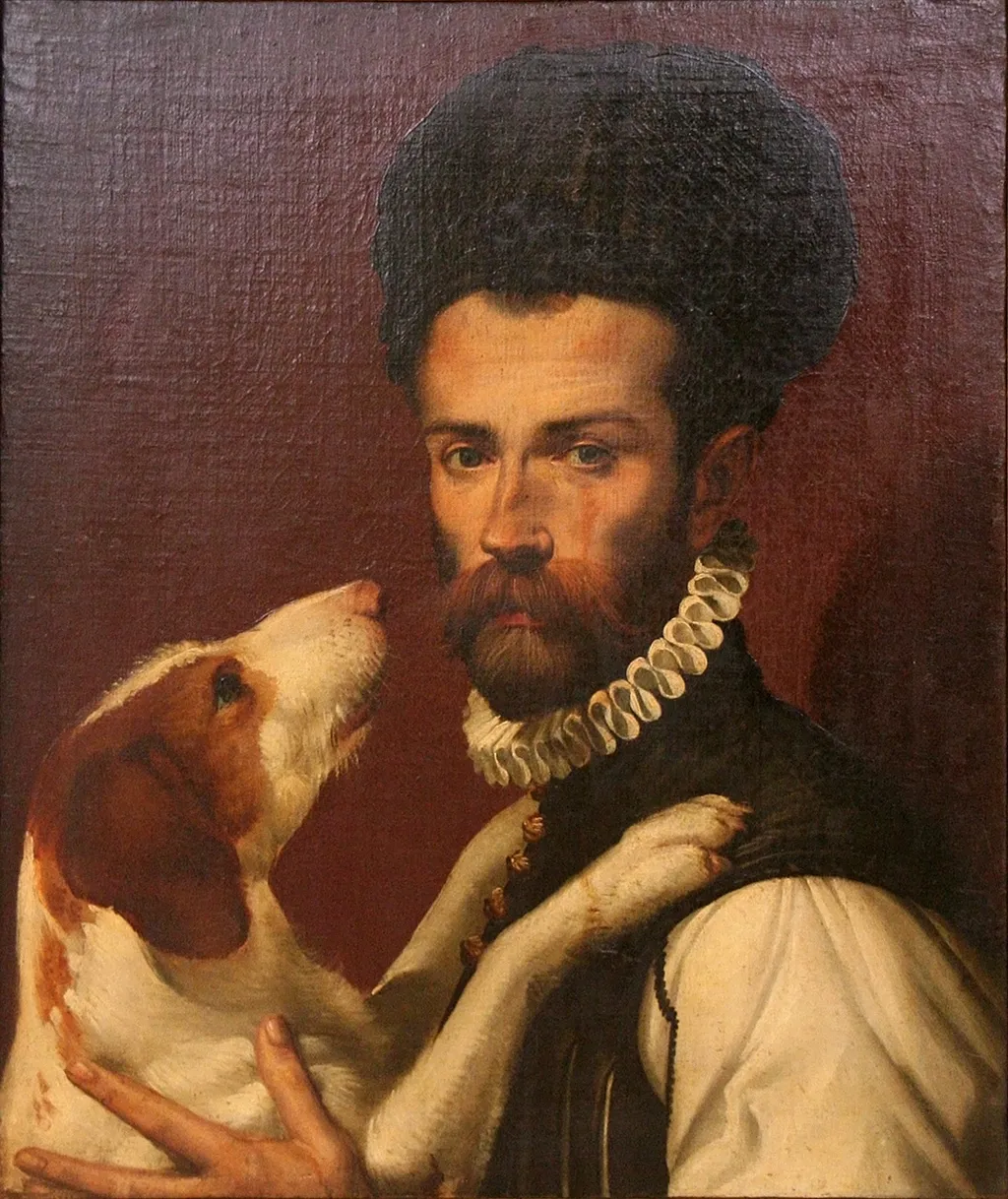
Portrait of a Man with a Dog is an oil painting by the Mannerist artist Bartolomeo Passarotti. It is held in the collection of the Capitoline Museums.
About this work
Overview
Executed in the late Mannerist tradition, the work reflects the Bolognese artist’s interest in intimate, psychologically grounded depictions.
Painted in 1594 by Bartolomeo Passarotti, this oil portrait captures a seated man accompanied by a small dog. Executed in the late Mannerist tradition, the work reflects the Bolognese artist’s interest in intimate, psychologically grounded depictions. The dark red background and focused lighting draw attention to the figures, emphasizing their quiet connection. The painting resides in the Capitoline Museums, where it contributes to the collection of 16th-century Italian portraiture.
Subject & Meaning
The man, bearded and dressed in a high-collared white shirt and black hat, holds a white-and-brown spotted dog close to his chest. The animal’s front paws rest on his torso, while his hand rests gently on its back. This physical closeness suggests companionship rather than status display.
Unlike formal aristocratic portraits, the scene conveys a sense of domestic familiarity, possibly indicating the sitter’s personal affections or the symbolic role of dogs as loyal companions.
Technique & Style
Passarotti employs chiaroscuro to model the figures against a deep red backdrop, enhancing volume and emotional intensity. The brushwork is precise yet unembellished, focusing on texture: the crispness of the shirt’s collar, the softness of the dog’s fur, and the matte finish of the hat. The composition is tightly framed, with no extraneous detail, directing attention to the interaction between man and animal. The style avoids Mannerist exaggeration, favoring restrained naturalism.
History & Provenance
The painting was created in Bologna during Passarotti’s mature period, when he was known for both portraiture and genre scenes. It entered the Capitoline Museums’ collection in the 19th century, likely through the consolidation of private Italian holdings. Its attribution has remained consistent, with no evidence of significant alteration or reworking. The work’s survival in good condition reflects its careful preservation over centuries.
Context
In late 16th-century Italy, portraits often included animals to signify virtues like loyalty or nobility. While many such works emphasized social rank, Passarotti’s approach is more personal. His focus on everyday intimacy aligns with regional trends in Bologna, where artists increasingly depicted private moments.
This painting stands apart from grander courtly portraits, reflecting a quieter, more human-centered aesthetic emerging in northern Italy.
Legacy
Though not widely reproduced, the portrait exemplifies Passarotti’s contribution to the evolution of Italian portraiture beyond idealized forms. Its emphasis on emotional subtlety and domestic realism influenced later Bolognese painters who prioritized psychological depth. The work remains a quiet testament to the value placed on personal bonds in Renaissance visual culture, offering insight into non-elite modes of self-representation.
Own this work as a print
Artist & collection
Artist
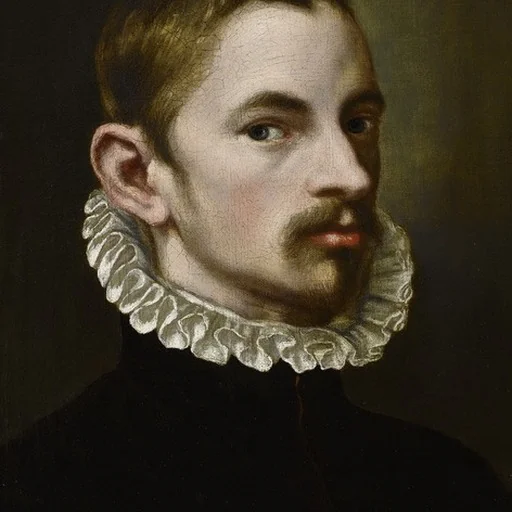
Bartolomeo Passarotti or Passerotti (1529–1592) was an Italian painter of the mannerist period, who worked mainly in his native Bologna. His family name is also spelled Passerotti or Passarotto.

 Portrait of a gentleman
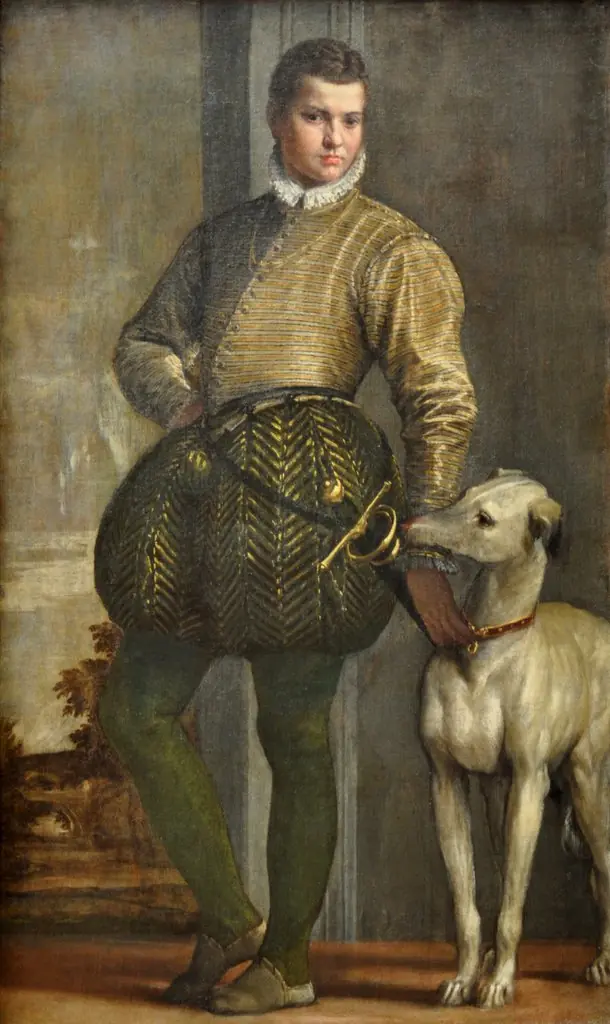 Boy with a Greyhound
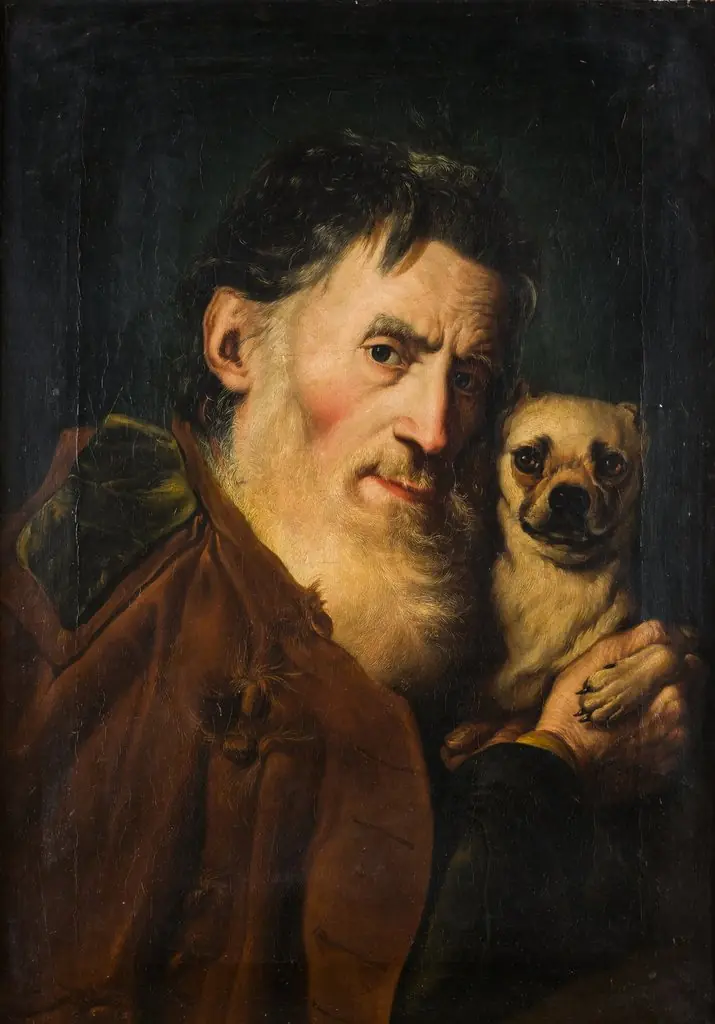 An Old Man with a Dog
 Necunoscut în costum german de curte (în Reg. Inv.: Necunoscut în costum german)
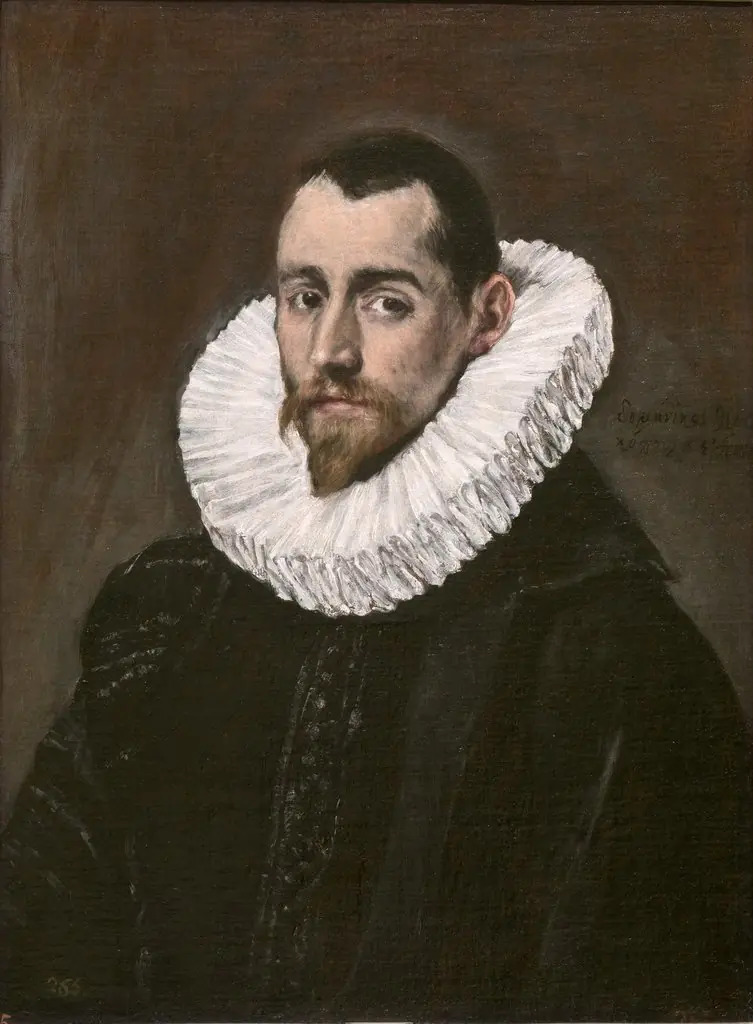 Portrait of a Young Gentleman
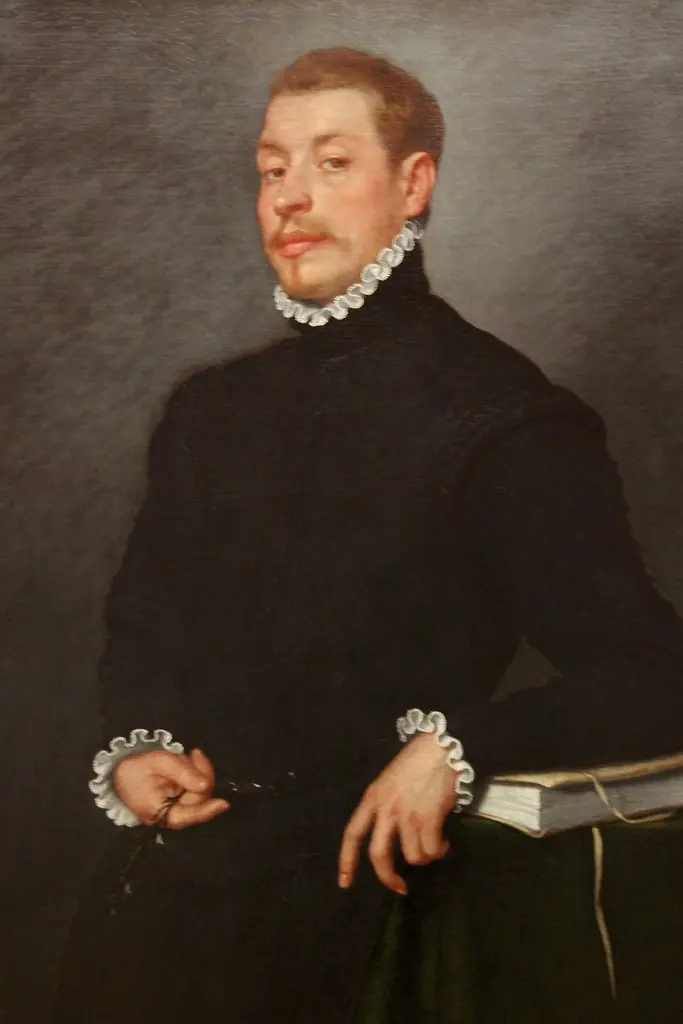 Portrait of a Scholar
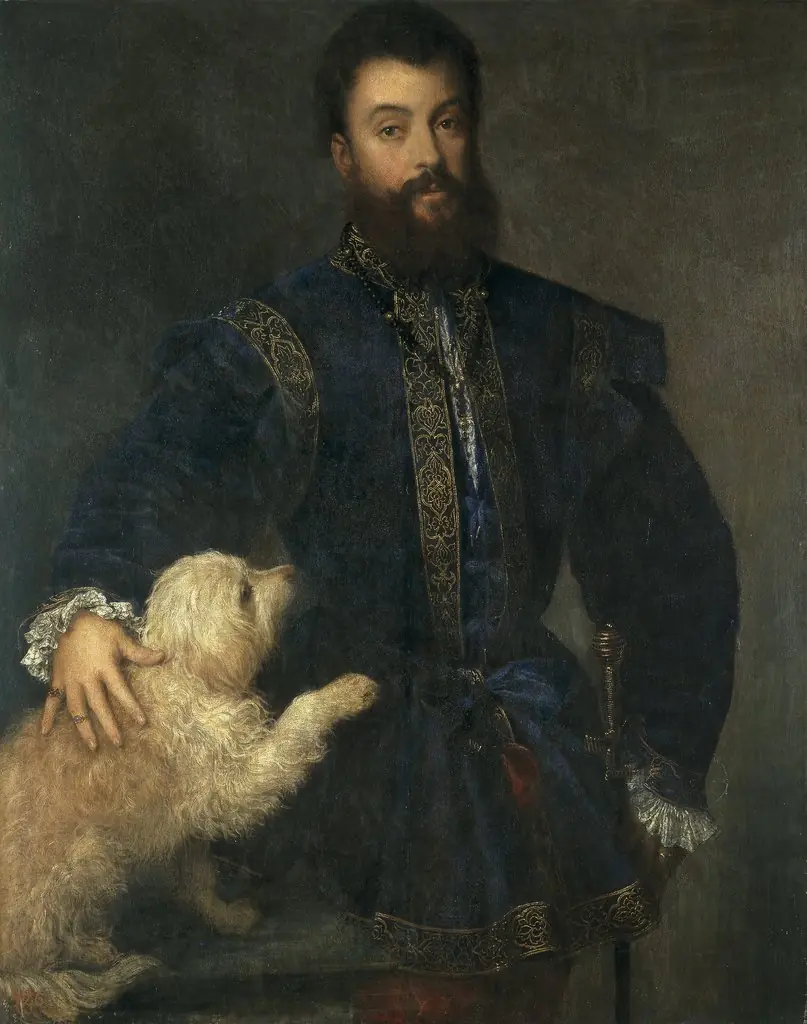 Portrait of Federico II Gonzaga
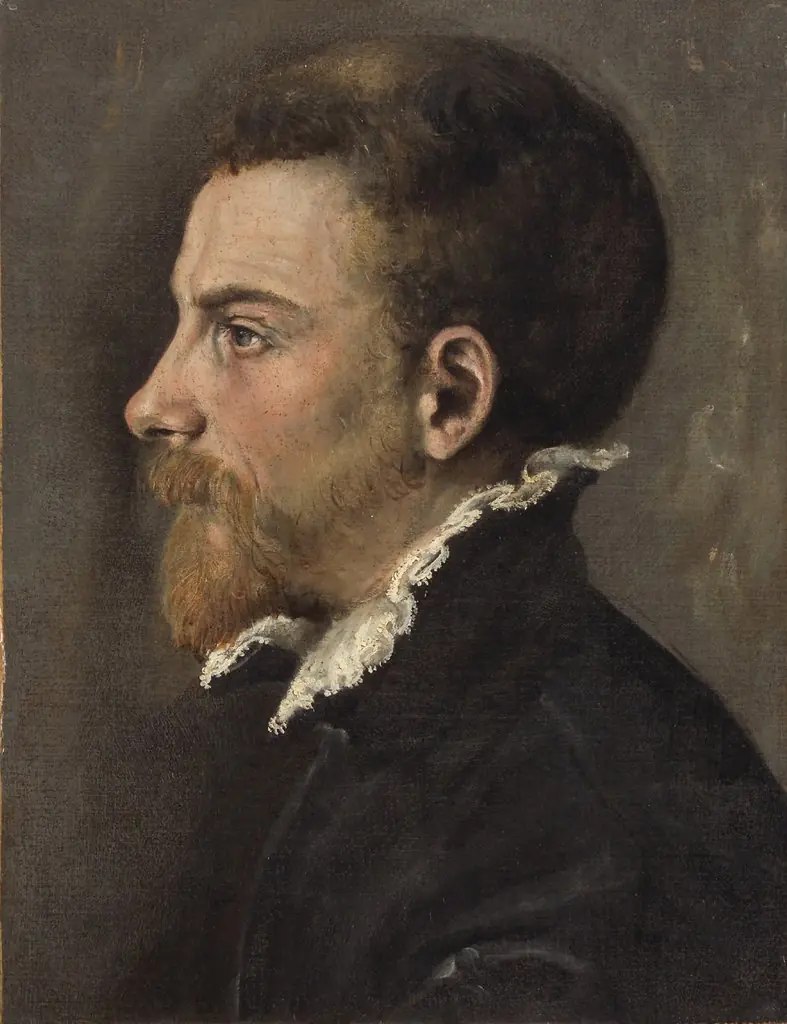 Portrait of a bearded man in profile
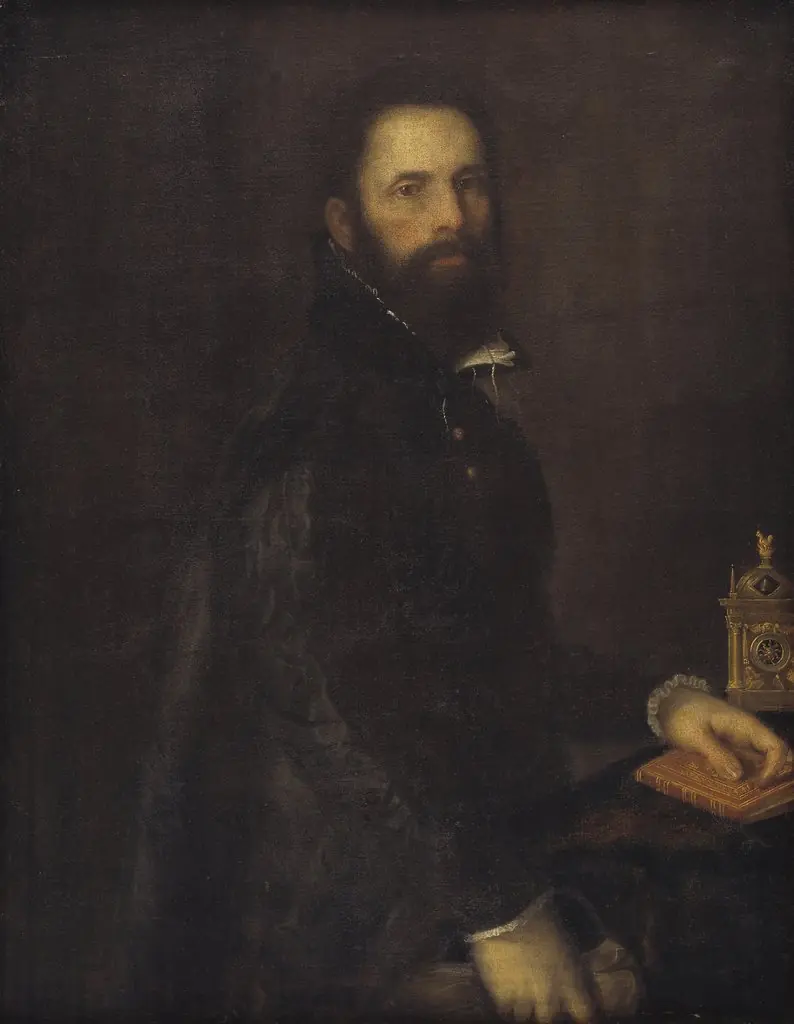 Portrait of Antonio Galli
 Wolfgang Wilhelm (1578-1653), count palatine of Neuburg, duke of Gulik and Berg