Artwork
Portrait of a Young Gentleman
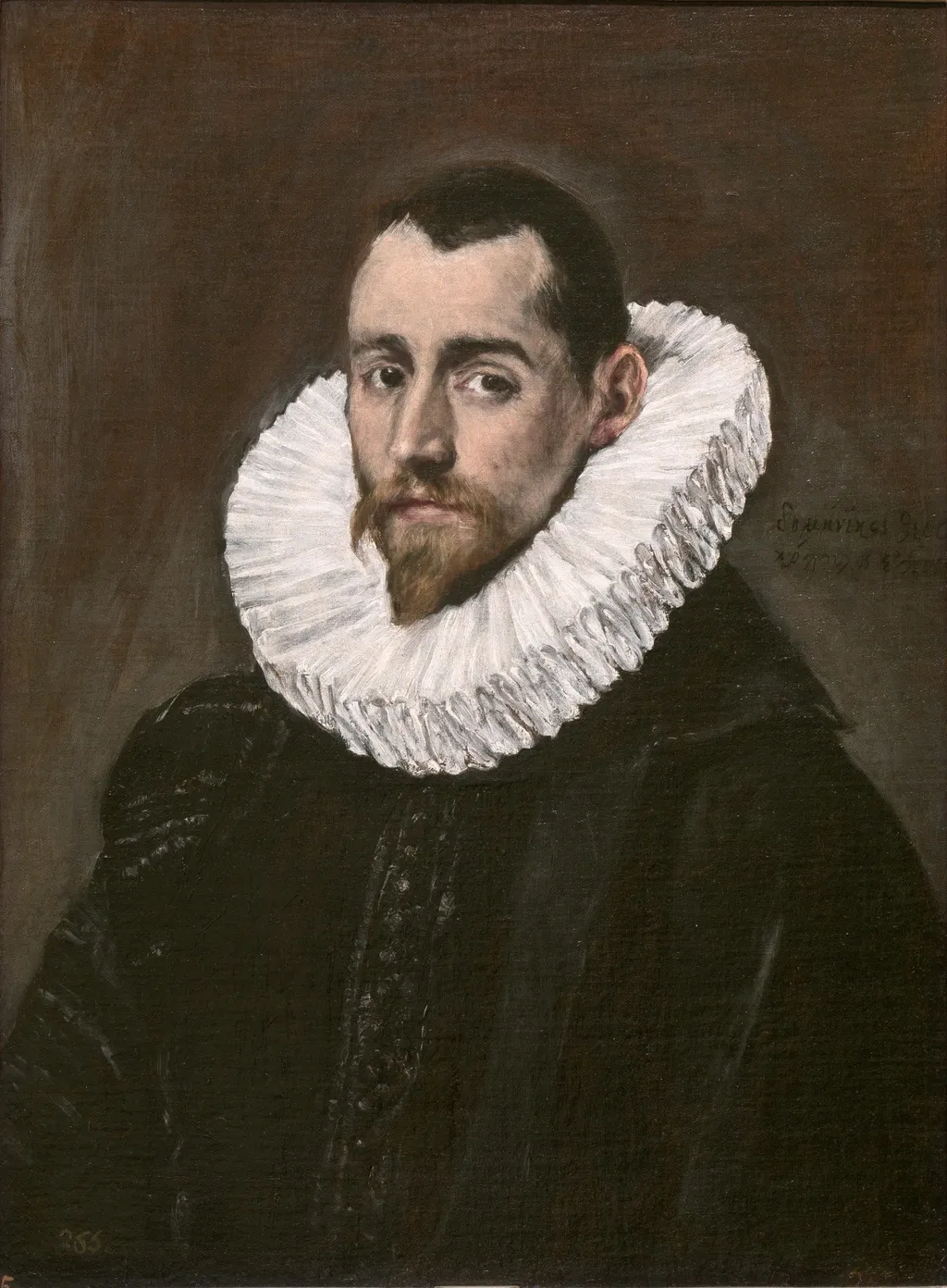
Portrait of a Young Gentleman is an oil painting by the Mannerist artist El Greco. It dates from 1600 and is held in the collection of the Museo del Prado. Created between 1600 and 1605, this oil on canvas portrait depicts an unnamed young nobleman.
About this work
Subject & Meaning
The subject's black attire and the white ruff, characteristic of Philip III's reign, contribute to the portrait's formal elegance.
The painting depicts a young man dressed in black with a ruffled collar, rendered in a half-length format against a dark background as he gazes directly at the viewer with his head slightly turned. The identity of the sitter remains uncertain, although it was once thought to portray the poet Baltasar Elisio de Medinilla, a hypothesis that has been rejected. The work shows stylistic influences from Titian and Tintoretto, reflecting El Greco's time in Venice. The subject's black attire and the white ruff, characteristic of Philip III's reign, contribute to the portrait's formal elegance. The attribution to El Greco is unanimous, but assessments of its quality vary, with some scholars noting a more mechanical execution compared to his typical portraits. The painting features expressive characterization of the face, particularly the intelligent and penetrating eyes, achieved through strong brushwork and effective use of light and color. Technical analysis reveals pentimenti and pentimenti, including pentimenti in the underdrawing and pentimenti in the paint layer, and the work has undergone conservation, including cleaning and restoration.
Technique & Style
The work is an oil painting on canvas, dated to circa 1600-1605, with dimensions recorded as 65 × 49 cm by the Museo del Prado (though Wethey and Tiziana Frati give 55 × 49 cm). The sitter is shown bust-length against a dark, neutral background, his head slightly turned toward the viewer. He wears black, accented by a broad white ruff (lechuguilla) characteristic of the reign of Philip III, whose brilliance sets off the face. El Greco conveys the sitter's inner life through characterization of the features, particularly his intelligent, penetrating eyes, using strong brushwork and a confident handling of light and color. The face is resolved with small brushstrokes and touches of carmine on the lips, ear, and cheeks. A Greek cursive inscription reading δομήνικος θεοτοκóπουλος ε'ποίει appears at center-right. The attribution to El Greco is unanimous, though Wethey notes an execution more mechanical than usual for his portraits. The painting shows wear, and a bluish-black ground layer has become visible through the face and clothing.
History & Provenance
Portrait of a Young Gentleman was painted by El Greco in 1600, an oil on canvas portrait originally displayed in the quinta del Duque del Arco at the Royal Palace of El Pardo in Madrid before entering the collection of the Museo del Prado. The work first passed through the Royal Collection of Felipe V, was recorded in the Duke of Arco’s summer quarters in 1745 as piece number 409, and later listed as piece 364 in 1794. Its attribution to El Greco is unanimous, though scholars have debated its quality and precise dating, placing it between 1600 and 1605. The painting was long believed to depict the poet Baltasar Elisio de Medinilla, a identification now rejected, and its subject remains unknown. Technical records from the Prado catalogue it as P000811, measuring 65 by 49 centimeters according to the museum, though other sources cite 55 by 49 centimeters.
Portrait of a Young Gentleman is held in the Museo del Prado in Madrid. Its inventory number is P000811. The work has been part of the Royal Collection and was displayed at the Quinta del Duque del Arco in El Pardo, listed as the thirteenth summer piece in 1745 and later as the twelfth piece in 1794. It was later reattributed and cataloged by Wethey as number 144 and by Tiziana Frati as reference 137. The painting has undergone conservation issues, including blue-gray priming that has penetrated the figure and clothing.
Context
Portrait of a Young Gentleman belongs to a group of five similarly sized El Greco portraits originating from the Quinta del Duque del Arco, in which the sitters are uniformly shown bust-length against a dark neutral background, dressed in black with a white ruff. The attribution to El Greco is unanimous, though scholars such as Harold Wethey have judged its execution more mechanical than is typical of the master's portraits. The work was long identified as the poet Baltasar Elisio de Medinilla, but this identification has since been rejected, leaving the subject unknown. Stylistically, the painting appears to reflect the influence of Titian and Tintoretto, both of whom El Greco encountered during his Venetian period. The painting entered the Spanish Royal Collection under Philip V and was later housed at El Pardo before passing to the Museo del Prado, where it is catalogued as P000811.
Scholarship on the work is documented in standard El Greco catalogues by Wethey (no. 144) and Tiziana Frati (no. 137), as well as in studies by José Álvarez Lopera, Manuel Bartolomé Cossío, and José Gudiol.
Own this work as a print
Artist & collection
Artist
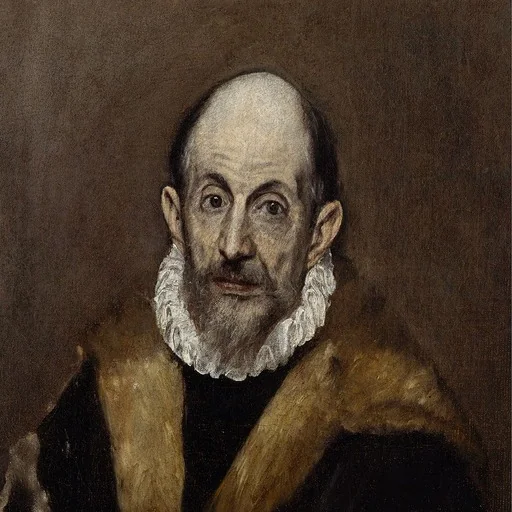
Doménikos Theotokópoulos was born in 1541 in Candia (modern Heraklion), the capital of Venetian-ruled Crete, where he was trained in the post-Byzantine tradition of icon painting.

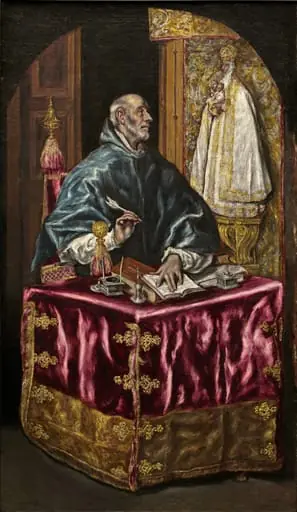
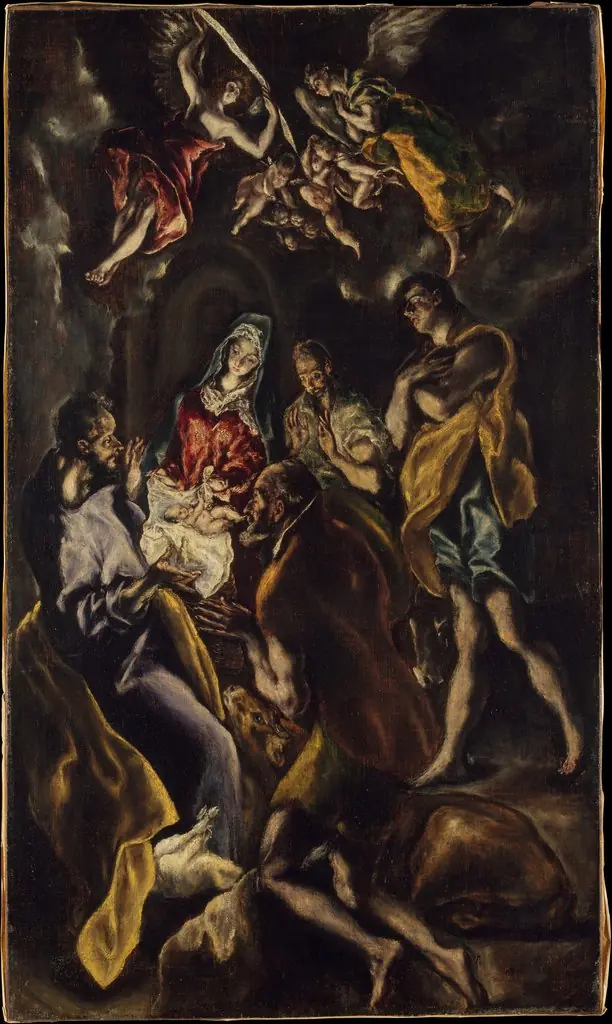

- Portrait of a young man
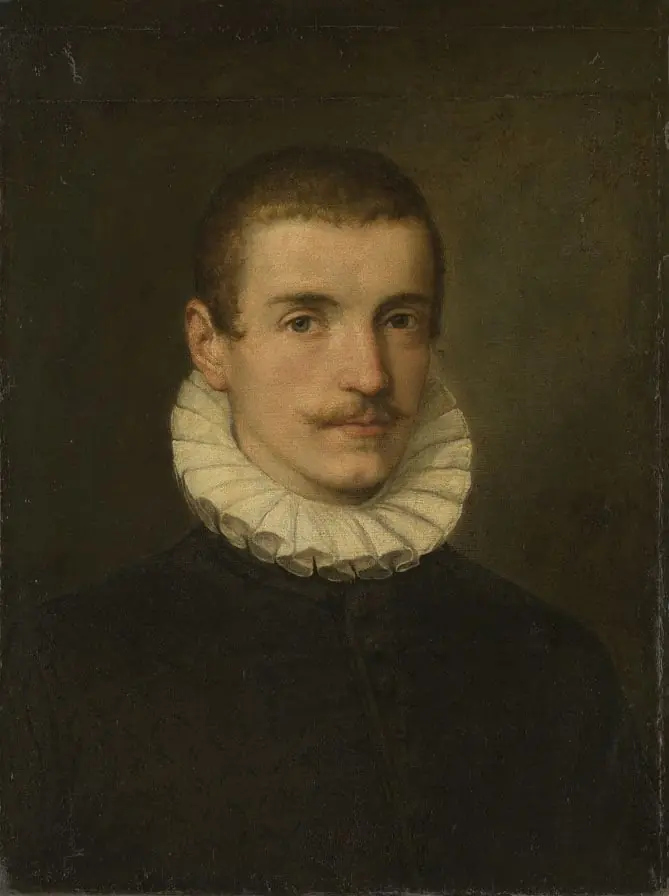 Portrait of a Young Man
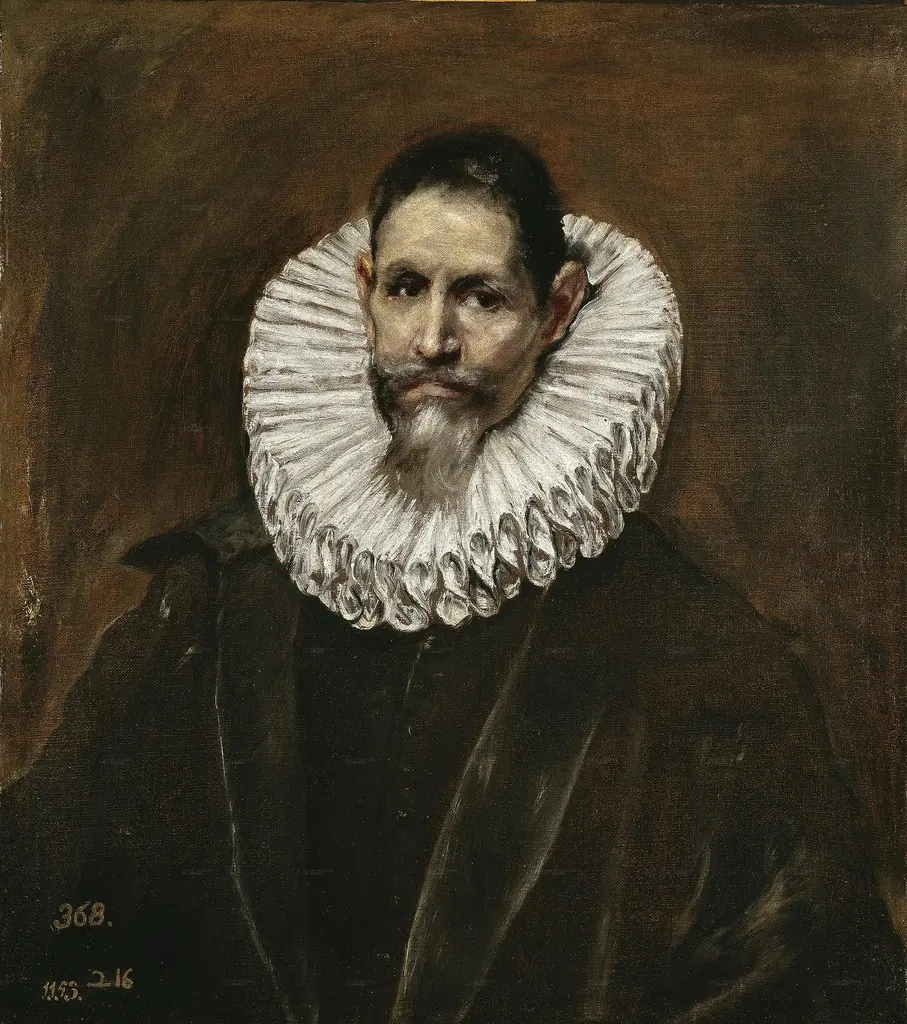 Portrait of Jerónimo de Cevallos
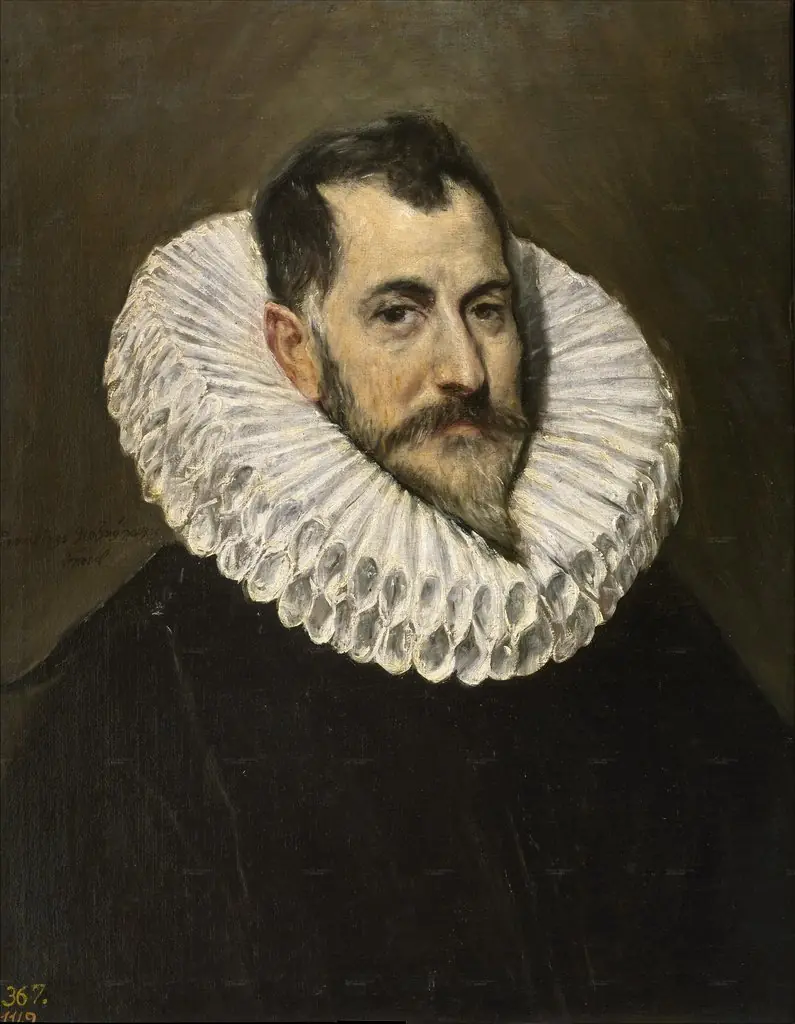 Retrato de un caballero desconocido
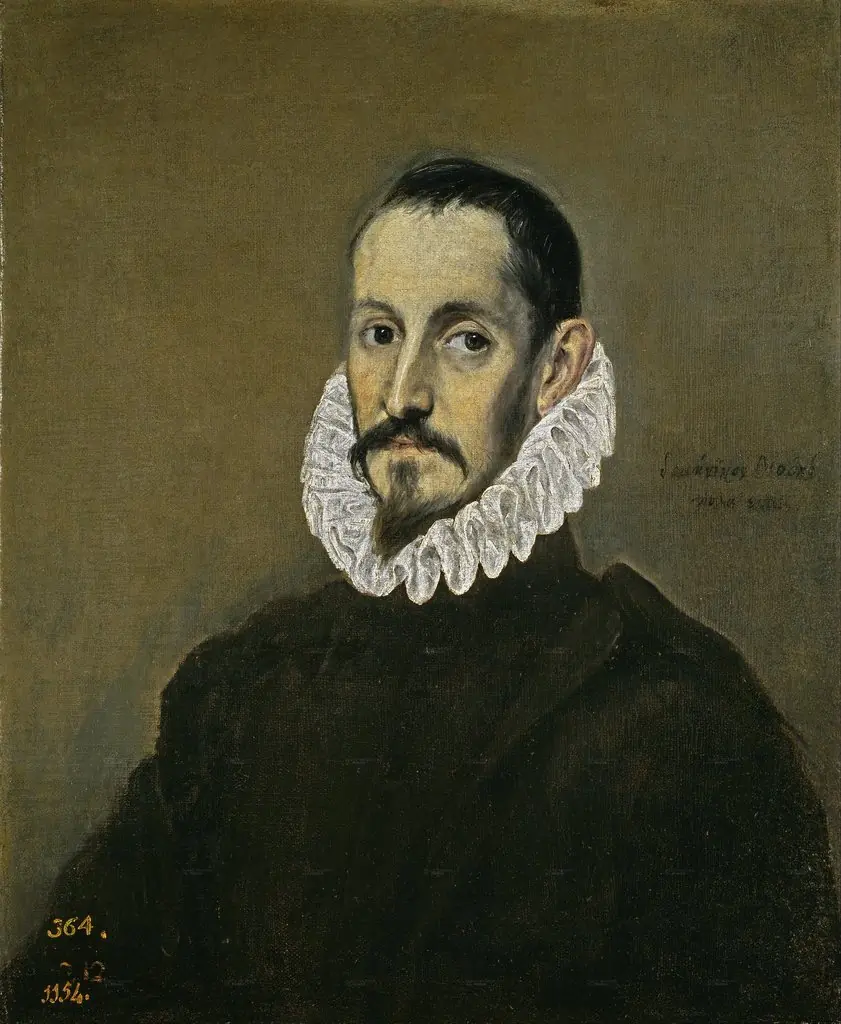 Portrait of a gentleman
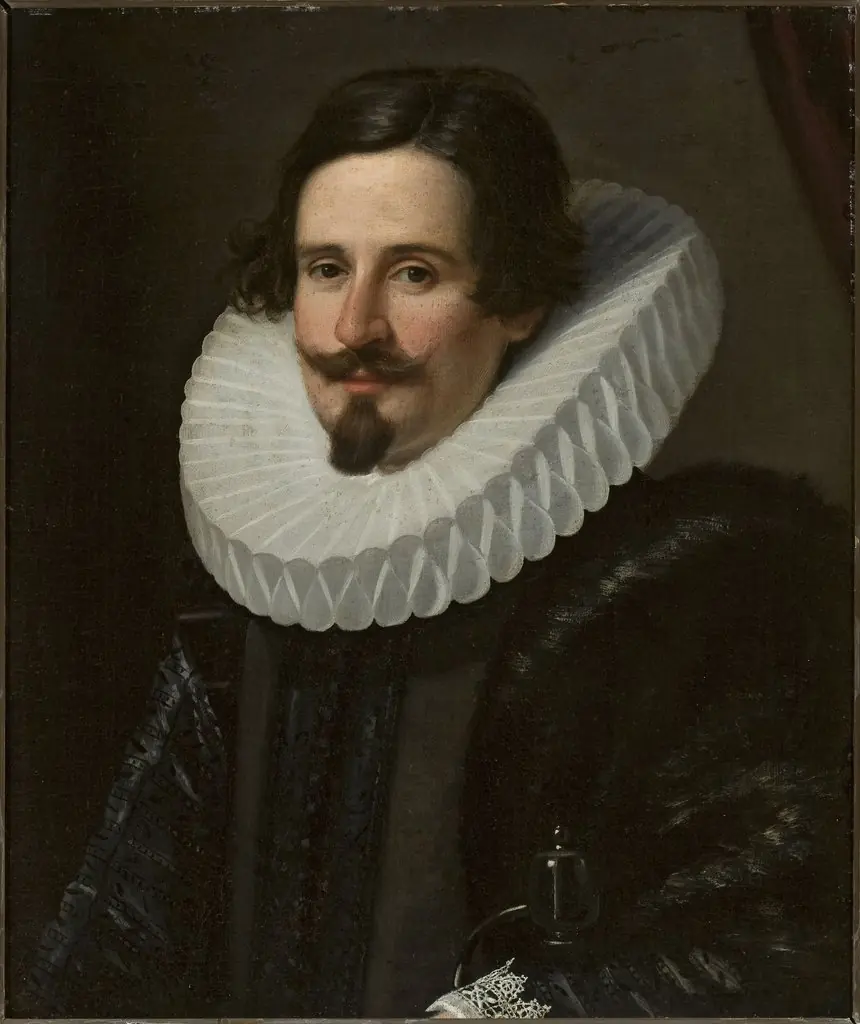 Portrait of a man in a frill
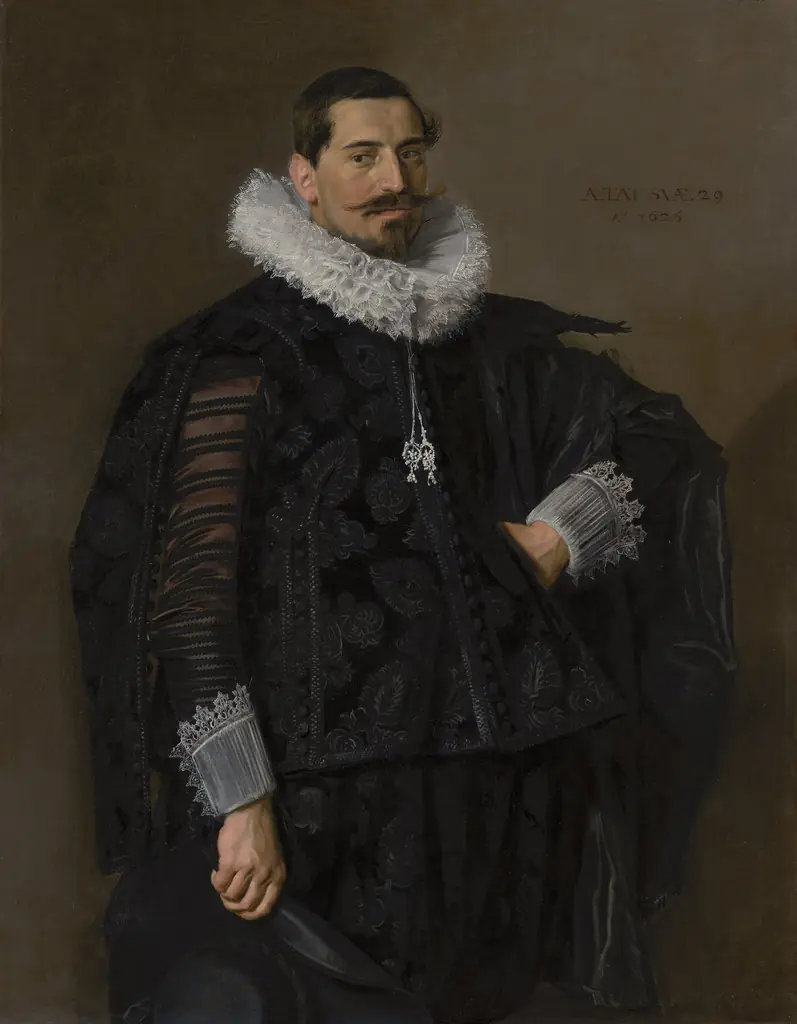 Portrait of Jacob Pietersz Olycan (1596-1638)
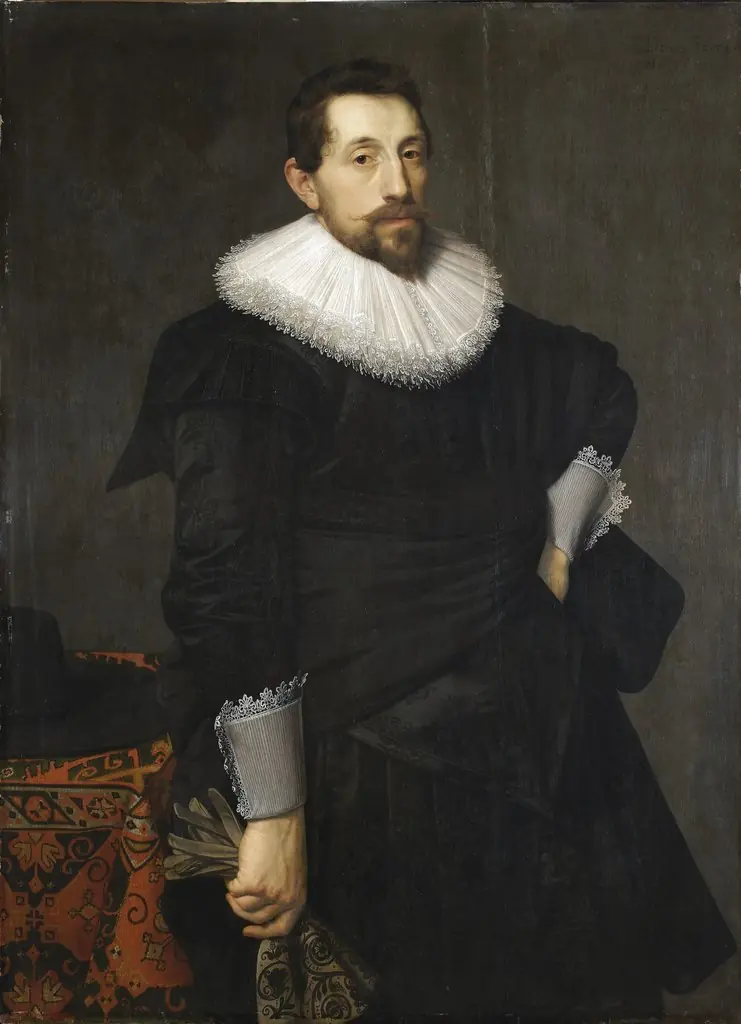 Portrait of a Man with Gloves
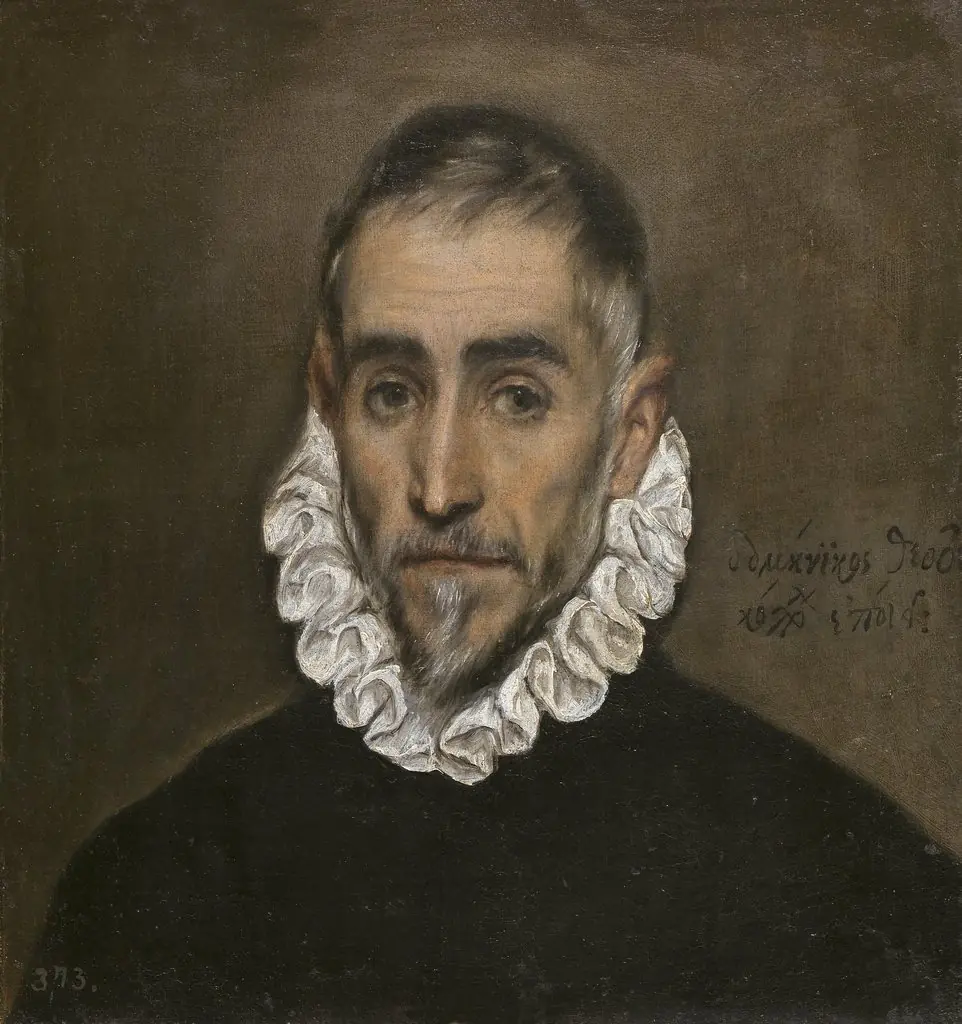 Portrait of an Elderly Man
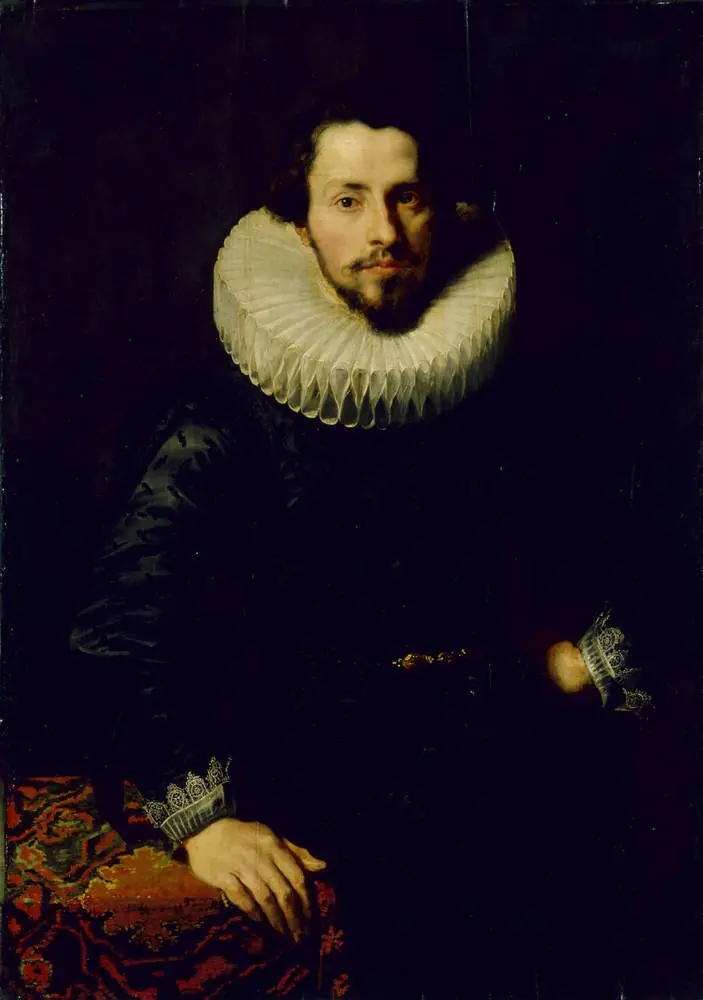 Portrait of a Man at a Table
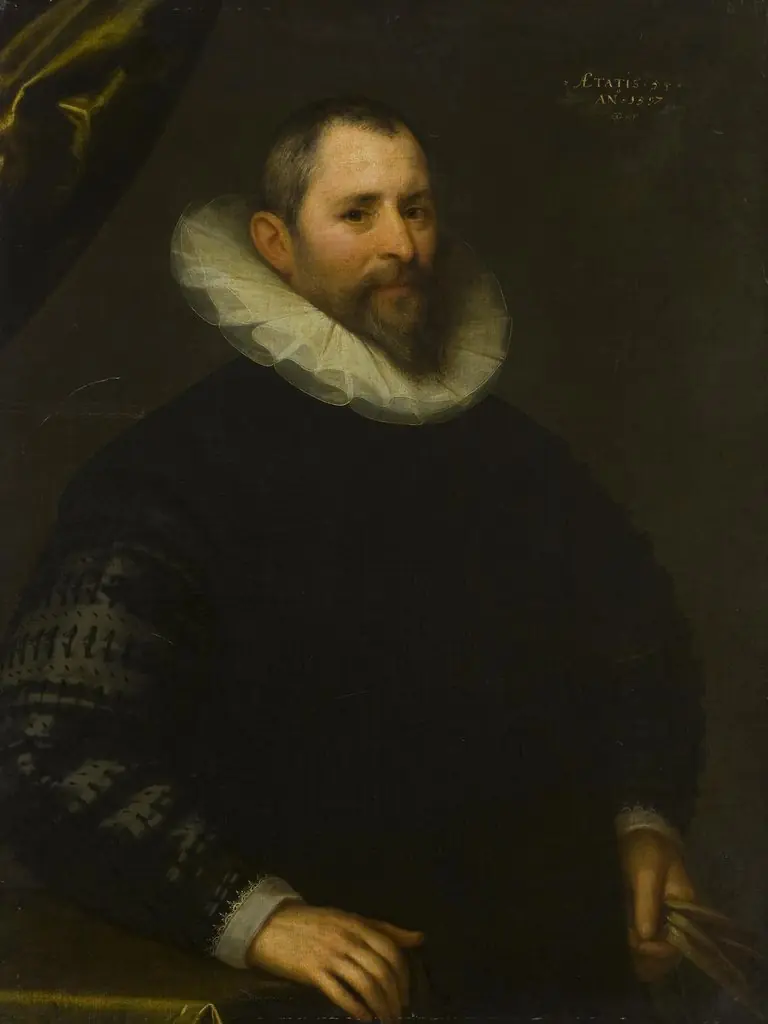 Portrait of Gottfried Hautappel
 Portrait of Rodrigo de la Fuente