Artwork
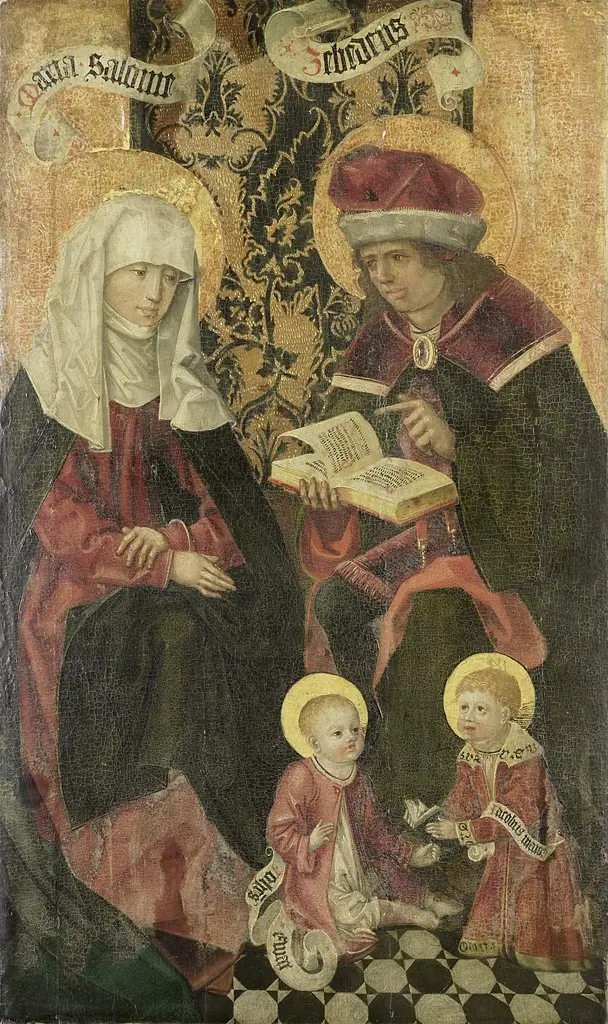
St Ladislas Presents Wladislav II and his Sons to the Virgin
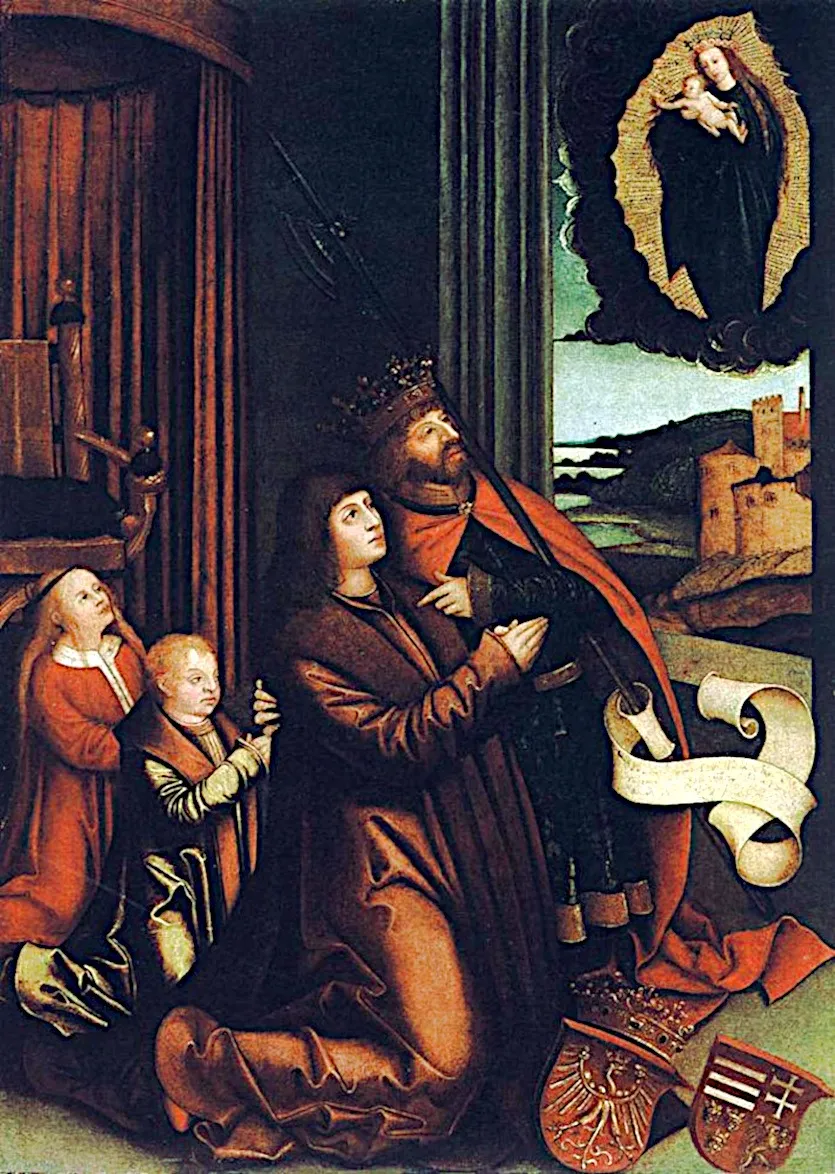
St Ladislas Presents Wladislav II and his Sons to the Virgin is an oil painting by the Northern Renaissance artist Bernhard Strigel. It dates from 1511 and is held in the collection of the Museum of Fine Arts, Budapest.
About this work
Overview
Strigel, based in Memmingen and connected to the Habsburg court, combined devotional imagery with courtly portraiture.
Painted in 1511 by Bernhard Strigel, this oil-on-panel work belongs to the Northern Renaissance tradition. Strigel, based in Memmingen and connected to the Habsburg court, combined devotional imagery with courtly portraiture. The painting presents a symbolic moment in which the Hungarian king and his family are introduced to the Virgin Mary by Saint Ladislas, blending historical figures with sacred narrative in a single composition.
Subject & Meaning
The scene depicts King Władysław II of Hungary, his queen, and their two sons, presented before the Virgin and Child by Saint Ladislas, a canonized Hungarian monarch. The gesture signifies divine favor and legitimacy, reinforcing the royal family’s sacred right to rule. The inclusion of Saint Ladislas as intermediary merges earthly authority with heavenly sanction, a common theme in dynastic religious art of the period.
Technique & Style
Strigel employed fine oil glazes to render luxurious textiles, metallic ornaments, and delicate facial features with precision. The figures are arranged in a shallow, stage-like space against a dark background, enhancing their monumentality. A distant landscape visible through a window adds subtle depth, while the foreground’s ornate object, likely a royal insignia, anchors the composition with symbolic weight.
History & Provenance
Commissioned during Strigel’s tenure as court painter to Emperor Maximilian I, the work reflects the political and spiritual alliances of Central European royalty. It entered the collection of the Museum of Fine Arts in Budapest in the 19th century, where it remains today. Its survival through centuries of political change underscores its enduring significance as a cultural artifact of the Habsburg sphere.
Context
Created during the height of the Northern Renaissance, the painting reflects the fusion of devotional imagery with secular power. In Hungary and the Holy Roman Empire, rulers frequently commissioned religious art to assert divine endorsement of their lineage. Strigel’s style, influenced by both German and Netherlandish traditions, catered to elite patrons seeking both spiritual gravitas and dynastic prestige.
Legacy
The painting stands as a representative example of courtly religious portraiture in early 16th-century Central Europe. While Strigel is less widely known than his Italian contemporaries, his work illustrates how regional artists adapted Renaissance techniques to serve local political and religious agendas. This piece continues to inform scholarship on the intersection of monarchy, sainthood, and visual culture in the Habsburg domains.
Artist & collection
Artist
Bernhard Strigel (c. 1461 – 4 May 1528) was a German portrait and historical painter of the Swabian school, the most important of a family of artists established at Memmingen. He was born at Memmingen and was probably a…

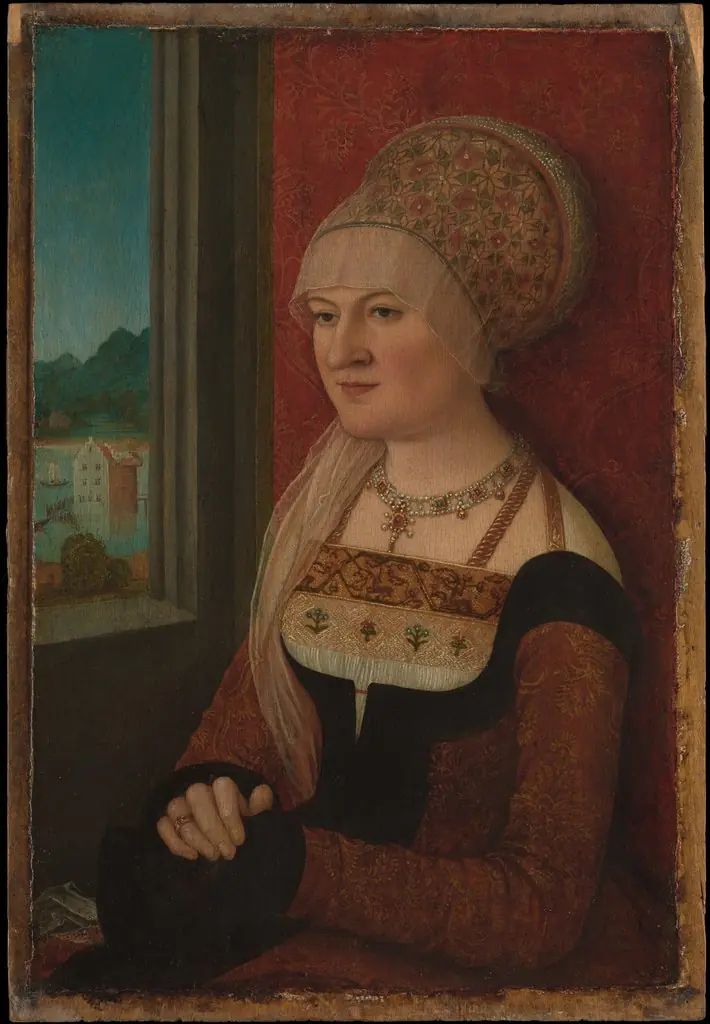
![Margarethe Vöhlin [reverse], by Bernhard Strigel](https://artifactworldgallery.com/img/bernhard-strigel--margarethe-vohlin-reverse--01f4c80425fbb8fe-w320.webp)
![Margarethe Vöhlin [obverse], by Bernhard Strigel](https://artifactworldgallery.com/img/bernhard-strigel--margarethe-vohlin-obverse--435992056faaebf8-w320.webp)
![Hans Roth [obverse], by Bernhard Strigel](https://artifactworldgallery.com/img/bernhard-strigel--hans-roth-obverse--9904e8cf2692db0d-w320.webp)
![Hans Roth [reverse], by Bernhard Strigel](https://artifactworldgallery.com/img/bernhard-strigel--hans-roth-reverse--9e98efc46bbdf23c-w320.webp)
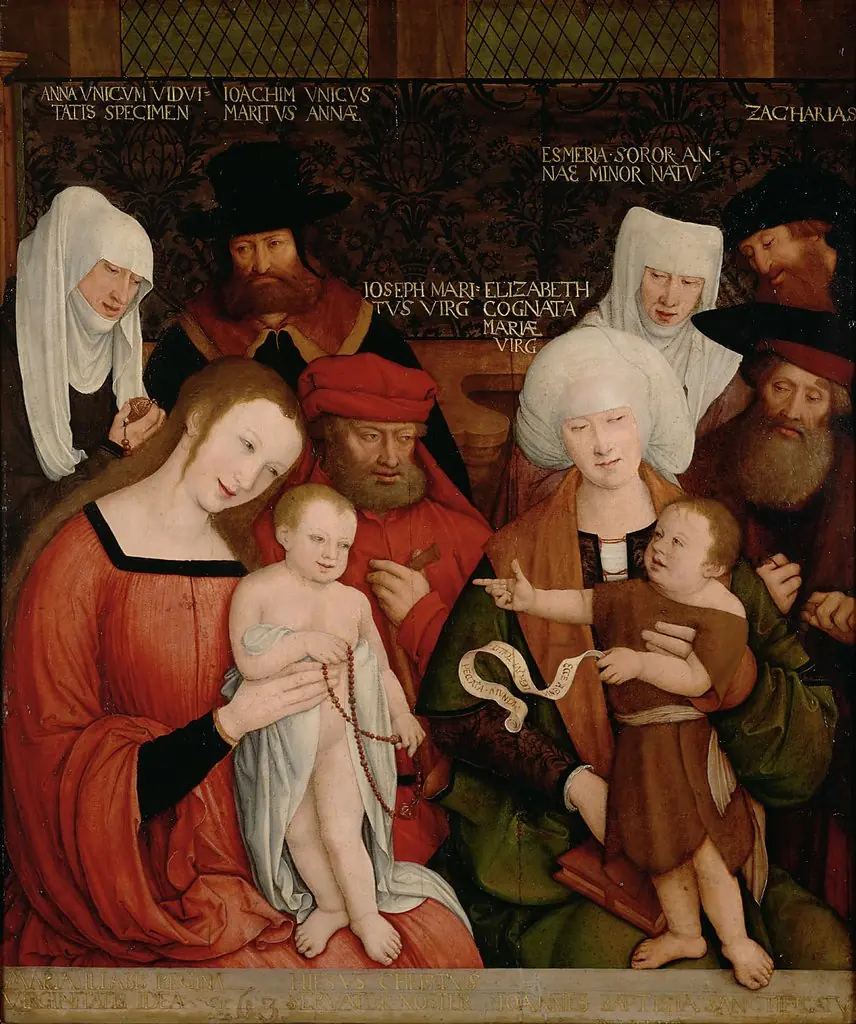
- The Holy Family
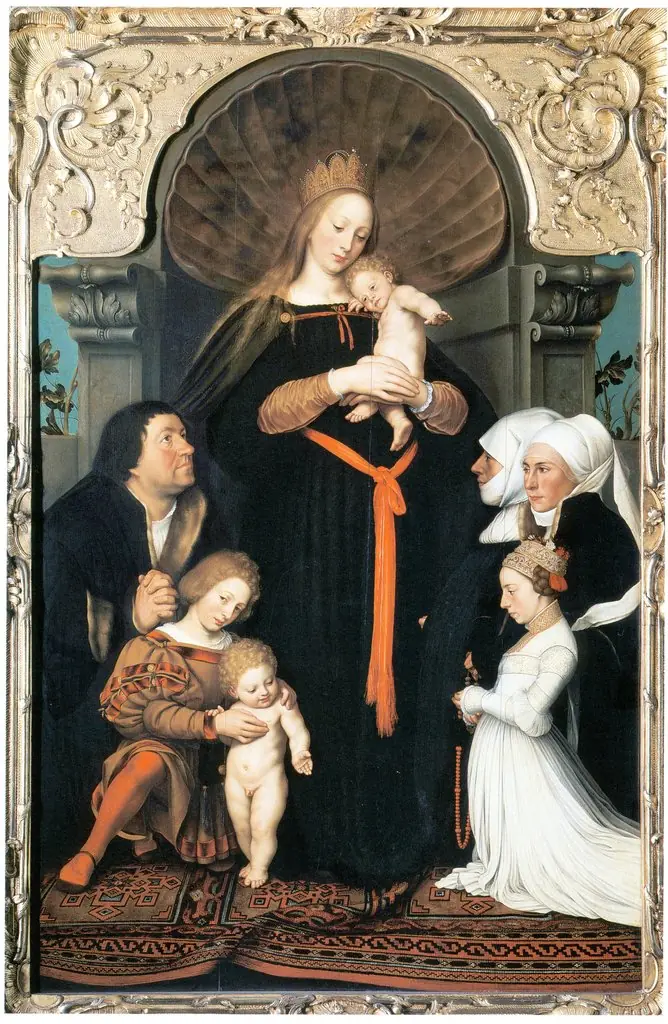 Madonna des Bürgermeisters Meyer (Kopie)
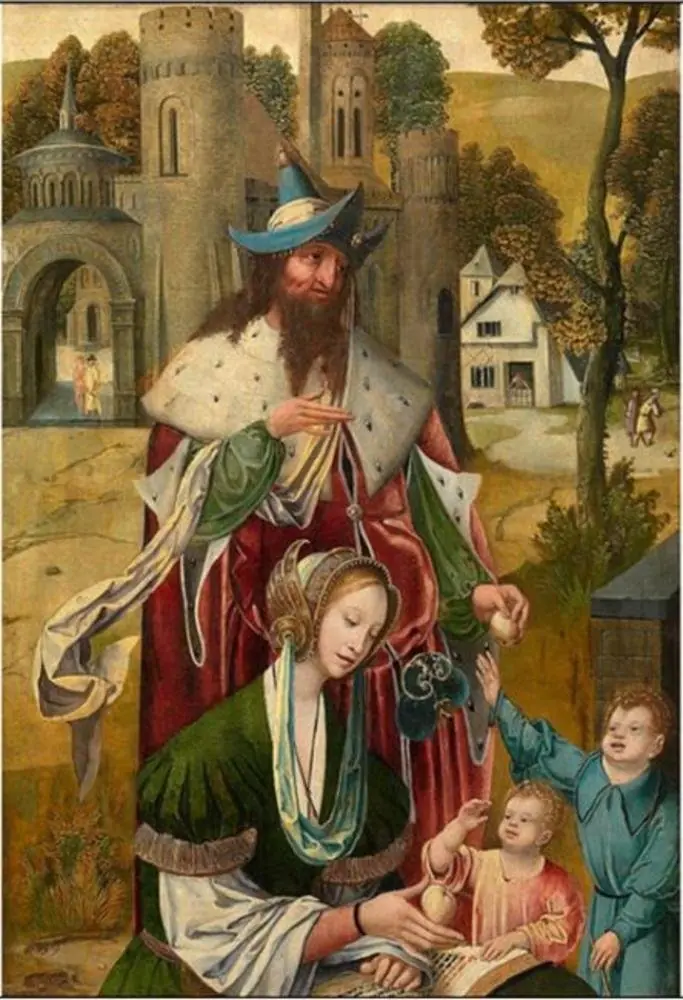 Mary Salome and her Family
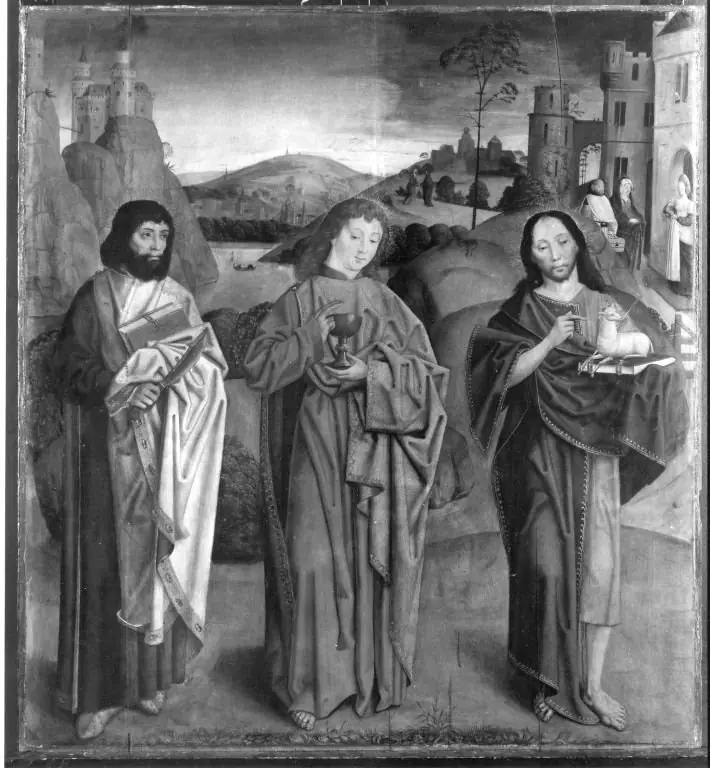 Beschneidungsaltar: Die hll. Bartholomäus, Johannes Ev. und Johannes d. T.
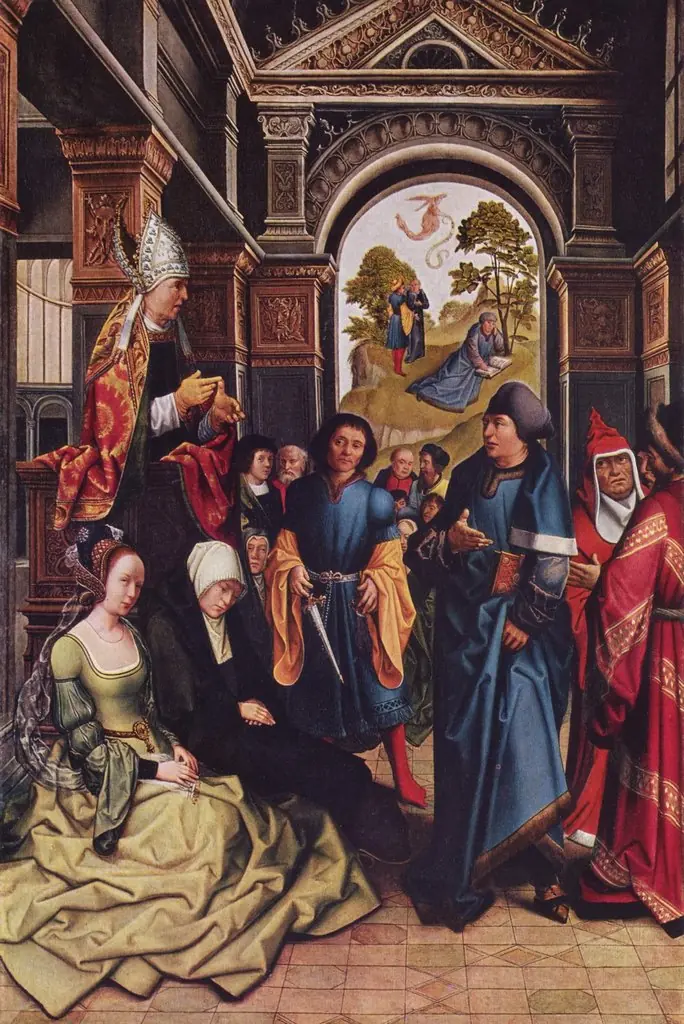 Sermon of St. Ambrose Outside: Two standing holy bishops
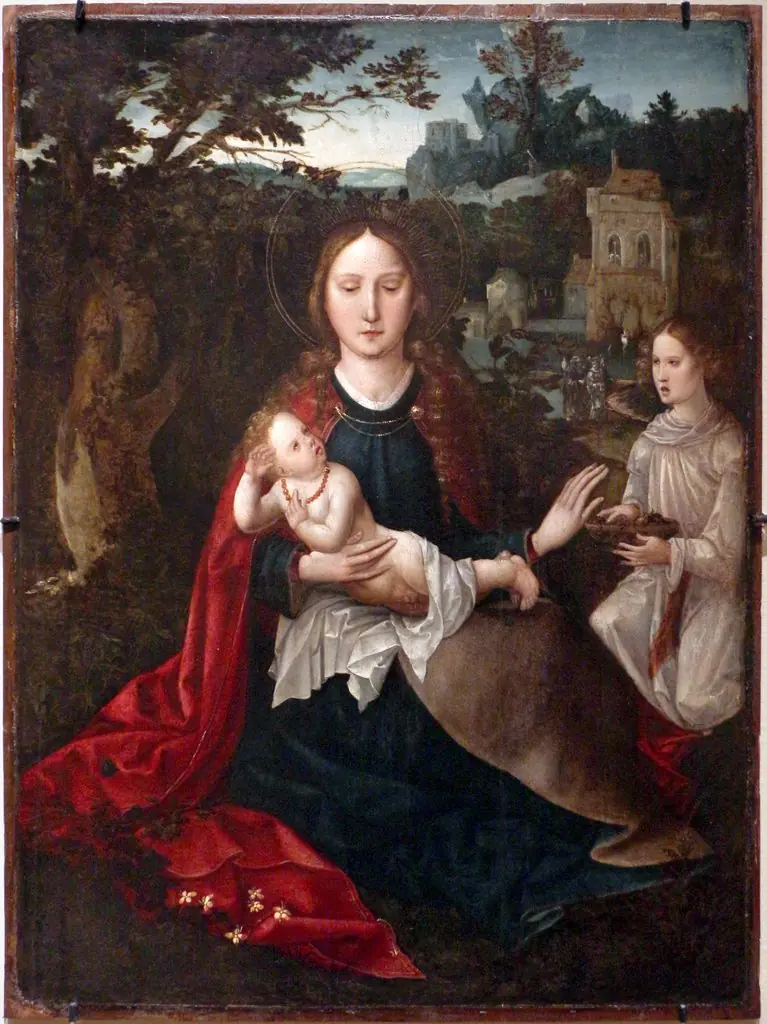 A Virgem Maria e o Menino Jesus com um Anjo
 Saint Catherine of Alexandria Preaching to the Emperor
 Triptych:Adoration of the Magi
 Madonna with Child Jesus
 Virgin and Child Enthroned, with Saints Jerome and John the Baptist and a Carthusian Monk
 "The Family of Zebedee