Artwork
Objects of Art from the Louvre
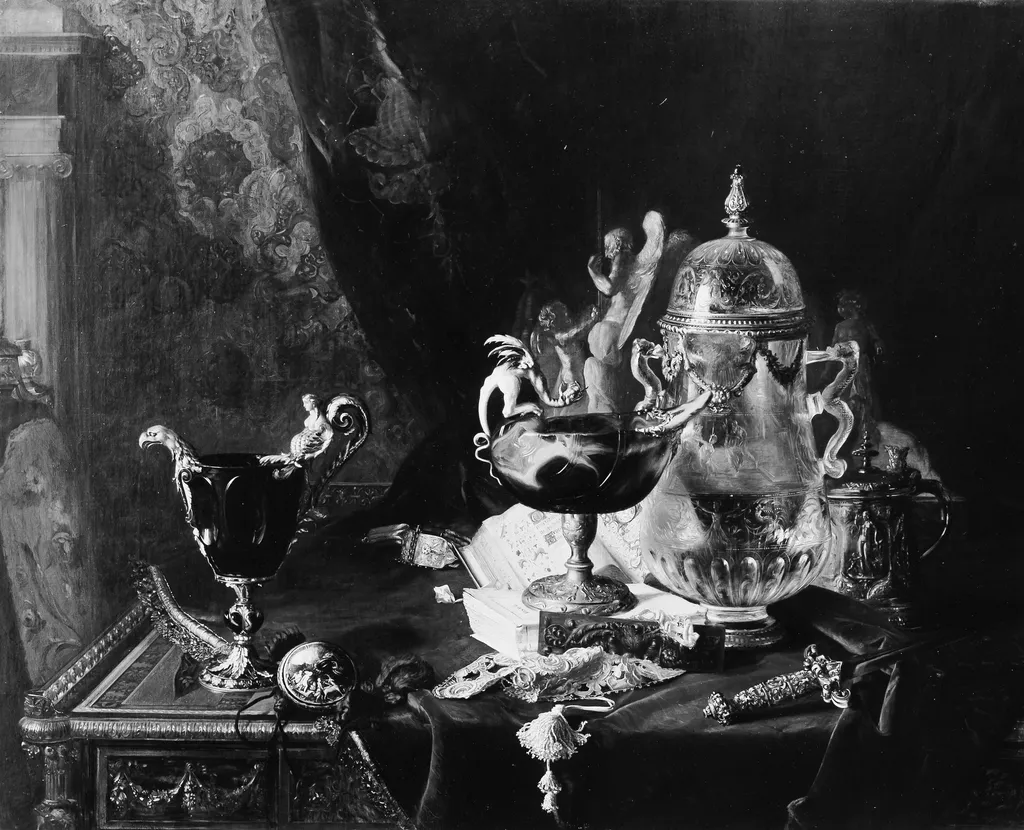
Objects of Art from the Louvre is an oil painting by the Impressionist artist Blaise Alexandre Desgoffe. It dates from 1874 and is held in the collection of the Metropolitan Museum of Art.
About this work
Subject & Meaning
Objects of Art from the Louvre is a still-life painting whose title indicates that it depicts an assortment of art objects drawn from the Louvre’s collections.
Objects of Art from the Louvre is a still-life painting whose title indicates that it depicts an assortment of art objects drawn from the Louvre’s collections. Executed in oil on canvas, the work measures 73 cm in height and 92.1 cm in width. As a still life, it concentrates on the careful arrangement and detailed rendering of these inanimate objects, emphasizing their material qualities.
The painting does not present a narrative scene; its meaning resides in the straightforward presentation of the objects themselves.
Technique & Style
Objects of Art from the Louvre is executed in oil paint on canvas, a traditional support suited to the meticulous rendering of still-life subjects. The work measures 73 cm in height by 92.1 cm in width, giving it a horizontal orientation that accommodates the arrangement of objects depicted. Classified as a painting in the still-life genre, the canvas surface would have allowed Desgoffe to build up the layered, polished finish associated with his detailed object studies.
No specific information is provided in the available sources regarding the handling of the brushwork, the condition of the work, or its formal and stylistic qualities beyond its genre classification as a still life.
History & Provenance
Objects of Art from the Louvre is a painting executed in 1874 by Blaise Alexandre Desgoffe. The work is created in oil on canvas and measures 73 by 92.1. It belongs to the still-life genre and was classified as a painting.
The piece is part of the Metropolitan Museum of Art collection and is housed in that institution. Its creation history reflects the artist’s focus on detailed still-life subjects during the late nineteenth century.
Objects of Art from the Louvre, an 1874 oil painting by Blaise Alexandre Desgoffe, is held in the collection of the Metropolitan Museum of Art. The work is catalogued as part of that institution's holdings, with recorded dimensions of 73 cm in height and 92.1 cm in width. No exhibition history beyond its accession into the Metropolitan Museum's collection is documented in the available sources.
Context
Objects of Art from the Louvre is an 1874 oil on canvas painting classified as a still‑life. The work was produced by French academic painter Blaise‑Alexandre Desgoffe, whose career is documented within the broader trajectory of 19th‑century French still‑life;. Scholarship treats the piece as emblematic of the academic emphasis on precise composition and decorative detail characteristic of the period, positioning Desgoffe as a practitioner who bridged the traditions of Dutch genre scenes and contemporary French salon still‑life.
The painting has been part of the Metropolitan Museum of Art’s collection since its acquisition, allowing continual study of its formal qualities and its role in the evolution of the genre.
Overview
Blaise Alexandre Desgoffe, a French painter recognized for his precise still-life compositions, created Objects of Art from the Louvre in 1874. This oil painting presents a carefully arranged collection of decorative items, rendered with a focus on their material qualities. The work exemplifies Desgoffe's dedication to detailed observation and the skillful portrayal of varied textures and reflective surfaces within a quiet, contemplative scene.
Own this work as a print
Artist & collection
Artist
Blaise Alexandre Desgoffe (January 17, 1830 – May 2, 1901) was a French painter who specialized in meticulously finished still-life paintings.

- Still life with a golden goblet
 A Jug, Fruit, Food and other Things on a Table
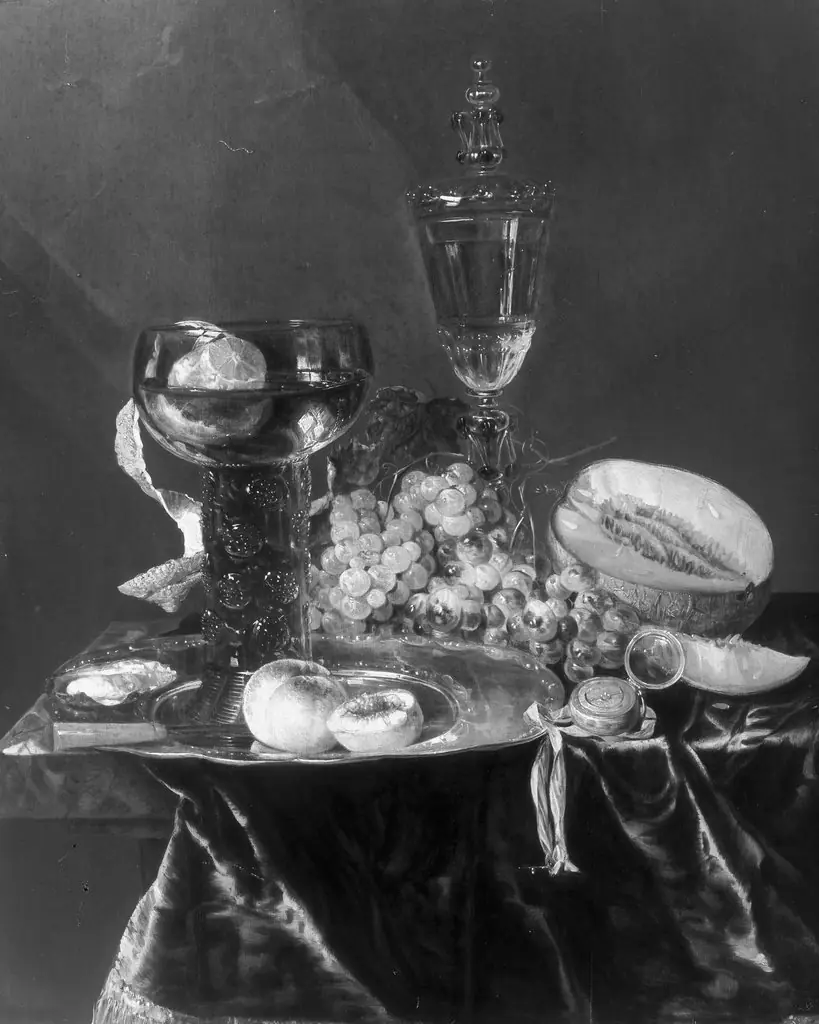 Still life with a glass lid goblet
 Flower Piece
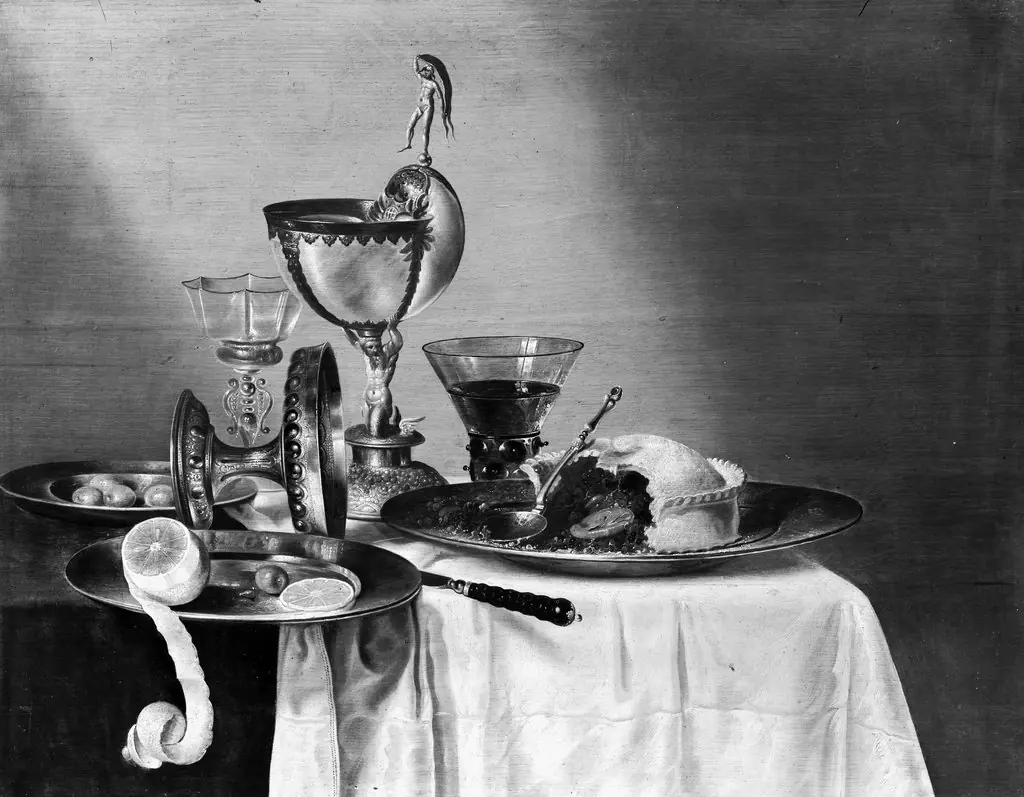 Still life
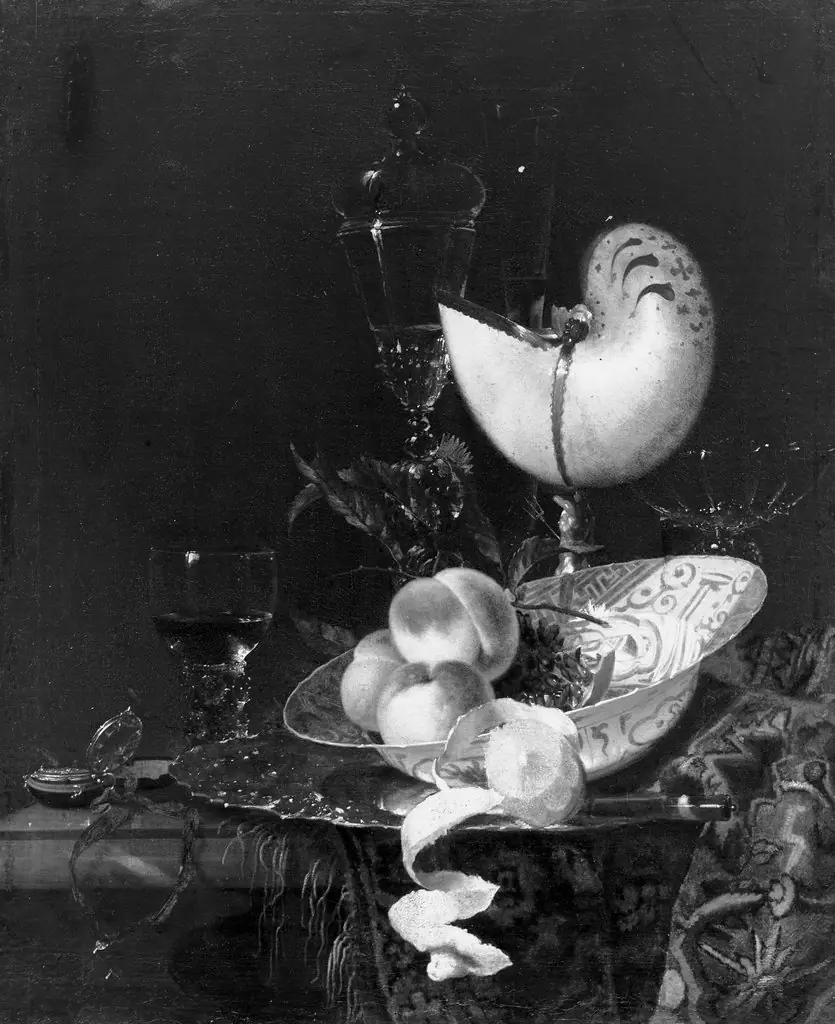 Still life with a nautilus cup
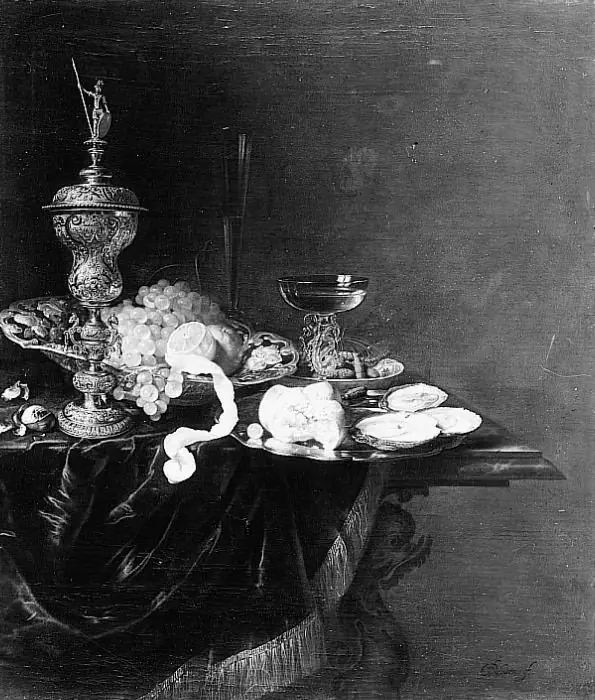 Still life with Akelei covered beaker dish of grapes, lemon and wine glasses
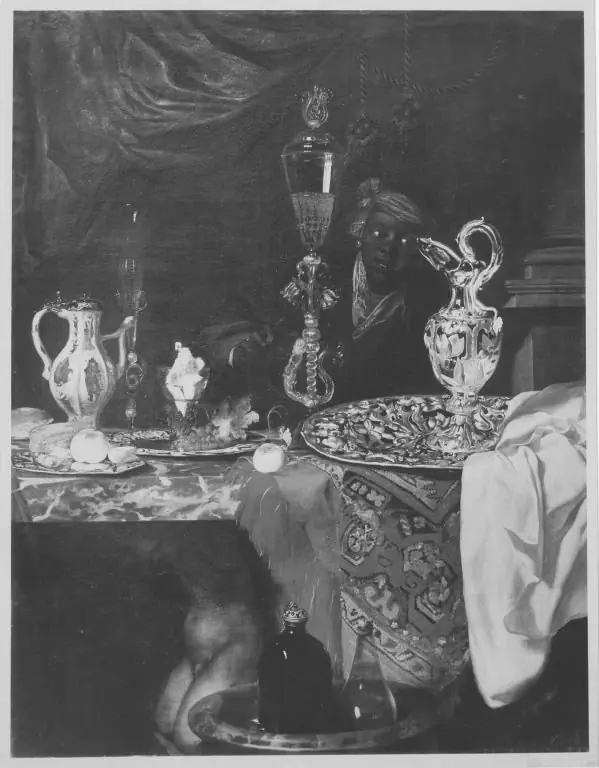 Still life with moor and splendor dishes
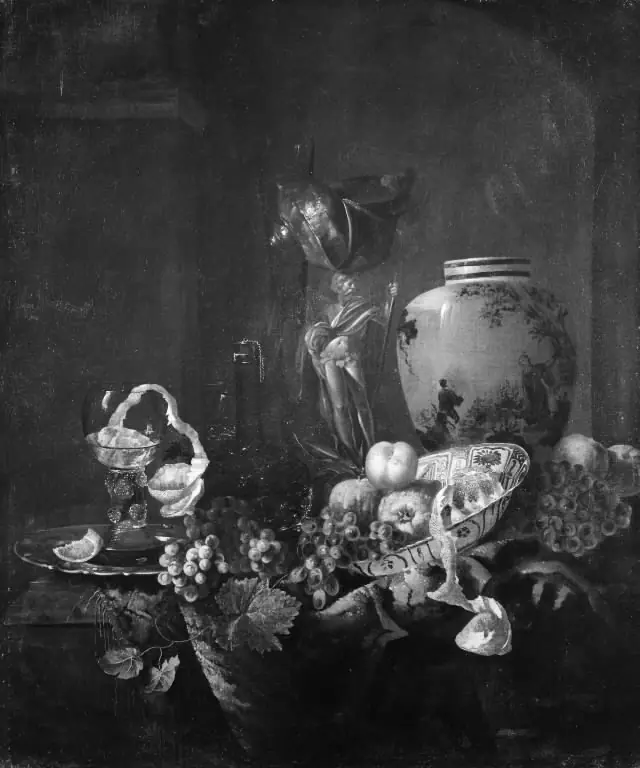 Flower Piece
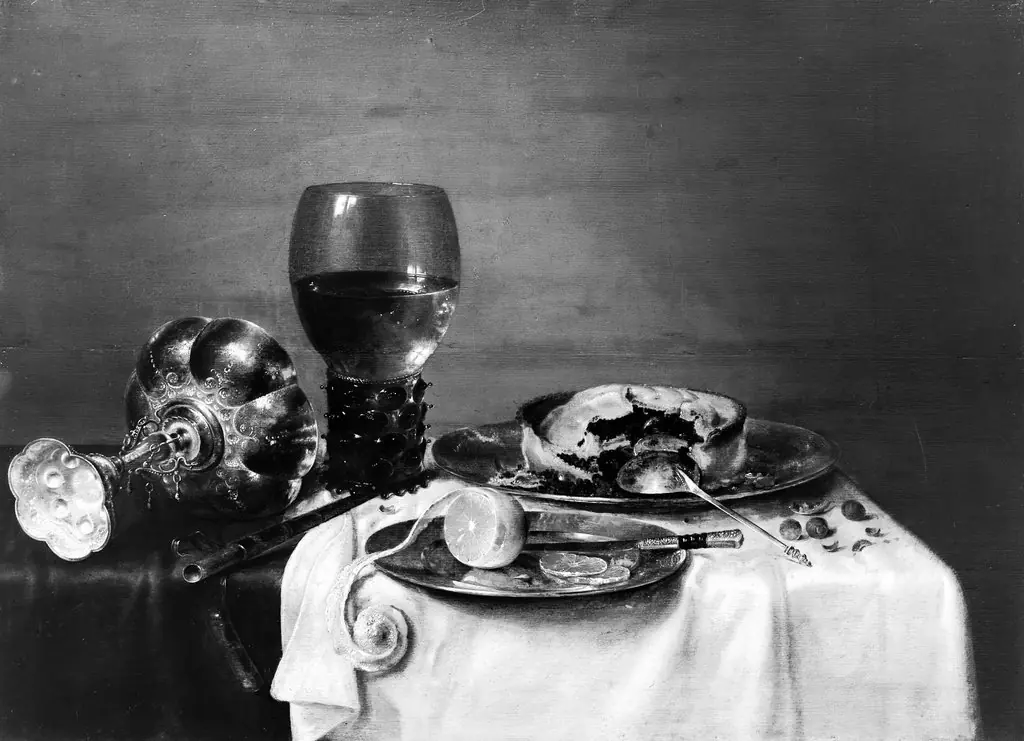 Stilleben mit Römer
 Still Life
 Still life with pewter utensils and Chinese bowls