Artwork
Martha and Mary Magdalene
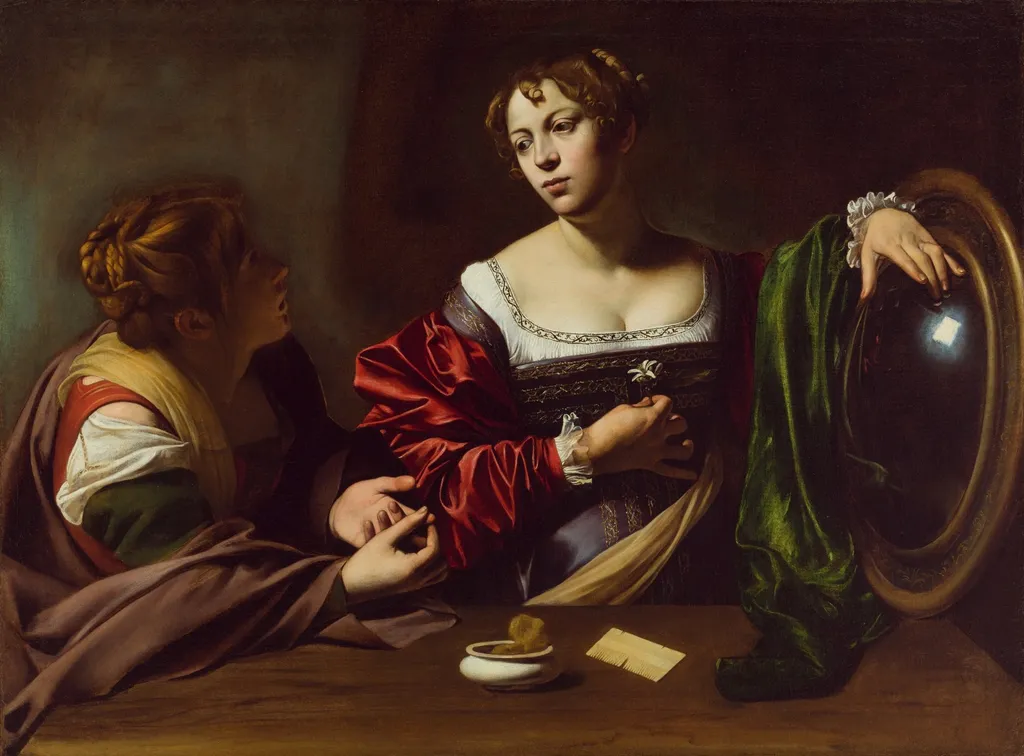
Martha and Mary Magdalene is an oil painting by the Baroque artist Caravaggio. It dates from 1600 and is held in the collection of the Detroit Institute of Arts.
About this work
Subject & Meaning
The work reflects Counter-Reformation ideals by portraying these saints as ordinary people without halos, capturing the precise moment Mary's conversion begins.
The painting depicts Martha of Bethany and Mary Magdalene, figures traditionally conflated in medieval theology as sisters representing the active and contemplative aspects of Christian faith. Martha, shown with a shadowed face, passionately argues to convert Mary from a life of worldly pleasure to one of virtue. Mary holds an orange blossom and a convex mirror, objects symbolizing the vanity she is about to renounce.
The work reflects Counter-Reformation ideals by portraying these saints as ordinary people without halos, capturing the precise moment Mary's conversion begins. This interpretation aligns with the tradition that Mary Magdalene was formerly a courtesan, a narrative reinforced by the inclusion of vanity items like a mirror, comb, and alabaster dish on the table.
Technique & Style
Caravaggio’s Martha and Mary Magdalene (1598) is executed in oil on canvas, measuring 98 × 133 cm. The support is a finely woven fabric, consistent with the artist’s practice during his tenure under Cardinal Francesco Maria del Monte. Pigment analysis conducted by the Detroit Institute of Arts identified Baroque-period materials, including lead white, red and yellow ochre, and azurite, applied with Caravaggio’s characteristic layered technique.
The handling is marked by stark tonal contrasts, particularly between Martha’s shadowed face and Mary Magdalene’s luminous complexion, which captures the moment of spiritual transformation. The artist employs a restrained palette dominated by earth tones, punctuated by the deep red of Mary’s garment, a color traditionally associated with the Magdalene. Reflective surfaces, such as the Venetian mirror and alabaster dish, are rendered with meticulous attention to light, demonstrating Caravaggio’s engagement with optical effects and symbolic detail.
The composition’s intimacy and dramatic chiaroscuro align with his broader stylistic innovations in religious painting during this period.
History & Provenance
Caravaggio painted Martha and Mary Magdalene around 1598 while residing in the palazzo of his patron, Cardinal Francesco Maria del Monte, who is identified as the commissioner of the work. Two courtesan models from del Monte's circle, Anna Bianchini and Fillide Melandroni, are thought to have posed for Martha and Mary Magdalene respectively. The painting is believed to have originally entered the collection of Ottavio Costa, whose will of 6 August 1606 directed his secretary Ruggero Tritonio to choose between this canvas and a Saint Francis, with the unselected work passing to Juan Enriquez de Herrera; since the Saint Francis later appears in Tritonio's inventory, the Martha and Mary is assumed to have gone to Herrera, probably in late 1606.
After Herrera's death on 1 March 1610, the only firm evidence of its later ownership is a seal and inscriptions on the back of the original canvas bearing the names Niccolò, Emilia, and Anna E. Panzani, a family that has not been traced.
The painting resurfaced in the modern era on 25 June 1971, when its owners attempted to sell it at Christie's in London as lot 21. It failed to sell at 130,000 guineas, despite the confidence of the restorer Juan Corradini of Buenos Aires. Scholars including Benedict Nicolson and Mina Gregori continued to debate its status into January 1974, after which it came to be generally accepted as an autograph work. The Detroit Institute of Arts acquired the painting in 1973, where it remains today.
The painting is held in the collection of the Detroit Institute of Arts, having been acquired by the museum in 1973. Prior to this acquisition, the work appeared at a Christie's auction in London on June 25, 1971, where it failed to sell despite an asking price of 130,000 guineas. Early provenance research suggests the piece may have originally belonged to Ottavio Costa, passing to Juan Enriquez de Herrera around 1606, though later records indicate ownership by the Aldobrandini family before its entry into private collections in the 19th century.
The work was considered a copy until the 1970s, when scholarship by Denis Mahon and others confirmed its attribution to Caravaggio, facilitating its purchase by the Detroit institute.
Context
Painted circa 1598 during Caravaggio's residence with Cardinal Francesco Maria del Monte, this work exemplifies the artist's early Baroque approach to religious subjects by depicting sacred figures without traditional halos, presenting them instead as ordinary people. The composition adheres to Counter-Reformation directives while engaging with medieval traditions that conflated Mary Magdalene with Mary of Bethany. Art historically, the painting bridges Caravaggio's secular genre scenes and his religious commissions, utilizing known courtesans Fillide Melandroni and Anna Bianchini as models for the sisters.
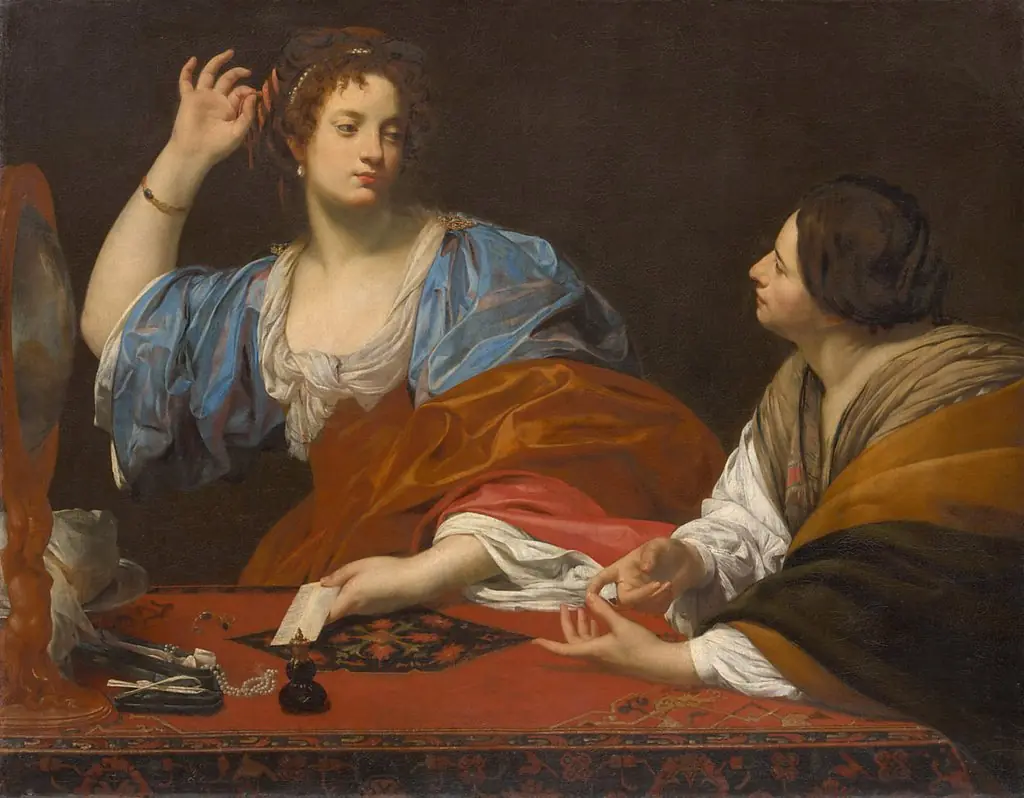
Scholarly reception evolved significantly over time; once considered a copy, the painting was authenticated as an autograph work in the 1970s following research by Denis Mahon, Mina Gregori, and Benedict Nicolson. While traditionally interpreted as representing the active versus contemplative aspects of faith, recent scholarship by Pietro Caiazza has challenged this subject identification, proposing a reading linked specifically to the Aldobrandini patronage. The work's influence is evidenced by later versions from Orazio Gentileschi and Carlo Saraceni.
Legacy
Following its rediscovery and subsequent authentication in the 1970s, Caravaggio's painting demonstrated a notable influence, evidenced by several known copies. Among the most significant works inspired by the composition are a now-lost painting by Carlo Saraceni and a well-known version by Orazio Gentileschi, currently held in Munich.
Overview
Created around 1598, this oil painting is attributed to Michelangelo Merisi da Caravaggio, a leading figure of the Italian Baroque. It is part of the collection at the Detroit Institute of Arts and is also known by several alternative titles, including Martha Reproving Mary, The Conversion of the Magdalene, and the Alzaga Caravaggio.
Own this work as a print
Artist & collection
Artist
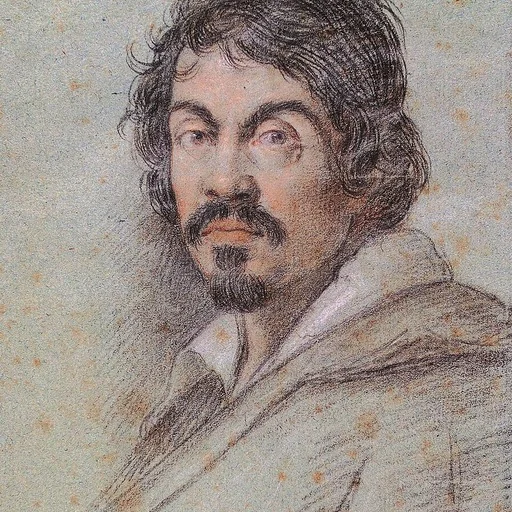
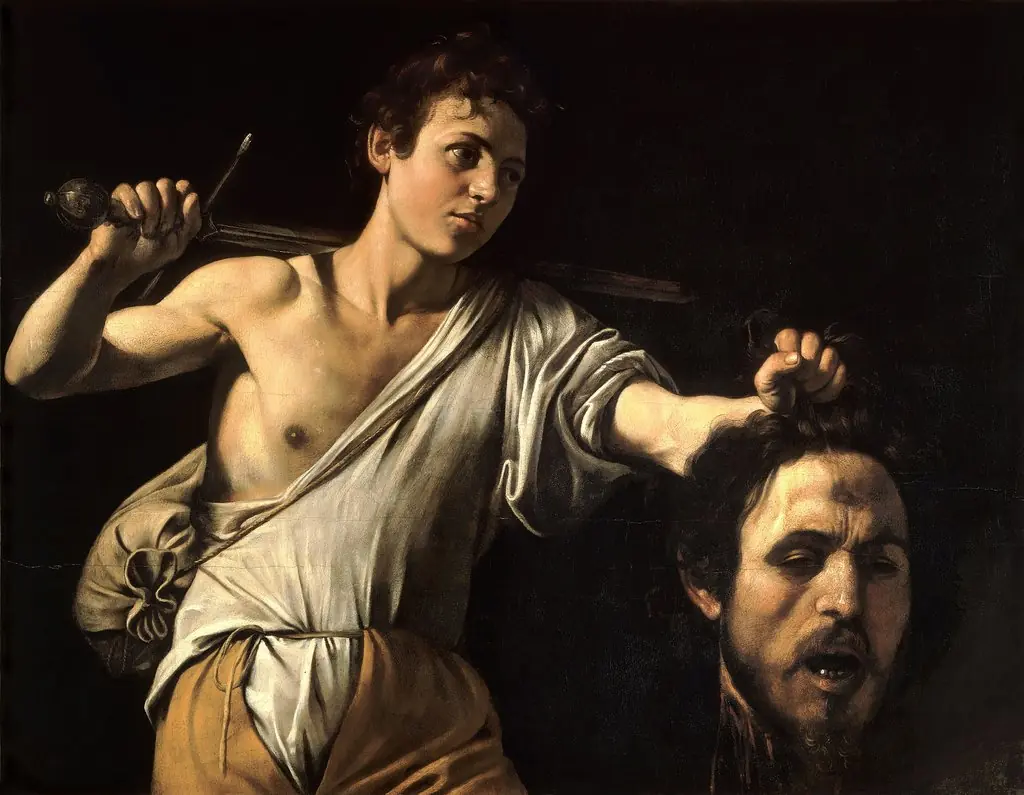
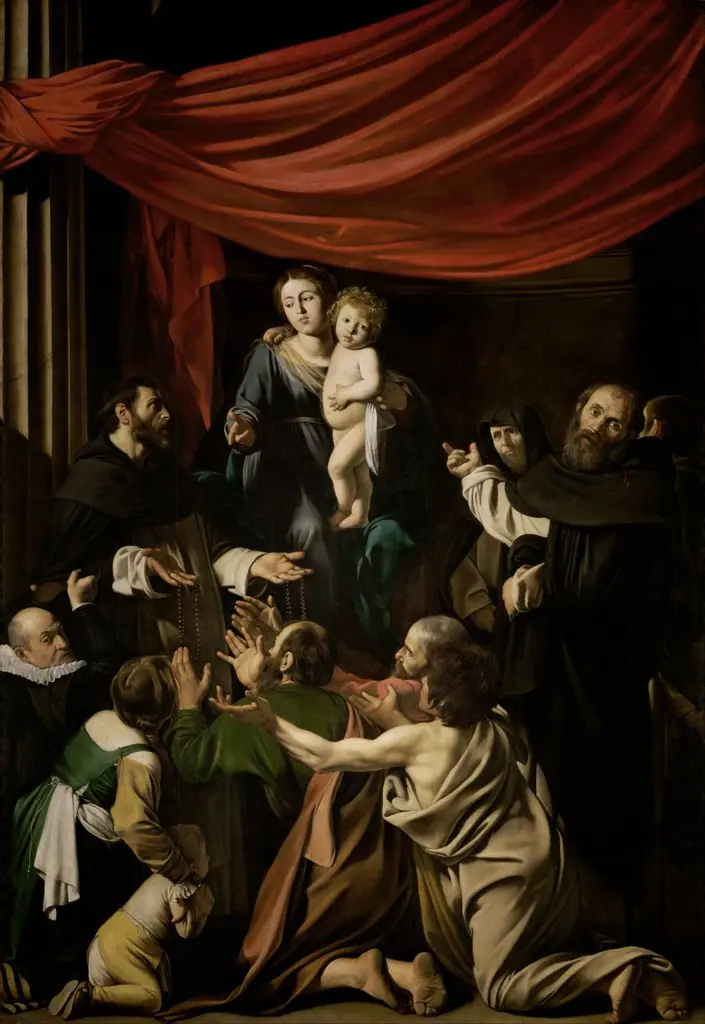
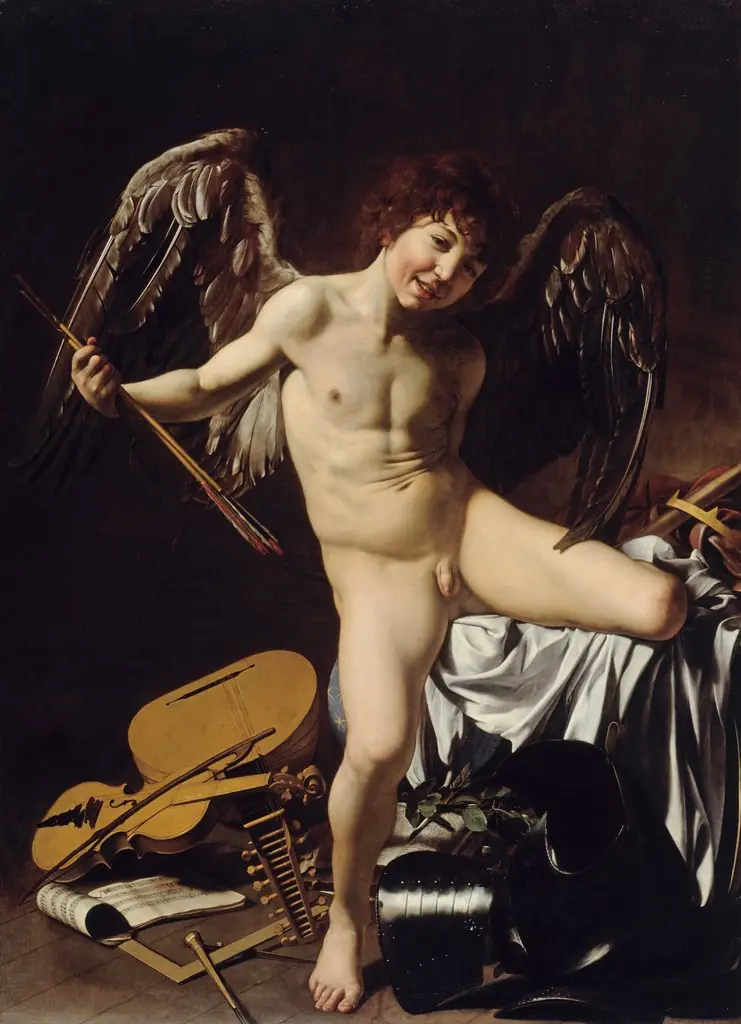
Michelangelo Merisi da Caravaggio (also Michele Angelo Merigi or Amerighi da Caravaggio; 29 September 1571 – 18 July 1610), known mononymously as Caravaggio, was an Italian painter active in Rome for most of his artistic life.

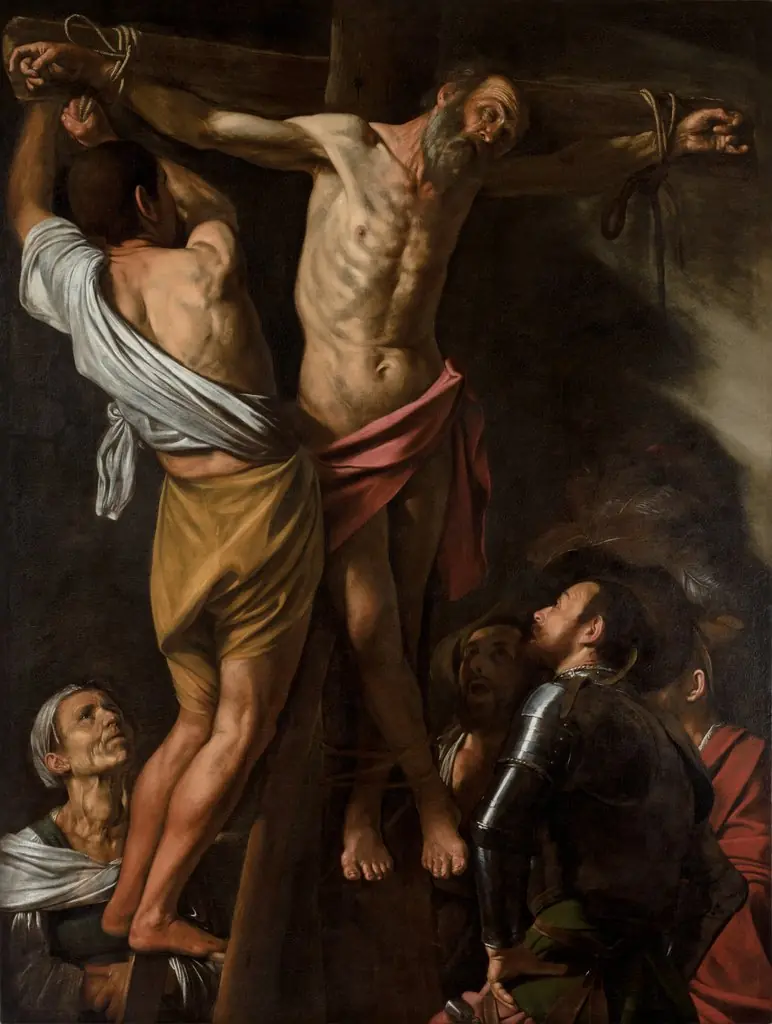
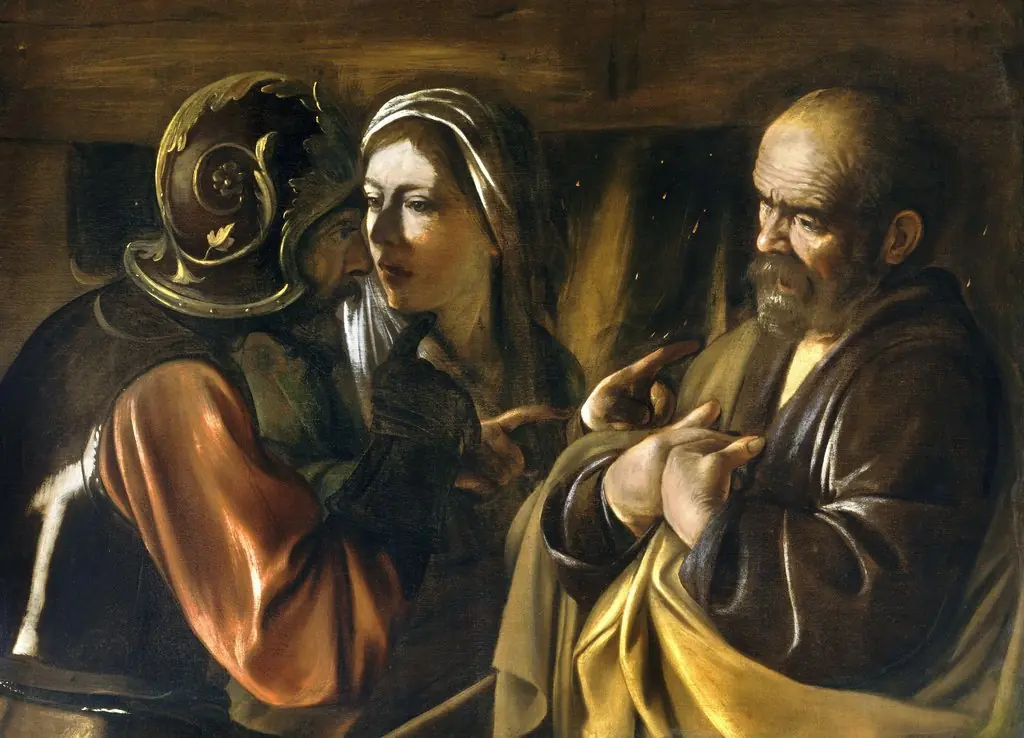
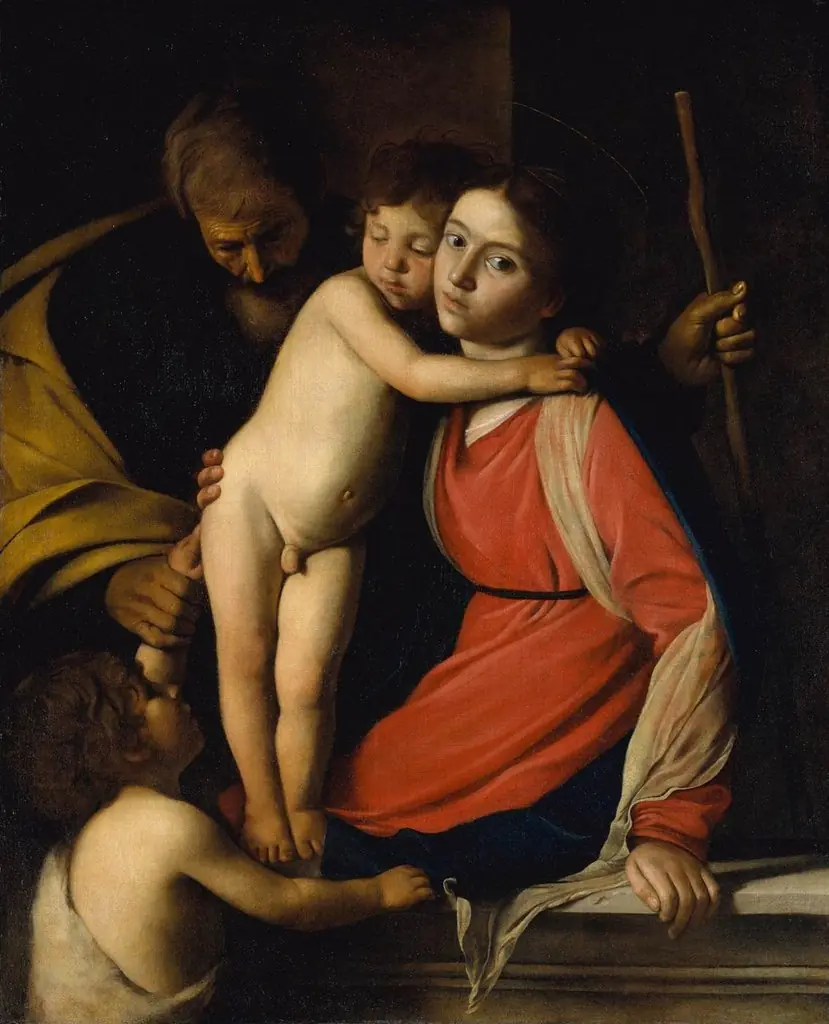
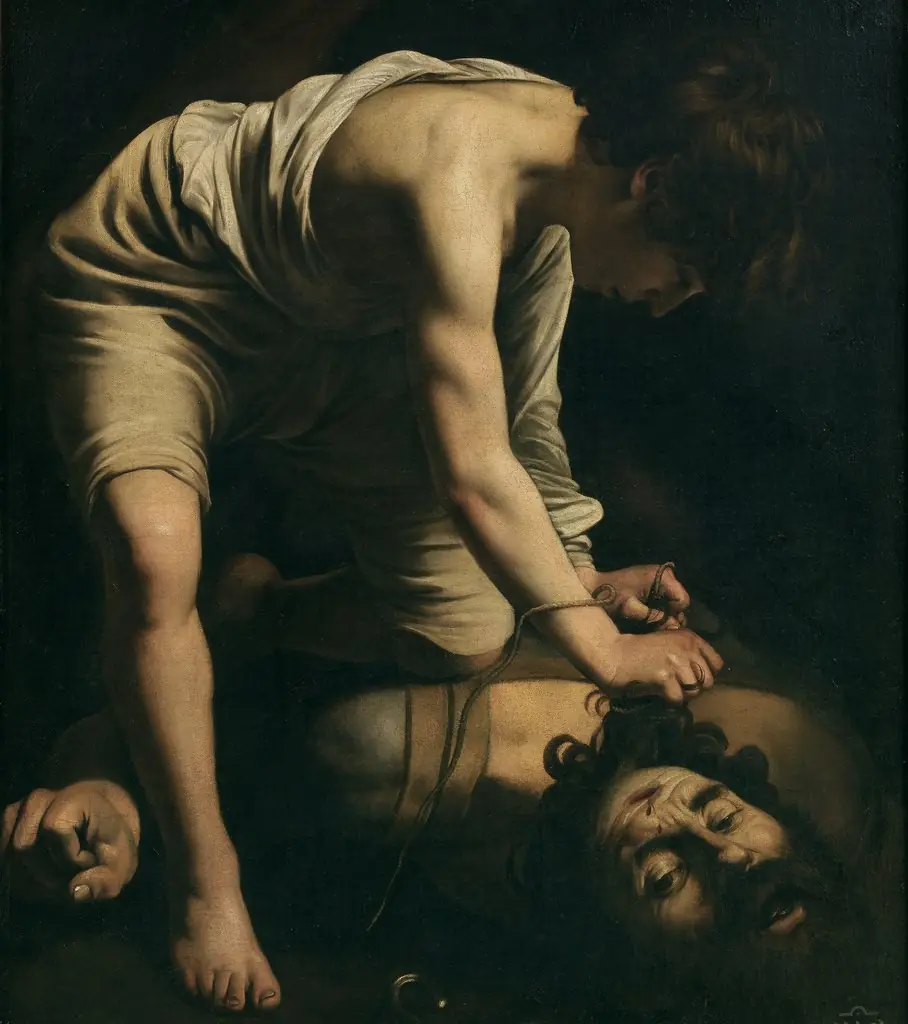
- Martha blames her vain sister, Mary Magdalene
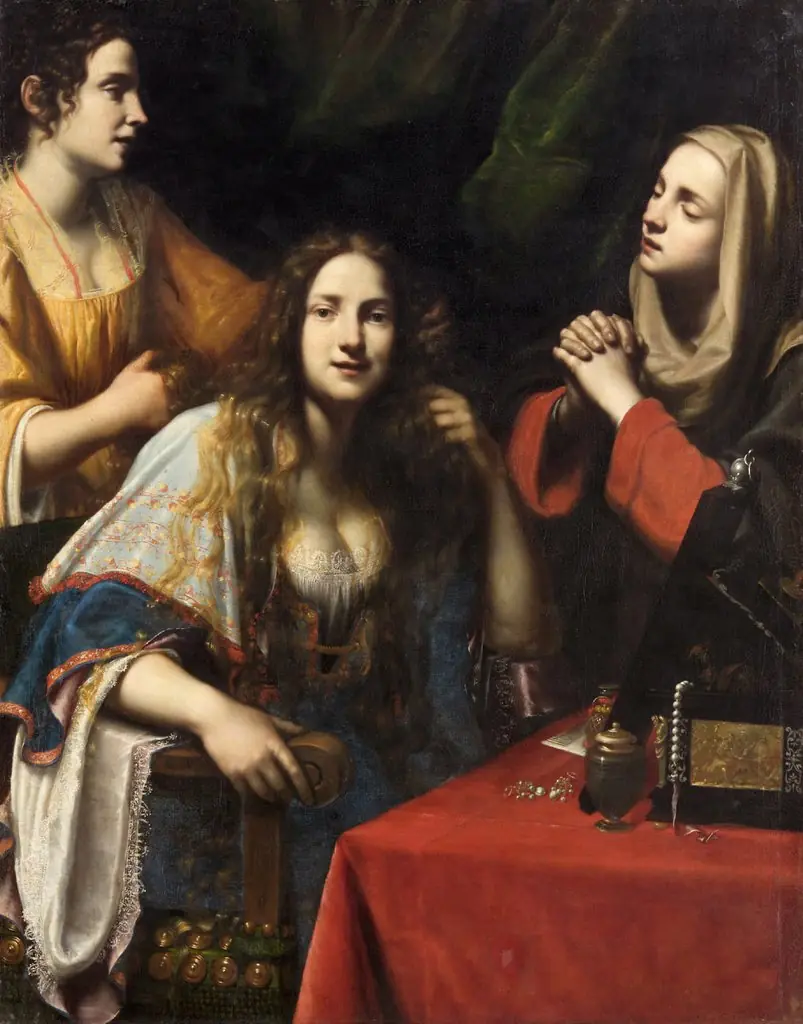 Martha scolding her vain sister Mary Magdalene
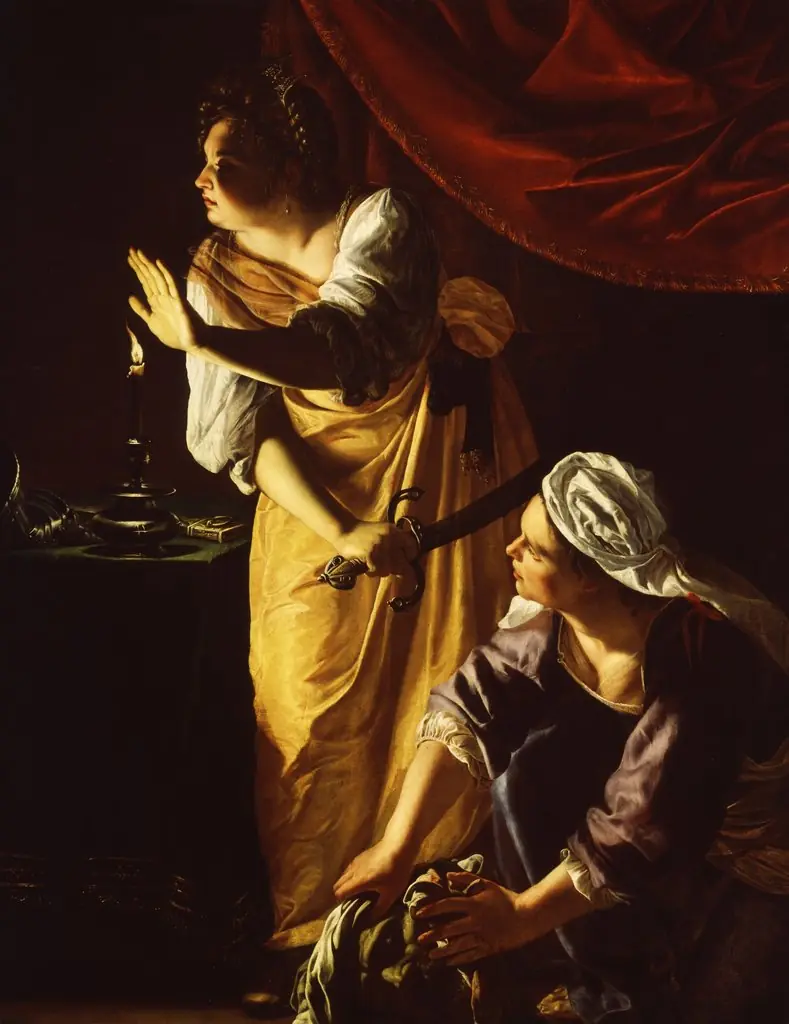 Judith and Maidservant with Head of Holofernes
 Portrait of a Young Woman as a Sibyl
 The Fortune Teller
 The Fortune Teller
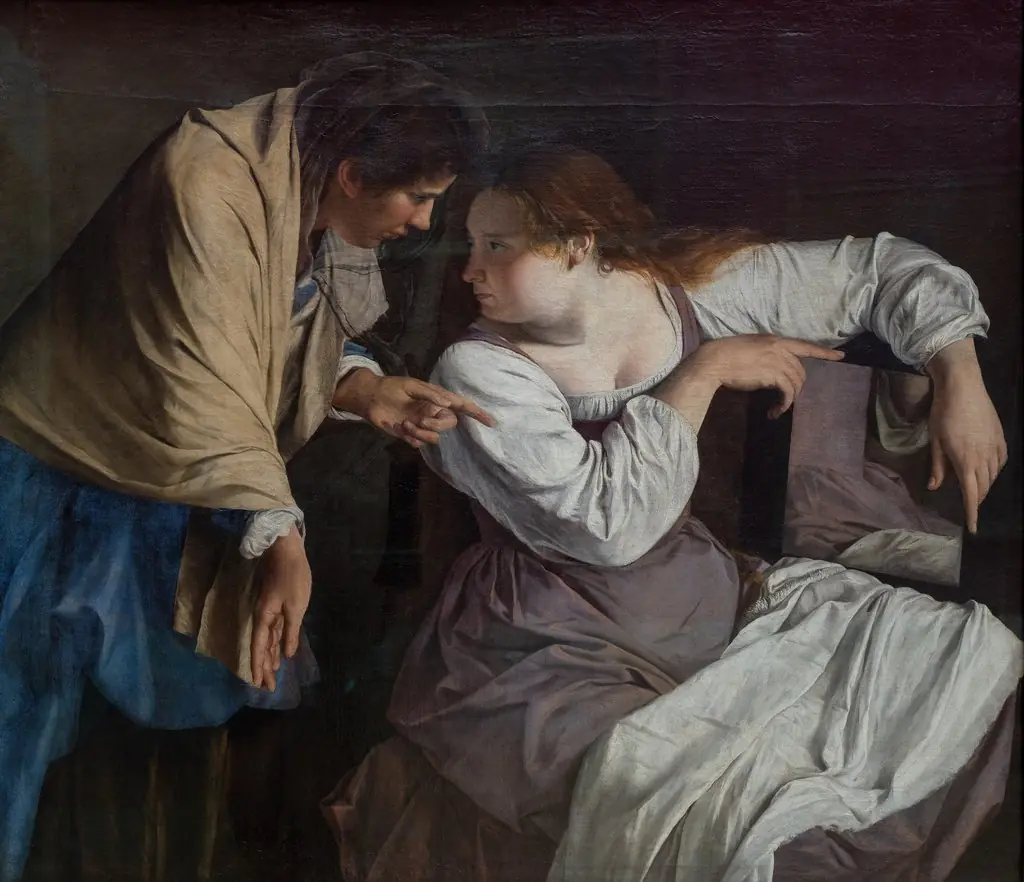 Martha reproving her sister Mary
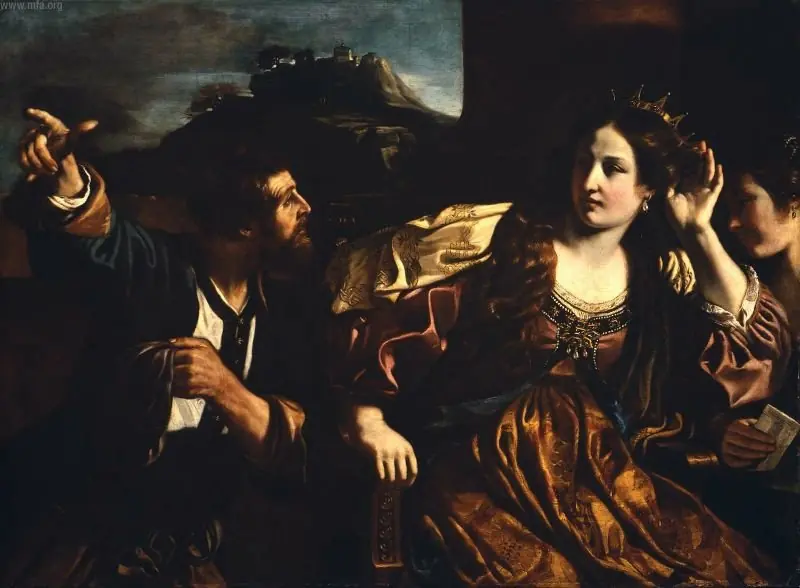 Semiramis Receiving Word of the Revolt of Babylon
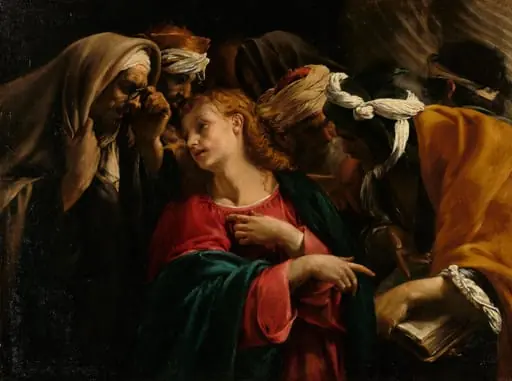 Christ among the Doctors
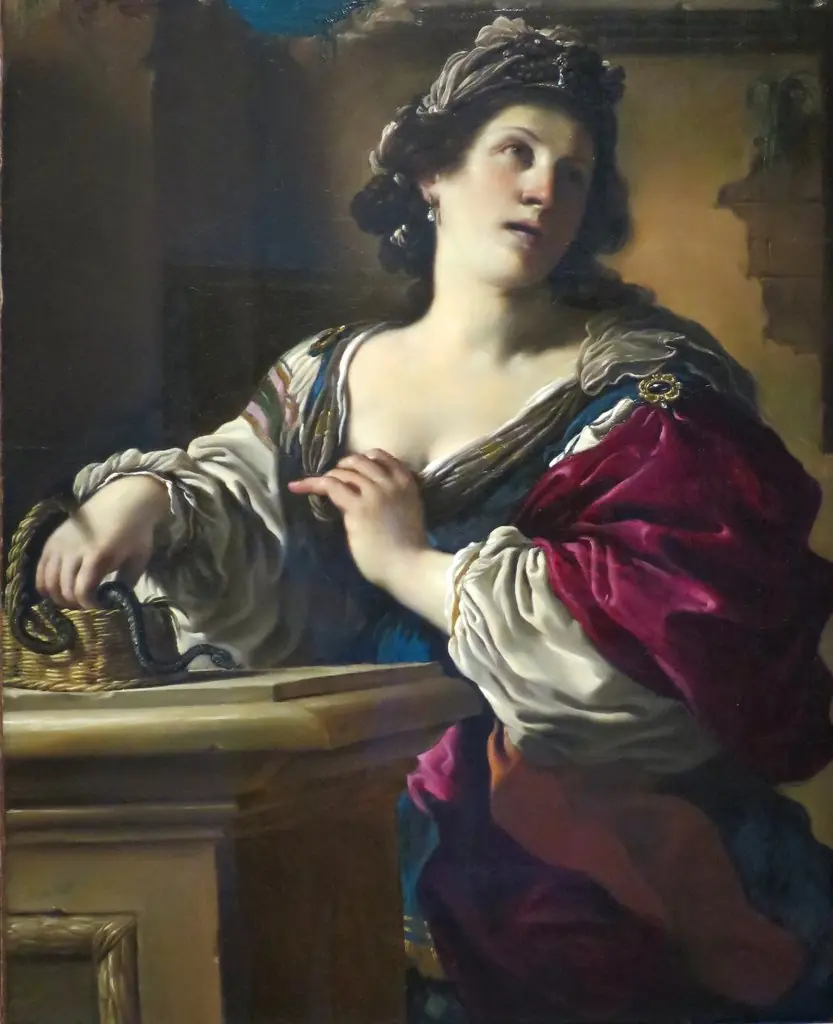 The Suicide of Cleopatra
 Saint Agatha
 Christ and the Woman of Samaria