Artwork
The Lute Player
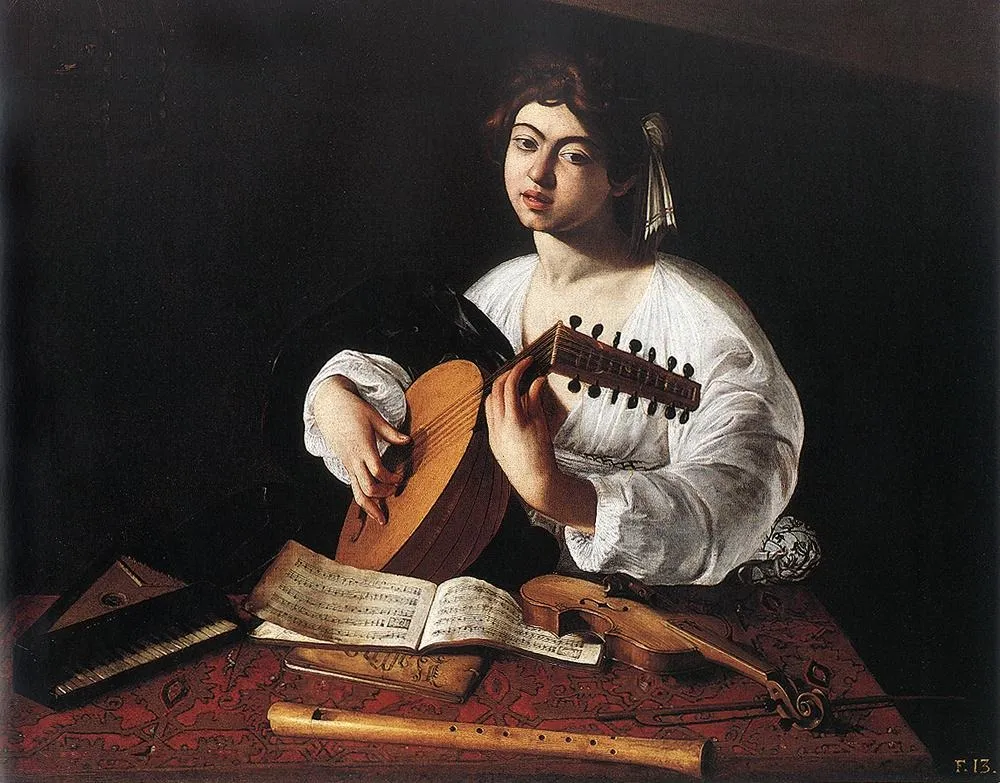
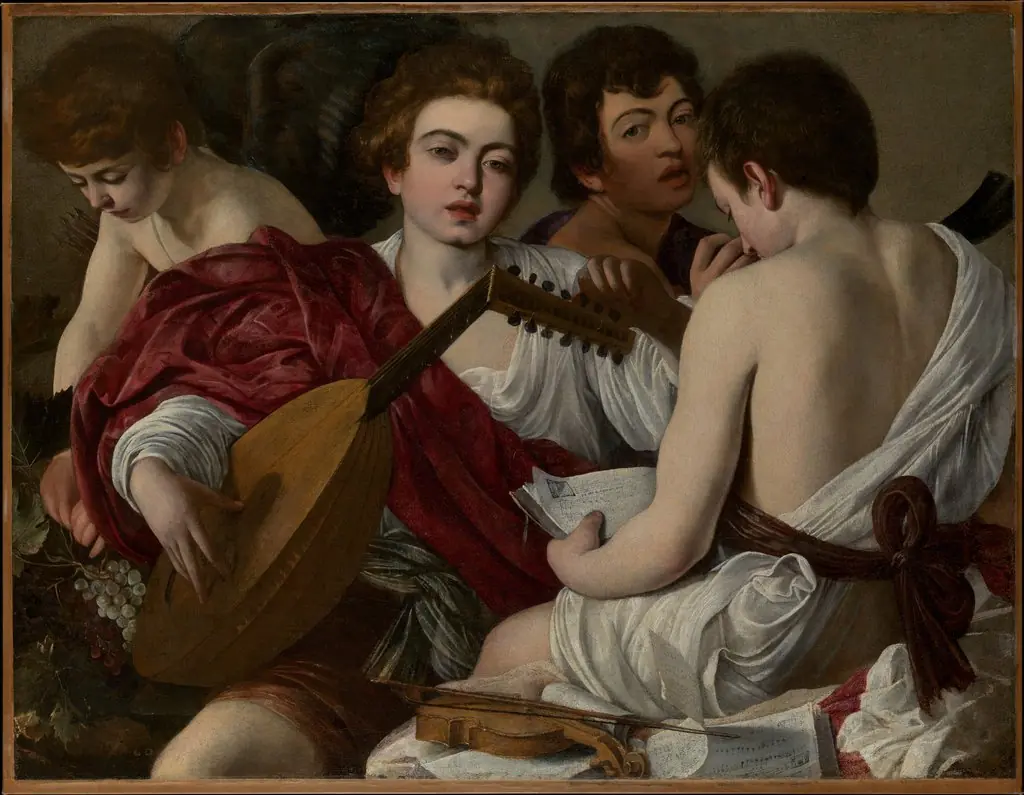
The Lute Player is an oil painting by the Early Baroque Italian artist Caravaggio. It dates from 1598 and is held in the collection of the Metropolitan Museum of Art.
About this work
Technique & Style
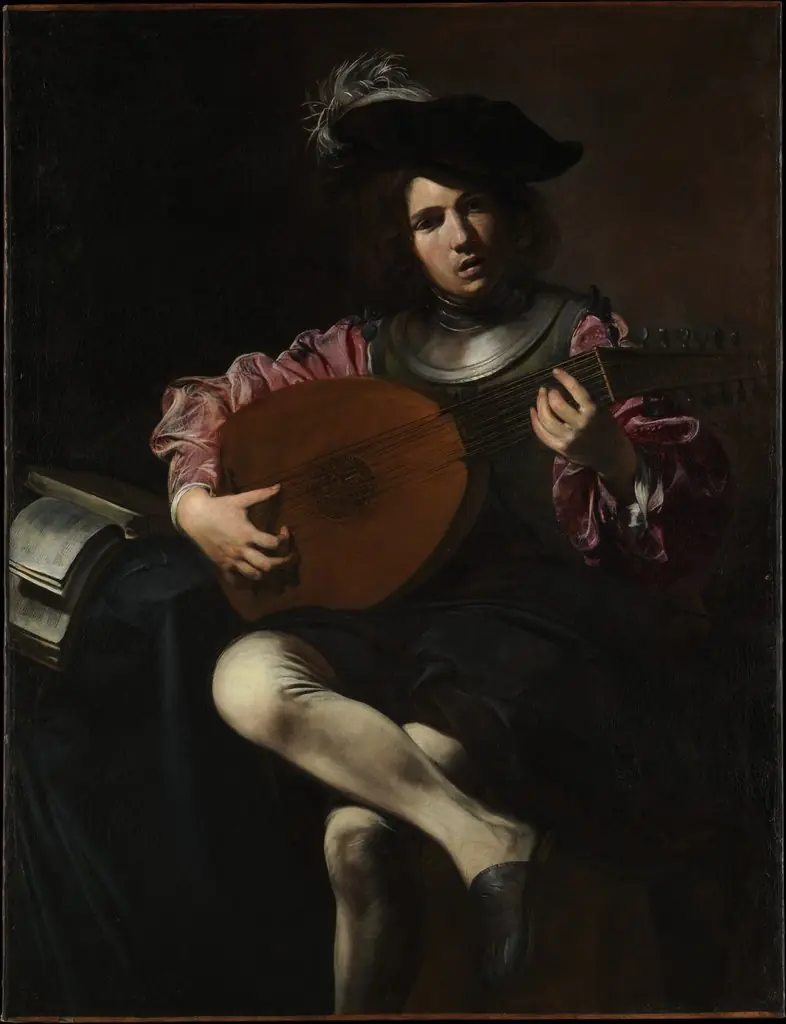
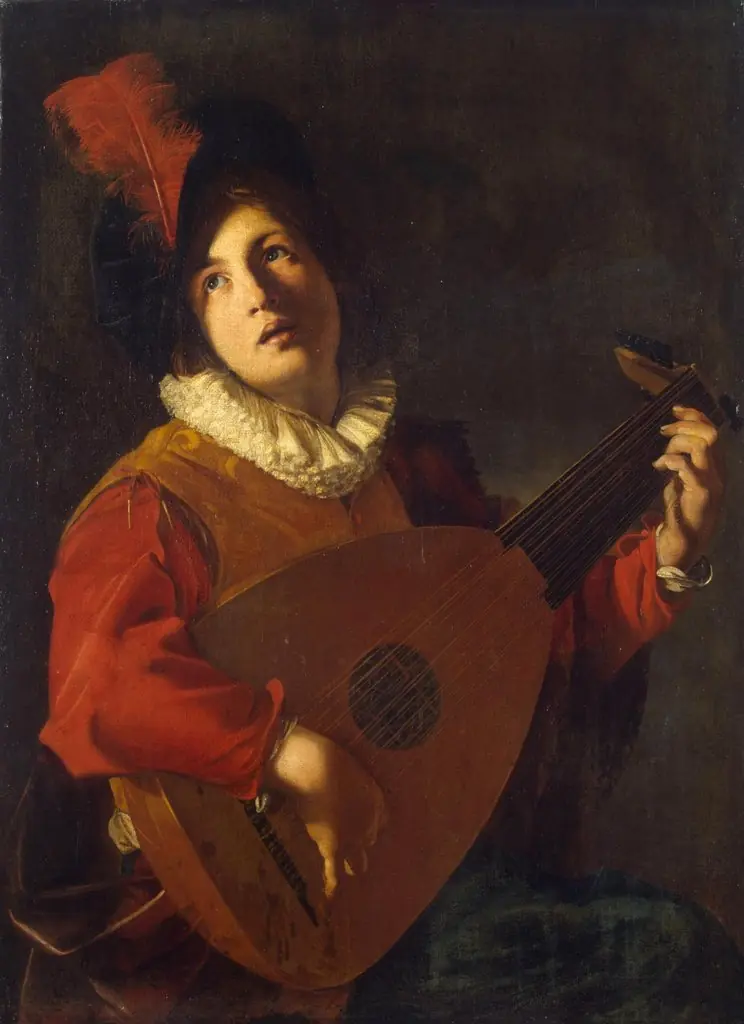
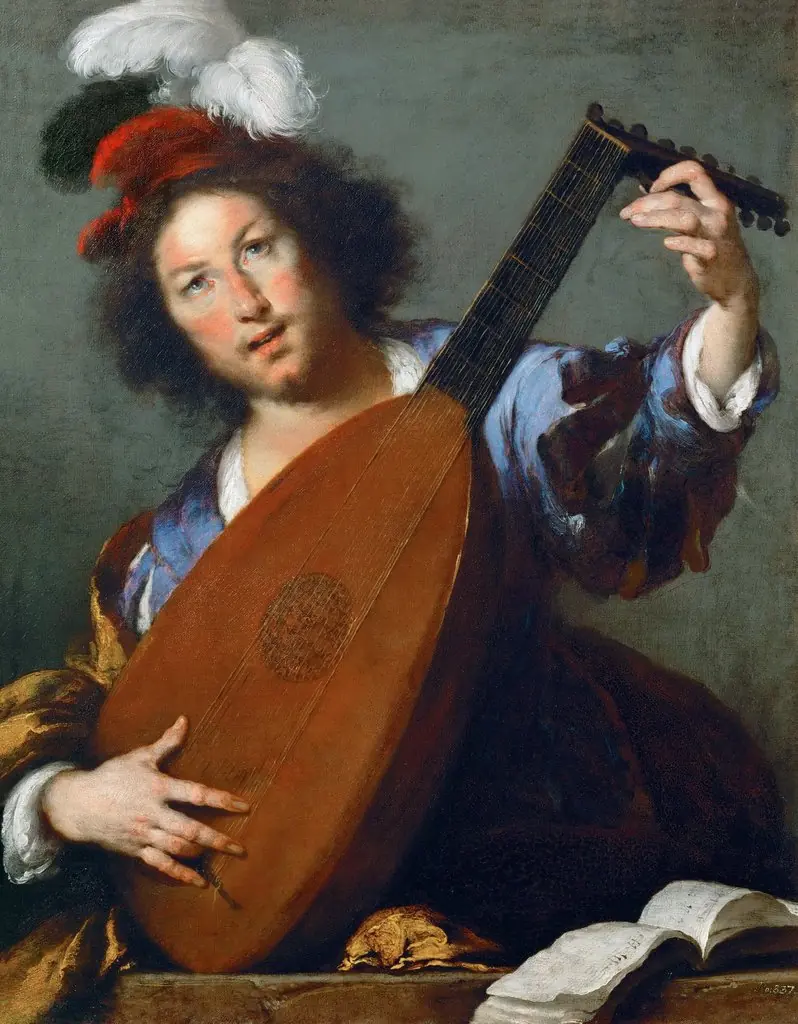
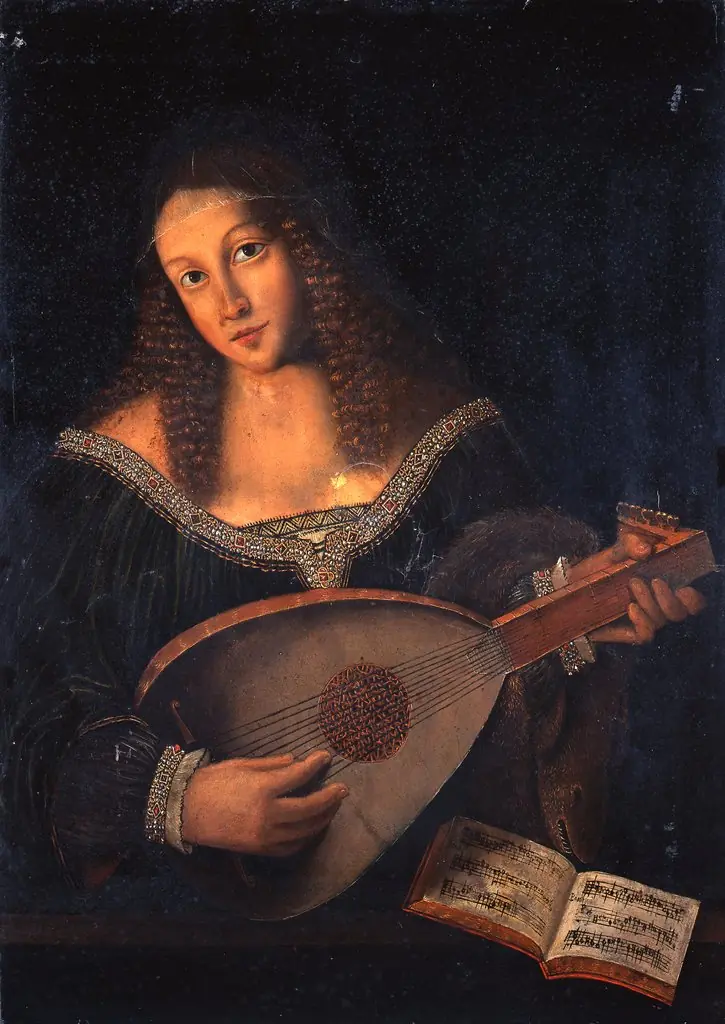
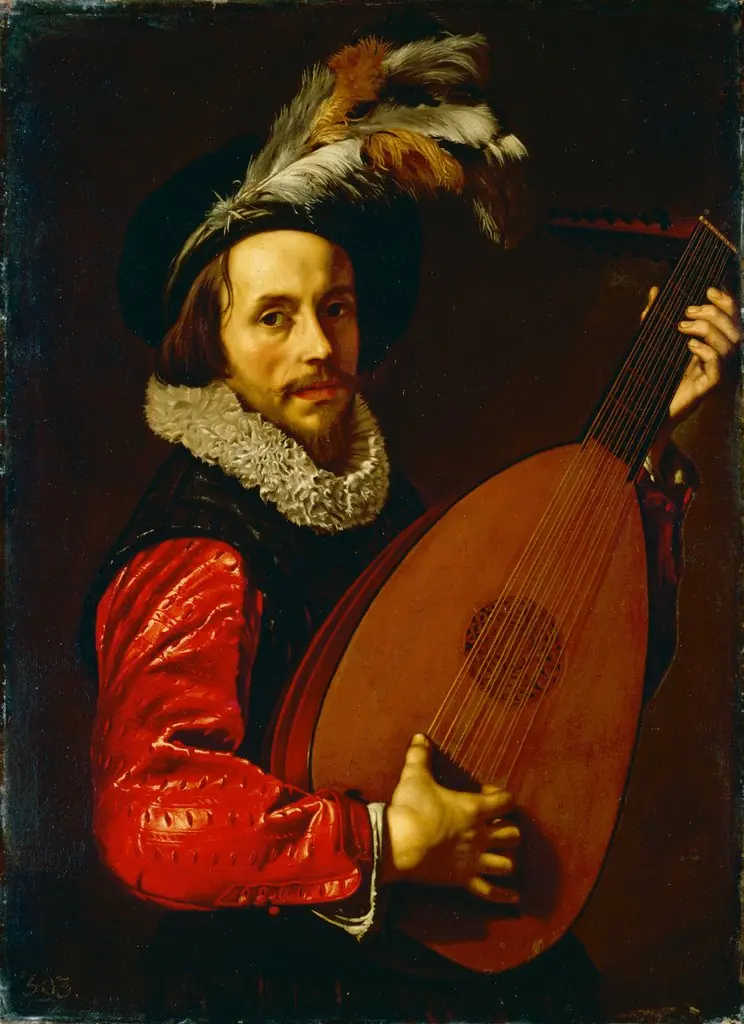
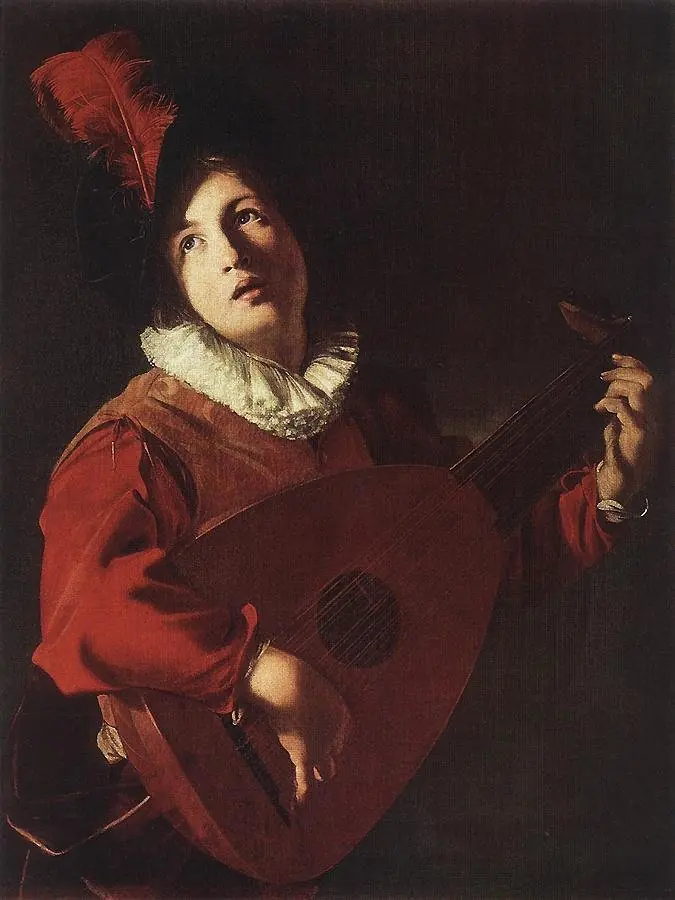
The composition emphasizes the lute’s polished surface and delicate strings, while the player’s concentrated gaze directs attention to the act of playing.
The Lute Player is executed in oil paint on canvas, a technique typical of Caravaggio’s late sixteenth-century practice.
The handling is marked by sharply defined lighting that isolates the figure and the instrument, producing strong chiaroscuro and volumetric form. The composition emphasizes the lute’s polished surface and delicate strings, while the player’s concentrated gaze directs attention to the act of playing.
The palette is restrained, relying on earthy browns, deep reds, and a muted blue to frame the luminous flesh tones. The brushwork remains fluid yet precise, capturing both the texture of the instrument and the folds of the player’s clothing with economical, descriptive strokes.
History & Provenance
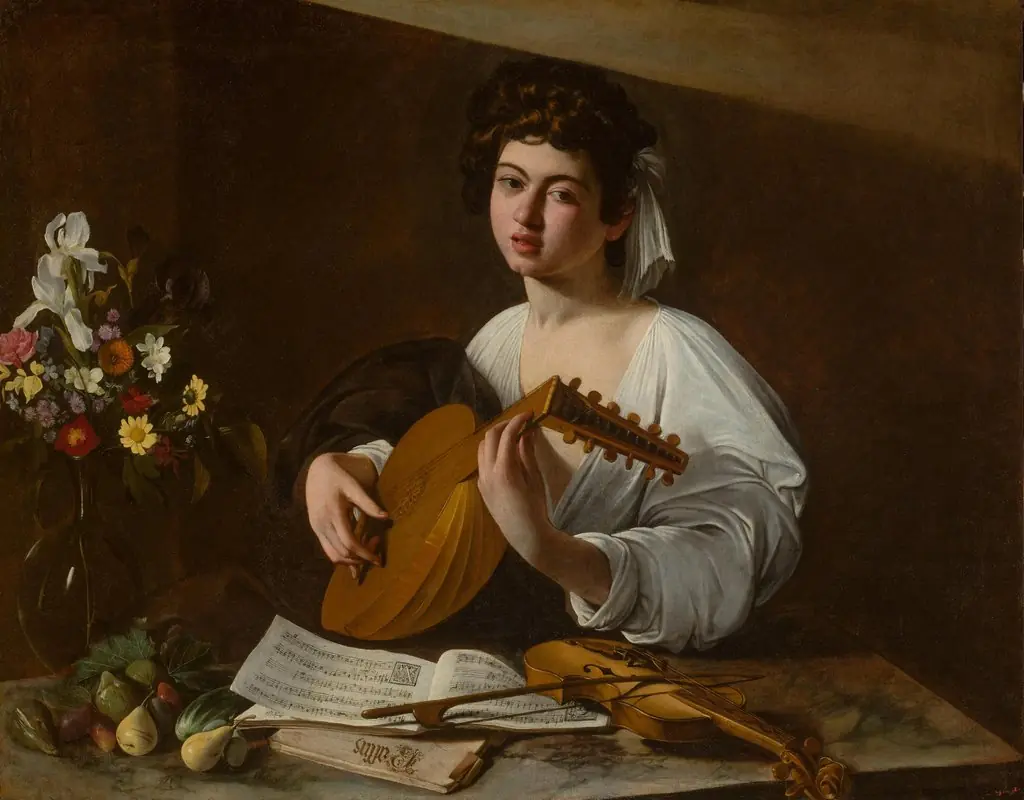
The Lute Player is an oil painting on canvas created by Caravaggio in 1596. The work measures 100 cm in height and 126.5 cm in width. Historical records indicate that the piece was once owned by Daniel Wildenstein. It is currently held on loan at the Metropolitan Museum of Art.
The Lute Player is currently held by the Metropolitan Museum of Art in New York, where it is displayed on loan. The work remains in the private collection of Daniel Wildenstein, who retains ownership despite its public exhibition at the museum. The painting, executed in oil on canvas in 1596, measures 100 cm in height and 126.5 cm in width.
No specific accession number or detailed exhibition history beyond its current status on loan to the Metropolitan Museum of Art is provided in the available records.
Overview
Created in 1598, The Lute Player is an oil painting by Michelangelo Merisi da Caravaggio, an early figure of the Baroque movement in Italy. Executed during the artist’s Roman period, the work exemplifies his emerging style of naturalistic representation combined with stark lighting effects.
Subject & Meaning
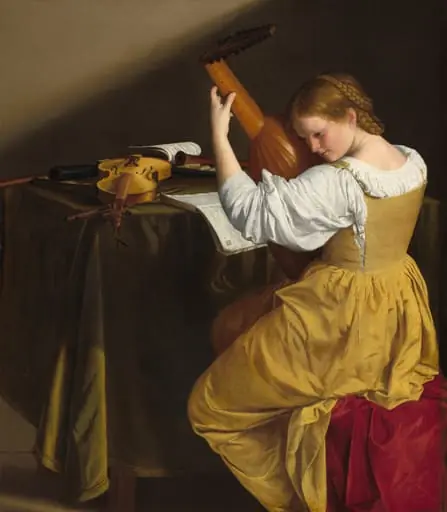
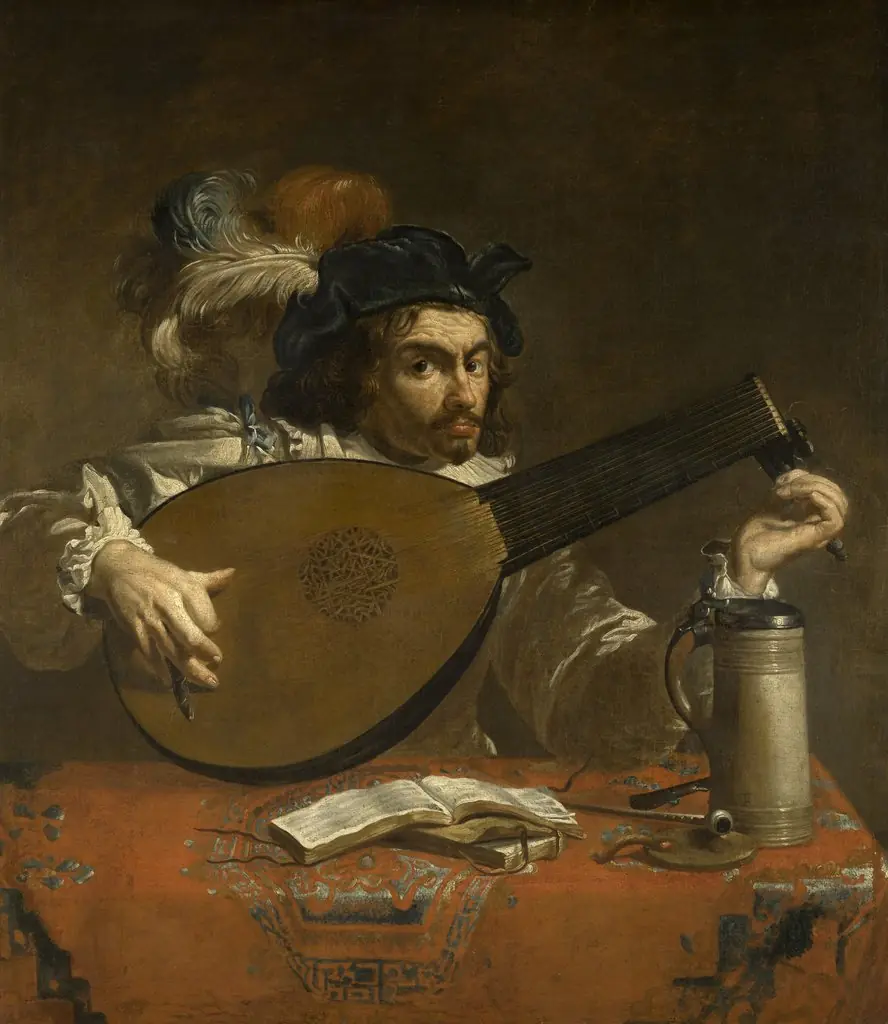
The composition centers on a youthful figure in a white shirt, absorbed in playing a lute while a sheet of music lies open before them. Adjacent objects, a small harp, a recorder, a violin, and a bound music book, populate a cluttered tabletop, suggesting a domestic setting of musical practice.
Context
At the close of the 16th century, Italian art was shifting toward greater realism and emotional immediacy. Caravaggio’s focus on everyday subjects, such as a solitary musician, aligned with contemporary interests in genre scenes and the visual power of light to convey narrative depth.
Artist & collection
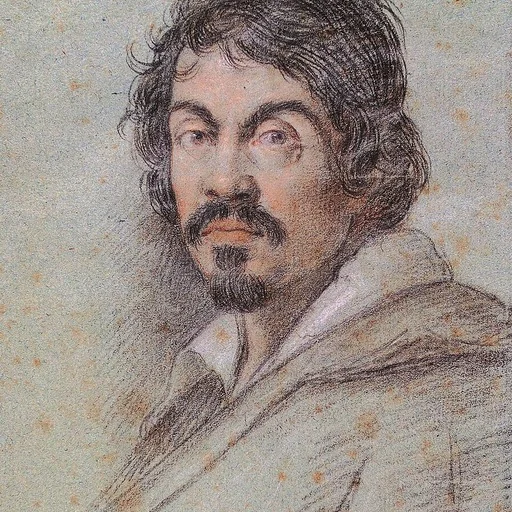
Artist
Michelangelo Merisi da Caravaggio (also Michele Angelo Merigi or Amerighi da Caravaggio; 29 September 1571 – 18 July 1610), known mononymously as Caravaggio, was an Italian painter active in Rome for most of his artistic life.