Artwork
Ceres
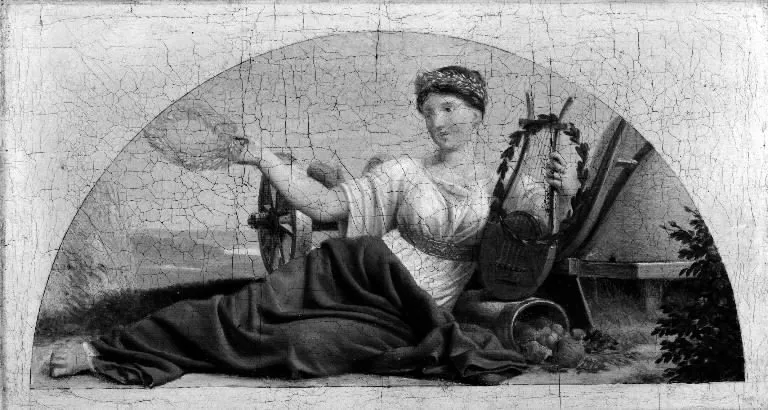
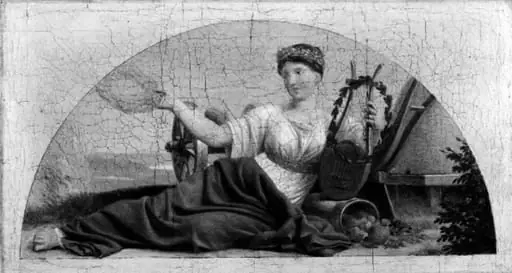
Ceres is an oil painting by the Neoclassicist artist Christoffer Wilhelm Eckersberg. It dates from 1822 and is held in the collection of the Statens Museum for Kunst.
About this work
Subject & Meaning
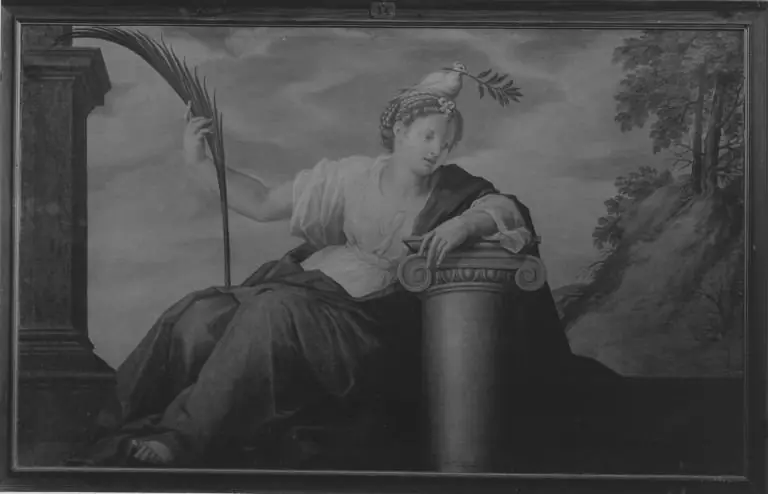
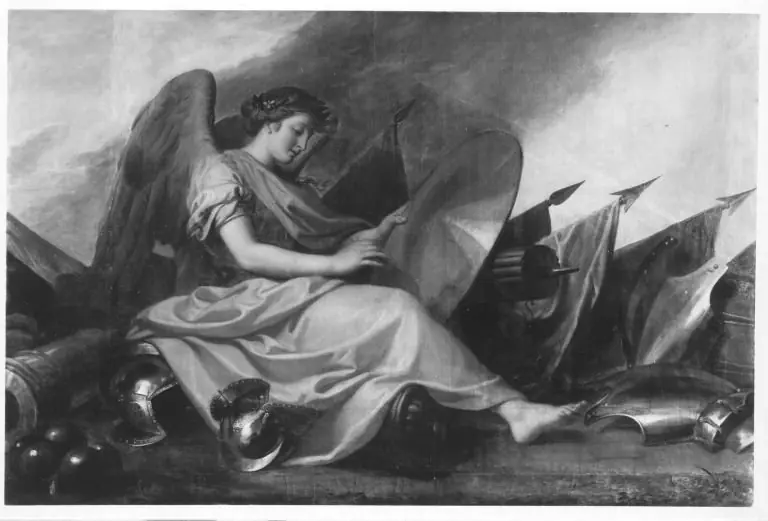
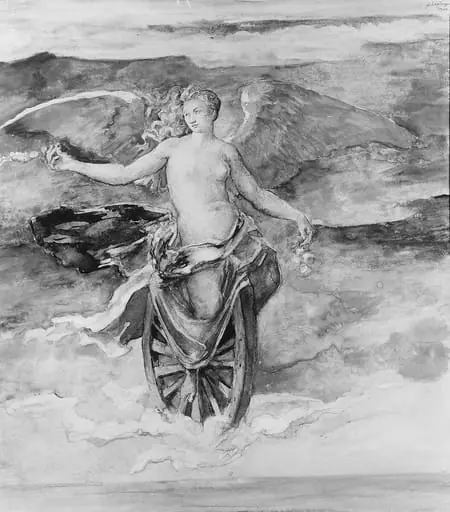
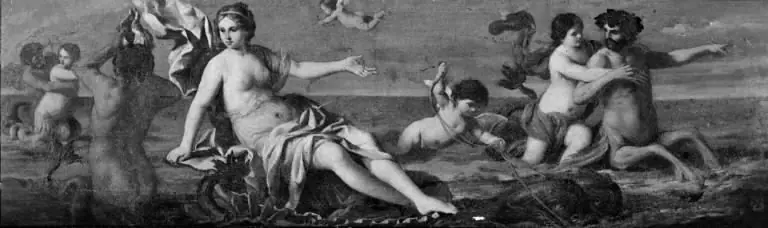
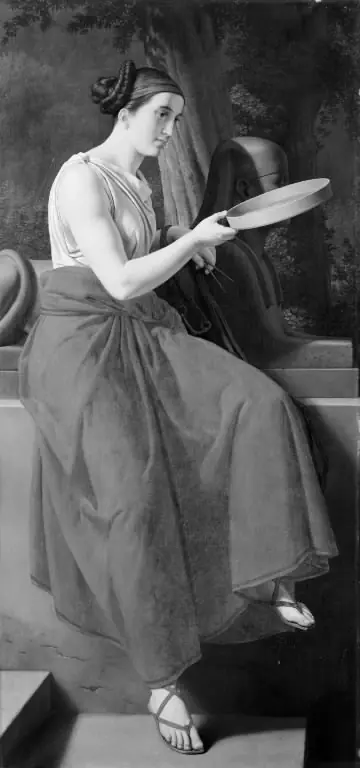
The painting depicts the Roman goddess Ceres, identifiable by her classical attributes and the context of the work’s mythological genre.
The painting depicts the Roman goddess Ceres, identifiable by her classical attributes and the context of the work’s mythological genre. Eckersberg presents Ceres as the personification of agriculture and fertility, shown with attributes traditionally associated with her, including a wheat stalk or sheaf, which underscores her role in the cycle of growth and harvest. The composition and iconography align with neoclassical representations of deities, emphasizing clarity and idealized form.
As a mythological figure, Ceres embodies themes of sustenance and the nurturing power of nature, reflecting broader Enlightenment-era interest in classical allegory and the moralizing potential of art.
Technique & Style
Executed in oil on canvas in 1822, the work is painted in a smooth, evenly lit manner that emphasizes sculptural clarity of form. The figure of Ceres is rendered with carefully blended transitions in flesh and drapery, while the still-life elements, ears of grain, poppies, and a sickle, are described with crisp edges and controlled highlights to signal their symbolic function. The composition arranges the goddess centrally against a neutral background, directing attention to her frontal pose and the balanced, symmetrical placement of attributes.
Handling shows the influence of classical relief sculpture, with a restrained palette of muted earth tones punctuated by localized reds and greens.
The canvas measures 160 cm in height and 285 cm in width.
History & Provenance
Christoffer Wilhelm Eckersberg completed the oil-on-canvas painting Ceres in 1822, measuring 160 cm in height and 285 cm in width. The work depicts the Roman goddess Ceres and belongs to the mythological genre. Since its creation, the painting has been housed in the Statens Museum for Kunst (National Gallery of Denmark) in Copenhagen, where it remains part of the museum’s permanent collection. No earlier owners or commission details are recorded in the available sources.
The painting Ceres by Christoffer Wilhelm Eckersberg is held in the collection of the Statens Museum for Kunst in Copenhagen. Created in 1822, this mythological work executed in oil on canvas measures 160.0 cm in height and 285.0 cm in width. The available records confirm its location within the museum's holdings but do not provide a specific inventory or accession number. Furthermore, no details regarding the exhibition history of this piece are included in the current documentation.
Context
Christofer Wilhelm Eckersberg's 1822 oil painting Ceres, measuring 160.0 by 285.0 centimeters, exemplifies mythological painting within the neoclassical tradition and reflects the artist's engagement with classical antiquity. The work is housed in the Statens Museum for Kunst, where it remains part of their collection and is recognized as a significant example of Danish Golden Age mythology painting. Scholarly attention to this piece contributes to broader understandings of Eckersberg's role in advancing historical painting in Denmark and his synthesis of classical themes with contemporary artistic practices.
Overview
Christoffer Wilhelm Eckersberg painted Ceres in 1822, employing oil on canvas to render a mythological subject. The work belongs to the Danish Golden Age and is presently part of the Statens Museum for Kunst’s collection.
Artist & collection
Artist
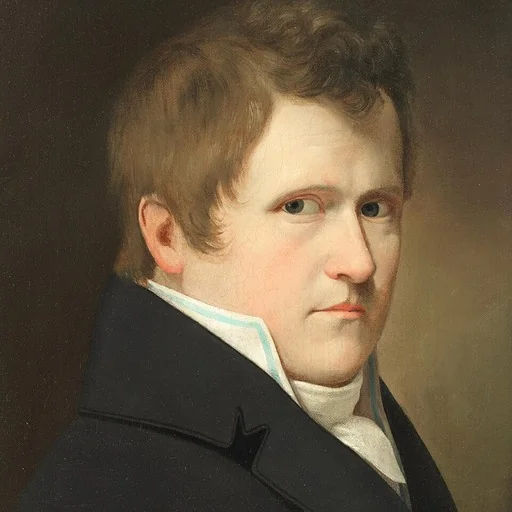
Christoffer Wilhelm Eckersberg
Christoffer Wilhelm Eckersberg (2 January 1783 – 22 July 1853) was a Danish painter.

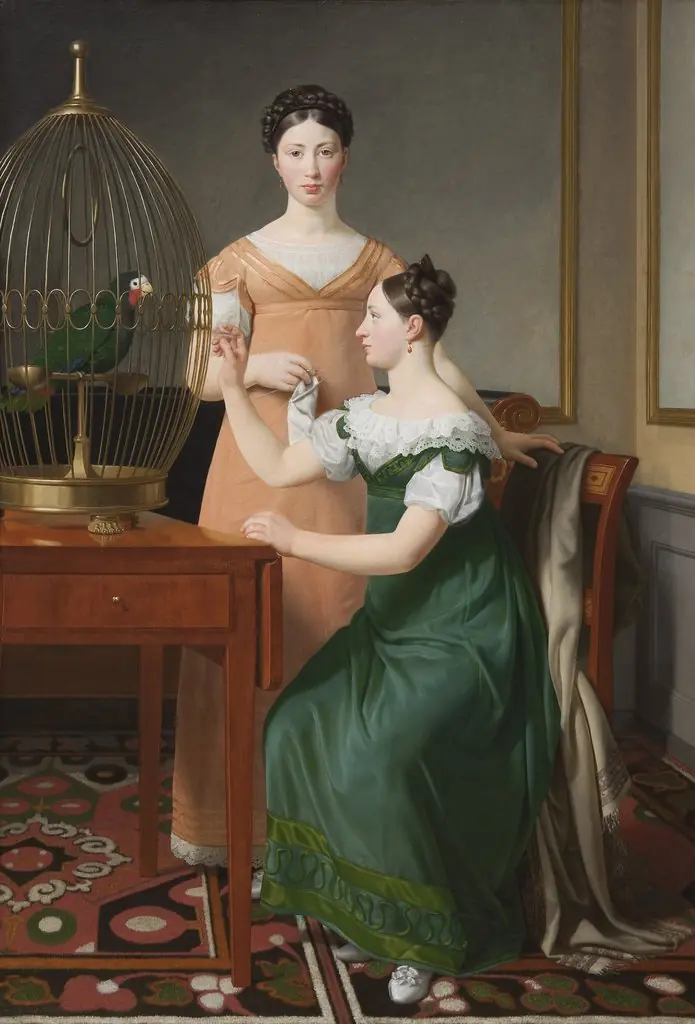 Bella and Hanna. The Eldest Daughters of M. L. Nathanson
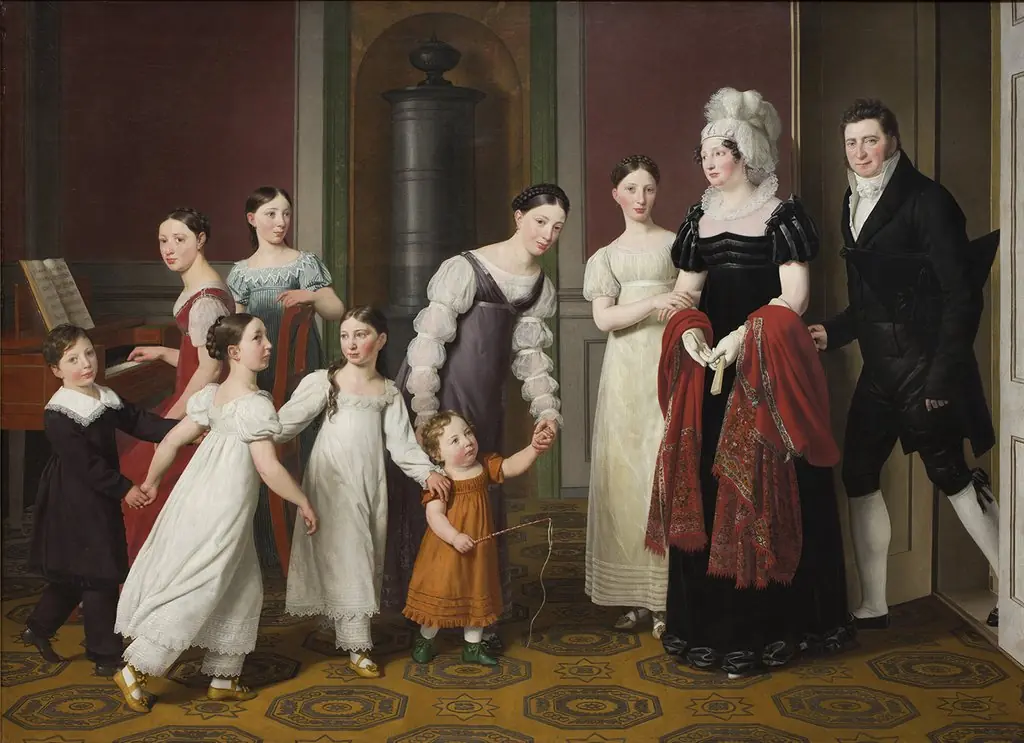 Familien Nathanson
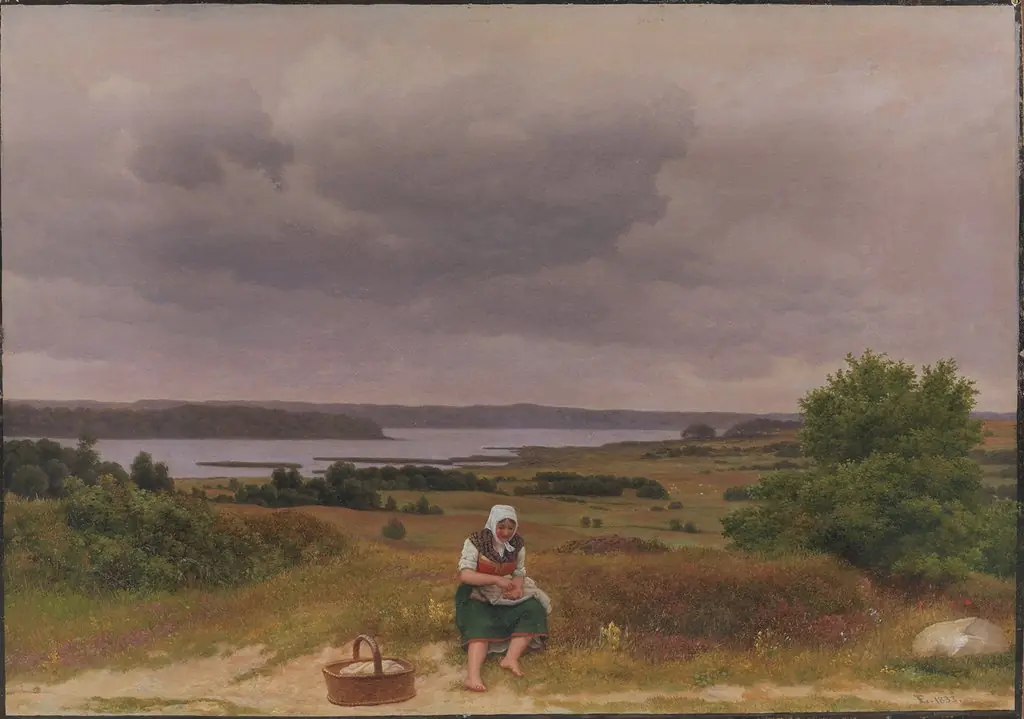 View of Lake Fure near Rudersdal, North Sealand.
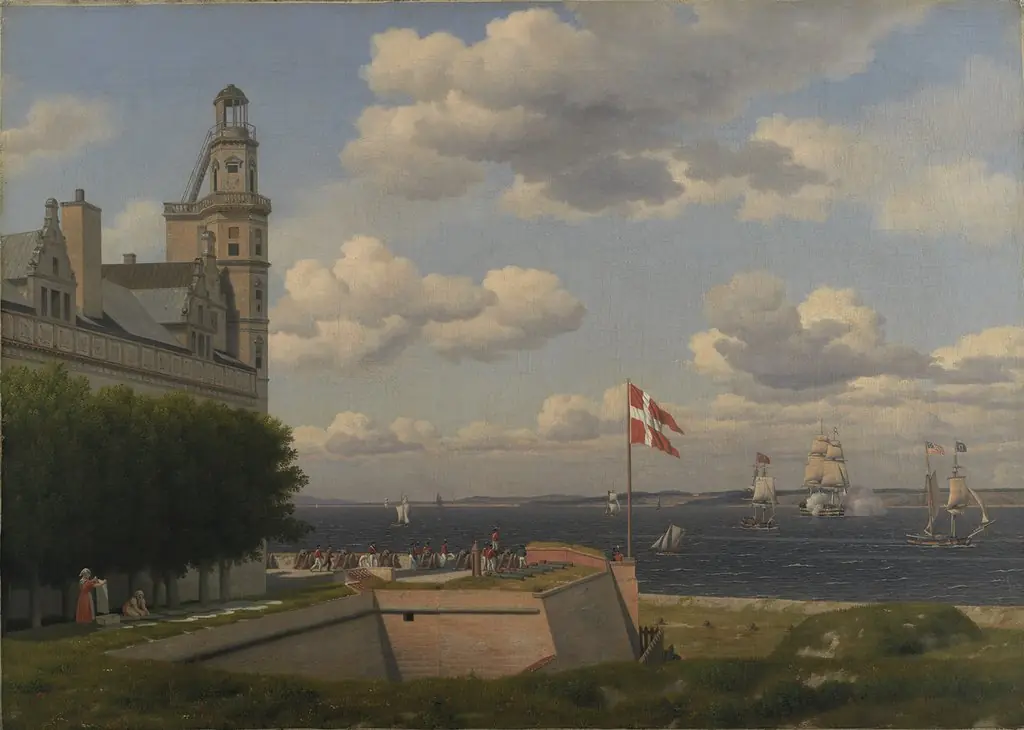 A View towards the Swedish Coast from the Ramparts of Kronborg Castle
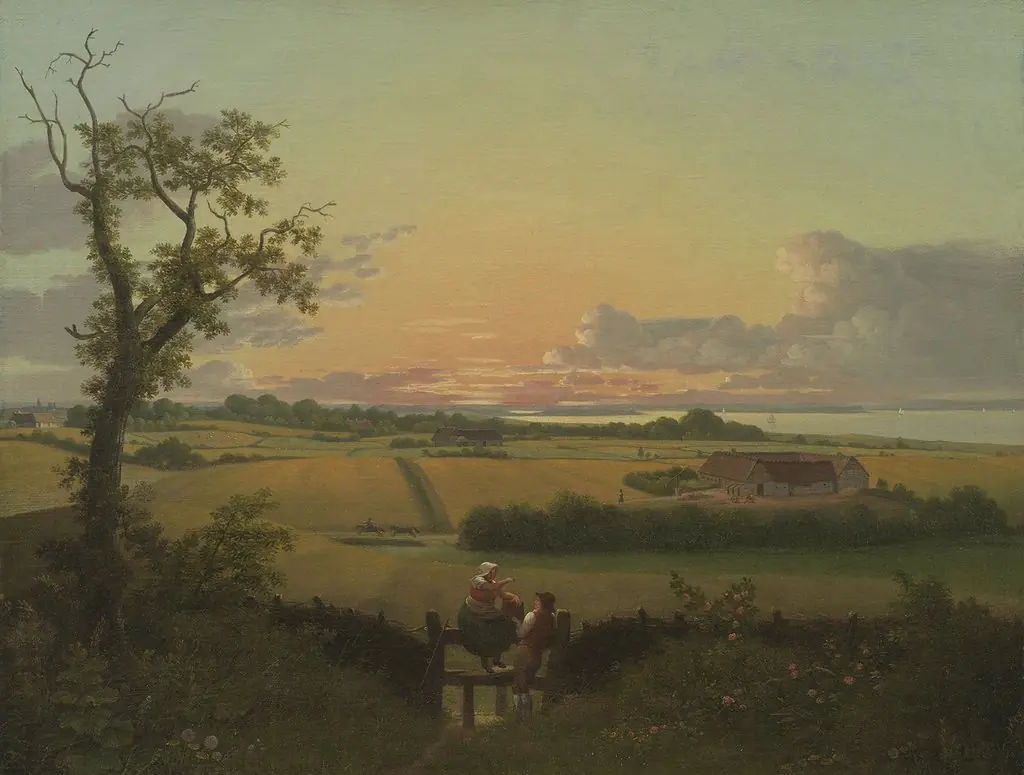 Landscape with a Stile. The Isle of Møn
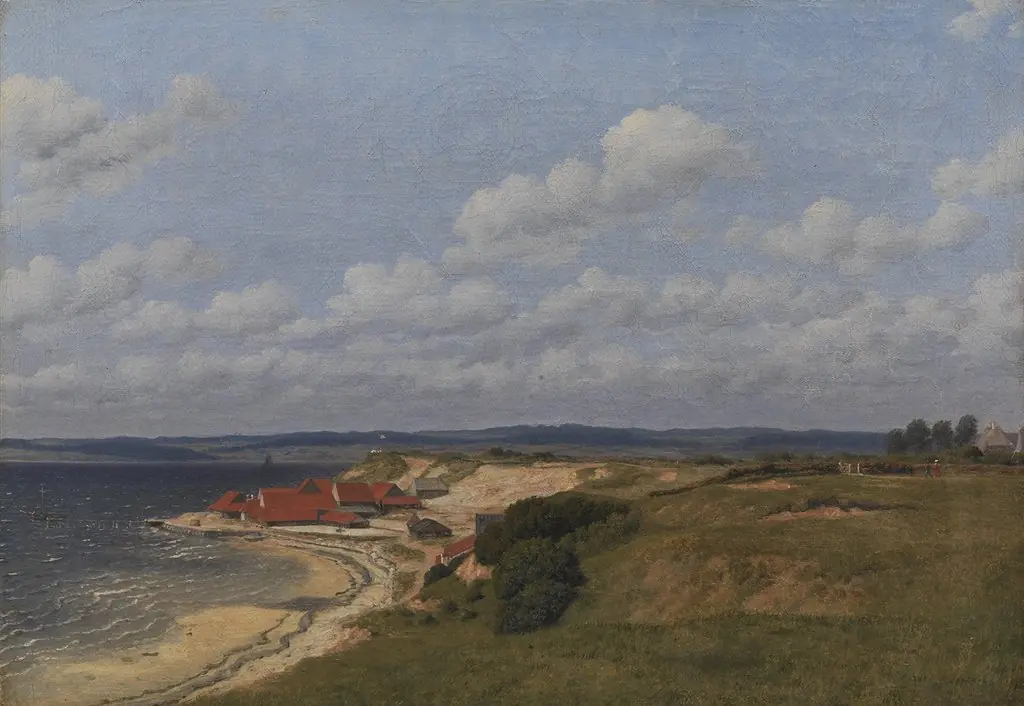 Renbjærg Tileworks by Flensburg Fiord
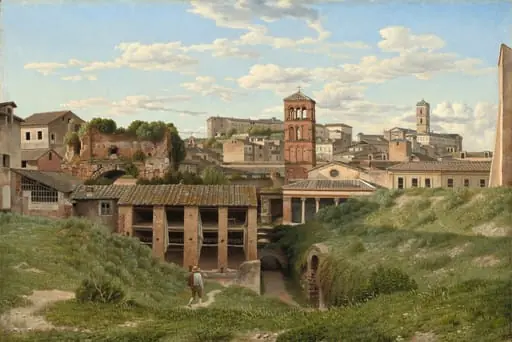 View of the Cloaca Maxima, Rome
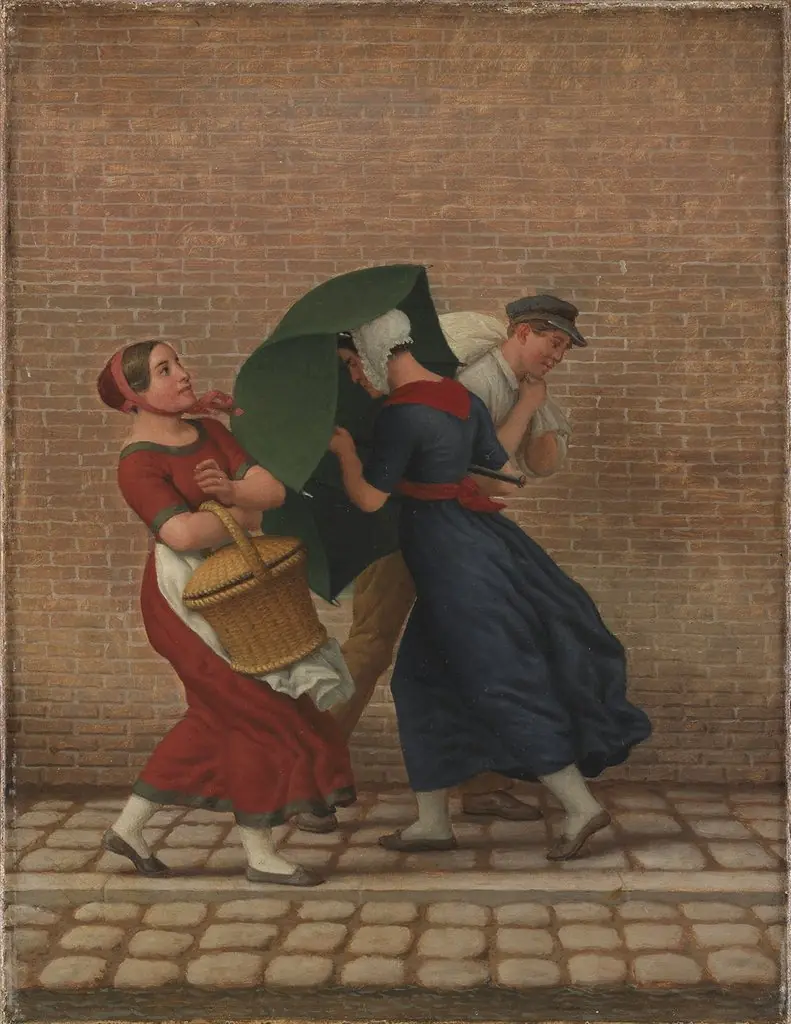 Street Scene in Windy and Rainy Weather