Artwork
Spring Flowers
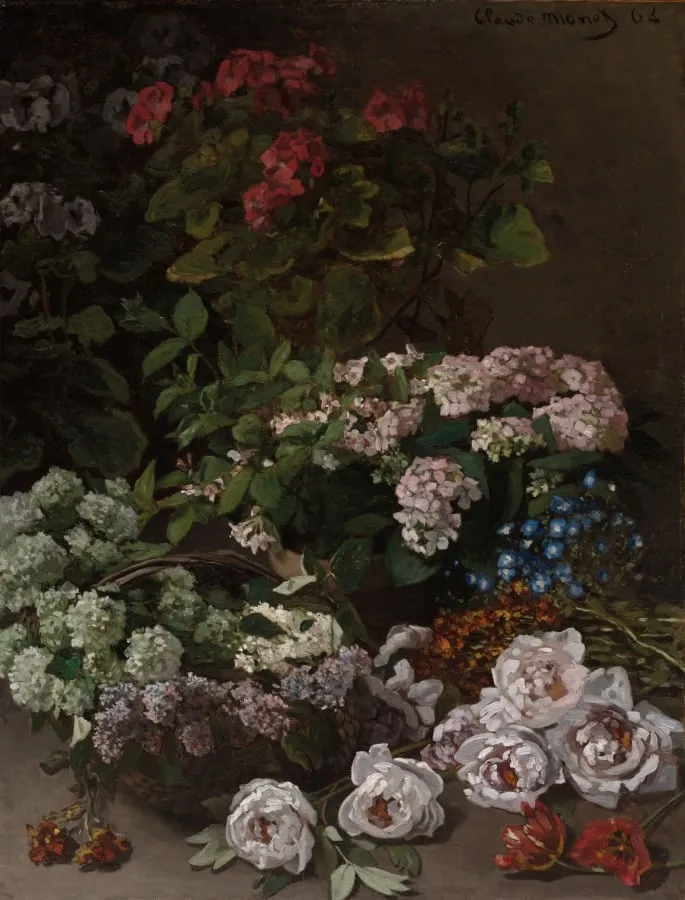
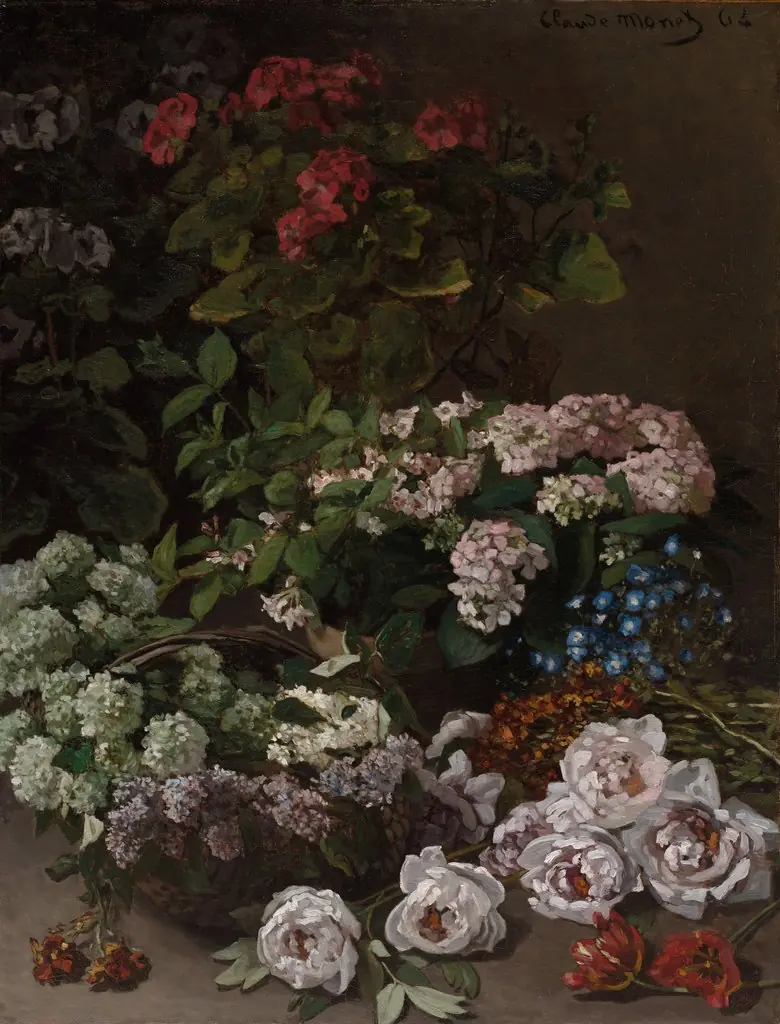
Spring Flowers is an unspecified painting by the Impressionist artist Claude Monet. It dates from 1864 and is held in the collection of the Cleveland Museum of Art.
- Accession no.
- 1953.155
- Credit line
- Gift of the Hanna Fund
About this work
Overview
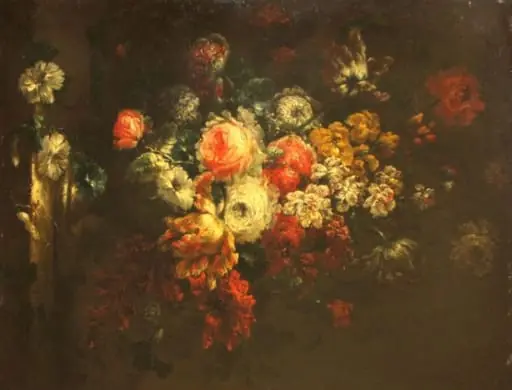
Painted in the early 1860s, this still life represents Monet’s formative engagement with floral subjects before his full transition to plein air painting.
Painted in the early 1860s, this still life represents Monet’s formative engagement with floral subjects before his full transition to plein air painting. Unlike his later landscapes, this work emphasizes controlled observation and detailed rendering, yet already hints at his interest in light’s interaction with natural forms. The composition avoids traditional still-life arrangements, favoring an informal, overflowing presentation that suggests spontaneity.
Subject & Meaning
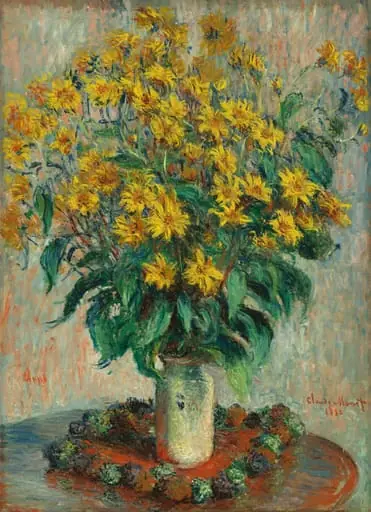
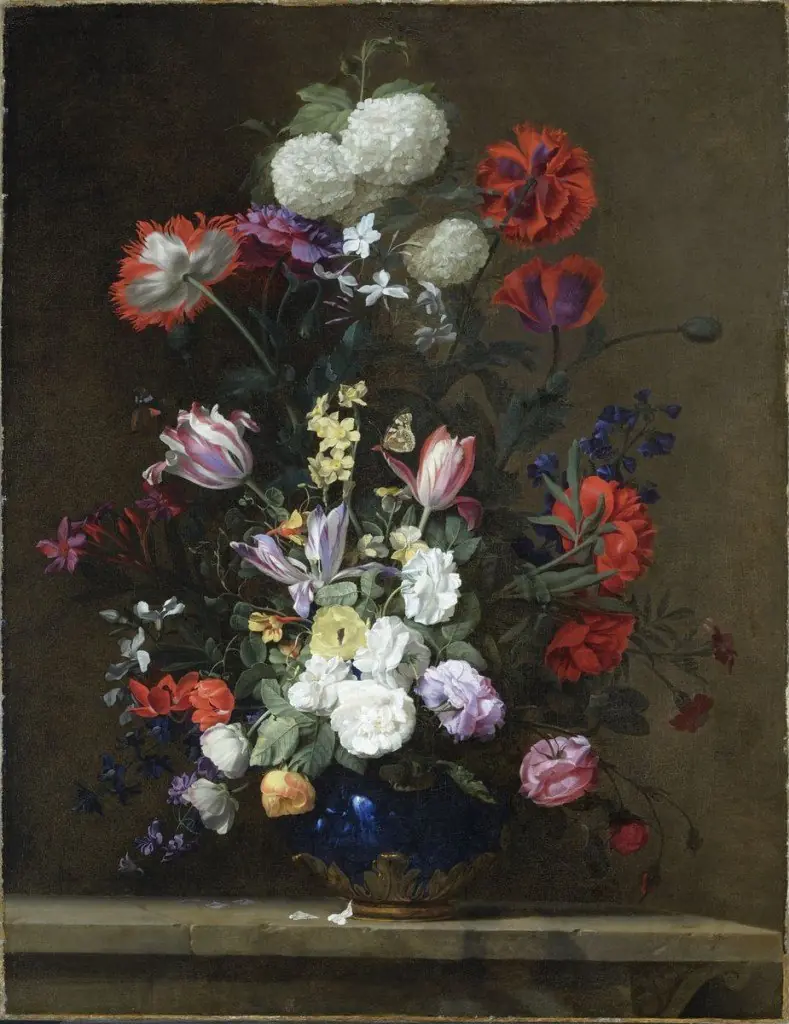
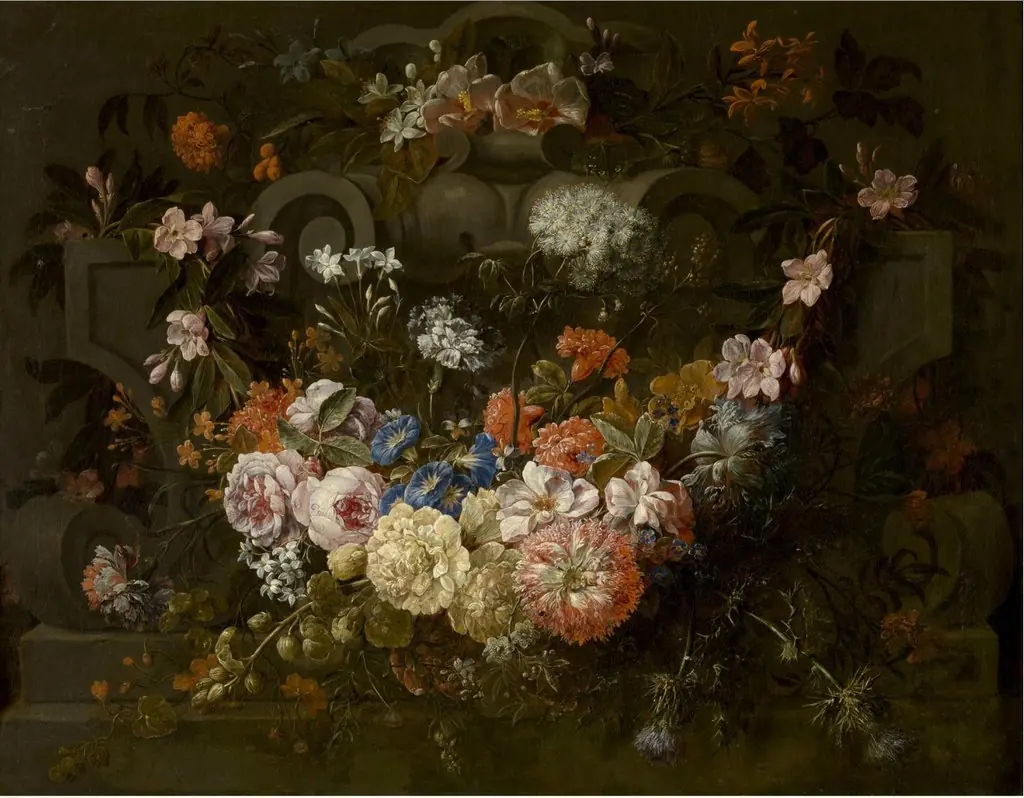
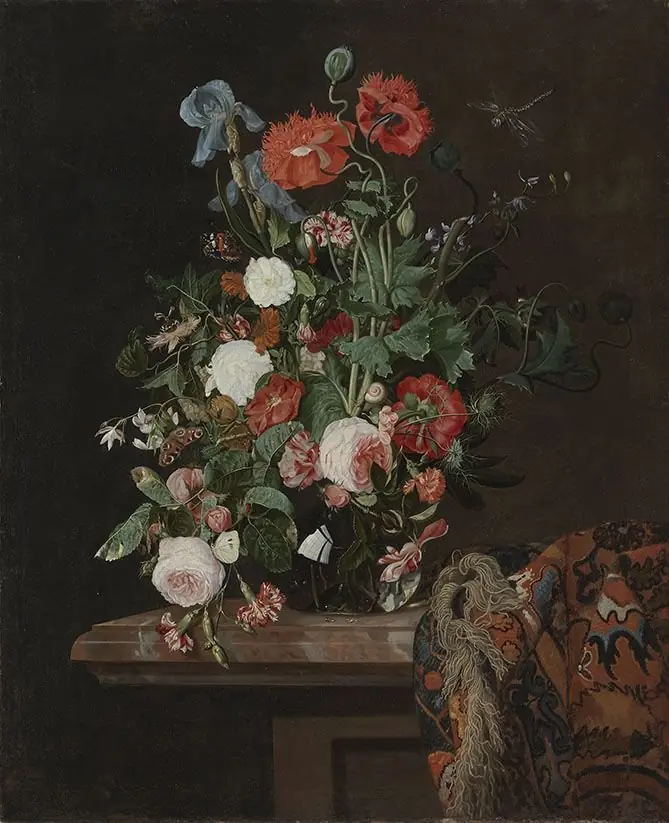
The painting features peonies, hydrangeas, lilacs, and geraniums arranged in pots and baskets, their blooms spilling outward against a deep, neutral background. Rather than symbolizing seasonal abundance or mortality, as in traditional still lifes, the focus lies in the physical presence of the flowers themselves, captured in their full, unidealized maturity. The arrangement conveys a quiet intimacy, rooted in direct observation rather than allegory.
Technique & Style
Monet employs precise, varied brushwork to render each petal and leaf with observational clarity, yet his strokes retain a lively energy that avoids rigidity. The dark background heightens chromatic contrast, allowing the flowers’ hues to emerge with luminous clarity. While the handling is more controlled than in his later works, the texture and rhythm of the brushwork already suggest his developing sensitivity to light’s transient effects on surfaces.
History & Provenance
Created during Monet’s years in Paris, this painting predates his association with the Impressionist circle and reflects his academic training. It remained in private hands for much of the 19th century, rarely exhibited publicly until the 20th century. Its survival offers rare insight into his pre-Impressionist phase, bridging his early realism and the atmospheric explorations that followed.
Context
In the early 1860s, French artists were divided between academic traditions and emerging naturalism. Monet, influenced by Courbet and the Barbizon painters, sought to depict nature without idealization. This work aligns with a broader shift toward direct observation, though its still-life format was less common among his peers, who increasingly favored outdoor scenes over studio compositions.
Legacy
Though overshadowed by his later landscapes, this painting demonstrates the technical foundation upon which Monet’s innovations were built. Its careful attention to light and form, combined with a dynamic brush technique, foreshadows the perceptual concerns that would define Impressionism. It stands as a quiet but significant link between 19th-century realism and the modern approach to visual experience.
Artist & collection
Artist
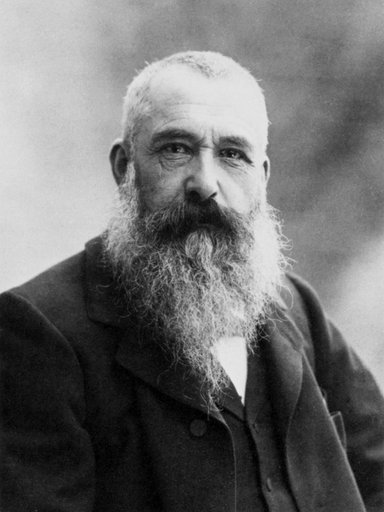
Oscar-Claude Monet was a French painter and founder of Impressionism who is seen as a key precursor to modernism, especially in his attempts to paint nature as he perceived it.