Artwork
The Red Kerchief
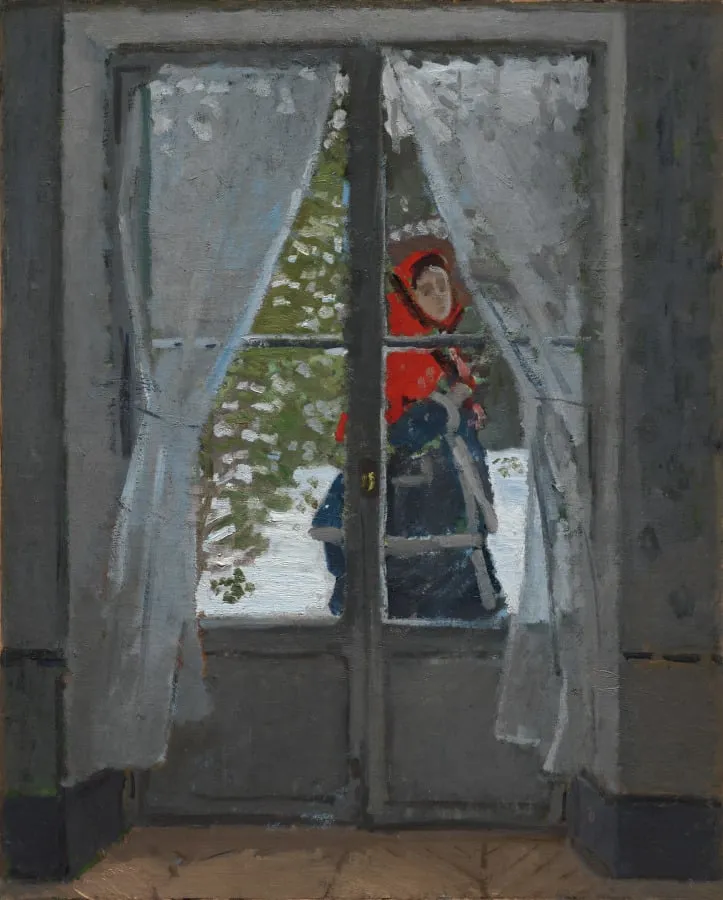
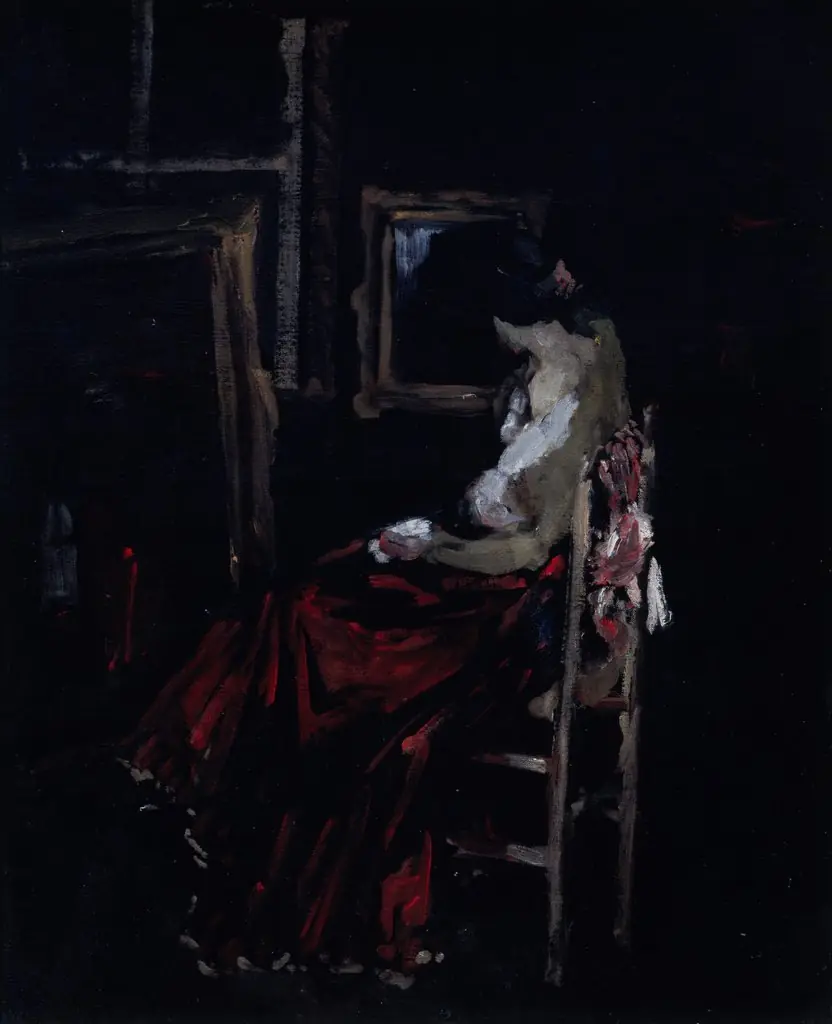
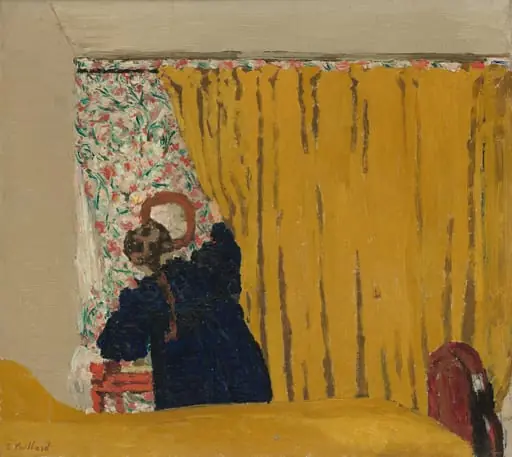
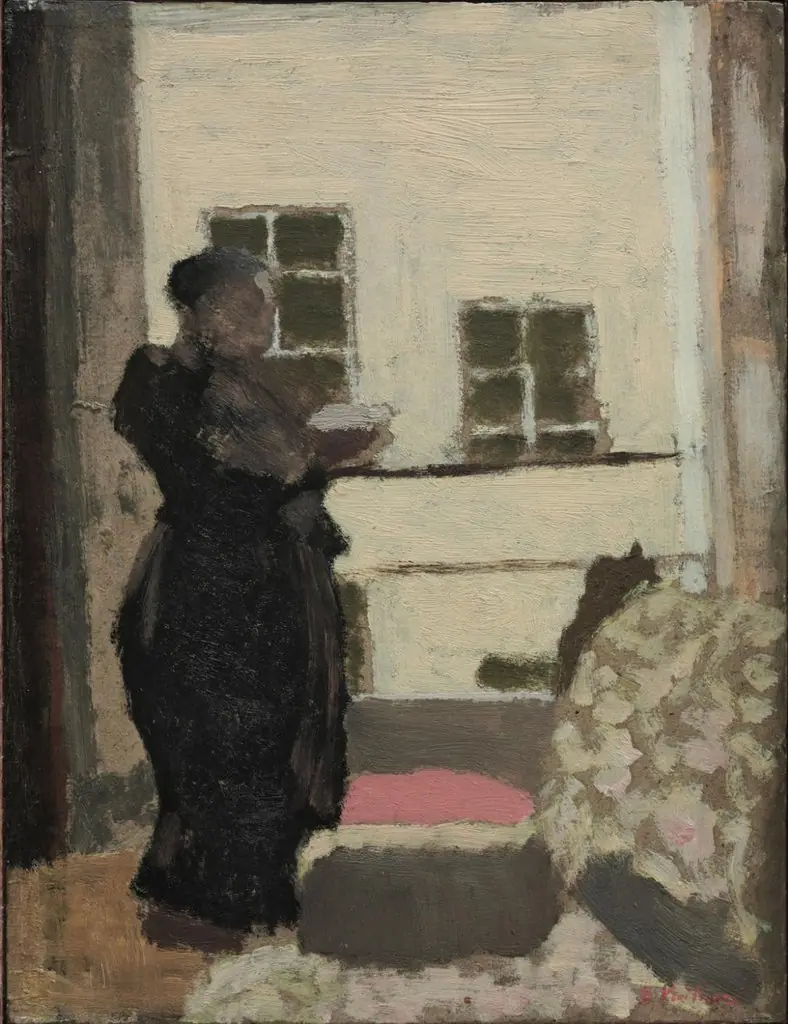
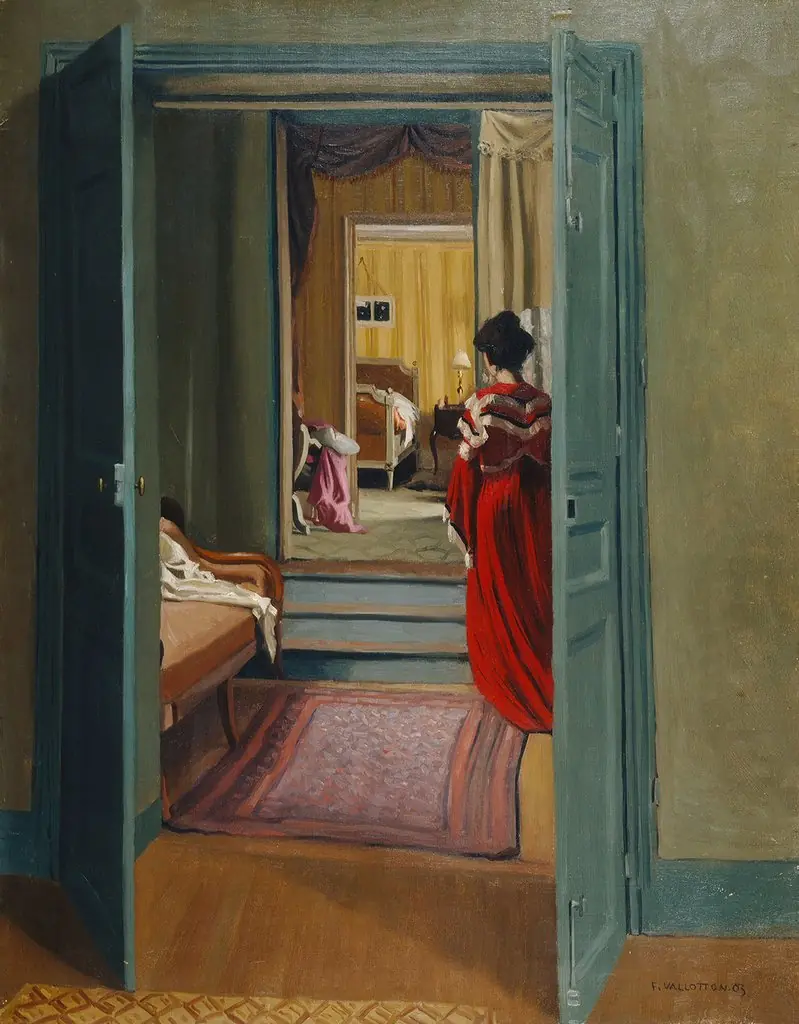
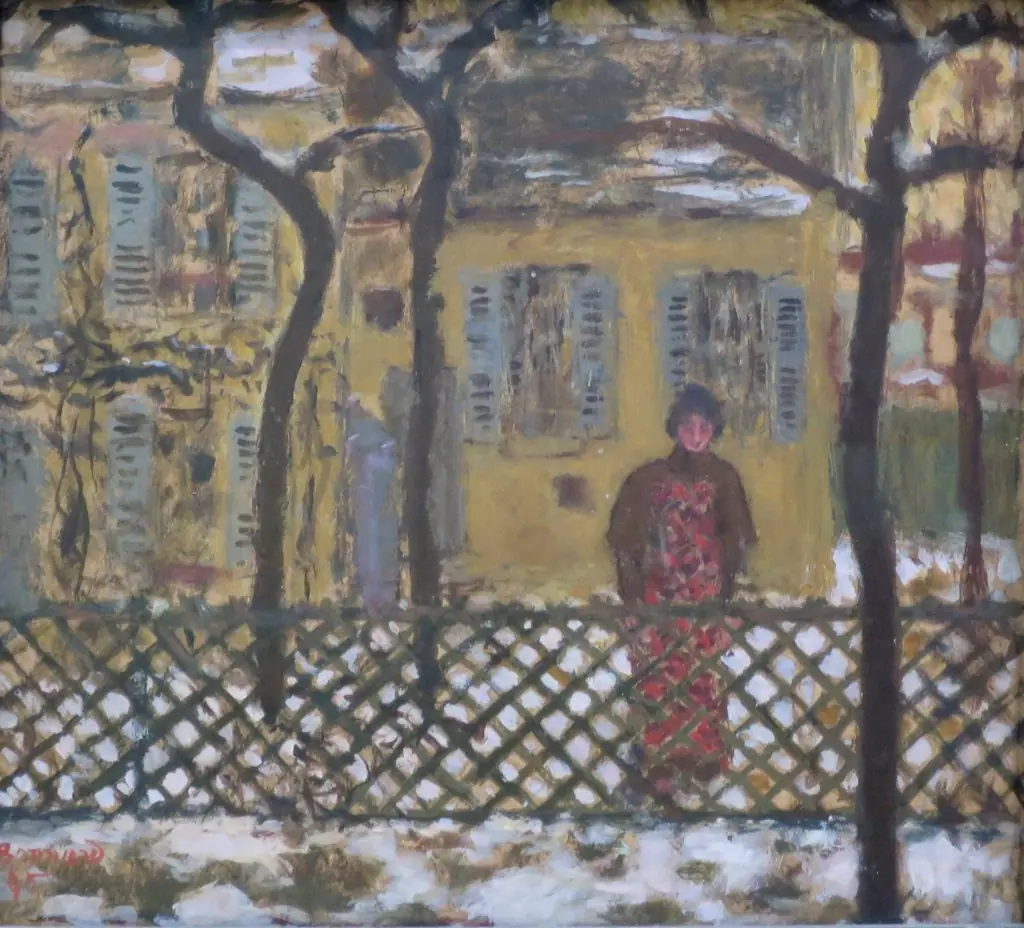
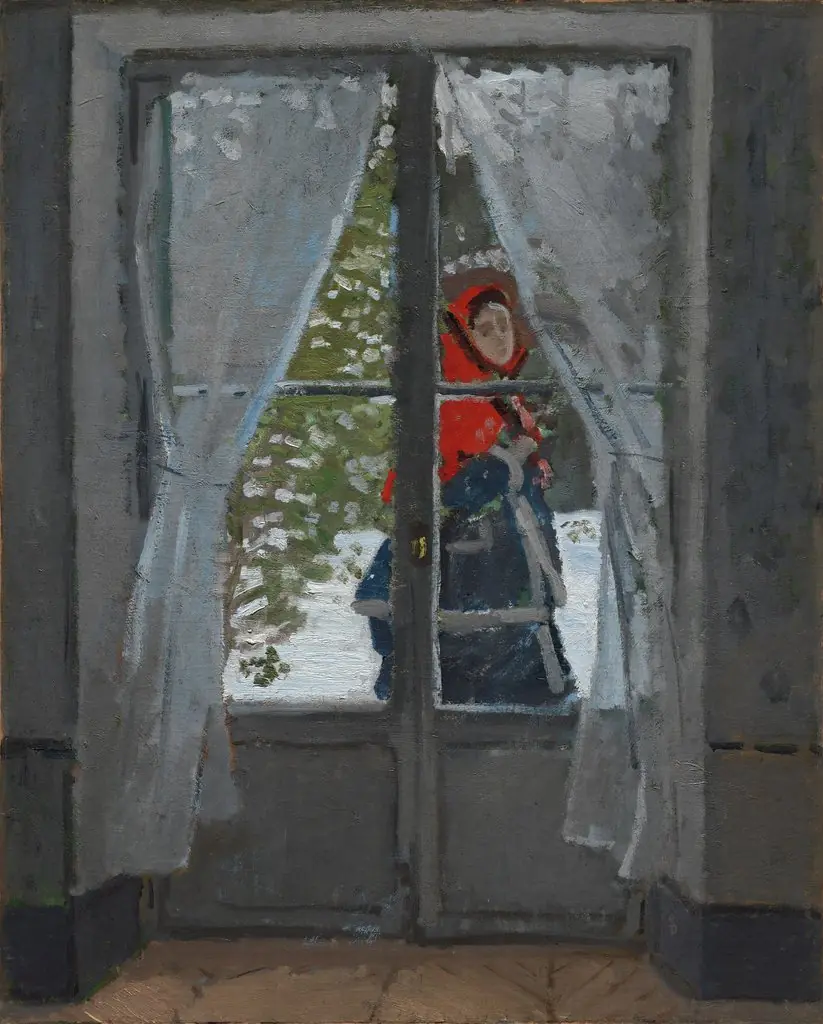
The Red Kerchief is an unspecified painting by the Impressionist artist Claude Monet. It dates from 1870 and is held in the collection of the Cleveland Museum of Art. The work portrays Camille Monet, the artist’s first wife, standing in the snow outside their Argenteuil residence.
- Accession no.
- 1958.39
- Credit line
- Bequest of Leonard C. Hanna Jr.
About this work
Overview
The work portrays Camille Monet, the artist’s first wife, standing in the snow outside their Argenteuil residence. She wears a vivid red kerchief that punctuates the wintry scene. The composition captures a brief moment on a cold day, emphasizing the fleeting quality of light and atmosphere that preoccupied Monet during his early career.
Subject & Meaning
Camille is shown walking past the French doors of the house, her figure framed by the stark, snow‑covered landscape. The red kerchief serves as a visual anchor, drawing the eye amid the muted whites and greens and suggesting a personal, intimate focus on the domestic sphere within an outdoor setting.
Technique & Style
Monet employed a rapid, Impressionist approach, applying paint in loose, broken dabs rather than smooth blends. The facial features, snow, and foliage are rendered with swift strokes of pure color, allowing the viewer to perceive form through the interplay of light and texture rather than detailed modeling.
History & Provenance
Created during Monet’s formative period of experimentation with light and atmosphere, the painting reflects his transition toward the hallmark spontaneity of Impressionism. It remains part of the early body of work that illustrates his development before the more mature series that would later define his career.
Artist & collection
Artist
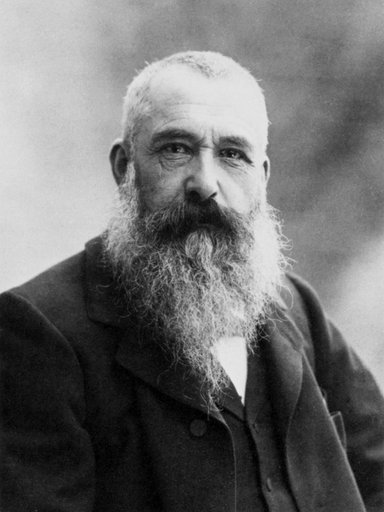
Oscar-Claude Monet was a French painter and founder of Impressionism who is seen as a key precursor to modernism, especially in his attempts to paint nature as he perceived it.