Artwork
The Annunciation
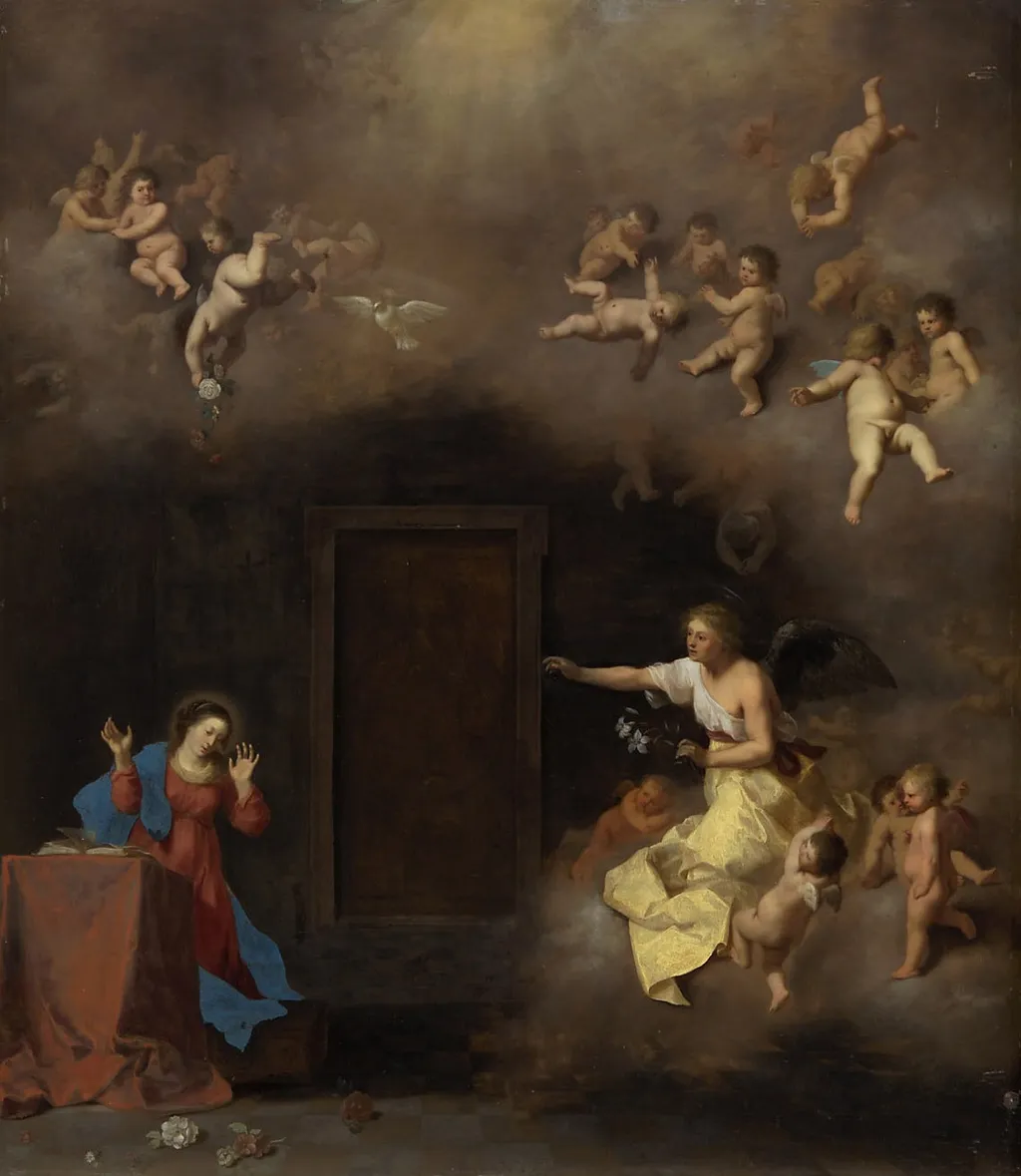
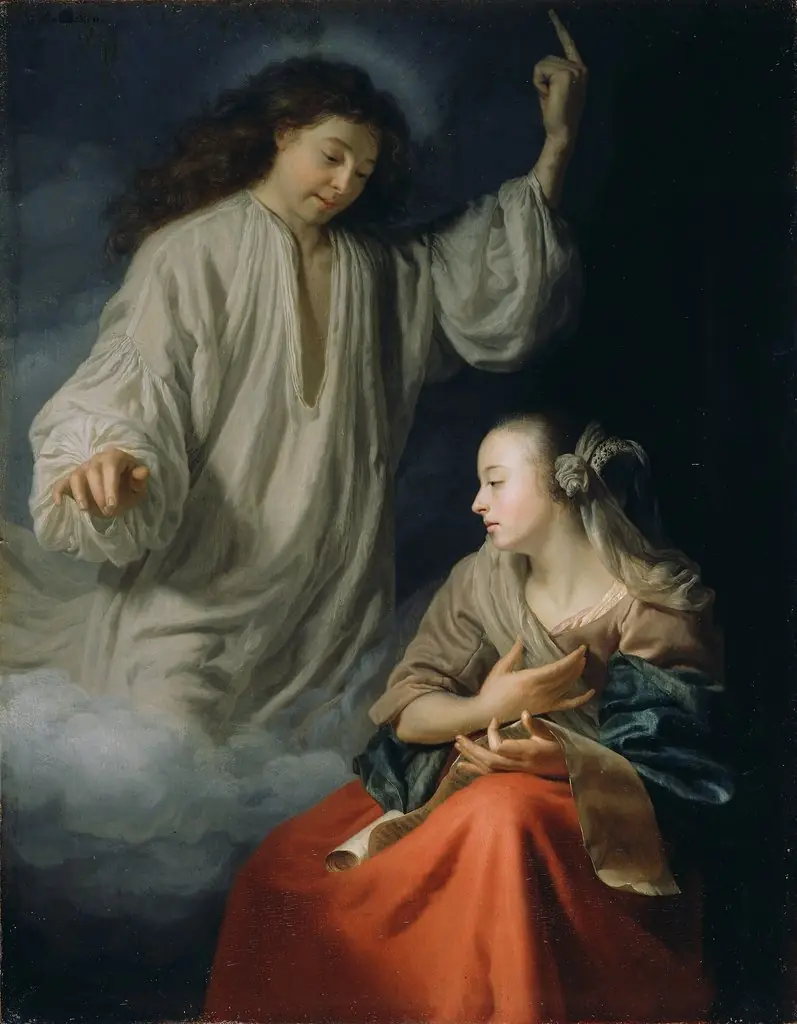
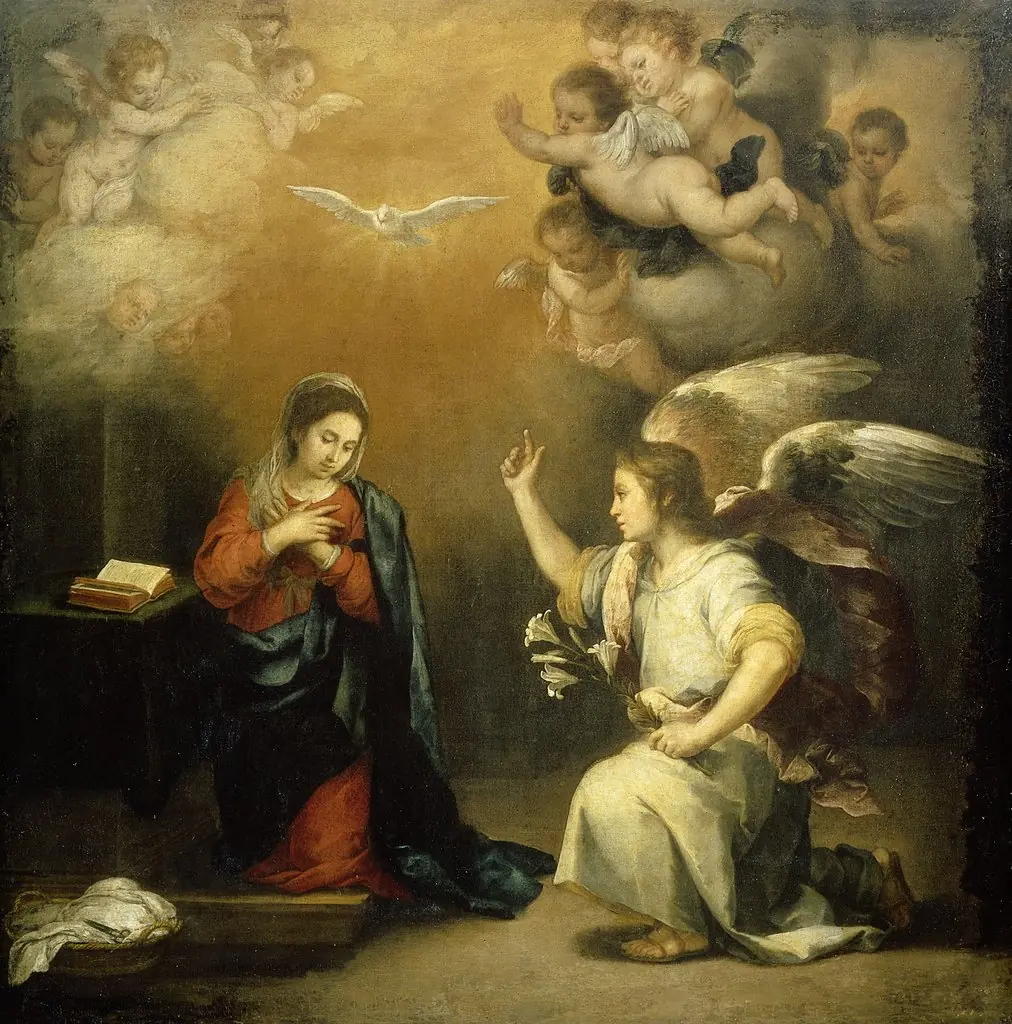
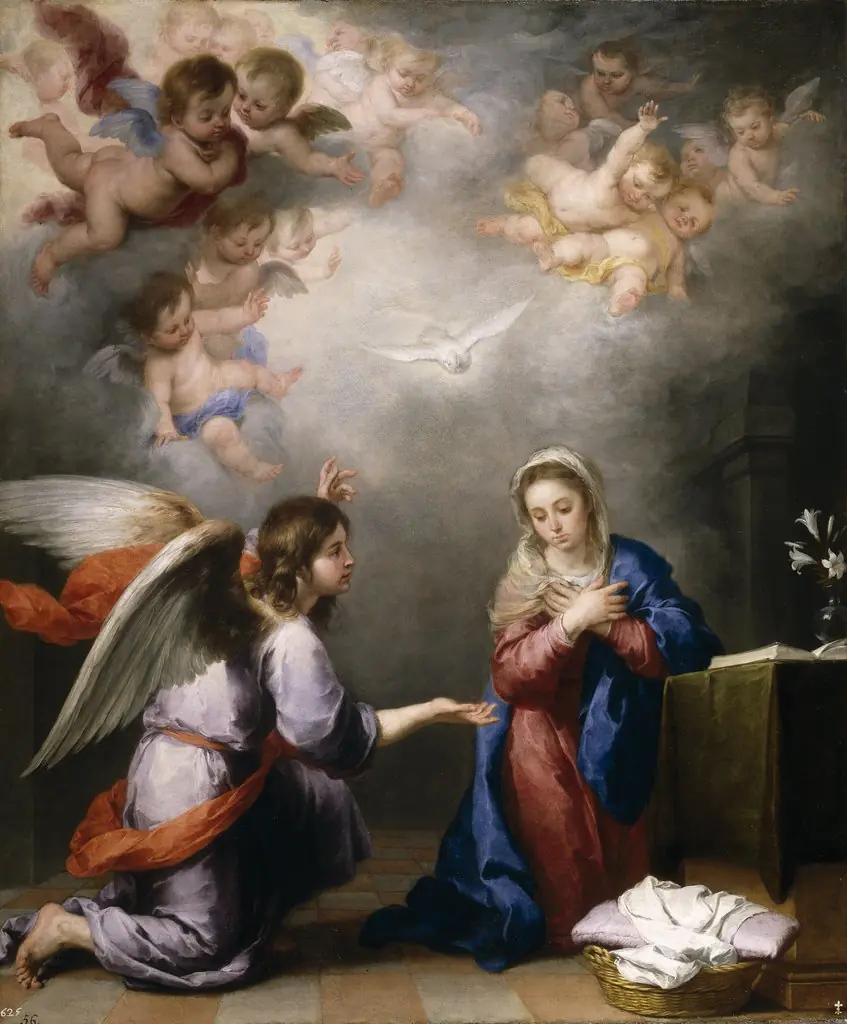
The Annunciation is an oil painting by the Early Baroque Italian artist Cornelius van Poelenburgh. It dates from 1635 and is held in the collection of the Kunsthistorisches Museum.
About this work
Subject & Meaning
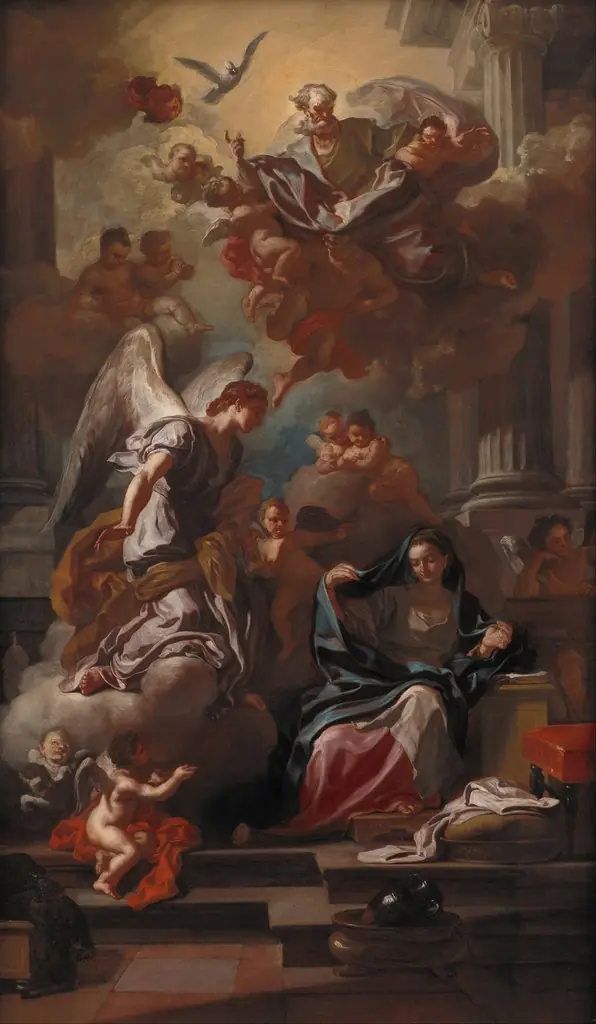
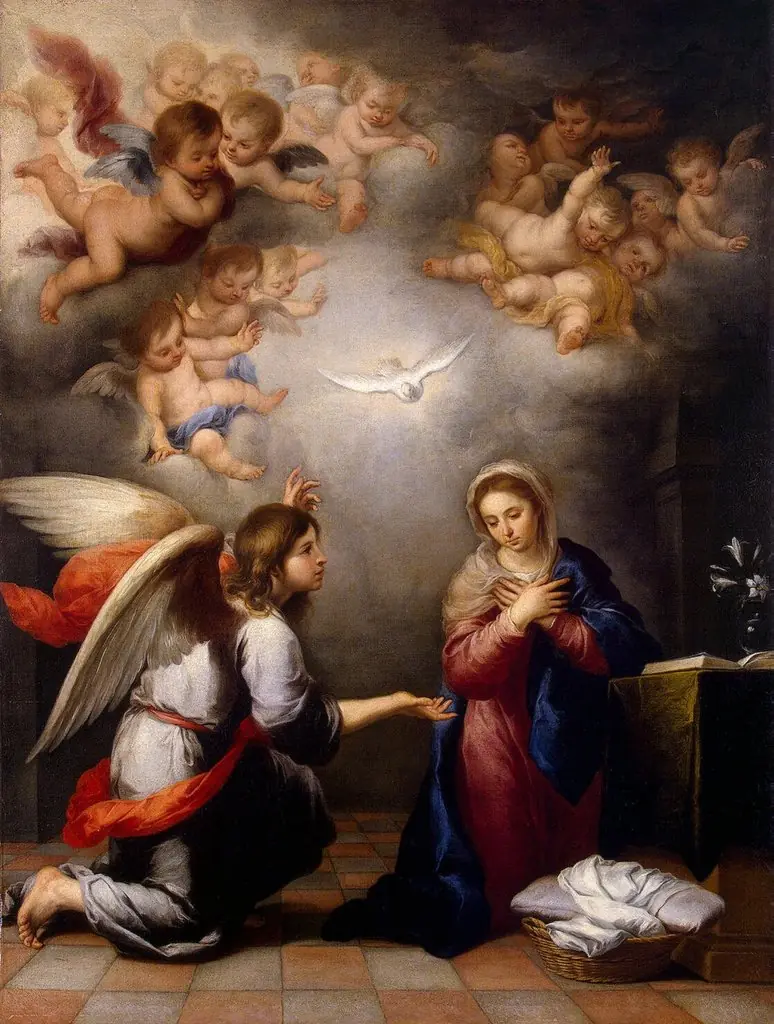
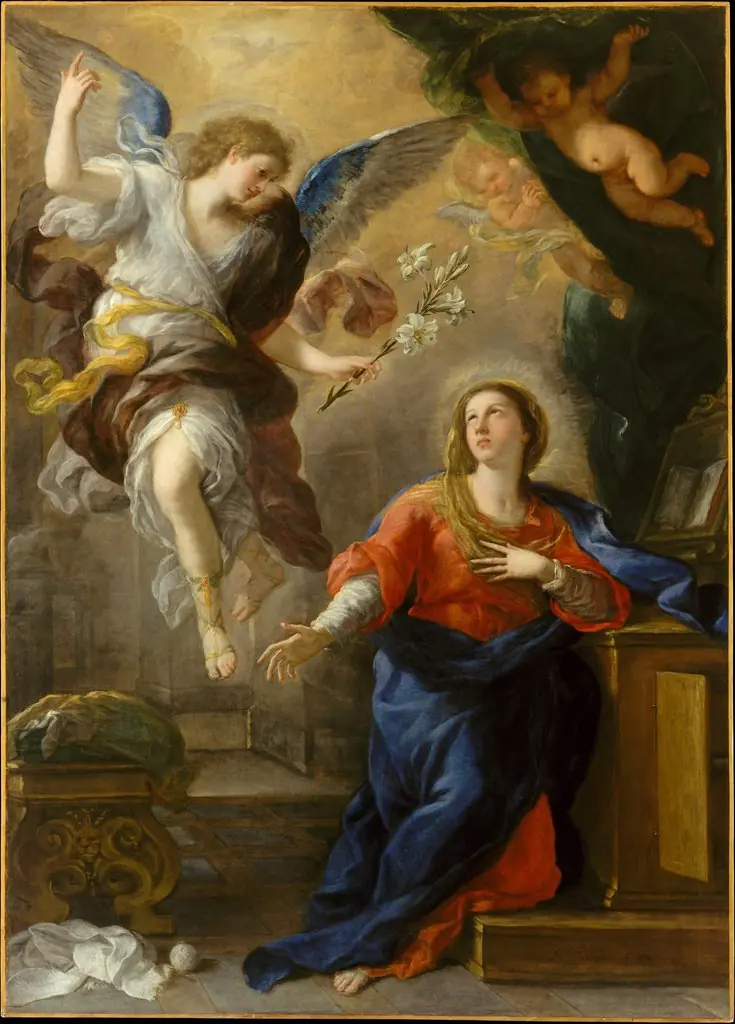
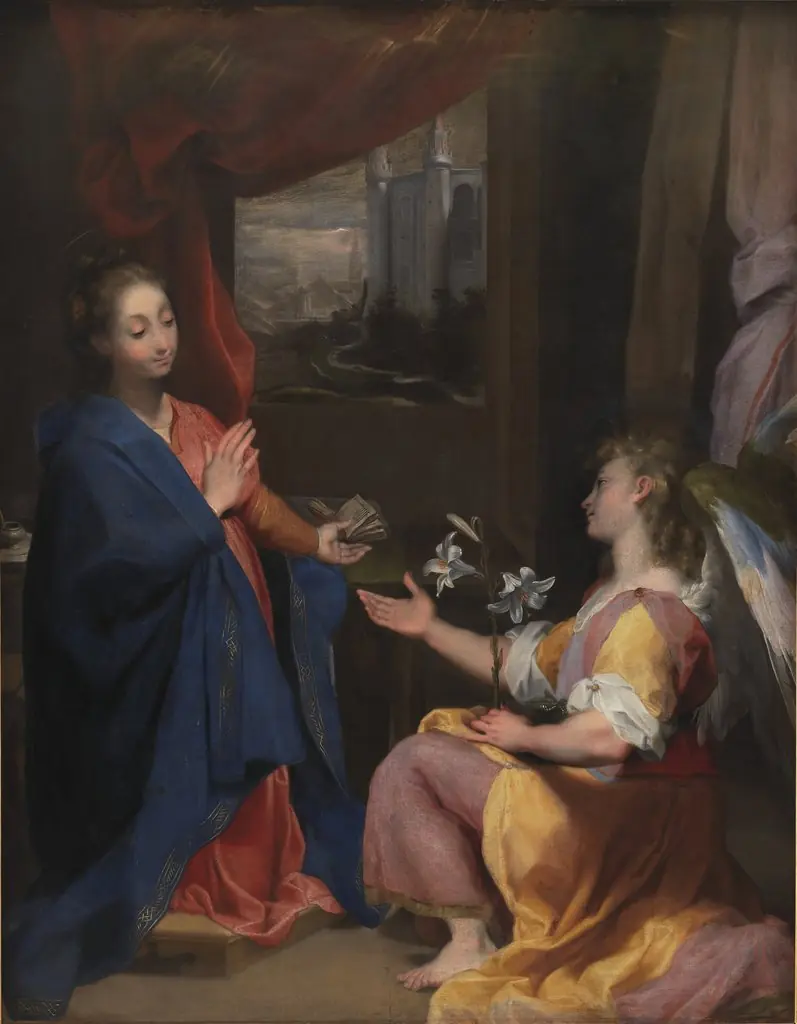
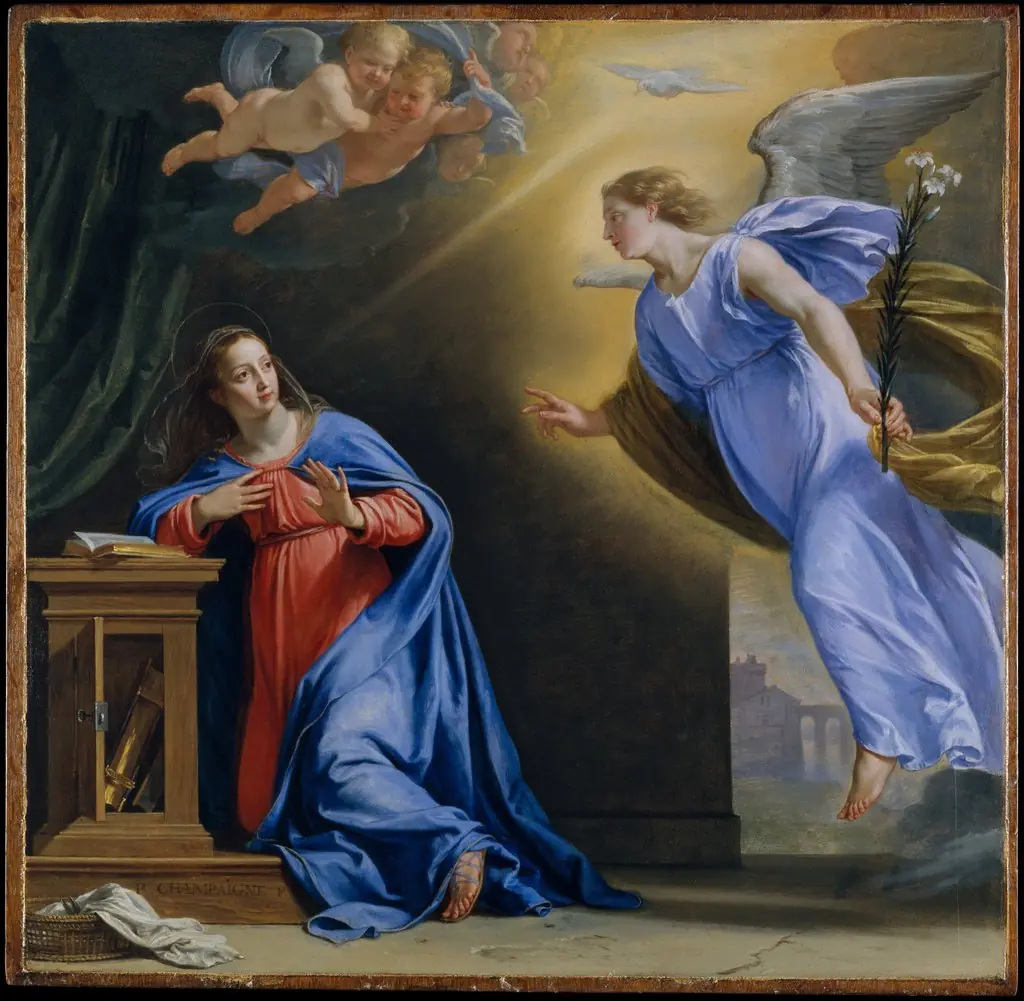
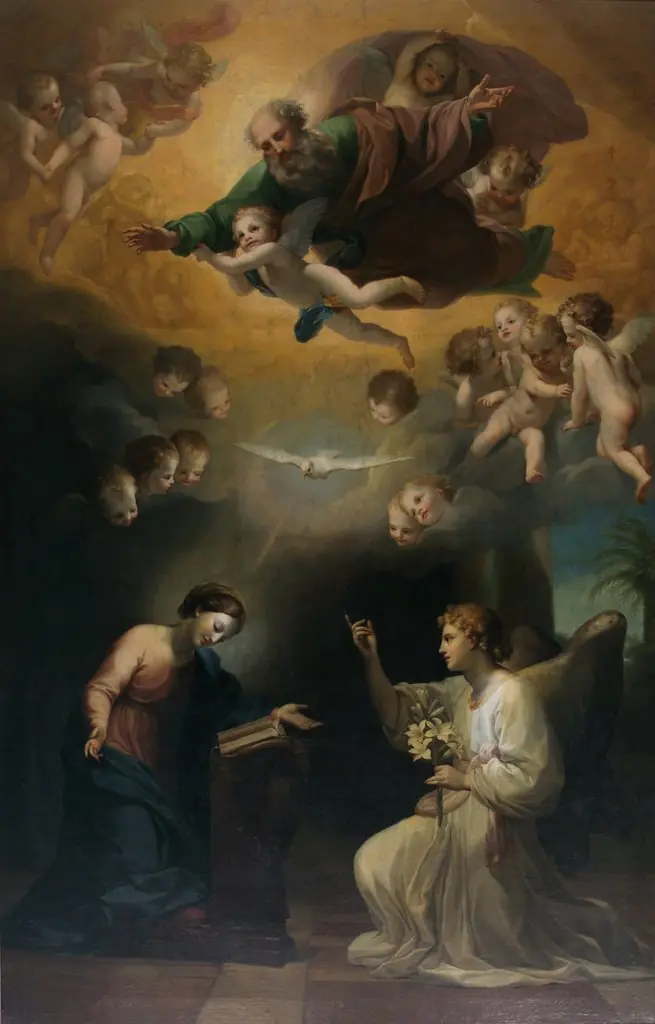
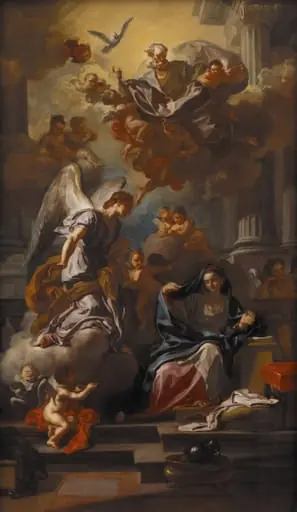
The painting depicts the Annunciation, the biblical moment when the Archangel Gabriel announces to the Virgin Mary that she will conceive and bear Jesus.
The painting depicts the Annunciation, the biblical moment when the Archangel Gabriel announces to the Virgin Mary that she will conceive and bear Jesus. Both figures are explicitly identified in the work's iconographic program, with Mary and Gabriel serving as the central subjects of the composition.
Rendered on a small copper support, the scene belongs to the long tradition of religious art devoted to this episode from the Gospel of Luke. The Annunciation is one of the most frequently represented subjects in Western Christian painting, symbolizing the Incarnation and the moment of divine communication between heaven and humanity. By focusing on Mary and Gabriel, the work participates in this devotional tradition, presenting the encounter as a subject of contemplation and theological reflection.
Technique & Style
The painting is executed in oil on a copper support, a technique that was common among Dutch artists of the early 17th century and allowed for a smooth, reflective surface that enhanced the luminous quality of the colors. The composition depicts the moment of the Annunciation, with the Virgin Mary and the angel Gabriel positioned centrally, rendered in a naturalistic yet idealized style that emphasizes graceful drapery and delicate facial expression. The formal handling of light and shadow creates a subtle chiaroscuro that draws attention to the figures while maintaining a balanced spatial arrangement.
The work measures 48 cm in height and 41 cm in width, reflecting the modest scale typical of devotional paintings intended for private contemplation.
History & Provenance
The Annunciation by Cornelius van Poelenburgh was created in 1635, executed in oil paint on copper and measuring 48 by 41 cm. The work entered the collection of the Kunsthistorisches Museum in Vienna, where it is currently held. Beyond its inception date and present institutional custody, the available sources do not document the circumstances of its commission, the identity of any original patron, or the chain of ownership linking its creation to its arrival at the museum.
The painting's early provenance therefore remains untraced in the available records, with no intermediate owners, dealers, or acquisition events documented between its production and its presence in the Kunsthistorisches Museum.
The painting is part of the Kunsthistorisches Museum collection and is accessioned under its standard inventory listing. It has been exhibited in a 2013 exhibition titled 'Religion and Art in the Dutch Golden Age' at the Kunsthistorisches Museum.
The work measures 48 cm in height and 41 cm in width.
Overview
Cornelis van Poelenburgh’s The Annunciation (1635) is a small copper panel painted in the early Baroque idiom. Executed while the Dutch artist was residing in Rome, the work presents the biblical moment when the angel Gabriel informs the Virgin Mary of her forthcoming role as mother of the divine Son. The panel is part of the Kunsthistorisches Museum’s collection in Vienna.
Artist & collection
Artist
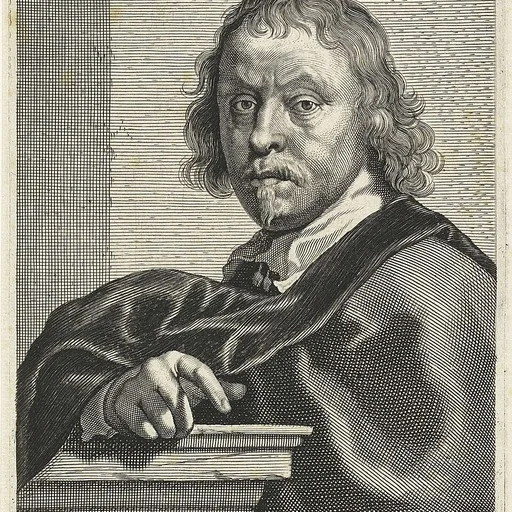
Cornelis van Poelenburgh or Cornelis van Poelenburch (1594 – 12 August 1667), was a Dutch landscape painter and draughtsman.