Artwork
La paix a tout prix
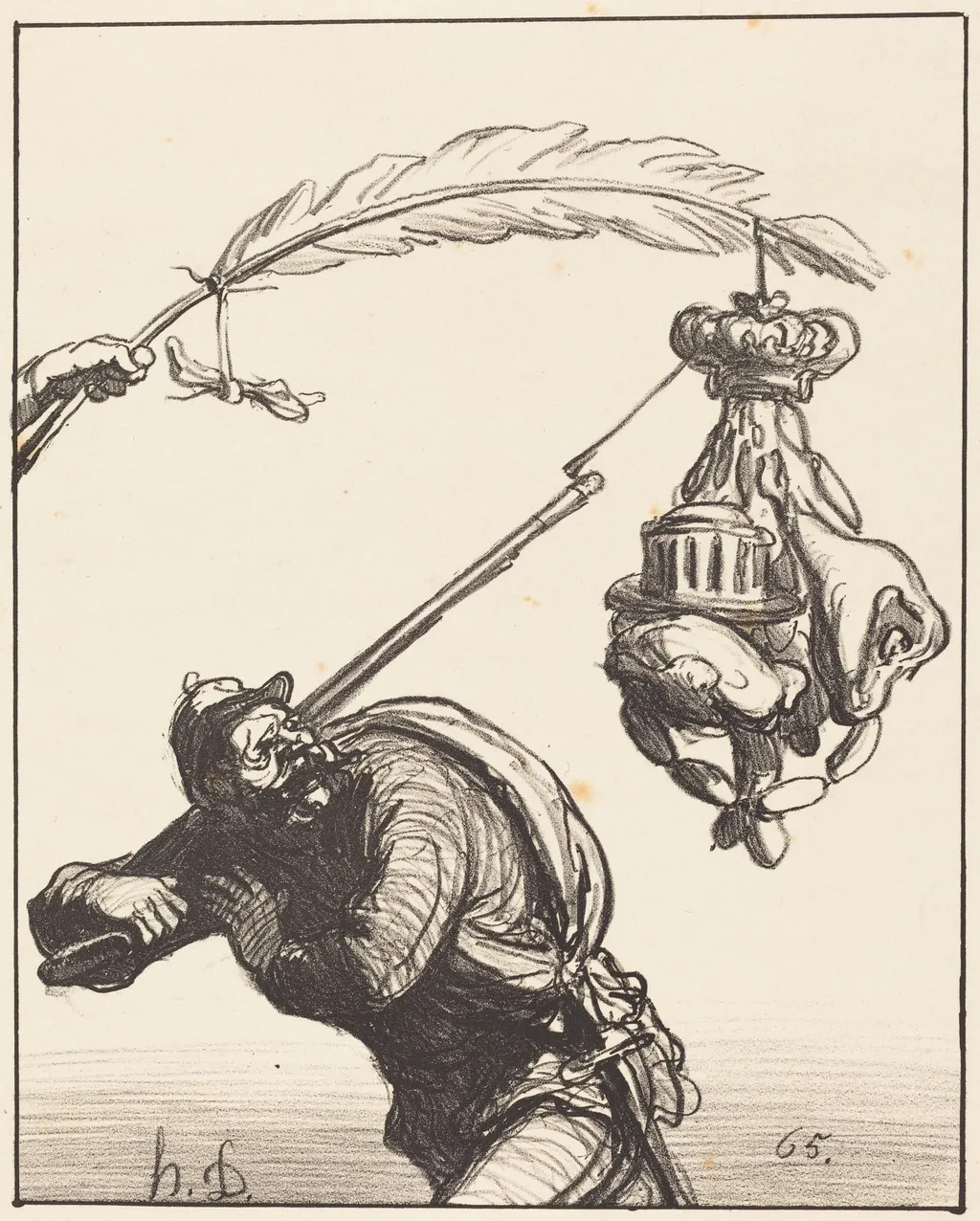
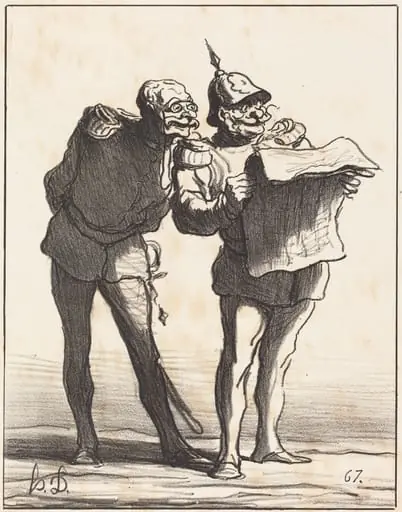
La paix a tout prix is an ink print by the Impressionist artist Honoré Daumier. It dates from 1870 and is held in the collection of the National Gallery of Art.
About this work
Overview
Created in 1870, La paix à tout prix is a lithograph by Honoré Daumier that captures the political turbulence of France’s transition from empire to republic.
Created in 1870, La paix à tout prix is a lithograph by Honoré Daumier that captures the political turbulence of France’s transition from empire to republic. As a longtime contributor to satirical journals, Daumier used printmaking to voice dissent. This work emerged during the collapse of the Second Empire, reflecting his consistent critique of authoritarian rule through visual metaphor rather than direct portraiture.
Subject & Meaning
The image depicts a muscular figure wielding a club against an ornate chandelier crowned with a royal emblem. The chandelier symbolizes the decadence and fragility of monarchical power, while the club represents forceful change. The figure’s other hand holds a modest branch, suggesting a preference for simplicity over excess.
Together, the elements convey a message: even the most elaborate symbols of authority can be dismantled by popular will.
Technique & Style
Daumier employed lithography to achieve rapid, expressive results suited to political commentary. Bold, gestural lines and simplified forms give the image urgency and immediacy. The contrast between the heavy, detailed chandelier and the crude, almost sketch-like figure emphasizes the tension between entrenched power and disruptive action. The medium allowed for wide distribution, aligning with Daumier’s goal of reaching a broad public audience.
History & Provenance
Produced in the same year as the fall of Napoleon III’s regime, the print was likely circulated in radical or republican circles. Though no early ownership records are widely documented, its thematic alignment with Daumier’s known publications, La Caricature and Le Charivari, suggests it was intended for public consumption. It survives today as part of institutional collections focused on 19th-century political art.
Context
Daumier’s work unfolded against a backdrop of repeated French revolutions and regime changes. In the decades before 1870, he had ridiculed kings, judges, and clergy, often facing censorship or imprisonment. La paix à tout prix emerged as the Second Empire crumbled under military defeat and public discontent.
The print channels the mood of a society ready to reject inherited hierarchies in favor of republican ideals.
Legacy
The print exemplifies Daumier’s enduring influence on political illustration. His use of symbolic imagery and accessible technique paved the way for later satirical artists and editorial cartoonists. Though not widely exhibited in his lifetime, the work is now recognized as a key example of how printmaking could serve as a tool of civic critique, bridging art and activism in moments of national transformation.
Own this work as a print
Artist & collection
Artist
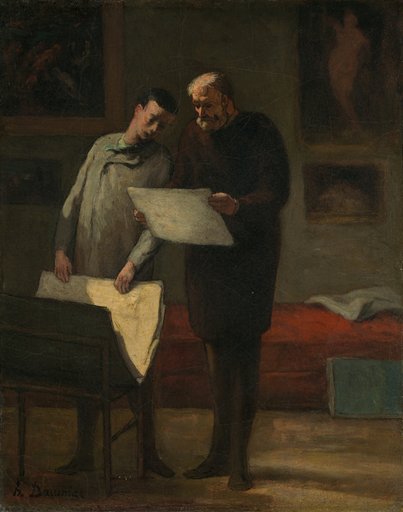
Honoré-Victorin Daumier (French: ; 26 February 1808 – 10 or 11 February 1879) was a French painter, sculptor, and printmaker, whose many works offer commentary on the social and political life in France, from the…









 A tous les coeurs bien nés que la patrie est chère!!!
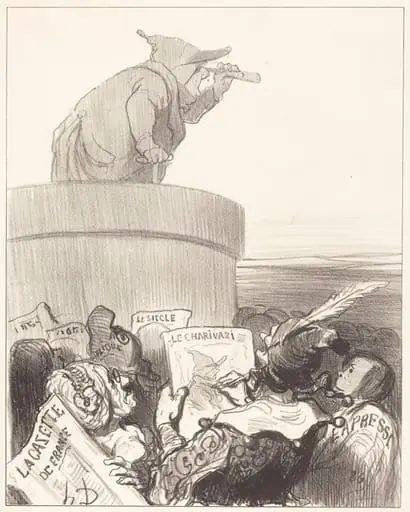 Le Constitutionnel contemplant l'horizon politique
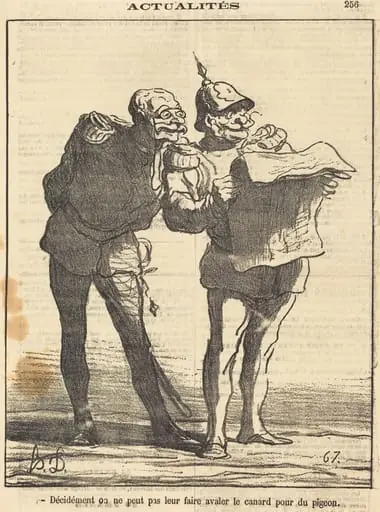 Décidément on ne peut pas...
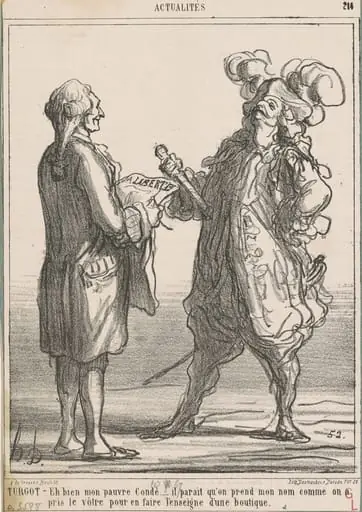 Turgot -- Eh bien mon pauvre condé ...
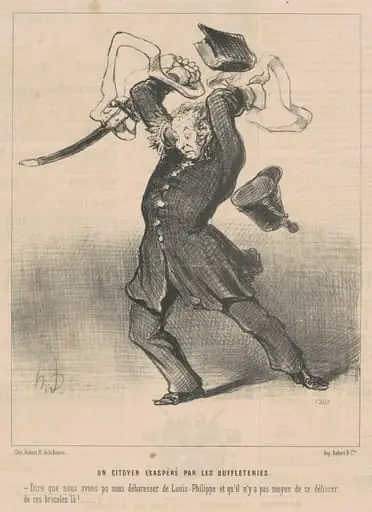 Un citoyen exaspéré par les buffleteries
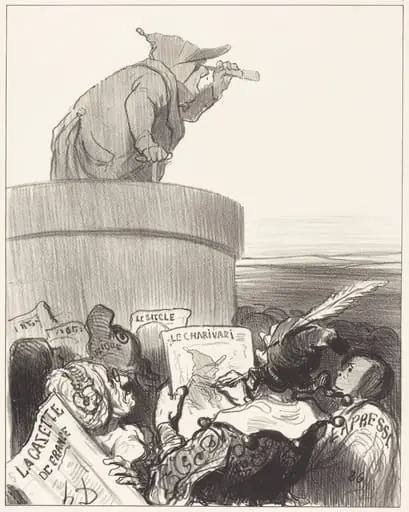 Le Constitutionnel contemplant l'horizon politique
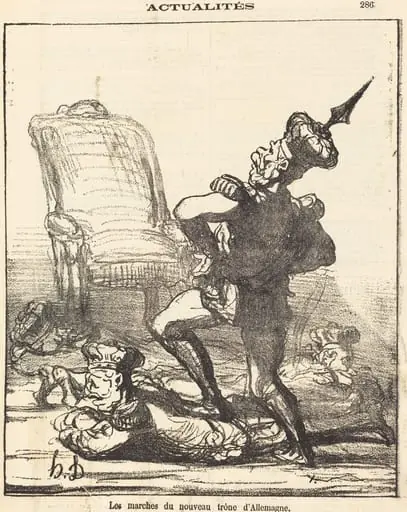 Les marches du nouveau trone d'Allemagne
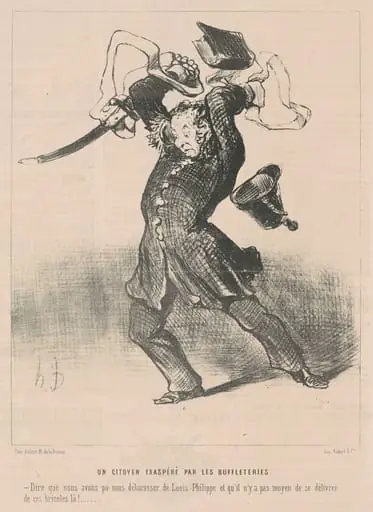 Un citoyen exaspéré par les buffleteries
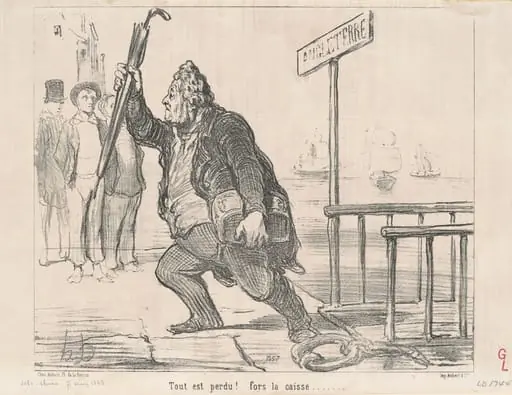 Tout est perdu! Fors la caisse
 Décidément on ne peut pas...